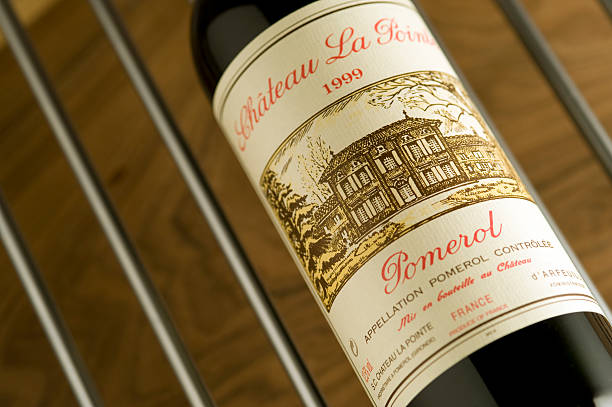
What Is A Bordeaux Blend
Wondering what a Bordeaux blend is? It’s a classic red wine made from a mix of grapes originally grown in France’s Bordeaux region, typically including Cabernet Sauvignon, Merlot, and others. These blends are celebrated for their rich flavors, balance, and aging potential. Whether you’re sipping a bold Napa red or a traditional French bottle, chances are you’ve tasted one. In this article, we’ll break down the key grapes, flavor profiles, and what makes these wines so special—so you can choose your next bottle with confidence.
What is a Bordeaux Blend
Definition of a Bordeaux Blend
A Bordeaux Blend is a wine crafted by combining multiple grape varieties, primarily from the red grapes grown in the Bordeaux region of France. These blends typically feature Cabernet Sauvignon, Merlot, and Cabernet Franc, with smaller additions of Petit Verdot, Malbec, and Carménère.
The exact composition varies depending on the sub-region, soil type, and winemaker’s style. Blending allows winemakers to balance structure, fruitiness, and tannins, creating a more complex and age-worthy wine. For example, Cabernet Sauvignon adds backbone and aging potential, while Merlot contributes softness and roundness.
These wines often exhibit flavors of blackcurrant, plum, cedar, and tobacco, with firm tannins and balanced acidity. Bordeaux Blends are not limited to reds—sweet white versions, like Sauternes, blend Sémillon, Sauvignon Blanc, and Muscadelle.
Understanding this blend helps consumers choose wines with harmonious structure and layered complexity suitable for pairing with rich dishes or long-term cellaring.
Origin of Bordeaux Wine Blends
The tradition of Bordeaux wine blending dates back centuries, rooted in the region’s diverse microclimates and soil compositions. Located in southwest France along the Atlantic coast, Bordeaux’s varying terroirs—from gravelly banks near the Gironde River to clay-rich Right Bank soils—naturally favor different grape varieties.
Historically, winemakers learned that blending was essential for consistency and quality, especially in challenging vintages. For instance, Merlot thrives in cooler, clay soils, while Cabernet Sauvignon excels in well-drained gravel, prompting a synergistic approach to winemaking.
The 1855 Bordeaux Classification formalized the region’s reputation, highlighting top châteaux that mastered the art of blending. Over time, this model influenced winemakers globally, from Napa Valley to Australia. The regional appellation rules still guide blending practices, ensuring authenticity.
By honoring centuries-old techniques while adapting to modern tastes, Bordeaux producers maintain a legacy of balanced, terroir-driven wines that reflect both tradition and innovation.
How Bordeaux Blends Differ from Single-Varietal Wines
Bordeaux Blends differ significantly from single-varietal wines in structure, complexity, and winemaking philosophy. While single-varietal wines, like a 100% Pinot Noir or Zinfandel, highlight the distinct characteristics of one grape, Bordeaux Blends aim for harmony and balance through careful blending.
This approach allows winemakers to compensate for vintage variations—for example, adding more Merlot in cooler years when Cabernet Sauvignon struggles to ripen. The resulting wine often has greater depth, layered aromas, and improved aging potential compared to many single-varietal counterparts.
Additionally, tannin management is more precise, as blending softens harsh edges. Unlike varietal wines that emphasize purity, Bordeaux Blends focus on integration—of fruit, acidity, tannin, and oak—to create a seamless profile. This makes them ideal for pairing with complex dishes like braised meats or aged cheeses.
Ultimately, the art of blending transforms individual components into a unified, expressive whole, offering a more nuanced drinking experience.
Main Red Grapes in Bordeaux Blends
Role of Cabernet Sauvignon
Cabernet Sauvignon is the backbone of most Bordeaux blends, especially in the Left Bank regions like Médoc and Graves. It contributes structure, tannins, and aging potential, making wines firm and long-lived. Its deep color and intense flavors of blackcurrant, cedar, and tobacco evolve beautifully over time.
Winemakers rely on Cabernet Sauvignon for balance and complexity, particularly in cooler vintages when its slow ripening is an advantage. When blended, it adds aromatic intensity and backbone, supporting softer varieties like Merlot.
Understanding its role helps wine lovers identify age-worthy bottles and appreciate the classic Bordeaux profile rooted in tradition and terroir.
Characteristics of Merlot
Merlot plays a crucial softening role in Bordeaux blends, particularly on the Right Bank in regions like Pomerol and Saint-Émilion. Known for its plush texture and ripe fruit flavors—such as plum, cherry, and chocolate—Merlot adds immediate drinkability and roundness to the wine.
It ripens earlier than Cabernet Sauvignon, making it reliable in variable climates. Winemakers use Merlot to balance high tannins and create approachable blends. Its lower acidity and gentle structure make it ideal for crafting wines that are enjoyable young, yet still capable of aging.
Recognizing Merlot’s contribution helps consumers choose blends that match their preference for smooth, fruit-forward profiles.
Importance of Cabernet Franc
Cabernet Franc is the aromatic and floral cornerstone of many Right Bank Bordeaux blends, adding complexity and elegance. It ripens earlier than Cabernet Sauvignon and brings bright red fruit notes, violet perfume, and herbal undertones like bell pepper or mint.
This grape enhances aromatic lift and mid-palate finesse, helping to bridge the structure of Cabernet Sauvignon with the softness of Merlot. In cooler years, it performs reliably and maintains balanced acidity. Winemakers value it for its versatility and aging contribution, especially in blends from Saint-Émilion.
Understanding Cabernet Franc’s role allows enthusiasts to appreciate the nuanced, perfumed character in premium Bordeaux wines.
Petit Verdot and Malbec in the Mix
While used in smaller quantities, Petit Verdot and Malbec are impactful blending components in Bordeaux wines. Petit Verdot adds deep color, firm tannins, and exotic spice notes like violet and licorice, but only ripens in the warmest years.
Malbec, once more prominent, now contributes juicy dark fruit and softness, enhancing mouthfeel. These ‘minor’ grapes are used strategically to fine-tune complexity and structure. Though they rarely exceed 5% of the blend, their influence is significant in high-end wines. Winemakers blend them to enhance aromatic depth and longevity.
Recognizing their role helps drinkers identify layered, well-structured Bordeaux blends with extra dimension and aging potential.
White Grapes Used in Bordeaux White Blends
Sauvignon Blanc in White Bordeaux
Sauvignon Blanc is a cornerstone variety in white Bordeaux blends, providing vibrant acidity and aromatic intensity that define the wine’s freshness. Typically, it contributes zesty citrus notes like grapefruit and lemon, along with herbaceous undertones such as freshly cut grass and green bell pepper.
These characteristics make it ideal for balancing richer varieties in the blend. In the Bordeaux region, Sauvignon Blanc thrives in gravelly, well-drained soils near rivers, which help regulate temperature and enhance flavor development. Winemakers often ferment it at cool temperatures to preserve its delicate aromas.
While it can be used in varietal wines, its true strength lies in blending, where it lifts and brightens the overall profile. The percentage of Sauvignon Blanc in white Bordeaux can vary, but it often dominates the blend, especially in dry whites from Pessac-Léognan and Entre-Deux-Mers.
Semillon’s Contribution to Blends
Semillon plays a critical supporting role in white Bordeaux blends by adding body, texture, and aging potential. While less aromatic than Sauvignon Blanc, Semillon brings richness and weight, with flavors of ripe pear, honey, and subtle nuttiness that evolve beautifully over time.
Its thin skin makes it susceptible to botrytis, a trait that is advantageous in sweet wine production, particularly in Sauternes and Barsac. In dry blends, Semillon contributes luscious mouthfeel and helps stabilize color and structure. As the wine ages, Semillon develops complex waxy and toasty characteristics, enhancing depth.
Winemakers value its ability to soften the sharp edges of high-acid varieties, creating a harmonious balance. Typically comprising 20–40% of the blend, Semillon ensures longevity and complexity, making it indispensable in premium white Bordeaux. Its synergy with Sauvignon Blanc defines the region’s signature style.
Muscadelle and Other Supporting Varieties
Muscadelle, though used in small proportions, adds a distinct aromatic lift to white Bordeaux blends with its floral and grapey character. It imparts hints of jasmine, lychee, and tropical fruit, enhancing the bouquet without dominating the palate.
Because it is highly aromatic but low in acidity, it is typically limited to 10% or less of the blend to maintain balance. While not as widely planted as Sauvignon Blanc or Semillon, Muscadelle is valued for its ability to elevate complexity in both dry and sweet wines.
Other minor varieties like Ugni Blanc or Colombard may occasionally appear in lesser quantities, primarily in everyday white blends, but they are not central to the appellation’s identity. The inclusion of these supporting grapes underscores Bordeaux’s tradition of blending for harmony, where each variety plays a purposeful role.
Their careful integration ensures layered, expressive wines that reflect both terroir and craftsmanship.
How Bordeaux Blends Are Made
Harvesting and Grape Selection
A Bordeaux blend begins with careful harvesting and grape selection from key varieties such as Cabernet Sauvignon, Merlot, Cabernet Franc, Petit Verdot, Malbec, and occasionally Carménère. Grapes are typically harvested at optimal ripeness, often picked in stages to ensure each variety contributes ideal sugar, acidity, and tannin levels.
In Bordeaux, the terroir varies significantly between sub-regions, influencing which grapes thrive where. For example, the Left Bank favors Cabernet Sauvignon due to its gravelly soils, while the Right Bank leans on Merlot in clay-rich areas. Hand-harvesting is common in premium estates to minimize damage and ensure quality.
After picking, grapes undergo rigorous sorting—often by hand or optical scanners—to remove underripe or damaged fruit, ensuring only the best go forward in the winemaking process.
Fermentation Techniques
Once sorted, grapes are gently crushed and transferred to fermentation vessels, where controlled temperature fermentation preserves aroma and structure. Red Bordeaux blends undergo alcoholic fermentation in stainless steel or concrete tanks, allowing winemakers to closely manage tannin extraction and color development.
Punching down or pumping over techniques are used to submerge the cap of skins, enhancing phenolic complexity. Each grape variety is typically fermented separately to preserve its unique characteristics. Fermentation lasts about 7–14 days, after which the wine is pressed.
Some producers use micro-oxygenation during this phase to soften tannins early. The result is a set of base wines ready for aging and blending, each contributing distinct traits like structure, fruitiness, or spice.
Aging Process in Oak Barrels
After fermentation, Bordeaux blend components are aged in French oak barrels, a critical step that shapes the wine’s final profile. Aging typically lasts 12 to 24 months, depending on the château and vintage.
Oak imparts vanilla, spice, and toast notes, while allowing slow oxygen exposure that softens tannins and stabilizes color. Higher-end wines use a higher percentage of new oak barrels, which impart stronger flavor and structure, while more affordable blends rely on older barrels for subtler influence.
The winemaker regularly tastes and monitors each lot, deciding when aging is complete. This phase also allows natural clarification and malolactic fermentation, converting sharp malic acid into softer lactic acid, enhancing mouthfeel and complexity before blending.
Blending Ratios by Region
The hallmark of a Bordeaux blend is its region-specific blending ratios, carefully crafted to reflect local terroir and tradition. On the Left Bank (e.g., Médoc, Pauillac), blends are Cabernet Sauvignon-dominant, often 70% or more, supported by Merlot and Cabernet Franc for roundness.
In contrast, the Right Bank (e.g., Saint-Émilion, Pomerol) features Merlot as the star, comprising 60–90%, with Cabernet Franc adding aromatic lift and structure. Pessac-Léognan in Graves often includes Sauvignon Blanc and Sémillon for white blends, while reds balance Cabernet and Merlot.
These ratios are not fixed—winemakers adjust annually based on vintage conditions, using blending trials to achieve harmony, complexity, and aging potential, making each Bordeaux blend a crafted expression of place and year.
Left Bank vs Right Bank Bordeaux Styles
Differences in Soil and Climate
The distinct terroirs of Bordeaux’s Left and Right Banks are shaped by the Gironde estuary, creating unique growing conditions. The Left Bank, west of the Gironde and Garonne, features well-drained, gravel-rich soils that retain heat—ideal for late-ripening Cabernet Sauvignon.
This area benefits from a maritime climate with moderated temperatures, reducing frost risk. In contrast, the Right Bank, east of the Dordogne and Garonne, has more clay and limestone soils, which retain moisture and warm slowly—perfect for early-ripening Merlot. These soils contribute to softer tannins and plusher textures.
The microclimatic variations influence harvest timing and grape expression, making each bank distinct. Understanding these soil-climate interactions helps explain why Bordeaux blends differ so dramatically across the region.
Left Bank: Cabernet Sauvignon Dominance
Left Bank Bordeaux blends are defined by Cabernet Sauvignon as the dominant grape, often comprising 60–90% of the blend. This variety thrives in the region’s gravelly soils, producing wines with structured tannins, high acidity, and aging potential.
Blended with Merlot, Cabernet Franc, Petit Verdot, and Malbec, these wines gain complexity and balance. Left Bank reds are typically full-bodied, age-worthy, and exhibit classic notes of blackcurrant, cedar, tobacco, and graphite. Regions like Pauillac, Margaux, and Saint-Julien exemplify this style, with wines that evolve beautifully over decades.
For consumers, choosing a Left Bank Bordeaux means investing in longevity and elegance, ideal for cellaring or pairing with rich meats. Recognizing this Cabernet-driven profile is key to understanding classic Bordeaux blending philosophy.
Right Bank: Merlot and Cabernet Franc Focus
Right Bank Bordeaux blends prioritize Merlot as the lead grape, often making up 60–80% of the blend, with Cabernet Franc playing a significant supporting role. Merlot excels in the region’s clay and limestone soils, producing wines with softer tannins, rounder textures, and ripe fruit flavors like plum and cherry.
Cabernet Franc adds aromatic lift, structure, and notes of red berries and herbs. These blends are typically more approachable in youth compared to Left Bank counterparts. Iconic appellations such as Saint-Émilion and Pomerol showcase this style, with Pomerol’s truffle-scented, velvety wines like Pétrus gaining global acclaim.
The Right Bank’s emphasis on early drinkability and plush mouthfeel appeals to those who prefer elegance without aggressive tannins. This Merlot-centric approach defines a more immediate, yet still sophisticated, expression of Bordeaux.
Notable Appellations in Each Region
Understanding key appellations helps identify the style and quality of Bordeaux blends. On the Left Bank, the Médoc region includes prestigious communes like Pauillac, Margaux, Saint-Estèphe, and Saint-Julien, known for powerful, long-lived Cabernet-based wines. Haut-Médoc and Pessac-Léognan (near Graves) also produce structured, complex reds with distinct mineral tones.
On the Right Bank, Saint-Émilion offers diverse styles from limestone plateaus and clay slopes, with a focus on Merlot and classified growths like Château Ausone. Nearby Pomerol, though unclassified, produces some of Bordeaux’s most luxurious, concentrated wines from Merlot-dominant blends.
Each appellation reflects its terroir and blending tradition, guiding buyers toward desired profiles. Recognizing these geographic signatures ensures informed selections based on preference for structure, softness, or aging potential.
How to Identify a Bordeaux Blend
Label Terms to Look For
When identifying a Bordeaux blend, look for specific terms on the label that indicate its origin or composition. In New World wines, phrases like ‘Bordeaux-style blend’ or ‘Red Blend’ often signal a wine made in the tradition of Bordeaux.
Key grape varieties such as Cabernet Sauvignon, Merlot, Cabernet Franc, Petit Verdot, and Malbec may be listed individually or as part of a blend. Some labels use proprietary names like ‘Opus One’ or ‘Caymus Special Selection,’ which are known to follow Bordeaux blending practices.
Check for regional indicators—wines labeled ‘Bordeaux AOC’ are authentic French examples. Even outside France, winemakers frequently use Bordeaux terminology to convey style, so familiarity with these cues helps pinpoint the blend accurately.
Reading French Wine Labels
French wine labels can be subtle, so understanding labeling conventions is essential to identifying a Bordeaux blend. Unlike New World wines, French labels rarely list grape varieties. Instead, they emphasize appellation and region, such as ‘Pauillac,’ ‘Saint-Émilion,’ or ‘Margaux’—all sub-regions of Bordeaux.
If a wine is labeled simply as ‘Bordeaux AOC’ or ‘Bordeaux Supérieur,’ it’s likely a red blend from the region. Château names often appear prominently, followed by the estate’s location. Vintage year and alcohol content may also provide clues.
Since blending is traditional in Bordeaux, any red wine from this region is almost certainly a blend, typically based on Merlot or Cabernet Sauvignon, making regional identification the most reliable method.
Common Tasting Notes and Aromas
Bordeaux blends often exhibit distinctive tasting notes and aromas shaped by their grape composition and aging process. Expect structured tannins and balanced acidity, with dominant flavors of blackcurrant, plum, and cherry, especially in Cabernet Sauvignon-dominant blends. Merlot adds softer notes of red fruit, chocolate, and mocha.
With age, these wines develop complex secondary characteristics like cedar, tobacco, leather, and graphite. Oak aging introduces vanilla, spice, and toast nuances. White Bordeaux blends, though less common, feature citrus, pear, and floral notes from Sauvignon Blanc and Sémillon.
Recognizing these profiles helps identify a Bordeaux blend when tasting, even without seeing the label, particularly when structure and balance reflect Old World winemaking traditions.
Using ABV and Color as Clues
Alcohol by volume (ABV) and wine color offer practical visual and technical clues to identifying a Bordeaux blend. Most red Bordeaux blends have a moderate ABV between 12.5% and 14%, reflecting balanced ripeness rather than extreme concentration. This distinguishes them from higher-alcohol New World reds.
In terms of color, young Bordeaux blends typically display a deep ruby or garnet hue, gradually evolving to brick-red or tawny edges with age. The color is usually opaque but not inky, suggesting a blend rather than a single, deeply pigmented variety like Petite Sirah.
White Bordeaux blends tend to be pale to medium gold. Using ABV and color alongside other indicators enhances accuracy in blind identification, especially when combined with aroma and structure.
Best Ways to Serve and Pair Bordeaux Blends
Ideal Serving Temperature
Serving Bordeaux blends at the ideal temperature enhances their complexity and balance. For red Bordeaux blends, aim for a temperature between 60°F and 65°F (15°C–18°C). Serving too warm can exaggerate alcohol and dull aromas, while too cold masks flavor and tannin structure.
To achieve this, refrigerate the bottle for 15–20 minutes if stored at room temperature, or use a wine thermometer for precision. Lighter vintages benefit from the cooler end of the range, while fuller-bodied, aged Bordeaux blends perform best slightly warmer.
Consistent temperature control ensures optimal expression of fruit, earth, and spice notes. Avoid serving straight from a warm cabinet or over-chilling—both compromise the tasting experience. Proper temperature sets the foundation for enjoying every layer of a Bordeaux blend.
Choosing the Right Glassware
The right glassware significantly impacts how a Bordeaux blend expresses its aromas and flavors. Choose a large-bowled red wine glass with a wide bowl and tapered rim—this shape allows ample aeration while directing wine to the appropriate part of the palate.
The increased surface area promotes gentle oxidation, softening tannins and releasing layered notes of cassis, cedar, and tobacco. A stemmed glass also prevents hand heat from warming the wine too quickly. Crystal or thin-rimmed glass enhances the sipping experience by delivering wine smoothly.
Avoid small or narrow glasses, which restrict aroma development. Using proper Bordeaux-specific glasses ensures you fully appreciate the wine’s structure, balance, and bouquet, making each sip more rewarding and nuanced.
Food Pairings for Red Bordeaux
Red Bordeaux blends, known for their structured tannins and balanced acidity, pair exceptionally well with rich, savory dishes. Grilled or roasted red meats like ribeye steak, lamb chops, or beef Wellington are classic matches—the protein softens tannins while the wine cuts through fat.
Hard cheeses such as aged cheddar or Comté complement the wine’s earthy and leather notes. Dishes with herbs de Provence, mushrooms, or tomato-based sauces also harmonize beautifully. Avoid overly spicy or sweet foods, which can clash with tannins. For vegetarian options, consider lentil stew or portobello mushrooms.
The key is matching the wine’s intensity—full-bodied Bordeaux demands equally robust flavors. Thoughtful pairings elevate both the meal and the wine, creating a harmonious, restaurant-quality experience at home.
Decanting Tips for Optimal Flavor
Decanting is a simple yet powerful technique to enhance the flavor and texture of Bordeaux blends. Younger wines benefit from 1–2 hours of aeration to soften aggressive tannins and open up aromatic complexity.
Older vintages (15+ years) may only need 30 minutes, as they are more fragile and can fade quickly. Use a wide-bottomed decanter to maximize surface exposure. For aged bottles, carefully decant to separate sediment—pour slowly and stop when sediment reaches the neck. This preserves clarity and prevents bitterness.
Decanting transforms a good wine into a great one by revealing layers of dark fruit, graphite, and floral notes. It also allows the wine to evolve in the glass. Always monitor the wine’s progression—over-decanting can lead to oxidation. Proper decanting ensures peak enjoyment.
Frequently Asked Questions
What is a Bordeaux blend?
A Bordeaux blend is a red wine made from grape varieties traditionally grown in Bordeaux, France, primarily including Cabernet Sauvignon, Merlot, Cabernet Franc, Petit Verdot, and Malbec. These wines are known for their complexity, structure, and aging potential.
What grapes are used in a Bordeaux blend?
The main grapes in a red Bordeaux blend are Cabernet Sauvignon, Merlot, Cabernet Franc, Petit Verdot, and Malbec. White Bordeaux blends typically use Sauvignon Blanc, Sémillon, and Muscadelle.
What does a Bordeaux blend taste like?
Red Bordeaux blends often feature flavors of blackcurrant, plum, cedar, tobacco, and earthy notes, with firm tannins and balanced acidity. The exact profile depends on the blend composition and aging process.
Is a Bordeaux blend the same as Cabernet Sauvignon?
No, a Bordeaux blend is not the same as a single-varietal Cabernet Sauvignon. While Cabernet Sauvignon may be the dominant grape, a Bordeaux blend combines multiple varieties to achieve complexity and balance.
Can Bordeaux blends be white?
Yes, white Bordeaux blends exist and are typically made from Sauvignon Blanc, Sémillon, and sometimes Muscadelle, producing wines that range from crisp and citrusy to rich and honeyed.
Where are Bordeaux blends produced outside of France?
Bordeaux blends are produced worldwide, including in California (often called ‘Meritage’), Australia, Chile, and South Africa, where winemakers use the same grape varieties in traditional blending styles.
How should I serve a Bordeaux blend?
Serve red Bordeaux blends slightly below room temperature, around 60–65°F (15–18°C), in a large red wine glass to allow aeration. Younger, tannic wines benefit from decanting before serving.
How long can a Bordeaux blend age?
High-quality red Bordeaux blends can age for 10 to 30 years or more, developing smoother tannins and more complex flavors over time. White Bordeaux blends are generally best consumed within 5–10 years.
Conclusion
A Bordeaux blend combines classic grape varieties like Cabernet Sauvignon, Merlot, and Cabernet Franc to create complex, age-worthy wines. Originating in France’s Bordeaux region, these blends balance structure, fruit, and tannins for a harmonious profile. While traditional in style, winemakers worldwide now craft their own interpretations. Exploring Bordeaux blends offers wine lovers depth and diversity. Whether you’re new to wine or refining your palate, discovering these blends is a rewarding journey worth savoring.
