Wines To Pair With Spaghetti
Choosing the right wine to pair with spaghetti doesn’t have to be confusing—great pairings are easier than you think. Whether your spaghetti is tossed in a rich meat sauce, fresh marinara, or creamy Alfredo, there’s a perfect wine waiting to elevate your meal. From bright, acidic reds to crisp, refreshing whites, we’ll guide you through the best wines that complement every bite. Say goodbye to mismatched flavors and hello to restaurant-quality pairings at home. Let’s find your perfect spaghetti wine match.
How to Choose the Right Wine for Spaghetti
Match Wine to Sauce Type
The key to choosing the right wine for spaghetti lies in matching the wine to the sauce type, not just the pasta. Creamy sauces like Alfredo call for rich, full-bodied whites such as Chardonnay, which complement the buttery texture without overpowering it.
For oil-based sauces like aglio e olio, a crisp white like Pinot Grigio enhances the light, garlicky flavors. On the other hand, tomato-based sauces, which are acidic, pair best with medium-bodied reds that can stand up to the tang.
Understanding the dominant flavor profile of your sauce helps narrow down the best wine choice. Always taste your sauce first—this simple step guides you toward a wine that balances and enhances the dish rather than clashes with it.
Consider Tomato-Based vs Cream-Based Sauces
When pairing wine with spaghetti, distinguishing between tomato-based and cream-based sauces is crucial. Tomato sauces, like marinara or Bolognese, are naturally high in acidity, so they require wines with bright acidity and moderate tannins to match.
A classic choice is Chianti or Sangiovese, which offer cherry notes and a crisp finish that cut through the richness.
In contrast, cream-based sauces such as carbonara or vodka sauce are rich and velvety, making them ideal partners for oaked Chardonnay or white Burgundy, which bring buttery notes and a smooth mouthfeel. Avoid bold reds with cream sauces, as they can clash and create a metallic taste.
The right match enhances the harmony between sauce and wine, elevating your meal.
Balance Acidity and Tannins
Achieving a balanced pairing means aligning the wine’s acidity and tannins with the components of your spaghetti dish. High-acid wines like Sangiovese or Barbera work exceptionally well with tomato-based sauces because their acidity mirrors and complements the tang of the tomatoes.
Tannic reds like Cabernet Sauvignon can overwhelm delicate pasta dishes, so reserve them for hearty meat-laden sauces such as ragù. For lighter, non-meat sauces, opt for low-tannin wines to avoid bitterness. White wines with crisp acidity, such as Vermentino or Sauvignon Blanc, also shine with seafood or vegetable-based pastas.
The goal is harmony on the palate—your wine should refresh your taste buds with each sip, preparing them for the next bite.
Pairing with Meat or Seafood Additions
When your spaghetti includes meat or seafood, the protein becomes a key factor in wine selection. For spaghetti with meaty additions like sausage or meatballs, choose medium- to full-bodied reds such as Chianti, Montepulciano d’Abruzzo, or even a light-bodied Pinot Noir for a more delicate touch.
These wines have enough structure to match the richness of the meat without overwhelming the pasta. For seafood-based dishes like clam or shrimp scampi, go for crisp, mineral-driven whites like Vermentino, Albariño, or a dry Rosé, which enhance the brininess and freshness.
Avoid heavily oaked wines with seafood, as they can dominate delicate flavors. The right pairing elevates both the protein and the sauce, creating a cohesive and satisfying dining experience.
Best Red Wines for Spaghetti Dishes
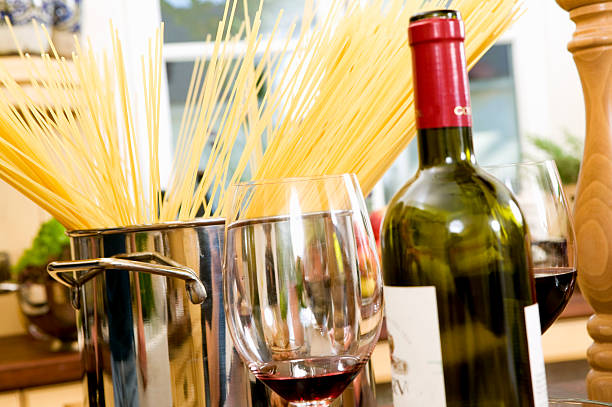
Chianti with Classic Marinara
When pairing wine with a classic marinara sauce, Chianti is an ideal choice due to its bright acidity and tart cherry notes that complement the tomato base without overpowering it.
Made primarily from Sangiovese grapes in Tuscany, Chianti cuts through the acidity of the sauce while enhancing the herbal undertones of basil and oregano. Its moderate tannins make it versatile and food-friendly, especially with simple spaghetti and marinara. Opt for a Chianti Classico for a more structured, complex profile.
Serve slightly below room temperature to highlight its vibrant fruit and earthy finish, creating a harmonious balance with each bite. This pairing elevates traditional Italian flavors and delivers a satisfying, restaurant-quality meal at home.
Sangiovese for Herb-Forward Sauces
Sangiovese shines when paired with herb-forward spaghetti sauces featuring fresh rosemary, thyme, or oregano. Its high acidity and red fruit character—think cranberry, cherry, and plum—mirror the brightness of the tomatoes while standing up to bold seasonings.
The wine’s subtle earthiness and mild tannins enhance the aromatic complexity of the dish without dominating it. Choose a medium-bodied, unoaked Sangiovese to maintain freshness and allow the herbs to take center stage.
This pairing works especially well with spaghetti tossed in a garlic-infused olive oil sauce with sun-dried tomatoes and fresh herbs. Serving it at 60–65°F ensures optimal flavor expression, making every bite and sip feel cohesive and balanced.
Barbera with Rich Meat Sauces
For spaghetti dishes with rich meat sauces like Bolognese or ragù, Barbera is a top-tier pairing thanks to its high acidity and low tannins, which cut through fatty, slow-cooked meats with ease.
Grown primarily in Italy’s Piedmont region, Barbera offers juicy flavors of black cherry, raspberry, and a hint of spice that complement the savory depth of the sauce. Its vibrant acidity refreshes the palate between bites, preventing heaviness. Look for a Barbera d’Asti or Barbera d’Alba for more structure and concentration.
Avoid heavily oaked versions to preserve the wine’s natural brightness. Serve slightly chilled to enhance its fruit-forward profile and food synergy, making it a reliable, crowd-pleasing match for hearty pasta dishes.
Pinot Noir for Lighter Tomato Dishes
When your spaghetti features a lighter tomato sauce—such as a fresh pomodoro or a simple garlic and tomato sauté—Pinot Noir offers an elegant pairing. Its bright acidity, soft tannins, and red fruit notes like strawberry and red currant harmonize beautifully with delicate flavors without overwhelming them.
A well-chosen Pinot Noir from regions like Willamette Valley, Burgundy, or Alto Adige adds subtle earthiness and floral hints that elevate the dish. Choose a lighter-bodied, cool-climate expression to maintain balance and freshness. Serve slightly chilled (around 55°F) to accentuate its crispness and aromatic complexity.
This pairing is perfect for weeknight dinners or springtime pasta dishes where simplicity and refinement take center stage.
Top White Wines to Serve with Spaghetti
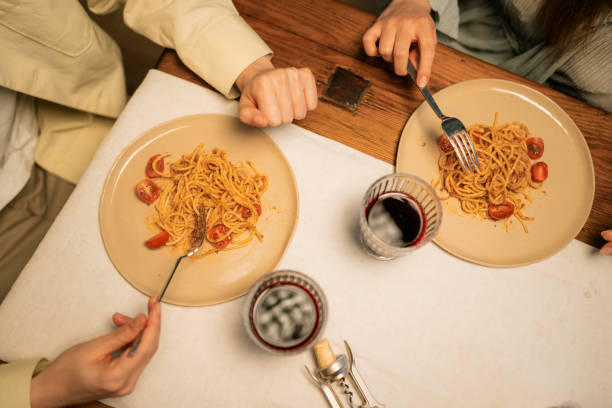
Pinot Grigio with Seafood Spaghetti
When serving seafood spaghetti with clams, shrimp, or mussels, Pinot Grigio is an ideal white wine pairing due to its crisp acidity and light citrus notes. This refreshing wine cuts through the brininess of shellfish while enhancing the delicate flavors of the dish.
Its bright palate of green apple, lemon, and pear complements garlic and white wine sauces commonly used in seafood pasta. Opt for an Italian Pinot Grigio from the Veneto or Friuli regions for authenticity and quality. Serve well-chilled at 45–50°F (7–10°C) to maximize freshness.
The wine’s light body and clean finish ensure it doesn’t overpower the meal, making each bite and sip harmonious. This pairing is especially effective in summer or coastal-inspired dishes.
Vermentino for Lemon and Herb Sauces
For spaghetti tossed in zesty lemon, olive oil, and fresh herbs like parsley or basil, Vermentino offers a vibrant and aromatic match. This Italian white, prominent in Sardinia and Liguria, delivers lively acidity and notes of citrus, green almond, and white flowers, which mirror the bright components of the sauce.
Its slight minerality enhances the olive oil’s richness without overwhelming the palate. Choose a coastal Vermentino for a subtle saline edge that elevates herbaceous flavors. Serve chilled to around 48°F (9°C) to preserve its freshness.
The wine’s medium body and crisp finish make it incredibly food-friendly, balancing acidity and aroma in perfect sync with lemony pasta. This pairing shines in light, summery meals.
Chardonnay with Creamy Carbonara
While spaghetti carbonara is traditionally paired with reds, a well-chosen Chardonnay can beautifully complement its creamy, savory richness. Opt for an unoaked or lightly oaked Chardonnay to avoid overwhelming the dish; these versions offer crisp apple, pear, and citrus notes with balanced acidity.
The wine’s texture mirrors the silkiness of the egg-based sauce, while its freshness cuts through the fat of the pancetta or guanciale. A Chardonnay from Chablis or northern Italy works best—lean, mineral-driven, and bright. Serve at 50°F (10°C) to maintain structure.
Avoid heavily buttery, oaked styles that can clash with the dish’s delicate balance. This pairing proves white wine can stand up to rich pasta with finesse.
Soave with Light Vegetable Toppings
When your spaghetti features light vegetable toppings like cherry tomatoes, zucchini, or sautéed greens, Soave is a graceful and underrated pairing choice. Made from the Garganega grape in Italy’s Veneto region, Soave offers floral aromas, crisp acidity, and flavors of green apple, almond, and white peach.
Its subtle texture and refreshing finish enhance, rather than mask, the freshness of the vegetables. Look for Classico or Superiore labels for higher quality and depth. Serve well-chilled at 46–50°F (8–10°C) to highlight its brightness. The wine’s gentle minerality and light body make it ideal for simple, garden-inspired pasta dishes.
This pairing is perfect for vegetarian or weekday meals where subtlety and balance are key.
Rosé and Sparkling Options for Spaghetti
Dry Rosé with Fresh Tomato and Basil
A crisp dry rosé is an excellent match for spaghetti with fresh tomato and basil, enhancing the dish’s bright, acidic flavors without overpowering them. Choose a rosé from Provence or Southern Italy with floral notes and red berry undertones to complement the herbal and tangy elements of the sauce.
The wine’s refreshing acidity balances the sweetness of ripe tomatoes, while its light body ensures it doesn’t overwhelm the delicate pasta. Serve well-chilled to elevate the summery feel of the meal. This pairing works especially well with simple, garden-fresh preparations where quality ingredients shine.
Avoid overly fruity or sweet rosés, as they can clash with the acidity of the tomatoes. Opt for balance and subtlety to let both food and wine harmonize beautifully.
Prosecco with Light Seafood Pasta
When enjoying a light seafood spaghetti—such as dishes with clams, shrimp, or scallops—Prosecco offers a delightful pairing due to its crisp bubbles and citrus notes. The effervescence cleanses the palate between bites, especially important with briny shellfish, while its subtle fruitiness enhances the natural sweetness of the seafood.
Choose a Brut or Extra Brut Prosecco to avoid excess sweetness that could clash with delicate flavors. The wine’s light body and high acidity align perfectly with olive oil- or white wine-based sauces, maintaining harmony on the palate. Serve well-chilled in a tulip glass to preserve aromas.
This combination brings a festive, refreshing quality to the meal, ideal for spring or summer dinners. Avoid heavy cream sauces, which can dull the sparkle.
Lambrusco with Hearty Bolognese
A fruity, lightly sparkling Lambrusco from Emilia-Romagna is a bold yet balanced choice for rich, meaty spaghetti Bolognese. Despite its slight effervescence, Lambrusco has the structure and acidity to cut through the fat of slow-cooked meats, cleansing the palate with each sip.
Choose a dry (secco) or off-dry (amabile) version with dark berry and earthy notes that mirror the savory depth of the sauce. The gentle fizz adds a refreshing contrast to the dish’s heartiness, making each bite feel lighter. Serve slightly chilled—not too cold—to allow the wine’s complexity to shine.
This regional pairing honors Italian culinary tradition and enhances umami flavors. Avoid overly sweet Lambruscos, which can overwhelm the dish. Instead, seek balance and depth for a satisfying match.
Pairing Sparkling Wines with Fried Toppings
Spaghetti dishes topped with fried elements—like crispy capers, breadcrumbs, or fried shallots—pair exceptionally well with sparkling wines due to their effervescence and acidity. The bubbles help cut through the richness and oiliness of fried toppings, refreshing the palate with every sip.
A Brut Champagne, Franciacorta, or Cava works beautifully, offering toasty, nutty notes that complement the savory crunch. These wines’ structured minerality and crisp finish balance the textural contrast on the plate. Serve in a flute or tulip glass at 45–50°F to maximize aroma and effervescence.
This pairing elevates simple pasta dishes into elevated, restaurant-quality experiences. For a budget-friendly option, choose a high-quality sparkling Italian rosé. Avoid flat or sweet wines, which can feel heavy or cloying alongside fried components.
Pairing Wine with Regional Italian Spaghetti Styles
Amatriciana with Full-Bodied Reds
Spaghetti all’Amatriciana, with its rich tomato base, guanciale, and Pecorino Romano, demands a full-bodied red wine that can stand up to its bold, savory flavors. Opt for a Montepulciano d’Abruzzo or a Sangiovese-based Chianti Classico, both of which offer high acidity and structured tannins to balance the dish’s richness.
The wine’s dark fruit notes—such as plum and black cherry—complement the caramelized onions and crispy pork, while its earthy undertones harmonize with the salty cheese. Serve slightly below room temperature (around 60–65°F) to enhance the pairing. Avoid overly oaky wines, as they can overpower the delicate balance of the sauce.
This robust harmony elevates both the meal and the wine experience.
Carbonara with Crisp Whites
While traditionally paired with reds, spaghetti alla Carbonara shines when matched with a crisp, mineral-driven white wine that cuts through its creamy, fatty texture. Choose a Frascati Superiore or Vermentino from Lazio or Sardinia—wines with bright acidity and subtle citrus notes that cleanse the palate.
The refreshing acidity balances the richness of egg yolk and Pecorino, while the light body prevents overwhelming the dish. Avoid heavily oaked whites, as they can clash with the delicate umami. Serve well-chilled (around 50°F) to enhance the wine’s lively freshness.
This unexpected pairing highlights how a vibrant white can elevate a creamy pasta, offering a modern twist on tradition with perfect harmony.
Puttanesca with Bold, Fruity Wines
Spaghetti alla Puttanesca, bursting with olives, capers, garlic, and tomatoes, calls for a bold, fruit-forward red wine with enough acidity to match its tangy, briny profile.
A Nero d’Avola from Sicily or a Primitivo from Puglia delivers ripe blackberry and plum notes that complement the tomatoes, while their moderate tannins and spicy finish align with the dish’s intensity. The wine’s natural acidity cuts through the saltiness, creating a balanced, dynamic pairing.
Serve at 60–62°F to preserve freshness. Avoid delicate wines, as they’ll be overpowered. This flavor-forward match turns a rustic pasta into a vibrant celebration of Southern Italian cuisine, where bold meets bold for maximum impact.
Pesto Spaghetti with Herbal White Varietals
Pesto spaghetti, with its vibrant basil, garlic, pine nuts, and Parmigiano-Reggiano, pairs beautifully with herbal, aromatic white wines that mirror its fresh, green character. A Pigato from Liguria or a Verdeca from Puglia offers notes of fresh herbs, citrus zest, and a hint of almond that echo the pesto’s ingredients.
The wine’s bright acidity lifts the oil-rich sauce, while its floral and vegetal tones enhance the basil’s fragrance. Serve chilled (around 48–52°F) to highlight its crispness. Avoid heavily oaked whites, which mute the delicate herbal notes.
This cohesive pairing celebrates regional synergy, where local wines and local dishes unite for a refreshing, authentic Italian experience.
Tips for Serving Wine with Spaghetti at Home
Ideal Serving Temperatures for Each Wine
Serving wine at the correct temperature enhances its flavor and ensures a better pairing with spaghetti. Red wines, like Chianti or Sangiovese, should be served slightly below room temperature—around 60–65°F (15–18°C)—to preserve their bright acidity and fruit notes without amplifying alcohol.
White wines, such as Pinot Grigio or Vermentino, pair well with lighter spaghetti dishes and should be chilled to 45–50°F (7–10°C) to maintain crispness and freshness. Over-chilling dulls flavors, while serving too warm makes wine flabby.
Use a refrigerator for whites (about 2 hours) and a quick 15-minute chill for reds if needed. Consistent temperature control ensures the wine complements the dish’s richness or acidity, elevating your home dining experience.
Glassware Choices for Red and White Wines
Using the right glassware improves the aroma and taste of wine when enjoying spaghetti at home. Red wines benefit from larger, rounder bowls—like those in Bordeaux or Burgundy glasses—that allow the wine to breathe and direct aromas toward your nose, enhancing bold flavors that match tomato-based sauces.
White wines, often lighter and more aromatic, do best in narrower glasses that preserve cooler temperatures and concentrate delicate floral or citrus notes ideal for seafood or oil-based pasta. If specialty glasses aren’t available, use standard wine glasses with a stem to avoid warming the wine with your hand.
Proper glassware not only elevates presentation but also maximizes sensory enjoyment, making each sip harmonize with your spaghetti course.
How to Store Open Bottles
Properly storing open wine bottles preserves their quality for future spaghetti nights. Red wines can last 3–5 days when re-corked and kept at cool room temperature or in the refrigerator. White and rosé wines should always be refrigerated after opening to maintain freshness.
Use a vacuum pump or inert gas spray to minimize oxidation, and consider wine preservation systems for frequent entertainers. Avoid leaving any wine exposed to heat, light, or air for extended periods. For quick reuse, transfer leftover wine to a smaller container to reduce air contact.
Storing correctly ensures that even the second glass pairs as thoughtfully with your pasta as the first, reducing waste and maintaining flavor integrity.
Avoiding Common Pairing Mistakes
Avoiding common pairing missteps ensures your spaghetti and wine combination shines. One major mistake is matching wine to the pasta instead of the sauce—creamy sauces need balanced acidity, while spicy arrabbiata demands a fruity red to counter heat.
Overly tannic reds, like young Cabernet Sauvignon, can clash with tomato acidity, so opt for softer, medium-bodied reds like Barbera or Chianti. For white wine, avoid heavily oaked styles that overwhelm delicate flavors. Also, don’t let sweetness in the wine compete with salty or spicy ingredients.
Taste both components together before serving. By focusing on sauce profile, acidity, and intensity, you’ll create a harmonious, restaurant-quality meal at home.
Affordable Wine Picks Under $20
Best Budget Chianti Brands
Chianti is a classic pairing for spaghetti, especially dishes with tomato-based sauces, thanks to its bright acidity and cherry notes. At under $20, reliable options include Ruffino Chianti, which delivers consistent quality with soft tannins and a smooth finish.
Another standout is Coppo Cisterna Chianti, offering vibrant red fruit and herbal undertones that complement garlic and basil flavors. Look for bottles labeled ‘Chianti DOCG’ to ensure authenticity and quality standards. These wines are widely available at grocery stores and liquor chains, making them convenient picks.
Serve slightly chilled (around 60°F) to enhance their food-friendly profile. With prices typically between $12 and $18, these Chiantis provide excellent value without sacrificing taste or pairing ability.
Value-Driven Pinot Grigio Options
For lighter spaghetti dishes—like aglio e olio or seafood pasta—crisp, refreshing Pinot Grigio is an ideal match. Under $20, consider Santa Margherita Pinot Grigio, known for its clean minerality and citrus notes, though more affordable alternatives like La Marca and Banfi Pinot Grigio deliver similar brightness at $14–$16.
These wines cut through rich olive oil sauces while enhancing delicate seafood flavors. Opt for bottles from Italy’s Alto Adige region for superior quality. Serve well-chilled (48–50°F) to maximize their zesty character. Their light body and high acidity make them versatile companions to a range of pasta styles.
With wide distribution, these Pinot Grigios are easy to find and perfect for weeknight dinners where you want flavor without fuss or high cost.
Top-Rated Barbera Under $15
Barbera is a hidden gem for spaghetti pairings, particularly with meaty Bolognese or mushroom-laden pastas. High in acidity and low in tannins, it balances rich sauces beautifully. At under $15, Vietti Barbera d’Asti and Prunotto Bussia Barbera offer exceptional value, delivering bold red fruit, plum, and a hint of spice.
These wines come from Piedmont, Italy, where Barbera thrives in cooler climates. Their juicy profile and smooth finish enhance tomato-based sauces without overpowering them. Serve at 60–62°F to bring out their full complexity. These bottles often cost $12–$14, making them affordable upgrades from basic house wines.
With consistent ratings above 90 points, they prove that great quality doesn’t require a big budget—just smart choices.
Where to Buy Quality Wine Online
Finding great wines under $20 is easier than ever with reliable online retailers that offer curated selections and competitive pricing. Wine.com provides fast shipping and detailed pairing suggestions, making it simple to find spaghetti-friendly bottles like Chianti or Barbera.
Vivino combines user reviews with exclusive deals, helping you discover top-rated wines under $15 with confidence. For bulk savings, Total Wine & More offers online ordering with in-store pickup and frequent discounts on Italian varietals. Winc and Firstleaf offer personalized subscriptions under $20 per bottle, often including food pairing notes.
Always check for free shipping thresholds and regional availability. Shopping online lets you compare prices, read reviews, and access wines not available locally—maximizing value and taste for your pasta nights.
Frequently Asked Questions
What red wines pair best with spaghetti and meat sauce?
A medium- to full-bodied red wine like Chianti, Sangiovese, or Barbera pairs excellently with spaghetti and meat sauce. These wines have bright acidity and firm tannins that balance the richness of the sauce and cut through the fat.
Can I pair white wine with spaghetti?
Yes, especially if your spaghetti dish features seafood, light cream sauces, or vegetables. A crisp white like Pinot Grigio or Vermentino complements delicate flavors without overpowering the dish.
What wine goes well with spicy arrabbiata spaghetti?
Opt for a fruity, low-tannin red like Lambrusco or a slightly off-dry white like Riesling. These wines help tame the heat while enhancing the tomato-based sauce.
Is rosé a good wine choice for spaghetti?
Rosé can work well with lighter spaghetti preparations, such as those with olive oil, garlic, and fresh vegetables. Choose a dry, crisp rosé to match the dish’s freshness.
Should I serve red or white wine with carbonara?
A medium-bodied white wine like Chardonnay or a light red like Valpolicella pairs best with carbonara. The wine should balance the dish’s richness without clashing with the egg and cheese.
What Italian wines are traditional pairings for spaghetti?
Traditional Italian pairings include Chianti Classico with tomato-based sauces and Vermentino or Soave with seafood pasta. These regional wines are crafted to complement classic Italian dishes.
How important is acidity in wine when pairing with spaghetti?
Acidity is crucial—it helps balance the acidity of tomato sauce and refreshes the palate. Wines like Sangiovese or Barbera have high acidity, making them ideal partners for most spaghetti dishes.
Conclusion
Choosing the right wine enhances your spaghetti experience. For tomato-based sauces, go with a medium-bodied red like Chianti or Sangiovese to match the acidity. Creamy or rich dishes pair well with a buttery Chardonnay, while light seafood pasta calls for a crisp white such as Pinot Grigio. Ultimately, personal taste matters most—don’t be afraid to experiment. Cheers to delicious pairings and memorable meals!