
How Long Does Wine Keep
Wondering how long your favorite bottle of wine stays good? You’re not alone—whether it’s an open bottle on the counter or a prized vintage in the cellar, wine freshness can be confusing. The good news? We’ve got the clear, simple answers you need. From reds to whites, sparkling to dessert wines, we’ll break down exactly how long each type lasts—both opened and unopened—plus smart storage tips to maximize every sip. Keep reading to stop guessing and start enjoying wine at its best.
How long does unopened wine last
Shelf life of red wine
Unopened red wine typically lasts 3 to 5 years past the production date, though high-quality varieties can age gracefully for 10 to 20 years or more under optimal conditions.
The key factors influencing longevity are the wine’s tannin, acidity, and sugar content—tannin acts as a natural preservative, making full-bodied reds like Cabernet Sauvignon, Nebbiolo, and Syrah ideal for long-term aging.
Store bottles horizontally in a cool, dark place with a consistent temperature around 55°F (13°C) and humidity levels of 70% to prevent the cork from drying out. Avoid exposure to light and vibration, which can degrade wine quality.
Most everyday red wines are meant for early consumption and won’t benefit from extended aging. Check the vintage and producer recommendations—some wines peak within a few years, while collectible vintages improve over decades. When in doubt, research the specific wine or consult a sommelier.
Shelf life of white wine
Most unopened white wines have a shorter shelf life than reds, typically lasting 1 to 3 years from the production date. Light, crisp whites like Pinot Grigio and Sauvignon Blanc are best consumed within 18 to 24 months to enjoy their fresh, fruity characteristics.
However, certain high-acid or sweet whites—such as Riesling, Chenin Blanc, or botrytized dessert wines—can age well for 5 to 10 years or longer due to their natural acidity and sugar content, which act as preservatives. Store unopened white wine upright in a cool, dark environment with stable temperature and humidity.
Avoid fluctuating conditions that can compromise the seal. Unlike reds, few white wines benefit from decades of aging. Always check the label or consult the producer for guidance. If the wine smells musty, oxidized, or like vinegar, it has likely passed its prime—even if unopened.
How vintage affects wine longevity
The vintage—meaning the year the grapes were harvested—plays a critical role in determining how long wine will keep. Exceptional vintages, where weather conditions were ideal, produce grapes with balanced sugar, acidity, and tannins, resulting in wines that age more gracefully and last longer.
For example, a top-tier Bordeaux from a renowned vintage like 2010 or 2016 can evolve beautifully over 20 to 30 years. In contrast, wines from poor vintages may deteriorate within a few years. Collectible wines often come from strong vintage years, while everyday bottles are less vintage-dependent.
Research vintage charts or consult experts to assess aging potential. Even unopened, wine from a weak vintage may not improve with time. Ultimately, storage conditions and wine style interact with vintage quality—ideal storage maximizes a wine’s lifespan, especially for age-worthy bottles from outstanding years.
How long does opened wine last
Red wine storage after opening
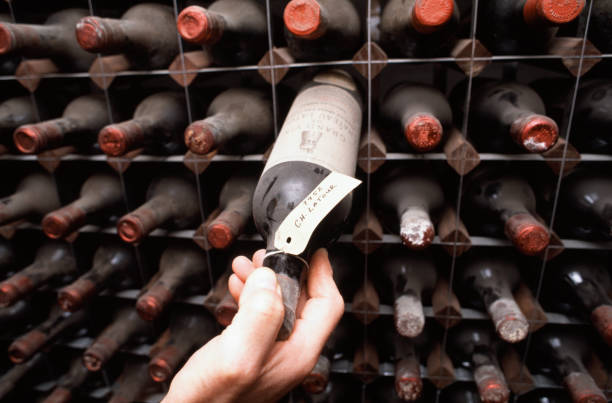
Once opened, red wine typically lasts 3 to 5 days when stored properly. To maximize freshness, re-cork the bottle tightly or use a wine stopper and store it in a cool, dark place away from direct sunlight and temperature fluctuations.
Light and heat accelerate oxidation, which degrades the wine’s flavor and aroma. For longer preservation, consider using a wine preservation system like vacuum pumps or inert gas sprays that limit oxygen exposure.
Full-bodied reds such as Cabernet Sauvignon or Syrah tend to last longer than lighter varieties due to higher tannin levels, which act as natural preservatives. Avoid leaving the bottle at room temperature for more than a day.
If you notice a sharp, vinegar-like smell or flat taste, the wine has likely spoiled. Regularly checking the aroma and flavor helps determine if it’s still enjoyable.
White and rosé wine in the fridge
Opened white and rosé wines should be refrigerated immediately to extend their shelf life, lasting 5 to 7 days under proper conditions. The cooler temperature slows oxidation and bacterial growth, preserving freshness and acidity.
Always reseal the bottle tightly with its original cork, a stopper, or airtight closure to minimize air exposure. Lighter wines like Pinot Grigio and Sauvignon Blanc maintain their crispness better when chilled, while aromatic varieties such as Riesling may retain their fruity notes longer.
Avoid storing them in the fridge door, where temperature fluctuations are common; instead, place them toward the back where it’s colder and more stable. If the wine develops a sour smell, loses its fruit character, or tastes dull, it’s past its prime.
For best results, consume within the first few days for optimal flavor and aroma.
Sparkling wine freshness timeline
Sparkling wines like Champagne, Prosecco, and Cava lose their effervescence quickly after opening, with freshness lasting only 1 to 3 days if sealed correctly. The key to preserving bubbles is using a specialized sparkling wine stopper designed to withstand internal pressure, rather than a standard cork.
Immediately refrigerate the bottle after opening to slow gas loss. Sweeter sparkling wines may retain flavor slightly longer than brut varieties, but carbonation diminishes rapidly regardless. Avoid using regular wine stoppers, as they won’t maintain pressure and may allow gas to escape, resulting in flat wine.
While the flavor may remain acceptable for a couple of days, the signature fizz weakens significantly after 24 hours. For best quality, consume sparkling wine the same day it’s opened. If the bubbles are barely noticeable and the aroma has faded, it’s time to pour a fresh bottle.
Best ways to store unopened wine
Ideal temperature for wine storage
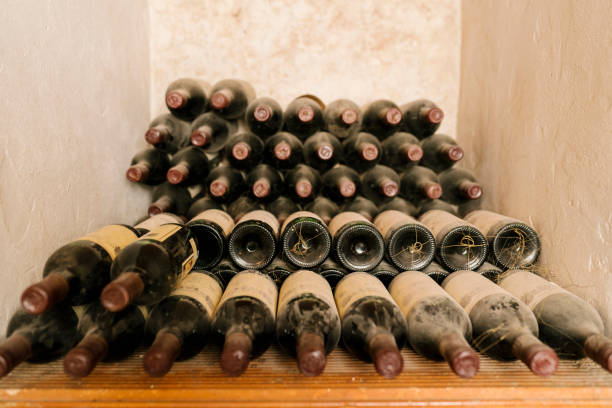
Maintaining a consistent temperature is one of the most critical factors in preserving unopened wine. The ideal temperature range for storing wine is between 45°F and 65°F (7°C to 18°C), with 55°F (13°C) widely considered optimal.
Fluctuations in temperature can cause the wine to expand and contract, potentially pushing the cork out slightly and allowing air to enter, which leads to oxidation and spoilage. Avoid storing wine in areas like the kitchen or near appliances that generate heat, as these locations often experience temperature swings.
A basement, wine fridge, or climate-controlled cellar offers the most stable environment. Red and white wines benefit equally from proper temperature control, even though they’re served at different temperatures.
By keeping unopened bottles within this ideal range, most wines can be stored safely for several years, with fine wines often improving over time. Consistency, not just the exact number, ensures longevity and quality preservation.
Light and humidity control
Exposure to light and improper humidity levels can significantly degrade unopened wine over time. Ultraviolet (UV) light, especially from sunlight or fluorescent bulbs, can trigger chemical reactions in wine that result in ‘light strike,’ producing unpleasant odors and flavors.
To prevent this, store bottles in a dark location or use UV-protected wine storage cabinets. Humidity is equally important—ideally between 50% and 80%—to keep corks from drying out. A dried cork can shrink, allowing oxygen to seep into the bottle and spoil the wine.
In overly dry environments, like heated indoor spaces during winter, consider using a humidifier. Conversely, excessive moisture can damage labels and promote mold, though it’s less harmful to the wine itself. A basement or wine cellar typically provides balanced humidity naturally.
By managing both light exposure and humidity, you create a protective environment where unopened wine can age gracefully for years without degradation, preserving its intended taste and aroma profile.
Position: store bottles upright or on their side
For long-term storage, always store wine bottles on their side to keep the cork in constant contact with the wine. This contact prevents the cork from drying out, which maintains an airtight seal and minimizes the risk of oxidation.
A dried or shrunken cork can allow air into the bottle, leading to spoilage and off-flavors. This horizontal position is especially crucial for wines sealed with natural corks and intended for aging over months or years.
While short-term storage (a few days or weeks) in an upright position is acceptable, prolonged upright storage increases the risk of cork failure. Synthetic corks and screw caps are less sensitive to position, but storing them on their side still ensures consistency and space efficiency.
Wine racks designed for horizontal storage make it easy to organize bottles while promoting optimal conditions. By storing unopened wine on its side in a cool, dark, and humid environment, most bottles can remain fresh and age appropriately for 3 to 20 years, depending on the type and quality.
Tips for extending opened wine life
Using wine preserver sprays
Wine preserver sprays are an effective way to extend the life of opened wine by creating a protective barrier against oxidation. These sprays work by introducing an inert gas—typically a blend of nitrogen, argon, or carbon dioxide—into the bottle before sealing.
The gas settles over the wine’s surface, displacing oxygen and slowing down spoilage. To use, simply spray for 3–5 seconds into the open bottle and re-cork immediately. This method is particularly useful for wines you plan to finish within 3–5 days.
Argon gas is preferred because it’s heavier than air and forms a more stable layer. Preserver sprays are ideal for both red and white wines and don’t alter flavor. For best results, store the treated bottle upright to minimize surface exposure.
While not a permanent solution, this technique significantly preserves aroma and taste beyond what simple recorking achieves. Choose preservers with food-safe, odorless gases for optimal results.
Vacuum pumps and stoppers
Vacuum pumps paired with airtight stoppers are a popular method to reduce oxidation and prolong wine freshness after opening. The system works by removing air from the wine bottle, lowering oxygen levels that cause spoilage.
To use, insert the stopper into the bottle and pump out the air in 10–15 strokes until resistance increases. When used correctly, vacuum pumps can keep wine tasting fresh for up to 5 days.
However, they are more effective with still wines than sparkling varieties, as the process can degrade carbonation. While convenient and reusable, some experts argue that aggressive pumping may disturb delicate aromas. For best results, combine with refrigeration. High-quality stoppers with tight seals are essential—cheap versions may leak air over time.
Vacuum systems work well for everyday wines but may not preserve the nuanced complexity of premium bottles as effectively as inert gas methods. Still, they offer a practical, affordable solution for most households.
Refrigeration guidelines by wine type
Refrigeration is one of the most effective ways to extend opened wine life, but optimal storage varies by wine type. White, rosé, and sparkling wines should always be refrigerated after opening; the cool temperature slows oxidation and preserves freshness for 3–5 days.
Use a sparkling wine stopper for bubbly to maintain pressure. Light reds like Pinot Noir also benefit from light chilling and can last 3–5 days in the fridge.
Full-bodied reds such as Cabernet Sauvignon can be kept at cool room temperature for 1–2 days but will last up to 4 days if refrigerated. Always re-cork or use a wine stopper before chilling. Remove the bottle 20–30 minutes before serving to bring reds to ideal drinking temperature.
Avoid leaving any opened wine at warm room temperatures for extended periods, as heat accelerates degradation. Consistent refrigeration, tailored to wine style, maximizes shelf life and enjoyment.
Signs your wine has gone bad
Smell and color changes
One of the most reliable indicators that your wine has gone bad is a noticeable change in smell or color. Fresh white wines should appear pale straw or golden, while reds range from deep purple to brick red depending on age.
If your white wine turns dark yellow or brownish, or your red takes on a rusty, orange-brown hue, oxidation is likely at play. Smell is equally telling: off-putting aromas like wet cardboard, wet dog, or musty basement suggest cork taint (TCA contamination).
Wines exposed to too much oxygen may smell sherry-like or stale, even if they aren’t fortified. Fizziness in still wine can indicate unintended fermentation. Always pour a small amount and assess visually and by aroma before drinking. Trust your senses—if something seems off, it’s safer to discard the wine.
Properly stored wine minimizes these risks, but even under ideal conditions, most wines last only 3–5 days after opening.
Flat or vinegary taste
A flat, lifeless, or sharply sour taste is a strong sign your wine has spoiled. Fresh wine should have vibrant acidity, fruitiness, and balance.
If it tastes dull, harsh, or like vinegar, exposure to acetic acid bacteria is likely the culprit—these microbes convert alcohol into acetic acid when oxygen is present. This often happens when a bottle has been left uncorked or improperly sealed for too long.
While a slight tang might not be harmful, pronounced sourness or sharpness means the wine has lost its intended character and should not be consumed. Even refrigeration won’t reverse this spoilage once it’s advanced.
To prevent this, re-cork opened bottles tightly and store them in the fridge, using them within 3–5 days for whites and rosés, and up to 5–7 days for full-bodied reds. Wines with higher acidity or tannins tend to last slightly longer, but taste degradation begins immediately after opening.
Cork condition and leakage clues
Inspecting the cork and bottle seal provides early warnings of wine spoilage. A bulging, pushed-out cork or wine stains on the capsule suggest the bottle may have been exposed to heat, causing expansion and potential leakage—this can lead to oxidation or microbial growth.
Conversely, a dry, crumbly cork indicates poor storage, possibly allowing air inside over time. If wine has seeped past the cork, especially near the top, oxidation is likely, diminishing freshness and flavor. For sparkling wines, a loose or protruding cork may mean loss of carbonation.
Always check for drips, stickiness, or discoloration on the bottle’s exterior. These physical clues, combined with off-smells or tastes, confirm spoilage. To maximize shelf life, store bottles horizontally to keep corks moist, and maintain a cool, dark, humidity-stable environment.
Unopened wines typically last 1–5 years, depending on type, but once opened, consume within 3–7 days.
How wine type affects shelf life
Full-bodied reds vs light reds
Full-bodied red wines, such as Cabernet Sauvignon or Syrah, typically last longer after opening than their lighter counterparts due to higher tannin and alcohol content, which act as natural preservatives. When re-corked and stored in the refrigerator, these wines can remain enjoyable for 3 to 5 days.
In contrast, light reds like Pinot Noir or Gamay have lower tannin levels and are more delicate, making them prone to oxidation. They generally stay fresh for only 2 to 3 days once opened. To maximize shelf life, use a wine preserver with inert gas or a vacuum pump.
Always store opened bottles upright to reduce surface exposure. Consuming light reds sooner ensures you enjoy their bright fruit flavors and subtle aromas at their peak. For best results, avoid leaving any red wine at room temperature for more than a day after opening.
Dry whites vs sweet dessert wines
Dry white wines, such as Sauvignon Blanc or Pinot Grigio, are best consumed within 3 to 5 days after opening if stored properly in the refrigerator with a tight seal. Their low sugar content and delicate acidity make them vulnerable to oxidation and flavor flattening over time.
On the other hand, sweet dessert wines like Sauternes, late-harvest Riesling, or Tokaji have higher sugar levels, which naturally preserve the wine and inhibit microbial spoilage. These wines can last up to 5 to 7 days in the fridge and sometimes even longer—up to several weeks—without significant quality loss.
The sugar acts as a stabilizer, maintaining freshness and aromatic complexity. Always use a wine stopper and keep the bottle chilled. For extended storage, consider transferring leftover wine to a smaller container to minimize air exposure and preserve vibrancy.
Fortified and sparkling wine durability
Fortified wines like Port, Sherry, and Madeira are among the longest-lasting opened wines due to their high alcohol content and added spirits, which preserve freshness and prevent spoilage.
When stored upright in a cool, dark place, these wines can remain drinkable for several weeks to months after opening—some styles even up to a year. In contrast, sparkling wines such as Champagne, Prosecco, or Cava lose their effervescence quickly.
Once opened, they should be consumed within 1 to 3 days using a proper sparkling wine stopper to retain carbonation. Refrigeration is essential for both types. Fortified wines benefit from minimal air exposure, while sparkling wines depend on pressure retention.
For optimal enjoyment, drink sparkling wines immediately or the next day, while fortified options can be savored slowly over time without significant degradation in quality.
Common wine storage mistakes to avoid
Leaving wine in the kitchen
Storing wine in the kitchen is one of the most common mistakes that can drastically shorten its lifespan. Kitchens are often warm due to ovens, dishwashers, and stovetops, creating an environment where temperature fluctuates frequently—a major enemy of wine stability.
Heat accelerates chemical reactions in wine, leading to premature aging and flat, cooked flavors. Additionally, kitchens tend to have exposure to light and strong odors, both of which can degrade wine quality over time.
For wines meant to be aged, even a few weeks in a kitchen can cause irreversible damage. Even for everyday bottles, avoid storing them near heat sources. Ideal storage means a cool, dark, and consistent environment—not the countertop or under the cabinet near the stove.
If you don’t have a wine fridge or cellar, choose a closet or basement away from appliances. Short-term storage is acceptable, but never treat the kitchen as long-term wine storage.
Exposure to temperature swings
Frequent temperature changes are extremely harmful to wine and can drastically reduce how long it keeps. Wine thrives in stable conditions, ideally between 50–59°F (10–15°C).
When temperatures rise and fall repeatedly, the wine expands and contracts, pushing the cork slightly out of the bottle and allowing oxygen to seep in, which leads to oxidation and spoilage. This process can make wine taste flat, vinegary, or dull in as little as a few weeks.
Even daily fluctuations—like those in a garage or near a radiator—can cause cumulative damage. Avoid storing wine near HVAC vents, windows, or exterior walls where heat and cold penetrate. Consistent temperature isn’t just for aging wines; it’s essential for preserving all wine’s freshness.
If you lack a climate-controlled space, invest in a compact wine cooler. Never leave wine in a hot car or sunny room, even for a few hours—extreme heat can ‘cook’ the wine permanently.
Storing bottles upright long-term
Keeping wine bottles upright for extended periods is a critical storage error, especially for wines sealed with natural corks. When stored upright, the cork can dry out due to lack of contact with the wine, shrinking and allowing air to enter the bottle, which leads to oxidation.
This can spoil the wine within months, making it taste stale or nutty. Cork integrity depends on constant moisture, which is maintained only when the wine is stored horizontally. This position ensures the liquid keeps the cork swollen and airtight.
While screw-capped or synthetic-corked wines are less vulnerable, horizontal storage is still recommended for consistency and space efficiency. For long-term aging—anything beyond six months—always store bottles on their side. Even in wine fridges or racks, double-check the orientation.
Short-term upright storage (a few days) is acceptable, but never make it a habit for wines you plan to keep.
Frequently Asked Questions
How long does unopened wine last?
Unopened wine can last 1–5 years for most table wines, while fine wines can age for decades. Storage conditions like temperature, humidity, and light exposure greatly affect longevity.
How long does opened wine last?
Opened wine typically lasts 3–5 days in the refrigerator with a cork or stopper. Red and white wines last about the same time, while sparkling wine is best within 1–3 days.
Does wine go bad?
Yes, wine can go bad due to oxidation or bacterial contamination. Signs include a vinegar-like smell, flat or sour taste, and discoloration.
Can you drink wine after the ‘drink by’ date?
The ‘drink by’ date is a quality recommendation, not a safety expiration. Wine may still be safe to drink but could be past its peak flavor.
How should I store opened wine to make it last longer?
Store opened wine in the refrigerator with a tight seal. Using a vacuum stopper or inert gas spray can help reduce oxidation and extend freshness.
Does red wine last longer than white wine after opening?
Red wine may last slightly longer due to tannins, but both typically stay fresh for 3–5 days when refrigerated and properly sealed.
Can you freeze wine to preserve it?
Yes, freezing wine is safe and can preserve it for up to 6 months. It’s best used for cooking after thawing, as texture and aroma may change.
Conclusion
Wine longevity depends on the type and storage conditions. Most white and rosé wines last 3–5 days after opening, while reds can stay fresh for up to 5–7 days. Fortified wines like port or sherry last weeks. Unopened bottles vary—everyday wines are best within 1–3 years, while fine wines can age longer. Store wine properly: cool, dark, and horizontal. Enjoy your wine at its best by drinking it fresh and storing it wisely.

