Beginner Wine And Cheese Pairings
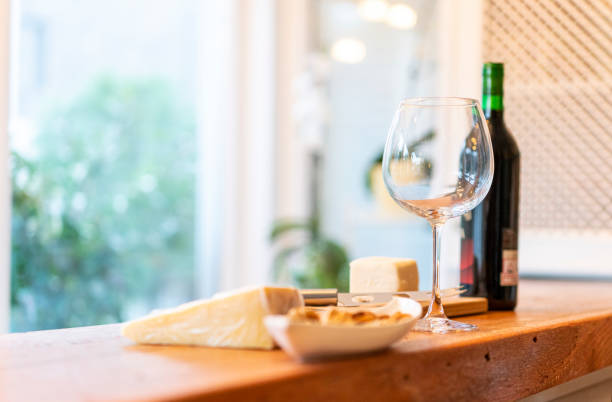
Starting your wine and cheese journey doesn’t have to be overwhelming—beginner wine and cheese pairings can actually be simple and fun. Think creamy brie with a crisp Chardonnay or sharp cheddar with a bold Cabernet Sauvignon. This guide cuts through the confusion with easy, crowd-pleasing combos that anyone can master. Whether you’re prepping for a party or just treating yourself, you’ll discover delicious matches in minutes—no expertise needed. Let’s uncork the basics and get pairing!
How to Match Wine and Cheese for Beginners
What Makes a Good Wine and Cheese Pairing
A successful wine and cheese pairing enhances both flavors without letting one overpower the other. The key is harmony and balance—think of the pairing as a conversation between two complementary tastes.
Start by considering the origin of the cheese and wine, as regional pairings often work well due to shared terroir. For beginners, matching styles is a safe bet: mild cheeses with light wines, bold cheeses with full-bodied wines.
Avoid extreme contrasts unless you’re experienced—like very tannic reds with soft, creamy cheeses, which can clash. Taste both together before serving to ensure they complement each other. Remember, personal preference matters—what tastes good to you is just as valid as any rule.
Balancing Flavor Intensity
Match the strength of the wine with the intensity of the cheese to create a balanced experience. A delicate goat cheese, for example, will be overwhelmed by a bold Cabernet Sauvignon but shines with a crisp Sauvignon Blanc.
Light, fresh cheeses like mozzarella or feta pair beautifully with light, aromatic whites such as Pinot Grigio or Albariño. On the other hand, aged, sharp cheeses like aged cheddar or Gruyère stand up well to fuller wines like Merlot or Chardonnay.
The goal is flavor equilibrium—neither the wine nor the cheese should dominate. When in doubt, choose a wine that’s slightly lighter than the cheese, as stronger cheese can easily overpower a delicate wine.
Matching Texture and Body
Pairing wine and cheese by texture and body creates a seamless mouthfeel. Creamy cheeses like Brie or Camembert pair wonderfully with light to medium-bodied wines that have enough acidity to cut through the richness—try a sparkling wine like Prosecco or a crisp Chardonnay.
Firm, dense cheeses such as Manchego or aged Gouda go well with medium to full-bodied reds like Tempranillo or Syrah, whose structure matches the cheese’s chewiness. Soft, spreadable cheeses love the effervescence of sparkling wines, which cleanse the palate.
The idea is to align the weight—a heavy, buttery cheese with a light, thin wine will feel unbalanced. Think of it like matching outfits: both elements should feel like they belong together.
Acidity and Fat: Why It Matters
High-fat cheeses need high-acid wines to create balance—this contrast cleanses the palate and prevents a greasy aftertaste. Cheeses like triple-cream Brie or buttery Havarti are rich in fat, so they pair best with crisp, acidic wines such as Sauvignon Blanc, Champagne, or unoaked Chardonnay.
The acidity acts like a palate reset, making each bite feel fresh. Conversely, low-acid wines can taste flat or flabby when paired with fatty cheeses. For tangy, acidic cheeses like goat cheese, choose a wine with matching acidity to maintain harmony—a citrusy New Zealand Sauvignon Blanc is ideal.
Understanding this yin-and-yang relationship between fat and acidity is one of the most reliable rules in pairing and a great starting point for beginners.
Best White Wines for Cheese Pairings
Chardonnay with Brie and Camembert
When pairing Chardonnay with Brie and Camembert, look for a lightly oaked or unoaked version to match the creamy, buttery textures of these soft cheeses. The wine’s crisp acidity cuts through the richness, creating a balanced and refreshing experience.
A cool-climate Chardonnay with notes of green apple, lemon, and minerality complements the mild, earthy flavors of the cheese without overpowering them. Serve both at around 50–55°F (10–13°C) to enhance their aromas. This pairing is perfect for beginners because both the wine and cheese are widely available and approachable.
Avoid heavily oaked Chardonnays, as their bold vanilla and toast notes can clash with the delicate creaminess. This combo works great on a charcuterie board with fresh fruit like grapes or sliced pears.
Sauvignon Blanc and Goat Cheese
The bright, zesty character of Sauvignon Blanc makes it an ideal match for goat cheese, especially fresh chèvre. The wine’s high acidity and citrusy notes—think lime, grapefruit, and green apple—harmonize beautifully with the tangy, slightly earthy flavor of the cheese.
This pairing creates a lively contrast that’s both refreshing and satisfying. Serve well-chilled for maximum effect, and consider adding a drizzle of honey or herbs like thyme to elevate the cheese. It’s a foolproof combination for beginners, offering bold flavors without complexity.
Try it on crackers, in salads, or with roasted vegetables for added depth. New Zealand and Loire Valley Sauvignon Blancs are particularly reliable choices, known for their vibrant profiles that enhance, not overpower, the cheese.
Riesling with Blue Cheese
Pairing Riesling with blue cheese may seem unexpected, but it’s a match made in heaven—especially with off-dry or slightly sweet Rieslings. The wine’s natural sweetness balances the salty, pungent kick of blue cheeses like Gorgonzola or mild Stilton.
This contrast creates a harmonious blend of sweet and savory that’s surprisingly smooth. Look for Rieslings from Germany’s Mosel region, known for their floral aromas and crisp acidity. Serve chilled to enhance freshness.
This pairing is ideal for beginners exploring bold flavors, as the sweetness makes the strong cheese more approachable. Add sliced apples or pears to bridge the flavors. The key is choosing a Riesling with enough acidity to cleanse the palate, preventing the pairing from feeling heavy or cloying.
Pinot Gris and Mild Cheddar
A well-chosen Pinot Gris pairs wonderfully with mild cheddar, offering a smooth, fruit-forward profile that complements the cheese’s nutty, creamy character. Look for a medium-bodied Pinot Gris with notes of pear, apple, and a hint of spice—these flavors enhance without overwhelming the cheddar’s gentle sharpness.
The wine’s soft acidity and rounded texture create a harmonious balance that’s easy for beginners to appreciate. Serve slightly chilled to highlight its crispness. This pairing works well on a cheese board with crackers, almonds, or apple slices. Avoid overly sharp cheddars, which can dominate the wine.
Instead, opt for aged but mild varieties. Pinot Gris from Alsace or Oregon often delivers the ideal richness and complexity for this accessible, crowd-pleasing combination.
Top Red Wines to Serve with Cheese
Pinot Noir and Aged Gouda
For beginners exploring wine and cheese pairings, Pinot Noir and aged Gouda offer a smooth, approachable combination. Pinot Noir’s light to medium body, bright acidity, and red fruit notes—like cherry and raspberry—complement the caramelized, nutty flavors of aged Gouda.
As Gouda matures, it develops crunchy protein crystals and a deeper, toasty profile that mirrors the subtle earthiness in Pinot Noir. This balance ensures neither the wine nor cheese overpowers the other.
Serve slightly chilled at around 60°F (15°C) to enhance the fruitiness of the wine and the creamy texture of the cheese. Ideal for casual gatherings, this pairing also works well with charcuterie and fresh bread. It’s a perfect starting point for building confidence in flavor matching.
Merlot with Havarti and Muenster
Beginners will appreciate how Merlot’s soft tannins and plush fruit flavors harmonize with creamy, mild cheeses like Havarti and Muenster. These cheeses have a buttery texture and subtle tang that don’t compete with the wine’s plummy, velvety character.
Merlot’s low acidity and smooth finish make it highly drinkable, while the cheeses act as a palate soother, enhancing the wine’s richness. Serve at about 65°F (18°C) to bring out the best in both elements.
For an elevated experience, try herb-infused Havarti or smoked Muenster, which add complexity without overwhelming beginners. This pairing is incredibly forgiving and crowd-pleasing, making it ideal for first-time hosts. It’s a simple, satisfying match that highlights balance and comfort.
Cabernet Sauvignon and Sharp Cheddar
A classic for newcomers, Cabernet Sauvignon paired with sharp cheddar delivers bold, satisfying flavors that teach beginners about contrast and harmony. The wine’s firm tannins and dark fruit notes—such as blackcurrant and plum—cut through the cheddar’s richness, while the cheese’s tanginess softens the wine’s structure.
Sharp cheddar also brings a slight crunch and crystalline texture that interacts beautifully with the wine’s depth. Serve at cellar temperature (65–68°F or 18–20°C) to maintain balance. This pairing is excellent for learning how fat and tannin interact, a foundational concept in wine and cheese pairing.
Add crackers and apple slices to cleanse the palate between bites. Bold and educational, it’s a go-to for building flavor confidence.
Zinfandel with Smoked Gouda
For those starting out, Zinfandel and smoked Gouda offer a flavorful yet easy-to-enjoy pairing that highlights smoky-sweet synergy. Zinfandel’s jammy profile—bursting with blackberry, licorice, and spice—complements the rich, smoky depth of smoked Gouda without clashing.
The wine’s moderate tannins and hint of pepper provide structure, while the cheese’s creamy texture rounds out the experience. Serve slightly below room temperature to preserve the wine’s fruitiness and the cheese’s melt-in-mouth quality. This duo is ideal for relaxed evenings or backyard barbecues, where bold flavors shine.
It also pairs well with nuts and dried fruit. As a flavor-forward but balanced match, it helps beginners appreciate how smoke and sweetness can elevate both wine and cheese.
Sparkling Wines and Cheese Combos
Champagne with Triple Crème Cheese
Pairing Champagne with triple crème cheese creates a luxurious experience perfect for beginners. The high acidity and fine bubbles of Champagne cut through the cheese’s rich, buttery texture, cleansing the palate with each sip.
Opt for a non-vintage brut Champagne, which offers a balanced profile of green apple, citrus, and brioche notes that complement the creamy, mild flavor of triple crème without overwhelming it. Serve both chilled—around 45°F (7°C)—to enhance freshness.
This pairing highlights how effervescence balances fat, making it an ideal starting point for exploring wine and cheese combinations. It’s elegant, approachable, and sure to impress guests at any gathering.
Prosecco and Fresh Mozzarella
The light, fruity fizz of Prosecco pairs beautifully with fresh mozzarella, offering a simple yet delightful combination for beginners. Prosecco’s crisp notes of pear, apple, and white flowers enhance the mild, milky taste of the cheese without competing.
For best results, serve the mozzarella at cool room temperature to bring out its creaminess, while keeping the Prosecco well-chilled. Add a drizzle of olive oil and a few basil leaves for a caprese-inspired twist that elevates the pairing.
This combo thrives on freshness and simplicity, making it perfect for casual get-togethers or summer picnics. It teaches beginners that harmony in pairings often comes from complementary textures and light flavor profiles.
Cava with Manchego
Combining Cava with Manchego cheese introduces beginners to a balanced, savory-sweet pairing with depth. Cava’s crisp acidity and subtle nutty notes mirror the firm, slightly tangy, and nutty character of aged Manchego, creating a harmonious flavor bridge.
Choose a reserva Cava, which has spent extra time aging, for added complexity that stands up to the cheese’s firm texture. Serve both at around 50°F (10°C) to optimize aroma and taste. For an authentic touch, add a few Marcona almonds or quince paste on the side.
This pairing demonstrates how sparkling wines from similar regions—both from Spain—can naturally complement local cheeses, offering a foolproof match rooted in tradition.
Tips for Serving Sparkling Wines
To get the most from your sparkling wine and cheese pairings, follow a few key serving tips. Always chill sparkling wines to between 40–50°F (4–10°C) to preserve bubbles and freshness—too cold dulls flavor, too warm flattens effervescence. Use tulip-shaped glasses to capture aromas and maintain fizz longer than wide flutes.
Serve cheeses at slightly cooler than room temperature to retain texture while allowing flavors to shine. Arrange pairings in progression—from lightest to boldest—to guide the palate. And open bottles safely by twisting the bottle, not the cork, to avoid accidents.
These simple steps ensure a smooth, enjoyable tasting experience, especially for beginners exploring pairings for the first time.
Soft Cheeses and Their Ideal Wine Matches
Brie and Chardonnay
Brie, with its creamy texture and mild, buttery flavor, pairs beautifully with a rich, oaked Chardonnay. The wine’s buttery notes mirror the cheese’s smoothness, creating a harmonious blend that feels luxurious on the palate. Look for Chardonnays from California or Burgundy, which offer the right balance of creaminess and structure.
The subtle oak aging adds a hint of vanilla and toast that enhances Brie’s delicate earthiness without overpowering it. Serve both at slightly cool room temperature—about 15–18°C (60–65°F)—to fully express their flavors.
This pairing is perfect for beginners because both elements are approachable and widely available, making it easy to recreate at home or for casual gatherings.
Cambozola with Sparkling Rosé
Cambozola, a hybrid of Camembert and Gorgonzola, combines creamy richness with a gentle tang, making it ideal for pairing with a dry Sparkling Rosé. The wine’s bright acidity and fine bubbles cut through the cheese’s lush texture, cleansing the palate with each sip.
Choose a Brut Rosé from France’s Loire Valley or Italy’s Franciacorta for a balance of red fruit notes—like strawberry and raspberry—and crisp minerality. These flavors complement Cambozola’s subtle blue veins and creamy base without clashing. Serve chilled, around 6–8°C (43–46°F), to enhance the refreshing contrast.
This pairing is ideal for beginners seeking a festive, easy-to-love combination that works well as an appetizer or light dessert course.
Mascarpone and Moscato
Mascarpone’s ultra-creamy, mildly sweet profile makes it a dream match for a lightly sweet Moscato, especially Moscato d’Asti. This low-alcohol, gently fizzy wine offers aromas of peach, apricot, and honeysuckle that elevate the cheese’s delicate richness.
The natural sweetness of Moscato balances Mascarpone’s fat content, while its soft effervescence refreshes the palate. Serve both well-chilled to enhance their refreshing qualities, and consider adding fresh berries or a drizzle of honey for a simple, elegant dessert.
This pairing is perfect for beginners because it’s forgiving, crowd-pleasing, and requires no special preparation. It’s also versatile—great for brunch, dessert, or a midday treat with friends.
Why Creamy Cheeses Need Acidity
Creamy cheeses like Brie, Cambozola, and Mascarpone are high in fat, which can coat the palate and dull flavors if not balanced correctly. That’s why acidity is essential in wine pairings—it cuts through richness and refreshes the mouth between bites.
Wines with bright acidity, such as Chardonnay, Sparkling Rosé, or Moscato, provide a counterpoint that enhances both the cheese and the wine. Think of acidity as a palate cleanser that prevents the pairing from feeling heavy or cloying.
For beginners, this principle is a simple rule of thumb: when in doubt, choose a wine with lively acidity to match creamy textures. This balance ensures each bite and sip remains enjoyable, making the experience both satisfying and easy to appreciate.
Hard Cheeses That Pair Well with Wine
Aged Cheddar and Cabernet Sauvignon
For beginners, pairing aged cheddar with Cabernet Sauvignon is a classic starting point. The bold, sharp flavor of aged cheddar stands up beautifully to the full-bodied, tannic structure of Cabernet Sauvignon.
Look for aged cheddars with crystalline textures—they add a pleasant crunch and nutty depth that enhance the wine’s dark fruit notes like blackcurrant and plum. The cheese’s richness is cut by the wine’s acidity, creating a balanced mouthfeel.
Serve at room temperature to fully release flavors, and consider adding a few crackers or sliced apples to cleanse the palate between bites. This pairing works well at gatherings or quiet evenings, offering an approachable introduction to how bold cheeses and robust reds complement each other without overwhelming new palates.
Parmesan with Amarone
Pairing Parmesan with Amarone delivers a luxurious yet simple experience perfect for beginners. Aged Parmesan (24 months or more) brings a salty, umami-rich crunch that contrasts beautifully with Amarone’s intense, dried-fruit flavors like raisin, fig, and cherry.
This full-bodied red from Italy has enough structure and sweetness to match the cheese’s intensity without overpowering it. The wine’s high alcohol content (often 15% or more) balances the savory saltiness, creating a harmonious blend.
Serve small cubes of Parmesan alongside a glass of slightly cooled Amarone for a sophisticated snack. This pairing highlights how Italian classics complement each other, making it an excellent gateway to exploring regional wine and cheese matches with confidence and ease.
Manchego and Tempranillo
A perfect starter pairing is Manchego with Tempranillo, showcasing the harmony between Spanish cheese and wine. Manchego, made from sheep’s milk, offers a buttery, slightly nutty flavor with a firm texture that holds up well to Tempranillo’s medium to full body and red fruit notes like cherry and raspberry.
The wine’s mild tannins and earthy undertones complement the cheese’s subtle tang. Choose a Manchego aged 6–12 months for the best balance of creaminess and complexity. Serve at room temperature with a few Marcona almonds or quince paste (membrillo) to elevate the experience.
This combination is ideal for beginners seeking approachable, culturally authentic pairings that are easy to find and enjoy with minimal prep.
Gruyère and Chardonnay
For a beginner-friendly white wine pairing, try Gruyère with oaked Chardonnay. Gruyère’s rich, slightly sweet, and nutty profile blends seamlessly with the buttery, vanilla notes found in barrel-aged Chardonnays. The cheese’s smooth melt-in-your-mouth texture enhances the wine’s creamy mouthfeel, while its subtle saltiness is balanced by the wine’s crisp acidity.
Look for Chardonnays from California or Burgundy with moderate oak influence to avoid overpowering the cheese. Serve chilled but not too cold—around 50°F (10°C)—to highlight both components.
This pairing is excellent for casual tastings or charcuterie boards, demonstrating how white wines can pair just as effectively with hard cheeses as reds, expanding beginners’ pairing possibilities with confidence.
Tips for Building a Beginner Wine and Cheese Board
How Many Cheeses to Include
For a beginner wine and cheese board, start with three cheeses to keep things simple yet satisfying. Choose a variety of textures and flavors: a soft cheese like brie, a semi-hard cheese like aged cheddar, and a blue or tangy cheese like gorgonzola.
This range offers something for every palate and pairs well with different wines. Label each cheese so guests know what they’re trying. Avoid overcrowding the board—give each cheese space and provide a separate knife to prevent flavor mixing. This approach makes the experience enjoyable and approachable, especially for first-timers.
With just three well-chosen cheeses, you’ll create a balanced, crowd-pleasing spread without overwhelming yourself or your guests.
Choosing Wines to Match All Cheeses
Select two wines that complement your cheese selection: one red and one white. A dry white like Sauvignon Blanc pairs beautifully with soft and tangy cheeses, cutting through richness with bright acidity.
For the red, choose a light-to-medium-bodied Pinot Noir, which harmonizes with earthy brie and mild blue cheeses without overpowering them. Avoid bold reds like Cabernet Sauvignon, as they can clash with softer cheeses. Serving both wines gives guests options and enhances the tasting experience.
Chill whites and lightly chill reds (to around 55°F) for optimal flavor. These versatile, crowd-pleasing wines ensure every cheese has a match, making pairing stress-free and delicious for beginners.
Add-Ons: Crackers, Fruits, and Nuts
Enhance your board with simple, complementary add-ons that balance flavors and textures. Offer a mix of plain and seeded crackers to let the cheese shine while adding crunch. Include fresh fruits like grapes, apple slices, or figs for natural sweetness that pairs well with both cheese and wine.
Add a small bowl of unsalted nuts, such as almonds or walnuts, to bring in richness and depth. Avoid overly salty or spicy accompaniments that can overpower delicate flavors. Space items evenly and use small bowls for wet ingredients like honey or jam.
These thoughtful additions elevate the tasting experience without complicating your setup, making your board visually appealing and deliciously balanced for any beginner.
Serving Temperature Guide for Wine and Cheese
Serve cheese and wine at the right temperatures to maximize flavor. Take cheeses out of the fridge 30–60 minutes before serving so they reach room temperature—this enhances aroma and creaminess, especially for brie and blue cheeses. Keep wine properly chilled: white wines at 45–50°F and light reds at 55°F.
Over-chilled wine tastes dull, while overly warm wine can taste alcoholic or flat. If needed, place reds in the fridge for 10–15 minutes before serving. Never serve cheese straight from the fridge, as cold mutes flavor.
Proper temperature ensures every pairing tastes balanced and vibrant, giving your guests the best possible experience with minimal effort.
Frequently Asked Questions
What are some easy wine and cheese pairings for beginners?
Great starter pairings include Chardonnay with brie, Sauvignon Blanc with goat cheese, and Pinot Noir with aged Gouda. These combinations balance flavors well and are widely enjoyed by newcomers to wine and cheese tasting.
Should I pair red wine with hard cheeses and white wine with soft cheeses?
Generally, yes—fuller white wines like Chardonnay go well with soft, creamy cheeses like brie, while red wines such as Merlot or Cabernet Sauvignon complement hard, aged cheeses like cheddar. However, personal taste matters most, so feel free to experiment.
Can I pair sweet wines with cheese?
Absolutely—sweet wines like Port or Riesling pair beautifully with strong blue cheeses or creamy Brie. The sweetness balances the saltiness and richness, creating a pleasing contrast ideal for beginners.
How much wine and cheese should I serve per person?
For a tasting, plan for about 1–2 ounces of each cheese and one 5-ounce glass of wine per person per pairing. If it’s part of a larger spread, smaller portions are fine.
What temperature should wine and cheese be served at?
Serve cheese at room temperature to bring out its flavors—take it out of the fridge 30–60 minutes before serving. White wines should be chilled, and reds slightly below room temperature for the best taste.
Are there any cheeses I should avoid as a beginner?
Start with milder cheeses like mozzarella, Monterey Jack, or Havarti, and avoid very pungent or overly salty varieties like Limburger or extra-sharp blue cheese until you’re more comfortable with flavor profiles.
Can I pair sparkling wine with cheese?
Yes, sparkling wines like Prosecco or Champagne pair wonderfully with soft cheeses such as brie or fresh goat cheese. The bubbles and acidity cut through the creaminess, making it a refreshing and beginner-friendly choice.
Conclusion
Exploring beginner wine and cheese pairings is a delightful way to enhance your tasting experience. Remember to match intensities, balance flavors, and trust your palate. Classic combinations like chardonnay with brie or cabernet sauvignon with aged cheddar are excellent starting points. Don’t be afraid to experiment—personal preference is key. With a little practice, you’ll gain confidence and discover new favorites. Cheers to your journey into the wonderful world of wine and cheese!