How To Open Cork With Corkscrew
Struggling to open a bottle with a corkscrew? You’re not alone—many people fumble with corks at first. The good news is, it’s easier than it looks. From positioning the screw to pulling the cork smoothly, you’ll have it done in seconds. No more broken corks or frustration—just a clean, satisfying pop every time. Let’s get started.
What Is a Corkscrew and How Does It Work?
Types of Corkscrews Used for Wine Bottles
There are several types of corkscrews designed to make opening wine bottles easier and more efficient. The most common is the double-hinged waiter’s friend, favored by professionals for its compact design and built-in knife to cut foil.
Another popular option is the winged corkscrew, which uses two levers that rise as the screw enters the cork, then lower to extract it with minimal effort—ideal for those with limited hand strength. The screwpull model, like the Durand, combines a straight pull with a removal lever for delicate corks.
Butterfly corkscrews feature two handles that lift upward as the screw is turned, offering good control but requiring more height clearance. Electric corkscrews provide push-button convenience, perfect for frequent use. Choosing the right type depends on ease of use, storage space, and cork condition.
Each design aims to securely grip and smoothly remove the cork without breaking it, ensuring a seamless wine-opening experience every time.
Parts of a Standard Corkscrew
Understanding the key parts of a standard corkscrew helps you use it effectively and avoid damaging the cork. The most important component is the spiral worm, the metal helix that screws into the cork—its sharp tip ensures clean entry.
Attached to the worm is the handle, which provides grip and leverage during insertion and extraction. Most corkscrews include a hinged lever or fulcrum that rests on the bottle’s lip to stabilize the tool.
The foil cutter or knife, often built into the base, cleanly slices the protective seal around the neck. In waiter’s friend models, a lever arm folds out to assist in lifting the cork in stages. High-quality corkscrews use durable materials to ensure the worm doesn’t bend under pressure.
Knowing how each part functions allows you to align the worm correctly, apply steady pressure, and maintain control throughout removal. Proper maintenance of these parts also extends the tool’s lifespan and performance.
How a Corkscrew Pulls Out a Cork
A corkscrew removes a cork through controlled leverage and spiral mechanics. First, use the foil cutter to remove the seal, exposing the cork’s top.
Position the worm’s tip at the center of the cork and turn the handle clockwise, driving the spiral straight down about two-thirds into the cork—this prevents splitting. Once fully inserted, apply upward pressure using the fulcrum or lever against the bottle’s lip.
In a waiter’s friend, lift the lever in stages, repositioning as needed for smooth extraction. Winged models automatically lift the cork as you press the handles down. The spiral grips the cork’s fibers, allowing it to be pulled out intact. The key is maintaining even, steady motion to avoid breakage.
With practice, this process takes seconds and preserves both cork and wine quality. Ultimately, the corkscrew converts rotational force into vertical lift, making it a simple yet effective tool for accessing your wine safely and efficiently.
How to Open a Wine Bottle with a Standard Corkscrew
Step-by-Step Guide to Using a Waiter’s Friend
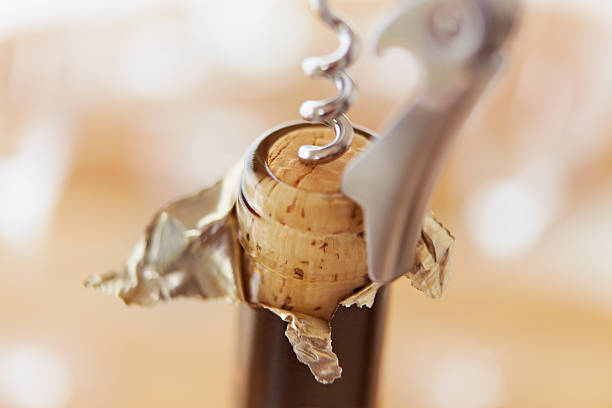
To open a wine bottle with a standard corkscrew, also known as a waiter’s friend, start by removing the foil using the built-in knife. Fold out the lever and position it against the lip of the bottle.
Next, center the screw over the cork and twist it straight down using even pressure. Aim to fully insert the spiral with just a few turns—avoid over-twisting, as this can split the cork.
Once the screw is in, use the lever as a fulcrum: hook it over the bottle’s lip and pull upward steadily to extract the cork. For the second step, fold the lever down and repeat if needed for full removal.
With practice, this method becomes quick and efficient, making it a favorite among sommeliers and home users alike.
How to Position the Corkscrew Correctly
Proper positioning is critical for a clean cork extraction. Begin by ensuring the tip of the corkscrew is centered on the cork—off-center insertion increases the risk of breakage. Hold the corkscrew vertically and begin twisting with gentle, consistent pressure. The spiral should enter the cork straight, not at an angle.
Aim to insert the screw about 80-90% of the way through the cork, leaving room to avoid pushing it into the wine. If the screw goes too deep, it may pierce the bottom of the cork, making removal difficult.
Taking a moment to align the tool correctly prevents frustration and ensures a smooth pull. A well-positioned corkscrew makes all the difference in preserving the cork’s integrity and the wine’s presentation.
Tips for Pulling the Cork Smoothly
To pull the cork smoothly, maintain steady, even pressure throughout the extraction. After inserting the corkscrew, use the waiter’s friend’s two-step leverage system: first, hook the lever over the bottle’s lip and lift until resistance increases, then fold the lever down and push the handle upward to finish the pull.
Keep the bottle steady with your non-dominant hand to prevent slipping. If the cork resists, gently wiggle the corkscrew side to side while pulling—this can help loosen it without breaking. For older wines with fragile corks, consider using a screwpull or Ah-So tool instead.
With newer bottles, a confident, controlled motion typically yields the best results, preserving the cork and avoiding spills.
Common Mistakes to Avoid
Many people rush the process and twist the corkscrew too aggressively, which can split the cork or damage the bottle’s seal. Another common error is inserting the screw off-center, leading to uneven pressure and breakage.
Avoid pushing the cork into the bottle by not over-inserting the spiral—leave a turn or two at the top. Some users forget to remove the foil, making lever placement difficult and increasing slippage risk. Also, failing to stabilize the bottle can result in spills or injury.
Lastly, using excessive force instead of leveraging the tool properly reduces control. By recognizing and avoiding these mistakes, you’ll open wine bottles more efficiently and safely, preserving both the wine and the experience. Patience and precision are key.
How to Use a Double-Handled Corkscrew (Ah-So)
Inserting the Ah-So Between Cork and Bottle
To begin using an Ah-So corkscrew, select the thinner blade and gently slide it between the cork and the bottle neck. The Ah-So has two prongs—one wide and one narrow—designed to preserve fragile corks. Always insert the narrow prong first, using slight twisting motions to create a gap.
Once it’s partially in, slide the wider prong alongside, maintaining even pressure to avoid breaking the cork. Keep your hands steady and use a slow, controlled motion—rushing can damage the seal or push the cork into the bottle. If resistance is high, rotate the Ah-So slightly to widen the gap.
The goal is to position both blades fully alongside the cork without forcing them. This careful insertion ensures maximum grip and minimizes the risk of crumbling, especially with older, drier corks. Proper alignment is key—keep the tool centered to maintain balance during extraction.
Twisting and Pulling the Cork Safely
Once both prongs of the Ah-So are inserted alongside the cork, grip the tool firmly and begin rotating it gently back and forth while applying upward pressure. The rocking motion helps loosen the cork without shearing it. Avoid aggressive pulling—patience ensures success, especially with delicate corks.
As the cork rises, continue alternating small twists and pulls to maintain control. Keep the bottle steady, preferably braced against a surface or held between your knees. If the cork resists, pause and reposition the blades slightly. Never yank suddenly, as this can split the cork.
With consistent, gentle effort, the cork will emerge intact. Once fully extracted, remove the Ah-So by sliding it downward and out. This method preserves the cork for inspection and prevents debris from falling into the wine, ensuring a clean, professional opening every time.
Best Practices for Older Wine Bottles
Opening older wine bottles requires extra care, as corks become brittle and prone to crumbling over time. Before using the Ah-So, inspect the cork for signs of dryness or damage. If possible, store the bottle upright for 24 hours prior to opening to let sediment settle and the cork re-center.
When inserting the Ah-So, apply minimal pressure and rely on finesse rather than force. Work slowly, and if the cork feels especially fragile, pause frequently to assess progress. Consider placing a napkin over the bottle neck to catch any debris.
For extremely old vintages, have a backup plan, such as a needle-pump or double-hinged corkscrew, in case the cork breaks. After opening, decant the wine carefully to separate any potential cork particles. These best practices preserve both the wine’s integrity and the experience of enjoying a well-aged bottle.
How to Open a Cork with a Screwpull Corkscrew
Positioning the Screwpull Over the Bottle
To begin opening a cork with a Screwpull corkscrew, place the device vertically over the bottle neck with the spiral worm centered above the cork. Ensure the bottle is on a stable, flat surface to prevent slipping during use.
Align the worm straight with the center of the cork to avoid splitting it or pushing it into the bottle. Hold the Screwpull firmly with one hand and the bottle with the other for control.
Keep the corkscrew perpendicular to the bottle opening—tilting can cause the worm to pierce the edge of the cork, leading to breakage. Before proceeding, double-check that the base of the Screwpull rests evenly on top of the bottle’s lip. This stable foundation is essential for smooth operation.
Proper positioning ensures the worm enters cleanly and sets the stage for an efficient extraction using the lever system.
Driving the Worm into the Cork
With the Screwpull properly positioned, begin twisting the handle clockwise to drive the spiral worm into the cork. Apply steady, even pressure while turning to ensure the worm penetrates straight and centered.
Stop twisting when the worm is almost through the cork, leaving one or two coils exposed—this prevents puncturing the bottom of the cork, which could push debris into the wine. Use controlled, deliberate turns rather than rushing, as precision reduces the risk of cork breakage.
If resistance increases suddenly, pause and recheck alignment. The goal is full but safe penetration, maintaining structural integrity of the cork. Throughout this step, keep the base of the Screwpull flush with the bottle’s top to maintain leverage.
Once the worm is properly embedded, you’re ready to engage the lever system for extraction.
Using the Lever System to Remove the Cork
After the worm is fully inserted, activate the Screwpull’s dual levers to extract the cork smoothly. First, lower the top lever and place it over the lip of the bottle neck. Then, push the handle upward, using the first lever as a fulcrum to begin lifting the cork.
Once the cork has risen slightly, switch to the second lever, positioning it over the bottle rim and pulling the handle up again. This two-stage mechanism multiplies your force, allowing effortless, controlled extraction without jerking or twisting.
Maintain an upright grip on the corkscrew and keep the bottle steady with your other hand. The cork should slide out cleanly with minimal resistance. Once removed, inspect the cork to ensure it’s intact—this confirms a successful opening. Finally, wipe the bottle neck before pouring.
Tips for Removing a Broken or Crumbly Cork
What to Do When the Cork Breaks During Extraction
If the cork breaks while using a corkscrew, stay calm and avoid pushing the broken piece into the bottle. Carefully remove the corkscrew and assess how much of the cork remains.
If part of the cork is still protruding, reinsert the corkscrew at a slight angle to gain better purchase on the remaining fragment. Twist slowly and steadily to pull it out without further breakage.
If the cork is too short to grip, consider switching tools—such as a two-prong cork puller or even household items like chopsticks. Patience is key; rushing can push debris into the wine. Work in a well-lit area to see clearly, and keep the bottle upright to minimize disturbance.
If the cork slips inside, don’t panic—most of the wine remains safe to drink. The next step is carefully decanting and filtering to remove any small particles before serving.
Using a Two-Prong Cork Puller
A two-prong cork puller, also known as an Ah-So, is ideal for removing fragile or vintage corks without breaking them. To use it, gently insert the longer prong between the cork and the bottle neck, then slide the shorter prong alongside it.
Apply even pressure as you twist the tool back and forth, gradually working it deeper into the seal. Once both prongs are fully inserted alongside the cork, slowly wiggle and pull upward while maintaining balance to extract the cork intact.
This method bypasses the need to pierce the cork, reducing the risk of crumbling. Practice on less valuable bottles first to build confidence. With a steady hand, the Ah-So preserves both cork and wine quality.
It’s especially useful when dealing with older wines, where corks are more likely to be dry and brittle, making traditional corkscrews less effective.
How to Filter Wine if Cork Crumbles
If cork fragments fall into the wine, don’t discard the bottle—the wine is usually still safe to drink. To remove debris, use a fine-mesh strainer, coffee filter, or cheesecloth placed over a clean decanter or pitcher. Slowly pour the wine through the filter, allowing it to catch small cork particles.
For best results, hold the filter taut and pour in a steady, controlled stream to avoid splashing. A coffee filter offers the finest filtration but may slow the process, while a mesh strainer works faster for larger pieces.
If sediment is also present, let the wine settle first and pour carefully. Chilling the wine slightly can help particles clump together, making them easier to catch. Filtering ensures a smooth, enjoyable drinking experience, even after a cork mishap.
How to Choose the Right Corkscrew for Your Needs
Best Corkscrews for Home Use
For casual wine drinkers and home entertainers, choosing a user-friendly and reliable corkscrew is essential. The double-hinged waiter’s friend is widely considered the best option for home use due to its compact design, affordability, and professional performance.
This style features a foldable corkscrew with a built-in foil cutter and lever system that makes removing corks smooth and efficient. Look for models with comfortable, ergonomic handles made from durable materials like wood or non-slip rubber to ensure a secure grip.
A serrated foil cutter is also important for cleanly removing wine capsule wrappers without damaging the bottle neck. With a little practice, the waiter’s friend allows you to open a bottle in under 30 seconds with minimal effort. Store it in a kitchen drawer or wine tote for easy access.
Its versatility and portability make it ideal for dinner parties, quiet evenings, or unexpected guests.
Waiter’s Friend vs. Electric Corkscrews
When deciding between a waiter’s friend and an electric corkscrew, consider your usage frequency and preference for manual vs. automated tools. The waiter’s friend is a manual corkscrew favored by sommeliers for its precision, portability, and reliability.
It requires some technique but delivers consistent results and is ideal for those who enjoy the ritual of opening wine. In contrast, electric corkscrews offer push-button convenience, automatically extracting corks with minimal effort—perfect for people with limited hand strength or arthritis.
However, they require batteries or charging and are generally less portable and more expensive. For most home users, the waiter’s friend strikes the best balance of functionality, durability, and cost. Electric models shine in high-volume settings like parties or restaurants but may be overkill for occasional use.
Choose based on your lifestyle and comfort level.
Features to Look for in a Durable Corkscrew
To ensure long-term performance, focus on build quality and essential features when selecting a durable corkscrew. First, prioritize stainless steel construction for the spiral (worm) and lever arms, as these resist rust and bending over time.
A non-slip, ergonomic handle made from rubber, wood, or textured polymer improves grip and control during extraction. The spiral should have 4–5 coils and a pointed tip to pierce corks cleanly without crumbling them. A built-in serrated foil cutter positioned for easy access ensures safe and efficient capsule removal.
For waiter’s friend models, a dual-lever mechanism reduces the force needed to pull the cork, minimizing breakage. Also, check that the hinge points are tightly assembled to prevent wobbling. Compact, foldable designs are easier to store and carry.
Ultimately, investing in a well-made corkscrew saves money and frustration in the long run.
Common Problems and How to Fix Them
Cork Stuck in the Bottle Neck
If the cork becomes stuck in the bottleneck and won’t come out, stay calm and avoid forcing it, as this can break the cork or push it deeper. First, ensure the corkscrew is fully inserted at the center of the cork. Use a double-hinged waiter’s friend for better leverage.
Gently twist the handle while applying slight upward pressure. If the cork resists, try rotating the bottle instead of the corkscrew—this reduces friction and helps preserve the cork’s integrity.
For stubborn corks, consider using a screw extractor tool or a specialized device like the Ah-So puller, which slips between the cork and glass. If the cork breaks, use a clean knife or butter spreader to carefully guide it down into the bottle.
Always filter the wine through a fine mesh if cork particles fall in. Patience and steady motion are key to avoiding mess and preserving your wine.
Worm of Corkscrew Won’t Penetrate Cork
When the worm (spiral) of your corkscrew won’t penetrate the cork, check the angle and alignment first—aim for the center and insert straight to avoid bending the cork. A dull or worn worm may struggle, so ensure your corkscrew is sharp and in good condition.
If the cork is dry or brittle, lightly moisten the tip of the worm with water or wine to reduce resistance. Begin with a few gentle twists using firm, even pressure—don’t rush.
If the cork resists, try warming the neck of the bottle slightly with your hands to expand the glass and loosen the seal. Avoid using excessive force, as this can cause the cork to crumble. For older wines with fragile corks, consider using a turkey lacer or twin-prong puller.
Regular maintenance of your corkscrew ensures reliable performance every time you open a bottle.
Preventing Wine Spills When Opening
To prevent wine spills when opening a bottle, secure a firm grip on both the bottle and corkscrew throughout the process. Place your hand firmly around the base of the bottle and keep it steady on a flat surface.
As you pull the cork, maintain a straight, upward motion—jerking or tilting can cause sudden gushes. For added control, use a waiter’s friend with a hinge lever to extract the cork smoothly in two stages.
Wipe the bottle’s lip before opening to remove dust or residue that could fall into the wine. If the cork comes out with a pop, slow down the final pull to minimize pressure release. Consider placing a napkin or small towel over the top as a spill barrier.
Always point the bottle away from people and delicate surfaces. These simple steps ensure a clean, elegant pour every time.
Frequently Asked Questions
What is the correct way to insert a corkscrew into a wine bottle?
Position the corkscrew vertically in the center of the cork. Twist the screw clockwise steadily until only one or two spirals remain visible, ensuring it’s centered to avoid breaking the cork.
How do I use a waiter’s corkscrew to open a wine bottle?
First, use the knife to cut the foil seal. Insert the screw into the cork, then use the first lever position on the bottle lip to start pulling. Pivot and use the second lever position to fully extract the cork smoothly.
What should I do if the cork breaks while using a corkscrew?
If the cork breaks, reinsert the corkscrew off-center into the remaining piece and slowly pull it out. Alternatively, use a cork puller tool or push the cork gently into the bottle if necessary.
Can I use any corkscrew on all wine bottles?
Most standard corkscrews work with natural and synthetic corks in traditional wine bottles. However, longer corks or older wines may require a two-stage corkscrew or a butler’s friend (Ah-So) for safer removal.
How do I clean and maintain my corkscrew?
Wipe the screw and hinge after each use to remove wine residue. Occasionally oil the hinge and clean the spiral with a brush to ensure smooth operation and prevent rust.
Conclusion
Choose the right corkscrew, insert it straight into the center of the cork, and twist gently until fully embedded. Use steady pressure to pull the cork out smoothly. Avoid rushing to prevent breakage. With practice, you’ll open bottles confidently and effortlessly. Keep trying—every twist brings you closer to mastering this essential skill. Cheers to your next successful pour!