What Goes Good With Red Wine
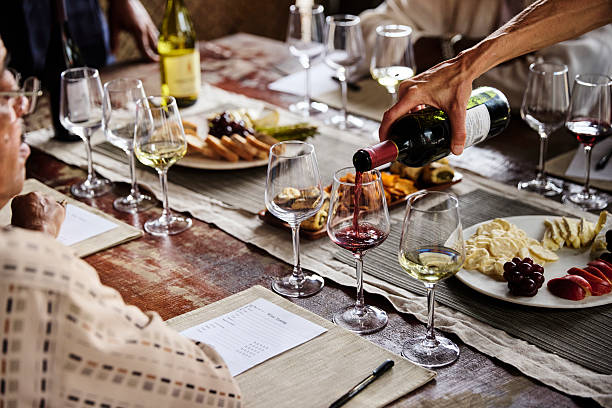
Wondering what goes good with red wine? You’re not alone—and the good news is, pairing doesn’t have to be complicated. Whether you’re enjoying a bold Cabernet or a smooth Pinot Noir, the right foods can elevate your experience. Think rich meats, aged cheeses, dark chocolate, and hearty pastas. This guide cuts through the confusion and gives you quick, delicious pairings that actually work. No wine snobbery—just real, tasty combinations you can try tonight. Let’s uncork the perfect match.
Best Foods to Pair with Red Wine
What meats go well with red wine
Red wine pairs exceptionally well with rich, flavorful meats due to its tannins and acidity, which help cut through fat and enhance taste. Beef is a classic match, especially cuts like ribeye, filet mignon, and New York strip, as the wine’s structure balances the meat’s richness.
Lamb dishes, such as roasted leg of lamb or lamb chops, also harmonize beautifully with bold reds like Cabernet Sauvignon or Syrah. Duck and game meats like venison work well with medium to full-bodied wines such as Pinot Noir or Merlot, whose earthy notes complement the meat’s gaminess.
For grilled or smoked meats, choose a robust Zinfandel or Malbec to stand up to charred flavors. Always consider the cooking method—slow-cooked stews shine with tannic wines, while seared meats pair well with fruit-forward options.
Cheese pairings for red wine lovers
Choosing the right cheese can elevate your red wine experience by balancing flavor intensity and texture. Aged cheeses like aged cheddar or Manchego pair wonderfully with bold reds such as Cabernet Sauvignon, as their sharpness matches the wine’s structure.
Blue cheeses, including Gorgonzola or Roquefort, create a luxurious contrast with sweet or medium-bodied reds like Port or Merlot, where the wine’s fruitiness tames the cheese’s pungency. Semi-soft cheeses like Havarti or Gouda go well with lighter reds such as Pinot Noir, offering a creamy mouthfeel without overwhelming the palate.
Avoid very soft, mild cheeses like mozzarella, as they can get lost. For best results, serve cheeses at room temperature to fully release their flavors and create a harmonious pairing.
Vegetarian dishes that complement red wine
Even without meat, many vegetarian dishes offer deep, savory flavors that pair beautifully with red wine. Mushroom-based dishes, like portobello steaks or mushroom risotto, are excellent with earthy Pinot Noir, as the wine mirrors the umami richness of the fungi.
Lentil stews, bean casseroles, and roasted root vegetables stand up well to medium-bodied reds like Tempranillo or Sangiovese, which provide acidity and red fruit notes that brighten hearty meals. Eggplant Parmesan or grilled vegetable lasagna pairs nicely with Chianti or Merlot, thanks to their tomato-based sauces and baked textures.
For dishes with balsamic glaze or caramelized onions, choose a wine with a hint of sweetness like Zinfandel. The key is matching the dish’s weight and seasoning to the wine’s body and tannin level for a satisfying balance.
How to match red wine with spicy foods
Pairing red wine with spicy dishes can be tricky, but the right match enhances both heat and flavor. Opt for low-tannin, fruit-forward reds like Gamay, Lambrusco, or a slightly chilled Beaujolais, as high tannins can amplify spiciness and create bitterness.
Wines with a touch of sweetness, such as a semi-dry Zinfandel or off-dry Shiraz, help soothe the palate and balance fiery ingredients like chili or cayenne.
Dishes like spicy Indian curries, Korean BBQ, or Cajun jambalaya benefit from reds with bright acidity and juicy berry notes that refresh the mouth between bites. Avoid overly oaky or alcoholic wines, as they can intensify heat.
Chilling your red wine slightly (around 55°F) can also soften its impact and make it more refreshing alongside spicy fare.
How to Match Red Wine with Main Courses

Pairing red wine with steak and grilled meats
When pairing red wine with steak and grilled meats, choose bold, tannic wines like Cabernet Sauvignon, Malbec, or Syrah. These wines complement the rich, savory flavors of grilled beef, lamb, and game meats. The high tannin structure in these wines cuts through the fat, cleansing the palate with each bite.
For a ribeye or New York strip, a full-bodied Cabernet Sauvignon with dark fruit and oak notes enhances the charred crust and juicy interior. If grilling leaner cuts like flank or skirt steak, a fruit-forward Malbec with softer tannins works well. Serve at 60–65°F to preserve balance.
Avoid overly sweet or light reds, as they can be overpowered. Marinated or spice-rubbed meats pair beautifully with Syrah, which offers peppery, smoky notes that mirror grill char and seasonings.
Best red wines for pasta with tomato sauce
Tomato-based pasta dishes call for medium- to full-bodied red wines with bright acidity to match the sauce’s tanginess. Chianti, Sangiovese, and Barbera are excellent choices. Chianti’s crisp cherry and herbal notes complement garlic, basil, and Parmesan in dishes like spaghetti Bolognese or lasagna.
Barbera, with its low tannins and high acidity, balances richness without overwhelming delicate pasta textures. For meat-heavy ragùs, opt for a more structured Sangiovese Riserva. Avoid overly tannic wines like young Cabernet Sauvignon, as they can clash with acidity. Serve slightly chilled—around 60°F—to enhance freshness.
These wines also pair well with vegetarian tomato dishes, where acidity and herbal flavors create harmony. Matching the wine’s body to the sauce’s richness ensures a seamless dining experience.
What to serve with lamb and red wine
Lamb’s rich, slightly gamey flavor pairs exceptionally well with structured, aromatic red wines such as Syrah, Cabernet Sauvignon, and GSM blends (Grenache-Syrah-Mourvèdre). A herb-crusted rack of lamb shines with a peppery Syrah from the Rhône Valley, where the wine’s dark fruit and spice notes mirror rosemary and garlic.
For grilled leg of lamb, a bold Cabernet Sauvignon offers tannic grip and blackcurrant depth that stand up to smoky char. Consider regional pairings—a Spanish Rioja complements lamb with vanilla and red fruit from oak aging.
Avoid light reds like Pinot Noir unless the dish is delicate, such as lamb tenderloin with a light sauce. Serve at 62–66°F to fully express complexity. These pairings elevate both the dish and wine through balanced intensity and complementary flavors.
Tips for serving red wine with roasted chicken
Roasted chicken, especially when seasoned with herbs or served with pan sauces, pairs well with light- to medium-bodied red wines that won’t overpower the delicate meat. Pinot Noir is the top choice, offering red berry flavors, soft tannins, and earthy undertones that complement thyme, rosemary, and garlic.
For chicken with a richer sauce or mushrooms, try a Gamay or lighter Merlot. Avoid heavy, high-alcohol reds like Zinfandel, which can dominate the dish. Serve slightly chilled—around 55–60°F—for optimal freshness. If the chicken includes bold elements like bacon or spicy rubs, a fruity Beaujolais Cru can bridge the gap.
Always consider the seasoning and sides; a tomato-based glaze may call for a wine with higher acidity. Thoughtful pairing enhances the meal’s overall harmony.
Cheese and Charcuterie Pairings

Top cheeses to serve with Cabernet Sauvignon
Cabernet Sauvignon’s bold tannins and dark fruit flavors pair exceptionally well with firm, aged cheeses that can stand up to its intensity. Aged cheddar, with its sharp, crystalline texture, complements the wine’s structure while cutting through its astringency.
Manchego adds a nutty, slightly sweet note that enhances the wine’s herbal and tobacco undertones. Pecorino Romano brings a salty punch that balances the wine’s richness. For optimal enjoyment, serve these cheeses at room temperature to release their full flavor.
Arrange them on a board with dried figs or walnuts to add contrast and elevate the tasting experience. Avoid overly creamy or mild cheeses, as they may get overwhelmed by the wine’s power.
Best charcuterie board items for Merlot
Merlot’s smooth body and plush red fruit notes make it an ideal match for mild to medium-intensity cured meats. Prosciutto, with its delicate saltiness and silky texture, enhances the wine’s soft tannins without overpowering them. Genoa salami adds a subtle spice that complements Merlot’s plum and cherry flavors.
Coppa offers a rich, marbled bite that harmonizes with the wine’s velvety finish. Include cornichons and whole-grain mustard on the board to cut through the fat and refresh the palate between sips. Serve meats thinly sliced and at room temperature for maximum flavor.
Pair with crusty bread or water crackers to provide a neutral base that supports both the wine and charcuterie.
How to balance bold reds with soft cheeses
Pairing bold reds like Syrah or Malbec with soft cheeses requires balancing richness with acidity and fat. Brie and Camembert offer creamy textures that soften the wine’s tannins, creating a luxurious mouthfeel. The earthy rind of these cheeses also echoes the wine’s savory notes.
To prevent the pairing from becoming too heavy, serve with fresh apple slices or quince paste, which add brightness and natural sweetness. Goat cheese is another excellent option—its tanginess cuts through the wine’s intensity and refreshes the palate.
Keep portions small and serve cheeses slightly chilled, then bring to room temperature before serving to maximize aroma and flavor integration with the wine.
Pairing aged cheeses with full-bodied reds
Full-bodied reds like Barolo, Bordeaux, or aged Zinfandel thrive alongside hard, aged cheeses that match their depth and complexity. Aged Gouda brings butterscotch and caramel notes that echo the wine’s oak-aged characteristics. Parmigiano-Reggiano, with its savory umami and crunchy tyrosine crystals, enhances the wine’s structure and lengthens the finish.
Asiago Vecchio offers a nutty, slightly sharp profile that stands up to bold tannins. These cheeses’ concentrated flavors amplify the wine’s dark fruit and spice notes without competing. Serve in small cubes to encourage slow sipping and savoring.
Add almonds or dried apricots to the board for textural contrast and complementary sweetness that rounds out the experience.
Red Wine and Dessert Combinations
Chocolate desserts that enhance red wine flavor
Dark chocolate desserts are ideal companions for full-bodied red wines like Cabernet Sauvignon or Syrah. The rich cocoa content and slight bitterness of dark chocolate complement the tannins in these wines, creating a balanced and luxurious experience.
Opt for flourless chocolate cakes, chocolate truffles, or molten lava cakes with a high cocoa percentage (70% or more) to match the intensity of the wine. Avoid milk chocolate, as its sweetness and creaminess can clash with dry reds.
For a bolder pairing, try a red wine reduction drizzled over chocolate mousse—this amplifies shared flavor notes like cherry, vanilla, and spice. Serve both the dessert and wine slightly below room temperature to enhance their textures and aromas.
Pairing Port with blue cheese and nuts
Sweet red Port wine shines when paired with bold, salty blue cheeses like Stilton, Gorgonzola, or Roquefort. The wine’s natural sweetness balances the pungency of the cheese, while its rich body stands up to strong flavors.
Add toasted walnuts or almonds to introduce a nutty crunch that enhances the caramel and dried fruit notes in the Port. This trio creates a harmonious contrast of sweet, salty, and earthy elements.
Serve Port slightly chilled (around 60°F) in small glasses alongside a cheese board for an elegant dessert course. Avoid overly creamy cheeses that can overwhelm the wine—stick to crumbly, aged varieties. This classic British-inspired pairing is perfect for holiday gatherings or intimate dinners.
Best fruit-based desserts for red wine
Fruit-based desserts with tart or jammy profiles pair exceptionally well with medium to light red wines like Pinot Noir or Zinfandel. Think blackberry crumble, cherry clafoutis, or poached pears in red wine syrup—these dishes mirror the fruit-forward notes in the wine and enhance its natural acidity.
Avoid overly sweet fruit pies with heavy whipped cream, as they can dull the wine’s flavor. Instead, opt for desserts with a touch of spice, like cinnamon or star anise, which complement the wine’s undertones.
Grilled stone fruits like peaches or plums also work well, especially when paired with a chilled Beaujolais. The key is matching the dessert’s intensity to the wine’s body—light desserts with light wines, bold ones with bolder reds.
What not to serve with sweet red wines
Avoid serving overly sweet or creamy desserts like cheesecake, banana cream pie, or cotton candy with sweet red wines such as Lambrusco or Brachetto. These desserts can make the wine taste flat or overly acidic, disrupting the flavor balance.
Also, steer clear of desserts with artificial flavors or high citrus content, as they can clash with the wine’s berry and floral notes. Mint-flavored sweets are another poor match—they can create an unpleasant medicinal aftertaste. Instead of sugary glazes or syrups, use natural fruit reductions.
Remember: the dessert should never be sweeter than the wine. Matching sweetness levels ensures a pleasant, harmonious pairing that highlights the best qualities of both.
Cooking with Red Wine
How to use red wine in beef stews and sauces
Red wine adds rich depth and complexity to beef stews and sauces, enhancing the savory flavor of slow-cooked meats. To use it effectively, choose a dry, full-bodied red like Cabernet Sauvignon or Merlot and add 1/2 to 1 cup when sautéing aromatics before introducing liquids.
This allows alcohol to evaporate while concentrating flavor. Simmer gently for at least 1.5 to 2 hours to tenderize the meat and meld the ingredients. Avoid overfilling the pot—wine should complement, not dominate. For sauces, reduce the wine by half before adding stock or cream to intensify taste.
Always use wine you’d drink—low-quality wine can make the dish bitter.
Best red wines for deglazing pans
When deglazing pans, select medium-bodied reds with balanced acidity and tannins, such as Pinot Noir or Chianti. These wines lift flavorful browned bits (fond) without overpowering the dish.
After searing meat, remove it and pour 1/4 to 1/2 cup of wine into the hot pan, scraping the bottom with a wooden spoon. The heat helps release caramelized residues, forming the base of a rich sauce. Avoid sweet or oaky wines, as they can burn or turn acrid.
Let the wine reduce by half to concentrate flavor before adding stock or butter. Using a dry, drinkable wine ensures a clean, savory result that enhances gravies, pan sauces, and quick braises.
Tips for reducing red wine in cooking
Reducing red wine properly concentrates flavor and removes harsh alcohol. Start by heating the wine in a wide, shallow pan to increase surface area and speed evaporation. Simmer gently—never boil rapidly—as high heat can leave a bitter taste.
Reduce by at least half or until syrupy to mellow acidity and deepen richness. Stir occasionally to prevent scorching. For sauces, combine reduced wine with stock or cream for balance. Use a wooden spoon to test consistency—it should coat the back lightly.
Always reduce before adding delicate ingredients to avoid overpowering them. This technique works well in reductions for steaks, mushrooms, or pasta dishes, delivering a polished, restaurant-quality finish.
Common mistakes when cooking with red wine
One major mistake is using low-quality or ‘cooking wine’, which often contains salt and preservatives that ruin flavor. Always choose a wine you’d drink. Another error is adding too much wine, overwhelming the dish—start with small amounts and adjust.
Failing to reduce wine adequately leaves harsh alcohol notes, so simmer until it thickens slightly. Pairing the wrong wine with food is also common; bold dishes need full-bodied wines, while delicate ones suit lighter varieties. Lastly, adding wine late in cooking prevents proper integration—introduce it early to meld flavors.
Avoid these pitfalls by tasting as you go and balancing acidity with a pinch of sugar or butter if needed.
Serving Tips for Red Wine Pairings
What temperature to serve red wine with food
Serving red wine at the right temperature enhances both the wine and food experience. Contrary to popular belief, red wine should not be served at room temperature if the room is warm—ideal serving temperatures range from 60–68°F (15–20°C).
Lighter reds like Pinot Noir taste best slightly cooler, around 60–65°F, which preserves their bright acidity and fruit notes. Fuller-bodied reds such as Cabernet Sauvignon or Syrah shine at 65–68°F, allowing their complex tannins and aromas to unfold. Serving too warm can make alcohol dominate, while too cold mutes flavors.
Chill heavier reds for 15–20 minutes in the fridge before serving if needed. This precision ensures the wine complements dishes like grilled meats or rich pastas without overpowering them.
How glass shape affects food pairing
The shape of your wine glass significantly influences how red wine interacts with food. Glasses with larger bowls, like Bordeaux or Burgundy styles, allow bold reds to breathe, releasing aromas that enhance rich dishes such as beef stew or lamb.
A tapered rim directs wine to the right part of your palate, balancing acidity, tannins, and sweetness in both wine and food. For lighter reds paired with roasted poultry or mushrooms, a narrower bowl preserves delicate notes.
Using the correct glass ensures the wine’s characteristics complement, not clash with, your meal. Always hold the stem to avoid warming the wine. Investing in proper glassware elevates the entire dining experience by harmonizing flavor, aroma, and texture.
Decanting red wine before serving with meals
Decanting red wine before a meal can soften tannins and unlock deeper flavors, especially in young or full-bodied wines like Malbec or Nebbiolo. Pouring wine into a decanter exposes it to oxygen, helping it ‘breathe’ and evolve.
This process enhances compatibility with hearty dishes such as ribeye steak or aged cheeses. Older vintage reds benefit from decanting to separate sediment without overexposure. Aim for 30 minutes to an hour of aeration for most reds. Use a wide-bottomed decanter for maximum surface area.
Avoid over-decanting delicate wines like older Pinot Noir, which can fade quickly. This simple step ensures the wine reaches its full potential alongside your meal, creating a more balanced and enjoyable pairing.
How much red wine to pour with dinner
Pouring the right amount of red wine ensures a balanced dining experience. A standard pour is 5 ounces (about 150ml), leaving room in the glass for swirling and aroma development.
This portion pairs well with a full meal, allowing you to enjoy a glass with appetizers and a second with the main course without overwhelming your palate. Overfilling the glass limits aeration and can lead to rushed sipping.
For multi-course meals, consider smaller 3–4 ounce pours to maintain harmony between food and wine throughout. This approach also helps manage alcohol intake while maximizing flavor pairing. Proper pouring supports thoughtful sipping and better food synergy, making each bite and sip more enjoyable.
Regional Food and Wine Matches
Classic Italian dishes with Chianti or Sangiovese
Chianti and other Sangiovese-based red wines are ideal companions for traditional Italian fare due to their bright acidity and earthy, cherry-like flavors. These wines shine when paired with tomato-based pasta dishes like spaghetti Bolognese or lasagna, where the acidity balances the tangy sauce.
Grilled or roasted meats, such as chicken parmesan or veal, also complement the wine’s medium tannins. For a truly authentic experience, serve alongside a wood-fired Margherita pizza—the wine’s herbal notes echo the basil and oregano in the dish.
Hard cheeses like Pecorino Romano enhance the pairing by adding a salty contrast. Avoid overly spicy foods, which can overpower the wine. The key is matching the wine’s structure with savory, herb-laced dishes for a harmonious meal.
French pairings: Bordeaux with duck or beef
Bordeaux reds, typically blends of Cabernet Sauvignon, Merlot, and Cabernet Franc, offer rich structure and firm tannins that pair beautifully with hearty meats. Duck confit is a classic match—the wine’s depth cuts through the rich, fatty skin while enhancing the dish’s savory notes.
Similarly, grilled ribeye or filet mignon benefit from Bordeaux’s dark fruit and cedar undertones, creating a luxurious dining experience. For best results, allow the wine to breathe before serving to soften tannins. A mushroom-based sauce or roasted root vegetables on the side further elevate the pairing.
Avoid pairing with very spicy or sweet glazes, which can clash with the wine’s profile. Balance is key: let the wine and protein enhance, not overpower, each other.
Spanish Tempranillo with tapas and cured meats
Tempranillo, Spain’s flagship red grape, delivers moderate tannins, bright acidity, and flavors of red berries, leather, and spice, making it incredibly versatile with tapas. It pairs exceptionally well with cured meats like jamón ibérico or chorizo, where the saltiness highlights the wine’s fruitiness.
Manchego cheese and marinated olives also complement its earthy profile. For warm tapas, try patatas bravas or grilled padrón peppers—the wine’s acidity balances the heat and oil. Slow-cooked stews like cocido are another excellent match. Serve slightly below room temperature to preserve freshness.
The versatility and food-friendliness of Tempranillo make it perfect for sharing across a variety of small plates, enhancing both bold and subtle flavors on the table.
Argentinian Malbec with grilled empanadas
Argentinian Malbec, known for its plush texture, dark fruit flavors, and subtle smokiness, is a natural match for grilled empanadas. The wine’s moderate acidity and soft tannins complement the rich, savory fillings like spiced ground beef, caramelized onions, and hard-boiled eggs.
The char from the grill echoes the wine’s subtle oak notes, creating a cohesive flavor profile. For vegetarian options, Malbec pairs well with mushroom or roasted pepper empanadas, where its fruit-forward character balances earthy ingredients.
Avoid overly spicy versions unless the wine has enough body to stand up to the heat. Serve slightly chilled to enhance freshness. This pairing brings out the best in both the dish and the wine, making it a go-to for casual outdoor gatherings or festive meals.
Frequently Asked Questions
What foods pair well with red wine?
Red wine pairs well with rich, flavorful foods such as red meats, roasted poultry, and hard cheeses. The tannins in red wine complement the fat and protein in these dishes, enhancing the overall taste experience.
Can I pair red wine with pasta?
Yes, red wine pairs nicely with pasta dishes that have tomato-based or meaty sauces, like spaghetti Bolognese or lasagna. Opt for medium- to full-bodied reds like Chianti or Merlot for the best match.
What cheeses go best with red wine?
Aged cheeses like cheddar, gouda, and blue cheese pair excellently with red wine. Their bold flavors stand up to the intensity of wines like Cabernet Sauvignon or Shiraz.
Is chocolate a good match for red wine?
Dark chocolate pairs beautifully with full-bodied red wines such as Cabernet Sauvignon or Zinfandel. The bitterness of the chocolate complements the wine’s tannins and fruit notes.
What should I avoid eating with red wine?
Avoid pairing red wine with very spicy dishes or delicate seafood, as the heat can amplify the alcohol and the wine can overpower subtle flavors. These combinations may create an unbalanced taste.
Which red wine goes with grilled meats?
Bold red wines like Malbec, Syrah, or Cabernet Sauvignon are excellent with grilled steaks and burgers. Their robust structure and smoky notes complement the charred flavors from grilling.
Conclusion
Red wine pairs beautifully with a variety of foods, from rich meats like steak and lamb to hearty cheeses and dark chocolate. The key is balancing the wine’s tannins and acidity with complementary flavors. Lighter reds go well with poultry and pasta, while bold varieties enhance grilled dishes. Experimenting with pairings can elevate your dining experience. Don’t be afraid to explore—your perfect match is just a sip away. Cheers to discovering new favorites!
