What Does Zinfandel Pair With
Wondering what does zinfandel pair with? You’re in the right place. Zinfandel’s bold, fruity flavors and spicy kick make it a surprisingly versatile wine at the table. Whether you’re grilling burgers, slow-cooking ribs, or serving up a hearty pasta, this red wine brings the perfect balance. In just a few moments, you’ll discover the top food matches that elevate both the meal and the wine—no guesswork needed. Let’s dive into the delicious pairings that make zinfandel a dinner favorite.
What Is Zinfandel and Why It Matters for Food Pairing
How Zinfandel’s Flavor Profile Affects Pairings
Zinfandel’s bold and fruit-forward flavor profile—featuring notes of ripe blackberry, raspberry jam, plum, and often a hint of spice or black pepper—makes it a versatile match for rich, savory dishes.
The wine’s natural sweetness and high concentration of fruit flavors balance well with smoky, grilled, or spicy foods, such as barbecue ribs, smoked sausages, or Cajun-seasoned chicken.
Because Zinfandel often exhibits jammy characteristics and a touch of residual sugar, it can stand up to dishes with a sweet-and-savory glaze, like honey-glazed ham or teriyaki-marinated meats. The wine’s acidity, though moderate, helps cut through fatty or oily foods, making it ideal for pairing with pork belly or duck.
Additionally, its spicy undertones complement dishes seasoned with chili, garlic, or paprika. Understanding these flavor dynamics allows you to highlight complementary tastes and avoid clashing elements, ensuring a harmonious dining experience. Ultimately, Zinfandel’s expressive profile makes it a go-to red for bold cuisine.
Key Characteristics of Zinfandel Wines
Zinfandel is known for its high alcohol content, often ranging from 14% to 17% ABV, which contributes to its full-bodied texture and warming finish. This robust structure is paired with moderate tannins, making it softer than Cabernet Sauvignon but still substantial enough to handle hearty meals.
The wine typically displays deep red to dark purple hues and intense aromas of dark fruit, such as blackberry, blueberry, and cherry preserves, often layered with notes of licorice, vanilla, and baking spice from oak aging.
These characteristics make Zinfandel distinct from lighter reds and more approachable than heavily tannic varieties. Its jammy, concentrated fruit core stands up to bold flavors, while its slight sweetness enhances savory or spicy dishes.
Because Zinfandel can vary from brisk and peppery to lush and velvety, selecting the right style matters for pairing success. Cooler-climate Zinfandels with higher acidity suit tomato-based pastas, while riper, jammy versions excel with grilled meats. Recognizing these key traits helps maximize flavor harmony at the table.
How Alcohol and Tannin Levels Influence Food Matches
The high alcohol content in Zinfandel plays a crucial role in food pairing, as it can amplify the perception of heat in spicy dishes or create a burning sensation if mismatched.
To counter this, pair Zinfandel with rich, fatty foods like pork shoulder or lamb burgers, which help mellow the alcohol’s intensity. Conversely, pairing it with delicate or light dishes may result in the wine overpowering the food.
Meanwhile, Zinfandel’s moderate tannin levels—lower than Cabernet or Syrah—make it less astringent and more food-friendly, especially with dishes that aren’t heavily charred or protein-dense. This balance allows the wine to complement tomato-based sauces, roasted vegetables, and aged cheeses without overwhelming them.
Tannins also interact with protein, softening the wine’s texture when enjoyed with meat. Avoid very salty or bitter foods, which can accentuate alcohol heat. Instead, focus on umami-rich or slightly sweet components, like caramelized onions or grilled mushrooms, to create a seamless match.
Thoughtful pairing based on alcohol and tannin ensures a pleasing, balanced meal.
Best Meat Dishes to Pair with Zinfandel
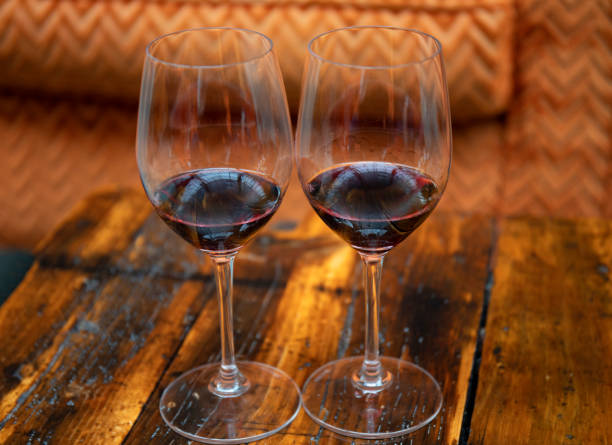
Grilled Steak and Zinfandel: A Bold Match
Grilled steak is one of the best pairings for Zinfandel due to the wine’s bold structure and robust fruit flavors. The high alcohol content and spicy notes in Zinfandel stand up well to the charred, caramelized crust of a perfectly grilled steak.
Cuts like ribeye, strip, or flank steak, especially when seasoned with black pepper, garlic, or a smoky dry rub, enhance the wine’s dark berry and pepper characteristics. The natural fat in these cuts also helps mellow Zinfandel’s tannins, creating a harmonious balance on the palate.
For best results, serve the steak medium-rare to preserve juiciness and pair it with a Zinfandel that has ripe plum, blackberry, and clove notes.
This combination delivers a rich, satisfying experience that highlights both the depth of the meat and the complexity of the wine, making it ideal for backyard barbecues or celebratory dinners.
Smoked and Barbecued Meats That Complement Zinfandel
Zinfandel shines when paired with smoked and barbecued meats, thanks to its affinity for bold, sweet, and spicy flavors. The wine’s jammy fruit profile and hints of smokiness mirror the char and richness of slow-cooked ribs, pulled pork, or smoked brisket.
Barbecue sauces with tomato, molasses, or chili elements complement Zinfandel’s natural acidity and spice, creating a dynamic flavor synergy. St. Louis-style ribs glazed in tangy sauce or Texas-style smoked sausage are particularly excellent matches.
The wine’s moderate tannins and full body cut through the fattiness of these dishes without overpowering them. For optimal pairing, choose a Zinfandel with notes of black cherry, licorice, and smoked oak.
This combination brings out the best in both the meal and the wine, making it a go-to for cookouts and casual gatherings where hearty flavors take center stage.
Lamb and Game Meats That Enhance Zinfandel’s Flavor
Lamb and game meats like venison, duck, or wild boar offer rich, earthy flavors that beautifully enhance Zinfandel’s complex profile. The wine’s peppery spice and dark fruit intensity complement the gaminess of these proteins, while its acidity helps balance their richness.
Herb-crusted rack of lamb or grilled lamb chops with rosemary and garlic bring out Zinfandel’s savory undertones and amplify its aromatic depth. Similarly, braised venison shoulder or duck confit with a red wine reduction creates a luxurious pairing that highlights the wine’s structure.
Choose a Zinfandel with layers of blackberry, anise, and smoked meat to mirror the dish’s complexity.
This pairing works especially well when the meat is seasoned with bold spices or cooked using slow-roasting methods, allowing both the dish and wine to unfold in layers of flavor, making it perfect for elegant dinners or seasonal celebrations.
Zinfandel with Poultry and Pork

Roast Pork and Zinfandel: A Classic Combination
Roast pork is one of the best pairings for Zinfandel due to the wine’s bold fruit flavors and moderate tannins. The natural sweetness of caramelized pork complements Zinfandel’s notes of ripe blackberry, plum, and spice.
When roasting pork with garlic, rosemary, or a touch of brown sugar, the wine’s acidity cuts through the richness, creating a balanced, harmonious pairing. Opt for a medium- to full-bodied Zinfandel with moderate oak aging to enhance savory elements without overpowering the dish.
For best results, serve the wine slightly below room temperature—around 60–65°F—to highlight its fruit and spice profile. This classic combo works especially well with pork loin, shoulder, or tenderloin. Avoid overly lean cuts, as Zinfandel’s intensity pairs best with some fat content.
Whether your roast includes a fruity glaze or smoky rub, Zinfandel adapts beautifully, making it a go-to choice for hearty, flavorful pork dinners.
Barbecue Chicken Pairings That Work Well
Barbecue chicken, especially when grilled or smoked with a tangy, slightly sweet sauce, pairs exceptionally well with Zinfandel. The wine’s jammy fruit character—think blackberry and cherry—mirrors the sweetness in the sauce, while its bright acidity balances the smokiness and char.
Choose a Zinfandel with moderate spice and oak influence to complement the grilled notes without overwhelming the poultry. Dark meat chicken, like thighs or drumsticks, stands up better to Zinfandel’s bold profile than lean breast meat.
If your barbecue sauce includes ingredients like molasses, chili, or mustard, the wine’s complexity enhances each layer of flavor. Serve slightly chilled to preserve its freshness and fruit expression. For outdoor grilling or casual summer meals, this pairing delivers robust flavor harmony.
Zinfandel also bridges well with side dishes like coleslaw or baked beans, making it a versatile option for full barbecue spreads.
How to Match Zinfandel with Glazed or Spiced Poultry
Glazed or spiced poultry—such as duck with orange glaze, chicken with harissa, or turkey with cranberry stuffing—can be perfectly matched with Zinfandel when considering flavor intensity. The key is aligning the wine’s ripe fruit and peppery notes with the dish’s sweet, spicy, or tangy elements.
For example, a spice-rubbed chicken thigh with cumin and paprika benefits from Zinfandel’s inherent warmth and berry richness. Similarly, a fruit-based glaze like apricot or cherry amplifies the wine’s natural profile. Choose a Zinfandel with good acidity to cut through rich sauces and cleanse the palate.
Avoid pairing with very delicate or herb-forward poultry dishes, as Zinfandel may overpower them. Instead, focus on boldly seasoned or caramelized preparations. Serve in large bowls to allow the wine to breathe, enhancing its aromatic complexity and ensuring a seamless, flavorful match.
Vegetarian and Plant-Based Pairings for Zinfandel
Grilled Vegetables That Stand Up to Zinfandel
Grilled vegetables with bold, smoky flavors are excellent partners for Zinfandel, a robust red wine known for its jammy fruit and peppery spice. Choose hearty vegetables like eggplant, zucchini, bell peppers, and portobello mushrooms, which develop a charred, caramelized exterior when grilled, mirroring the wine’s intensity.
Brush them with a glaze of balsamic vinegar, olive oil, and garlic to enhance their richness and complement Zinfandel’s dark berry notes. The wine’s moderate acidity cuts through the smokiness, while its tannins balance the natural sugars in charred vegetables.
Avoid overly delicate veggies like spinach or lettuce, as their subtle flavors will be overwhelmed. Instead, opt for grilled vegetable skewers or a warm ratatouille-style medley to match the wine’s full body.
For an extra layer of harmony, sprinkle smoked paprika or rosemary before serving—these earthy herbs echo Zinfandel’s spice profile and elevate the pairing into a satisfying, well-rounded experience.
Pairing Zinfandel with Mushroom-Based Dishes
Mushroom-based dishes are ideal companions for Zinfandel due to their umami depth and meaty texture, which stand up beautifully to the wine’s bold character. Varieties like cremini, shiitake, and oyster mushrooms bring earthy, savory notes that align with Zinfandel’s blackberry and licorice undertones.
Try a slow-cooked mushroom ragù over polenta or a wild mushroom risotto—these rich, creamy dishes benefit from the wine’s bright acidity and peppery finish, which prevent the meal from feeling too heavy.
For a more rustic option, grilled portobello steaks with a red wine reduction sauce create a flavor bridge between the dish and the Zinfandel. The wine’s fruit-forward profile enhances the mushrooms’ natural sweetness, while its subtle spice highlights any added herbs like thyme or sage.
Avoid overly mild preparations; instead, amplify depth with roasted garlic, tamari, or smoked salt to ensure the dish holds its own against this expressive wine.
How Spicy Vegetarian Dishes Interact with Zinfandel
Spicy vegetarian dishes can create a dynamic and exciting pairing with Zinfandel, thanks to the wine’s ripe fruit character and moderate tannins.
The natural sweetness of Zinfandel’s jammy blackberry and plum notes helps temper the heat from ingredients like chili peppers, harissa, or crushed red pepper, making each bite more balanced and enjoyable.
Dishes such as spicy lentil curry, chipotle-black bean tacos, or Szechuan-style tofu stir-fry thrive alongside a glass of Zinfandel, as the wine’s alcohol warmth integrates with the dish’s spice rather than amplifying it.
Crucially, Zinfandel’s lower bitterness and soft tannins prevent the heat from becoming overwhelming—a common issue with more astringent reds. To maximize harmony, include ingredients like roasted sweet potatoes or coconut milk, which add creaminess and echo the wine’s lush texture.
Avoid overly sweet sauces, as they can clash with the wine; instead, focus on layered spice and savory depth to create a pairing that’s both vibrant and cohesive.
Zinfandel and Spicy or Bold Flavors
Why Zinfandel Works with Spicy Cuisine
Zinfandel is an excellent match for spicy cuisine because its bold fruit-forward profile and moderate acidity help balance intense heat. The wine’s ripe berry, black cherry, and jammy notes provide a natural sweetness that counteracts the burn from chili peppers, preventing the palate from becoming overwhelmed.
Additionally, Zinfandel’s medium to high alcohol content enhances the perception of richness in spicy dishes without amplifying the heat. Unlike more tannic reds that can clash with spice, Zinfandel’s softer tannins ensure a smooth, harmonious pairing.
Dishes like Szechuan stir-fries, spicy curries, or harissa-rubbed meats benefit from Zinfandel’s ability to refresh the palate between bites. The wine’s subtle hints of black pepper and baking spice also echo common flavor elements in fiery recipes, creating flavor synergy.
For best results, choose a Zinfandel with balanced acidity and avoid overly oaked versions that may intensify heat. This makes Zinfandel not just a complement, but a cooling counterpoint to bold, spicy fare.
Pairing Zinfandel with Mexican and Cajun Dishes
Zinfandel shines when paired with flavor-packed Mexican and Cajun dishes that feature smoky, spicy, and savory elements. Its jammy fruit character complements the roasted tomatoes, cumin, and chili powders common in tacos, enchiladas, and mole sauces.
For Cajun cuisine—think jambalaya, blackened chicken, or spicy andouille gumbo—Zinfandel’s peppery finish and ripe berry notes mirror the dish’s bold seasoning without overpowering it. The wine’s moderate tannins and vibrant acidity cut through rich, fatty ingredients like pork or chorizo, cleansing the palate and enhancing each bite.
Look for Zinfandels with balanced oak influence to avoid clashing with smoky grill marks or charred vegetables. A slightly chilled Zinfandel can also elevate street food favorites like carne asada tacos or spicy tamales by providing a refreshing contrast.
Ultimately, the flavor intensity match between Zinfandel and these cuisines ensures neither the food nor the wine dominates, making it a versatile, crowd-pleasing pairing for festive, spice-driven meals.
How Heat and Sweetness Balance in Zinfandel Matches
The interplay between heat in food and sweetness in wine is crucial, and Zinfandel masters this balance with its inherent fruit sweetness and spice notes.
When pairing with spicy dishes, the wine’s ripe blackberry and plum flavors act as a palate soother, reducing the perception of heat rather than exacerbating it. This contrast allows diners to enjoy fiery elements—like habanero or cayenne—without discomfort.
Simultaneously, Zinfandel’s underlying spice and pepper notes harmonize with the dish’s seasoning, creating a layered tasting experience. Dishes with sweet heat elements, such as barbecue ribs with molasses-based sauce or jerk chicken with mango salsa, align perfectly with Zinfandel’s profile.
The wine’s moderate acidity prevents the pairing from becoming cloying, while its alcohol warmth complements the fire in the food. Avoid pairing with extremely high-heat dishes unless the wine has sufficient fruit concentration.
Ultimately, Zinfandel’s natural balance of sugar, spice, and structure makes it ideal for dishes where heat and sweetness coexist, delivering a cohesive, satisfying flavor journey.
Cheese and Appetizers That Go Well with Zinfandel
Hard and Aged Cheeses That Complement Zinfandel
Zinfandel’s bold fruit-forward profile and moderate tannins make it an excellent match for hard and aged cheeses that can stand up to its intensity. Cheeses like aged cheddar, Parmigiano-Reggiano, and Manchego offer nutty, caramelized notes that harmonize with Zinfandel’s flavors of ripe blackberry, plum, and spice.
The natural sharpness of these cheeses cuts through the wine’s sweetness, creating a balanced palate experience. For best results, serve cheeses at room temperature to fully release their aromas and textures.
Pairing aged Gouda with a slightly smoky Zinfandel enhances the caramel and toasted oak notes in both the cheese and wine. These cheeses also work well on a charcuterie board alongside dried fruits and toasted nuts, adding layers of flavor that complement the wine’s complexity without overpowering it.
This combination is ideal for casual gatherings or pre-dinner tastings.
Soft Cheeses That Work with Zinfandel’s Boldness
While Zinfandel is a robust red, it can pair surprisingly well with creamy, soft cheeses that offer a rich contrast. Varieties like Brie, Cambozola, and aged goat cheese provide a luscious mouthfeel that tempers Zinfandel’s bold fruit and spice.
The buttery texture of Brie softens the wine’s alcohol warmth, while the tang of goat cheese cuts through its jammy character, creating a refreshing balance. For an elevated pairing, try a herb-coated goat cheese with rosemary or cracked pepper, which echoes the herbal and peppery notes often found in Zinfandel.
Avoid overly mild soft cheeses, as they may get overwhelmed. Instead, choose ripened or washed-rind styles with more pronounced flavors. Serve with crusty bread or fig jam to enhance the synergy.
This pairing works beautifully as a starter or dessert course, especially with a lightly chilled Zinfandel to accentuate its acidity.
Appetizers and Charcuterie Pairings for Zinfandel
Zinfandel shines alongside bold-flavored appetizers and charcuterie selections that mirror its intensity. Opt for spicy cured meats like pepperoni, salami, or chorizo, whose heat and fat content complement the wine’s ripe berry and black pepper notes. Smoked sausages and prosciutto also work well, enhancing Zinfandel’s smoky, oak-aged characteristics.
Add marinated olives, roasted red peppers, and caramelized onion spreads to your board for savory depth. Grilled vegetables, such as eggplant or zucchini, bring out the wine’s earthy undertones. For heartier bites, consider mini beef sliders or bacon-wrapped dates, where the richness and sweetness align perfectly with Zinfandel’s profile.
Avoid overly delicate dishes, as they’ll be overshadowed. This robust pairing is ideal for game days, barbecues, or casual soirées, offering a satisfying balance of flavor, texture, and acidity that keeps guests coming back for more.
Tips for Serving Zinfandel with Meals
Ideal Serving Temperature for Food Pairings
Serving Zinfandel at the ideal temperature of 60–65°F (15–18°C) enhances its fruit-forward profile and balances its natural acidity and alcohol content, making it exceptionally food-friendly. If served too warm, the wine’s alcohol can overpower the palate; too cold, and the bold berry and spice notes become muted.
To achieve this range, refrigerate the bottle for about 20–30 minutes before serving if stored at room temperature. This slight chill preserves the vibrant aromas of blackberry, plum, and pepper while softening tannins, allowing Zinfandel to complement rich, savory dishes.
It pairs especially well with grilled meats, barbecue ribs, or spicy sausages, where the wine’s sweetness and structure stand up to smoky, bold flavors. Avoid serving it straight from a warm cupboard—proper temperature ensures the harmonious integration of wine and food, elevating the entire dining experience.
How Glassware Affects the Zinfandel Experience
Choosing the right glassware significantly influences how Zinfandel interacts with food. Opt for a large-bowled red wine glass that allows ample surface area for aeration, enhancing the wine’s aromatic complexity and softening its bold structure.
The wide rim directs wine to the front and sides of the palate, balancing its natural sweetness and spice with savory meal components. This aeration unlocks notes of ripe cherry, licorice, and black pepper, making each sip more integrated with dishes like pepper-crusted steak or tomato-based pastas.
A proper glass also prevents alcohol from dominating the nose, ensuring a smoother, more balanced pairing experience. Avoid small or narrow glasses, which restrict aroma development and can make high-alcohol Zinfandels feel harsh.
When the wine breathes fully, it mirrors the richness of hearty meals, creating synergy between the glass and the plate. Investing in quality stemware transforms Zinfandel from a simple drink into a dynamic culinary partner.
Timing and Course Pairing Strategies with Zinfandel
Zinfandel shines when paired thoughtfully across meal courses, especially as a centerpiece for savory, robust dishes. Begin with charcuterie or aged cheeses like sharp cheddar, where the wine’s fruitiness cuts through fat and salt.
At the main course, align its bold profile with slow-cooked meats, grilled lamb, or smoky BBQ—its natural sweetness complements caramelized crusts and spice rubs. For vegetarian options, try it with roasted root vegetables or mushroom-based stews, which echo its earthy undertones.
Avoid delicate dishes like seafood or light salads, as Zinfandel can overwhelm them. Serve it during the heartiest part of the meal when flavors are most intense, ensuring harmony between wine and food intensity. If offering multiple wines, position Zinfandel after lighter reds but before heavier options like Cabernet Sauvignon.
This strategic timing maximizes its versatility and impact, turning each course into a flavorful experience anchored by Zinfandel’s vibrant character.
Frequently Asked Questions
What is Zinfandel wine?
Zinfandel is a bold red wine known for its high alcohol content, rich fruit flavors like blackberry and raspberry, and notes of spice and pepper. It ranges from medium to full-bodied, making it versatile for pairing with a variety of foods.
What foods pair well with Zinfandel?
Zinfandel pairs well with grilled meats like barbecue ribs, burgers, and sausages due to its bold flavor and sweetness. Its spice and fruit notes also complement tomato-based dishes, pizza, and roasted vegetables.
Can Zinfandel pair with spicy food?
Yes, Zinfandel’s fruit-forward profile and moderate tannins make it a great match for mildly spicy dishes like Cajun cuisine or spicy Asian sauces. The wine’s sweetness helps balance the heat without overwhelming the palate.
Does Zinfandel go with chicken?
Yes, Zinfandel pairs well with chicken, especially when the dish is grilled, smoked, or served with a barbecue or tomato-based sauce. Avoid pairing it with very light or creamy chicken dishes, which may clash with the wine’s boldness.
What cheeses go best with Zinfandel?
Zinfandel pairs well with hard, aged cheeses like aged cheddar, gouda, and provolone. These cheeses have strong flavors that stand up to the wine’s intensity without overpowering it.
Is Zinfandel good with pizza?
Yes, Zinfandel is an excellent match for pizza, especially varieties with pepperoni, sausage, or roasted vegetables. The wine’s acidity cuts through the richness of cheese and complements the tomato sauce and savory toppings.
Conclusion
Zinfandel’s bold flavor and spicy notes make it a versatile companion to a variety of dishes, from grilled meats and barbecue to hearty pastas and aged cheeses. Its fruit-forward profile balances rich, smoky, and slightly sweet flavors beautifully. Whether you’re enjoying a casual dinner or hosting a gathering, Zinfandel enhances the meal with depth and character. Don’t hesitate to experiment—pairing this vibrant wine with your favorite foods can lead to delightful culinary discoveries.