
What Does Chianti Pair With
Wondering what does Chianti pair with? You’re in the right place. This vibrant Italian red, with its bright acidity and notes of cherry, herbs, and earth, is a food lover’s dream. It shines alongside tomato-based pasta dishes, grilled meats, and aged cheeses. Whether you’re enjoying pizza, lasagna, or a charcuterie board, Chianti brings the perfect balance. Keep reading to discover the top pairings that make this wine a dinner table favorite across the globe.
What Is Chianti Wine?
Origin and History of Chianti
Chianti wine originates from the Tuscany region of Italy, a picturesque area known for its rolling hills, vineyards, and rich winemaking heritage. First documented in the 13th century, Chianti became one of Italy’s most celebrated wines after the Chianti Classico Consortium was established in 1924 to regulate quality and authenticity.
The original Chianti zone was expanded over time, but the heart of production remains in the Classico zone between Florence and Siena. Historically, Chianti was a blend that included white grapes, but modern regulations now emphasize red varietals, especially Sangiovese.
The iconic straw-covered bottle, or *fiasco*, once symbolized Chianti worldwide, though today’s premium bottles favor traditional formats. Understanding Chianti’s roots helps explain its structured acidity and earthy profile, which make it an excellent companion to rustic Italian cuisine.
This historical depth adds value when selecting pairings that honor its Tuscan soul.
Key Grape Variety: Sangiovese
At the core of every Chianti is Sangiovese, the dominant grape that defines the wine’s character. Accounting for at least 70-100% of the blend, depending on the type, Sangiovese delivers vibrant acidity, firm tannins, and flavors of red cherry, plum, dried herbs, and earthy notes.
These traits make Chianti incredibly food-friendly, especially with dishes that balance richness and acidity. The grape’s natural structure cuts through fatty meats like pork or sausage, while its brightness complements tomato-based sauces common in Italian cooking.
Sangiovese also develops complex secondary flavors—such as leather and tobacco—when aged, enhancing its pairing potential with aged cheeses or mushroom dishes. Because of its versatility, Chianti made from Sangiovese pairs exceptionally well with classic Tuscan fare like ribollita, pappardelle with wild boar ragu, or grilled meats.
Recognizing Sangiovese’s role helps you match Chianti confidently with meals that highlight its lively, savory profile.
Types of Chianti: Classico, Riserva, and Superiore
Chianti comes in several regulated styles, each offering unique pairing opportunities. Chianti Classico, produced in the original heartland, tends to be more structured and balanced, making it ideal with pasta dishes, roasted poultry, or medium-aged cheeses.
Chianti Riserva is aged for at least 24 months, with higher alcohol and complexity, perfect for pairing with richer dishes like braised beef, lamb, or mushroom risotto. The extended aging softens tannins and deepens flavors, allowing it to stand up to bolder flavors.
Chianti Superiore, while slightly less aged than Riserva, still offers more concentration than basic Chianti and pairs well with grilled meats or tomato-based stews. Each classification meets strict quality standards, ensuring reliability in both flavor and food compatibility.
Knowing these distinctions helps you match the wine’s body and intensity to your meal—lighter dishes with standard or Superiore, heartier fare with Riserva. This tiered system ensures there’s a Chianti for nearly every savory dish.
Flavor Profile of Chianti
Tasting Notes: Acidity, Tannins, and Body
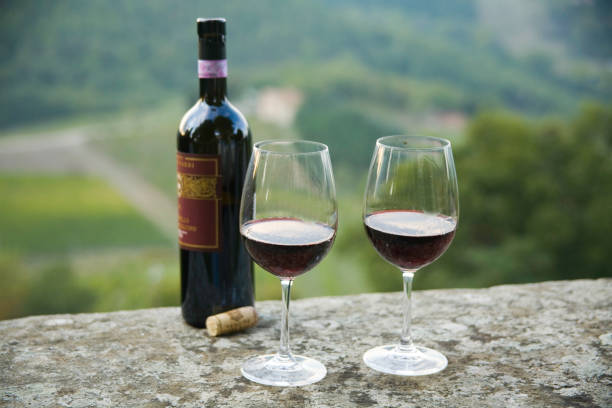
Chianti is known for its bright acidity, moderate tannins, and light to medium body, making it an exceptionally food-friendly wine. The crisp acidity cuts through rich, fatty dishes, balancing flavors and refreshing the palate with each sip.
This characteristic makes Chianti an ideal match for tomato-based sauces, which are both acidic and savory. The moderate tannins provide structure without overwhelming the mouthfeel, allowing the wine to complement rather than dominate food.
Its medium body ensures it pairs well with a range of proteins—from grilled chicken to lean cuts of beef—without feeling too heavy. Chianti’s balanced structure enhances dishes instead of competing with them, especially Italian classics like pasta with ragù, eggplant Parmesan, or roasted vegetables.
For best results, serve slightly below room temperature to highlight its vibrant acidity and smooth texture. This balance is what makes Chianti a go-to choice for everyday meals and celebratory dinners alike.
Common Fruit and Earthy Flavors
Chianti typically showcases red fruit flavors like cherry, raspberry, and red plum, often accompanied by earthy undertones such as dried herbs, leather, and subtle mushroom notes. These characteristics stem from the Sangiovese grape, the primary varietal in Chianti, which thrives in Tuscany’s hilly terrain.
The bright fruit notes pair beautifully with dishes that have a touch of sweetness or acidity, like balsamic-glazed meats or caprese salad. Meanwhile, the earthy, herbal tones harmonize with rustic, savory fare such as wild mushroom risotto, rosemary-roasted potatoes, or aged cheeses like Pecorino Romano.
The interplay of fruit and earth makes Chianti versatile across a range of Italian and Mediterranean dishes. Even pizza—especially Margherita or those topped with sausage and peppers—complements the wine’s lively profile. When pairing, aim for foods that mirror or contrast these flavors to create a cohesive and satisfying dining experience.
How Aging Affects Chianti’s Taste
Aging significantly influences Chianti’s flavor profile, especially in classifications like Chianti Classico Riserva, which require longer maturation. As Chianti ages, its tannins soften, acidity remains vibrant, and flavors evolve from bright red fruit to more complex notes of dried cherry, tobacco, leather, and forest floor.
These deeper, nuanced characteristics make aged Chianti an excellent partner for richer, more robust dishes such as braised short ribs, duck confit, or aged hard cheeses. Extended oak aging adds hints of vanilla and spice, further enhancing its pairing potential with grilled or smoked meats.
Younger Chiantis are best with lighter fare like antipasti or tomato-based pastas, while aged versions shine alongside slow-cooked, savory entrées. To fully appreciate an aged Chianti, allow it to breathe before serving—decanting for 30 minutes can open up its layered aromas and create a more harmonious pairing with complex dishes.
Best Italian Dishes to Pair with Chianti
Classic Pairing: Spaghetti Bolognese
Spaghetti Bolognese is a classic match for Chianti due to its rich, meaty sauce and savory depth. The tomato-based ragù, slow-cooked with ground beef, pancetta, and aromatic vegetables, creates a tangy-sweet foundation that complements Chianti’s bright acidity and red fruit notes.
Meanwhile, the wine’s moderate tannins cut through the dish’s richness, cleansing the palate with each sip. Chianti’s earthy undertones also echo the umami flavors in the sauce, enhancing the overall harmony. For best results, choose a traditionally made Chianti with good structure and serve slightly below room temperature.
This pairing works especially well when the pasta is al dente and topped with freshly grated Parmesan, balancing texture and flavor. It’s a timeless combination that highlights the synergy between Italian cuisine and regional wines.
Why Chianti Works with Lasagna
Lasagna’s layered complexity—featuring rich meat sauce, creamy béchamel, and melted cheese—pairs beautifully with Chianti’s balanced profile. The wine’s crisp acidity cuts through the dish’s richness, preventing palate fatigue, while its moderate tannins stand up to the hearty ground meat and tomato sauce.
Chianti’s cherry and herbal notes enhance the savory herbs like oregano and basil in the lasagna, creating a cohesive flavor profile. Additionally, the wine’s slight earthiness complements the browning on the meat and the toasted top layer.
Opt for a well-aged Chianti Classico, which offers more depth and smoother tannins, ideal for lasagna’s robust character. This pairing brings out the best in both elements, making it a go-to choice for family dinners and festive occasions where comfort food meets elegance.
Pairing with Osso Buco and Braised Meats
Osso Buco and other slow-braised meats are excellent partners for Chianti, thanks to the wine’s ability to complement deep, savory flavors. The tender, fall-off-the-bone texture of braised veal or beef absorbs the wine’s acidity, which helps balance the dish’s richness.
Chianti’s structured tannins and red fruit character interact beautifully with the caramelized exterior and marrow-rich center of Osso Buco. The wine’s earthy, slightly spicy notes also harmonize with aromatic vegetables and herbs like rosemary and thyme used in the braising liquid.
For optimal pairing, select a full-bodied Chianti Riserva with aging potential to match the dish’s intensity. Served alongside saffron risotto or polenta, this combination delivers a luxurious, well-rounded dining experience rooted in Italian tradition.
Chianti with Margherita Pizza
A classic Margherita pizza—topped with fresh mozzarella, San Marzano tomatoes, and basil—pairs surprisingly well with Chianti, especially lighter, fruit-forward styles. The wine’s bright acidity mirrors the tang of the tomato sauce, while its juicy red fruit flavors enhance the freshness of the toppings.
Chianti’s light to medium body doesn’t overpower the pizza’s simplicity, and its subtle herbal notes echo the aroma of basil. The slight tannic grip helps cut through the creaminess of melted mozzarella, refreshing the palate between bites.
Choose a young, vibrant Chianti rather than an overly oaked version to preserve the balance. This pairing showcases how Chianti can elevate even casual dishes, making it a perfect choice for relaxed dinners or weekend gatherings centered around wood-fired pizza.
Meat-Based Pairings for Chianti
Grilled Steak and Chianti: A Perfect Match
Grilled steak is one of the best pairings for Chianti due to the wine’s firm tannins and vibrant acidity, which cut through the richness of the meat. Choose cuts like ribeye, strip steak, or flank steak for optimal results, as their marbling enhances flavor when seared over high heat.
The savory char and smoky notes from grilling complement Chianti’s earthy undertones and red fruit profile, typically featuring cherry, plum, and hints of herbs. For the best experience, season the steak simply with salt, pepper, and a touch of rosemary to echo the wine’s natural herbal notes.
Serve the steak slightly warm or at room temperature to avoid overwhelming the wine’s balance. This pairing works especially well with a medium-rare finish, allowing the juice and fat to harmonize with Chianti’s structure.
How Chianti Complements Roast Lamb
Roast lamb and Chianti form a classic Mediterranean pairing that highlights the synergy between bold meat and structured wine. The gamey richness of lamb is beautifully balanced by Chianti’s bright acidity and moderate tannins.
When roasting lamb—especially leg or shoulder cuts—infuse it with garlic, rosemary, and thyme, herbs that mirror the wine’s aromatic profile. Chianti’s earthy, slightly spicy notes enhance the deep flavors developed during slow roasting. For best results, allow the wine to breathe before serving to open up its complexity.
The umami and fat content in lamb soften the tannins, making each sip smoother and more integrated. This pairing is ideal for hearty, rustic meals and shines during cooler months or celebratory dinners.
Best Cuts of Pork for Chianti Pairing
While Chianti is often linked with red meats like beef and lamb, it also pairs surprisingly well with pork, especially when the dish has depth and seasoning. Opt for pork shoulder, loin, or chops prepared with a sear or roast to develop a caramelized crust.
The moderate fat content and savory flavor of these cuts align well with Chianti’s acidity and tannic structure. Enhance the pairing by using tomato-based sauces, garlic, and herbs like sage or oregano, which echo the wine’s Tuscan roots.
Braised pork dishes, such as pork ragù over pappardelle, are particularly effective, allowing the wine to cut through richness while amplifying herbal and fruity notes. Avoid overly sweet glazes, as they can clash with Chianti’s dry profile. Instead, focus on savory, rustic preparations for harmony.
Pairing Chianti with Sausages and Charcuterie
Chianti excels when paired with flavorful sausages and cured meats, making it a top choice for antipasto platters or casual gatherings. Choose fennel-spiced Italian sausage, salami, or finocchiona (Tuscan fennel salami), as their herbal and slightly peppery notes complement the wine’s cherry, tomato, and earthy characteristics.
Grilled or pan-seared sausages benefit from Chianti’s acidity, which cleanses the palate between bites. For charcuterie boards, include aged cheeses like Pecorino and crusty bread to balance salt and texture. Avoid overly spicy sausages, which can overwhelm the wine.
Instead, focus on herb-forward, moderately rich options that allow Chianti’s structure and fruit to shine. This pairing is ideal for relaxed meals and showcases the wine’s versatility beyond main courses.
Vegetarian and Tomato-Based Food Matches
Why Chianti Loves Tomato Sauce
Chianti’s high acidity and bright red fruit notes make it an ideal match for tomato-based dishes. The wine’s tart cherry and cranberry flavors balance the natural sweetness of ripe tomatoes, while its crisp acidity cuts through the richness of slow-cooked sauces.
Tannins in Chianti are moderate, so they cleanse the palate without overwhelming vegetarian dishes. Whether it’s a simple marinara or a complex ragù made with lentils or mushrooms, Chianti enhances the umami depth without overpowering delicate flavors. For best results, choose a Chianti Classico with a bit more structure.
Serve slightly below room temperature to highlight its vibrant character and create a harmonious pairing that elevates both the food and the wine.
Pairing with Eggplant Parmesan
Eggplant Parmesan, with its layers of fried eggplant, tomato sauce, and melted cheese, finds a perfect partner in Chianti. The wine’s acidity cuts through the dish’s richness, while its earthy undertones echo the roasted tomato and breading flavors. Firm tannins help balance the cheese’s creaminess, preventing palate fatigue.
Opt for a medium-bodied Chianti that won’t overpower the eggplant’s subtle sweetness. Avoid overly oaked versions, which can clash with the dish’s freshness. Serve the wine at slightly cooler than room temperature to enhance its bright red fruit notes.
This pairing brings out the best in both elements, creating a restaurant-quality experience at home, especially when garnished with fresh basil or oregano.
Best Vegetarian Lasagna Recipes with Chianti
When pairing vegetarian lasagna with Chianti, focus on recipes featuring roasted vegetables, spinach, mushrooms, and rich tomato sauce. Chianti complements these ingredients by mirroring their earthy and tangy notes. A lasagna layered with zucchini, bell peppers, and lentils offers texture and depth that align beautifully with the wine’s structure.
Use a robust Chianti Classico to stand up to the dish’s complexity. The wine’s crisp acidity lifts the richness of the cheese and béchamel, while its cherry and herbal notes enhance the savory layers.
For best results, let the lasagna rest before serving and pair it with a decanted Chianti to open up its aromas, creating a cohesive and satisfying meal.
How Mushrooms Enhance Chianti Pairings
Mushrooms are a game-changer when pairing with Chianti, thanks to their deep umami and earthy qualities. Whether sautéed, roasted, or grilled, mushrooms mirror Chianti’s rustic, forest-floor notes, creating a seamless flavor bridge.
Varieties like cremini, shiitake, and porcini add complexity to risottos, pastas, or stuffed caps—all of which shine with a glass of Chianti. The wine’s moderate tannins and bright acidity cut through the mushrooms’ richness without overwhelming their delicate texture.
For an elevated experience, try a mushroom and tomato tart or wild mushroom ragù. Pair with a well-aged Chianti to bring out deeper spice and leather notes, resulting in a sophisticated, restaurant-worthy pairing that celebrates vegetarian cuisine.
Cheese Pairings That Work with Chianti
Hard Cheeses: Pecorino and Parmigiano Reggiano
Chianti pairs exceptionally well with hard, aged cheeses like Pecorino Toscano and Parmigiano Reggiano. These cheeses have a firm texture and nutty, salty flavor that complement the wine’s bright acidity and tannins without overwhelming it.
Pecorino, made from sheep’s milk, offers a slightly tangy bite that enhances Chianti’s red fruit notes, while Parmigiano Reggiano’s umami depth balances the wine’s structure. Serve them in small cubes or shavings alongside crusty bread or fresh pears to create a balanced tasting experience.
The saltiness of these cheeses also helps soften the perception of tannins, making each sip smoother. For best results, choose medium-aged varieties—too young and they’re too sharp; too old and they may overpower the wine.
Semi-Soft Options Like Fontina
Semi-soft cheeses such as Fontina, Asiago, and mild Gouda are excellent companions to Chianti, offering a creamy texture that softens the wine’s acidity while still allowing its bold character to shine.
Fontina, in particular, has a buttery, earthy profile that mirrors the rustic notes often found in Chianti, creating a harmonious pairing. These cheeses melt slightly at room temperature, releasing rich, mellow flavors that enhance the fruit-forward qualities of the wine.
Avoid overly processed versions—opt for artisanal, naturally aged options for the best results. Pair with toasted nuts or dried figs to add complexity and contrast. This combination works especially well as part of a casual charcuterie board or alongside roasted vegetable dishes.
Avoiding Cheeses That Clash with Chianti
To preserve Chianti’s vibrant profile, avoid pairing it with very strong or blue-veined cheeses like Gorgonzola, Roquefort, or aged blue Stilton. These cheeses have intense, pungent flavors and high fat content that can overpower the wine’s acidity and tannins, muting its fruit notes and creating an unbalanced taste.
Similarly, highly processed or overly sweet cheeses—such as American cheese or cream cheese with added sugars—can clash with Chianti’s dryness and structure. Even fresh, mild cheeses like mozzarella, while pleasant, don’t offer enough flavor contrast to stand up to the wine.
Instead, focus on cheeses with moderate intensity and good acidity or salt content to ensure a complementary pairing that enhances both elements.
Serving Cheese and Chianti at the Right Temperature
For optimal pairing, serve Chianti slightly below room temperature—around 60–65°F (15–18°C)—to highlight its acidity and aromatic complexity without amplifying alcohol heat. Meanwhile, cheese should be brought to room temperature about 30 minutes before serving to fully express its flavor and texture.
Cold cheese can taste dull and waxy, which diminishes the pairing’s impact. Arrange cheeses on a board in order of intensity, starting with milder options like Fontina and moving to harder, saltier ones like Parmigiano Reggiano. This progression allows the palate to adjust and fully appreciate each combination.
Use separate knives for each cheese to prevent flavor mixing, and include palate cleansers like apple slices or plain crackers.
Serving and Storing Chianti for Best Flavor
Ideal Serving Temperature for Chianti
Serving Chianti at the ideal temperature of 60–65°F (15–18°C) brings out its vibrant acidity, balanced tannins, and complex fruit notes. If served too cold, the wine’s aromas and flavors become muted; too warm, and the alcohol overpowers the palate.
Chill the bottle for 15–20 minutes in the refrigerator before serving if stored at room temperature. For older vintages, aim for the warmer end of the range to allow nuanced earthy and floral notes to emerge. Avoid over-chilling, as it diminishes the wine’s structure and depth.
Using a wine thermometer ensures precision. This optimal temperature range enhances Chianti’s natural harmony, making it especially complementary to tomato-based pastas, roasted meats, and aged cheeses by balancing acidity and richness.
Best Glassware for Enhancing Aromas
To fully appreciate Chianti’s aromatic profile, use a medium-sized tulip-shaped wine glass with a wide bowl and tapered rim. This design captures and concentrates the wine’s red fruit, floral, and herbal notes while directing them toward your nose with each sip.
The ample surface area allows for natural aeration, softening tannins and revealing layered flavors. Choose glasses that hold 12–14 ounces to enable proper swirling without spillage. Crystal or thin-rimmed glass enhances the tasting experience by delivering the wine smoothly to the palate.
Proper glassware not only elevates Chianti’s complexity but also improves its pairing potential with dishes like mushroom risotto, grilled sausages, and eggplant Parmesan, where aroma integration is key.
How Long to Decant Chianti
Decanting Chianti improves its flavor by accelerating aeration and softening tannins. For younger Chianti (under 5 years), decant for 30–45 minutes to open up bright cherry and spice notes, enhancing compatibility with hearty dishes like lasagna or meatballs.
Older vintages (10+ years) benefit from 15–20 minutes of decanting to gently awaken delicate flavors like leather, dried herbs, and forest floor without losing complexity. Use a decanter with a wide base for maximum surface exposure. Avoid over-decanting, which can cause the wine to fade quickly.
This step is especially valuable when pairing with rich, umami-heavy foods such as braised short ribs or wild mushroom tart, where harmonized tannins and aroma intensity elevate the dining experience.
Storing Opened and Unopened Bottles Properly
To preserve Chianti’s quality, store unopened bottles horizontally in a cool, dark place at 55°F (13°C) with consistent humidity to keep the cork moist and prevent oxidation. Avoid temperature fluctuations and direct light.
Once opened, reseal the bottle with a cork or wine stopper and refrigerate, where it will stay fresh for 3–5 days. The cooler temperature slows oxidation and preserves acidity. For longer storage, consider a vacuum pump or inert gas preserver to minimize air exposure.
Proper storage ensures Chianti maintains its structure and fruit integrity, making it ideal for pairing with leftovers like cold cuts, antipasti, or reheated pasta dishes without losing its authentic Tuscan character.
Frequently Asked Questions
What is Chianti and why does it pair well with certain foods?
Chianti is a medium- to full-bodied red wine from Tuscany, Italy, made primarily from Sangiovese grapes. Its bright acidity, moderate tannins, and flavors of cherry, plum, and earthy herbs make it highly versatile for pairing with a range of savory dishes, especially those common in Italian cuisine.
What Italian dishes does Chianti pair best with?
Chianti pairs exceptionally well with classic Italian dishes like pasta with tomato-based sauces, lasagna, pizza, and risotto. Its acidity cuts through rich, tangy tomato sauces, enhancing the overall flavor of the meal.
Can Chianti be paired with meat dishes?
Yes, Chianti complements grilled or roasted meats such as steak, lamb, and pork, especially when seasoned with herbs like rosemary and thyme. The wine’s firm structure and acidity balance the richness of the meat.
Is Chianti a good match for cheese?
Chianti pairs well with aged cheeses like Pecorino Romano, Parmigiano-Reggiano, and sharp provolone. The wine’s acidity and tannins balance the saltiness and firm texture of these cheeses.
Does Chianti go with vegetarian dishes?
Yes, Chianti works well with vegetarian dishes that include mushrooms, eggplant, or beans, especially when prepared with olive oil and herbs. The earthy notes in both the wine and food create a harmonious pairing.
What should I avoid pairing with Chianti?
Avoid pairing Chianti with very delicate or spicy dishes, as its bold flavor can overpower light foods and heat can amplify the wine’s alcohol and tannins. It’s also less ideal with overly sweet or creamy sauces.
Conclusion
Chianti’s bright acidity and firm tannins make it a versatile companion to a variety of dishes, especially tomato-based pastas, grilled meats, and aged cheeses. Its earthy, fruity profile enhances rustic Italian cuisine while balancing rich, savory flavors. Whether enjoying a classic lasagna or a simple charcuterie board, Chianti elevates the meal. Don’t hesitate to experiment—this wine’s food-friendly nature invites creativity. Cheers to discovering your perfect Chianti pairing!


