Red Wine Cooler Temp
Wondering about the perfect red wine cooler temp? You’re not alone—many wine lovers assume reds should be room temperature, but that often means they’re served too warm. The ideal range is actually 55°F to 65°F, depending on the varietal. In this guide, we’ll break down the best temperatures for popular reds like Cabernet and Pinot Noir, help you set your wine cooler correctly, and share tips to enhance flavor and aroma with proper chilling.
What Is the Ideal Temperature for Red Wine
Best Serving Temperatures by Red Wine Type
The ideal temperature for red wine varies by type, enhancing each wine’s unique characteristics. Lighter reds like Pinot Noir and Gamay shine at 55–60°F (13–16°C), preserving their bright acidity and delicate fruit notes.
Medium-bodied wines such as Merlot and Sangiovese perform best around 60–64°F (16–18°C), balancing fruit expression with subtle tannins. Full-bodied reds like Cabernet Sauvignon, Syrah, and Malbec benefit from slightly warmer temps of 64–68°F (18–20°C), which soften tannins and amplify rich, complex aromas.
Using a red wine cooler allows precise control—avoid serving too warm, which exaggerates alcohol, or too cold, which dulls flavor. A wine thermometer helps ensure accuracy.
If you don’t have a cooler, refrigerate the bottle for 15–20 minutes before serving full-bodied wines, or 30–40 minutes for lighter styles to hit the perfect serving range.
Why Temperature Matters for Flavor and Aroma
Serving red wine at the correct temperature dramatically affects its flavor, aroma, and mouthfeel. When wine is too warm, alcohol becomes overpowering, masking subtle notes and creating a harsh, unbalanced taste. Conversely, overly chilled wine suppresses aroma and tightens tannins, making the wine seem flat or astringent.
At the ideal temperature, volatile compounds responsible for aroma are released optimally, allowing you to detect layers of fruit, spice, earth, and oak. Temperature also influences perceived sweetness and acidity—cooler wines taste fresher and more vibrant, while warmer ones feel rounder and fuller.
Using a red wine cooler ensures stability, preserving the wine’s intended profile from first sip to last. This precision enhances your tasting experience, revealing the winemaker’s vision and letting each varietal express its best qualities in harmony.
Common Myths About Red Wine Serving Temp
One widespread myth is that all red wines should be served at room temperature. Historically, ‘room temperature’ meant 60–65°F in unheated European homes—not today’s 72°F+ indoor climates. Serving reds at modern room temperature often results in flabby, alcoholic-tasting wine.
Another myth is that chilling red wine ruins it—in fact, brief chilling in a red wine cooler improves many styles. Lighter reds especially benefit from a slight chill. A third misconception is that temperature doesn’t matter if the wine is expensive—but even premium bottles disappoint when served incorrectly.
Using a dual-zone wine cooler helps store and serve both reds and whites at their ideal temps. Remember: temperature control is key to unlocking a wine’s full potential, regardless of price. Don’t guess—chill with purpose and serve with precision.
How to Set Your Wine Cooler for Red Wine
Step-by-Step Guide to Adjusting Cooler Settings
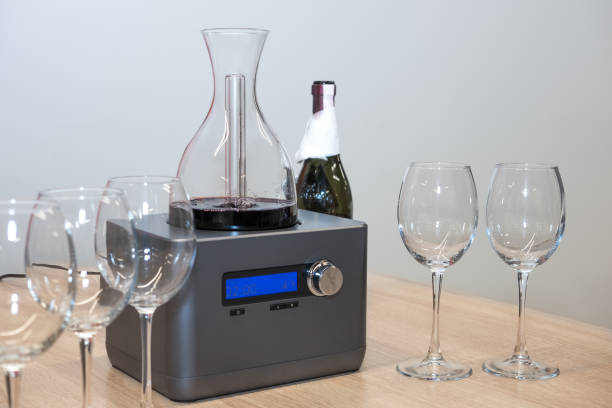
To properly set your wine cooler for red wine, start by turning off the unit and allowing it to stabilize if it has recently been moved. Next, locate the temperature control panel, typically found on the interior wall or digital display.
Use the up and down buttons to adjust the setting—most models allow increments of 1°F or 1°C. For red wine, aim for a target range between 55°F and 65°F (13°C–18°C), depending on the varietal. After adjusting, wait 24 hours before adding bottles to let the temperature stabilize.
Use a standalone thermometer inside the cooler to verify accuracy, as built-in displays can be inconsistent. Avoid frequent opening of the door during stabilization to maintain consistent cooling. Finally, label shelves or zones clearly to prevent accidental changes.
This method ensures your red wines age properly and are served at their ideal drinking temperature for optimal aroma and flavor expression.
Dual-Zone vs Single-Zone Coolers for Red Wine
Choosing between dual-zone and single-zone wine coolers significantly impacts how well you can store and serve red wine. A dual-zone cooler features separate temperature controls for upper and lower compartments, allowing you to store reds at cooler aging temperatures (around 55°F) while keeping another section warmer for immediate serving.
This flexibility is ideal for enthusiasts who enjoy both long-term cellaring and frequent entertaining. In contrast, a single-zone cooler maintains one consistent temperature throughout, which can be limiting. If you primarily drink red wine, set it to around 60°F–65°F, but this may be too warm for white or sparkling wines.
Consider your collection’s diversity—dual-zone units offer superior versatility, especially if you store multiple wine types. However, for a red-only collection, a well-calibrated single-zone model can be cost-effective and sufficient, provided you plan serving logistics carefully and avoid temperature fluctuations.
Recommended Temperature Ranges for Storage vs Serving
Understanding the difference between storage and serving temperatures is crucial for enjoying red wine at its best. For long-term storage, maintain a consistent 55°F (13°C) with stable humidity to protect corks and prevent oxidation. This temperature slows aging and preserves the wine’s integrity over years.
However, serving temperature varies by red wine style and should be slightly warmer. Light-bodied reds like Pinot Noir shine at 55°F–60°F (13°C–15°C), enhancing their delicate aromas. Full-bodied reds such as Cabernet Sauvignon or Syrah are best served at 60°F–65°F (15°C–18°C) to soften tannins and release complex flavors.
Never serve reds above 68°F, as excessive warmth exaggerates alcohol and dulls taste. Use your cooler to pre-chill warmer wines or let cooler-stored bottles sit at room temperature briefly before serving. Precision in temperature ensures every glass delivers the full sensory experience the winemaker intended.
Best Wine Coolers for Maintaining Red Wine Temperature
Top Models with Precision Temperature Control
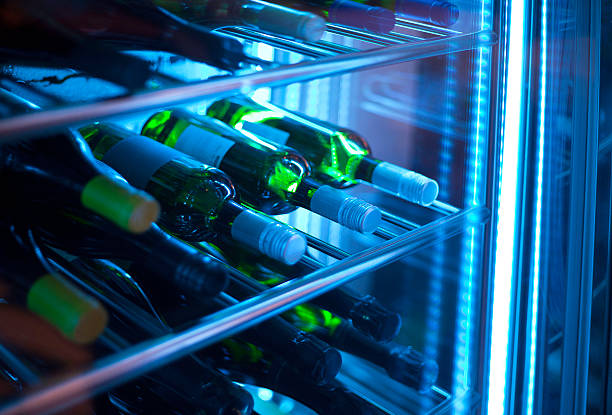
When selecting the best wine coolers for maintaining red wine temperature, prioritize models with dual-zone cooling systems and digital temperature controls. These features allow you to set a precise range of 62–68°F, the ideal serving temperature for most red wines.
Units like the NewAir WC-2000SS and EuroCave Premiere offer stability within ±1°F, minimizing fluctuations that can damage aging wine. Look for vibration-reducing compressors and UV-tinted glass doors to further protect wine quality. Advanced thermoelectric cooling, found in brands like Vinotemp and Whynter, ensures quiet operation and consistent internal climates.
Smart sensors and external digital displays make monitoring effortless. Investing in a high-end model with precision temperature maintenance not only preserves flavor profiles but also enhances long-term aging potential. These coolers are especially beneficial for collectors who store Pinot Noir, Cabernet Sauvignon, and other varietals sensitive to thermal shifts.
Features to Look for in a Red Wine Cooler
To maintain optimal red wine cooler temp, focus on key features that ensure consistent climate control. First, choose a unit with thermoelectric cooling or compressor-based systems designed for minimal temperature fluctuation. Adjustable thermostats with digital readouts allow precise settings within the ideal 62–68°F range.
Insulated walls and airtight seals prevent external heat from disrupting internal conditions. Internal fans promote even airflow, eliminating hot spots. UV-protected glass doors shield wine from light damage, while wooden shelves reduce vibration during storage. For long-term aging, humidity control (ideally 50–70%) prevents cork drying.
Additionally, reversible doors and interior lighting enhance usability. Always verify the cooler’s temperature stability rating—units with tighter tolerances preserve complex red wine aromas and tannin structure more effectively, making these features essential for connoisseurs.
How Size and Capacity Affect Temperature Stability
The size and capacity of a wine cooler significantly impact its ability to maintain a stable red wine cooler temp. Larger units with greater thermal mass tend to resist temperature swings better, especially when frequently accessed.
However, oversized coolers with low wine volume may struggle with air circulation efficiency, leading to uneven cooling. Conversely, compact coolers heat up quickly when opened, making them less ideal for long-term storage.
For optimal temperature stability, choose a model that matches your collection size—ideally 70–80% full—to balance airflow and thermal inertia. Built-in dual-zone compartments allow separate control for reds and whites without compromising red wine conditions. Units with multi-fan circulation systems perform better in larger capacities.
Always consider placement—away from sunlight and heat sources—to support consistent internal climates, ensuring your reds remain at their peak readiness.
How to Store Red Wine Long-Term in a Cooler
Optimal Conditions Beyond Temperature
Storing red wine long-term in a cooler requires more than just setting the right temperature, typically between 55°F and 65°F (13°C–18°C), with 55°F being ideal for aging. Consistent darkness is crucial, as UV light can degrade and prematurely age wine by breaking down organic compounds.
Choose a cooler with solid, opaque walls or store bottles in dark, protective packaging. Additionally, position bottles horizontally to keep corks moist and prevent air from entering, which helps maintain a proper seal. Avoid areas near strong odors or chemicals, as corks can absorb outside smells.
Ensure the cooler is in a low-traffic location to minimize disturbance. Finally, allow space between bottles for air circulation, promoting stable conditions. By combining proper temperature with these environmental controls, your red wine will age gracefully, preserving its intended aroma, flavor, and structure over time.
Avoiding Temperature Fluctuations and Vibrations
Maintaining stable temperature is more important than hitting the perfect number. Frequent fluctuations cause wine to expand and contract, potentially pushing cork seals out of place and allowing oxygen ingress, which leads to oxidation and spoilage. Choose a wine cooler with precision temperature control and minimal internal cycling.
Avoid placing the unit near heat sources like ovens, dishwashers, or direct sunlight. Additionally, vibrations from compressors or nearby appliances can disturb sediments and interfere with the aging process. Opt for coolers with vibration-dampening technology or place the unit on a stable, isolated surface.
If possible, select a thermoelectric cooler over compressor-based models, as they generate less vibration. Keep the door closed as much as possible to maintain internal stability. By minimizing both temperature swings and physical disturbances, you create an environment where tannins and acids evolve harmoniously, preserving the wine’s complexity over years.
Ideal Humidity Levels for Red Wine Storage
Humidity plays a vital role in long-term red wine storage, with the ideal range between 50% and 70% relative humidity. In a wine cooler, maintaining this balance prevents corks from drying out, which can lead to air leakage and oxidation.
Dry corks shrink, compromising the seal and allowing excess oxygen to enter the bottle, degrading the wine’s quality. Conversely, excessively high humidity can promote mold growth on labels and storage materials, though it rarely affects the wine inside.
Most quality wine coolers include built-in humidifiers or ventilation systems to regulate moisture. Monitor humidity with a digital hygrometer and adjust settings as needed. If your cooler runs too dry, placing a small water tray inside can help increase moisture.
Proper humidity, combined with correct temperature and positioning, ensures corks remain supple and airtight, safeguarding the wine’s integrity and allowing it to age safely for years to come.
Serving Red Wine from a Cooler: Best Practices
How Long to Let Wine Breathe Before Serving
Allowing red wine to breathe enhances its aroma and softens tannins, especially important when serving from a cooler. Remove the wine from the cooler 15 to 30 minutes before serving to let it warm slightly and open up. Wines like young Cabernet Sauvignon or Syrah benefit most from aeration.
Avoid over-chilling, as excessively cold temperatures suppress volatile compounds responsible for bouquet. Pouring directly from a cold cooler can mute flavor, so timing is key. For optimal results, transfer the bottle to room temperature briefly—15 minutes is ideal for medium-bodied reds, while fuller-bodied wines may need up to 30.
Use a thermometer to confirm the wine reaches 60–65°F (15–18°C), the ideal range for most reds. This balance preserves freshness while allowing complexity to emerge, ensuring a more enjoyable tasting experience straight from the cooler.
Using Decanters with Chilled Red Wine
Decanting chilled red wine combines aeration benefits with temperature control for superior flavor delivery. Pour the wine into a decanter 20–30 minutes before serving to allow it to warm gradually while exposing it to oxygen.
This process is especially effective for bold reds like Malbec or aged Bordeaux pulled from a cooler. Use a room-temperature decanter to prevent thermal shock and promote even warming. Swirl gently during pouring to increase surface area and accelerate aeration.
Avoid decanting too early if the wine is already near optimal serving temperature—60–65°F (15–18°C)—as over-warming can dull freshness. For quicker results, choose a wide-bottomed decanter.
This method preserves the wine’s chilled vibrancy while unlocking deeper notes of fruit, spice, and earth, making it ideal for serving reds stored in coolers at gatherings where balance and aroma are paramount.
Matching Wine Temperature to Food Pairings
Serving red wine at the right temperature from a cooler enhances food pairings by balancing acidity, tannin, and aroma. Lighter reds like Pinot Noir shine at 55–60°F (13–15°C), making them excellent with roasted poultry or mushroom dishes when served slightly chilled.
Fuller-bodied wines such as Zinfandel or Shiraz perform best at 60–65°F (15–18°C), complementing grilled meats and rich stews. Storing reds in a cooler helps maintain this precision—retrieve bottles at timed intervals before serving to hit the ideal range.
Over-chilled wine can numb the palate, muting flavors in both food and wine. Use a quick-read thermometer to verify temperature. For summer pairings, a cooler-stored red served just below traditional room temperature offers refreshing balance.
This attention to temperature-controlled serving from a cooler ensures harmony on the palate, elevating both the meal and the wine experience.
Troubleshooting Red Wine Cooler Temperature Issues
Why Your Cooler Might Not Hold the Right Temp
Several factors can cause your red wine cooler to fail maintaining the ideal temperature, typically between 55°F and 65°F. First, check if the unit is overloaded with bottles, restricting proper air circulation.
Poor ventilation around the cooler, especially if placed near heat sources like ovens or in direct sunlight, can also impair performance. A dirty condenser coil or blocked vents may reduce cooling efficiency, forcing the compressor to work harder.
Additionally, frequent door opening or a damaged door seal can let warm air in, disrupting internal temperature stability. Ensure the ambient room temperature is within the manufacturer’s recommended range, as excessively hot environments affect cooling capacity. Finally, verify that the thermostat setting is correct and hasn’t been accidentally changed.
Addressing these common issues promptly helps maintain optimal storage conditions for your red wines and prevents premature aging or spoilage due to temperature fluctuations.
How to Calibrate Your Wine Cooler
To ensure accurate temperature readings, calibrating your wine cooler is essential. Start by placing a standalone digital thermometer inside the unit, ideally in the center, and let it stabilize for 24 hours. Compare this reading to the cooler’s internal display.
If there’s a discrepancy, consult the user manual for calibration instructions—many models allow adjustment through the control panel. Use the up or down buttons to align the set temperature with the actual reading. Repeat the test after recalibration to confirm accuracy.
Avoid relying solely on the factory settings, as sensors can drift over time. Calibrating every six months helps maintain precision, especially before storing valuable vintages.
This simple process ensures your red wines age properly in a stable, cool environment, preserving their flavor profiles and preventing heat damage from unnoticed temperature deviations.
When to Call a Technician for Cooling Problems
If your red wine cooler fails to cool despite troubleshooting, it’s time to call a qualified technician. Persistent issues like constant compressor running, unusual noises, or complete cooling failure often indicate refrigerant leaks, compressor damage, or electrical faults—problems beyond DIY fixes.
If the unit trips circuit breakers or emits burning smells, disconnect power immediately for safety. Technicians can diagnose complex issues using specialized tools and restore safe operation. Also seek professional help if calibration doesn’t resolve temperature inconsistencies, as faulty thermostats or sensors may need replacement.
Delaying repairs can risk wine spoilage and higher long-term costs. Regular professional maintenance every few years can prevent major breakdowns. Don’t wait until all bottles are compromised—early intervention protects both your investment in wine and your appliance’s lifespan.
Tips for Serving Red Wine at the Right Temperature
How to Adjust Wine Temp Quickly if Too Cold
If your red wine is too cold—especially after being stored in a red wine cooler set below 55°F—it can mute flavors and aromas. To adjust the temperature quickly, remove the bottle from the cooler and let it sit at room temperature for 10–15 minutes.
For faster results, cradle the bottle in your hands while gently swirling it; body heat helps warm the wine gradually. Alternatively, place the bottle in a warm (not hot) water bath at around 90°F for 3–5 minutes, checking frequently to avoid overheating.
Avoid using microwaves or boiling water, as they can damage the wine’s structure. Ideally, aim for a serving range of 60–65°F, depending on the varietal. Full-bodied reds like Cabernet Sauvignon do best at the warmer end, while lighter styles like Pinot Noir shine closer to 60°F.
Quick adjustments preserve complexity without shocking the wine.
Warming Up Over-Chilled Red Wine Safely
Over-chilled red wine loses its aromatic depth and can taste overly tannic or flat. If your red wine cooler temp dropped too low, safely warming the wine is essential. Begin by removing the bottle from refrigeration and allowing it to acclimate at room temperature—typically 68–72°F.
For faster warming, wrap the bottle in a warm towel heated in a dryer or place it in a warm water bath not exceeding 95°F. Avoid drastic temperature shifts, as they can cause sediment disturbance or spoil delicate notes.
Swirl the wine in the glass to introduce air and enhance bouquet as it warms. Monitoring progress every few minutes ensures you don’t overshoot the ideal range of 60–65°F. Remember, thick-glassed bottles retain cold longer, so patience is key.
With gentle, controlled methods, you’ll restore balance and expressiveness without compromising quality.
Using a Wine Thermometer for Accuracy
Achieving the perfect red wine serving temperature starts with accurate measurement, and a wine thermometer is the most reliable tool. Insert a digital probe thermometer into the bottle for 10–15 seconds to get a precise reading—aim for 60–65°F depending on the style.
This eliminates guesswork, especially when pulling wine from a red wine cooler with fluctuating temps. Infrared thermometers also work by scanning the bottle’s side, offering quick, non-invasive readings. Track temperatures of different varietals to refine your storage settings; for example, store lighter reds at 60°F and fuller types at 65°F.
Consistent monitoring helps maintain ideal conditions over time. Over-reliance on default cooler settings can lead to serving too cold, dulling the wine’s character. With a thermometer, you ensure every pour is flavor-optimized and temperature-precise, enhancing the overall tasting experience.
Frequently Asked Questions
What is the ideal temperature for storing red wine in a wine cooler?
The ideal temperature for storing red wine in a wine cooler is between 55°F and 65°F (13°C to 18°C). This range preserves the wine’s flavor profile and allows it to age properly if intended for long-term storage.
Can I serve red wine directly from a wine cooler set at 55°F?
Yes, serving red wine straight from a cooler set at 55°F is ideal for lighter reds like Pinot Noir. Fuller-bodied reds like Cabernet Sauvignon may benefit from being allowed to warm slightly to around 60–65°F for optimal flavor.
Should I set my wine cooler differently for short-term vs long-term red wine storage?
For long-term storage, maintain a consistent temperature around 55°F with high humidity to protect corks. For short-term storage or serving, temperatures between 60°F and 65°F are acceptable and more convenient for immediate consumption.
Is 50°F too cold for storing red wine?
While 50°F isn’t harmful for short-term storage, it’s slightly below the ideal range and may dull the wine’s aromas and flavors. Prolonged storage at this temperature could slow aging excessively, especially for wines meant to develop over time.
How do I adjust my wine cooler for different types of red wine?
Set your cooler to 55–60°F for delicate reds like Merlot or Pinot Noir, and 60–65°F for bold reds like Syrah or Malbec. If your cooler has dual zones, use the warmer zone for reds you plan to drink soon.
What happens if red wine is stored too warm in a wine cooler?
Storing red wine above 68°F accelerates aging, potentially leading to flat flavors and a loss of complexity. Consistent high temperatures can spoil wine over time, especially if fluctuations occur.
Conclusion
Finding the ideal red wine cooler temperature enhances flavor and preserves quality. Most reds thrive between 55°F and 65°F, with lighter varieties enjoying the cooler end and fuller-bodied wines preferring slightly warmer settings. Avoid serving too warm or too cold to fully appreciate the wine’s complexity. Use a dedicated wine cooler for consistent results. Experiment within the recommended range to discover your perfect balance and elevate every pour.