24 Built In Wine Cooler
If you’re hunting for a 24‑inch built‑in wine cooler that blends seamlessly with your kitchen cabinets, you’ve come to the right place. We’ll walk you through the top models, key features to watch for, and how to choose the perfect size and temperature range for your collection. In just a few minutes you’ll know which cooler fits your space, budget, and style, so you can start chilling your favorite bottles right away and enjoy every sip.
What is a 24‑Bottle Built‑In Wine Cooler?
Key Features to Look For
When shopping for a 24‑bottle built‑in wine cooler, focus on temperature accuracy and the ability to set separate zones if you store both reds and whites. Look for a digital thermostat that maintains a range of 45‑65 °F with ±1 °F precision, ensuring optimal aging conditions.
Humidity control is essential; models with built‑in hygrometers or sealed doors help keep moisture around 60‑70 % to prevent cork drying. Energy efficiency matters for long‑term operation, so choose units with Eco‑mode or an Energy Star rating. Quiet compressors and low‑vibration technology protect delicate wines from disturbance.
Interior lighting should be LED to reduce heat and provide clear visibility. Adjustable shelf racks made of stainless steel or wood allow flexible storage, while a lockable door adds security for valuable collections.
Finally, verify that the cooler’s dimensions match your cabinet space and that it includes a warranty for peace of mind.
Common Sizes and Dimensions
Typical 24‑bottle built‑in wine coolers are designed to fit standard kitchen or bar cabinets, with external dimensions ranging from 24 to 30 inches wide, 18 to 20 inches deep, and 33 to 36 inches high.
The interior space is optimized for a single zone, offering a vertical rack layout that accommodates standard 750 ml bottles side‑by‑side or stacked in two rows. Some models provide adjustable shelving, allowing you to customize height for larger formats such as magnum or champagne bottles.
The door thickness usually measures 1.5 to 2 inches, and the frame may be finished in stainless steel, black, or brushed aluminum to match surrounding cabinetry.
When measuring for installation, include a clearance of at least 2 inches on the sides and top for ventilation, and ensure the back panel aligns with a flat wall to prevent heat buildup.
Many manufacturers also supply a pre‑drilled mounting kit that simplifies the integration process, reducing the need for additional modifications to your existing furniture.
Typical Price Range
The cost of a 24‑bottle built‑in wine cooler varies based on brand reputation, feature set, and construction quality. Entry‑level models from lesser‑known manufacturers typically start around $400‑$600, offering basic temperature control and a single glass door.
Mid‑range units from established brands such as Avanti, NewAir, or EdgeStar fall in the $700‑$1,200 bracket and include upgrades like dual‑zone temperature settings, stainless‑steel interiors, LED lighting, and quieter compressors.
Premium options, often featuring dual‑zone capability, advanced humidity regulation, carbon‑fiber shelving, and smart‑phone connectivity, can command prices between $1,300‑$2,500 or more. When budgeting, consider the long‑term energy consumption; a unit with an Energy Star rating may cost a few hundred dollars more upfront but can save $30‑$50 annually on electricity.
Additionally, factor in installation expenses if you need a professional to cut a cabinet opening or integrate the cooler into existing cabinetry, which can add $100‑$300 to the overall investment.
How to Choose the Right 24‑Bottle Wine Cooler for Your Home
Assessing Space and Installation Requirements
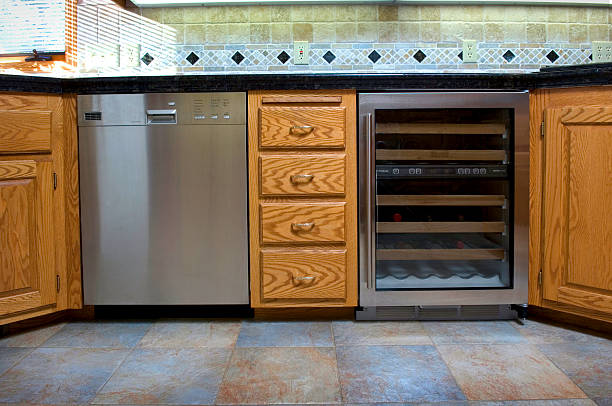
Start by measuring the exact footprint where the cooler will live, including height, width, and depth, and add an extra inch on each side for ventilation. Check door swing clearance and ensure there is enough room for the hinge to open fully without hitting cabinets or walls.
If you plan a built‑in model, verify that the surrounding cabinetry can support the unit’s weight—most 24‑bottle coolers weigh 70‑90 lb when empty. Look for a reversible door so you can install it left‑ or right‑hand opening to match your kitchen flow.
Consider the power source: a dedicated 120 V outlet near the installation spot avoids extension cords and complies with safety codes. Finally, read the manufacturer’s installation guide for required airflow gaps (typically 2‑3 inches at the back) and any leveling steps to keep the compressor running efficiently daily.
Selecting Temperature Controls
Identify the types of wine you’ll store and match the cooler’s temperature zones to those needs. Red wines typically thrive between 55‑65 °F, while whites and rosés prefer 45‑55 °F; a unit with dual zones lets you keep both categories at optimal conditions.
Examine the thermostat technology: digital displays with precise ±1 °F accuracy give you confidence during long‑term aging, whereas analog dials are simpler but less exact. Look for a soft‑close door to prevent temperature spikes when the door is shut gently.
If you entertain often, a built‑in quick‑cool function can lower the interior temperature by several degrees within an hour, perfect for newly purchased bottles.
Verify that the control panel is intuitive and that you can set programmed alerts for temperature deviations, ensuring you catch any issues before they affect your collection in future.
Energy Efficiency Considerations
Energy use directly impacts operating costs, so prioritize models that carry an Energy Star rating or comparable efficiency certification. Look for a cooler with thermoelectric cooling if you value silent operation, but remember that compressor‑based units usually achieve lower kWh per year for larger temperature differentials.
Check the insulation thickness; double‑wall insulated panels of at least 1‑inch reduce heat gain and keep the compressor cycling less frequently. A digital temperature readout that stays on continuously can consume extra power, so choose a unit with an auto‑sleep display that turns off after a set period of inactivity.
Finally, assess the unit’s standby power draw—models below 1 W when idle are ideal for eco‑conscious households and help keep your electricity bill low while preserving the quality of your wine collection throughout the year for peace of mind.
Tips for Installing a 24‑Bottle Built‑In Wine Cooler
Preparing the Cabinet Opening
Start by measuring the exact dimensions of the 24‑bottle built‑in wine cooler and compare them to the existing cabinet opening. Confirm height, width, and depth clearances, allowing at least 1‑2 cm of extra space for airflow and leveling.
Remove any interior shelves, drawers, or trim that could interfere with installation, and inspect the surrounding walls for studs or support brackets. Use a level to ensure the opening is perfectly horizontal; an uneven cavity can cause vibration and premature wear.
If the cavity is too tight, trim the interior with a fine‑toothed saw, but avoid cutting into structural supports. Finally, clean the opening of dust and debris, and lay a thin protective mat to prevent scratches on the cooler’s finish during placement.
Then step back, verify the unit sits flush with the cabinet front, and be ready to proceed with the electrical hookup.
Electrical and Ventilation Setup
Before plugging in the 24‑bottle built‑in wine cooler, plan a dedicated 120‑volt circuit that complies with local code and can handle the unit’s amperage rating, typically 1‑2 A. Install a grounded outlet on the back panel or use a hard‑wired connection if the manufacturer recommends it.
Run a short length of insulated cable through the cabinet back, securing it with cable clamps to avoid strain. Connect the cooler’s power cord to the outlet, ensuring the plug fits snugly and the grounding pin makes contact.
Next, verify that the cabinet provides adequate ventilation; the cooler needs at least 2‑inches of clearance on the top, sides, and rear for heat dissipation. Attach the supplied vent grille or cut ventilation holes according to the manual, and consider adding a small fan if the surrounding area is enclosed.
Finally, turn on the unit, set the desired temperature, and monitor the display for any error codes during the first hour of operation.
Securing the Unit Safely
Once the cooler is powered and ventilated, secure it firmly to prevent movement during door swings or accidental bumps. Check the manufacturer’s mounting brackets and align the pre‑drilled holes on the unit with the corresponding slots in the cabinet sidewalls.
Use a cordless drill or screwdriver to insert the supplied screws, tightening them just enough to hold the cooler without warping the frame. If the cabinet lacks solid side supports, add wooden cleats or metal brackets inside the cavity before fastening.
After the unit is anchored, re‑level it with a bubble level; adjust the front or rear leveling feet until the display reads perfectly horizontal. Test the door hinges by opening and closing the door several times, ensuring smooth operation and that the door seals evenly against the gasket.
Finally, wipe down any fingerprints, double‑check that all electrical connections remain tight, and place a small fire‑rated mat behind the cooler for added safety.
Best Ways to Organize Wine Inside a 24‑Bottle Cooler
Shelf Layout Options
Start by measuring the interior dimensions of your 24‑bottle cooler and plan a layout that maximizes space while keeping bottles accessible. Use adjustable shelves to create two or three rows, allowing taller bottles or larger formats to fit without crowding.
Consider a tiered rack that slides forward, so you can pull the front row out and see the back bottles without removing them. If your model permits, install a vertical divider to separate reds from whites, keeping temperature zones consistent.
Keep a small gap of about an inch between rows to improve air circulation and make it easier to reach each bottle. Finally, label each shelf or section with a simple tag so you know exactly where each varietal resides, reducing handling time and preserving the wine’s condition.
Rotate the bottles periodically so the older ones stay at the front and receive the same cooling exposure as newer additions.
Labeling and Tracking Your Collection
Create a simple tracking system that lets you locate and monitor each bottle without opening the cooler repeatedly. Use a spreadsheet or wine‑app to log varietal, vintage, purchase date, and optimal drinking window.
Assign a unique code—such as R01 for the first red or W12 for the twelfth white—and write it on a small, water‑resistant label placed on the bottle’s neck. Attach a matching tag to the corresponding shelf or rack segment, so a quick glance tells you exactly where the bottle lives.
For larger collections, color‑code the labels by region or style, making visual scanning faster. Review the inventory quarterly, updating any changes in condition or planned consumption, and use the data to rotate stock, ensuring older wines are enjoyed before they age beyond their peak.
Mark any bottles that have been opened so you can track remaining servings.
Maintaining Ideal Humidity
Maintaining the right humidity level is crucial to keep corks from drying and to preserve the wine’s flavor profile. Aim for 60‑70 % relative humidity inside the cooler; most modern units have a built‑in humidifier or a simple water tray that can be refilled weekly.
Place a small digital hygrometer on a shelf to monitor real‑time levels and adjust as needed. If humidity drops, add a damp sponge or a few ice cubes in a shallow dish, ensuring they don’t touch the bottles directly.
Conversely, if moisture climbs too high, increase airflow by opening the door briefly each day or using a low‑speed fan on a timer. Keep the interior clean and free of debris, as mold can develop in overly damp conditions.
Regular checks will help you maintain a stable environment, protecting both the cork and the wine for optimal aging.
How to Maintain and Troubleshoot Your 24‑Bottle Wine Cooler
Regular Cleaning Procedures
Keeping a 24‑bottle built‑in wine cooler in peak condition starts with a consistent cleaning routine. Unplug the unit before you begin to avoid electrical hazards.
Remove all bottles and shelves, then wipe interior walls with a soft cloth dampened in a mixture of warm water and mild dish soap; avoid abrasive cleaners that could damage the finish. Rinse with a clean, damp cloth and dry thoroughly to prevent moisture buildup.
Clean the door gasket by gently brushing away crumbs and checking for cracks; a sealed gasket maintains temperature stability. Vacuum or brush the condenser coils at the back of the unit every six months to ensure efficient heat exchange.
Finally, recalibrate the thermostat if your model allows, and replace any water filters according to the manufacturer’s schedule. Regular attention to these steps reduces odor, prevents mold, and extends the cooler’s lifespan.
Common Issues and Fixes
Even a well‑maintained 24‑bottle wine cooler can develop hiccups; recognizing symptoms early saves wine quality. Temperature swings often stem from a blocked vent or dirty condenser; clean the coils and verify the fan spins freely, then allow the unit to stabilize for several hours.
If the interior feels too warm, check that the door gasket is intact and the seal is uniform—replace it if you spot gaps.
Persistent excessive condensation usually indicates high humidity or a faulty humidity sensor; wipe moisture away, ensure the cooler is level, and consider using a dehumidifier in the surrounding room.
Unusual vibrations or loud humming can be traced to an unbalanced compressor or loose mounting screws; tighten all fasteners and, if the noise persists, run a diagnostic cycle if your model includes one.
Finally, a flickering display often points to a loose control board connection; power down, reseat the board, and reset the unit. Addressing these common issues promptly keeps your collection safe.
When to Call a Professional
Most minor glitches can be resolved with DIY steps, but certain situations demand a qualified technician to avoid costly damage to your wine inventory.
Complete cooling failure—when the unit runs but never reaches the set temperature after 24 hours—often signals a refrigerant leak or compressor fault; only a certified service provider should open the sealed system.
If you notice unusual odors such as burning plastic or chemical smells, shut off power immediately and contact a professional, as this may indicate electrical component failure. Repeated error codes that persist after resetting the unit suggest a deeper firmware or sensor issue that requires specialized diagnostic tools.
Additionally, any significant water leakage from the rear or bottom of the cooler can damage flooring and should be inspected for a cracked drain pan or pump malfunction. When in doubt, schedule a service visit; proactive professional maintenance extends the cooler’s lifespan and safeguards the value of your cherished bottles.
Top 5 24‑Bottle Built‑In Wine Coolers in 2024
Feature Comparison Chart
To quickly assess the five leading 24‑bottle built‑in wine coolers for 2024, refer to the comparison chart below. Capacity is identical at 24 bottles, but each model varies in temperature zones, energy‑star rating, and noise level.
The ThermoCool 24‑Pro offers dual zones with a 38‑°F to 65‑°F range and a quiet 38 dB operation, while the WineGuard Elite provides a single zone but a wider 30‑°F to 70‑°F span and a 0.4 kWh/year consumption.
Glass‑Front Luxe adds a UV‑protected glass door and LED lighting for display appeal. QuietChill 24 boasts the lowest noise at 32 dB and a built‑in humidity sensor. Finally, EcoFreeze 24 combines a solar‑ready kit with an Energy Star certification.
Use the chart to match your priorities—whether it’s dual‑zone flexibility, ultra‑quiet performance, or eco‑friendly features—before diving deeper into each model’s strengths and drawbacks.
Pros and Cons of Each Model
Evaluating the pros and cons of each 24‑bottle built‑in cooler helps you pinpoint the best fit for your kitchen or wine cellar. ThermoCool 24‑Pro excels with precise dual‑zone control and a sleek stainless finish, but its higher price tag and limited interior lighting may deter budget‑focused buyers.
WineGuard Elite offers an impressive temperature range and energy‑star efficiency, yet the single‑zone design restricts red‑and‑white separation. Glass‑Front Luxe shines with a decorative glass door and customizable LED hues, making it ideal for entertaining, though the glass adds weight and increases installation complexity.
QuietChill 24 delivers the quietest operation on the market and an integrated humidity sensor, but its compact interior reduces shelf adjustability.
EcoFreeze 24 stands out for its solar‑ready option and low annual energy use, but the eco‑features come with a slightly slower cooling cycle, which could be a drawback for frequent opening and closing.
Weigh these strengths against your priorities—price, noise, aesthetics, or sustainability—to select the model that aligns with your wine‑storage goals.
Where to Buy and Warranty Info
Knowing where to purchase the top 24‑bottle built‑in wine coolers and what warranty protection they include can save you time and money.
ThermoCool 24‑Pro and WineGuard Elite are widely available through major retailers such as Home Depot, Lowe’s, and Amazon, each offering a standard 2‑year limited warranty with optional extended plans.
Glass‑Front Luxe is best sourced from specialty kitchen‑appliance showrooms or the manufacturer’s website, which provides a 3‑year warranty covering parts and labor for the door glass and electronics.
QuietChill 24 can be bought directly from the brand’s online store, featuring a 2‑year warranty plus a complimentary one‑year service contract for the humidity sensor.
EcoFreeze 24 is stocked by eco‑focused distributors like Green Appliance and also on the brand’s e‑commerce platform, offering a 2‑year warranty and a lifetime compressor guarantee. Before buying, compare shipping costs, installation services, and any promotional discounts, and register your unit online within the warranty window to ensure full coverage.
Tips for Maximizing Value from Your 24‑Bottle Wine Cooler
Energy‑Saving Practices
To keep your 24‑bottle built‑in wine cooler running efficiently, start by setting the temperature just a few degrees above the recommended range for the wines you store; this reduces compressor cycles while still protecting flavor.
Use the eco‑mode if your model includes it, as it adjusts cooling power based on door openings and ambient temperature. Keep the cooler away from direct sunlight, ovens, or radiators, and ensure at least a two‑inch clearance on all sides for proper airflow.
Regularly clean the condenser coils with a soft brush to prevent dust buildup that forces the unit to work harder.
Finally, consider a programmable timer to power down the cooler during periods when you’re not using it, such as long vacations, and restart it a few hours before you need the wine, allowing the unit to reach optimal temperature without continuous operation.
Seasonal Storage Strategies
Seasonal fluctuations can affect both temperature stability and humidity inside a 24‑bottle wine cooler, so adapt your storage plan throughout the year. In winter, lower the set point by 2‑3°F to compensate for cooler ambient air that eases the unit’s workload, but monitor for over‑cooling that could freeze delicate reds.
During summer, raise the temperature slightly and increase humidity by placing a small water tray on the shelf, preventing corks from drying out in drier indoor air. Rotate bottles every 2‑3 months so that each wine experiences similar exposure and the cooler’s airflow remains balanced.
For special collections, use the dual‑zone feature (if available) to keep sparkling wines at a colder 45°F while storing reds at 55°F, ensuring each style is served at its ideal temperature.
Keep a log of temperature and humidity readings to spot trends and make timely adjustments before conditions jeopardize your investment.
Integrating with Smart Home Systems
Linking your 24‑bottle built‑in wine cooler to a smart home hub gives you remote control and real‑time alerts that protect your collection. First, ensure the cooler supports Wi‑Fi or Bluetooth; then install the manufacturer’s app and sync it with platforms such as Alexa, Google Assistant, or Apple HomeKit.
Create voice commands like “Set the wine cooler to 54 °F” or “Turn off the cooler” for hands‑free adjustments while entertaining guests.
Use automation routines to lower the temperature at night when ambient heat drops, or to send a push notification if the internal temperature deviates by more than 2 °F from the set point.
Pair the cooler with a smart plug that monitors energy consumption, allowing you to review usage patterns in your utility dashboard and identify opportunities for savings.
Finally, enable a geofencing trigger so the unit pre‑cools as you approach home, ensuring your bottles are ready to pour the moment you walk through the door.
Frequently Asked Questions
What capacity does a 24‑bottle built‑in wine cooler provide?
A 24‑bottle built‑in wine cooler is designed to hold roughly 24 standard 750 ml bottles, though the exact number can vary slightly based on bottle shape and rack configuration.
What temperature range is ideal for a 24‑bottle built‑in wine cooler?
Most 24‑bottle units offer a dual‑zone range of 40‑65 °F (4‑18 °C) for reds and 50‑59 °F (10‑15 °C) for whites, allowing you to store different wine styles at their optimal temperatures.
How do I install a 24‑bottle built‑in wine cooler in my kitchen cabinets?
Measure the cabinet opening to match the cooler’s dimensions, ensure proper ventilation space (usually 2‑3 inches on each side), level the unit, and connect it to a dedicated 120 V outlet; many models include installation brackets for easy mounting.
What energy‑efficiency features should I look for in a 24‑bottle built‑in wine cooler?
Look for models with an Energy Star rating, insulated stainless‑steel doors, low‑amp compressors, and LED interior lighting, which together reduce power consumption and keep operating costs low.
Can I adjust humidity levels in a 24‑bottle built‑in wine cooler?
Most built‑in coolers maintain humidity automatically through sealed doors and a built‑in humidifier; however, some premium units let you fine‑tune humidity between 50‑80 % to protect corks and preserve wine quality.
What maintenance is required for a 24‑bottle built‑in wine cooler?
Periodically clean the interior with a soft cloth and mild soap, check and clean the condenser coils to prevent dust buildup, and inspect the door seal for wear to ensure consistent temperature and humidity control.
Conclusion
A 24‑bottle built‑in wine cooler offers precise temperature control, humidity management, and sleek integration that protects and showcases your collection. Whether you prioritize energy efficiency, quiet operation, or customizable shelving, the right model enhances both storage capacity and kitchen aesthetics. Use the buying tips and maintenance advice from this guide to select a cooler that fits your lifestyle, and enjoy perfectly preserved wines for years to come.