
What Wine Is Good With Spaghetti
If you’re wondering which wine will make your spaghetti shine, you’ve come to the right place. We’ll quickly match the classic tomato‑based sauce, creamy alfredo, or spicy arrabbiata with the perfect red, white, or rosé, so you can pour, twirl, and enjoy without second‑guessing. Expect clear, bite‑size recommendations, a few tasting notes, and simple serving tips—all in a flash. Let’s uncork the ideal pairing and elevate your pasta night right now. Grab a glass, and let the flavors dance together.
What types of wine pair best with spaghetti
Red wines that complement tomato sauce
When spaghetti is drenched in a classic tomato sauce, choose red wines that can match its acidity and bright fruit. Opt for Italian reds like Chianti or Sangiovese, whose natural tartness mirrors the tomatoes and cuts through the richness of meat or cheese.
A medium‑bodied Zinfandel offers ripe berry notes that complement sweet‑spiced marinara, while Barbera provides soft tannins and vibrant acidity for a balanced sip. Serve the wine slightly chilled (around 60°F) to enhance freshness and keep the palate lively.
Decanting for 20‑30 minutes can soften harsher tannins, allowing the wine’s fruit to shine alongside the sauce. Pairing these reds with a sprinkle of fresh basil or a dash of Parmesan amplifies the harmony, creating a satisfying dinner experience that highlights both food and wine.
Enjoy the pairing with a relaxed tempo, allowing the flavors to develop together throughout the meal.
White wines that work with olive oil based sauces
For spaghetti tossed in olive‑oil based sauces—such as aglio e olio, pesto, or lemon‑herb butter—white wines with crisp acidity and subtle fruit work best. Choose a bright Pinot Grigio from Italy’s Alto Adige region; its citrus sparkle and mineral finish echo the garlic and lemon zest, keeping the dish light.
Sauvignon Blanc offers grassy aromatics and a zesty bite that pairs beautifully with fresh basil and pine nuts in pesto. Verdicchio from the Marche coast provides a slightly richer mouthfeel and a hint of almond, complementing buttery sauces without overwhelming them.
Serve these whites chilled at 45‑50°F to preserve their lively character. A modest pour (about 5‑6 ounces) ensures the wine remains a supportive backdrop, allowing the olive oil’s silkiness and herbaceous notes to shine.
Finish the meal with a squeeze of lemon or a sprinkle of Pecorino to deepen the synergy between wine and pasta.
Rosé options for versatile pairings
Rosé wines deliver the flexibility to accompany a wide range of spaghetti preparations, from light tomato sauces to creamy seafood blends. A dry Provençal rosé offers red‑fruit brightness and a crisp finish that balances the acidity of marinara without adding heaviness.
Italian rosato, especially those from Veneto or Sicily, brings subtle citrus zest and a touch of minerality, making it a perfect partner for spaghetti with shrimp, clams, or a light lemon‑cream sauce.
Spanish rosado from Rioja provides a slightly richer palate with soft tannins, ideal for dishes that include roasted vegetables or grilled chicken. Serve rosé slightly cooler than red—around 55°F—to keep its refreshing character alive.
Pour a moderate glass (4‑5 ounces) so the wine enhances the pasta’s flavors while remaining approachable for all guests. Complement the pairing with a garnish of fresh herbs or a drizzle of extra‑virgin olive oil to accentuate the wine’s fruit‑forward profile.
How to match wine with spaghetti sauce
Tomato‑based sauces
Pair a classic marinara or meat‑rich tomato sauce with wines that can handle bright acidity and modest tannins. Choose a medium‑bodied red such as Chianti Classico, Sangiovese, or a young Barbera; their natural acidity mirrors the tomatoes and their fruit notes complement garlic and herbs.
If you prefer white, opt for a crisp, aromatic wine like Verdicchio or an unoaked Chardonnay, which won’t overwhelm the sauce. For spicier arrabbiata, add a hint of peppery Zinfandel or a chilled rosé to balance heat.
Serve the wine slightly cooler than usual (around 58‑60°F) to keep the fruit lively and the palate refreshed. Remember to match the intensity: lighter sauces need lighter wines, while hearty meat‑laden ragù pairs well with fuller‑bodied reds.
A splash of aged balsamic reduction on the plate can echo the wine’s subtle oak, creating a harmonious finish.
Creamy sauces
When the spaghetti is coated in a velvety Alfredo or a rich carbonara, look for wines with enough body to cut through the dairy while offering a touch of acidity. Select a buttery Chardonnay with gentle oak, preferably from Burgundy or California, that mirrors the sauce’s creaminess without becoming cloying.
An alternative is a full‑bodied white like Viognier or a lightly oaked white Rioja, whose aromatic intensity balances the salty pancetta and Parmesan. For red lovers, a soft, low‑tannin Pinot Noir provides fruit brightness that lifts the richness.
Serve whites slightly chilled (around 55‑57°F) and reds just below room temperature to maintain freshness. Pairing with a crisp sparkling wine such as Prosecco can also cleanse the palate, making each bite feel lighter and enhancing the sauce’s subtle herb notes. Enjoy the harmony by sipping slowly throughout the meal.
Pesto and herb sauces
Pesto‑tossed spaghetti bursts with bright basil, garlic, pine nuts, and olive oil, demanding wines that echo its herbaceous vigor while providing a clean finish.
Opt for a crisp, aromatic white such as a Sauvignon Blanc from the Loire or a Vermentino, whose citrus zest and green notes amplify the pesto’s freshness.
A light‑bodied Italian red like a Dolcetto d’Albese or a young Chianti can also work, offering soft tannins that won’t mask the herb profile. For those who enjoy rosé, a dry Provençal rosé delivers strawberry‑like fruit and a hint of minerality that pairs beautifully with the nutty texture.
Serve the wine chilled (around 50‑55°F) to keep the palate lively. A final tip: a splash of lemon‑infused sparkling water alongside the wine can heighten the acidity, making the pesto’s flavors pop even more.
Tips for choosing wine based on spaghetti ingredients
Meat‑filled sauces
Pair a robust red with meat‑filled spaghetti sauces to balance richness and cut through fat. Choose a Chianti Classico or a Sangiovese‑based blend; its bright acidity matches tomato’s tang and the herbaceous notes complement oregano and basil.
For heartier ragù, a Barolo or Cabernet Sauvignon offers firm tannins that soften the slow‑cooked meat while highlighting savory depth. If the sauce includes spicy sausage, a Zinfandel with ripe fruit and subtle pepper can echo the heat without overwhelming the palate.
Serve the wine slightly cooler than room temperature (around 60°F) to keep the fruit fresh and the tannins supple. Decanting for 30 minutes releases aroma, ensuring the wine’s structure aligns with the sauce’s complexity. This approach lets the wine and pasta sing together rather than compete.
Enjoy the pairing with a light appetizer like bruschetta to prepare the palate.
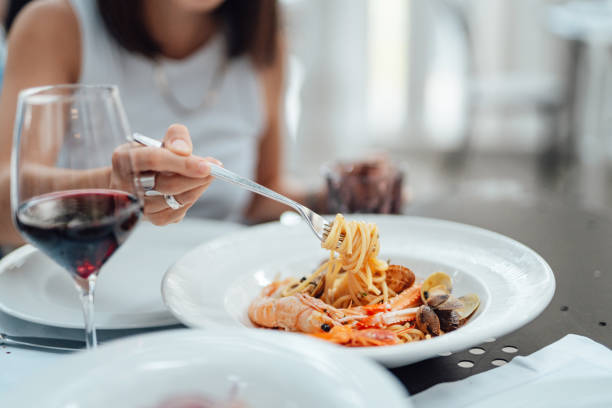
Seafood spaghetti
Seafood spaghetti calls for crisp whites that highlight briny flavors without masking delicate fish. Opt for a Pinot Grigio from Italy’s Alto Adige; its minerality mirrors the oceanic notes and its subtle citrus lifts lemon‑infused sauces.
If the dish features clams or mussels in a white‑wine broth, a Verdicchio offers a slightly richer body and a hint of almond that complements the shellfish’s sweetness.
For shrimp or scallop ragù with garlic and herbs, a Sauvignon Blanc with bright acidity and herbaceous undertones can cut through butter and keep the palate fresh. Serve the wine chilled at 50‑55°F and use a narrow‑rim glass to focus aromas.
A quick swirl before sipping releases the wine’s floral and citrus layers, ensuring they harmonize with the seafood’s texture and the pasta’s al dente bite. Pair it with a light drizzle of extra‑virgin olive oil for added depth.
Vegetarian and mushroom sauces
Earthy vegetarian or mushroom spaghetti thrives with medium‑bodied reds that echo umami without overwhelming herbs. Select a Pinot Noir from Burgundy or Oregon; its soft tannins and red‑fruit aroma complement mushroom depth while allowing basil, tomato or roasted vegetable notes to shine.
For a creamy spinach or ricotta sauce, a Chardonnay with gentle oak and balanced acidity can mirror the sauce’s richness and cut through the cheese’s fat.
If the dish features a tomato‑based ragù loaded with zucchini and bell peppers, a Chianti offers bright acidity and subtle spice that ties the vegetables together. Serve reds slightly below room temperature (around 58°F) to keep fruit forward, and reds in a larger bowl‑shaped glass to enhance aroma.
A brief 10‑minute aeration unlocks the wine’s complexity, ensuring it supports the dish’s layers rather than dominating them.
Best wine regions for spaghetti pairings
Italian regions to consider
Focus on the classic Italian terroirs that naturally complement spaghetti sauces. Tuscany’s Chianti Classico offers bright acidity and moderate tannins that cut through tomato‑based ragù, while its cherry‑red fruit echoes herbaceous notes. In Piedmont, Barbera d’Asti delivers soft tannins and vibrant red‑berry flavors, perfect for meat‑laden spaghetti Bolognese.
For lighter olive‑oil and garlic sauces, turn to Verdicchio dei Castelli di Jesi from the Marche region; its crisp minerality and subtle almond finish lift the dish without overwhelming it. When pairing, serve the wine slightly chilled (around 16‑18 °C) to enhance freshness.
Remember to match the wine’s body to the sauce’s richness: fuller‑bodied reds for hearty meat sauces, lighter whites for delicate oil‑based preparations. Try a short‑straw glass to concentrate aromas, and let the wine breathe for ten minutes before serving to soften any sharp edges.
Pairing these regional wines not only respects tradition but also elevates the overall dining experience, making each bite of spaghetti harmonize with the nuanced flavors of the wine.
New World alternatives
New World producers offer fresh takes that pair beautifully with spaghetti. From California, Santa Barbara County Pinot Noir brings silky tannins, bright red fruit, and a hint of spice that complement both tomato‑based and creamy sauces.
In Australia’s Yarra Valley, Shiraz delivers ripe blackberry and pepper notes, standing up to robust meat sauces without overpowering the pasta. For lovers of white wine, look to Marlborough Sauvignon Blanc from New Zealand; its crisp acidity, citrus zest, and subtle herbaceousness brighten garlic‑olive oil dishes.
When serving, decant red wines for 20‑30 minutes to open up aromatics, and chill whites to 10‑12 °C to preserve their lively character. These New World selections provide approachable alternatives that are often more affordable and widely available, ensuring you can enjoy a well‑matched wine with spaghetti regardless of location.
Experiment with a glass of Chile’s Casablanca Valley Carménère, whose soft tannins and plum‑forward palate add depth to spicy arrabbiata, and remember to swirl the wine to release its fragrant bouquet before each sip.
Value picks from lesser‑known areas
Exploring lesser‑known regions can uncover excellent value wines that enhance spaghetti without breaking the bank. From Italy’s Abruzzo, Montepulciano d’Abruzzo offers juicy dark‑fruit flavors, gentle acidity, and a touch of earth that pairs nicely with meat‑rich sauces.
In Greece’s Peloponnese, Agiorgitiko delivers soft tannins, red‑cherry sweetness, and a subtle mineral edge, making it a great companion for tomato‑basil spaghetti. For a white option, try Portugal’s Vinho Verde from the Minho region; its light effervescence, green‑apple zest, and low alcohol keep the palate fresh alongside garlic‑olive oil preparations.
Serve reds slightly below room temperature (around 16 °C) and whites well chilled (8‑10 °C). These hidden‑gem selections provide both quality and affordability, allowing you to enjoy a balanced wine‑and‑pasta experience even on a modest budget.
Consider pairing the Montepulciano d’Abruzzo with a sprinkle of pecorino cheese for added richness, and serve the Agiorgitiko slightly chilled (14 °C) to accentuate its fruitiness. These small adjustments can elevate the dining experience without increasing cost.
How to serve wine with spaghetti for maximum flavor
Ideal serving temperature
Start by chilling red wines to a light‑room temperature of 60‑65°F (15‑18°C) and whites to 50‑55°F (10‑13°C). Cooler temperatures keep acidity bright, letting tomato‑based sauces shine without the wine feeling heavy.
For a classic marinara, aim for a medium‑bodied Chianti or Sangiovese at the higher end of the range, while a richer Bolognese pairs well with a slightly warmer 66°F (19°C) to reveal its soft tannins.
If you prefer white, choose a crisp Verdicchio or Pinot Grigio and serve it just chilled enough to enhance fruit aromas without muting flavor.
Use a wine thermometer or the back of your hand to gauge temperature, and let the bottle sit for 10‑15 minutes after removal from the fridge for reds, or 5 minutes for whites, to reach the optimal serving point.
Remember, serving the wine at the right temperature maximizes its aromatic profile and creates a harmonious balance with the pasta dish.
Decanting tips
Decanting is not just for old vintages; even young Italian reds benefit from a brief aeration before meeting spaghetti. Pour the wine into a decanter and let it sit for 20‑30 minutes to soften tannins and release fruit notes that complement tomato acidity.
For a Chianti Classico, swirl gently to expose the surface area, allowing oxygen to interact with the wine’s bright cherry and herbal aromas. If you’re serving a fuller‑bodied Barolo, extend the decanting time to 45‑60 minutes to fully open its complex layers of leather and spice.
Use a clear glass decanter so you can watch the wine breathe, and avoid shaking it vigorously, which can introduce unwanted bitterness. After decanting, give the wine a quick sniff to ensure the aroma profile has brightened, then serve promptly to keep the flavors aligned with the pasta sauce.
Glassware recommendations
Choosing the right glassware can elevate the pairing of wine and spaghetti, directing aromas to the nose and guiding the palate. Select a Bordeaux‑style glass for medium‑bodied reds like Chianti, as its tall, slightly tapered bowl concentrates fruit scents while allowing enough space for the wine to breathe.
For richer, more robust reds such as Barolo or Montepulciano, opt for a larger, rounded Burgundy glass that enhances the wine’s complex tannins and earthy notes, matching the depth of a hearty meat sauce.
If you prefer a crisp white like Verdicchio, a smaller, U‑shaped white‑wine glass will preserve its bright acidity and highlight citrus nuances against a light olive‑oil based spaghetti.
Ensure the glasses are clean and free of residues; a thin rim improves sip control, and holding the stem prevents warming the wine with your hand. By matching glass shape to wine style, you amplify flavor synergy and create a more immersive dining experience.
Common mistakes to avoid when pairing wine with spaghetti
Overpowering the sauce
One of the biggest errors is picking a wine that drowns out the flavor of the spaghetti sauce. Heavy, high‑alcohol reds such as Cabernet Sauvignon or Syrah can overwhelm tomato‑based sauces, leaving the dish muted.
Choose a medium‑bodied wine with moderate acidity so the fruit and herbs in the sauce remain bright. A classic Chianti or a Sangiovese‑based blend offers enough tannin to complement meat or sausage without stealing the spotlight.
If the sauce is lighter, like a simple aglio‑olio, a crisp white such as Verdicchio or a light‑bodied rosé works well. Match the wine’s structure to the sauce’s intensity rather than the pasta itself, and you’ll preserve the harmony of flavors while still enjoying a satisfying sip.
Also, avoid overly oak‑driven wines whose vanilla notes clash with the acidity of tomatoes, and remember that a wine’s temperature can further affect balance.
Choosing too young or too old wines
Another frequent slip is reaching for a wine that is either too youthful or past its prime for the spaghetti dish.
Very young reds often have sharp tannins and green fruit flavors that clash with the sweet‑acid balance of tomato sauces, while overly aged wines may have muted fruit and excessive earthiness that get lost beside bold herbs and cheese.
Aim for a wine in its prime drinking window, typically 2‑5 years after vintage for most Italian reds, where fruit, acidity, and tannin are well‑integrated. For a classic marinara, a 2018‑2020 Chianti Classico offers ripe cherry and subtle spice that echo the sauce’s herbs.
If you prefer a richer meat ragù, a 2017‑2019 Barbera d’Asti provides bright acidity and soft tannins that stand up to the meat without dominating. Check the label for vintage and producer notes to ensure the wine is at its optimal point for pairing.
Ignoring personal palate
The final mistake many diners make is ignoring their own taste preferences when selecting a wine for spaghetti. While guidelines point to medium‑bodied reds for tomato‑based sauces, some people find the acidity of a Sangiovese too sharp or prefer the softer roundness of a Merlot‑style blend.
Taste a sip before committing and note whether the wine feels too bitter, too sweet, or mismatched with the sauce’s herbs. If you gravitate toward fruitier profiles, a Nero d’Avola with ripe plum notes can complement a hearty meat sauce without overwhelming it.
Conversely, if you enjoy a touch of earthiness, a young Montepulciano d’Abruzzo offers subtle tannins and a rustic edge that pairs nicely with mushroom‑laden spaghetti.
Remember that the best pairing is the one you enjoy, so adjust the recommendation to fit your palate, and consider serving temperature and glassware to enhance the experience.
Frequently asked questions about wine and spaghetti
Can I pair sparkling wine?
Sparkling wine can be a lively partner for spaghetti, especially when the sauce is light or tomato‑based. Choose a dry Prosecco or Brut Champagne to balance acidity without overwhelming the dish. The bubbles cleanse the palate, highlighting the herbs and garlic in the sauce.
If you prefer a sweeter style, opt for an off‑dry rosé sparkling wine, but keep the sugar level low to avoid clashing with the tomato’s natural tartness. Serve the wine chilled at 45‑50°F (7‑10°C) and pour about 4‑5 ounces per glass.
Pairing sparkling wine with spaghetti works best for meals that include seafood, pesto, or a simple aglio‑olio, where the effervescence lifts the flavors and adds a festive touch.
Additionally, the acidity of the sparkling wine mirrors the acidity of the tomato sauce, creating a harmonious balance that keeps the palate refreshed throughout the meal.
What about non‑alcoholic options?
Non‑alcoholic drinks can complement spaghetti just as well as wine, offering flavor without the alcohol. Try a high‑quality sparkling water infused with lemon or rosemary to provide bright acidity that cuts through tomato sauce.
Another excellent choice is a virgin red‑grape spritzer, mixing equal parts unsweetened grape juice and sparkling water, then adding a splash of balsamic vinegar for depth.
For those who enjoy richer profiles, a non‑alcoholic red wine alternative made from fermented grapes and aged in oak barrels delivers tannic notes similar to traditional wine. Serve all options chilled at 45‑55°F (7‑13°C) and garnish with fresh herbs to enhance aroma.
These beverages keep the dining experience sophisticated while accommodating guests who prefer to avoid alcohol, and they still pair nicely with herb‑laden sauces, meatballs, or creamy alfredo. A light drizzle of olive oil over the pasta can further unite the flavors.
How much wine should I pour per serving?
Knowing the right pour ensures guests enjoy spaghetti without overindulging. Aim for 5‑6 ounces (150‑180 ml) of wine per person for a standard dinner course. This amount fills a typical wine glass to the “large” line, allowing the aromas to develop while keeping consumption moderate.
If you’re serving multiple courses, reduce the pour to 4 ounces for the first course and add another 2‑3 ounces with the main spaghetti dish. For larger gatherings, use a wine dispenser or a carafe to control portions and prevent waste.
Remember to serve red wines slightly below room temperature (60‑65°F or 16‑18°C) and white or rosé a bit cooler (50‑55°F or 10‑13°C). Providing measured pours not only promotes responsible drinking but also enhances the tasting experience, as each sip complements the sauce and herbs perfectly.
Pairing the wine with a small cheese plate before the meal can also heighten the palate.
Frequently Asked Questions
What type of wine pairs best with classic tomato-based spaghetti sauce?
A medium-bodied red wine with good acidity, such as Chianti, Sangiovese, or Barbera, complements the acidity and sweetness of tomato sauce.
Can white wine work with spaghetti, and if so, which ones?
Yes, especially with lighter sauces like garlic‑olive oil or seafood. Choose a crisp white such as Pinot Grigio, Verdicchio, or a lightly oaked Chardonnay.
What wine should I choose for spaghetti with meatballs or a hearty meat sauce?
Opt for a fuller‑bodied red like Montepulciano d’Abruzzo, Zinfandel, or a Cabernet Sauvignon, which can stand up to the richness of the meat.
Is there a wine that works well with spicy arrabbiata spaghetti?
A fruit-forward red with moderate tannins, like a Nero d’Avola or a Shiraz, helps balance the heat, while a slightly off‑dry Riesling can also cool the spice.
How does the cooking method of the pasta affect wine selection?
Al dente pasta retains more texture, allowing wines with higher acidity to shine; overcooked pasta can feel heavy, so a lighter wine with bright acidity is preferable.
Should I consider regional pairings, like Italian wines with Italian spaghetti?
Yes, matching regional wines—such as a Tuscan Chianti with spaghetti alla Bolognese or a Ligurian Vermentino with pesto spaghetti—enhances the authenticity and harmony of flavors.
Conclusion
Pairing spaghetti with wine is simple when you match the sauce’s character—light tomato sauces shine with bright, acidic reds like Chianti or Sangiovese, while creamy or meat‑laden sauces pair beautifully with fuller reds such as Barolo or a smooth Merlot, and even a crisp white like Pinot Grigio works for seafood twists. Experiment, trust your palate, and enjoy every bite and sip together.


