What Wine Goes With Roast Beef
If you’re wondering which wine will elevate your roast beef dinner, you’re in the right place. We’ll quickly guide you through the top picks—bold reds, balanced blends, and even a surprising rosé—that complement the beef’s rich, savory flavor. No jargon, just clear recommendations you can trust, plus a few serving tips to make your meal shine. In just a few lines, you’ll know exactly what to uncork for a perfect pairing. Enjoy your dinner and impress your guests effortlessly tonight.
Best Red Wines for Roast Beef
Cabernet Sauvignon
Pair a classic Cabernet Sauvignon with roast beef to highlight the meat’s richness. Choose a wine with firm tannins and a deep ruby hue; the structure will cut through the beef’s fat while the dark fruit notes echo the savory flavor.
Select a bottle aged 5‑7 years for softened tannins and a hint of oak, which adds vanilla and spice that complement any herb rub. Serve the wine slightly below room temperature, around 60‑65°F, to keep the acidity bright.
When cooking, consider adding a splash of the same Cabernet to the pan sauce; this creates a seamless bridge between the plate and glass. Taste before serving and adjust seasoning if needed, ensuring the wine’s blackberry and cassis flavors remain prominent without being overwhelmed by the meat.
Pair it with a side of roasted root vegetables to enhance the earthy undertones and create a balanced dining experience.
Merlot
Merlot offers a softer, fruit‑forward alternative that still stands up to roast beef’s bold profile. Look for a Merlot with medium‑body, plush plum and black‑cherry flavors, and a velvety finish that mirrors the meat’s tenderness.
Choose a wine from a cool climate such as Bordeaux‑style or Washington State, where natural acidity balances the richness. Serve the Merlot at 58‑62°F to preserve its silky texture and allow the subtle spice notes to emerge.
Incorporate the wine into the cooking process by deglazing the pan with a splash of Merlot after searing the beef; this deepens the sauce and ties the flavors together.
Taste the sauce before plating and adjust salt or a touch of butter, ensuring the wine’s soft tannins and chocolate‑tinged finish enhance rather than mask the roast’s savory depth. Serve with a simple green salad to refresh the palate between bites.
Syrah/Shiraz
Syrah, known as Shiraz in warmer regions, brings peppery spice and dark fruit that complement the robust character of roast beef. Opt for a wine with a deep violet color, firm tannins, and notes of black‑berry, smoked meat, and a hint of licorice.
Select a bottle from the Rhône Valley or Barossa Valley for a balance of fruit intensity and earthy minerality. Chill the wine slightly to 60‑64°F; this temp highlights the peppery edge while keeping the mouthfeel smooth.
Enhance the roast by adding a splash of Syrah to the gravy during the final reduction, allowing the wine’s smoky undertones to meld with the beef juices.
Taste the gravy and, if needed, finish with a pat of butter to round out the flavors, ensuring the wine’s bold structure and subtle vanilla nuances elevate the dish without overpowering it. Pair with roasted garlic potatoes for a harmonious, full‑bodied experience.
How to Match Wine Body with Beef Fat
Light vs. Full‑Body Wines
Start by assessing the roast beef’s leanness. A lean cut, such as eye‑of‑round, pairs best with a light‑to‑medium body wine that won’t overwhelm the subtle flavors. Choose a Pinot Noir, Gamay, or a chilled Beaujolais; their bright acidity and gentle tannins cut through the meat while preserving nuance.
For richer, marbled roasts, a full‑body option like Cabernet Sauvignon, Syrah, or a robust Bordeaux provides the structure needed to match the intense juiciness. The higher alcohol and deeper fruit amplify the beef’s savory depth, creating a harmonious mouthfeel.
Remember to serve lighter wines slightly cooler (12‑14 °C) and fuller wines at cellar temperature (16‑18 °C) to keep the balance crisp and integrated.
Also consider the cooking method; a grilled crust adds char that welcomes the smoky notes of a full‑bodied red, while a slow‑roasted, gently seasoned slice benefits from the fruit‑forward elegance of a lighter style.
Balancing Tannins and Fat
Understanding tannins is key when matching wine to the fat in roast beef. Tannic structure acts like a sponge, binding to protein and fat, which softens the wine’s astringency and highlights its fruit.
Choose a wine with moderate tannins—such as Merlot, Barolo, or a mature Rioja—to complement the beef’s marbling without creating a bitter clash.
If the roast is heavily fattier, a wine with higher tannin levels like a young Cabernet Franc or a robust Syrah can cut through the richness, refreshing the palate after each bite.
Conversely, for a leaner roast, lower‑tannin options like Pinot Noir or a Grenache‑based blend keep the mouthfeel smooth and prevent the wine from feeling overly sharp. Taste a small sip before serving; the wine should feel silky against the meat, indicating a well‑balanced interaction between tannin and fat.
When to Choose Medium‑Body
Medium‑body reds serve as a versatile bridge between light and full‑bodied choices, especially when roast beef presents a mix of lean slices and pockets of fat. Opt for a medium‑bodied wine—such as a Chianti Classico, Zinfandel, or a Rhône blend—when the dish includes herbs, peppercorns, or a modest glaze.
These wines deliver enough fruit concentration to stand up to the savory depth, while their softer tannins maintain harmony with the meat’s texture.
A medium body also works well with roasts cooked to medium‑rare, where the interior remains pink and juicy, allowing the wine’s acidity to brighten the palate without drowning the subtle beef flavor.
Pairing a wine with 12‑13 % alcohol and a balanced oak profile ensures the drink complements rather than competes, delivering a cohesive dining experience from the first bite to the final sip.
What to Consider When Choosing a Wine
Flavor Profile of the Roast
Start by evaluating the roast beef’s natural flavor profile. A classic, well‑seasoned roast offers rich, umami‑forward beef notes, a hint of caramelized crust, and a subtle peppery finish. Full‑bodied red wines with firm tannins—such as Cabernet Sauvignon, Bordeaux blends, or Syrah—mirror that intensity and cut through the meat’s fattiness.
If the roast is lightly seasoned or includes herb rubs like rosemary, consider a medium‑bodied Merlot or a Pinot Noir whose softer tannins and bright red fruit complement without overwhelming. For a more savory, earthy roast, a Nebbiolo or Barolo provides elevated acidity and floral nuances that lift the dish.
Align the wine’s structure with the beef’s richness, ensuring the wine’s acidity balances the fat while its flavor compounds echo the roast’s savory depth. Serve the wine slightly below room temperature, around 60–65°F, to preserve its fruit character and ensure a harmonious mouthfeel with each bite of the roast.
Cooking Method and Sauce
Consider how the roast is cooked and what sauce accompanies it, because these factors shift the ideal wine choice. A slow‑roasted, low‑heat beef develops deep, caramelized flavors that pair well with wines offering a touch of oak and spice, such as a Cabernet‑based Bordeaux or a Shiraz with pepper notes.
If the roast is finished with a red wine reduction or demi‑glace, mirror those ingredients by selecting a wine that shares similar fruit intensity and tannic backbone, like a Chianti Classico Riserva.
For a roast served with a horseradish cream or mustard sauce, the sharpness of the condiment calls for a wine with higher acidity and bright fruit, such as a Zinfandel or a cooler‑climate Pinot Noir.
Matching the cooking method and sauce ensures the wine complements the meat’s texture and the sauce’s flavor, creating a balanced palate experience.
Personal Preference
Finally, let your personal palate guide the final selection, because wine pairing is as much about individual taste as it is about technical match‑ups. If you enjoy bold, tannic wines, a classic Cabernet Sauvignon or a structured Bordeaux blend will amplify the roast’s richness and provide a satisfying finish.
Those who prefer softer, fruit‑forward profiles might opt for a Merlot, a Grenache‑based Rhône, or a New World Pinot Noir, which soften the beef’s intensity while adding juicy berry notes.
For a lighter, more refreshing experience, try a dry rosé or a light‑bodied red such as a Gamay, served slightly chilled to enhance its crisp acidity. Experiment with temperature, glassware, and even a small sip before the first bite to see how the wine evolves with the meat.
Trust your senses, and don’t be afraid to adjust the pairing until it feels harmonious to you.
Tips for Serving Wine with Roast Beef
Ideal Serving Temperature
Start by chilling full‑bodied reds such as Cabernet Sauvignon, Merlot, or a Bordeaux blend to the sweet spot of 60‑65°F (15‑18°C). This temperature softens tannins, allowing the wine’s fruit and spice to complement the beef’s richness without overwhelming it.
If the wine is too warm, the alcohol can taste harsh and mask subtle flavors; too cold and the palate will miss the wine’s depth.
Use a wine thermometer or a quick‑look method: place the bottle in the refrigerator for 30‑45 minutes, then let it sit at room temperature for a few minutes before serving.
For lighter reds like Pinot Noir, aim for the lower end of the range, while robust reds benefit from the higher end. Consistently serving at the right temperature ensures each sip enhances the roast’s caramelized crust and juicy interior.
Decanting Techniques
Decanting a robust red before it meets roast beef can unlock hidden layers and tame aggressive tannins.
Pour the wine into a decanter and let it rest for 30‑45 minutes; this exposure to oxygen softens the mouthfeel and releases aromas of blackcurrant, cedar, and pepper that pair beautifully with the meat’s savory notes.
For younger, more tannic wines, extend the time to an hour, but monitor the scent—over‑exposure can cause the flavors to fade. Swirl gently in the glass after pouring to further aerate, and consider using a crystal decanter with a wide base to maximize surface area.
If you lack a decanter, a clean, wide‑mouth pitcher works as a substitute; simply pour the wine back and forth between two vessels. Proper decanting ensures the wine’s structure aligns with the roast’s texture, creating a harmonious dining experience.
Glassware Selection
Choosing the right glass enhances the dialogue between roast beef and its companion wine. Opt for a large‑bowl, Bordeaux‑style glass that holds 20‑24 oz; the ample cavity allows the wine to breathe and directs aromas toward the nose.
The rim should be slightly tapered to focus the flow onto the palate, emphasizing the wine’s fruit while balancing the beef’s fat. For lighter reds like Pinot Noir, a slightly narrower bowl can concentrate delicate aromatics, but still retain enough volume for a full‑bodied Cabernet.
Avoid overly thin crystal that can shatter under the weight of a heavy pour; instead, select sturdy, thick‑walled glassware that maintains temperature and provides a solid grip.
Matching glass shape to wine style ensures each sip delivers the intended structure, acidity, and tannin profile, perfectly complementing the roast’s savory depth experience.
Best White Wines That Pair with Roast Beef
Oaked Chardonnay
When serving roast beef, an oaked Chardonnay offers a buttery texture that mirrors the meat’s richness while its subtle oak nuances cut through the fat. Choose a Chardonnay with moderate oak integration—not overly smoky—to keep the palate balanced.
Look for flavors of ripe apple, toasted vanilla, and a hint of buttery cream that will echo the caramelized crust of the beef. Serve the wine slightly chilled, around 12‑14°C (54‑57°F), to maintain freshness without dulling the oak character.
Pair it with a classic au jus or a light horseradish sauce; the wine’s acidity will brighten the savory juices, and the creamy mouthfeel will complement the tenderness of the roast. Tip: Decant for 20‑30 minutes to let the oak aromas open up before the meal.
Additionally, a subtle hint of citrus in the finish can lift the richness of the beef and keep the palate lively throughout the dinner.
Viognier
Viognier’s aromatic profile makes it a surprising yet rewarding partner for roast beef, especially when the meat is seasoned with herbs like rosemary or thyme. Select a Viogneterich in stone‑fruit aromas—peach, apricot, and subtle floral notes—that can stand up to the beef’s depth without overwhelming it.
Its medium‑body and low acidity provide a silky mouthfeel that mirrors the tenderness of a well‑cooked roast, while the wine’s natural spice can echo peppery seasoning. Serve Viognier at 13‑15°C (55‑59°F) to preserve its fragrant bouquet.
Pair it with a light mustard‑based sauce or a mushroom gravy; the wine’s gentle sweetness will balance the savory elements, and the aromatic intensity will enhance the herbaceous crust. Pro tip: Let the bottle breathe for 10‑15 minutes to release its full aromatic spectrum before plating.
A brief swirl in the glass also helps to integrate the fruit and spice layers for a cohesive sip.
White Rioja
White Rioja, crafted primarily from the Viura grape, delivers a crisp minerality and subtle oak that pairs beautifully with roast beef’s savory profile.
Opt for a Reserva‑style White Rioja that has spent time aging on its lees, giving it a creamy texture and nuanced vanilla notes to complement the meat’s caramelized crust.
The wine’s bright acidity cuts through the beef’s fat, while its delicate citrus and green apple flavors refresh the palate between bites. Serve at 11‑13°C (52‑55°F) to highlight its lively acidity and preserve the subtle oak influence.
Pair it with a classic horseradish‑cream sauce or a light béchamel; the wine’s acidity balances the richness, and the gentle oak undercurrent mirrors the roasted aromatics. Serving tip: Decant briefly for 15 minutes to allow the subtle oak and fruit aromas to fully emerge before the first course.
Alternative Pairings: Rosé and Sparkling
Dry Rosé Options
Dry rosés bring a bright acidity and subtle fruit that can cut through the richness of roast beef while complementing its savory depth. Choose a Provence rosé with crisp green‑apple and citrus notes; its light tannic structure won’t overwhelm the meat.
Opt for a Spanish rosado from Rioja, which offers a touch of red‑berry fruit and a mineral finish that mirrors the beef’s charred crust. Serve the wine slightly chilled (about 50‑55°F) to keep the palate refreshed between bites.
Pairing a dry rosé with a classic horseradish sauce or a herb‑infused jus enhances the wine’s floral aromatics, creating a balanced mouthfeel. For a more robust match, select a rosé made from Grenache or Syrah, delivering deeper berry flavors that echo the beef’s caramelized edges without adding excessive heaviness.
Enjoy this pairing with a side of roasted vegetables for a harmonious dinner experience.
Champagne and Sparkling Wines
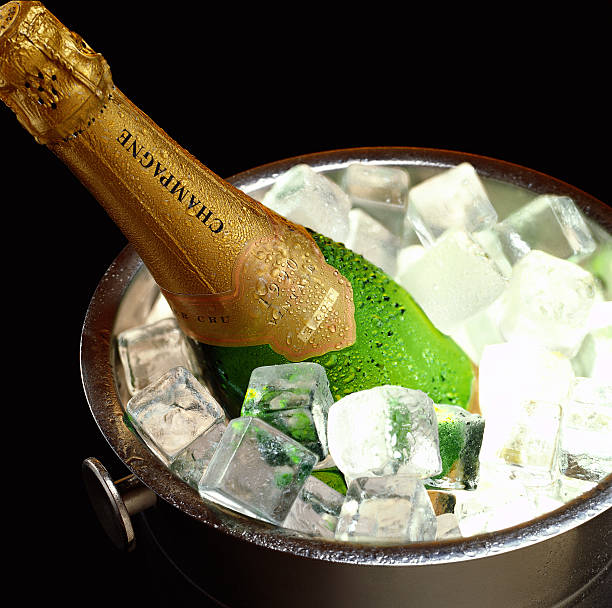
Champagne and quality sparkling wines bring lively bubbles and bright acidity that can lift the dense flavors of roast beef, making each bite feel lighter.
Select a Brut Champagne with notes of lemon zest, toasted brioche, and fine minerality; its crisp palate balances the meat’s fattiness while the fine mousse cleanses the palate. Consider a Prosecco Superiore DOCG for a fruitier profile, offering green‑apple and pear aromas that complement a rosemary‑infused roast.
For a richer texture, an English sparkling wine made from Chardonnay and Pinot Noir adds subtle stone‑fruit nuances and a creamy mouthfeel that mirrors the beef’s juiciness. Serve the sparkling wine well‑chilled (45‑50°F) and pair it with a mustard‑based sauce or a peppercorn reduction to echo the wine’s spice.
The effervescence also works well with caramelized onions, creating a harmonious contrast between fizz and savory depth.
When to Choose Bubbles
Choosing bubbles over still wine for roast beef depends on the dining context, the sauce profile, and personal preference for texture. Opt for sparkling when the meal is celebratory or when you want to keep the palate lively; the carbonation cuts through rich gravy and highlights aromatic herbs.
If the roast is served with a creamy horseradish or a pepper‑corn sauce, a dry Brut or a high‑acid Cava will match the heat and prevent the dish from feeling heavy.
For a more relaxed evening with simple salt‑and‑pepper seasoning, a rosé‑infused sparkling wine can add fruit nuance without overpowering the meat. Pair bubbles with side dishes such as asparagus, roasted potatoes, or a light salad to maintain balance.
Remember to serve the sparkling wine at the proper temperature and to pour gently, preserving the fine bubbles that make the pairing feel elegant and refreshing.
Common Mistakes to Avoid
Overpowering the Beef
Choosing a wine that overwhelms the roast beef can mask its natural richness. Select a wine with moderate tannins and balanced acidity to let the meat’s flavor shine. Opt for a medium‑bodied Cabernet Sauvignon or a Merlot with soft fruit notes rather than an overly aggressive, high‑alcohol blend.
Before serving, taste the wine and compare it to a bite of beef; if the wine feels harsh or dominates the palate, switch to a lighter option such as a Pinot Noir or a Bordeaux‑style blend. Avoid wines with excessive oak influence that can add bitter flavors.
Pairing wisely ensures the beef remains the star while the wine enhances the overall dining experience. Consider the roast’s level of doneness; rare beef pairs better with fruit‑forward reds, while well‑done cuts can handle a bit more structure.
Taste and adjust the pairing throughout the meal, and keep a backup bottle ready for quick swaps.
Ignoring the Sauce
Overlooking the sauce that accompanies roast beef can lead to a mismatched wine choice. Identify the dominant flavors—whether it’s a rich gravy, a horseradish cream, or a peppercorn reduction—and select a wine that complements rather than competes.
For a classic beef gravy, a wine with subtle earthiness such as a Chianti Classico or a Grenache‑based blend works well, providing depth without clashing with the savory sauce.
If the dish features a sharp horseradish kick, choose a wine with a hint of sweetness and bright acidity, like a slightly off‑dry Zinfandel or an Australian Shiraz, to tame the heat. Avoid overly tannic wines that will accentuate bitterness in the sauce.
Taste the sauce first, then sip the wine; adjust the pairing by adding a splash of the sauce to the glass to test harmony before serving the entire plate.
Serving Too Cold
Serving wine at a temperature that’s too low can mute its flavors and make the roast beef taste harsher. Aim for the proper serving range: light‑to‑medium reds around 60‑65°F (15‑18°C) and fuller reds slightly warmer at 65‑68°F (18‑20°C).
Chill a bottle of Cabernet Sauvignon in the refrigerator for only 15‑20 minutes before the meal, or let a bottle of Pinot Noir sit out for 20‑30 minutes to reach the ideal warmth.
Cold wine suppresses aromatic compounds, reducing the perception of fruit and softening tannins, which are essential for balancing the beef’s richness. Avoid serving wine straight from the fridge as this can make the pairing feel disjointed.
Test the temperature by touching the glass; it should feel cool to the touch but not icy. Adjust as needed, and the wine will enhance rather than detract from the roast beef experience.
Frequently Asked Questions
What type of red wine pairs best with roast beef?
Full-bodied red wines with firm tannins, such as Cabernet Sauvignon, Bordeaux blends, or Syrah, complement the rich, fatty flavors of roast beef.
Can a lighter red wine work with roast beef?
Yes, lighter reds like Pinot Noir or a medium-bodied Merlot can work, especially if the roast beef is served with a milder sauce or herb rub.
Is a white wine ever a good match for roast beef?
While red wines are classic, a full-bodied white like oaked Chardonnay or a white Rhône blend can pair well if the beef is prepared with creamy sauces.
How does the cooking method affect wine choice for roast beef?
A dry‑aged, slow‑roasted beef benefits from robust reds, whereas a quickly seared or grilled roast may pair nicely with wines that have higher acidity to cut through the charred flavors.
Should I consider the sauce when selecting a wine for roast beef?
Absolutely—rich gravies or red wine reductions pair well with tannic reds, while lighter mustard or herb sauces can be complemented by wines with bright acidity, such as a Pinot Noir or a cooler‑climate Cabernet.
What about non‑traditional pairings like sparkling wine?
A dry sparkling wine, like Brut Champagne or a quality Cava, can provide refreshing acidity and palate‑cleansing bubbles that contrast nicely with the meat’s richness.
Conclusion
In short, a robust red—think Cabernet Sauvignon, Merlot, or a classic Bordeaux blend—best complements the rich, savory flavor of roast beef, while a full‑bodied Syrah or a structured Malbec offers a spicy alternative. Remember to match the wine’s tannins and acidity to the meat’s fat content for balance. Experiment, enjoy the pairing, and let your palate guide future dinner choices.