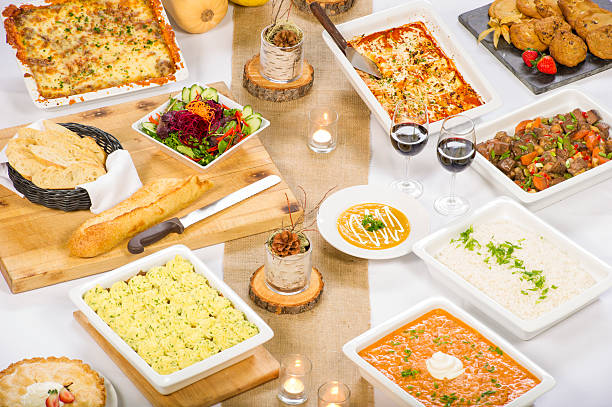
What Wine Goes With Ribs
If you’re wondering what wine goes with ribs, you’ve come to the right place. We’ll cut through the confusion and match you with the perfect pour, whether you’re grilling sweet‑and‑sticky barbecue or slow‑cooking smoky, fall‑off‑the‑bone pork. Expect quick, practical tips on bold reds, crisp whites, and even a few rosés that balance richness, acidity, and spice. By the end, you’ll know exactly which bottle to uncork for a mouth‑watering pairing with your favorite side dishes tonight.
How to Choose the Right Wine for Ribs
Consider the Rib Flavor Profile
Start by tasting the ribs and noting whether they are smoky, sweet, spicy, or a combination. Identify the dominant flavor – a heavy barbecue glaze leans toward caramelized sugars, while a dry rub may emphasize peppery herbs.
If the meat is smoked over oak or hickory, the char adds a grilled, earthy note that pairs well with wines that have a hint of smokiness themselves. For ribs with a tangy mustard or vinegar‑based sauce, look for wines that can cut through acidity without overwhelming the meat.
By mapping the rib’s flavor profile first, you create a clear guide for the wine’s acidity, tannin, and fruit intensity, ensuring the pairing enhances both the food and the drink rather than competing with each other.
Consider also the cooking method; slow‑cooked, fall‑off‑the‑bone ribs benefit from a wine with gentle structure, while grilled, char‑kissed ribs can handle a bolder profile.
Match Wine Body to Sauce Richness
Look at the sauce’s weight and texture before selecting a bottle. A thick, molasses‑rich barbecue sauce calls for a wine with enough body and concentration to stand up to the viscosity, such as a full‑bodied Zinfandel or a ripe Shiraz.
Conversely, a lighter, tomato‑based glaze benefits from a medium‑bodied red like a Grenache or a Sangiovese, which provides enough fruit to echo the sauce without drowning it.
If the ribs are coated in a sweet‑and‑spicy glaze, choose a wine that offers a touch of residual sugar—for example, an off‑dry Riesling or a slightly sweet Malbec to mirror the caramel notes while tempering heat.
Matching the wine’s body to the sauce’s richness ensures each sip cleanses the palate, allowing you to enjoy successive bites without the flavors becoming muddied. Serve the wine slightly chilled for reds with higher acidity, as cooler temperatures highlight fruit and keep the pairing lively.
Balance Sweetness and Spice
Ribs often combine sweet glaze with peppery or chili heat, so the wine must negotiate both elements. Choose a wine that offers balanced acidity to cut through sugar while providing enough fruit to mellow spice, such as an aromatic Gewürztraminer with a hint of sweetness or a medium‑sweet Pinot Noir.
If you prefer a drier option, a Cabernet Franc with bright acidity and subtle herbaceous notes can temper the heat without adding extra sugar.
For those who love bold heat, a slightly off‑dry rosé—think a Provence style—delivers refreshing acidity and a touch of fruit that soothes the palate after each bite.
By aligning the wine’s sweetness level with the rib’s glaze, you prevent the dish from feeling cloying and keep the spice lively yet manageable. Pairing this way also enhances the smoky undertones, creating a harmonious finish that invites another sip.
What Types of Red Wine Pair Best with Ribs
Zinfandel – Bold and Fruity
When you’re serving pork ribs drenched in a sweet‑and‑smoky glaze, Zinfandel is a natural partner because its rich fruit intensity cuts through the sauce while its soft tannins keep the palate comfortable.
Look for a California Zinfandel with notes of blackberry, jammy plum, and a hint of pepper; these flavors echo the char on the ribs and amplify the caramelized edges.
If the ribs are spiced with chili or paprika, the wine’s subtle spice‑derived peppercorn nuance will mirror that heat without overwhelming the meat. Serve the wine slightly chilled, around 58‑60°F, to enhance its fruit freshness and keep the alcohol from feeling too hot against the fatty pork.
Pairing a medium‑bodied Zinfandel with ribs creates a balanced dance of sweet, smoky, and fruity sensations that makes each bite more satisfying for your dinner.
Syrah/Shiraz – Spicy and Full‑bodied
Syrah (or Shiraz) brings a robust peppery backbone that stands up to the bold flavors of BBQ ribs, especially when the sauce leans toward smoky or chipotle notes.
Choose a Rhône‑style Syrah with aromas of black‑currant, smoked meat, and a whisper of licorice; these layers echo the charred crust while adding depth to the sweet glaze. The wine’s medium‑to‑high acidity slices through the rib’s fat, refreshing the palate between bites and preventing the sauce from feeling cloying.
If you prefer a hotter kick, a New World Shiraz with pronounced spice‑infused black pepper and a touch of dark chocolate will amplify the rib’s seasoning without overwhelming it. Serve the wine at 60‑64°F to showcase its fruit while preserving its silky texture.
By pairing full‑bodied Syrah with ribs, you create a harmonious blend of smoky, spicy, and juicy elements that elevates every mouthful.
Cabernet Sauvignon – Structured and Tannic
Cabernet Sauvignon offers a firm tannic structure and concentrated dark‑fruit flavors that complement the richness of slow‑cooked pork ribs, especially when the rub includes rosemary or coffee.
Opt for a classic Napa or Bordeaux‑style Cabernet with notes of blackcurrant, cedar, and a subtle hint of tobacco; these components mirror the smoky bark and add a sophisticated edge to the meat’s sweetness.
The wine’s high acidity cuts through the rib’s marbled fat, keeping the palate lively and preventing the sauce from becoming too heavy. For a bolder experience, select a Cabernet with pronounced oak‑derived vanilla and spice, which will resonate with any caramelized crust.
Serve the wine slightly cooler than room temperature, around 62‑65°F, to balance its power with elegance. Pairing structured Cabernet Sauvignon with ribs creates a dialogue between the wine’s tannins and the pork’s juiciness, delivering a satisfying, layered tasting experience.
What Types of White Wine Pair Best with Ribs
Chardonnay – Oaked and Creamy
Chardonnay’s buttery texture and subtle oak nuances make it a natural partner for pork ribs, especially when the sauce leans toward a smoky‑sweet glaze.
Choose an oaked Chardonnay with a medium to full body; the creamy mouthfeel will soften the meat’s richness while the vanilla and toast notes echo charred bark. Serve it slightly chilled, around 50‑55°F, to keep acidity bright enough to cut through fat.
Pair it with ribs that feature a honey‑brown BBQ sauce or a maple‑infused rub, allowing the wine’s fruit‑forward apple and pear flavors to mirror the glaze’s sweetness.
Tip: If the ribs are heavily spiced, opt for a Chardonnay with a hint of citrus on the finish to balance heat without overwhelming the palate. Also, consider a subtle hint of minerality that can refresh the palate between bites, ensuring each rib is enjoyed fully.
Riesling – Off‑dry for Sweet Heat
Riesling’s natural acidity paired with a touch of residual sugar creates a harmonious contrast to the bold flavors of BBQ ribs. Select an off‑dry Riesling (around 2–3 g/L residual sugar) to balance the heat from spicy rubs while echoing the caramelized glaze.
The bright citrus and stone‑fruit aromas—think lime, peach, and apricot—lift the richness of pork and cleanse the palate after each bite. Serve chilled at 45‑50°F to preserve its crispness.
When ribs are glazed with a chili‑infused honey sauce, the wine’s subtle sweetness mirrors the glaze’s honey notes, and its acidity tames the chili’s fire.
Pro tip: Pair with a Riesling that shows a hint of minerality from slate soils; this adds an extra layer of freshness that keeps the meat from feeling heavy.
Enjoy the pairing by alternating a bite of rib with a sip, allowing the wine’s zing to reset your taste buds each time.
Gewürztraminer – Aromatic and Spicy
Gewürztraminer’s perfume of lychee, rose petal, and ginger makes it a daring companion for ribs that carry bold, aromatic spices. Opt for a medium‑dry Gewürztraminer to keep the wine’s luscious mouthfeel while providing enough acidity to cut through the pork’s fat.
The wine’s natural spiciness mirrors rubs that include cumin, coriander, or smoked paprika, creating a seamless flavor bridge. Serve slightly cooler than typical whites, around 48‑52°F, to highlight its aromatic intensity without muting the fruit.
When ribs are finished with a mustard‑based glaze or a smoky chipotle sauce, the wine’s subtle sweetness balances the tang, and its herbal notes amplify the herbaceous elements of the meat.
Serving tip: Decant briefly for 10‑15 minutes to open up the bouquet, ensuring each sip delivers the full spectrum of floral and spice nuances alongside the ribs.
Tips for Pairing Wine with Different Rib Styles
Barbecue‑Sauced Ribs
Pair a smoky, sweet barbecue‑sauce rib with a wine that can stand up to the bold flavors. Choose a Zinfandel for its jammy fruit, peppery spice, and moderate acidity, which cuts through the sauce’s sugar while echoing its char.
If you prefer a lighter option, opt for a Grenache‑based blend; its bright red berries and soft tannins complement the glaze without overwhelming it. For cooler climates or a more refined palate, a dry rosé with citrus notes adds freshness and balances the richness.
Serve the wine slightly chilled (55‑60°F) to enhance its fruit and keep the palate lively. Remember to match the wine’s body to the rib’s intensity: richer, fattier cuts call for fuller‑bodied reds, while leaner, tangier sauces shine with medium‑bodied selections.
Pairing this way creates a harmonious bite‑to‑sip experience that highlights both the meat and the wine.
Dry‑Rubbed (Dry‑Rib) Ribs
Dry‑rubbed ribs rely on a crust of spices, herbs, and salt, so the wine should amplify those aromatics while cutting the meat’s richness. Select a Syrah/Shiraz with peppery notes, dark plum, and firm tannins; its smoky edge mirrors the charred rub and its acidity lifts the fat.
For a more nuanced profile, try a Cabernet Franc that offers herbaceous lavender, red currant, and a lean structure, perfect for thyme‑based blends. If you enjoy whites, a full‑bodied Chardonnay with buttery oak and subtle citrus can stand up to the intensity without clashing.
Serve reds at cellar temperature (60‑65°F) and whites slightly cooler (50‑55°F) to keep flavors crisp. Pairing tip: match the wine’s spice level to the rub’s heat—spicier rubs call for wines with higher peppercorn or smoked‑meat characteristics, ensuring each bite is balanced and vibrant.
Asian‑Inspired Glazed Ribs
Asian‑inspired ribs often feature soy, ginger, honey, and chili, creating a sweet‑savory‑spicy profile that needs a wine with bright acidity and subtle fruit to keep the palate refreshed. Choose a Riesling (off‑dry); its honeyed apricot, lime zest, and lively acidity echo the glaze’s honey and cut the heat from chili.
A Gewürztraminer works well too, offering lychee aromatics and a touch of spice that mirrors ginger while its richness balances soy’s umami. For red lovers, a Pinot Noir with red cherry, subtle earth, and soft tannins provides enough fruit to complement the glaze without overwhelming the delicate Asian spices.
Serve whites chilled (45‑50°F) and reds slightly cooler than room temperature (55‑60°F). A final tip: sip a small amount between bites to cleanse the palate, allowing each rib to shine alongside the wine’s nuanced flavors.
Best Ways to Serve Wine with Ribs
Ideal Serving Temperature
To maximize flavor harmony between ribs and wine, serve the wine at the optimal temperature. Red wines such as Zinfandel, Syrah, or a fruit‑forward Cabernet Sauvignon should be slightly cooler than room temperature, around 60‑65°F (15‑18°C).
This coolness softens tannins and highlights the wine’s ripe fruit, which complements the smoky, sweet glaze on the ribs. White or rosé options like an oaked Chardonnay or a dry rosé are best chilled to 50‑55°F (10‑13°C); the crisp acidity cuts through the richness of the meat.
Use a wine thermometer or a quick‑chill sleeve to achieve consistency, and avoid serving wine straight from the refrigerator for reds, as they can become muted. By matching the serving temperature to the wine style, you ensure each sip enhances the savory, caramelized notes of the ribs in your meal.
Glassware Choices
Choosing the right glass enhances the aromatic expression and mouthfeel of the wine paired with ribs. For bold reds like Zinfandel or Malbec, opt for a large‑bowl, slightly tapered glass; the wide bowl allows the wine to breathe, releasing smoky, jammy aromas that echo the barbecue sauce.
Smaller, tulip‑shaped glasses work well for lighter reds or rosés, concentrating delicate fruit notes while directing the wine to the tip of the tongue where acidity balances the meat’s fattiness.
If you prefer an oaked Chardonnay, a classic Chardonnay glass with a broader rim showcases the buttery texture and vanilla nuances that complement the rib rub.
Avoid overly narrow stems, which can trap aromas, and ensure the glass is clean and free of detergent residue, as any off‑flavor will clash with the savory profile of the ribs. Proper glassware turns each sip into a focused complement to the dish.
Decanting and Aeration Tips
Decanting or aerating the wine can unlock flavors that pair beautifully with rib sauces.
Red wines with robust tannins, such as Syrah or Cabernet, benefit from a 30‑45‑minute pour into a decanter; this softens the structure and brings out dark fruit, pepper, and smoky notes that mirror the char on the ribs.
For lighter reds or rosés, a simple swirl in the glass for a minute is sufficient to release aromatics without over‑exposing the wine.
If you serve an oaked white like Chardonnay, a brief 10‑minute aeration in a wide‑mouth carafe can enhance its buttery mouthfeel and integrate the vanilla undertones with the sweet glaze. Avoid excessive decanting of delicate wines, as they may lose nuance.
By timing aeration to the wine’s intensity, you create a balanced palate that accentuates the savory, sweet, and spicy layers of the ribs.
Common Mistakes to Avoid When Pairing Wine and Ribs
Overpowering the Meat
When selecting a wine for ribs, avoid choosing a bottle that overwhelms the smoky, sweet flavors of the meat. Pick a wine with moderate tannins and balanced acidity so the sauce and char can still shine.
Heavy, high‑alcohol reds like full‑bodied Cabernet Sauvignon can mask the subtle spice and make the dish taste flat. Instead, reach for a medium‑bodied Zinfandel or a fruit‑forward Grenache that mirrors the rib’s richness without drowning it.
Taste the wine first and note if the fruit is too sharp or the alcohol feels hot; adjust by opting for a slightly cooler serving temperature. By keeping the wine’s structure in check, you let the ribs retain their star quality while the wine adds a complementary layer of flavor.
Pair it with a side of coleslaw and you’ll notice how the wine lifts the overall meal experience.
Ignoring Spice Levels
Ribs often carries a sweet‑and‑spicy glaze that can clash with a wine lacking enough heat tolerance. Select a wine with a touch of residual sugar or ripe fruit to match the peppery or chili notes without creating bitterness.
A dry Riesling or an off‑dry Gewürztraminer can soothe the spice, while a bold Syrah with peppery undertones can echo the heat. Avoid ultra‑dry whites like Sauvignon Blanc, which may highlight the heat and make the palate feel raw.
Check the spice intensity before pouring; if the ribs are mildly spiced, a lighter rosé works, but for bold barbecue sauces, a fruit‑forward red with moderate alcohol is safer. Adjust the wine’s temperature—slightly chilled reds or room‑temperature whites—to keep the spice in balance and prevent the wine from feeling over‑powerful.
Serve the ribs with a cool glass and you’ll notice the spice mellowing nicely.
Choosing Too Young or Too Old Wines
Age plays a crucial role in how a wine interacts with the deep, caramelized flavors of ribs. Avoid very young, high‑acid wines that can taste sharp against the meat’s richness, and steer clear of overly aged bottles that have lost fruit vibrancy and now present excessive tannin or oxidation.
A 2‑3‑year‑old Malbec or a youthful Tempranillo offers enough fruit punch and supple tannins to complement a BBQ glaze without dominating it. Conversely, a 10‑year‑old Bordeaux may have softened enough to pair, but the subtlety could be lost against bold sauces.
Taste the wine’s acidity and fruit level before serving; if the acidity feels too brisk, let the wine breathe or choose a slightly older vintage. By matching the wine’s developmental stage to the rib’s intensity, you ensure a harmonious bite‑after‑bite experience. Enjoy the pairing slowly to appreciate the evolving flavors.
Frequently Asked Questions About Wine and Ribs
Can I Pair Rosé with Ribs?
Rosé can be a surprisingly versatile partner for ribs, especially when the sauce leans toward sweet or tangy flavors. Choose a dry, crisp rosé with bright acidity to cut through the richness of pork, while its subtle fruit notes echo any barbecue glaze.
If your ribs are coated in a honey‑brown BBQ sauce, a Provence‑style rosé offers citrus and strawberry hints that balance sweetness without overwhelming the meat. For spicier rubs, opt for a slightly fuller‑bodied rosé from Spain or Italy, which provides enough structure to stand up to heat.
Serve the wine slightly chilled, around 50‑55°F, to keep the palate refreshed between bites. Remember to match the intensity: lighter, herb‑forward ribs pair best with delicate rosés, whereas bold, smoky ribs benefit from a richer, more robust style.
Pairing rosé with a side of grilled corn or a fresh salad will further enhance the harmonious flavor profile.
What About Sparkling Wine?
Sparkling wine brings lively bubbles and bright acidity that can cut through the fattiness of ribs, making it an excellent choice for both casual cookouts and upscale dinners.
Select a Brut or Extra‑Dry style to ensure enough dryness to balance sweet barbecue sauces while still delivering fruit‑forward notes of apple, pear, and citrus. The carbonation lifts the palate, cleansing the mouth after each bite of smoky, caramelized meat.
For ribs glazed with a mustard‑based or peppery rub, a dry Prosecco offers a light, floral character that complements the spice without competing.
If you prefer a richer profile, try an English or American sparkling wine made with Chardonnay and Pinot Noir, which provides a creamier texture and subtle toastiness that mirrors the char on the ribs.
Serve the wine well chilled, around 45‑50°F, and consider a small tasting glass to keep the bubbles lively throughout the meal.
How to Pair Wine for a Rib Party
Planning a rib party? A thoughtful wine lineup can elevate the experience and keep guests satisfied from the first bite to the last glass. Start with a spectrum of flavors, offering at least one light, one medium, and one full‑bodied option to match the variety of sauces you’ll serve.
A crisp Sauvignon Blanc or Albariño works well with tangy vinegar‑based ribs, providing herbal zest that brightens the palate. For classic smoky or sweet‑and‑spicy ribs, a medium‑bodied Zinfandel or Grenache delivers ripe berry fruit and gentle spice that echo the meat’s depth.
When the crowd leans toward richer, barbecue‑glazed ribs, bring out a robust Cabernet Sauvignon or a Rhône blend, whose firm tannins and dark‑fruit intensity stand up to the caramelized crust.
Keep wines at their ideal temperatures—white and rosé slightly chilled, reds just below room temperature—and provide a simple water‑based palate cleanser like cucumber slices between pours to maintain balance throughout the feast.
Frequently Asked Questions
What type of wine pairs best with pork ribs?
Full‑bodied red wines with moderate tannins, such as Zinfandel, Syrah, or a fruit‑forward Cabernet Sauvignon, complement the rich, smoky flavors of pork ribs. Their ripe fruit and spice notes balance the sweetness of barbecue sauce.
Can a white wine work with ribs?
Yes, a rich white like an oaked Chardonnay or a Viognier can stand up to ribs, especially if the sauce is lighter or fruit‑based. Their buttery texture and subtle oak echo the caramelized glaze without being overwhelmed.
What about rosé for rib dishes?
A dry, medium‑bodied rosé with bright acidity and red‑fruit flavors can cut through the fattiness of ribs while enhancing the smoky notes. It’s a versatile choice for both sweet and tangy barbecue sauces.
Should I choose a wine based on the sauce style?
Absolutely. Sweet, tomato‑based sauces pair well with fruit‑forward reds like Zinfandel, while spicy or vinegar‑heavy sauces benefit from wines with higher acidity, such as a cooler‑climate Pinot Noir or a crisp Riesling.
Are there any sparkling wines that match ribs?
A Brut or Extra‑Dry sparkling wine offers high acidity and effervescence that cleanse the palate between bites, making it a surprising but refreshing match for rich, saucy ribs.
How does the cooking method affect wine selection?
Grilled or smoked ribs develop deeper, charred flavors that pair nicely with smoky, robust reds like Syrah. Oven‑braised or slow‑cooked ribs, which are more tender, can be matched with softer reds or even a medium‑bodied white for a balanced experience.
Conclusion
Pairing ribs with wine is all about balancing bold, smoky flavors and juicy richness. A fruit‑forward Zinfandel or a spicy Shiraz can stand up to the heat, while a buttery Chardonnay or a bright Grenache adds a refreshing contrast. Remember to match the sauce intensity, and don’t be afraid to experiment—your perfect rib‑wine match awaits! Serve the wine slightly chilled for white, or at cellar temperature for reds, and enjoy the harmony.