What To Pair With Rose
Looking for the perfect companions for a glass of rosé? In the next few minutes you will discover tasty food pairings, snack ideas, and even dessert options that enhance rosé’s bright, fruity character. Stay tuned for quick, practical tips that will make your next sip unforgettable and impress any palate. Grab a glass, follow along, and enjoy perfect pairings.
How to Pair Rose Wine with Food
Classic Cheese Pairings
When reaching for a rosé, start with cheese that mirrors its bright acidity and fruit‑forward profile. Choose soft, creamy cheeses like Brie or Camembert; their buttery texture softens the wine’s crispness while letting strawberry and citrus notes shine.
Go for fresh goat cheese with a hint of herbs; the tangy tang complements the wine’s lively finish and adds a herbaceous lift. For a richer option, pair with a mild, nutty Manchego; its subtle sweetness balances the rosé’s dry backbone.
Slice the cheese thinly, serve at room temperature, and add a drizzle of honey or a few fresh berries to echo the wine’s fruit flavors. This combination creates a harmonious bite‑and‑sip experience that highlights both the cheese’s creaminess and the rosé’s refreshing character.
Pair this platter with a light salad of arugula and lemon vinaigrette to further accentuate the wine’s acidity and keep the palate lively.
Seafood Dishes
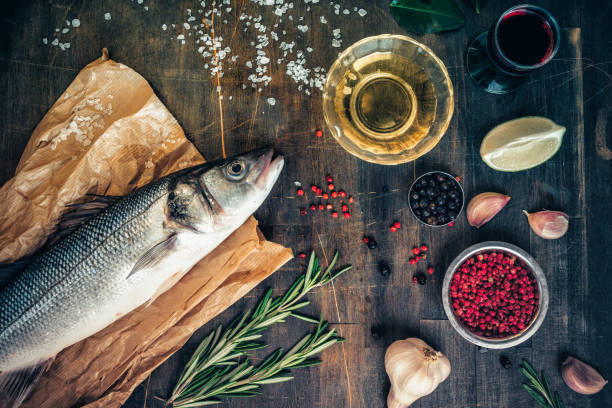
Rosé’s crisp acidity and subtle fruit make it a natural companion for a wide range of seafood. Serve chilled shrimp cocktail with a tangy tomato‑based sauce; the wine’s citrus notes cut through the sweetness of the shrimp while echoing the sauce’s peppery edge.
Grilled salmon brushed with a honey‑lime glaze pairs beautifully, as the rosé’s bright finish balances the fish’s rich oils and the glaze’s sweet‑sour profile.
For a lighter option, try seared scallops on a bed of citrus‑infused quinoa; the delicate flavor of the scallops is lifted by the wine’s strawberry aroma, and the quinoa adds texture that mirrors the wine’s smooth mouthfeel.
Finish with a squeeze of fresh lemon over the plate to reinforce the rosé’s zesty character, creating a cohesive dining experience that highlights both the seafood’s freshness and the wine’s lively personality.
Spicy Meals
Spicy dishes find a soothing partner in rosé, whose acidity tempers heat while its fruit notes add a cooling contrast. Start with Mexican street‑style tacos featuring grilled chicken, pineapple, and a chipotle‑lime salsa; the wine’s bright red‑berry flavor balances the smoky heat and the pineapple’s sweetness.
Thai shrimp curry with coconut milk and lemongrass also shines, as the rosé’s crisp finish cuts through the richness and mellows the chili’s bite.
For a bold twist, try Indian lamb kebabs marinated in yogurt, cumin, and a touch of chili; the wine’s subtle floral aroma and gentle tannins soften the spice, letting the meat’s savory depth shine.
Serve each plate with a side of cooling cucumber‑mint raita or a simple lime‑yogurt dip to reinforce the rosé’s refreshing qualities, ensuring every mouthful feels vibrant yet balanced today.
What to Pair with Rose Cocktails
Fruit Garnishes
Enhance your rose cocktail with vibrant fruit garnishes that add color, aroma, and a burst of flavor. Choose seasonal berries like strawberries, raspberries, or blackberries; slice them thinly and skewer on a cocktail pick for a pop of red that complements the pink hue.
Citrus twists such as orange or grapefruit peel release essential oils when expressed over the drink, brightening the palate. For a tropical twist, add pineapple wedges or mango cubes, lightly dusted with a pinch of sea salt to balance sweetness.
Finish with a sprig of edible rose petals for visual elegance and subtle floral notes. Arrange the garnish on the rim or float it in the glass, ensuring it stays fresh throughout sipping.
These fruit accents not only look stunning but also interact with the cocktail’s botanicals, creating a harmonious sip every time.
Herb Infusions
Add depth to your rose cocktail by incorporating fresh herb infusions that complement its floral profile. Start with basil; muddle a few leaves gently before adding the spirit to release a sweet, peppery aroma that pairs beautifully with rose water.
Try rosemary for a piney, resinous note—lightly bruise the sprig and let it steep for 30 seconds, then garnish with a tiny rosemary tip. Mint offers a cooling contrast; clap the leaves between your palms to awaken the oils and drop a small handful into the shaker.
For an unexpected twist, experiment with lavender buds, using just a pinch to avoid overpowering the drink. Finish each infusion by balancing with a dash of honey or agave to meld the herb’s bite with the cocktail’s natural sweetness.
Serve the herb‑infused rose cocktail over clear ice, allowing the flavors to meld as you sip, creating a refreshing and aromatic experience.
Snack Pairings
Complement your rose cocktail with bite‑size snacks that echo its delicate sweetness while adding texture. Cheese boards featuring soft options like brie or goat cheese work wonders; spread a thin layer of fig jam on each slice to mirror the drink’s subtle fruitiness.
Charcuterie such as prosciutto or smoked salmon adds a salty counterpoint—wrap a small piece around a melon cube and secure with a toothpick for an elegant bite.
For a lighter option, serve crostini topped with avocado mash, a drizzle of honey, and a sprinkle of pink peppercorns, which amplify the rose’s floral notes.
Nuts like toasted almonds or pistachios, lightly seasoned with sea salt and a hint of rosemary, provide a crunchy finish that balances the cocktail’s smooth mouthfeel.
Pair these snacks on a platter, arranging colors that match the pink hue of the drink, and enjoy a harmonious tasting session where each nibble enhances the rose cocktail’s charm.
Best Ways to Match Rose with Desserts
Berry Desserts
Start with fresh berry desserts that echo the bright fruit notes of rosé. A strawberry shortcake layered with lightly sweetened whipped cream lets the wine’s subtle strawberry aroma shine, while a raspberry crumble offers a gentle tartness that mirrors the wine’s acidity.
For a sophisticated touch, serve a mixed‑berry pavlova topped with a drizzle of passion‑fruit coulis; the crisp meringue provides texture contrast and the berries reinforce the wine’s red fruit profile.
Choose a dry rosé with crisp acidity to cut through the sweetness, and serve the dessert slightly chilled so the flavors stay vibrant.
Add a sprig of fresh mint or a dusting of powdered sugar for visual appeal, and present the dessert on a white porcelain plate to highlight the rosé’s pink hue. This thoughtful presentation enhances the overall tasting experience and encourages guests to savor both components together.
Chocolate Pairings
When pairing rosé with chocolate, aim for a balance where the wine’s acidity tempers the richness of the cocoa. Dark chocolate truffles with a hint of sea‑salt complement a fuller‑bodied rosé, as the salt accentuates the wine’s mineral notes while the bitterness of the chocolate mirrors its subtle tannins.
For a sweeter option, choose a milk‑chocolate mousse infused with a splash of orange liqueur; the citrus brightens the rosé’s fruit profile and creates a seamless flavor bridge.
Select a rosé with moderate body and a touch of oak to stand up to the cocoa, and serve the chocolate slightly chilled to keep the texture firm.
Pairing these chocolate desserts with rosé encourages a dialogue between sweet and savory, allowing each sip to cleanse the palate and prepare for the next bite, resulting in a lingering, harmonious finish.
Light Pastries
Light pastries provide a delicate canvas for rosé’s subtle aromatics, making them ideal for brunch or an afternoon tea. A flaky almond croissant, brushed with a thin layer of honey, highlights the wine’s floral notes while the nutty crumb adds texture without overwhelming the palate.
Similarly, a vanilla‑infused éclair filled with a light custard mirrors the rosé’s gentle sweetness and lets the acidity cut through the cream. Pick a crisp, aromatic rosé with notes of white peach and hibiscus to complement the pastry’s buttery layers, and serve the pastry warm so the flavors meld instantly.
Adding a garnish of edible rose petals or a dusting of powdered sugar not only enhances visual appeal but also reinforces the wine’s fragrant profile.
This pairing strategy creates a balanced experience where each bite refreshes the palate, inviting another sip and ensuring the rosé remains the star of the moment.
Tips for Pairing Rose with Seasonal Produce
Spring Greens
Pair rosé with fresh spring greens to highlight its crisp acidity and subtle fruit. Serve a chilled rosé alongside a salad of baby arugula, snap peas, and thinly shaved asparagus, tossed in a lemon‑herb vinaigrette.
Match the wine’s bright citrus notes with the lemon dressing, while the herbaceous greens echo the wine’s floral aromas. Add a sprinkle of toasted almonds or crumbled goat cheese for texture and a hint of richness that balances the rosé’s light body.
For a warm option, sauté the greens with garlic and a splash of white wine, then finish with a drizzle of olive oil; the gentle heat releases earthy flavors that complement the wine’s minerality.
Serve the rosé well‑chilled (45‑50°F) to keep the palate refreshed as you enjoy the tender, slightly bitter bite of spring vegetables today.
Summer Tomatoes
Summer tomatoes and rosé are a classic match because the wine’s light red fruit and crisp acidity echo the tomatoes’ juicy sweetness. Create a simple bruschetta: toasted baguette slices topped with diced heirloom tomatoes, fresh basil, a drizzle of extra‑virgin olive oil, and a pinch of sea salt.
Pair the rosé’s strawberry and watermelon notes with the tomato’s bright flavor, letting the herbaceous basil amplify the wine’s subtle floral hints.
For a heartier dish, toss ripe cherry tomatoes with grilled shrimp, garlic, and a splash of rosé itself, then finish with a squeeze of lime; the cooking liquid integrates the wine’s acidity, enhancing both components.
Serve the rosé slightly cooler than room temperature (48‑52°F) to preserve its refreshing character while the summer heat intensifies the tomato’s natural sugars. Enjoy this pairing outdoors for a truly seasonal experience.
Autumn Squash
Roasted autumn squash and rosé create a comforting yet lively duo, as the wine’s bright acidity cuts through the squash’s natural sweetness and buttery texture. Slice butternut or delicata squash into half‑inch cubes, toss with sage, smoked paprika, and a drizzle of maple syrup, then roast until caramelized.
Match the rosé’s crisp green apple and citrus zest with the caramel notes, while the sage mirrors the wine’s subtle herbal finish.
For a one‑pot meal, combine cubed squash with caramelized onions, fennel, and a splash of rosé in a shallow pan, allowing the liquid to reduce and form a glossy glaze that binds flavors.
Serve the rosé at a modest chill (50‑54°F) so its fruit remains pronounced against the warm, earthy squash. Finish the dish with toasted pumpkin seeds for crunch, which adds a nutty contrast that highlights the wine’s minerality.
How to Choose the Right Rose for Different Pairings
Dry vs. Sweet Rose
Choose a dry rosé when you want a crisp, refreshing partner for light dishes, while a sweet rosé shines alongside spicy or dessert flavors. Dry rosés offer bright acidity, subtle fruit, and a clean finish that cuts through salads, grilled fish, and sushi.
Pair them with citrusy vinaigrettes, herb‑marinated chicken for balance. Sweet rosés bring honeyed berries and a gentle sweetness that complements Asian stir‑fries, spicy tacos, and fruit‑based desserts. Serve them chilled to highlight their fruit notes, and consider a slight spritz of sparkling water for extra liveliness.
By matching the wine’s sugar level to the dish’s intensity, you create harmony and prevent one element from overpowering the other. For brunch, a dry rosé pairs beautifully with smoked salmon, avocado toast, or a light frittata, enhancing the buttery texture without adding heaviness.
A sweet rosé can elevate a cheese board featuring blue cheese, aged cheddar, or creamy brie, where the wine’s fruitiness balances the saltiness. Remember to taste the wine first and adjust the food’s seasoning to mirror the wine’s aromatic profile, creating a cohesive dining experience.
Rosé from Different Regions
Explore regional rosés to discover flavor matches that elevate your meals. Provence rosés are the benchmark, offering pale pink hues, crisp acidity, and notes of strawberry, citrus, and herbs; they excel with Mediterranean dishes like grilled vegetables, ratatouille, and herb‑crusted lamb.
Spanish rosados, especially from Navarra or Rioja, bring richer red fruit, a touch of earthiness, and a fuller body, making them ideal companions for paella, chorizo, or grilled pork tenderloin.
Italian rosés, such as those from Veneto or Sicily, often display bright acidity with floral aromas and a subtle almond finish, pairing wonderfully with seafood risotto, caprese salads, or light pasta primavera.
New World rosés from California or Australia tend to be fruit‑forward, showcasing tropical mango and peach, perfect for BBQ ribs, spicy tacos, or fruit‑laden desserts. By aligning the rosé’s regional character with the cuisine’s origin, you create a harmonious dialogue that enhances both the wine and the dish.
Serving Temperature
Temperature is a silent partner that can make or break a rosé pairing. Serve dry rosés chilled at 45‑50°F (7‑10°C) to preserve their crisp acidity and aromatic freshness; this coolness sharpens the palate, making the wine a perfect match for salads, sushi, or light seafood.
Sweet rosés benefit from a slightly warmer range of 50‑55°F (10‑13°C), allowing the fruit sugars to open up and reveal honeyed notes that complement spicy Asian dishes, fruit tarts, or creamy cheeses. Avoid over‑chilling, which dulls flavors, and never serve rosé at room temperature, as the alcohol may dominate.
Use a wine bucket with ice and water for quick cooling, and let the bottle sit for a few minutes after removal to reach the ideal temperature. By mastering serving temperature, you ensure the wine’s texture and flavor profile align perfectly with your chosen food pairings.
What to Pair with Rose at a Picnic
Charcuterie Boards
Build a charcuterie board that lets rosé shine by choosing light, salty, and slightly sweet items. Start with thin slices of prosciutto, serrano ham, or smoked turkey, and add soft cheeses like goat cheese or brie that complement the wine’s fruit notes.
Include fresh fruit such as sliced strawberries, grapes, and figs, plus a handful of nuts for crunch. Add a small dish of honey or fig jam for a touch of sweetness that mirrors the rosé’s berry flavors.
Tip: Keep the board portable with reusable plates and pre‑portioned portions so guests can easily grab a bite while enjoying the sunshine. Finish with a few crackers or baguette slices to provide a neutral base that lets the wine’s acidity refresh the palate between bites.
Pair the board with a chilled glass of rosé, and consider adding a few olives or pickled vegetables for an extra briny contrast that heightens the wine’s crisp finish.
Fresh Salads
Create a fresh salad that balances the bright acidity of rosé with crisp vegetables and a light dressing. Toss mixed greens, arugula, and baby spinach with thinly sliced cucumber, radish, and cherry tomatoes for a colorful base.
Add a protein such as grilled shrimp, sliced chicken breast, or crumbled feta to give the dish substance without overwhelming the wine.
For the dressing, whisk together extra‑virgin olive oil, lemon juice, a splash of white wine vinegar, and a pinch of honey; the citrus notes will echo the rosé’s fruit profile.
Pro tip: Sprinkle fresh herbs like mint or basil and a handful of toasted pine nuts to introduce aromatic layers that complement the wine’s floral aromas. Serve the salad in individual mason jars or portable containers so guests can enjoy a refreshing bite alongside each sip of rosé.
Grilled Veggies
Grilled vegetables provide a smoky backdrop that enhances rosé’s fruitiness while keeping the meal light. Choose a mix of bell peppers, zucchini, asparagus, and baby carrots; slice them into uniform pieces so they cook evenly over a medium‑high grill.
Toss the veggies with olive oil, minced garlic, and a pinch of sea salt, then grill for 3‑4 minutes per side until they develop char marks but remain tender.
Finish with a drizzle of balsamic glaze and a sprinkle of fresh thyme or rosemary to add acidity and herbaceous notes that mirror the wine’s crisp finish.
Key point: Serve the grilled veggies on a rustic wooden board or in portable foil packets, allowing guests to grab a smoky bite that pairs perfectly with each sip of chilled rosé, creating a harmonious outdoor picnic experience.
Best Ways to Pair Rose with International Cuisines
Mediterranean Dishes
When you reach for a crisp rosé, think of the sun‑kissed flavors of the Mediterranean. Pair it with a Greek salad tossed in feta, olives, cucumber, and a drizzle of lemon‑olive oil; the wine’s bright acidity cuts through the salty cheese and highlights the fresh vegetables.
Serve chilled rosé alongside grilled octopus or calamari, brushed with garlic‑herb oil, for a light seafood match that mirrors the wine’s subtle fruit notes.
For heartier fare, try a Provençal ratatouille or a Spanish paella with saffron‑infused rice, chorizo, and shellfish—the rosé’s red berry hints echo the dish’s smoky depth while its crisp finish balances the richness. Don’t forget flatbreads topped with sun‑dried tomatoes and goat cheese, perfect for sipping between bites.
This Mediterranean trio lets the rosé shine, enhancing both the wine and the cuisine without overpowering either.
Asian Flavors
Rosé’s versatility makes it a surprising companion for Asian cuisines that balance sweet, spicy, and umami. Start with Vietnamese summer rolls packed with shrimp, mint, and rice noodles; the wine’s crisp acidity lifts the fresh herbs and tempers the peanut‑hoisin dip.
Pair a chilled rosé with Thai green curry, where coconut milk, lemongrass, and chilies create a rich, aromatic broth— the rosé’s bright red‑fruit notes cut through the creaminess and soothe the heat.
For sushi lovers, choose a dry rosé alongside sashimi or nigiri topped with salmon or tuna; its subtle berry flavor mirrors the fish’s natural sweetness while its acidity cleanses the palate between pieces. Try Korean BBQ short ribs glazed with gochujang, the wine’s slight tannins balancing the sauce’s caramelized spice.
Across these dishes, rosé acts as a bridge, uniting diverse flavors without drowning them, and keeping the dining experience lively and refreshing.
Latin American Meals
Rosé’s fruit‑forward profile pairs beautifully with the bold, vibrant dishes of Latin America. Begin with Mexican ceviche of snapper, lime, cilantro, and jalapeño; the wine’s lively acidity mirrors the citrus zing while its subtle strawberry hints soften the heat.
Serve a chilled rosé alongside Argentine grilled steak (asado) topped with chimichurri, the herb‑laden sauce finds a counterpart in the rosé’s green‑apple crispness, creating a balanced mouthfeel.
For a lighter option, try Peruvian quinoa salad mixed with roasted corn, black beans, and aji amarillo dressing—the rosé’s bright berry backbone complements the earthy grains and spicy sauce.
Don’t miss a tropical fruit dessert like Brazilian passion‑fruit mousse, where the wine’s lingering floral notes echo the mousse’s tartness, delivering a harmonious finish. Across these Latin flavors, rosé enhances spice, brightens herbs, and provides a refreshing counterpoint that keeps each bite lively.
Frequently Asked Questions
What foods complement the flavor of rosé wine?
Light, fresh dishes such as salads, seafood, grilled chicken, and mild cheeses enhance rosé’s bright acidity and fruit notes without overpowering them.
Which cheeses pair best with rosé?
Soft cheeses like goat cheese, feta, and mild brie, as well as fresh mozzarella, balance rosé’s crispness while adding a creamy texture.
Can rosé be paired with desserts?
Yes, rosé pairs well with fruit-based desserts like berry tarts, strawberry shortcake, and citrus sorbets, which echo its fruity character.
What appetizers work well with rosé at a party?
Fresh bruschetta, shrimp cocktail, cucumber canapés, and prosciutto-wrapped melon are light, flavorful bites that match rosé’s refreshing profile.
Is rosé suitable for spicy foods?
A dry rosé with good acidity can temper spiciness in dishes like Thai curry, Mexican tacos, or grilled shrimp with a chili glaze, offering a cooling contrast.
How should I serve rosé to maximize its pairing potential?
Serve rosé chilled at 45–55°F (7–13°C) in a white wine glass; this temperature highlights its crispness and allows the food flavors to shine alongside the wine.
Conclusion
Pairing rosé with food is all about balance—light salads, fresh seafood, soft cheeses, and fruit-forward dishes enhance its crisp acidity, while spicy Asian fare or grilled meats highlight its subtle fruit notes. Remember to match the wine’s sweetness level with the dish’s intensity for harmony. Experiment, trust your palate, and enjoy the versatile, refreshing experience rosé brings to any gathering.