What Red Wine Goes With Steak
If you’re wondering what red wine goes with steak, you’ve come to the right place. In the next few lines we’ll cut through the confusion and match you with the perfect pour, whether you’re grilling a ribeye, searing a filet, or enjoying a hearty flank. Expect quick, practical tips on bold Cabernets, silky Malbecs, and peppery Syrahs, plus a few surprise pairings that elevate every bite. Let’s get sipping! We’ll also suggest serving temperatures and glassware for the ultimate experience.
How to Choose Red Wine for Steak
Identify the steak’s flavor profile
Start by pinpointing the steak’s dominant flavors before you reach for a bottle. Grilled, char‑seared, or pan‑fried steaks develop smoky, caramelized notes, while a butter‑basted cut adds richness and a hint of dairy.
Seasonings matter: a pepper‑crusted ribeye brings peppery heat, whereas a simple salt‑only filet keeps the meat’s natural sweetness front‑and‑center. Identify whether the steak is lean, like a sirloin, or marbled, like a ribeye, because fat content amplifies juiciness and influences the wine’s perceived acidity.
Flavor intensity guides the wine’s strength: a bold, robust steak can handle a full‑bodied red, while a milder cut benefits from a more nuanced wine.
By cataloguing the cooking method, seasoning, and fat level, you create a clear flavor profile that serves as the foundation for pairing the perfect red wine with your steak. Enjoy it tonight or today.
Assess wine acidity and tannin levels
Next, evaluate the wine’s acidity and tannin structure, because these elements balance the steak’s richness. High acidity cuts through fat, refreshing the palate after each bite, while firm tannins create a pleasant astringent counterpoint to the meat’s protein.
For a heavily marbled ribeye, choose a wine with moderate acidity and robust tannins, such as a Cabernet Sauvignon or a Syrah, to soften the greasiness. A leaner cut like a filet mignon benefits from a wine with brighter acidity and softer tannins—think Pinot Noir or a lighter Merlot.
Consider the sauce: a red‑wine reduction amplifies acidity, allowing a slightly lower‑acid wine to shine, whereas a creamy mushroom sauce can mute tannins, calling for a softer, fruit‑forward wine.
By matching the wine’s acidity and tannin profile to the steak’s fat and any accompanying sauce, you ensure each sip cleanses the palate and enhances the meat’s flavor.
Match wine body to steak cut
Finally, align the wine’s body with the specific steak cut to achieve harmony on the tongue. Full‑body reds—Cabernet Sauvignon, Malbec, or a bold Zinfandel—pair best with thick‑cut, heavily marbled steaks such as ribeye or T‑bone, where the wine’s weight mirrors the meat’s density.
Medium‑body wines like Merlot, Tempranillo, or a balanced Chianti complement cuts that have a mix of tenderness and chew, for example a New York strip or a porterhouse.
Light‑body options, including Pinot Noir, Gamay, or a delicate Sangiovese, are ideal for leaner cuts like flank steak or a trimmed filet, allowing the subtle nuances of the meat to shine without being overwhelmed.
Think about cooking style, too: a smoky grill adds depth that can handle a richer body, while a quick sear preserves the steak’s natural flavor, favoring a more delicate wine. Matching body to cut ensures each bite and sip resonate together for a cohesive dining experience.
What Types of Red Wine Pair Best with Steak
Cabernet Sauvignon characteristics
Cabernet Sauvignon is the classic steak companion because it delivers a full‑bodied structure, high tannins, and concentrated dark‑fruit flavors like blackcurrant and cassis.
The wine’s firm tannic backbone cuts through the fat of a ribeye or New York strip, while oak‑derived notes of vanilla and cedar echo the char on the grill. For the best match, choose a bottle aged 5‑10 years to soften the tannins and reveal nuanced spice.
Serve slightly below room temperature (around 60°F) to keep the fruit vibrant, and let the steak rest after cooking so the juices meld with the wine’s acidity. This pairing maximizes mouthfeel harmony and flavor intensity.
Malbec’s fruit-forward style
Malbec’s fruit‑forward style makes it a versatile partner for steak, especially when the meat is grilled or smoked. The wine showcases plum, blackberry, and violet aromas, supported by soft tannins that soften the palate without overwhelming the protein.
A subtle smoky finish mirrors the charred crust of a flank or skirt steak, while its medium‑body profile keeps the pairing lively. Opt for a Malbec from Argentina’s high‑altitude vineyards for bright acidity and mineral edge.
Serve at 58‑60°F, and consider a light rub of garlic and rosemary on the steak to echo the wine’s herbaceous notes. This combination highlights both fruit and meat without competition.
Syrah/Shiraz for spice and richness
Syrah (or Shiraz) brings a peppery, spicy depth that pairs beautifully with richly seasoned steaks. Its bold, meaty character is built on black‑pepper, licorice, and smoked‑meat notes, complemented by firm tannins and a lingering finish.
This profile cuts through the fat of a ribeye or a steak topped with a pepper‑corn sauce, enhancing the heat without masking the meat’s flavor. Choose a bottle from the Rhône Valley for elegant earthiness or an Australian Shiraz for a fruitier, jammy edge.
Serve slightly cooler than room temperature (around 57°F) to preserve aromatic intensity, and match with a side of caramelized onions to echo the wine’s sweet‑spicy balance.
Pinot Noir for lean cuts
Pinot Noir’s light‑bodied elegance makes it the go‑to red for leaner cuts such as filet mignon or sirloin. The wine offers bright acidity, silky tannins, and red‑fruit flavors like cherry, raspberry, and strawberry, often layered with earthy undertones of mushroom and forest floor.
This acidity lifts the subtle juices of a lean steak, while the gentle tannic structure avoids overwhelming the delicate texture. Opt for a Burgundy or Oregon Pinot for nuanced complexity.
Serve chilled at 55‑57°F, and pair with a simple herb butter or a mushroom‑based sauce to mirror the wine’s earthy notes. The result is a harmonious, refined dining experience.
Tips for Matching Wine Body to Steak Cut
Light‑bodied wines for filet mignon
Filet mignon’s delicate texture and subtle beef flavor call for a wine that won’t overwhelm. Choose a light‑bodied red such as Pinot Noir, Gamay, or a young Beaujolais. Serve slightly chilled (12‑14°C) to enhance fruit freshness and keep tannins soft.
Look for wines with bright red‑berry notes, gentle acidity, and low tannin structure; these qualities complement the melt‑in‑your‑mouth quality of the steak. Pair with a light herb butter or a mushroom‑cream sauce to echo the wine’s earthiness without adding heaviness.
When selecting a bottle, prioritize a wine from a cool climate region—like Burgundy or Oregon—where the fruit remains crisp. This balance ensures the steak’s tenderness shines while the wine adds a nuanced, silky backdrop.
A glass of chilled Pinot Noir also works well with a light peppercorn crust, as the subtle spice aligns with the wine’s soft pepper notes. Avoid heavily oaked selections, which can mask the steak’s nuance.
Medium‑bodied wines for ribeye
Ribeye’s marbling and robust flavor demand a wine with enough structure to stand up to its richness. Medium‑bodied reds such as Merlot, Sangiovese, or a Rhône blend deliver ripe fruit, moderate tannins, and a touch of spice. Serve at 15‑17°C to keep the wine supple while showcasing its depth.
Look for flavors of black‑cherry, plum, and subtle herbaceous notes that echo the steak’s charred crust. Pair with a rosemary‑garlic butter or a red‑wine reduction to create a harmonious bridge between meat and glass.
When choosing a bottle, opt for a region known for balanced acidity—like Tuscany’s Chianti Classico or a California Cabernet‑Merlot blend—so the wine can cut through fat without overwhelming the palate. A well‑matched medium‑bodied wine will amplify the ribeye’s juiciness, delivering a satisfying mouthfeel that lingers long after the last bite.
Full‑bodied wines for porterhouse
The porterhouse combines a tender filet and a flavorful strip, delivering a steak experience that is both buttery and beefy. To match this intensity, choose a full‑bodied red with firm tannins and concentrated fruit, such as Cabernet Sauvignon, Malbec, or a bold Australian Shiraz.
Serve at 18‑20°C to allow the wine’s complexity to unfold and its tannins to soften just enough for the meat. Seek aromas of blackcurrant, cassis, dark chocolate, and a hint of smoked oak that mirror the char on the grill.
Pair with a pepper‑corn crust, blue‑cheese butter, or a smoky BBQ glaze to create a dialogue between the wine’s depth and the steak’s richness. When selecting a bottle, prioritize a wine from a warm climate—like Napa Valley, Mendoza, or Barossa Valley—where the grapes develop ripe sugars and robust structure.
A well‑chosen full‑bodied wine will stand up to the porterhouse’s heft, delivering a powerful, lingering finish that complements every bite.
Best Red Wine Regions for Steak Pairing
Napa Valley Cabernet Sauvignon
Napa Valley Cabernet Sauvignon offers a classic, full‑bodied match for steak, delivering rich dark fruit, firm tannins, and a hint of oak that cuts through the meat’s fat. Choose a wine aged 5‑8 years to ensure softened tannins and integrated flavors.
Serve the wine slightly below room temperature (around 60°F) to preserve its fruit intensity. Pair it with a grilled ribeye or a pepper‑crusted filet for maximum synergy, as the wine’s acidity balances the char and the protein.
Decant for 30 minutes to open up aromatics, and store any leftovers in a sealed container for up to three days today.
Bordeaux blends for robust flavor
Bordeaux blends, especially those dominated by Cabernet Franc and Merlot, bring a robust, earthy profile that complements the savory depth of steak. Select a blend with 40‑50% Cabernet Franc for peppery nuance and 30‑40% Merlot for plush fruit.
Serve the wine at 58‑60°F to highlight its silky tannins and subtle herbaceous notes. Pair it with a herb‑marinated strip steak or a classic steak au poivre, where the wine’s acidity cuts through the sauce and the tannins soften the protein.
Let the bottle breathe for 20 minutes before serving, and keep a cheese board of aged cheddar nearby to enhance the lingering finish.
Mendoza Malbec for smoky notes
Mendoza Malbec delivers smoky, plum‑laden flavors with a velvety texture that pairs beautifully with grilled or smoked steak. Choose a Malbec aged 3‑5 years to capture ripe fruit while maintaining a subtle oak influence.
Serve the wine slightly chilled at 55‑57°F to accentuate its bright acidity and soften the tannic edge. Match it with a charcoal‑seared ribeye or a smoked flank steak, allowing the wine’s smoky undertones to echo the meat’s char.
Swirl the glass before each sip to release aromatic notes of black cherry and violet, and consider a side of roasted root vegetables to round out the palate.
Barossa Valley Shiraz for boldness
Barossa Valley Shiraz is renowned for its bold, peppery intensity and ripe blackberry core, making it a powerhouse partner for hearty steak dishes. Opt for a Shiraz with 12‑14% alcohol to ensure a balanced mouthfeel and vibrant fruit.
Serve at 60‑62°F to let the wine’s full body and spice notes unfold. Pair it with a marbled New York strip or a pepper‑crusted T‑bone, where the wine’s peppery edge amplifies the seasoning and its tannins soften the fat.
Allow the wine to rest for 10 minutes after opening to integrate flavors, and finish the meal with a dark chocolate dessert to echo the wine’s lingering cocoa hints.
How to Serve Red Wine with Steak
Optimal serving temperature
When pairing steak with red wine, temperature is crucial. Aim for a serving temperature between 60‑65°F (15‑18°C) for full‑bodied reds like Cabernet Sauvignon, Malbec, or Syrah.
Cool the bottle in the refrigerator for 15‑20 minutes if it’s been stored at cellar temperature, then let it sit for a few minutes after removal to avoid over‑chilling. Too cold a wine masks fruit and softens tannins, while a wine that’s too warm can taste flabby and overly alcoholic.
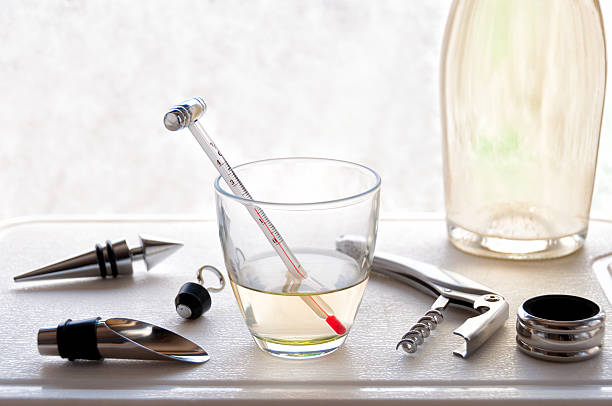
Use a wine thermometer or the back‑of‑hand test: the wine should feel slightly cooler than body temperature. For lighter reds such as Pinot Noir, a slightly cooler range of 55‑58°F (13‑14°C) works better, preserving delicate aromatics.
Adjust the temperature based on the steak’s preparation—grilled, char‑seared, or braised—to ensure the wine’s structure complements the meat’s richness.
Serve the wine in a short‑waiter glass and give it a gentle swirl before the first sip to awaken the fruit and spice notes, allowing the palate to fully appreciate the harmony with the steak.
Decanting techniques for tannic wines
Tannic reds such as Cabernet Sauvignon, Nebbiolo, or Syrah benefit from decanting to soften harsh edges and reveal deeper flavors that pair with steak. Decant for 30‑45 minutes for younger, high‑tannin bottles; older wines may need only 10‑15 minutes to breathe without losing nuance.
Begin by standing the bottle upright for at least an hour before opening to allow sediment to settle. When pouring, use a clear decanter and a steady hand, allowing the wine to flow along the side of the vessel to increase surface exposure.
For very tannic wines, a gentle swirl in the decanter after the initial pour can accelerate oxygen integration. Monitor the wine’s aroma; once the initial sharpness mellows and notes of blackcurrant, leather, or smoked meat emerge, it’s ready to serve alongside a grilled ribeye or filet.
Avoid over‑decanting, as excessive exposure can flatten fruit intensity and diminish the wine’s ability to cut through the steak’s fat. A short pause before serving lets the wine settle, ensuring each sip matches the steak’s juiciness and char.
Glassware that enhances aroma
Choosing the right glass can amplify a red wine’s bouquet and structure, making it a better companion for steak. Opt for a large‑bowl, Bordeaux‑style glass with a slightly tapered rim; the wide bowl directs aromas upward while the narrowed opening focuses them on the nose.
For more delicate reds like Pinot Noir, a slightly smaller, V‑shaped glass preserves subtle fruit notes without overwhelming the palate. Ensure the glass is crystal‑clear and thin‑walled, as thicker glass traps heat and dulls perception of tannins.
Before pouring, warm the glass in your hand for a few seconds to prevent the wine from cooling too quickly, then let it sit upright for a moment to allow the wine to coat the interior.
Swirl gently to release volatile compounds; the glass’s shape will channel the scent of black pepper, cedar, and roasted meat toward you, enhancing the overall dining experience when paired with a perfectly cooked steak.
Common Mistakes When Pairing Red Wine and Steak
Choosing overly sweet wines
Many diners instinctively reach for a fruit‑forward, sweet‑styled red, but a steak’s rich, charred proteins clash with overt sweetness. Select dry, structured wines that can cut through the meat’s fat and complement its umami.
Opt for Cabernet Sauvignon, Malbec, or Syrah, which offer firm tannins and moderate acidity without sugary notes. Sweetness masks the steak’s natural flavors and leaves a cloying aftertaste, reducing the overall balance.
When you choose a wine with a clean, dry finish, the palate stays refreshed, allowing each bite to shine. Remember to check the label for terms like “dry” or “reserve” and avoid descriptors such as “late harvest” or “dessert” that indicate higher residual sugar.
A dry wine also preserves the spice from peppercorn or herb rubs, letting the peppery heat linger without being dulled. If you prefer a softer profile, choose a Merlot with subtle fruit but still low residual sugar, and serve it slightly cooler than room temperature to enhance its structure.
Ignoring the sauce or seasoning
Pairing a steak with a red wine without considering the sauce or seasoning can lead to a mismatch that dulls both elements.
Match the wine’s intensity to the dish’s flavor profile; a heavy, pepper‑corn crust calls for a bold, tannic wine, while a buttery mushroom sauce pairs better with a smoother, medium‑body red.
For example, a steak topped with a rich Béarnaise benefits from a Cabernet Franc that offers herbal notes without overwhelming the sauce’s creaminess. Conversely, a simple grilled steak with a salty chimichurri thrives with a Zinfandel that mirrors the herbaceous zing.
Ignoring these nuances often results in a wine that either overpowers the sauce or gets lost against the meat’s richness. Take a moment to identify the dominant seasoning, then select a wine whose fruit, acidity, and tannin level complement rather than compete, creating a harmonious dining experience.
Over‑chilling the wine
Serving red wine too cold can mute its aromatic complexity and soften the tannic structure that balances a steak’s richness. Keep the wine at the proper temperature—generally 60‑65°F (15‑18°C) for full‑bodied reds—so its fruit, spice, and oak notes remain vibrant.
When a wine is over‑chilled, the palate feels tight, and the subtle pepper or dark‑fruit flavors that complement a charred steak become muted, leaving the meat to dominate.
A slightly warmer temperature also softens the perception of acidity, allowing the wine to coat the palate and cut through fat more effectively. If you’ve stored the bottle in the refrigerator, let it sit for 20‑30 minutes before serving, or gently warm it in your hand for a few seconds.
This simple step ensures the wine’s character shines, enhancing the steak rather than being hidden.
Frequently Asked Questions About Red Wine and Steak Pairings
Can I pair steak with a lighter red?
Yes, you can pair steak with a lighter‑bodied red, but you must choose a wine that still offers enough tannin and acidity to cut through the meat’s richness.
Opt for a Pinot Noir from a cool climate such as Burgundy or Oregon; its bright cherry notes and subtle earthiness provide a refreshing contrast without overwhelming the palate. Consider a Gamay from Beaujolais, which delivers juicy fruit and soft tannins that complement a lean cut like filet mignon.
When the steak is grilled rather than heavily butter‑basted, the lighter profile shines, enhancing the char while preserving the wine’s delicate structure. Serve slightly chilled (around 55‑60°F) to keep the fruit forward and the acidity crisp, ensuring the pairing feels balanced rather than flat.
Remember, the goal is to let the wine lift the meat’s flavor, not to drown it.
What if the steak is heavily marinated?
Heavily marinated steaks bring bold spices, sugars, and sometimes acidic components that can clash with a wine’s tannins if not matched carefully.
Choose a fruit‑forward, medium‑bodied red such as a Zinfandel or a Syrah/Shiraz, whose ripe blackberry and pepper notes echo the glaze while its moderate tannin softens the meat’s intensity.
If the marinade includes sweet barbecue sauce, a Grenache with its jammy red‑fruit character and low astringency can mirror the sweetness without becoming cloying. For Asian‑style soy‑ginger marinades, a Malbec with its smoky undertones and bright acidity can cut through the umami and balance the salt.
Serve the wine slightly cooler than room temperature to keep the fruit vivid and prevent the alcohol from amplifying the heat of chili‑laden rubs.
Finally, taste a sip before the first bite; a well‑chosen wine should enhance the complexity of the marinade, not mask it, creating a harmonious dialogue between sauce and sip.
Do I need to match wine vintage to steak age?
The age of a steak—whether it’s a freshly grilled ribeye or a dry‑aged cut that has developed nutty depth—does not require a strict vintage match, but the wine’s maturity can influence balance.
Young, vibrant reds from recent vintages, such as a 2022 Cabernet Sauvignon, bring bright acidity and firm tannins that can stand up to the robust flavor of a fresh steak but may overpower the subtle nuances of a dry‑aged piece.
Conversely, older, more integrated wines like a 2015 Bordeaux or a 2014 Rioja have softened tannins and developed secondary notes of leather, tobacco, and dried fruit, which echo the concentrated umami of a well‑aged steak without overwhelming it.
When serving a dry‑aged ribeye, opt for a wine that has had at least five years of bottle age to ensure the texture is smooth enough to complement the steak’s tenderness. If the steak is served immediately after cooking, a younger wine’s crisp structure can refresh the palate between bites.
Ultimately, aim for a wine whose level of maturity mirrors the steak’s intensity, creating a seamless culinary conversation.
Frequently Asked Questions
What type of red wine pairs best with steak?
Full‑bodied red wines with firm tannins, such as Cabernet Sauvignon, Syrah/Shiraz, or Malbec, complement the rich, fatty flavors of steak by cutting through the meat’s juiciness.
Why is Cabernet Sauvignon a classic choice for steak?
Cabernet Sauvignon offers high tannin levels and dark fruit flavors that balance the protein and fat in steak, enhancing the meat’s savory notes while adding a touch of spice.
Can a lighter red like Pinot Noir work with steak?
Pinot Noir can work with leaner cuts or steak served with mushroom sauces; its bright acidity and subtle tannins complement the meat without overwhelming it.
What red wine should I choose for a grilled ribeye?
A robust wine such as a Napa Valley Cabernet Sauvignon or an Argentine Malbec provides the smoky, charred flavors and firm structure needed to match a ribeye’s marbling.
How does the cooking method affect wine selection?
Grilled or charred steaks benefit from wines with smoky, peppery notes (e.g., Syrah), while pan‑seared or butter‑basted steaks pair well with wines that have smooth tannins and ripe fruit, like Merlot or a Bordeaux blend.
Are there any regional pairings to consider?
Matching a steak with a wine from the same region can enhance the experience; for example, a Chilean Cabernet Sauvignon with a locally sourced steak or an Italian Barolo with a Tuscan steak dish.
Conclusion
When pairing steak with red wine, choose bold, tannic varieties like Cabernet Sauvignon, Malbec, or Syrah to complement the meat’s richness, while lighter options such as Pinot Noir or Zinfandel work well with leaner cuts or marinades. Remember to consider the sauce and cooking method, and don’t be afraid to experiment. Enjoy discovering the perfect match for your next steak dinner!