What Red Wine Goes With Pizza
Finding the perfect red wine for pizza doesn’t have to be a mystery. In this quick guide we’ll match popular pizza styles with easy‑to‑find reds that boost flavor without stealing the spotlight. Whether you love a classic Margherita, a spicy pepperoni slice, or a hearty meat‑lover, we’ve got a tasty pairing ready in seconds. Stay tuned for simple, budget‑friendly recommendations that let you sip and savor every bite. Grab a glass, press play, and enjoy the perfect dinner combo tonight.
How to Choose Red Wine for Pizza
Identify the dominant pizza flavors
Start by pinpointing the main flavor profile of the pizza you’re serving. Is the sauce bright and tomato‑forward, or does it lean toward smoky barbecue? Look at the cheese: a stretchy mozzarella offers milder dairy notes, while a blend with provolone or parmesan adds nuttier depth.
Toppings matter too—spicy pepperoni brings heat, mushrooms add earthiness, and fresh basil contributes herbal brightness. By categorizing the pizza as sweet‑tomato, savory‑meaty, or herb‑forward, you create a clear guide for wine selection.
This quick audit helps you match the wine’s fruit, acidity, and spice levels to the pizza’s dominant taste, ensuring the pairing feels harmonious rather than competing. Don’t forget the crust: a thin, crispy base emphasizes crisp acidity, while a thick, chewy dough can soften sharp wine edges.
Also note any drizzle of olive oil or a sprinkle of chili flakes, as these extra fats and heat will shift the balance toward richer, fruit‑forward reds.
Consider wine body and acidity
When you’ve identified the pizza’s flavor direction, turn to the wine’s body and acidity to find a complementary match. A light‑to‑medium body with bright acidity works well with high‑acid tomato sauces, as the wine can mirror the sauce’s tang while keeping the palate fresh.
For richer, cheese‑heavy pies or those topped with sausage, a fuller‑bodied red such as a Chianti Classico or a Sangiovese offers enough weight to stand up to the fat and protein.
Acidity is the secret weapon: a wine with 5‑7% acidity can cut through buttery mozzarella and balance salty pepperoni, preventing the pairing from feeling heavy.
Look for wines that list “crisp,” “zesty,” or “vivid” on the label, and remember that cooler serving temperatures (around 60°F) preserve that lively acidity, making the wine feel more agile alongside a steaming slice.
Match wine tannins with toppings
Finally, align the wine’s tannic structure with the pizza’s toppings to avoid a clash of textures.
Tannins act like a gentle scrub, softening fatty proteins and brightening savory spices; therefore, a pizza loaded with pepperoni, cured meats, or robust mushrooms benefits from a wine that shows moderate tannins, such as a Barbera or a young Montepulciano.
If the slice is topped with delicate vegetables, fresh herbs, or a light white‑sauce, choose a low‑tannin red like a Pinot Noir, which won’t overwhelm the subtle flavors. For ultra‑spicy pies featuring jalapeños or hot honey, a wine with softer, rounder tannins can temper the heat without adding bitterness.
Pay attention to the finish: a wine that ends on a smooth, fruit‑driven note will linger pleasantly after each bite, reinforcing the pizza’s taste rather than leaving a dry, astringent aftertaste.
What Red Wines Pair Best with Classic Margherita
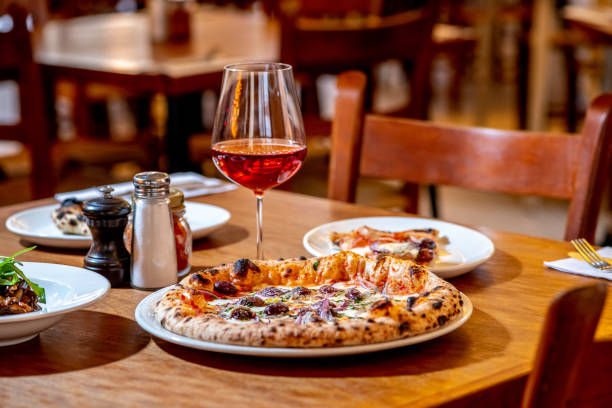
Light‑bodied reds with fresh tomato sauce
Choose a light‑bodied red that can keep up with the bright acidity of the tomato sauce without overwhelming the delicate mozzarella. Chianti Classico or a young Dolcetto offers bright red fruit, soft tannins, and a hint of earth that mirrors the herbaceous basil.
Serve the wine slightly chilled (around 55‑60°F) to enhance its refreshing character and to balance the pizza’s warmth. Look for wines with moderate alcohol (11‑12.5% ABV) so the alcohol doesn’t dominate the subtle flavors of the crust.
A crisp finish will cleanse the palate between bites, letting the fresh tomato and basil shine. When selecting a bottle, prioritize those labeled “unoaked” or “light style” to ensure the wine stays lively and food‑friendly.
Pair the slice with a single sip after each bite to let the acidity reset your taste buds, and consider a short decant to open up subtle spice notes.
Sangiovese: the traditional Italian match
Sangiovese is the cornerstone of many Italian reds and naturally complements a Margherita’s simplicity. Its bright cherry and plum fruit, coupled with lively acidity, mirrors the tang of tomato while its gentle tannic structure respects the soft mozzarella.
Medium‑body and typically 12‑13% ABV, Sangiovese provides enough backbone to stand up to the herbaceous basil without masking it. Look for a Chianti Rufina or a simple Tuscan Rosso that showcases primary fruit rather than oak‑driven flavors. Serve at around 60°F to keep the wine’s aromatic profile vibrant.
When enjoying the pizza, take a small sip before each bite; the wine’s acidity will cut through the cheese’s richness, while the subtle earth notes will echo the oregano and olive oil. Choosing a youthful bottling (2‑4 years old) ensures the fruit remains fresh and the pairing stays lively.
Alternative options: Pinot Noir and Barbera
If you prefer a red that leans toward elegance rather than rustic power, consider a cool‑climate Pinot Noir or a vibrant Barbera. Pinot Noir offers silky tannins, red‑berry aromas, and a refreshing acidity that can lift the sweet‑tart tomato base without adding heaviness.
Look for a Pinot from Oregon’s Willamette Valley or a light‑bodied Italian Nebbiolo‑style Pinot to keep the profile bright. Barbera, especially from Asti, delivers juicy blackberry and plum notes, high acidity, and low tannins, making it a natural companion for the cheese and basil.
Serve both wines slightly chilled (55‑58°F) to accentuate their fruit freshness. Pair a slice with a sip just after the first bite; the wine’s acidity will balance the sauce while the fruit nuances highlight the fresh mozzarella.
These alternatives provide flexibility for those who enjoy a smoother mouthfeel while still honoring the pizza’s classic flavors.
Tips for Matching Red Wine with Meat Toppings
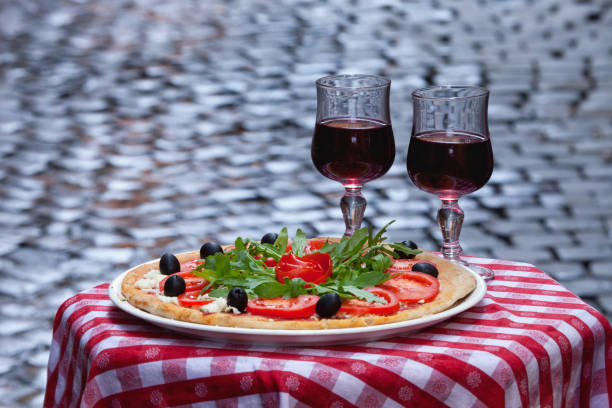
Pepperoni and spicy salami: medium‑bodied reds
Pair pepperoni and spicy salami with medium‑bodied reds that can stand up to the heat without overwhelming the pizza crust. Look for wines offering bright acidity, moderate tannins, and fruit flavors like cherry or raspberry.
Choose a Sangiovese from Tuscany or a Chianti Classico, whose herbaceous notes complement the oregano and garlic often found on these pies. A Grenache‑based blend from the Southern Rhône also works, delivering soft spice and a supple mouthfeel that matches the pepper’s peppery bite.
When selecting, aim for a wine with 12‑13% alcohol to keep the palate lively. Serve slightly chilled, around 60‑65°F, to enhance freshness and balance the richness of the cheese and meat.
This approach ensures the wine’s fruit lifts the savory toppings while the acidity cuts through the fat, creating a harmonious bite after bite experience.
Sausage and ham: fuller‑bodied choices
Match sausage and ham toppings with fuller‑bodied reds that can handle the meat’s richness and subtle sweetness. Opt for wines that provide firm tannins, ripe dark‑fruit flavors, and a touch of earthiness.
Try a Cabernet Sauvignon from California or a Bordeaux‑style blend, whose blackcurrant and cedar notes echo the smoky ham and seasoned sausage. A Barolo made from Nebbiolo also shines, offering tar and rose aromas that complement the herbal seasoning often used on these pies.
Look for a wine with 13.5‑14.5% alcohol to ensure enough structure without overpowering the cheese. Serve at 64‑68°F to reveal the wine’s complexity and to keep the palate from feeling too heavy.
By pairing a robust red, the meat’s savory depth is highlighted while the wine’s acidity balances the fatty cheese, delivering a satisfying and cohesive flavor profile.
Balancing smoky flavors with wine fruit
To tame smoky pizza toppings, choose reds that bring forward juicy fruit to counteract the charred notes. Look for wines with pronounced berry or plum character, moderate acidity, and soft tannins that won’t clash with the smoke.
Select a Zinfandel from California’s Sonoma County, whose jammy raspberry and black‑pepper spice lifts the smoky sausage while softening the after‑taste. A Malbec from Argentina, with its plum‑laden palate and subtle violet hints, also works well, providing a velvety mouthfeel that smooths the grill‑kissed crust.
Aim for a wine with 13‑13.5% alcohol to keep the balance lively. Serve slightly cooler than room temperature, around 62‑66°F, to emphasize fruit freshness.
This strategy ensures the wine’s fruitiness offsets the intensity of the smoke, creating a harmonious bite where the pizza’s depth and the wine’s vibrancy shine together perfectly.
Best Red Wines for Spicy Pizza
Choosing wines with low tannin
When matching a red wine to a spicy pizza, start by selecting wines that have low tannin levels. Low‑tannin reds feel smoother on the palate and won’t amplify the peppery or chili heat from the toppings.
Look for fruit‑forward profiles, soft acidity, and a gentle mouthfeel; these characteristics help cool the spice while still delivering enough body to stand up to tomato sauce and cheese. Avoid highly astringent varieties like Nebbiolo or Cabernet Sauvignon, which can make the heat feel harsher.
Instead, reach for wines such as Pinot Noir, Barbera, or a young Chianti that deliver bright red fruit and modest structure. Serve the wine slightly chilled—around 55‑60 °F—to further soften tannins and create a refreshing contrast that keeps the pizza enjoyable bite after bite.
Pairing this way also ensures the wine’s subtle spice notes echo the pizza’s herbs without overwhelming the overall flavor balance.
Cooler climate reds to tame heat
Cooler climate red wines naturally develop higher acidity and lower alcohol, two traits that act as built‑in heat regulators for spicy pizza. Higher acidity cuts through the richness of cheese and tomato, while the modest alcohol level prevents the alcohol burn from magnifying the pepper heat.
Regions such as the Loire Valley, Oregon’s Willamette Valley, and New Zealand’s Central Otago produce reds that are fruit‑rich yet restrained, offering flavors of red berries, subtle earth, and a crisp finish.
When you choose a cooler climate wine, look for descriptors like “bright,” “fresh,” or “lean.” Serve it a few degrees below room temperature to accentuate its refreshing qualities.
This approach not only tempers the spice but also highlights the pizza’s herbaceous toppings, creating a harmonious dining experience that feels lighter than a full‑bodied, warm‑climate counterpart.
Examples: Grenache, Zinfandel, and Shiraz
To give you concrete options, consider three red varieties that consistently perform well with spicy pizza: Grenache, Zinfandel, and Shiraz. Grenache from southern France or California offers juicy raspberry and white‑pepper notes, moderate alcohol, and soft tannins that soothe heat without drowning the sauce.
Zinfandel from California’s warmer regions brings jammy blackberry, a touch of spice, and a slightly higher alcohol level that can stand up to bold toppings like pepperoni or sausage, yet its ripe fruit keeps the palate from feeling burnt.
Shiraz (or Syrah) from cooler Australian zones or the Rhône delivers dark plum, smoked paprika, and a peppery finish, providing a complementary spice echo while its medium‑body and balanced acidity prevent the pizza’s heat from becoming oppressive.
Serve each wine at 58‑62 °F, and you’ll notice how the fruit‑forward profile and gentle spice of these reds turn a fiery slice into a balanced, enjoyable meal.
How to Pair Red Wine with White Sauce Pizza
Why lighter reds work better
Choosing a red wine for a white‑sauce pizza can feel tricky, but lighter‑bodied reds often shine because they won’t drown the delicate cream and cheese. Opt for wines with bright acidity and soft tannins; these qualities cut through the richness while preserving the subtle herb notes.
A lighter profile also complements the buttery crust without creating a clash of heavy flavors. When you pick a wine such as a young Chianti or a Pinot Noir, look for fruit‑forward aromas like red cherry or raspberry that echo the sauce’s mild sweetness.
Keep the alcohol level moderate, ideally around 12‑13%, so the wine feels refreshing rather than overwhelming. By focusing on balance, you ensure every bite and sip works together, enhancing the overall dining experience rather than competing with each other.
Serve the wine slightly chilled, around 55°F, to further accentuate its freshness and to match the pizza’s warm, comforting texture.
Pairing with garlic and herb sauces
When the white sauce is infused with garlic and fresh herbs, the wine must echo those aromatic layers without overpowering them.
Select a red that offers gentle spice and a clean finish, such as a Dolcetto or a light Sangiovese, which can mirror the garlic’s bite while letting basil, oregano, or thyme shine.
Look for subtle peppery notes in the wine that complement the herbaceous profile, and avoid overly oaky or heavily tannic selections that would mask the sauce’s nuance. A moderate alcohol content, around 12%, keeps the palate lively and prevents the wine from feeling hot against the pizza’s creamy base.
Serve the wine slightly below room temperature to enhance its crispness, allowing each sip to refresh the palate between bites and highlight the fragrant herb blend. This thoughtful pairing turns a simple white‑sauce pizza into a harmonious culinary experience.
Top picks: Chianti Classico, Dolcetto
To simplify your decision, focus on two reliable reds that consistently complement white‑sauce pizza: Chianti Classico and Dolcetto d’Alba.
Chianti Classico brings bright cherry and plum flavors, a hint of earth, and lively acidity that cuts through the creamy sauce while resonating with any tomato‑free toppings like spinach or roasted vegetables. Its moderate tannins add structure without overwhelming the cheese.
Dolcetto, on the other hand, offers softer tannins, a plush mouthfeel, and notes of black‑berry and licorice that pair beautifully with garlic‑heavy sauces and herb‑infused oils. Both wines maintain an alcohol level near 12‑13%, ensuring they stay refreshing rather than cloying.
Serve them at about 58°F, slightly cooler than typical reds, to accentuate their fruit‑forward character. By keeping a bottle of each on hand, you’re prepared for any white‑sauce pizza night, delivering a balanced, enjoyable pairing every time.
Common Mistakes When Pairing Red Wine and Pizza
Overpowering the pizza with high‑alcohol wines
One of the most common errors is reaching for a high‑alcohol, full‑bodied red such as a 15% ABV Cabernet Sauvignon or Syrah, assuming its intensity will match the pizza’s richness.
In reality, the wine’s strong tannins and alcohol can drown out the tomato sauce, cheese, and subtle herb notes, leaving the palate feeling hot and unbalanced. Instead, choose a wine with moderate alcohol (around 12‑13%) and softer tannins, like a Chianti Classico or a Barbera.
These options provide enough fruit and acidity to complement the sauce without overwhelming the cheese or toppings. Keep the alcohol level modest and favor softer tannins to let the pizza’s flavors shine through rather than being eclipsed by the wine’s power.
A good rule of thumb is to match the wine’s acidity with the tomato base; a wine that is too flat will feel dull, while one that is too sharp can clash with the cheese.
Also, consider the toppings: pepperoni or sausage benefit from a touch of spice in the wine, whereas a simple Margherita pairs best with a fruit‑forward profile.
Ignoring the crust’s texture
Many pizza lovers focus solely on sauce and toppings, forgetting that the crust contributes a distinct texture and flavor that should influence the wine choice.
A thick, chewy, buttery crust can handle a wine with a bit more body, such as a medium‑bodied Merlot, while a thin, crisp crust pairs better with a lighter, more acidic red like a Dolcetto.
When the crust is ignored, the wine may feel mismatched—either too heavy for a delicate base or too light for a hearty edge.
To avoid this, assess the crust first: match the wine’s weight to the crust’s density and consider the crust’s fat content, which can soften tannins and highlight fruit.
For example, a rustic, olive‑oil brushed focaccia‑style crust works well with a soft‑tannic, fruit‑forward Zinfandel, whereas a classic New York‑style slice shines with a bright, low‑tannin Sangiovese.
Skipping temperature considerations
Serving red wine too warm is a subtle mistake that can ruin the harmony between wine and pizza. Warm reds accentuate alcohol and tannin harshness, making the wine taste flabby and masking the bright acidity needed to cut through cheese and tomato.
Conversely, serving a wine too cold dulls its fruit and can make it seem thin against a robust pizza. Aim for a serving temperature of 60‑65 °F (15‑18 °C) for medium‑bodied reds like a Chianti or a Grenache.
Chill the bottle briefly in the refrigerator if it has been stored at room temperature, then let it sit for a few minutes before pouring.
Maintain the proper temperature to preserve the wine’s structure, and allow a brief breathing period to open up aromatics, ensuring the wine supports the pizza’s flavors rather than competing with them.
Where to Buy the Perfect Red Wine for Pizza Night
Local wine shops vs. online retailers
When deciding where to source your pizza‑pairing red, weigh the strengths of local wine shops against the convenience of online retailers. Talk to staff at a neighborhood store; they often know which regional blends complement tomato‑based sauces and can offer tastings on the spot.
In contrast, online platforms provide price comparison tools and user reviews that reveal crowd‑tested matches, plus the ability to order rare bottles that aren’t stocked locally. Consider logistics: a shop lets you grab a bottle immediately, while shipping may add days but often includes free delivery thresholds.
If you’re experimenting, buy a single‑bottle case from a shop to test flavor before committing to a larger online order. Finally, note return policies—many e‑commerce sites accept unopened bottles, whereas brick‑and‑mortar stores may limit refunds. Balancing personal guidance with broader selection helps you pinpoint the perfect red for pizza night.
Reading labels for food‑pairing clues
Reading the label is a shortcut to discovering a wine that naturally sings with pizza. Look for regional indicators such as Chianti, Montepulciano, or Barbera; these Italian reds are crafted to match tomato acidity and herb‑laden toppings.
Pay attention to the grape variety—Sangiovese offers bright cherry notes that cut through cheese, while Zinfandel brings peppery spice that enhances meat‑laden pies. Alcohol level is another clue: wines under 13.5% ABV stay lively without overwhelming the crust.
If the label mentions oak aging, expect smoother tannins that soften the bite of pepperoni. Finally, note the vintage; younger vintages tend to be fruitier and more adaptable to the varied flavors of pizza, whereas older bottles may be too nuanced for casual dining.
By decoding these elements, you can select a bottle with confidence, even before the first sip.
Budget‑friendly options under $20
Enjoying a great red with pizza doesn’t have to break the bank; plenty of quality options sit comfortably under $20. Value‑driven varietals like Nero d’Avola, Dolcetto, or a well‑priced California Zinfandel deliver bold fruit and moderate tannins that pair beautifully with cheese‑heavy slices.
Shop the clearance aisle at your local supermarket or explore bulk‑discount clubs; they often stock multi‑case deals that shave $2‑$3 off each bottle. Online, filter results by price and read community ratings to pinpoint hidden gems—many boutique producers offer 12‑ounce bottles for $15 when you subscribe to their mailing list.
Don’t overlook store‑brand selections; large chains sometimes collaborate with regional vineyards, producing label‑private reds that rival name‑brand quality at a fraction of the cost. By focusing on these budget‑friendly strategies, you’ll secure a satisfying red that elevates pizza night without inflating your grocery bill.
Frequently Asked Questions
What type of red wine pairs best with classic Margherita pizza?
A light‑to‑medium red like Chianti or a Sangiovese works well because its bright acidity cuts through the tomato sauce and complements the fresh basil and mozzarella without overwhelming the flavors.
Can I drink a bold red wine, like Cabernet Sauvignon, with pizza?
Bold reds can be too tannic for most pizzas, but they can pair nicely with hearty, meat‑laden pies such as pepperoni or sausage, where the wine’s structure matches the robust toppings.
Is a Pinot Noir a good choice for pizza with vegetables?
Yes, Pinot Noir’s soft tannins and red‑fruit notes complement vegetable toppings like mushrooms, bell peppers, and olives, providing a balanced and elegant match.
What red wine should I choose for a spicy pizza?
A fruit‑forward, low‑tannin wine such as Zinfandel or a Grenache blend helps tame the heat while enhancing the spicy flavors with its jammy fruit character.
Do I need to consider the crust when picking a red wine?
A thin, crispy crust pairs well with lighter reds like Barbera or Dolcetto, whereas a thick, chewy crust can handle a fuller‑bodied wine like Merlot without the wine feeling lost.
Are there any non‑traditional red wines that work surprisingly well with pizza?
Yes, a chilled Beaujolais Nouveau or a young Tempranillo can be refreshing alternatives, offering bright fruit and low tannins that keep the pairing lively and food‑friendly.
Conclusion
When pairing red wine with pizza, choose bright, medium‑bodied reds like Chianti, Sangiovese, or a light Barolo to complement tomato sauce, while fruit‑forward Zinfandel or Grenache works well with richer toppings. Remember to match acidity and tannins to the crust and cheese for balance. Experiment with these suggestions, trust your palate, and enjoy discovering the perfect sip for every slice and share your favorite combos with friends.