
What Pairs With Merlot
Looking for the perfect companion to your glass of Merlot? You’ve come to the right place. In the next few lines we’ll quickly reveal the top foods, cheeses, and even desserts that enhance Merlot’s smooth, fruity character. From juicy grilled steak to mushroom risotto, from sharp aged cheddar to dark chocolate, we’ll give you clear, tasty pairings you can try tonight. Get ready to elevate your wine experience without any guesswork. Enjoy the flavors, share with friends, and savor it.
Best ways to pair Merlot with meat
Grilled steak and burgers
When pairing Merlot with grilled steak or burgers, focus on the wine’s soft tannins and ripe fruit. Choose cuts with moderate fat, like ribeye or a juicy burger patty, to let the wine’s acidity cut through richness.
Season with simple herbs—rosemary, thyme, or a touch of smoked paprika—to echo the wine’s subtle oak notes. Grill the meat to a medium‑rare finish; over‑cooking can create bitterness that overwhelms the Merlot’s plum flavors.
Serve with a light mushroom or caramelized onion topping, which adds earthiness that mirrors the wine’s berry undertones. This combination enhances the wine’s smooth mouthfeel while keeping the meat juicy and flavorful.
Roast lamb and pork
Merlot’s medium body pairs beautifully with roasted lamb and pork, especially when the meat is seasoned with aromatic spices. Apply a rub of garlic, rosemary, and a hint of cumin to the lamb, allowing the herbaceous notes to complement the wine’s soft tannins.
For pork, a glaze of honey, mustard, and apple cider adds a sweet‑savory balance that highlights Merlot’s blackberry and plum character. Roast both meats to a golden crust, preserving juiciness inside; this contrast lets the wine’s acidity refresh the palate.
Pair with a side of roasted root vegetables or a light beet salad to echo the wine’s earthy nuances and create a harmonious dining experience.
Braised short ribs
Braised short ribs benefit from Merlot’s plush fruit and gentle structure. Slow‑cook the ribs in a red‑wine‑based broth with carrots, onions, and a splash of tomato paste to develop deep, savory flavors that mirror the wine’s richness.
The melt‑in‑your‑mouth tenderness pairs with Merlot’s silky texture, while the sauce’s slight acidity balances the meat’s fattiness. Finish the dish with a sprinkle of fresh parsley for a bright contrast. Serve over creamy polenta or buttery mashed potatoes to absorb the sauce and enhance the wine’s velvety mouthfeel.
This pairing showcases how Merlot can elevate hearty, slow‑cooked dishes without overwhelming them.
Barbecue ribs
For smoky barbecue ribs, Merlot’s fruit-forward profile and subtle oak complement the char and sweet glaze. Season the ribs with a dry rub of brown sugar, smoked paprika, and black pepper, then finish with a tangy barbecue sauce that contains hints of vinegar and fruit.
The wine’s moderate tannins cut through the rib’s fat, while its cherry and plum notes echo the sauce’s sweetness. Serve the ribs hot, allowing the caramelized crust to meet the wine’s smooth finish.
Pair with a simple coleslaw or corn on the cob to add crunch and freshness, creating a balanced plate where Merlot enhances the smoky, sweet flavors of the ribs.
Tips for pairing Merlot with cheese
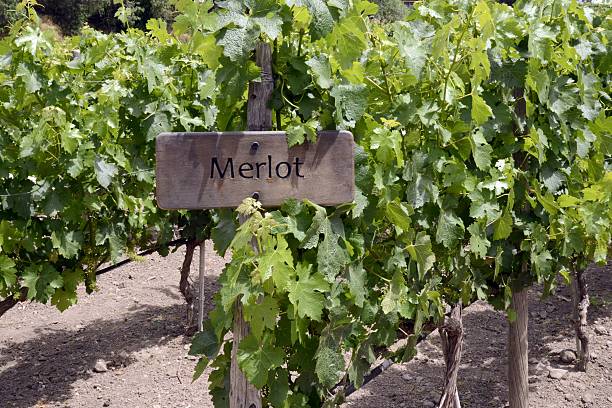
Aged cheddar and gouda
Pair Merlot with aged cheddar or gouda to highlight the wine’s fruit and soft tannins. Choose cheeses aged 12‑18 months for a firm texture that stands up to the wine’s medium body.
The nutty, caramel notes in mature cheddar echo the plum and cherry flavors of Merlot, while gouda’s buttery richness amplifies the wine’s subtle oak. Serve the cheese at room temperature and slice into bite‑size pieces for easy tasting.
A small drizzle of honey or a few toasted walnuts can add a sweet‑salty contrast that further enhances the pairing, making each sip and bite more harmonious. Enjoy this combination during a relaxed evening or a small gathering with friends.
Soft cheeses like brie
Merlot’s soft tannins and ripe berry profile make it an excellent companion for creamy brie. Select a brie that has matured 4‑6 weeks, allowing a buttery interior and a subtle earthy rind to develop.
The wine’s acidity cuts through the cheese’s richness, while its fruit notes highlight the mushroomy nuances of the rind. Serve the brie slightly warmed, either at room temperature or gently heated in a ramekin, to enhance its melt‑in texture.
Pair with a slice of fresh baguette, a drizzle of fig jam, or a few sliced pears to introduce a sweet counterpoint that balances the wine’s depth, creating a seamless, indulgent tasting experience.
Blue cheese considerations
While Merlot’s fruitiness can tame the sharpness of blue cheese, careful selection is key. Opt for milder blues such as Gorgonzola Dolce or Danish blue, which offer creamy textures without overwhelming the wine.
The wine’s soft tannins soften the cheese’s salty bite, and its plum undertones echo the earthy veins of the blue. Serve the cheese in small crumbles on a cracker or alongside a spoonful of honey to introduce a sweet balance.
Pair with roasted almonds or a few dried apricots to add texture and a hint of acidity that brightens the palate. This thoughtful combination lets the Merlot shine while the blue cheese adds a nuanced, savory depth.
Cheese board balance
Creating a balanced cheese board for Merlot ensures every bite complements the wine’s profile. Include a mix of textures: a firm aged cheddar, a soft brie, and a crumbly blue, each offering a different mouthfeel.
Arrange the cheeses from mild to strong, placing the brie near the center and the blue at the edge to guide the tasting progression. Add neutral accompaniments like fresh grapes, sliced apples, and toasted baguette slices to provide a palate cleanser between flavors.
Incorporate a handful of nuts and a drizzle of honey or balsamic reduction for sweet‑savory contrast. By thoughtfully curating the board, you allow the Merlot’s fruit, acidity, and subtle oak to interact harmoniously with each cheese component.
How to match Merlot with poultry and fish
Roasted chicken and turkey
Pair Merlot with roasted chicken or turkey to highlight the wine’s medium‑body and soft tannins, which complement the meat’s juicy texture without overwhelming it. Roast the bird with herbs like rosemary, thyme, and sage; the aromatic herbs echo the wine’s subtle herbaceous notes.
Add a splash of balsamic glaze or a light mushroom gravy to introduce a hint of acidity that balances the wine’s ripe plum fruit. Serve the dish hot, allowing the skin’s crispness to contrast the wine’s smooth finish.
This combination creates a harmonious mouthfeel where the wine’s silky texture enhances the poultry’s savory depth, making each bite and sip more satisfying.
Duck with fruit glaze
Match Merlot with duck glazed in fruit to take advantage of the wine’s rich berry flavors and soft tannic structure. The natural fattiness of duck is softened by a glaze of cherries, plums, or orange marmalade, echoing the wine’s jammy fruit profile.
Cook the duck to a crisp, pink‑centered finish; the caramelized skin adds a sweet‑savory dimension that mirrors the wine’s subtle spice notes. Pairing the dish with a side of roasted root vegetables enhances the earthiness, complementing the Merlot’s smooth finish.
This synergy allows the wine’s velvety mouthfeel to cut through the richness, creating a balanced experience where fruit, fat, and tannin harmonize.
Salmon with earthy sauces
Pair Merlot with salmon dressed in earthy sauces to balance the fish’s silky texture and the wine’s moderate acidity. Choose a sauce featuring mushrooms, miso, or a walnut‑pesto; these ingredients echo the wine’s forest floor undertones and add depth.
Lightly sear the salmon to keep the flesh tender, allowing the ripe blackberry notes of the Merlot to complement the fish’s natural buttery richness. A drizzle of balsamic reduction introduces a gentle sweet‑tart contrast that mirrors the wine’s soft tannins.
Serve with sautéed greens or quinoa to reinforce the earthy theme, creating a cohesive plate where the wine’s smooth finish enhances the salmon’s flavor without overpowering it.
Turkey burgers
Serve Merlot alongside turkey burgers to highlight the wine’s soft tannins and fruit-forward character. Season the ground turkey with herbs like sage, thyme, and a touch of smoked paprika; these flavors resonate with the wine’s subtle spice and ripe plum nuances.
Grill the patties until they’re juicy but not dry, then top with caramelized onions, roasted red peppers, or a fig jam that mirrors the Merlot’s sweet‑berry profile. Add a slice of aged cheddar for a creamy contrast that softens the wine’s acidity.
Pair the burger with a side of sweet potato wedges or a mixed greens salad dressed in a light vinaigrette to complete the balanced, satisfying dining experience.
What to serve with Merlot at a dinner party
Appetizer ideas
Start your dinner party with appetizers that let Merlot’s soft tannins shine. Aged cheddar or Gouda offers a buttery richness that mirrors the wine’s fruit notes, while a platter of prosciutto‑wrapped figs adds a sweet‑salty contrast. Lightly grilled portobello mushrooms bring earthy depth, complementing the wine’s subtle oak.
Include a small bowl of olive tapenade on toasted baguette slices for a briny bite that balances the fruitiness.
These selections are easy to assemble, keep guests mingling, and set a harmonious tone for the rest of the meal, ensuring the Merlot is never overwhelmed but consistently enhanced throughout the opening course.
Side dish selections
Transition to side dishes that reinforce Merlot’s plum and cherry character. Roasted root vegetables—carrots, parsnips, and beets—bring natural sweetness that echoes the wine’s ripe fruit, especially when tossed with rosemary and a drizzle of olive oil.
Sautéed green beans almondine adds a crisp texture and nutty flavor, highlighting the subtle spice in the Merlot. For a richer option, serve creamy polenta infused with Parmesan; its buttery smoothness mirrors the wine’s velvety mouthfeel.
These sides are straightforward to prepare in bulk, keep the table vibrant, and maintain a balanced palate, allowing the Merlot to glide effortlessly from the appetizer to the main course.
Main course options
Choose main courses that stand up to Merlot’s medium‑body and soft tannins. Grilled ribeye steak seasoned with cracked black pepper and a hint of garlic pairs beautifully, as the wine’s dark berry notes cut through the meat’s richness.
For a poultry alternative, try herb‑crusted chicken thighs baked with thyme and rosemary; the aromatic herbs echo the subtle herbal undertones of the Merlot. Lamb shank braised in red wine, tomatoes, and rosemary creates a harmonious meld, reinforcing the wine’s plum depth.
Vegetarian guests will enjoy mushroom risotto enriched with Parmesan, whose earthy flavors mirror the wine’s subtle oak. Each option offers a satisfying balance, ensuring the Merlot remains a star throughout the dinner.
Dessert pairings
End the evening with desserts that complement Merlot’s lingering fruit and gentle spice. Dark chocolate truffles with a hint of sea salt amplify the wine’s blackberry notes while adding a luxurious texture. Cherry clafoutis offers a warm, baked fruit flavor that mirrors the wine’s natural acidity, creating a seamless finish.
For a lighter choice, serve roasted figs drizzled with honey; the caramelized sweetness resonates with the Merlot’s subtle vanilla undertones. Finally, a modest cheese plate featuring blue cheese can provide a bold contrast, highlighting the wine’s soft tannins.
These dessert options keep the palate satisfied without overpowering the Merlot, delivering a memorable conclusion.
Best ways to pair Merlot with vegetarian dishes
Mushroom risotto
Serve a creamy mushroom risotto alongside a medium‑bodied Merlot to highlight the wine’s soft tannins and ripe berry notes. Start by cooking arborio rice with a mix of porcini, shiitake, and cremini mushrooms, deglazing with a splash of dry white wine for depth.
Finish with Parmesan and a drizzle of truffle oil for richness. Serve the risotto warm (around 65°F/18°C) and let the Merlot’s subtle oak and plum flavors complement the earthiness of the mushrooms.
Sip slowly after each bite to let the wine cleanse the palate, enhancing both the dish’s umami and the wine’s fruit‑forward character.
Grilled vegetable platters
A colorful grilled vegetable platter pairs beautifully with Merlot’s soft acidity and mellow tannins. Season zucchini, bell peppers, eggplant, and asparagus with olive oil, sea salt, and smoked paprika before grilling to achieve caramelized char.
Arrange the vegetables on a large board, adding a sprinkle of fresh herbs like thyme or rosemary. Serve the platter at room temperature (around 68°F/20°C) so the Merlot’s cherry and blackberry notes can shine without being overpowered.
Take a sip after each bite to let the wine’s subtle spice balance the smoky sweetness of the vegetables, creating a harmonious, light‑hearted dining experience.
Legume stews
Hearty legume stews, such as a lentil and bean medley, are an excellent match for Merlot’s medium body and gentle fruit profile. Begin by sautéing onions, carrots, and celery, then add a mix of brown lentils, cannellini beans, and a splash of tomato puree.
Simmer with vegetable broth, bay leaf, and a pinch of cumin for depth. Serve the stew hot (around 140°F/60°C) with a crusty whole‑grain roll. The Merlot’s soft tannins and notes of black cherry help cut through the stew’s richness, while its subtle oak complements the earthy legumes.
Sip between spoonfuls to refresh the palate and highlight the stew’s layered flavors.
Stuffed peppers
Stuffed bell peppers filled with quinoa, roasted vegetables, and feta cheese create a vibrant pairing with Merlot’s balanced acidity and fruitiness. Core the peppers and fill them with a mixture of cooked quinoa, diced zucchini, sun‑dried tomatoes, and crumbled feta, seasoned with oregano and lemon zest.
Bake until the peppers are tender and the filling is lightly browned. Serve the peppers warm (about 130°F/55°C) on a simple salad of arugula and vinaigrette. The Merlot’s plum and soft spice notes complement the sweet pepper flesh and tangy cheese, while its moderate tannins cleanse the palate.
Enjoy a sip after each bite to accentuate the dish’s bright, herb‑forward flavors.
Tips for pairing Merlot with desserts
Dark chocolate treats
Pair Merlot with dark chocolate treats by selecting bars or truffles that contain 60‑70% cocoa. The wine’s soft tannins and ripe plum notes complement the chocolate’s bitterness, while a hint of vanilla in the dessert echoes the wine’s subtle oak.
Choose desserts with a touch of caramel or espresso to enhance the rich fruit flavors of the Merlot. Serve the wine slightly chilled (around 60°F) to keep the fruit forward and prevent the chocolate from overwhelming the palate.
This combination creates a harmonious balance where each sip refreshes the palate between bites, making the pairing both elegant and approachable. Finish the experience with a lingering note of blackberry that mirrors the dessert’s dark depth.
Berry tarts
Match Merlot with berry tarts by focusing on desserts that showcase strawberries, raspberries, or blackberries atop a buttery crust. The wine’s juicy acidity cuts through the tart’s sweet glaze, while its soft tannins echo the berries’ natural tartness.
Opt for tarts that include a light custard or almond frangipane to bring out the Merlot’s subtle spice and enhance its plum and cherry undertones. Serve the wine at cellar temperature (around 58‑60°F) to keep the fruit flavors bright and the tannic structure gentle.
This pairing creates a refreshing contrast where each bite amplifies the wine’s fruit profile, delivering a lively and balanced dessert experience.
Cheesecake variations
Pair Merlot with cheesecake variations by selecting versions that incorporate fruit compotes, chocolate swirls, or caramel drizzles. The wine’s silky mouthfeel mirrors the creamy texture of the cheesecake, while its soft tannins balance the richness of the dairy.
A classic New York style topped with a raspberry coulis highlights the Merlot’s blackberry and plum notes, whereas a chocolate‑marbled cheesecake accentuates the wine’s subtle oak and spice undertones.
Serve the wine slightly cooler than room temperature (around 60‑62°F) to maintain freshness and prevent the wine from overpowering the delicate dessert. This harmonious match lets each spoonful and sip enhance the other, delivering a luxurious finish to the meal.
Nutty desserts
Combine Merlot with nutty desserts such as almond biscotti, pecan pie, or hazelnut pralines to exploit the wine’s gentle tannic structure and ripe fruit backbone. The nut oils soften the wine’s astringency, while the Merlot’s soft cherry and plum flavors lift the roasted notes of the nuts.
Opt for desserts that include a hint of honey or brown sugar; this sweet element mirrors the wine’s subtle vanilla and spice nuances, creating a cohesive taste experience. Serve the wine at a modestly cool temperature (around 61°F) to keep the fruit bright and the nutty flavors pronounced.
This pairing delivers a comforting, balanced finish that highlights both the wine’s elegance and the dessert’s richness.
Common pairing mistakes to avoid with Merlot
Overly spicy foods
Merlot’s soft tannins and ripe fruit flavors are easily overwhelmed by intense heat. Overly spicy dishes—think fiery chilies, hot sauces, or heavily peppered meats—can mask the wine’s subtle plum and cherry notes, leaving the palate flat. Avoid high heat levels and instead choose milder seasoning that lets the wine shine.
If you crave spice, opt for a gentle hint of black pepper or smoked paprika rather than blazing heat. Pairing Merlot with moderately seasoned foods preserves balance, allowing the wine’s smooth texture to complement the dish without being drowned out.
A modest dash of cumin or coriander can add depth without overpowering the wine’s elegance.
Highly acidic sauces
Merlot’s gentle acidity pairs best with foods that have a balanced, not aggressive, sour component. Highly acidic sauces—such as tomato‑heavy marinara, citrus‑based dressings, or vinegar‑rich reductions—can clash with the wine’s fruit profile, making it taste flat or overly tart.
Limit the acidity by thinning the sauce or mixing it with a touch of cream or broth to soften the sharp edge. When you do use tomato, choose a lightly cooked, low‑sugar version and add a pinch of sugar to tame the bite.
Pairing Merlot with moderately acidic preparations lets the wine’s soft tannins and plum undertones complement the dish rather than compete.
Very sweet desserts
Merlot’s medium body and soft fruit character can be overwhelmed by very sweet desserts, which tend to dominate the palate and make the wine taste bitter or sour. Rich chocolate cakes, sugary pastries, or honey‑laden tarts often contain more sugar than Merlot can balance.
Avoid high‑sugar finishes and instead opt for desserts with subtle sweetness, such as a lightly poached pear or a cheese plate with a mild blue.
If you must serve a sweet treat, choose one with moderate sweetness and complementary flavors like toasted nuts or dried fruit, allowing the wine’s blackberry and plum notes to shine without being masked.
Heavy cream sauces
Heavy cream sauces bring rich, buttery textures that can clash with Merlot’s gentle tannins, making the wine feel thin and the dish overly heavy. Cream‑based alfredo, mushroom stroganoff, or cheese‑laden gratins coat the palate, leaving little room for Merlot’s fruit to express itself.
Limit the richness by using a lighter sauce base—such as a broth‑infused reduction—or by adding a splash of white wine to cut through the fat.
When a creamy element is essential, pair Merlot with moderately creamy dishes that incorporate herbs, citrus zest, or a touch of olive oil to balance the mouthfeel. This approach preserves the wine’s smooth character while keeping the overall meal harmonious.
Frequently Asked Questions
What foods complement the fruitiness of Merlot?
Dishes featuring red fruits, such as tomato-based sauces, roasted red peppers, or fruit glazes, enhance Merlot’s berry notes. Pairing with these ingredients accentuates the wine’s natural sweetness.
Which meats pair best with Merlot?
Medium‑to‑lean red meats like grilled lamb, pork tenderloin, and roasted chicken work well. Their mild flavor lets the wine’s soft tannins and plum character shine without overwhelming the palate.
Can Merlot be enjoyed with cheese?
Yes—soft cheeses such as Brie, Camembert, and mild Gouda match Merlot’s smooth texture. The creamy mouthfeel of these cheeses balances the wine’s moderate acidity.
What side dishes enhance a Merlot dinner?
Root vegetables like roasted carrots, beets, or sweet potatoes bring out the wine’s earthy undertones. Their natural sweetness mirrors Merlot’s plum and cherry flavors.
Is Merlot suitable for spicy cuisine?
Mild to moderate spice, such as in a pepper‑spiced pork stir‑fry or a herb‑infused chili, pairs nicely. The wine’s fruit profile cools the heat without clashing.
How does Merlot pair with desserts?
Desserts featuring dark chocolate, blackberries, or plums complement Merlot’s rich fruit and soft tannins. A chocolate mousse with a hint of cherry works especially well.
Conclusion
In sum, Merlot shines alongside roasted meats, earthy mushrooms, and hearty pasta dishes, while its soft tannins also complement aged cheeses, dark chocolate, and even grilled vegetables. Remember to balance the wine’s fruit-forward profile with savory or mildly sweet flavors for harmony. Experiment with these pairings to discover your personal favorites, and let each sip enhance your culinary adventures today.
