How To Wash Vitamix
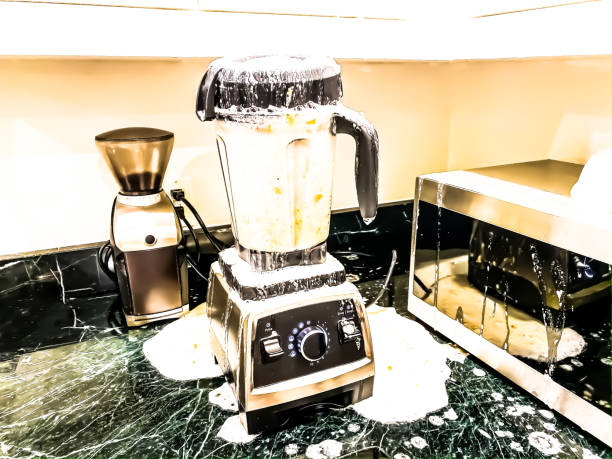
In this guide we’ll walk you through the fastest rinse, the best hand‑wash technique for stubborn residues, and tips for keeping the blades and container pristine. Whether you’re in a rush after a smoothie or tackling a sticky soup, you’ll find the exact method you need right here, quick and easy. Let’s get cleaning now together!
Identify Your Vitamix Model
Check the model number
Begin by locating the model number of your Vitamix, as cleaning instructions can vary between versions. Find the label on the base of the machine; it typically displays a series of letters and numbers such as 7500, 5200, or 750.
If the label is worn, consult the user manual or visit the official Vitamix website and enter the serial number found on the back panel. Knowing the exact model helps you determine whether your blender has a removable blade assembly, a self‑cleaning cycle, or special dishwasher‑safe components.
For example, the Vitamix 7500 features a detachable blade that can be rinsed separately, while the Vitamix 5200 relies on a simple blend‑and‑rinse method. Once you have confirmed the model, write it down or take a photo for future reference.
This step also ensures you avoid damaging parts that are not meant to be submerged, such as the motor base or certain electronic controls. Finally, verify any warranty or service guidelines that mention cleaning; using the correct technique preserves performance and extends the lifespan of your specific Vitamix model.
Additionally, check whether your model includes a built‑in cleaning program that can be activated with a simple button press, as this feature streamlines the washing process and reduces manual effort.
Know the specific cleaning recommendations
After identifying your Vitamix model, follow the cleaning recommendations tailored to its design. Most containers can be cleaned by adding warm water and a drop of mild dish soap, then running the blender on high for 30 to 60 seconds; this quick‑rinse method removes most residues without disassembly.
For models with removable blades, such as the 7500 or 750, detach the blade assembly and soak it in warm, soapy water for a few minutes before scrubbing with a soft brush; be sure to handle the blades carefully to avoid cuts.
If your unit features a self‑cleaning cycle, fill the jar halfway with water, add a teaspoon of liquid soap, and select the cleaning program; the machine will automatically pulse and rinse, leaving the interior sparkling.
Stainless‑steel containers may develop stubborn stains; a paste of baking soda and water applied with a non‑abrasive sponge can lift discoloration without scratching the surface. Never submerge the motor base or any electronic components, as exposure to moisture can cause electrical damage.
After washing, rinse thoroughly, dry the lid and container with a clean towel, and reassemble any detachable parts only when completely dry. Following these model‑specific steps ensures efficient cleaning, maintains peak performance, and prolongs the life of your Vitamix.
Pre-Cleaning Preparation
Unplug and disassemble safely
Before you begin any cleaning, always unplug the Vitamix and place it on a stable surface. Allow the motor to come to a complete stop, then carefully detach the blade assembly by twisting it counter‑clockwise. Remove the lid, any tamper, and the container from the base.
Inspect the base for any loose debris and set it aside. Keep the power cord out of the way to avoid accidental contact with water. This step ensures you won’t damage the motor or risk electric shock while you proceed with washing.
By handling each component separately, you also make it easier to reach every nook and crevice later in the cleaning process. Make sure the countertop is dry and free of clutter, and keep children or pets away while you work.
If your model has a detachable motor base cover, remove it now and set it aside for later cleaning. Double‑check that the blade assembly is fully loosened; a partially attached blade can cause damage when you rinse later.
Remove excess ingredients
After the machine is safely disassembled, focus on clearing out any leftover food before you introduce water. Use a spoon or spatula to scrape the sides of the container, pushing thick mixtures toward the blade hub.
If the blend was particularly sticky, dip a soft cloth in warm, soapy water and wipe the interior to loosen residue. Transfer any remaining puree to a bowl for storage, and discard large chunks that could clog the blades.
For dry ingredients like nuts or seeds, give the container a gentle tap over the sink to shake them loose.
This pre‑cleaning step prevents the buildup of stubborn particles that can become harder to remove once the vessel is wet, and it also reduces the amount of water and detergent needed for a thorough rinse later. Doing this quickly also minimizes the chance of ingredients drying onto the container walls.
Rinse with warm water
With the container cleared, begin the rinsing process using warm water to dissolve any remaining oils or sugars. Fill the jar about one‑third full and add a drop of mild dish soap, then replace the lid securely.
Run the Vitamix on low speed for 30 seconds, gradually increasing to medium; the vortex created will help lift particles from the blades and inner walls. After the cycle, pour out the soapy water and give the container a quick shake to expel excess liquid.
Rinse the jar again with clean warm water, repeating the spin cycle if any suds remain. For stubborn spots, pause the machine and use a soft brush or non‑abrasive sponge to scrub gently, focusing on the base of the blades where residue tends to collect.
Finish by drying the parts with a clean towel or allowing them to air‑dry on a rack before reassembly.
Cleaning the Pitcher
Hand-wash vs dishwasher
Cleaning a Vitamix pitcher can be done either by hand or in a dishwasher, but each method has distinct advantages. Hand‑washing gives you direct control over water temperature and allows you to inspect seals for wear, which helps maintain a tight fit and prevents leaks.
Use warm water, a mild detergent, and a non‑abrasive sponge to gently scrub the interior, then rinse thoroughly. Dishwasher cleaning is convenient for busy kitchens; most modern Vitamix models are top‑rack safe, and the high heat can help dissolve stubborn residues.
However, repeated cycles may degrade the pitcher’s plastic over time and can stress the blade assembly. To balance convenience with longevity, many users hand‑wash after heavy use and reserve the dishwasher for occasional quick cleans. Always check the manufacturer’s guide for specific dishwasher compatibility before placing the pitcher inside.
Using mild soap and a soft sponge
When you choose to hand‑wash your Vitamix pitcher, the choice of cleaning agents matters as much as the technique. Opt for a mild, fragrance‑free dish soap that won’t leave oily residues that could affect the flavor of future blends.
Apply a small amount of soap to a soft, non‑scratching sponge or a dedicated silicone brush, then glide it around the inner walls, paying special attention to the blade hub where food particles tend to hide.
Avoid using abrasive pads, steel wool, or harsh chemicals, as they can scratch the transparent plastic and create microscopic pits that harbor bacteria. Rinse the pitcher under warm running water until all suds disappear, and give the lid and sealing ring a quick wipe with the same sponge.
For stubborn stains, let the pitcher soak for a few minutes in warm, soapy water before repeating the gentle scrub. This routine keeps the pitcher crystal clear and safe for repeated use.
Avoiding abrasive cleaners
Preserving the clarity and integrity of your Vitamix pitcher hinges on steering clear of abrasive cleaners and harsh solvents. Never apply bleach, oven cleaners, or powdered scouring pads, as the chemicals can weaken the plastic and cause discoloration over time.
Likewise, avoid acidic cleaners such as undiluted vinegar or lemon juice on the blade area; while they are great for removing mineral buildup, they can erode the protective coating on the stainless‑steel blades if left too long.
Instead, stick to a gentle cleaning solution of warm water and a few drops of mild soap, and use a soft cloth or silicone scrubber for any lingering film.
If you notice a stubborn odor, fill the pitcher with warm water, add a teaspoon of baking soda, and let it sit for ten minutes before rinsing. By respecting the material limits, you extend the pitcher’s lifespan and keep every blend tasting pure.
Cleaning the Blades and Lid
Blade safety precautions
Before you even touch the Vitamix blades, always unplug the machine and place it on a stable, flat surface. Keep your hands and fingers away from the sharp edges; use the provided tamper or a rubber spatula to move ingredients instead of digging with a spoon.
If you need to disassemble the blade assembly, twist the container counter‑clockwise until it releases, then lift the jar away from the motor base. Wear a pair of cut‑resistant gloves if you feel uneasy, and never attempt to clean the blades while the motor is still connected to power.
Store the blade assembly in a protective sleeve or a dedicated compartment to avoid accidental cuts when retrieving it later. By following these blade safety precautions, you reduce the risk of injury and keep your Vitamix ready for the next blending session.
Cleaning the blade assembly
Once the blades are safely removed, rinse them immediately under warm running water to prevent food particles from drying and hardening. Fill a basin with a mixture of lukewarm water and a few drops of mild dish soap, then submerge the blade assembly for one to two minutes.
Use a soft‑bristled brush or an old toothbrush to gently scrub the edges, paying special attention to the hub where debris can lodge. Avoid abrasive pads, which can dull the stainless‑steel blades or scratch the plastic housing. After scrubbing, rinse thoroughly until no suds remain, and shake off excess water.
For stubborn residue, let the blades soak in a solution of equal parts white vinegar and water for five minutes, then repeat the brush step. Finally, dry the blades with a clean lint‑free cloth or let them air‑dry on a rack before reassembling.
This routine keeps the blade assembly sharp, hygienic, and ready for high‑speed performance.
Lid and sealing ring care
The lid and its sealing ring are essential for maintaining pressure and preventing leaks during blending, so give them proper attention after each use. Start by removing the lid and discarding any leftover ingredients, then rinse both parts under warm water.
Fill a bowl with hot, soapy water and soak the sealing ring for two to three minutes; this softens any dried residue and makes it easier to clean. Gently rub the ring with a soft cloth or a silicone brush, avoiding metal scrubbers that could tear the rubber.
Rinse the ring thoroughly, ensuring no soap bubbles remain, and pat it dry with a towel before placing it back on the lid.
For the lid’s interior, wipe it with a damp cloth soaked in a diluted vinegar solution (one part vinegar to three parts water) to eliminate odors and mineral buildup.
Finally, inspect the ring for cracks or wear; replace it promptly if you notice any damage, as a compromised seal can affect blending efficiency and safety. Consistent lid and sealing ring care extends the life of your Vitamix.
Deep Cleaning Techniques
Vinegar and baking soda soak
Start by unplugging the Vitamix and removing the blade assembly if your model allows. Disassemble the container, lid, and tamper, then place them in a large bowl. Fill the bowl with warm water, add one cup of white vinegar, and sprinkle two tablespoons of baking soda.
The mixture will fizz, helping to loosen dried residue. Let the parts soak for 10‑15 minutes while the motor base remains untouched. After soaking, use a soft sponge to scrub the interior, paying special attention to the blade area.
Rinse each piece thoroughly with clean water to eliminate any lingering acidity. Finally, dry with a lint‑free cloth or let air‑dry on a clean rack before reassembling. This method neutralizes odors and breaks down stubborn buildup without scratching the container.
You can also add a splash of lemon juice for extra freshness and to boost the cleaning power.
Running a cleaning cycle
Once the container is reassembled, fill it halfway with warm water and add a drop of mild dish soap. Secure the lid and place the tamper in the feed tube. Turn the Vitamix to Low speed, then quickly increase to High for 30‑45 seconds.
This cleaning cycle creates a vortex that dislodges particles stuck on the blades and inner walls. For an extra boost, drop in a quarter‑cup of vinegar or a tablespoon of baking soda before starting the spin.
After the cycle completes, pour out the sudsy mixture and rinse the container thoroughly with clean water. Wipe the base with a damp cloth, avoiding any openings. Allow the pitcher to air‑dry upside down on a dish rack.
Regularly running this quick cycle after each use keeps the motor fresh and prevents odor buildup.
Removing stubborn stains
Stubborn stains on the Vitamix container often require a targeted approach. Begin by creating a paste of baking soda and a few drops of dish soap mixed with just enough water to form a thick consistency.
Apply the paste directly onto the stained area, especially around the blade housing where residue accumulates. Let it sit for 5‑7 minutes; the mild abrasive action will lift discoloration without scratching the plastic. For deeper discoloration, use a soft‑bristle brush dipped in white vinegar and gently scrub in circular motions.
Rinse thoroughly, then run a short high‑speed rinse cycle with plain water to flush out any remaining particles. Finally, dry the interior with a clean microfiber towel and inspect for any lingering spots. Repeating this process once a month maintains a crystal‑clear pitcher and extends the lifespan of your Vitamix.
Maintenance Tips to Prevent Build-up
Drying the pitcher properly
After blending, immediately rinse the pitcher with warm water to remove loose residue. Disassemble the blade assembly and place it upside‑down on a clean towel. Use a soft, lint‑free cloth to pat the interior dry, paying special attention to the corners where moisture can hide.
For stubborn water spots, gently wipe with a mixture of one part vinegar to two parts water, then rinse thoroughly. Air‑dry the pitcher on a dish rack for at least ten minutes before reassembling; this prevents mold growth and odor buildup.
Avoid using a dishwasher, as high heat can warp the plastic base. Finally, store the pitcher upright in a well‑ventilated area to ensure any remaining moisture evaporates completely.
If you notice any lingering scent, place a slice of lemon inside the pitcher, fill with warm water, run the blender for 30 seconds, then rinse and dry again.
Regularly cleaning the motor base
Keeping the motor base clean extends the life of your Vitamix and ensures optimal performance. Unplug the unit before any cleaning to avoid accidental start‑ups. Wipe the exterior with a damp microfiber cloth, focusing on the control panel and the vent openings where dust accumulates.
For deeper grime, dip a soft brush in a solution of mild dish soap and water, then gently scrub the crevices, being careful not to let liquid seep into the motor housing. Dry the surface with a dry microfiber towel to prevent streaks.
Periodically, use a vacuum with a brush attachment to remove dust from the ventilation slots, which helps maintain proper airflow and prevents overheating during heavy blending tasks. Avoid using abrasive cleaners or submerging the base in water, as this can damage the electrical components and void the warranty.
Storing the Vitamix correctly
Proper storage protects your Vitamix from scratches and keeps it ready for the next use. Place the pitcher on a flat, stable surface away from the edge of counters to prevent accidental knocks.
If space allows, store the pitcher upright with the lid off, allowing any residual moisture to escape and reducing the chance of mildew. For added protection, wrap the pitcher in a soft silicone sleeve or a clean kitchen towel, especially if you store it in a cabinet with other appliances.
Keep the motor base covered with a dust cover or a lightweight cloth to shield it from kitchen debris. Avoid stacking heavy items on top of the Vitamix, as pressure can warp the plastic pitcher or damage the blade assembly.
By following these simple steps, you ensure your blender remains in peak condition and extends its service life.
Troubleshooting Common Cleaning Issues
Odor removal
To eliminate lingering smells from your Vitamix, start by disassembling the pitcher and rinsing the lid, blade assembly, and container with warm water. Fill the pitcher halfway with warm water, add a tablespoon of dish soap, and run the machine on high for 30 seconds.
For stubborn odors, substitute the soap with a mixture of one cup of white vinegar or a squeeze of fresh lemon juice, then blend again for another 30 seconds. After blending, pour out the solution, rinse thoroughly, and let the pitcher air‑dry upside down on a dish rack.
Finally, wipe the base with a damp cloth; never submerge the motor housing. Regularly repeating this quick cleaning routine after each use prevents buildup that can cause unpleasant smells and keeps your Vitamix ready for the next recipe.
You can also place a slice of ginger in the blend for a fresh scent boost.
Streaky or cloudy pitcher
A cloudy or streaky Vitamix pitcher usually signals residue from oils, powders, or hard‑water minerals. Begin by rinsing the pitcher with warm water, then fill it three‑quarters full with hot tap water and add a teaspoon of baking soda.
Run the blender on high for 45 seconds, allowing the alkaline solution to break down film left by sauces or smoothies. If cloudiness persists, replace the water with a mixture of one part white vinegar to two parts water, blend for another 30 seconds, and then rinse thoroughly.
For mineral deposits, soak the pitcher in a solution of equal parts vinegar and water for 15 minutes before the blending step. After cleaning, dry the pitcher upside down and inspect for any remaining streaks.
Maintaining this routine after each use and using filtered water for blending will keep the pitcher crystal clear and free of unsightly marks.
Blade dullness after cleaning
If you notice the Vitamix blades feeling dull after a cleaning cycle, it’s often due to abrasive particles or residue that has hardened on the edges. First, unplug the machine and remove the pitcher.
Fill the pitcher halfway with warm water, a tablespoon of dish soap, and a pinch of coarse sea salt, which acts as a gentle abrasive. Blend on high for 60 seconds, allowing the salt crystals to polish the blades without scratching them.
Rinse thoroughly and repeat the process with a mixture of one‑quarter cup of baking soda and water if the blades still feel less sharp. After polishing, dry the pitcher completely and re‑assemble.
To prevent future dullness, avoid crushing ice or hard nuts directly in the pitcher without liquid, and always add a splash of water when cleaning sticky ingredients. Regular gentle polishing will keep the blades cutting efficiently for years.
Frequently Asked Questions
How do I clean my Vitamix after each use?
Immediately rinse the container, then fill it halfway with warm water, add a drop of dish soap, and blend on high for 30 seconds. Dump the soapy water and rinse thoroughly.
Can I wash the Vitamix container in the dishwasher?
Yes, most Vitamix containers are dishwasher‑safe on the top rack. Remove the lid and blade assembly first, then place the container in the dishwasher.
What’s the best way to clean the blade assembly?
Detach the blade assembly and wash it by hand with warm, soapy water, using a soft brush to remove food particles. Rinse well and let it air‑dry before reassembling.
How do I remove stubborn stains or odors from my Vitamix?
Blend a mixture of 1 cup warm water, 1 tablespoon baking soda, and a splash of lemon juice for 30 seconds. Rinse and repeat if necessary, then wash as usual.
Is it safe to soak the Vitamix container?
Yes, you can soak the container in warm, soapy water for up to 15 minutes to loosen stuck residue, but avoid prolonged soaking which may affect the plastic.
How often should I deep‑clean my Vitamix?
Perform a deep clean every few weeks or after making particularly sticky or oily recipes. Use the blender cleaning cycle with a mixture of water and vinegar or a specialized cleaning tablet.
Conclusion
Keeping your Vitamix spotless is quick and simple—rinse immediately, add warm water and a drop of dish soap, blend for 30 seconds, then rinse thoroughly. For tougher stains, use a soft brush or the self‑cleaning cycle with a splash of vinegar. Regular care preserves performance and extends lifespan, so make cleaning a habit and enjoy flawless blends every time daily.