Wine Lasts How Long
Wondering how long your favorite bottle of wine lasts? Whether it’s open, unopened, or sitting in your fridge, we’ve got the clear, practical answers you need. From crisp whites to bold reds, wine longevity depends on several key factors—and knowing them can save your next glass from going to waste. In this guide, we’ll break down exactly how long wine lasts in every scenario, so you can enjoy every sip at its best. Let’s uncork the facts.
How Long Does Unopened Wine Last?
Shelf Life of Red Wine
Unopened red wine typically lasts 3 to 5 years past the production date, though high-quality reds like Cabernet Sauvignon or Nebbiolo can age gracefully for 10 to 15 years or more under proper conditions.
The key to longevity lies in the wine’s tannins, acidity, and sugar content—higher levels help preserve the wine over time. To maximize shelf life, store bottles horizontally in a cool, dark place with a consistent temperature around 55°F (13°C) and humidity levels of about 70%.
Avoid areas with temperature fluctuations or direct sunlight, as these can accelerate aging and spoil the wine. Always check the label for producer recommendations, as some reds are meant for early consumption. Avoid storing red wine in the kitchen due to heat and light exposure.
When stored correctly, most unopened red wines remain safe to drink well beyond their peak drinking window, though flavor quality may decline.
Shelf Life of White Wine
Unopened white wine generally has a shorter shelf life than red, lasting 1 to 3 years past the production date. Light, crisp whites like Pinot Grigio and Sauvignon Blanc are best consumed within 2 to 3 years to enjoy their fresh, vibrant flavors.
However, fuller-bodied whites such as Chardonnay or those with higher acidity and sugar—like Riesling—can age well for 3 to 5 years or longer when stored properly. To preserve quality, keep bottles upright in a cool, dark environment with stable temperature and humidity.
Exposure to heat or light can cause premature oxidation, leading to flat or off flavors. Avoid storing white wine in the refrigerator long-term unless you plan to drink it within a few months. Always inspect the bottle for signs of leakage or cork damage before opening.
When stored correctly, unopened white wine remains safe to drink past its peak, though it may lose aromatic complexity and freshness over time.
Shelf Life of Rosé and Sparkling Wines
Unopened rosé and sparkling wines are best enjoyed young, with most lasting 1 to 3 years from the production date. Rosé wine, known for its bright fruit flavors and refreshing acidity, is typically meant for early consumption—ideally within 18 months—to preserve its vibrant character.
Sparkling wines like Prosecco, Champagne, and Cava vary in aging potential: non-vintage bottles should be consumed within 3 years, while vintage sparkling wines can age for 5 to 10 years due to higher acidity and pressure.
Store both types upright in a cool, dark place away from vibrations, which can disturb sediment and weaken the seal. Avoid temperature swings to maintain carbonation and freshness. Prosecco, in particular, is not meant for long-term aging and loses its fizz and fruitiness quickly.
When stored properly, these wines remain safe to drink past their prime, but peak quality diminishes over time.
How Long Does Opened Wine Last?

Red Wine After Opening
Once opened, red wine typically lasts 3 to 5 days when stored properly. To maximize freshness, recork the bottle or use a wine stopper and store it in a cool, dark place—ideally a refrigerator.
While reds are more stable than whites due to higher tannin and alcohol content, exposure to oxygen still degrades flavor over time. Full-bodied reds like Cabernet Sauvignon or Syrah tend to last longer than lighter varieties. Avoid leaving the bottle at room temperature for more than a day.
For extended preservation, consider using a wine preservation system like vacuum pumps or inert gas sprays. Taste the wine before serving; if it smells vinegary or flat, it’s past its prime. While it may not be ideal for drinking, slightly oxidized wine can still be used in cooking.
Proper storage ensures you enjoy the best flavor and aroma for as long as possible.
White and Rosé Wine Storage
White and rosé wines last 3 to 7 days after opening when refrigerated. Because they are more delicate and lower in tannins, they degrade faster at room temperature. Always reseal the bottle tightly with a cork or stopper and place it in the refrigerator to slow oxidation.
Lighter wines like Pinot Grigio and Sauvignon Blanc maintain freshness best under cold conditions. Avoid storing them in the fridge door, where temperature fluctuates. For optimal taste, consume within the first 3–5 days. If you notice a flat aroma or dull flavor, the wine has likely lost its vibrancy.
Using a vacuum pump or inert gas preserver can extend life by reducing air exposure. While slightly oxidized wine isn’t harmful, it won’t deliver the crisp, fruity notes these wines are known for. When in doubt, trust your palate—fresh whites should taste bright and aromatic.
Sparkling Wine Freshness Tips
Sparkling wine stays fizzy for 1 to 3 days after opening if sealed correctly. The key to preserving bubbles is using a specialized sparkling wine stopper designed to withstand internal pressure. Regular corks or stoppers won’t maintain carbonation. Once opened, always refrigerate immediately—cold temperatures help retain CO2.
Avoid pouring all at once; instead, open only when ready to serve. Wines like Champagne, Prosecco, and Cava lose effervescence quickly, so consume within 1–2 days for best quality. Transfer to a smaller bottle only if using inert gas to displace oxygen.
Taste before serving; flat sparkling wine lacks the lively mouthfeel it’s prized for. While it may still be safe to drink, the experience diminishes significantly. For longer storage, consider single-serve bottles. Proper sealing and cold storage are critical to preserving freshness and bubbles.
Factors That Affect Wine Shelf Life
Impact of Wine Type and Tannins
The type of wine and its tannin content significantly influence how long wine lasts. Red wines, especially those high in tannins like Cabernet Sauvignon or Nebbiolo, tend to age longer than white or rosé wines.
Tannins, natural preservatives found in grape skins and seeds, slow oxidation and help maintain structure over time. Full-bodied reds with robust tannin profiles can last 5 to 15 years or more when stored properly.
In contrast, light reds like Pinot Noir or Gamay have lower tannins and are best consumed within 3 to 5 years. White wines, lacking significant tannins, rely more on acidity for longevity. Understanding the inherent structure of the wine helps determine its shelf life.
Always consider the varietal and production style—wines made for aging versus early consumption—to enjoy them at their peak freshness and flavor balance.
Role of Acidity and Sugar Content
High acidity and residual sugar are key factors in extending a wine’s shelf life. Wines with bright acidity, such as Riesling or Champagne, resist spoilage by creating an inhospitable environment for bacteria, helping them age gracefully for 10 to 20 years in some cases.
Similarly, sweet wines like Sauternes or Tokaji benefit from sugar’s preservative qualities, allowing them to last decades under proper storage. The balance between sugar and acidity prevents microbial growth and maintains flavor complexity over time.
Dry wines with low acidity, however, degrade faster and are best consumed within 1 to 3 years. For long-term aging, look for wines where acidity and sugar work in harmony—this synergy not only enhances longevity but also evolves the wine’s character, offering honeyed, nutty, or dried fruit notes with age.
How Alcohol Level Influences Longevity
The alcohol content of wine plays a crucial role in determining its shelf life. Wines with higher alcohol levels, typically above 13.5% ABV, have increased stability because alcohol acts as a natural preservative, inhibiting microbial growth and slowing oxidation.
Fortified wines like Port or Sherry, with alcohol levels around 18–20%, can last for several decades, even after opening if stored correctly. However, excessively high alcohol without balancing acidity or structure can lead to imbalance and faster degradation.
Conversely, low-alcohol wines (below 12% ABV), especially delicate whites or rosés, are more perishable and best enjoyed within 1 to 2 years of release. To maximize longevity, store high-alcohol wines upright to minimize cork contact, and always keep them in a cool, dark environment.
Matching alcohol level with other structural components ensures optimal aging potential.
Best Ways to Store Unopened Wine
Ideal Temperature and Humidity
To maximize how long wine lasts unopened, maintain a consistent temperature between 45°F and 65°F, with 55°F widely considered ideal. Fluctuations in temperature can cause the wine to expand and contract, potentially pushing the cork out slightly and allowing oxygen to enter, which leads to premature oxidation and spoilage.
Humidity levels should stay around 70% to keep corks from drying out—dry corks shrink and let air seep into the bottle. Too much humidity, however, can damage labels and promote mold. A wine fridge or dedicated cellar provides the most stable environment.
Avoid storing wine near appliances that generate heat, like ovens or refrigerators, as they disrupt temperature consistency. Basements or interior closets away from exterior walls often offer naturally stable conditions. By controlling temperature and humidity, you ensure the wine ages gracefully and remains drinkable well beyond its expected shelf life.
Proper Bottle Positioning
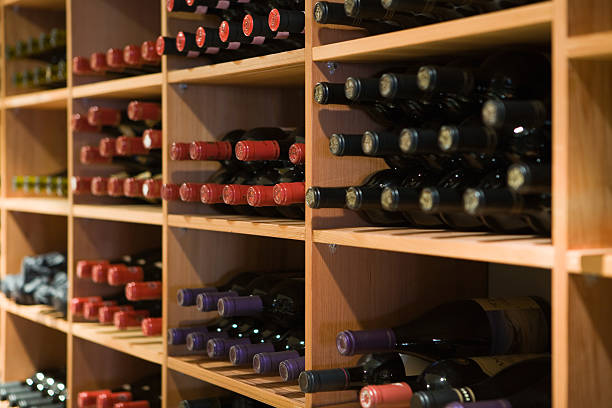
Store unopened wine bottles horizontally to keep the cork in constant contact with the wine, preventing it from drying out and shrinking. A moist cork maintains an airtight seal, which is essential for preserving quality and extending how long wine lasts.
This is especially important for wines sealed with natural corks; screw caps and synthetic corks are less sensitive to orientation. Horizontal storage also maximizes space and promotes even aging. Avoid upright storage for extended periods, as it exposes the cork to air and increases the risk of oxidation.
While short-term upright storage (a few days or weeks) is generally safe, long-term aging requires horizontal positioning. Wine racks designed for horizontal storage are widely available and ideal for home use.
Whether you have a few bottles or a larger collection, proper positioning is a simple yet critical factor in preserving wine’s freshness and longevity.
Avoiding Light and Vibration
Protect unopened wine from direct sunlight and artificial light, especially fluorescent lighting, which emits UV rays that can degrade wine compounds and create off-flavors—a condition known as ‘light strike.’ This is why many wine bottles are made of tinted glass, but it’s not full protection.
Store wine in dark areas or use UV-protective storage solutions. Additionally, minimize exposure to vibration, such as from washing machines, speakers, or foot traffic, as constant movement can disturb sediment and interfere with the aging process, potentially shortening how long wine lasts.
Vibrations may also affect the molecular stability of the wine over time. Ideal storage spaces are quiet and undisturbed—like a basement or closet away from appliances. Even subtle, repeated motion can have a cumulative negative effect.
By choosing a dark, still location, you help ensure the wine matures properly and retains its intended flavor profile until you’re ready to enjoy it.
How to Store Opened Wine to Extend Freshness
Using Wine Stoppers and Vacuum Pumps
To extend the life of opened wine, use airtight wine stoppers combined with a vacuum pump to remove oxygen from the bottle. Oxygen is the primary culprit in wine degradation, causing oxidation that dulls flavors and alters aroma.
Insert a high-quality stopper that forms a tight seal, then use the vacuum pump to extract air—typically 3 to 5 pumps are sufficient. This method can preserve wine for up to 5 days for most still wines. Avoid over-pumping, which may strip volatile aromas.
For sparkling wines, skip vacuum pumps and use specially designed sparkling wine stoppers to maintain carbonation. Reusable silicone or stainless steel stoppers offer durability and better seals than corks. Always clean stoppers after use to prevent contamination.
While not a permanent solution, this technique significantly slows spoilage and maintains the wine’s original character longer than leaving the bottle open or loosely capped.
Refrigeration Guidelines by Wine Type
Refrigeration is one of the most effective ways to slow wine oxidation and microbial growth after opening. White, rosé, and sparkling wines should always be refrigerated after opening, as cooler temperatures preserve freshness and acidity—these wines typically last 3 to 5 days when chilled.
Red wines can be stored at room temperature for 1–2 days, but for longer freshness, refrigerate them after opening and let them warm slightly before serving. Lighter reds benefit more from refrigeration than full-bodied varieties. Always re-cork or use a stopper before refrigerating.
The cold environment slows chemical reactions, keeping the wine closer to its original state. Avoid storing opened wine in the door of the fridge due to temperature fluctuations. Instead, place it toward the back where temperatures are more stable. Proper refrigeration can nearly double the usable life of opened wine.
When to Transfer to Smaller Bottles
Transferring leftover wine to a smaller, airtight container is a smart strategy when the original bottle is less than half full. This reduces the wine’s exposure to oxygen, which accelerates spoilage. Use a clean, sterilized glass bottle or jar with a tight-sealing lid—preferably one designed for wine preservation.
Fill the container to the top to minimize headspace. This method is especially useful for wines you plan to keep beyond 3–5 days. It works well for both red and white wines and pairs effectively with refrigeration.
Avoid plastic containers, as they can leach chemicals and are more permeable to air. While this won’t preserve wine indefinitely, it can extend freshness by several additional days. Label the container with the date and type of wine for tracking.
This technique is ideal for maximizing value and reducing waste when finishing a bottle over multiple servings.
Signs Your Wine Has Gone Bad
Smell and Color Clues
Detecting spoiled wine early can save your palate and prevent waste. Check the smell first—oxidized wine often smells like vinegar, wet cardboard, or sherry when it shouldn’t. Reds may turn brownish and whites may darken to a deep golden or amber hue, signaling oxidation.
Bubbles in still wine suggest unintended fermentation. If the cork is pushed slightly out or there’s leakage, heat damage may have occurred. Musty or moldy aromas often point to cork taint (TCA), which dulls fruit flavors. Use good lighting and a clean glass to assess color accurately.
Always inspect the cork after opening—crumbling or discoloration can hint at poor storage. These visual and olfactory cues are early warning signs that the wine has degraded. When in doubt, trust your senses—wine should smell fresh and reflect its varietal character.
If something feels off, it’s likely no longer at its best.
Taste Test Indicators
If a wine passes the smell and color check but still tastes off, it may be spoiled. Flat or sour flavors are red flags—fresh wine should have vibrant acidity, not a sharp vinegar tang. Oxidized wines lose their fruitiness and taste dull or stale.
Unexpected fizz in non-sparkling wine indicates refermentation, often due to improper sealing or storage. Bitter or chemical aftertastes may result from excessive sulfites or contamination. While some aged wines develop complex, earthy notes, they shouldn’t taste spoiled.
Take a small sip and let it coat your palate—good wine balances sweetness, acidity, and tannins. If the taste is unbalanced or unpleasant, the wine has likely gone bad.
Don’t confuse bold or unusual profiles with spoilage—some natural wines have funky notes—but consistent off-flavors mean it’s time to pour it out. When evaluating, consider the wine’s age and type to make an informed decision.
Common Spoilage Causes
Wine spoils due to exposure to oxygen, heat, light, or contamination. Oxidation is the most common cause—once opened, wine lasts 3–5 days before degrading. Unopened, most wines last 1–5 years, depending on type. Heat damage (above 75°F) can ‘cook’ wine, flattening flavors.
UV light breaks down compounds, especially in clear bottles. Cork failure allows air in, leading to spoilage. Poor storage—like upright bottles or fluctuating temperatures—accelerates degradation. Microbial contamination or residual yeast can cause refermentation. To extend shelf life, store unopened bottles on their side in a cool, dark place around 55°F.
Once opened, re-cork and refrigerate, using a vacuum pump for still wines. Sparkling wines last 1–3 days with a proper stopper. Knowing these causes helps prevent waste and ensures every glass is enjoyed at its best.
Tips for Maximizing Wine Longevity
Choosing Wines That Age Well
To maximize wine longevity, start by selecting varieties known for aging potential. Full-bodied reds like Cabernet Sauvignon, Nebbiolo, and Syrah have high tannin and acidity levels, which act as natural preservatives.
Similarly, sweet wines such as Sauternes or German Rieslings age exceptionally well due to their sugar content and balanced acidity. Look for structure—wines with a harmonious blend of fruit, acid, tannin, and alcohol are more likely to evolve gracefully over time.
Avoid delicate wines like most Pinot Noirs or light rosés if long-term aging is your goal. Invest in quality over quantity; higher-end bottles from reputable producers often have better aging potential. Remember, not all wines are meant to age—most are crafted for immediate enjoyment.
Choosing age-worthy bottles ensures your collection improves rather than deteriorates over time, offering richer, more complex flavors when properly stored.
Label Reading for Vintage Clarity
Understanding wine labels is crucial for predicting longevity. The vintage year indicates when grapes were harvested and can signal a wine’s potential lifespan. Top vintages, often highlighted in wine reviews, typically offer better balance and concentration, making them ideal for aging.
Look for regions with consistent quality ratings—Bordeaux, Barolo, or Napa Valley, for example—where favorable growing conditions produce long-lived wines. Check for producer reputation; esteemed winemakers often craft age-worthy bottles. Some labels even state ‘cellar until’ or ‘best after’ dates, offering direct guidance.
Avoid assuming older is always better—a 20-year-old wine from a weak vintage may underperform compared to a younger, superior year. By decoding labels with attention to vintage, region, and producer, you make informed decisions that extend your wine’s peak drinking window and enjoyment.
When to Drink or Cellar Your Bottles
Knowing when to open a bottle is as important as how you store it. Most wines are best consumed within 1–5 years of release, but age-worthy bottles benefit from proper cellaring. Monitor development by occasionally opening a bottle from the same vintage to assess maturity.
Reds like Bordeaux or Barolo often peak between 10–20 years, while high-quality whites like aged Chardonnay or Riesling can evolve beautifully over a decade. Use wine tracking apps or journals to record purchase dates and tasting notes.
Consider your palate preference—some enjoy youthful fruitiness, while others prefer tertiary notes like leather or earth. If a wine tastes flat or lacks fruit, it may be past its prime. When in doubt, drink it—few regrets come from enjoying wine too early, but missing its peak is irreversible.
Frequently Asked Questions
How long does unopened wine last?
Unopened wine can last 1–5 years for most table wines, while high-quality reds and vintage wines can age well for decades if stored properly in a cool, dark place with a consistent temperature and humidity.
How long does opened wine last?
Opened wine typically lasts 3–5 days in the refrigerator with a cork or stopper. Reds may last slightly longer than whites, and using a wine preserver can extend freshness.
Does red wine last longer than white wine after opening?
Generally, red wine lasts slightly longer than white wine after opening—up to 5 days vs. 3–5 days—due to higher tannin content, which acts as a natural preservative.
Can you drink wine past its expiration date?
Yes, many wines are safe to drink past their printed expiration date if unopened and stored correctly, though quality and flavor may decline over time.
How can you tell if wine has gone bad?
Signs of spoiled wine include a vinegar-like smell, flat or sour taste, color changes, or a pushed-out cork. If in doubt, it’s best to discard it.
Does cooking wine go bad?
Yes, cooking wine can go bad. Unopened, it lasts about 1 year; once opened, it can last up to 6 months in the refrigerator before losing flavor potency.
Conclusion
Wine longevity varies by type, with most whites lasting 1–3 years and reds 2–5 years, while fine wines can age decades. Proper storage—cool, dark, and horizontal—preserves quality. Once opened, wine lasts 3–7 days. Sweet and fortified wines generally last longer. Knowing your wine type and storage conditions helps maximize enjoyment. Savor each bottle at its peak and explore aging potential with confidence—every sip tells a story worth experiencing.