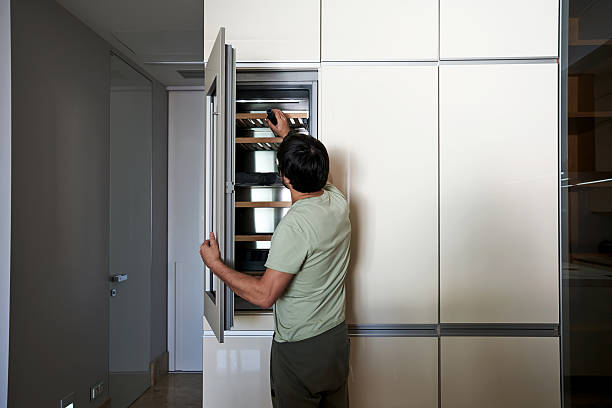
Wine Fridge Temperature Settings
Wondering what the best wine fridge temperature settings are to keep your bottles tasting their best? You’re not alone—getting the temperature right can make all the difference in preserving flavor and aroma. Whether you’re storing reds, whites, or sparkling wines, the ideal setting varies. In this guide, we’ll break down the perfect temperatures for each wine type, help you avoid common cooling mistakes, and ensure every pour is as delicious as intended. Let’s get your fridge dialed in just right.
What Is the Ideal Wine Fridge Temperature?
Standard Temperature Range for Wine Fridges
The ideal wine fridge temperature for most bottles falls between 45°F and 65°F (7°C to 18°C), with 55°F (13°C) widely considered the sweet spot for long-term storage. This range helps preserve the wine’s flavor, aroma, and aging potential. A consistent mid-range temperature slows chemical reactions, preventing premature aging.
Single-zone wine fridges typically maintain this average, making them suitable for casual collectors. Avoid temperatures above 70°F (21°C), as heat accelerates spoilage and can ‘cook’ the wine, while temperatures below 45°F may dull aromas and slow aging too much.
For best results, place your wine fridge in a cool, shaded area away from heat sources. Set your unit to 55°F if you’re storing a mix of reds and whites short-term, and remember that humidity levels around 50–70% help keep corks from drying out.
How Different Wines Need Different Temperatures
Not all wines thrive at the same temperature—serving and storing conditions vary by type. White, rosé, and sparkling wines are best stored and served cooler, ideally between 45°F and 50°F (7°C–10°C), to preserve their crisp acidity and delicate aromas.
In contrast, full-bodied reds like Cabernet Sauvignon or Syrah benefit from slightly warmer settings of 60°F to 65°F (15°C–18°C), enhancing their complex flavors and softening tannins. Lighter reds such as Pinot Noir do well around 55°F (13°C).
Dual-zone wine fridges allow you to maintain separate compartments for reds and whites, ensuring each is stored and chilled to perfection.
Adjust your settings based on the wine type and intended serving time—proper temperature enhances taste and bouquet, while incorrect settings can mute flavors or make wine taste overly alcoholic or flat.
Why Consistent Temperature Matters
Maintaining a stable temperature in your wine fridge is just as crucial as setting the right one. Temperature fluctuations—even minor ones—cause wine to expand and contract, potentially pushing corks out slightly and allowing oxygen to seep in, leading to oxidation and spoilage.
Repeated changes also accelerate aging, diminishing complexity and balance. A steady environment ensures slow, controlled maturation, especially important for wines meant to age for years. Use a wine fridge with precision temperature control and good insulation to minimize swings. Avoid placing the unit near ovens, dishwashers, or in direct sunlight.
Monitor your fridge regularly with an independent thermometer to verify accuracy. Ultimately, consistency protects your investment, preserving the wine’s intended character from bottle to glass, whether you’re storing everyday bottles or rare vintages.
How to Set Your Wine Fridge for Red Wine

Best Temperature for Storing Red Wine
The ideal temperature for storing red wine in a wine fridge is between 55°F and 65°F (13°C–18°C), with 55°F (13°C) considered optimal for long-term aging. Maintaining a consistent temperature prevents premature aging and protects the wine’s complex flavors.
Fluctuations can cause corks to expand and contract, potentially letting air seep in and oxidize the wine. Most wine fridges offer precision temperature controls, so set yours to 55°F for general red wine storage.
If you plan to drink the wine within a few months, staying within the upper end of the range (around 60°F–65°F) is acceptable. Avoid setting the temperature too low, as it can inhibit proper aging and mute aromas.
Always store bottles horizontally to keep corks moist and ensure a tight seal. A stable, cool environment preserves tannins, acidity, and bouquet—key components of red wine quality—making your wine enjoyable for years.
Common Red Wine Varietals and Their Ideal Temperatures
Different red wine varietals benefit from slightly adjusted serving and storage temperatures to showcase their best characteristics. Full-bodied reds like Cabernet Sauvignon and Syrah thrive at 60°F–65°F (15°C–18°C), enhancing their rich tannins and dark fruit profiles.
Medium-bodied wines such as Merlot and Sangiovese taste best stored and served around 58°F–62°F (14°C–17°C), balancing softness and acidity. Lighter reds like Pinot Noir should be kept closer to 55°F–60°F (13°C–15°C) to preserve their delicate aromas and bright acidity.
While long-term storage should remain steady near 55°F, you can adjust your wine fridge zones or allow bottles to warm slightly before serving. Using a dual-zone wine fridge allows you to store different varietals at their ideal temps. Avoid over-chilling, as it suppresses flavor and makes tannins seem harsh.
Tailoring temperatures enhances aroma, balance, and overall enjoyment of each varietal.
Avoiding Heat Damage in Red Wine Storage
Exposure to excessive heat is one of the most damaging factors in red wine storage, leading to cooked flavors, flat aromas, and premature aging. Temperatures above 70°F (21°C) can cause wine to expand, pushing against the cork and potentially leading to leakage or oxidation.
To prevent heat damage, keep your wine fridge set within the 55°F–65°F (13°C–18°C) range and away from heat sources like ovens, direct sunlight, or poorly ventilated rooms. Ensure your unit has proper airflow and cooling efficiency, especially in warmer climates. Even short heat spikes—like leaving the door open—can disrupt stability.
Consistent, cool temperatures preserve the wine’s structure and complexity. If your fridge lacks temperature alarms or insulation, consider upgrading to a model with digital controls and vibration reduction. Monitoring internal conditions with a standalone thermometer adds extra protection.
By avoiding heat fluctuations, you safeguard your collection and ensure every bottle ages gracefully and tastes as intended.
How to Store White Wine in a Wine Fridge

Recommended Cooling Range for White Wines
The recommended cooling range for white wines in a wine fridge is between 45°F and 55°F (7°C to 13°C). This range preserves the wine’s delicate aromas and acidity while preventing it from becoming too cold, which can mute flavors.
Setting your wine fridge to the lower end of this spectrum (45°F–50°F) works best for lighter, crisp whites like Pinot Grigio and Sauvignon Blanc, while fuller-bodied whites such as oaked Chardonnay benefit from slightly warmer temps (50°F–55°F).
Avoid drastic temperature fluctuations by keeping the fridge closed as much as possible and ensuring proper ventilation. Most modern wine fridges allow precise digital control, so use a calibrated thermometer to verify accuracy.
Storing all white wines within this ideal range ensures they’re ready to serve without needing further chilling, preserving both quality and convenience. Consistent temperatures also extend shelf life and protect against premature aging.
Ideal Temperatures for Popular White Varieties
Different white wine varieties express their best qualities at specific temperature settings, so adjusting your wine fridge accordingly enhances flavor and aroma. For example, Sauvignon Blanc and Pinot Grigio shine at 45°F–50°F (7°C–10°C), where their bright acidity and citrus notes remain vibrant.
Chardonnay, especially oaked versions, should be served slightly warmer—around 50°F–55°F (10°C–13°C)—to allow its rich, buttery textures and vanilla undertones to emerge. Light, aromatic whites like Riesling and Viognier also perform well at 48°F–52°F (9°C–11°C), balancing sweetness and floral notes.
Sparkling wines, including Champagne and Prosecco, are best kept at 43°F–48°F (6°C–9°C) to maintain effervescence without numbing the palate. Use your wine fridge’s dual-zone feature, if available, to store different whites at their ideal serving temperatures.
This precision ensures every bottle is perfectly chilled and ready to enjoy at its peak expression.
Preventing Over-Chilling White Wine
Over-chilling white wine can suppress its aromas and flatten flavors, making even high-quality bottles seem dull. To prevent this, avoid setting your wine fridge below 43°F (6°C), especially for aromatic or complex whites.
Over-chilled wine numbs the taste buds and reduces the perception of fruit and acidity, diminishing the drinking experience. If your fridge only has a single temperature setting, aim for 48°F–52°F (9°C–11°C) as a balanced midpoint for most whites.
Remove the bottle 10–15 minutes before serving to allow it to warm slightly in the glass, unlocking its full profile. Use a wine thermometer to check the actual temperature of the liquid, not just the fridge setting.
Additionally, avoid storing white wine in the coldest part of the fridge, such as near the cooling vent. Consistent, moderate cooling preserves freshness without sacrificing flavor, ensuring every pour is crisp, aromatic, and enjoyable.
Temperature Settings for Sparkling and Dessert Wines
Chilling Champagne and Sparkling Wines Correctly
To fully enjoy the effervescence and aroma of Champagne and sparkling wines, set your wine fridge between 40°F and 45°F (4°C to 7°C). This ideal temperature range preserves carbonation and prevents excessive pressure buildup in the bottle, reducing the risk of cork failure.
Avoid over-chilling, as temperatures below 40°F can mute delicate flavors and aromas. For optimal results, chill bottles for at least 3–4 hours before serving. If using a wine cooler with dual zones, place sparkling wines in the lower, colder zone.
When serving, keep the bottle in a chilled bucket with ice and water to maintain temperature. Opening too warm can lead to foaming and loss of bubbles, while serving too cold dulls the wine’s complexity.
Consistent fridge settings help preserve quality and ensure each glass delivers crisp acidity, vibrant bubbles, and balanced fruit notes.
Best Temperatures for Sweet and Dessert Wines
Sweet and dessert wines like Sauternes, Port, and late-harvest Rieslings shine when served at 45°F to 50°F (7°C to 10°C). This slightly cooler than room temperature range enhances their rich, concentrated flavors without overwhelming the palate with excessive sweetness.
Setting your wine fridge within this range helps preserve balance between sugar, acidity, and alcohol. Over-chilling can mask aromatic complexity, while serving too warm makes the wine seem cloying.
For fortified wines like Port or Madeira, consider storing them at 50°F to 55°F (10°C to 13°C) to maintain stability over time. If your wine cooler has dual-zone temperature control, use the upper zone for dessert wines.
Always chill dessert wines in the fridge for 1–2 hours before serving to reach the ideal range and maximize sensory enjoyment.
Serving Temperature vs. Long-Term Storage
Understanding the difference between serving temperature and long-term storage is crucial for preserving wine quality. While sparkling and dessert wines should be served chilled (40°F–50°F), they should be stored slightly warmer for aging—ideally at 53°F to 57°F (12°C to 14°C) with consistent humidity (60–70%).
Fluctuations in temperature can damage corks and accelerate oxidation. Serving temperature enhances immediate enjoyment, while storage temperature ensures longevity. Dual-zone wine fridges allow you to store long-term in the upper zone and chill for serving in the lower zone.
Avoid keeping sparkling wines in prolonged cold storage, as low temps can weaken corks over time. Rotate bottles if needed and avoid frequent temperature shifts. Proper settings preserve aromatics, balance, and structure—ensuring every bottle reaches its full potential when opened.
Dual Zone vs. Single Zone Wine Fridges
How Dual Zone Fridges Improve Wine Storage
Dual zone wine fridges offer independent temperature control for two separate compartments, making them ideal for storing both red and white wines at their optimal conditions. This separation prevents flavor transfer and ensures each wine type ages properly.
Red wines thrive at 55–65°F, where their complex notes develop fully, while whites prefer cooler temps of 45–50°F to preserve crispness and acidity. With a dual zone unit, you avoid compromising one type for the other.
Additionally, humidity levels and UV protection are better maintained in dedicated zones, reducing cork drying and spoilage. For enthusiasts with diverse collections, this means long-term preservation and peak tasting quality. Unlike single zone models, dual zone fridges adapt to evolving inventories, supporting everything from sparkling to dessert wines.
The investment pays off in consistent aging, serving readiness, and overall wine enjoyment, especially for frequent entertainers or collectors.
Setting Temperatures in Each Zone
Proper temperature settings are critical for preserving wine quality in dual zone fridges. Start by setting the upper (white) zone to 45–50°F, ideal for chilling white, rosé, and sparkling wines without muting their aromas.
The lower (red) zone should be set to 55–65°F, allowing reds to maintain balance and soft tannins. Avoid setting either zone too cold, as excessively low temps can dull flavors and cause corks to contract.
Use the fridge’s digital controls to adjust each zone independently, and allow 24 hours for temperatures to stabilize after changes. Many models include preset modes for common wine types—utilize these for accuracy. Monitor temperatures regularly with an external thermometer for precision. Avoid frequent door openings to maintain consistency.
Correct settings ensure wines are served at their peak and age gracefully over time, enhancing every tasting experience.
Choosing the Right Fridge for Your Collection
Selecting between single and dual zone wine fridges depends on your collection size and drinking preferences. If you primarily enjoy one wine type—like reds or whites—a single zone model with a 50–60°F range may suffice and save space and cost. However, for mixed collections, dual zone fridges provide essential flexibility.
Consider your storage needs: do you age wines long-term or chill bottles for immediate serving? Dual zone units support both. Capacity, noise level, and installation type (built-in vs. freestanding) also matter. For growing collections, scalability and precise climate control make dual zone fridges a smarter long-term investment.
Evaluate your usage: frequent entertainers or oenophiles will benefit most from dual zones. Ultimately, match the fridge’s features to your wine habits and available space to ensure optimal storage and enjoyment.
Tips for Maintaining Stable Wine Fridge Temperatures
Avoiding Temperature Fluctuations
Maintaining a consistent temperature is critical for preserving wine quality and preventing premature aging. To minimize fluctuations, avoid frequently opening the wine fridge door, as each time warm air enters and forces the compressor to work harder.
Set the temperature between 50°F and 59°F (10°C to 15°C) depending on the type of wine stored—cooler for whites and sparkling, slightly warmer for reds. Use the fridge’s digital thermostat accurately and avoid adjusting settings often. Allow at least 24 hours after adjustments before re-evaluating.
Keep the wine fridge away from heat sources like ovens or direct sunlight, and ensure it’s not overloaded, which can restrict airflow. Many models have dual-zone cooling—use them wisely to maintain separate stable environments.
Finally, ensure door seals are airtight; a loose gasket can let in warm, moist air, leading to inconsistent internal temperatures and potential spoilage.
Proper Placement of Your Wine Fridge
The location of your wine fridge significantly impacts its ability to maintain stable temperatures. Place it in a cool, dry area away from direct sunlight and heat sources like radiators, stoves, or dishwashers. Ambient heat forces the compressor to run more often, increasing internal temperature swings and energy use.
Ensure there is at least 2–3 inches of clearance around the unit, especially at the back and sides, to promote proper ventilation and heat dissipation. Avoid installing the fridge in garages or unconditioned spaces unless it’s specifically designed for those environments.
Elevate it slightly off the floor to prevent moisture damage and improve airflow. Also, never place it near drafty windows or exterior doors. A stable room temperature between 60°F and 70°F (15°C to 21°C) is ideal.
Proper placement not only enhances performance but also extends the appliance’s lifespan and cooling efficiency.
Cleaning and Maintenance for Optimal Performance
Regular cleaning and maintenance are essential for consistent temperature control and long-term performance of your wine fridge. Dust buildup on the condenser coils—located on the back or bottom—can insulate heat and reduce cooling efficiency, so clean them every three to six months using a soft brush or vacuum.
Check and wipe down door gaskets regularly with a damp cloth to remove grime and ensure a tight seal; a damaged or dirty seal lets warm air infiltrate. Remove shelves periodically to clean spills or residue that could affect airflow or cause odors.
Verify that internal fans (if present) are unobstructed and operating quietly. Additionally, defrost the unit if ice accumulates beyond a thin layer, as excessive frost insulates cooling elements. Keeping your wine fridge clean not only supports stable temperatures but also protects your wine investment and prevents mechanical strain.
Common Wine Fridge Temperature Mistakes
Setting the Temperature Too Low
One of the most common wine fridge temperature mistakes is setting the thermostat too low, often below 45°F (7°C). While it might seem logical to keep wine extra cold, excessively low temperatures can inhibit aromatic development and cause corks to contract, potentially letting air seep in and spoil the wine.
Red wines, in particular, suffer when stored too cold, losing their complexity and tasting overly tannic when served straight from the fridge. Ideal storage temperatures range from 50–65°F (10–18°C), depending on the wine type.
To avoid this mistake, use a calibrated thermometer to verify internal temperatures, as built-in dials can be inaccurate. Adjust settings gradually and allow 24 hours for stabilization before rechecking. Consistency is key—frequent temperature swings do more harm than a slightly high baseline.
Always consider serving temperature separately, pulling reds out 30 minutes before pouring.
Mixing Wine Types in One Zone
Storing red, white, and sparkling wines together in a single-temperature zone leads to suboptimal aging and poor serving quality. Each wine type thrives at different temperatures: whites and sparklings prefer 45–50°F (7–10°C), while reds do best at 55–65°F (13–18°C).
When mixed, some bottles are either too cold or too warm, disrupting chemical stability and accelerating spoilage. This mistake is common in compact or single-zone wine fridges. The solution is to invest in a dual-zone wine cooler or prioritize storage based on consumption frequency.
If using a single zone, set it to a middle ground (~50°F) and adjust serving temperature by removing bottles ahead of time. For long-term aging, separate storage is essential. Proper zoning protects your investment and ensures every bottle reaches the glass at its best, preserving balance, aroma, and finish.
Ignoring Humidity and Vibration Factors
Temperature isn’t the only critical factor—low humidity and excess vibration can damage wine even in a perfectly cooled fridge. Ideal humidity levels should stay between 50–70% to prevent corks from drying out, which leads to oxidation and spoilage.
Many budget wine coolers lack humidity control, so monitor with a hygrometer and consider adding a dampened tray if levels drop. Additionally, vibration from compressors or poor placement can disturb sediment and disrupt aging, especially in long-term storage.
Choose a thermoelectric cooler or a compressor model with vibration dampening, and place the unit on a stable surface away from foot traffic. Stable humidity and minimal movement are just as vital as temperature precision.
Treating your wine fridge as a holistic environment—not just a cold box—ensures your wines age gracefully and taste as intended upon opening.
Frequently Asked Questions
What is the ideal temperature for a wine fridge?
The ideal temperature for a wine fridge is between 45°F and 65°F (7°C to 18°C), depending on the type of wine. White, rosé, and sparkling wines are best stored at the cooler end of this range (45°F–50°F), while red wines prefer slightly warmer temperatures (60°F–65°F).
Can I store both red and white wines in the same wine fridge?
Yes, if your wine fridge has dual-zone temperature control, you can store both red and white wines at their ideal temperatures. For single-zone fridges, set the temperature around 55°F, a moderate compromise suitable for short-term storage of both types.
Should I adjust the temperature when aging wine?
Yes, for long-term aging, maintain a consistent temperature around 55°F (13°C), which is considered optimal for slow, stable maturation. Fluctuations in temperature can damage wine over time, so avoid frequent changes.
How long does it take for a wine fridge to reach the set temperature?
It typically takes 4 to 6 hours for a wine fridge to reach and stabilize at the desired temperature after being turned on. For best results, avoid opening the door during this time and allow 24 hours for full stabilization, especially when adding new bottles.
What humidity level should my wine fridge maintain?
A wine fridge should maintain a humidity level between 50% and 70% to prevent corks from drying out and letting air into the bottle. Proper humidity helps preserve the wine’s quality during long-term storage.
Do I need to let wine warm up before serving if it’s from a wine fridge?
Yes, red wines stored in a wine fridge may be too cold for optimal flavor. Remove them 15–30 minutes before serving to allow them to warm slightly to their ideal serving temperature.
Conclusion
Proper wine fridge temperature settings are essential for preserving flavor and aging wine correctly. Store reds at 55–65°F, whites at 45–50°F, and sparkling wines slightly cooler. Consistency matters more than exact numbers—avoid fluctuations. Use dual-zone fridges for versatility. By setting your wine fridge correctly, you protect your collection and enhance every pour. Cheers to perfectly chilled, well-preserved wine every time!

