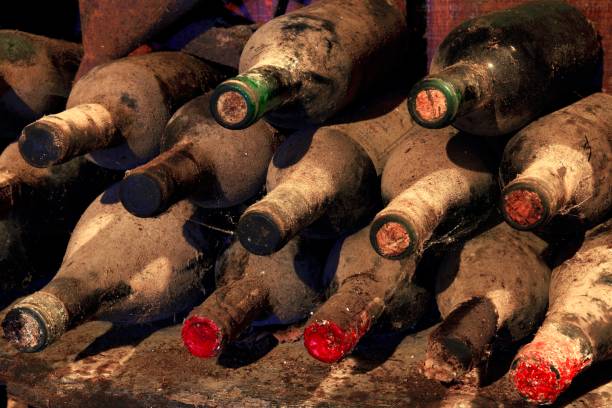
Wine Cellar 100 Bottles
Looking for the perfect wine cellar to store 100 bottles? You’re not alone—many wine lovers want a compact, stylish solution that keeps their collection organized and ready to enjoy. Whether you’re upgrading your home bar or creating a dedicated space, a 100-bottle wine cellar strikes the ideal balance between size and functionality. In this guide, we’ll break down top options, key features to consider, and smart tips to help you choose the best model for your taste, space, and budget—so you can start savoring every sip in style.
What Is a 100-Bottle Wine Cellar?
Definition and Purpose of a 100-Bottle Capacity
A 100-bottle wine cellar is a dedicated storage space designed to hold approximately 100 standard 750ml wine bottles, offering an ideal balance between capacity and space efficiency.
This size is commonly found in under-counter wine coolers, compact built-in units, or small walk-in cellars, making it suitable for both casual enthusiasts and serious collectors with modest collections.
The primary purpose of a 100-bottle cellar is to preserve wine quality by maintaining consistent temperature (typically 55°F), humidity levels (around 70%), and protection from light and vibration. These controlled conditions slow oxidation and help wines age gracefully.
Unlike larger cellars, a 100-bottle unit is engineered for precision climate control, ensuring each bottle—whether red, white, or sparkling—is stored under optimal conditions. This capacity supports organized aging and rotation, allowing owners to enjoy wines at their peak while planning future purchases.
How It Fits Into Home Storage Needs
A 100-bottle wine cellar fits seamlessly into modern home layouts, offering ample storage without overwhelming available space. Typically measuring between 30 to 36 inches wide and 30 to 36 inches deep, these units can be installed in kitchens, dining rooms, basements, or entertainment areas, blending functionality with aesthetics.
For homeowners with growing collections, this size strikes a practical balance—large enough to store a diverse selection of wines for personal enjoyment and entertaining, yet compact enough for apartments or smaller homes. Many models feature adjustable shelving, UV-protected glass doors, and dual-zone cooling, enabling separate storage for reds and whites.
The 100-bottle capacity also supports collection rotation, allowing space for new acquisitions while aging favorites. Whether freestanding or built-in, this cellar size enhances home value and reflects a commitment to wine preservation and lifestyle sophistication without requiring major renovations.
Common Uses for This Size Cellar
A 100-bottle wine cellar serves multiple practical and social purposes in everyday life. It’s ideal for wine enthusiasts building a curated collection, allowing storage of favorite vintages, special occasion bottles, and wines intended for aging.
Many users leverage this capacity for entertaining, stocking a variety of reds, whites, rosés, and sparkling wines to impress guests without frequent restocking. The size also supports strategic wine investment, enabling owners to purchase in bulk during sales or directly from vineyards while maintaining optimal storage.
Additionally, dual-temperature zones in many 100-bottle units let users serve wines at ideal temperatures straight from storage. Home chefs often use the cellar to pair wines with meals, rotating bottles based on seasonality and cuisine.
For gift recipients or those who travel to wine regions, this cellar provides a secure, organized home for prized bottles, ensuring they’re preserved and ready to enjoy at their best.
Types of 100-Bottle Wine Cellars

Built-In Wine Cellars vs. Freestanding Units
When selecting a 100-bottle wine cellar, deciding between built-in wine cellars and freestanding units is crucial. Built-in cellars are integrated into cabinetry or walls, offering a sleek, permanent solution that enhances kitchen or dining room aesthetics.
They require professional installation and proper ventilation but provide superior temperature stability and space efficiency. In contrast, freestanding wine coolers offer flexibility—you can place them anywhere with access to power and floor space. They’re ideal for renters or those who may relocate.
While freestanding models are easier to install, they may generate more ambient noise and require more clearance for airflow. Choose built-in if you value seamless design and long-term storage; opt for freestanding if you prioritize convenience and mobility.
Both types can maintain optimal humidity and UV protection, but built-ins often deliver more consistent climate control.
Refrigerated Wine Coolers for 100 Bottles
Refrigerated wine coolers designed for 100 bottles combine advanced cooling technology with practical storage, making them ideal for serious collectors. These units use thermoelectric or compressor-based cooling systems to maintain a consistent temperature between 45°F and 65°F, crucial for preserving wine quality.
Compressor models are better for larger collections and fluctuating room temperatures, while thermoelectric coolers run quieter and vibrate less, protecting delicate sediments. Look for models with dual-zone temperature control to store reds and whites at their ideal ranges. UV-resistant glass doors and interior LED lighting enhance both protection and presentation.
Proper ventilation and placement away from heat sources ensure efficiency. With features like adjustable shelves and digital controls, refrigerated coolers offer precise, low-maintenance storage. They’re a smart investment for anyone seeking reliable, climate-controlled aging and display in a compact footprint.
Custom-Built vs. Prefabricated Options
Choosing between custom-built and prefabricated wine cellars for 100 bottles depends on your space, budget, and design goals. Custom-built cellars are tailor-made to fit unique spaces, allowing for personalized racking, lighting, insulation, and climate control systems.
They often use premium materials like cedar wood and commercial-grade cooling units, ensuring optimal aging conditions. While more expensive and time-consuming to install, they add significant value to your home.
On the other hand, prefabricated wine cellars come in standardized sizes and are quicker to install, often at a lower cost. Many offer modular designs that can be expanded or reconfigured. They’re ideal for standard rooms or basements with limited customization needs.
Prefabricated units still provide excellent humidity and temperature control but may lack the aesthetic refinement of custom builds. Weigh your priorities: long-term investment and design control favor custom; speed and affordability favor prefabricated.
How to Choose the Right 100-Bottle Wine Cellar

Assessing Your Wine Collection and Future Needs
Before selecting a 100-bottle wine cellar, evaluate your current wine collection and anticipate future growth. If you frequently entertain or enjoy aging wine, a 100-bottle capacity offers room to store both everyday bottles and special vintages.
Consider the types of wine you collect—reds, whites, or sparkling—since some models offer dual or multi-zone temperature control for optimal storage. Think long-term: will your collection expand in the next few years?
Choosing a unit with slightly more capacity than you currently need prevents overcrowding and allows for better air circulation. Also, assess how often you rotate bottles; frequent turnover may require easier access or adjustable shelving. Planning ahead ensures your wine cellar supports both present enjoyment and future connoisseurship.
Key Features to Look for in a 100-Bottle Model
When choosing a 100-bottle wine cellar, prioritize temperature stability, humidity control, and UV protection to preserve wine quality. Look for models with dual-zone cooling if you store both reds and whites, allowing independent temperature settings for each section.
Adjustable wooden or metal shelves provide flexibility for different bottle sizes, including magnums or Champagne. A reversible door enhances placement options in tight spaces. Ensure the unit has a digital thermostat with an external display for easy monitoring.
Vibration reduction technology is also key, as excessive movement can disturb sediment and affect aging. Finally, check for lockable doors for security and a sleek interior light to showcase your collection without heat exposure. These features ensure optimal storage and convenience.
Energy Efficiency and Noise Levels
Energy efficiency and quiet operation are essential for a 100-bottle wine cellar, especially in living areas or bedrooms. Look for models with Energy Star certification to reduce power consumption and long-term costs. Thermoelectric cooling systems are quieter and more energy-efficient than compressor-based units, making them ideal for noise-sensitive environments.
However, they work best in climate-controlled rooms. If you choose a compressor model, check the decibel (dB) rating—units under 40 dB are considered quiet. Proper insulation and door seals also improve efficiency by minimizing temperature fluctuations. Consider the cellar’s placement; avoid direct sunlight and heat sources to reduce workload.
A balance of low noise and high efficiency ensures your wine ages properly without disrupting your home environment.
Matching the Cellar to Your Home Aesthetic
A 100-bottle wine cellar should complement your home’s interior design while serving as a functional storage solution. Choose a finish—stainless steel, black, white, or wood veneer—that aligns with your kitchen, dining room, or entertainment area. Built-in models offer a seamless, integrated look, while freestanding units provide flexibility.
Consider the glass door style: tinted or UV-protected glass enhances both visibility and elegance. Interior LED lighting highlights your collection and adds ambiance. If the cellar is in a living space, opt for a sleek, modern design with clean lines. For traditional settings, wood accents and classic hardware create warmth.
Ultimately, the right aesthetic choice turns your wine cellar into a stylish focal point that reflects your personal taste and elevates your home’s decor.
Ideal Conditions for Storing 100 Bottles of Wine
Temperature and Humidity Requirements
Maintaining consistent temperature is crucial for storing 100 bottles of wine long-term. The ideal range is 55°F (13°C), with minimal fluctuations—no more than ±5°F. Warmer temperatures accelerate aging, while cooler ones may slow it too much, both affecting flavor development.
For humidity, aim for 50–70% relative humidity to keep corks from drying out and shrinking, which could let air seep in and spoil the wine. Too much moisture, however, encourages mold on labels and shelving.
Use a wine cellar cooling unit with built-in humidification or a separate humidifier and hygrometer to monitor levels. Avoid placing your cellar near heat sources like furnaces or laundry rooms. A dedicated wine cooling system ensures stable conditions year-round.
For 100 bottles, even small environmental shifts can impact multiple wines, so investing in climate control is essential for preserving quality and value.
Protecting Wine from Light and Vibration
Exposure to ultraviolet (UV) light can degrade wine compounds, leading to off-flavors often described as ‘wet cardboard’—a condition known as light strike. Store your 100-bottle collection in a dark environment, ideally using UV-resistant glass or solid doors on your wine cellar.
If lighting is necessary, use low-heat LED bulbs placed away from bottles. Equally important is minimizing vibration, which can disturb sediment and interfere with the aging process, especially in red wines. Avoid placing your wine storage near appliances, HVAC systems, or high-traffic areas.
Consider vibration-dampening racking made from wood or specially designed materials that absorb movement. For a 100-bottle cellar, even subtle vibrations from nearby walls or floors can accumulate over time. Choose a quiet, isolated space—like a basement or interior room—where disturbances are minimal.
These precautions ensure your wines age smoothly and develop their full aromatic complexity.
Proper Airflow and Ventilation Tips
Effective air circulation prevents musty odors and mold growth in a 100-bottle wine cellar. Stagnant air can trap moisture and off-gases from wood or insulation, potentially tainting corks and wine. Install a dedicated ventilation system or use a small exhaust fan to promote gentle air movement without creating drafts.
Avoid sealing the cellar airtight—instead, include passive vents or a filtered intake to allow fresh air exchange. Keep space between walls and racks to encourage airflow around bottles. Use mold-resistant materials for walls and flooring, and monitor air quality regularly.
A carbon filter in the cooling system can remove airborne contaminants. Proper ventilation also helps maintain stable humidity and temperature, reducing strain on cooling equipment.
For a collection of this size, even minor air quality issues can spread quickly, so proactive airflow management is key to preserving wine integrity and cellar longevity.
Best Layouts and Racking Options for 100 Bottles
Single-Tier vs. Double-Tier Racking Systems
For a 100-bottle wine cellar, choosing between single-tier and double-tier racking systems depends on your space and accessibility needs. Single-tier racks offer easier access to each bottle and are ideal for frequently accessed collections, allowing you to see and reach every label without moving others.
They work well in wider, open layouts but require more wall space. Double-tier systems stack bottles vertically, effectively doubling storage density in compact areas, making them perfect for narrow or small rooms. However, accessing lower rows may require bending or stepping stools.
Consider your cellar’s footprint and usage: if space is limited, go with double-tier; for convenience and display, choose single-tier. Both options come in wood, metal, and modular designs to match your aesthetic.
Maximizing Space with Angled and Bin Storage
To optimize space in a 100-bottle wine cellar, incorporate angled racking and bin storage. Angled racks cradle bottles at a slight tilt, ensuring corks stay moist while allowing clear label visibility—perfect for frequently enjoyed wines. They fit neatly under stairs or in corners, making use of otherwise wasted areas.
Bin storage, which holds multiple bottles side-by-side in a cubby-style layout, is excellent for vertical stacking and maximizing cubic footage. Combining angled fronts with deep bin backs creates both accessibility and efficiency. Use bins for reserve or aging bottles and angled racks for everyday picks.
Modular systems let you mix and match configurations, adapting as your collection evolves, ensuring every inch of your cellar contributes to organized, functional storage.
Storing Different Bottle Sizes and Shapes
A 100-bottle cellar often includes varied bottle types—Bordeaux, Burgundy, Champagne, magnums, or large-format bottles—requiring versatile racking solutions. Standard racks fit most 750ml bottles, but customizable spacing is essential for accommodating wider or taller shapes. Use adjustable racks or dedicated sections for Champagne (stored upright) and Burgundy bottles with tapered shoulders.
Consider modular units with interchangeable trays to mix sizes seamlessly. For magnums or jeroboams, allocate specific deep or vertical bins to prevent crowding. Properly sizing each compartment prevents damage and maintains organization. Labeling zones by bottle type also improves access.
Planning for size diversity upfront ensures your layout remains functional and elegant as your collection expands beyond standard formats.
Organizing by Wine Type or Region
Organizing your 100-bottle collection by wine type or region enhances usability and enjoyment. Grouping by varietal (like Cabernet, Chardonnay, Pinot Noir) or origin (Napa, Bordeaux, Tuscany) helps you quickly find the right bottle for any occasion. Use labeled rack sections or color-coded tags for clarity.
Reserve prime, eye-level spots for frequently served wines, and store aging bottles in less accessible zones. This method also supports proper rotation and inventory tracking. For mixed collections, combine type and region—e.g., a ‘French Reds’ bin or ‘California Whites’ tier.
Themed organization turns your cellar into a curated wine library, making it easier to pair wines with meals and gifts, while showcasing your collection’s story and diversity.
Installation Tips for a 100-Bottle Wine Cellar
Choosing the Right Room or Location
Selecting the ideal location for your 100-bottle wine cellar is crucial for preserving wine quality. Choose a cool, dark, and humidity-stable space—such as a basement or interior closet—away from direct sunlight and heat sources like ovens or radiators. Consistent temperatures between 55°F and 58°F are essential to prevent premature aging.
Avoid areas with frequent foot traffic to minimize vibration, which can disturb sediment and affect aging. Ensure the space is structurally sound and moisture-resistant, with walls, floor, and ceiling capable of insulation. Consider future expansion—even if starting with 100 bottles, choose a location that allows for growth.
Proper orientation and insulation help maintain ideal conditions with less energy usage.
Electrical and Ventilation Requirements
Proper electrical setup and ventilation are vital for maintaining stable cellar conditions. Install a dedicated electrical circuit for your cooling unit to prevent overloads and ensure consistent performance. Use energy-efficient, cellar-rated cooling systems that manage temperature and humidity without excessive power draw.
Ventilation must allow for heat exhaust—follow manufacturer clearances and avoid enclosed spaces without airflow. Include insulated ducting if venting to an exterior or mechanical room. Consider a humidity sensor and backup fan to prevent mold and musty odors. Always hire a licensed electrician to meet local codes.
Proper ventilation also reduces the risk of condensation, which can damage labels and racks, ensuring your 100-bottle collection stays in pristine condition.
DIY vs. Professional Installation
Deciding between DIY and professional installation depends on your skill level and cellar complexity. For a simple, small cellar with pre-fabricated racks and a self-contained cooler, DIY can save costs and be manageable with basic tools. However, custom builds, insulation, and cooling system integration often require professional expertise.
HVAC specialists, electricians, and carpenters ensure proper sealing, vapor barriers, and climate control—critical for long-term wine preservation. Professionals also help with code compliance and warranty protection. While DIY offers flexibility, a professionally installed cellar typically delivers better performance, durability, and resale value.
Weigh your budget, timeline, and technical confidence before deciding—your wine’s longevity depends on it.
Common Mistakes to Avoid
Avoid common installation pitfalls that compromise your wine cellar’s performance. Never skip proper insulation and vapor barriers—these prevent heat exchange and moisture damage. Avoid placing the cellar near heat-generating appliances or exterior walls exposed to sunlight.
Don’t underestimate cooling unit sizing—an undersized unit will struggle, while an oversized one causes temperature swings. Neglecting humidity control can dry corks and let air in, spoiling wine. Avoid wooden racks that off-gas; use food-safe, kiln-dried materials.
Finally, don’t forget accessibility and organization—design racks so every bottle is visible and reachable. Planning carefully prevents costly fixes and ensures your 100-bottle collection ages perfectly.
Top 100-Bottle Wine Cellar Models and Where to Buy
Best Rated Wine Coolers Under $1,000
For wine enthusiasts seeking affordable yet reliable 100-bottle wine cellars, several models deliver excellent value under $1,000. The NewAir WC-1000SS is a top pick, offering dual-zone cooling, UV-tinted glass, and stainless steel trim, allowing you to store reds and whites at their ideal temperatures.
Another strong contender is the EdgeStar 100-Bottle Dual Zone Wine Cooler, known for its vibration-reducing design and quiet operation, perfect for home installations. Both models feature adjustable wooden shelves and digital controls for precise climate management. Prioritize units with energy-efficient compressors and solid warranties.
These coolers combine performance and style without breaking the bank, making them ideal for beginners or those upgrading from smaller units.
Top Built-In Models with Dual Zones
Built-in wine cellars with dual-zone temperature control are perfect for connoisseurs who want to display and store 100 bottles at optimal conditions. The Vinotemp BTR-100SS-BI stands out with its stainless steel frame, seamless integration into cabinetry, and independent upper and lower zones.
Similarly, the True TWIN-100-BI offers commercial-grade cooling and a sleek glass door for elegant presentation. These models maintain consistent humidity and temperature, crucial for long-term aging. Look for front-venting systems that allow flush installation and LED interior lighting to showcase your collection.
Built-in units enhance kitchen or bar aesthetics while providing maximum storage efficiency and protection for your investment.
Recommended Brands for Durability and Style
When investing in a 100-bottle wine cellar, choose trusted brands known for longevity and design. EuroCave leads with precision engineering and customizable interiors, ideal for serious collectors. Dacor combines luxury finishes with advanced cooling technology, offering consistent performance and modern elegance.
Whirlpool’s wine storage line delivers dependable function with a focus on user-friendly features and sleek, integrated looks. For contemporary style, KitchenAid offers bold color options and compact footprints without sacrificing capacity. These brands use high-quality insulation, vibration control, and LED lighting to protect and highlight your wine.
Prioritize models with excellent customer support and extended warranties to ensure long-term satisfaction and care.
Where to Purchase Online and In-Store
You can buy 100-bottle wine cellars from reputable online retailers like Amazon, Best Buy, and Appliance Warehouse, which offer customer reviews, fast shipping, and price-matching. For hands-on evaluation, visit in-store appliance showrooms such as Home Depot, Lowe’s, or specialty kitchen design centers where experts can guide your selection.
Authorized dealers for brands like EuroCave or Dacor provide installation services and extended warranties. Always check return policies and in-home delivery options, especially for heavy units. Online marketplaces like Wayfair also feature exclusive models with virtual visualization tools.
Whether shopping online or in person, compare prices, read verified reviews, and ensure the seller offers post-purchase support for peace of mind.
Frequently Asked Questions
What size wine cellar do I need for 100 bottles?
A wine cellar for 100 bottles typically requires about 10 to 15 square feet of space, depending on the rack configuration and bottle sizes. Standard wine racks hold 8–12 bottles per cubic foot, so plan for efficient use of vertical space.
What is the ideal temperature for a 100-bottle wine cellar?
The ideal temperature for a wine cellar storing 100 bottles is between 55°F and 58°F (13°C–14°C) with minimal fluctuations. Consistent temperature helps preserve wine quality and aging potential.
Do I need humidity control in a small wine cellar?
Yes, maintaining humidity levels between 50% and 70% is important even in a 100-bottle cellar to prevent corks from drying out and letting air into the bottles, which can spoil the wine.
Can I build a 100-bottle wine cellar in a closet?
Yes, a converted closet can work well for a 100-bottle wine cellar if it has proper insulation, cooling, and ventilation. Use adjustable wine racks to maximize storage capacity and accessibility.
What type of wine racks are best for a 100-bottle cellar?
Modular wooden or metal racks are ideal for a 100-bottle cellar because they offer flexibility, durability, and efficient use of space. Choose racks that accommodate different bottle sizes and allow for easy access.
How much does it cost to build a 100-bottle wine cellar?
The cost to build a 100-bottle wine cellar ranges from $2,000 to $6,000, depending on materials, cooling systems, and customization. DIY options can reduce expenses significantly.
Conclusion
A 100-bottle wine cellar offers the perfect balance for enthusiasts seeking organization and elegance without overwhelming space demands. Key considerations include proper temperature, humidity, lighting, and layout to preserve wine quality. Whether built-in or freestanding, thoughtful design enhances both function and aesthetics. With the right setup, even a compact collection can deliver maximum enjoyment. Start curating your ideal wine storage today and savor every bottle at its best.