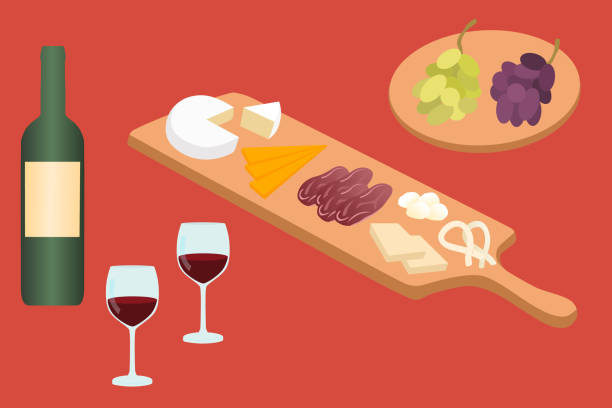
Wine And Food Pairing Basics
Wondering how to perfectly match wine with your meal? You’re not alone—wine and food pairing can feel overwhelming, but it doesn’t have to be. From balancing flavors to understanding acidity and tannins, we’ll cover the key rules—and when to break them. Whether you’re grilling, roasting, or ordering takeout, you’ll walk away knowing exactly which bottle to pour.
What Is Wine and Food Pairing?
Definition of wine and food pairing
Wine and food pairing is the art of combining wines with dishes to enhance the overall dining experience. It involves matching the flavor profiles, weight, and intensity of both the food and wine so that neither overpowers the other.
A successful pairing creates harmony on the palate, where the wine complements the dish and vice versa. For example, a crisp, acidic white wine like Sauvignon Blanc pairs well with light seafood dishes, as the acidity cuts through richness and refreshes the mouth.
Pairing isn’t just about luxury—it’s a practical tool to balance textures and tastes such as salt, sweetness, fat, and spice. Whether you’re enjoying a simple salad or a rich stew, selecting the right wine can elevate the meal.
Understanding this foundational concept helps both beginners and experienced food lovers make confident, enjoyable choices at meals, entertaining, or restaurant dining.
Why pairing matters for flavor
The right wine and food pairing can transform how flavors are perceived, making both the meal and the wine more enjoyable. When matched thoughtfully, wine can amplify savory notes, balance acidity, or soften spice in a dish.
For instance, a fruity red like Pinot Noir enhances the umami in roasted mushrooms, while a buttery Chardonnay complements creamy sauces by matching their richness. Conversely, a poor pairing—like a heavy Cabernet Sauvignon with delicate fish—can overwhelm the dish and dull the wine’s nuances.
Pairing also affects mouthfeel; tannic reds feel smoother when consumed with protein-rich foods like steak. Acidity, sweetness, bitterness, and alcohol levels in wine all interact dynamically with food components.
By understanding these interactions, you can create balanced, restaurant-quality experiences at home, turning everyday meals into memorable culinary moments with thoughtful wine selection.
Common myths about pairing
Many people believe strict rules govern wine and food pairing, but several common myths can limit enjoyment. One widespread myth is that white wine only pairs with fish and red wine with meat—in reality, the dish’s sauce, seasoning, and cooking method matter more than the protein.
Another myth is that expensive wines always pair better, but a modestly priced wine that matches the dish’s profile will outperform a costly mismatch. Some also think sweet wines don’t pair with savory foods, yet a Riesling with spicy Thai food or a Sauternes with blue cheese creates delightful contrasts.
Lastly, the idea that you must drink the same wine throughout the meal ignores how different courses call for different pairings. Debunking these myths empowers diners to experiment confidently, trust their palates, and discover personalized combinations that bring true pleasure to every bite and sip.
How to Match Wine and Food Flavors
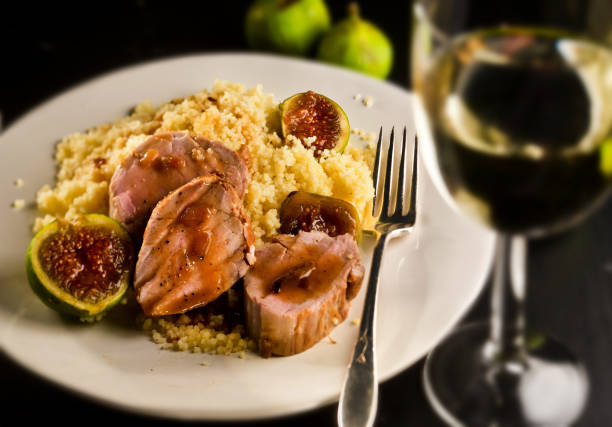
Balance intensity of wine and dish
To achieve a harmonious pairing, match the intensity of flavors between your wine and food. A delicate dish like poached salmon or a light salad can be overwhelmed by a bold, tannic red wine such as Cabernet Sauvignon.
Instead, opt for a lighter-bodied wine like Pinot Noir or a crisp white such as Sauvignon Blanc. Conversely, robust dishes like grilled steak or lamb stew need wines with equal depth and complexity—full-bodied reds like Syrah or Malbec work well.
Think of flavor intensity on a spectrum from subtle to powerful, and aim to align them. For example, creamy mushroom risotto has moderate intensity, so a medium-bodied Chardonnay with oak influence complements it perfectly. When flavors are balanced, neither the food nor the wine dominates.
This creates a seamless dining experience where each bite and sip enhances the other, elevating the overall enjoyment of the meal.
Match weight with body
Pairing wine and food successfully often comes down to aligning the weight of the dish with the body of the wine. A heavy, rich meal like braised short ribs or creamy pasta demands a full-bodied wine—such as a buttery Chardonnay or a structured Merlot—that can stand up to its density.
On the other hand, light dishes like steamed fish or fresh vegetable tartare pair best with light-bodied wines like Pinot Grigio or Gamay.
Mismatching weight can leave one element feeling out of place: a heavy wine can overpower a delicate dish, while a light wine may vanish against a hearty meal. Consider texture and richness—a fried dish with crisp batter benefits from a wine with bright acidity and moderate body, like Vermentino.
By matching weight with body, you ensure both components coexist in harmony, creating a balanced and satisfying palate experience with every bite and sip.
Use acidity to cut through richness
High-acid wines are excellent tools for balancing rich, fatty, or creamy dishes by refreshing the palate with each sip. Wines like Champagne, Riesling, or Sangiovese have vibrant acidity that cuts through the heaviness of foods like duck confit, Alfredo pasta, or triple-cream cheese.
This contrast prevents palate fatigue and enhances the overall dining experience. For example, a rich lobster bisque feels lighter when paired with a zesty Chablis, as the wine’s acidity slices through the creaminess.
Similarly, a drizzle of olive oil or a buttery sauce on fish becomes more palatable with a crisp Albariño. Acidity also enhances perception of flavor, making both food and wine taste more vibrant.
When pairing, think of acidity as a palate cleanser—it lifts and brightens, especially in dishes with heavy textures or rich sauces. Choosing a wine with equal or higher acidity than the dish’s richness ensures a refreshing, well-balanced pairing every time.
Best Wine Pairings for Common Food Types

Pairing wine with red meat
When pairing wine with red meat, choose bold, tannic reds that can stand up to the rich, savory flavors of dishes like steak, lamb, or beef stew. Cabernet Sauvignon is a classic choice, as its firm tannins cut through fat and enhance the meat’s juiciness.
Syrah and Malbec also work well, offering dark fruit notes and spice that complement grilled or roasted preparations. For more rustic dishes like braised short ribs, consider a mature Nebbiolo or Tempranillo, which bring acidity and earthy complexity. Avoid light-bodied wines, as they may be overwhelmed by the meat’s intensity.
The key is balance: the wine should match the weight of the dish and refresh the palate between bites. Decanting fuller reds can soften tannins and elevate the pairing. Ultimately, personal preference matters—experiment to find your ideal match between robust wine and hearty red meat.
Wine choices for poultry and pork
Poultry and pork are versatile proteins that pair well with a range of wine styles, depending on preparation. For roasted or grilled chicken, Pinot Noir is an excellent choice—its bright acidity and red fruit notes complement lighter sauces and herbs.
Chardonnay, especially an oaked version, pairs beautifully with creamy chicken dishes or roasted turkey. With pork, consider its richness: a buttery Chardonnay works with pork loin or schnitzel, while a fruit-forward Zinfandel or Grenache enhances glazed or barbecued preparations.
Rosé wines also shine here, offering crispness and berry notes that bridge the gap between red and white. Avoid overly tannic reds, which can clash with leaner meats. The goal is harmony between sauce, seasoning, and wine—a slightly sweet Riesling, for example, can balance spicy Asian-style pork.
Flexibility is key; match the wine to the dish’s dominant flavor profile.
Best wines for seafood and shellfish
Seafood and shellfish call for crisp, acidic wines that enhance delicate flavors without overpowering them. For oysters, clams, and other briny shellfish, a Sauvignon Blanc or Chablis (unoaked Chardonnay) offers bright citrus and mineral notes that mirror the ocean’s salinity.
Pinot Grigio and Albariño are excellent with grilled shrimp or ceviche, providing zesty freshness. With richer fish like salmon or tuna, consider a light red such as Pinot Noir, which brings subtle fruit and earthiness without overwhelming the fish.
Sparkling wines like Brut Champagne or Prosecco elevate any seafood appetizer, their effervescence cleansing the palate. Avoid heavy, oaky whites, which can dominate subtle flavors. Match intensity: delicate sole with a light white, while lobster in butter sauce pairs well with a fuller, barrel-fermented Chardonnay.
Ultimately, acidity and balance are the keys to a successful seafood pairing.
Pairing Wine with Vegetarian and Vegan Dishes
Wine with roasted vegetables
Roasted vegetables bring out natural sugars and deepen flavors through caramelization, making them excellent partners for medium-bodied wines with bright acidity.
Think of roasted carrots, bell peppers, or Brussels sprouts—these benefit from a Pinot Noir or a Grenache-based red, as their red fruit notes and soft tannins complement the earthy sweetness without overwhelming the dish.
For roasted root vegetables with herbs like rosemary or thyme, a dry rosé or oaked Chardonnay can provide a balanced contrast with its subtle richness and citrus undertones. Acidity is key in cutting through the natural sugars, while avoiding high-tannin reds like Cabernet Sauvignon prevents bitterness.
When roasting with balsamic or glaze, opt for a slightly fruit-forward wine to match the sweetness. Ultimately, match the wine’s weight to the dish’s intensity—lighter roasts with crisp whites, heartier medleys with rounded reds or amber rosés.
Pairing with plant-based proteins
Plant-based proteins like tofu, tempeh, lentils, and seitan vary widely in texture and flavor, so matching the preparation method to the wine is essential.
Grilled or marinated tofu with umami-rich sauces pairs beautifully with a light to medium-bodied red like Gamay or a fruity, low-tannin red blend, which won’t overpower the delicate soy base. For spiced lentil stews or chickpea curries, an off-dry Riesling or Gewürztraminer balances heat and enhances aromatic spices.
Crispy or fried plant proteins, such as vegan nuggets or falafel, work well with sparkling wines or high-acid whites like Sauvignon Blanc, as their effervescence and zest cut through the oiliness. Avoid heavy, oaky wines that can clash with the subtle nature of plant proteins.
Instead, focus on harmony between wine acidity, dish texture, and seasoning—bright, aromatic wines often elevate the complexity of plant-based meals without dominating them.
Best matches for creamy vegetarian dishes
Creamy vegetarian dishes—such as mushroom risotto, vegan alfredo, or coconut-based curries—require wines with sufficient acidity and body to stand up to richness. A buttery, barrel-fermented Chardonnay is a classic choice, as its creamy texture mirrors the dish while its citrus and vanilla notes add balance.
For dairy-free creamy sauces made with cashews or coconut milk, an oaked Viognier or white Rhône blend offers floral aromas and a lush mouthfeel that complements the dish’s silkiness.
If the dish includes earthy elements like mushrooms or truffle, a light Pinot Noir with bright acidity can cut through the fat and enhance umami depth. Avoid overly tannic or light, thin wines, as they can clash or disappear against the richness.
The key is textural harmony—a wine that feels equally full on the palate will create a seamless pairing. When in doubt, opt for wines with both richness and freshness to match the luxurious yet nuanced nature of creamy vegetarian fare.
Tips for Pairing Wine with Spicy and Bold Flavors
Cool down heat with off-dry wines
When pairing wine with spicy dishes, off-dry wines are a game-changer because their touch of residual sugar helps counterbalance heat and refresh the palate. Spicy foods, like Thai curries or jalapeño-laced salsas, can overwhelm dry wines, but a slightly sweet Riesling or Gewürztraminer soothes the burn without amplifying it.
The sweetness in these wines doesn’t mean they’re cloying—instead, their bright acidity keeps them crisp and refreshing. Serve them well-chilled to enhance their cooling effect. Off-dry wines also complement bold flavors like garlic, ginger, and chili without clashing.
Think of them as a palate reset between bites, making each mouthful as enjoyable as the first. For best results, look for labels indicating ‘Kabinett’ or ‘Spätlese’ for German Rieslings, which offer ideal sweetness levels.
This pairing strategy is especially effective with dishes that have a sweet-and-spicy profile, such as Korean BBQ or sweet chili chicken.
Avoid high alcohol with spicy food
High-alcohol wines, such as many bold Cabernet Sauvignons or Syrahs, can intensify the heat in spicy dishes, leading to an uncomfortable, burning sensation. Alcohol naturally amplifies capsaicin—the compound responsible for spiciness—so opting for lower-alcohol wines (ideally under 13% ABV) creates a more balanced dining experience.
Instead of heavy reds, choose lighter options like Beaujolais (Gamay), Pinot Noir, or Albariño, which provide fruit-forward profiles without overwhelming the palate. Chilling these wines slightly enhances their refreshing qualities, making them ideal companions for fiery cuisine.
Additionally, high-alcohol wines can feel ‘hot’ on the finish, which compounds the heat from the food instead of soothing it. By selecting wines with moderate alcohol, you maintain harmony on the palate and allow the dish’s complex spices to shine.
This principle is especially crucial when serving dishes like buffalo wings, vindaloo, or spicy tacos, where comfort and balance are key.
Best wines for Asian and Latin cuisine
Asian and Latin dishes often feature bold spices, tangy sauces, and umami-rich ingredients, making versatile, aromatic whites and light-bodied reds the top choices. For Thai, Vietnamese, or Szechuan dishes, an off-dry Riesling or aromatic Viognier complements the interplay of sweet, sour, and spicy elements.
The slight sweetness balances chili heat, while bright acidity cuts through rich sauces. With Latin fare like mole, empanadas, or ceviche, Albariño, Torrontés, or Garnacha offer vibrant fruit and floral notes that enhance, rather than compete with, complex seasonings.
Garnacha’s low tannins and juicy profile make it ideal for smoky, spicy meats without amplifying heat. Rosé wines, especially those from Provence, also excel with both cuisines thanks to their crisp acidity and red fruit character.
Ultimately, the best pairings enhance the meal’s vibrancy while providing palate relief, ensuring every bite and sip feels harmonious and satisfying.
Cheese and Wine Pairing Guidelines
Soft cheeses and their ideal wines
When pairing soft cheeses with wine, balance creaminess with acidity to create a harmonious match. Soft cheeses like Brie, Camembert, and fresh goat cheese have rich, buttery textures that can coat the palate, so choosing a wine with bright acidity helps cleanse the mouth between bites.
Light to medium-bodied white wines such as Sauvignon Blanc, unoaked Chardonnay, or Champagne are excellent choices. The crispness of Sauvignon Blanc cuts through the fat, enhancing both the cheese and wine flavors. For goat cheese, a dry rosé or a sparkling wine with citrus notes complements its tangy profile.
If you prefer reds, opt for lighter options like Pinot Noir, whose red fruit notes and soft tannins won’t overpower the delicate cheese. Avoid high-alcohol or heavily oaked wines, as they can clash with the mild flavors.
Ultimately, refreshing acidity and subtle fruitiness are your best allies when enjoying soft cheeses.
Hard cheeses that match bold reds
Hard cheeses such as aged Cheddar, Manchego, and Parmesan have concentrated flavors and firm textures that stand up well to bold, full-bodied red wines. These cheeses develop nutty, caramel-like, and sometimes crystalline qualities as they age, making them ideal partners for wines with structure and depth.
Full-bodied reds like Cabernet Sauvignon, Syrah, and Malbec offer robust tannins and dark fruit profiles that complement the richness of hard cheeses. The tannins in these wines interact with the cheese’s fat, creating a smooth, velvety mouthfeel.
Aged Gouda pairs beautifully with a bold Zinfandel, where caramel notes in the cheese mirror the wine’s jammy character. For a classic pairing, try Manchego with Tempranillo, a match rooted in Spanish tradition. Avoid delicate wines, as they’ll be overwhelmed.
Instead, seek wines with intensity and grip to match the cheese’s assertiveness and create a satisfying, balanced experience.
Blue cheese and sweet wine combos
The bold, pungent flavors of blue cheeses like Roquefort, Gorgonzola, and Stilton find their perfect match in sweet, fortified wines that balance saltiness with richness. The key is contrast and complement: the sweetness of the wine tempers the cheese’s sharpness, while the cheese enhances the wine’s depth.
Port, Sauternes, and late-harvest Riesling are top choices, offering luscious honeyed notes and vibrant acidity. A classic pairing is Roquefort with Sauternes—the wine’s apricot and marmalade flavors meld beautifully with the cheese’s creamy, tangy bite.
For a bolder experience, try Stilton with a vintage Port, where dark fruit and chocolate notes in the wine echo the cheese’s intensity. The high sugar content in these wines also balances the salty punch, creating a luxurious, dessert-like pairing. Serve slightly chilled to enhance freshness.
Avoid dry wines, as they can clash with the salt. Instead, embrace sweetness and richness for a truly indulgent match.
Common Wine and Food Pairing Mistakes to Avoid
Don’t let salt ruin your pairing
Salt in food can dramatically alter the way wine tastes, often exaggerating bitterness or alcohol heat while dulling fruit flavors. A common mistake is pairing a bold, tannic red with heavily salted dishes like aged cheeses or charcuterie, which can make the wine taste harsh and unbalanced.
Instead, opt for wines with higher acidity or a touch of sweetness to counteract saltiness. For example, a crisp, high-acid white like Sauvignon Blanc or an off-dry Riesling complements salty foods by refreshing the palate.
Even sparkling wines, with their effervescence and acidity, work well by cutting through salt and cleansing the mouth. Always consider the overall salt level when selecting a wine—what might taste great on its own could clash when paired.
Planning your pairing around salt content ensures harmony, enhances both elements, and prevents an otherwise enjoyable meal from falling flat due to an ill-chosen bottle.
Avoid clashing tannins with delicate dishes
Tannic red wines like Cabernet Sauvignon or Nebbiolo can overwhelm delicate proteins such as fish, chicken, or steamed vegetables, creating an unpleasant metallic or bitter aftertaste. This happens because tannins bind with proteins, and when the dish lacks sufficient fat or richness, the wine’s structure dominates the palate.
The key is matching the weight of the wine to the intensity of the dish. For lighter fare, choose low-tannin wines such as Pinot Noir, Gamay, or a dry rosé that complement without overpowering. Even white wines often shine better with subtle flavors.
Grilled salmon with Pinot Noir or lemon-herb chicken with Chardonnay are classic pairings that respect balance. Avoid assuming red wine must accompany all main courses—doing so can ruin the nuance of both food and wine. Thoughtful pairing preserves the integrity of delicate ingredients while enhancing the overall dining experience.
Why sweet wines don’t always go with dessert
A frequent misstep is assuming that sweet wine must pair with sweet desserts, but the reverse is often true: if the wine is less sweet than the dish, it will taste sour or flat.
The key rule is the wine should be at least as sweet as the dessert, or the pairing fails. For example, a moderately sweet Moscato with a rich chocolate cake will taste tart and unbalanced.
Instead, match intense desserts with equally intense sweet wines—think Sauternes with crème brûlée or late-harvest Riesling with fruit tarts. Also, consider flavor intensity and acidity; a dessert with citrus notes pairs better with a bright, acidic wine than a heavy, syrupy one.
Cream-based desserts often work better with sparkling wines like demi-sec Champagne, which cut through richness. Blindly choosing sweetness without considering balance leads to cloying combinations. Thoughtful pairing ensures both dessert and wine enhance, rather than mask, each other’s best qualities.
Frequently Asked Questions
What is wine and food pairing?
Wine and food pairing is the practice of matching wine with food to enhance the flavors of both. The goal is to create a balanced dining experience where neither the wine nor the food overpowers the other.
How do I pair wine with food for beginners?
Start by matching the weight of the wine with the weight of the food—light dishes with light wines, bold dishes with bold wines. For example, pair a delicate fish with a crisp white like Pinot Grigio and a grilled steak with a full-bodied red like Cabernet Sauvignon.
Should I always pair red wine with meat and white wine with fish?
While this is a common guideline, it’s not a strict rule. Consider the preparation—grilled salmon pairs well with a light red like Pinot Noir, and a rich buttery chicken dish might go better with a full-bodied white like Chardonnay.
What are some classic wine and food pairings?
Classic pairings include Chardonnay with roasted chicken, Sauvignon Blanc with goat cheese, Pinot Noir with duck, and Cabernet Sauvignon with steak. These combinations highlight complementary flavors and textures.
Can I pair sweet wines with food?
Yes, sweet wines like Riesling or Port can pair beautifully with spicy dishes, salty cheeses, or desserts. Just ensure the wine is at least as sweet as the food to avoid a flat taste.
How important is acidity in wine pairing?
Acidity is crucial—it helps cut through rich or fatty foods and refreshes the palate. High-acid wines like Sauvignon Blanc pair well with creamy dishes or vinaigrette-based salads.
What should I avoid when pairing wine and food?
Avoid pairing very tannic wines with spicy or salty foods, as this can create bitterness. Also, avoid mismatching intensities—don’t pair a light wine with a heavily seasoned dish.
Conclusion
Mastering wine and food pairing enhances your dining experience by balancing flavors and elevating both the meal and the wine. Remember the basic principles: match intensity, consider acidity and sweetness, and harmonize flavors. Don’t fear experimentation—personal preference matters most. With practice, you’ll gain confidence and discover delightful combinations. Start simple, trust your palate, and enjoy the journey of exploring pairings. Cheers to delicious discoveries!


