What Wine Pairs With Scallops
If you’re wondering what wine pairs with scallops, you’ve come to the right place. In the next few lines we’ll match the delicate, sweet flavor of these sea gems with the perfect glass, whether you prefer crisp whites, light reds, or a sparkling surprise. Expect quick, clear recommendations, tasting notes, and serving tips so you can impress at dinner without the guesswork. Let’s dive in and find your ideal sip and enjoy a memorable culinary experience together tonight now today.
How to Choose the Right Wine for Scallops
Flavor Profile of Scallops
When selecting a wine for scallops, start by understanding the delicate flavor profile of the shellfish. Scallops are naturally sweet, with a buttery, slightly briny finish that can be subtle or pronounced depending on preparation.
If the scallops are seared, the caramelized crust adds a nutty, smoky note, while a light citrus glaze introduces bright acidity. Avoid wines that overwhelm these nuances; heavy tannins or overly oak‑driven reds will mask the gentle sweetness.
Instead, aim for wines that echo the scallops’ soft fruit and marine essence. Consider the cooking method—whether the dish is served with a butter‑based sauce, a creamy risotto, or a crisp salad—because each element shifts the palate.
By matching the wine’s intensity to the scallop’s flavor, you create a harmonious pairing that lets both the seafood and the wine shine without competition.
Key Wine Characteristics
Identify the key characteristics a wine should possess to complement scallops. First, look for bright acidity that can cut through buttery sauces and enhance the natural sweetness of the shellfish. A moderate alcohol level (around 11‑13% ABV) keeps the pairing light and prevents the wine from overpowering the delicate texture.
Floral aromatics, such as white peach, citrus blossom, or subtle mineral notes, mirror the oceanic qualities of scallops and add complexity without heaviness. Opt for wines with a clean, crisp finish rather than lingering oak or high tannin structures.
Good candidates include unoaked Chardonnay, Sauvignon Blanc, Albariño, and dry Riesling, all of which deliver the zesty, fruit‑forward profile needed for a balanced match. When selecting, taste the wine first: it should feel refreshing on the palate and leave a lingering note that echoes the scallop’s gentle brine.
Matching Acidity Levels
Match the acidity level of the wine to the preparation style of the scallops for a seamless dining experience.
High‑acid wines such as Vermentino or a crisp Pinot Grigio work well with scallops served in citrus‑based sauces, as the acidity mirrors the bright lemon or lime accents and lifts the dish’s flavor.
For scallops paired with a rich beurre blanc or a creamy corn puree, choose a wine with moderate acidity, like an unoaked Chardonnay or a lightly oaked Grüner Veltliner, which provides enough lift without clashing with the silkiness.
If the dish includes a spicy or tomato‑forward component, a wine with balanced acidity and a hint of fruit sweetness, such as an off‑dry Riesling, can tame heat while complementing the seafood’s sweetness.
Always taste the wine alongside a bite of scallop; the goal is for the acidity to refresh the palate and enhance, not dominate, the subtle marine notes.
What Types of White Wine Pair Best with Scallops
Sauvignon Blanc
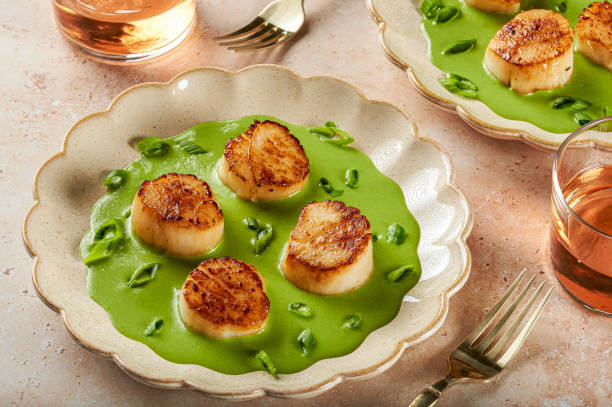
Sauvignon Blanc’s bright acidity and citrus-driven profile make it a natural companion for delicate scallops. Look for vibrant notes of lemon, lime, and green apple that echo the sea‑salt brine and cut through any buttery sauce.
A lightly oaked or unoaked style preserves the wine’s crispness, allowing the scallops’ sweet, slightly sweet‑savory flavor to shine. Pair a New Zealand Marlborough or a Loire Valley Sancerre for a clean, mineral finish that mirrors the dish’s freshness.
If your scallops are served with a herb‑infused beurre blanc, the herbaceous hints of passionfruit or gooseberry in the wine will complement the garnish without overwhelming it. Serve the wine chilled at 45‑50°F (7‑10°C) to maintain its lively character and keep the palate refreshed between bites.
The wine’s subtle minerality also highlights the natural sweetness of the scallops, creating a harmonious balance that enhances both the seafood and the sauce.
Chardonnay
A lightly oaked Chardonnay offers a buttery richness that mirrors the creamy texture of many scallop preparations. Seek out flavors of ripe pear, tropical pineapple, and a hint of vanilla that can stand up to a seared‑butter glaze without masking the shellfish’s subtle sweetness.
The wine’s medium‑body and gentle acidity provide enough structure to cut through a velvety sauce while still delivering a smooth mouthfeel. Choose a Burgundy‑style Chardonnay from France or a cool‑climate California example for balanced oak integration and bright fruit.
When the dish includes a citrus‑y herb vinaigrette, the wine’s natural acidity will echo the lemon zest, creating a seamless dialogue on the palate. Serve at 50‑55°F (10‑13°C) to keep the oak‑derived creaminess expressive yet refreshing throughout the meal.
Its subtle buttery finish also enhances the caramelized edges of the scallops, making each bite feel richer and more cohesive with the wine.
Pinot Grigio
Pinot Grigio’s crisp, lean profile is perfect for scallops served with light, citrus‑forward preparations. Focus on bright notes of green apple, white peach, and a whisper of minerality that lift the delicate flavor of the seafood without adding weight.
The wine’s high acidity cleanses the palate between bites, especially when the scallops are drizzled with a lemon‑butter sauce or paired with a fresh salsa verde. Opt for an Italian Pinot Grigio from the Alto Adige region or a New World version with subtle floral aromatics for a clean finish.
Its subtle fruit backbone supports the natural sweetness of the scallops while the mineral edge mirrors the sea‑salt brine, creating a balanced and refreshing dining experience. Serve chilled at 45‑48°F (7‑9°C) to preserve its lively sparkle throughout the meal.
A light touch of citrus zest in the wine’s finish further accentuates the lemon accents on the plate, ensuring every sip feels purposeful.
Best Sparkling Wines for Scallop Dishes
Champagne
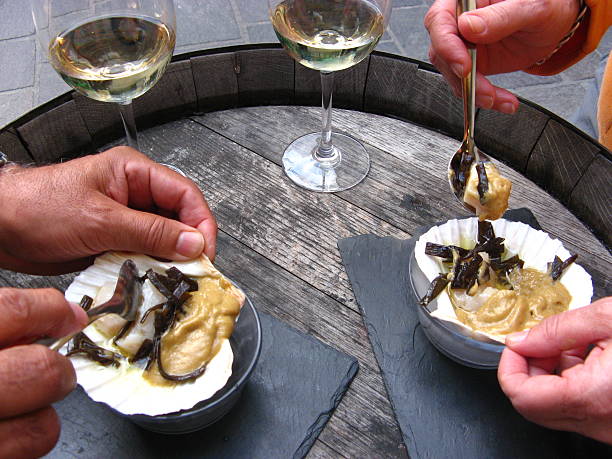
Choose a Brut Champagne with bright acidity and fine bubbles to complement the delicate sweetness of scallops. High acidity cuts through any buttery sauce, while the wine’s subtle citrus and green‑apple notes echo the sea‑fresh flavor.
Opt for a non‑vintage blend from a reputable house such as Veuve Clicquot or Bollinger, which balances fruit and minerality without overwhelming the dish. Serve the Champagne well‑chilled at 45‑48°F and pour a modest glass—about 4‑5 oz—to keep the palate refreshed.
Pair it with pan‑seared scallops in a light lemon‑butter sauce or a simple herb‑infused broth; the wine’s creamy mousse mirrors the texture of the seafood, enhancing each bite.
Avoid overly sweet styles, as they can clash with the natural brine of the scallops and mask the nuanced flavors of the preparation. A crisp, mineral finish will also highlight any fresh herbs like dill or parsley used in the plating.
Prosecco
Select an Extra Dry Prosecco from the Veneto region for a lively partner to scallops. Moderate sweetness balances the natural brine while the wine’s crisp apple and pear aromas lift the dish’s subtle flavors.
Look for producers such as Nino Franco or Valdobbiadene that offer fine, persistent bubbles and a clean finish. Chill the Prosecco to 46‑48°F and serve in a tulip glass to concentrate the aromatics.
Pair it with seared scallops tossed in a light garlic‑olive oil drizzle or a citrus‑caper vinaigrette; the bright acidity cuts through the oil and accentuates the seafood’s sweetness. Avoid overly sugary or heavily perfumed styles, as they can overwhelm the delicate texture.
A splash of the wine in the pan deglaze adds a subtle sparkle, creating a cohesive flavor loop that keeps the palate refreshed from start to finish.
Cava
Opt for a Brut Nature Cava from Spain’s Catalonia region to enhance scallop dishes with crisp minerality. Zero dosage ensures a clean, dry profile that highlights the seafood’s natural sweetness without added sugar.
Choose labels like Gramona or Recaredo, known for elegant mousse and notes of lemon zest, green apple, and a hint of saline minerality. Serve the Cava chilled at 45‑47°F in a flute to preserve its fine bubbles.
Pair it with grilled scallops brushed with a herb‑garlic butter or a light tomato‑basil salsa; the wine’s crisp acidity balances the richness while its subtle toast undertones complement any char from the grill. Skip sweetened Cavas, as they can mask the delicate flavor of the scallops.
A quick splash of Cava in the finishing sauce adds a bright lift, uniting the dish and drink in a harmonious, refreshing experience.
Red Wine Options That Work with Scallops
Light-bodied Reds
Choose a light‑bodied red that won’t overwhelm the delicate sweetness of scallops. Opt for a chilled Gamay or a young Beaujolais Nouveau, which offers bright fruit and low tannins. Serve the wine slightly cooler than typical reds, around 55°F (13°C), to accentuate its freshness.
Pair it with scallops prepared simply—seared with butter, a splash of lemon, or a light herb vinaigrette—so the wine’s subtle berry notes complement rather than dominate. Avoid heavy oak‑aged reds, as their robust structure can mask the shellfish’s nuance.
A brief spritz of citrus in the glass can further brighten the profile, creating a harmonious balance between the wine’s acidity and the scallops’ buttery texture.
Consider a brief garnish of microgreens or a drizzle of truffle oil on the plate; these aromatics echo the earthiness of the red without adding weight.
The overall goal is to let the wine’s lively acidity lift the natural sweetness of the scallops, delivering a refreshing bite that encourages multiple servings.
Pinot Noir
Pinot Noir, especially from cooler climates, can be a surprisingly elegant partner for scallops. Select a fruit‑forward, low‑tannin style from regions like Oregon, Burgundy, or New Zealand, where the wine showcases red‑berry aromas and a subtle earthy backbone.
Serve it lightly chilled, around 58°F (14°C), to preserve its delicate perfume and to match the scallops’ silk‑smooth texture.
Pair this wine with scallops dressed in a light mushroom‑cream sauce or a beurre blanc infused with thyme; the gentle earth notes of the Pinot will echo the sauce while its bright acidity cuts through the richness.
Avoid heavily oaked or overly alcoholic Pinot, as those characteristics can dominate the shellfish’s subtle flavor. A final touch of a few crushed pink peppercorns on the plate can enhance the wine’s spice nuance, creating a cohesive, refined dining experience.
Beaujolais
Beaujolais, made from the Gamay grape, offers a vibrant, fruit‑driven profile that pairs beautifully with scallops. Choose a Beaujolais Villages or a light Beaujolais Nouveau, which delivers juicy cherry and raspberry notes with minimal tannin.
Serve it chilled at about 55‑60°F (13‑15°C) to keep the palate lively and to mirror the scallops’ natural sweetness.
This wine shines when paired with scallops sautéed in a citrus‑butter glaze or tossed in a fresh herb salad; the wine’s bright acidity amplifies the citrus zest while its soft fruit backdrop supports the buttery richness.
Steer clear of the more structured Beaujolais Crus, whose deeper concentration can overwhelm the delicate shellfish. Adding a sprinkle of flaky sea salt and a drizzle of extra‑virgin olive oil just before serving will tie the flavors together, ensuring each bite feels balanced and celebratory.
Pairing Wine with Different Scallop Preparations
Seared Scallops
To highlight the caramelized crust of seared scallops, choose a wine that offers bright acidity and subtle fruit. Sauvignon Blanc from the Loire or New Zealand provides citrus zest and green‑herb notes that cut through the buttery sear while echoing the shellfish’s sweetness.
If you prefer bubbles, a dry Champagne or quality Crémant adds fine minerality and a refreshing palate cleanser, enhancing the crisp texture. For a richer, oak‑kissed option, opt for a Chablis or unoaked Chardonnay; its flinty minerality and restrained fruit complement the Maillard‑induced flavor without overwhelming it.
Serve the wine chilled at 45‑50°F and sip between bites to maintain balance. Pairing these selections ensures the wine’s acidity mirrors the scallop’s natural brine, while the subtle fruit lifts the dish’s savory depth.
Enjoy the harmony by tasting the wine just before the next bite, letting the acidity reset your palate.
Scallops in Cream Sauce
When scallops swim in a velvety cream sauce, the wine must match richness while preserving the delicate seafood character. An oaked Chardonnay from California or Burgundy offers buttery mouthfeel, toasted vanilla, and enough acidity to cut through the sauce’s fat, creating a seamless mouth‑to‑mouth transition.
If you favor aromatic depth, a Viognier with its stone‑fruit perfume and subtle spice adds a complementary sweetness that mirrors the sauce’s creaminess.
For those who enjoy a touch of red, a lightly chilled Pinot Noir from Oregon provides soft tannins, bright red‑berry notes, and a hint of earth that lifts the dish without overpowering the scallops.
Serve the white wines at 50‑55°F and the Pinot Noir just chilled enough to keep fruit forward, around 55‑60°F. By aligning the wine’s body with the sauce’s silkiness, each sip enhances the buttery texture while the acidity refreshes the palate for the next bite.
Grilled Scallops
Grilled scallops acquire a subtle char and smoky aroma that calls for wines with bright fruit and mineral lift. A crisp Albariño from Rías Baixas delivers citrus zest, saline minerality, and a lively acidity that mirrors the grill’s ember‑kissed notes while keeping the scallop’s sweetness front‑center.
For a versatile alternative, a Sauvignon Blanc from the Loire or New Zealand offers green‑apple crispness and herbaceous undertones that cut through the smoky edge and refresh the palate.
If you prefer a touch of pink, a dry Rosé from Provence provides red‑berry freshness, light tannins, and a whisper of floral aroma that complements the caramelized exterior without adding heaviness.
Light‑bodied reds such as Gamay from Beaujolais, served slightly chilled, can also work, offering juicy cherry fruit and soft acidity that echo the grill’s warmth. Serve all selections at 45‑55°F, and sip between bites to let the wine’s acidity balance the char while enhancing the natural brine of the scallops.
Tips for Serving Wine with Scallops
Ideal Serving Temperature
Serve your scallop‑friendly wine chilled but not ice‑cold to preserve delicate aromatics. Aim for a serving temperature between 45°F and 50°F (7‑10°C). Cool the bottle in the refrigerator for 2‑3 hours or place it in an ice bucket with water and ice for 20‑30 minutes before service.
If the wine is too cold, flavors will be muted; if too warm, acidity may feel sharp. For fuller‑bodied whites like oaked Chardonnay, a slightly higher range of 50‑55°F (10‑13°C) works well, while light, crisp varieties such as Albariño benefit from the cooler end.
Use a wine thermometer to check the temperature, and let the glass sit for a minute after pouring to allow the wine to open gently before tasting with the scallops.
Serve the wine in a clean, narrow‑rimmed glass to concentrate the bouquet, and consider a brief 5‑minute breathing period for richer styles to integrate fruit and minerality.
Glassware Selection
Choosing the right glass enhances the pairing of wine with scallops by directing aromas to the nose and guiding the sip to the palate.
Opt for a white‑wine glass with a tulip‑shaped bowl that narrows at the rim; this shape concentrates the subtle floral and citrus notes that complement the sweet, briny flavor of scallops.
Select a glass with a capacity of 10‑12 ounces to allow enough surface area for the wine to breathe without overwhelming the delicate dish. Avoid large, bold red‑wine glasses, which can disperse aromas too widely and make the wine taste overly acidic alongside the seafood.
For sparkling options like Champagne, a flute or a tulip glass works best, preserving bubbles while still highlighting the crisp acidity that cuts through the buttery texture of the scallops. Keep the glass spotless and free of residue to ensure a pure tasting experience.
Decanting Advice
Decanting is rarely required for most white wines that pair with scallops, but a brief aeration can unlock hidden nuances in richer styles.
If you choose an oaked Chardonnay or a fuller‑bodied white such as Viognier, pour the wine into a decanter for 10‑15 minutes to soften oak‑derived tannins and reveal tropical fruit aromas that balance the sweet sea‑taste of scallops.
For crisp, mineral-driven wines like Chablis or Sauvignon Blanc, a simple swirl in the glass for 20‑30 seconds is sufficient; excessive exposure can diminish their bright acidity. Use a clear, wide‑mouth decanter to allow maximum surface contact, and monitor the wine’s evolution; if the aroma becomes too soft, serve immediately.
This controlled approach ensures the wine remains lively enough to cut through the buttery sauce while complementing the delicate texture of the scallops.
Common Pairing Mistakes to Avoid
Overpowering Flavors
One of the biggest errors is choosing a wine that drowns out the delicate flavor of scallops. Avoid heavy, tannic reds such as Cabernet Sauvignon or Syrah; their bold structure can mask the sweet, buttery notes of the shellfish.
Instead, opt for light‑bodied whites with crisp acidity—think Sauvignon Blanc, unoaked Chardonnay, or a dry Riesling. These wines provide enough acidity to cut through any butter or oil without overwhelming the scallops.
Key tip: Serve the wine chilled (45‑50°F) to keep the palate fresh and let the subtle marine sweetness shine through. By matching the wine’s intensity to the scallops’ gentle profile, you preserve the harmony of the dish and avoid a clash that leaves both components muted.
If you prefer a sparkling option, a dry Prosecco or Champagne can also work, offering bright bubbles that accentuate the sea‑kissed texture without adding weight.
Ignoring Sauce Influence
Many home cooks focus only on the scallops themselves and forget that the sauce often dictates the wine choice. Don’t pair a buttery lobster‑style sauce with a high‑acid wine like Pinot Grigio; the acidity will clash with the richness and make the palate feel disjointed.
For a lemon‑butter sauce, select a wine that mirrors the citrus brightness—such as a crisp Albariño or a lightly oaked Chardonnay. If the dish features a sweet glaze, like a maple‑brown butter, a wine with a hint of residual sugar, like an off‑dry Riesling, will complement rather than compete.
Actionable tip: Identify the dominant flavor component of the sauce—acid, butter, or sweetness—and match the wine’s primary characteristic to it. This alignment ensures that the wine enhances the sauce’s nuance while still respecting the scallops’ subtlety. Serve the wine slightly chilled to keep the flavors bright.
Mismatched Sweetness
Pairing a wine that is too sweet for scallops is a common slip that can turn a delicate seafood plate into a cloying experience. Avoid dessert wines such as Sauternes or late‑harvest Gewürztraminer unless the scallops are prepared with a pronounced sweet element like a honey‑ginger glaze.
The natural sweetness of the shellfish is subtle, so a wine with high residual sugar will dominate the palate and mask the marine notes.
Instead, choose wines with balanced acidity and only a whisper of fruit sweetness—dry or off‑dry whites like a Vinho Verde, a Grüner Veltliner, or a lightly chilled Pinot Noir for those who prefer red.
Practical advice: Taste the wine first; if you can detect more than a faint fruit hint, swap it for a drier alternative. By keeping the wine’s sweetness in check, you let the scallops’ buttery texture and gentle brine shine through.
Frequently Asked Questions
What type of white wine best complements the delicate flavor of scallops?
A crisp, mineral-driven white such as Sauvignon Blanc or a lightly oaked Chardonnay works well, as its acidity highlights the sweet, buttery texture without overpowering the scallops.
Can I pair scallops with sparkling wine?
Yes, sparkling wines like Brut Champagne or a dry Prosecco provide bright acidity and fine bubbles that cleanse the palate and enhance the sea‑sweetness of scallops.
Are there any red wines that pair nicely with scallops?
If you prefer red, choose a light, low‑tannin option such as a Pinot Noir or a Gamay (Beaujolais); serve it slightly chilled to keep the profile fresh and avoid masking the scallops.
How does the preparation method affect wine selection for scallops?
Grilled or seared scallops benefit from fuller‑bodied whites like an oaked Chardonnay, while poached or raw preparations pair better with leaner, high‑acid wines such as Albariño or Vermentino.
What regional wines pair well with scallops from specific cuisines?
For Asian‑style scallops, try a slightly off‑dry Riesling to balance soy or ginger flavors; Mediterranean‑style scallops shine with a Greek Assyrtiko or an Italian Verdicchio.
Should I consider the sauce when choosing a wine for scallops?
Absolutely—creamy butter sauces call for richer whites like Chardonnay, whereas citrus or herb‑based sauces pair nicely with bright, aromatic wines such as Grüner Veltliner or a dry Muscadet.
Conclusion
In short, the ideal wine for scallops balances acidity, minerality, and subtle fruit to complement their sweet, delicate texture. Light‑bodied whites such as Sauvignon Blanc, Chablis, or a crisp Albariño, as well as sparkling options like Brut Champagne, enhance the sea‑briny notes without overwhelming them. Keep the pairing simple, serve chilled, and let the flavors shine—experiment and enjoy the perfect match!