
What Wine Goes With Smoked Salmon
If you’re wondering what wine pairs best with smoked salmon, you’ve come to the right place. In the next few lines we’ll cut through the confusion and point you to the perfect glass—whether you prefer crisp whites, aromatic rosés, or even a light sparkling option. We’ll explain why each choice works, how to match acidity and texture, and give you a quick, confident answer so you can serve your salmon with style at your next dinner party and impress guests.
What types of wine pair best with smoked salmon
Classic white wines
When serving smoked salmon, classic white wines provide a clean, crisp backdrop that highlights the fish’s buttery texture and subtle smoke. A well‑chilled Sauvignon Blanc offers bright acidity and citrus notes that cut through the richness, while an unoaked Chardonnay delivers a mineral edge without overwhelming oak flavors.
For a touch of sweetness, a German Riesling (dry to off‑dry) balances the saltiness and adds aromatic stone‑fruit nuances. Serve these wines slightly chilled (8‑10 °C) and pair them with simple accompaniments like dill, lemon, or a light cream cheese spread to keep the focus on the salmon’s flavor.
These selections also work well with traditional bagel or toast bases, ensuring the wine complements rather than competes with the dish.
Light rosé options
A light rosé can be an unexpected yet delightful partner for smoked salmon, offering a gentle fruitiness that mirrors the fish’s delicate flavor. Opt for a dry Provençal rosé with notes of strawberry, watermelon, and a hint of minerality; its crisp acidity lifts the salmon’s richness without adding heaviness.
Similarly, a pinot noir‑based rosé from the New World provides subtle red‑fruit aromas and a soft, silky mouthfeel that pairs nicely with herb‑infused spreads or cucumber ribbons.
Serve the rosé well chilled (6‑8 °C) and present it alongside fresh greens or a light vinaigrette to maintain balance and keep the palate refreshed.
Sparkling wines
The effervescence of sparkling wines makes them a top choice for pairing with smoked salmon, as the bubbles cleanse the palate and accentuate the fish’s silky texture. A classic Champagne (non‑dosage Brut) delivers crisp green‑apple and brioche notes that contrast beautifully with the salmon’s smoky depth.
For a more approachable option, try an Italian Prosecco with its bright citrus and pear flavors; its lighter body keeps the focus on the salmon rather than overwhelming it.
If you prefer a dry rosé sparkling, you’ll enjoy subtle red‑fruit hints and a creamy mousse that complements dill or caper toppings. Serve all sparklers well chilled (5‑7 °C) and pair with minimalistic accompaniments to let the wine’s acidity shine.
Red wines to avoid
When it comes to smoked salmon, red wines are generally best avoided because their tannins and bold fruit profiles can clash with the fish’s delicate, salty character.
A full‑bodied Cabernet Sauvignon brings strong oak and dark‑fruit notes that overwhelm the subtle smokiness, while a Syrah with peppery spice can make the salmon taste overly metallic. Even lighter reds like Pinot Noir may introduce earthy undertones that mask the fish’s freshness if not perfectly chilled.
If you must serve a red, choose an ultra‑light, low‑tannin option such as a Beaujolais Nouveau, served at a cool 12‑14 °C, but be prepared for a less harmonious pairing. In most cases, sticking to whites, rosés, or sparklers yields a more balanced experience.
How to match wine acidity with smoked salmon flavor
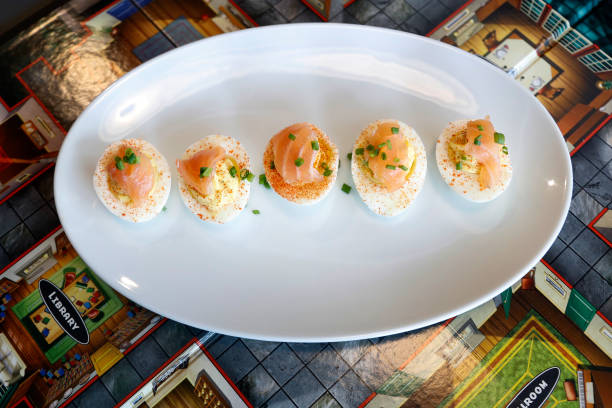
Balancing smoky richness
Start by tasting the salmon’s smoky depth and then look for a wine that can cut through richness while echoing the oceanic brine. A dry rosé with crisp acidity or a lightly chilled Pinot Noir offers fruit‑forward freshness that lifts the fish without overwhelming it.
Serve the wine chilled (around 45‑50°F) to enhance its refreshing qualities and to contrast the warm, smoky notes. When pairing, focus on wines that have a clean, mineral backbone; this mirrors the saline character of the salmon and creates a harmonious balance.
Avoid overly oaky or heavily tannic reds, as they will clash with the delicate texture. By aligning the wine’s acidity with the salmon’s smoky richness, you achieve a seamless mouthfeel where each sip brightens the bite and the fish’s flavor shines.
Pair this combination with a light herb garnish or a dollop of crème fraîche to further accentuate the acidity and keep the palate lively.
Choosing high‑acid wines
Prioritize wines that showcase high natural acidity to complement the buttery texture of smoked salmon. Classic choices include Sauvignon Blanc from the Loire Valley, which delivers zesty citrus and green‑apple notes that cut through the oiliness.
An Albariño from Rías Baixas offers bright acidity paired with subtle stone‑fruit aromas, reinforcing the fish’s delicate sweetness. For a sparkling option, opt for a Brut Champagne or a dry Prosecco; the bubbles add mouth‑cleansing fizz while the crisp acidity mirrors the salmon’s salty edge.
When selecting, check the label for terms like “crisp,” “vibrant,” or “zesty,” indicating the desired acid profile. Serve the wine well‑chilled (45‑48°F) to keep the acidity pronounced and to prevent the wine from feeling flat.
By choosing a high‑acid wine, you ensure each sip refreshes the palate, allowing the smoky salmon to remain the star without being masked by the wine’s body.
Role of citrus notes
Citrus flavors in wine act as a natural bridge to the salty, smoky profile of salmon, providing a bright counterpoint that lifts the dish.
Look for wines that highlight lemon, lime, or grapefruit aromatics, such as a crisp Vermentino from Sardinia or a New Zealand Sauvignon Blanc with pronounced tropical zest. These citrus‑forward wines deliver a sharp acidity that cuts through the fat while echoing the fish’s briny undertones.
Pairing with a wine that has a subtle herbaceous edge, like a touch of dill or fennel on the palate, can further enhance the marine character. Serve the wine at a cool 46‑50°F to keep the citrus notes vibrant and prevent them from muting.
For an extra citrus boost, add a thin slice of lemon or a drizzle of yuzu‑infused vinaigrette to the salmon just before serving; this synchronizes the flavor profile of the plate and the glass, ensuring every bite feels lively and balanced.
Tips for serving wine with smoked salmon
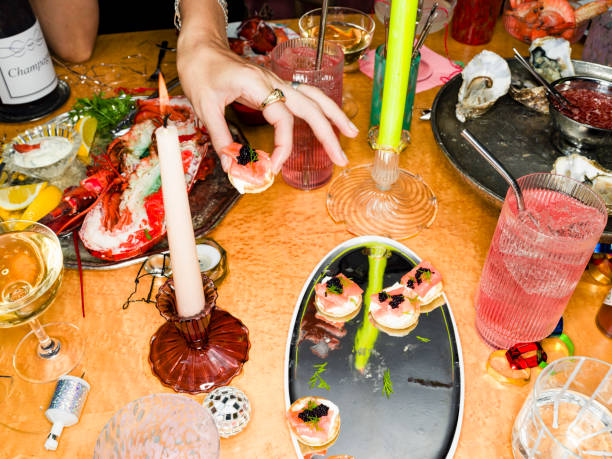
Ideal serving temperature
Serve your wine chilled but not icy to let the delicate flavors of smoked salmon shine. White wines such as Sauvignon Blanc, dry Riesling, or a crisp Champagne should be cooled to 45‑50°F (7‑10°C).
For rosé or light pinot noir, aim for 55‑60°F (13‑16°C) to preserve fruit nuance while softening acidity. Avoid overly warm temperatures, which can amplify alcohol heat and mask the salmon’s smoky nuance.
Use a wine thermometer or a two‑hour fridge chill, then briefly rest the bottle in a bucket of ice water for an extra 5‑10 minutes.
Before serving, give the glass a quick swirl to release aromatics, ensuring each sip balances the salmon’s salt, oil, and smoke with the wine’s bright acidity and subtle fruit.
Pair this chilled wine with a simple dill or lemon garnish on the salmon to enhance the citrus notes and keep the palate refreshed.
Glassware selection
Choosing the right glass enhances aroma delivery and sip comfort when enjoying wine with smoked salmon. Opt for a narrow‑rimmed white wine glass for Sauvignon Blanc or Riesling; the tapered mouth concentrates the wine’s crisp acidity and citrus aromatics, complementing the fish’s buttery texture.
For sparkling options like Champagne, a flute preserves bubbles and directs effervescence toward the palate, cutting through the salmon’s richness.
If you prefer a light red such as Pinot Noir, a tulip‑shaped glass with a slightly broader bowl allows gentle tannins to soften while still showcasing fruit notes that echo the salmon’s subtle sweetness.
Avoid oversized, heavy bowls that disperse aromas too quickly, as this can diminish the delicate balance between smoke and acidity. Clean, crystal‑clear glasses also prevent visual distractions, letting the visual appeal of the salmon and wine pair shine together.
Decanting and aeration
While most white and sparkling wines for smoked salmon need little preparation, a brief aeration can unlock hidden layers in richer styles.
For a fuller‑bodied Chardonnay or a lightly oaked Pinot Noir, pour the wine into a large, wide‑bowl decanter and let it sit for 10‑15 minutes; this exposure to oxygen softens any sharp edges and amplifies fruit and buttery notes that echo the salmon’s silky mouthfeel.
If you lack a decanter, simply swirl the wine in the glass for 20‑30 seconds before the first sip to achieve a similar effect.
Avoid over‑decanting dry Rieslings or crisp Sauvignon Blancs, as excessive aeration may mute their vibrant acidity and crisp minerality, which are essential for cutting through the fish’s smoke. Monitor the wine’s evolution; once the aromas feel bright and balanced, serve immediately to maintain the perfect harmony with the smoked salmon.
Best ways to pair wine with smoked salmon dishes
Bagels and cream cheese
When serving smoked salmon on a classic bagel with cream cheese, choose a wine that balances the richness and the briny fish. Opt for a crisp, unoaked Chardonnay from a cool climate such as Chablis; its bright acidity cuts through the creamy spread while echoing the salmon’s subtle smokiness.
A dry Riesling from Alsace or the Mosel region works equally well, offering citrus notes and a mineral backbone that lift the dish without overwhelming it.
Serve the wine chilled at 45‑50°F (7‑10°C) and present the bagels lightly toasted, topped with a thin layer of cream cheese, a slice of salmon, capers, and red onion.
This temperature ensures the wine’s freshness remains pronounced, while the acidity harmonizes with the tang of the cream cheese and the salt of the fish, creating a cohesive bite‑to‑sip experience.
Salads and vinaigrette
Pairing smoked salmon with a green salad dressed in a light vinaigrette calls for a wine that can match the acidity while complementing the fish’s smoky depth.
A sparkling Brut Champagne or a quality Crémant offers fine bubbles and bright citrus notes that cut through the oil‑based dressing and refresh the palate between bites.
If you prefer still wine, a Sauvignon Blanc from New Zealand provides herbaceous aromatics and a crisp acidity that mirrors the lemon‑y vinaigrette, enhancing the cucumber, dill, and caper flavors. Serve the wine chilled, around 45°F (7°C) for sparkling and 50‑55°F (10‑13°C) for Sauvignon Blanc, to keep the acidity lively.
Add a drizzle of extra‑virgin olive oil and a sprinkle of toasted pine nuts to the salad; the wine’s minerality will echo the nuts’ subtle crunch, while its fruitiness balances the salmon’s saltiness, creating a harmonious plate‑to‑glass experience.
Canapés and hors d’oeuvres
Smoked salmon canapés—whether on blinis, cucumber rounds, or rye crackers—are perfect for cocktail parties, and the right wine can elevate each bite. A dry Rosé from Provence delivers red‑fruit freshness and a touch of acidity that complements the buttery base and the salmon’s smoky notes without adding heaviness.
For a more aromatic option, a Gewürztraminer from Alsace offers floral and lychee aromas that play off the dill or chive garnish, while its slight sweetness balances the salt cure. Keep the wine chilled at 50‑55°F (10‑13°C) to maintain its crisp profile.
Assemble the canapés with a thin spread of crème fraîche, a sliver of salmon, and a garnish of micro‑herbs; the wine’s bright acidity will cut through the richness, while its fruit nuances echo the garnish, resulting in a seamless bite‑and‑sip rhythm that keeps guests reaching for more.
What is the impact of preparation style on wine choice
Cold‑smoked vs hot‑smoked
Cold‑smoked salmon retains a silky texture and subtle brine, while hot‑smoked salmon develops a firmer bite and deeper smoky flavor. This contrast dictates the wine partner.
For cold‑smoked, choose high‑acid, citrus‑driven whites such as Sauvignon Blanc, Albariño, or a dry Champagne; their bright acidity cuts the salt and highlights the fish’s delicate notes.
For hot‑smoked, opt for richer, slightly fuller‑bodied whites like an oaked Chardonnay or a Viognier, which can stand up to the intensified smoke without overwhelming the palate. A lightly chilled Pinot Noir also works for hot‑smoked, offering soft tannins and red‑fruit nuance that complement the caramelized edge.
In both cases, avoid overly sweet wines, as they can clash with the natural saltiness of the salmon. Serve the wine chilled at 8‑10 °C for whites and slightly cooler for sparkling, and consider a modest cheese board of mild goat cheese to round out the experience.
Marinated smoked salmon
Marinated smoked salmon often features bright accompaniments such as citrus zest, soy‑ginger glaze, or dill‑mustard rub, each altering the flavor profile and wine needs.
A citrus‑forward salmon with lemon or orange zest pairs beautifully with aromatic, off‑dry whites like a German Riesling Kabinett or an Alsace Gewürztraminer; the wine’s subtle sweetness balances the acidity while echoing the zest’s perfume.
If the salmon is glazed with soy or miso, choose a crisp, mineral-driven wine such as a dry Sancerre or a New Zealand Sauvignon Blanc, whose green‑herb notes cut through the umami and keep the palate fresh.
For herb‑based marinades that lean toward dill or mustard, a light‑bodied red like a chilled Pinot Noir or a Gamay can provide soft fruit contrast without overwhelming the delicate smoke. Keep the wine temperature just below typical serving levels to preserve the nuanced interaction between the glaze and the fish.
Smoked salmon with herbs
When smoked salmon is finished with fresh herbs such as dill, tarragon, chives, or basil, the herbaceous aromatics become a central element of the dish.
To complement these green notes, select a crisp, herb‑friendly white like Austria’s Grüner Veltliner or a Portuguese Vinho Verde; their peppery acidity mirrors the dill and keeps the palate lively.
If the herb mix leans toward tarragon or basil, an Italian Vermentino or a Spanish Albariño, both offering bright citrus and saline minerality, will echo the herb profile while balancing the salmon’s smoky depth.
For those who prefer a touch of red, a light, low‑tannin Pinot Noir from Oregon or a Beaujolais Nouveau can add subtle red‑fruit nuance without clashing with the herbs.
Serve the wine slightly chilled (9‑11 °C) and consider a garnish of lemon wedges to further unite the herbal and smoky flavors in a harmonious bite.
How to create a wine tasting menu featuring smoked salmon
Sequential wine progression
Begin the tasting menu with a crisp, mineral-driven white that highlights the delicate texture of smoked salmon. Choose a dry Riesling or a Sauvignon Blanc chilled to 45‑50°F; the bright acidity lifts the salt and smoke while preserving the fish’s subtle sweetness.
Follow with a lightly oaked Chardonnay that adds a whisper of creaminess, matching the buttery notes of a dill‑infused garnish. Serve the Chardonnay at a slightly warmer temperature (50‑55°F) to reveal its subtle oak and fruit layers, creating a seamless bridge to richer selections.
Conclude the progression with a low‑alcohol sparkling rosé, whose fine bubbles cleanse the palate and echo the salmon’s pink hue. Present the rosé in a flute to emphasize its effervescence, ensuring the final sip leaves a refreshing finish that prepares guests for the next course.
Pair this sequence with light accompaniments such as cucumber ribbons, lemon zest, and a drizzle of dill‑infused olive oil to amplify the wine’s aromatic profile.
Pairing multiple wines
Design the menu to showcase at least two complementary wines for each salmon preparation, giving diners the freedom to explore contrasting flavor pathways. Start with a vibrant Albariño for a citrus‑bright bite, its saline minerality echoing the oceanic notes of the fish while cutting through the smoky richness.
Pair it alongside a medium‑bodied Pinot Noir, chilled slightly, whose soft tannins and red‑fruit nuances harmonize with a mustard‑seed glaze on the salmon. Explain the tasting logic on a small card: the white emphasizes freshness, the red adds depth and a hint of spice.
Rotate the pairings for each subsequent plate—switching to a Grüner Veltliner with a subtle peppercorn crust, and a rosé Champagne for a festive sparkle. Encourage guests to sip each wine before and after each bite, noting how the acidity, fruit, and texture interact with the salmon’s smoke, fat, and seasoning.
This dual‑wine strategy creates a dynamic dialogue that elevates both the wine and the dish.
Complementary palate cleansers
Incorporate palate‑cleansing bites between wine pours to reset the taste buds and highlight the nuanced match between smoked salmon and each glass. Serve a small spoon of chilled cucumber‑mint gazpacho; its cool, herbaceous profile neutralizes lingering smoke while preparing the palate for the next sip.
Follow with a thin slice of toasted rye bread brushed with a light spread of crème fraîche and topped with a micro‑sprig of dill, offering a subtle creaminess that bridges the acidity of a crisp white and the richness of a fuller‑bodied red.
Add a garnish of pickled green apple for a crisp, tart counterpoint that mirrors the bright acidity of a Sauvignon Blanc or an off‑dry Riesling. Keep each cleanser bite under 15 grams to avoid overpowering the main dish.
Present the cleansers on a minimalist slate so guests can focus on the sensory transition, ensuring each wine’s character shines anew with every bite of smoked salmon.
Common mistakes to avoid when pairing wine with smoked salmon
Overpowering the fish
One of the biggest pitfalls is selecting a wine that drowns out the delicate, buttery flavor of smoked salmon. Avoid high‑alcohol, full‑bodied reds such as Cabernet Sauvignon or Syrah, which can mask the fish’s subtle smokiness. Instead, reach for lighter options that provide acidity and freshness without overwhelming the palate.
A crisp Sauvignon Blanc, a dry Riesling, or a sparkling Brut offers enough lift to complement the salmon while preserving its nuance. When you choose a wine with a balanced alcohol level (around 11‑12%) and a bright finish, the pairing highlights the fish’s texture rather than competing with it.
Remember to taste the wine first; if it feels heavy on the tongue, it will likely overpower the salmon. Pairing it with a glass served at cool cellar temperature (around 10‑12°C) further ensures the wine stays lively and does not become cloyingly hot, which can also mask the fish’s flavor.
Choosing overly sweet wines
Many diners assume that any sweet wine will balance the salt of smoked salmon, but excessive sweetness can turn the pairing into a dessert‑like mismatch. Steer clear of late‑harvest Rieslings, Moscato, or overly ripe Pinot Gris, which introduce honeyed notes that compete with the fish’s briny character.
Instead, opt for wines that offer a hint of fruit while retaining crisp acidity. A dry or off‑dry Riesling, a Grüner Veltliner, or a lightly sparkling Prosecco provides enough fruit to echo the salmon’s subtle sweetness without overwhelming it.
Keep the residual sugar below 2 g/L; this level adds freshness without creating a cloying aftertaste. When you select a wine with balanced acidity and restrained sweetness, the salmon’s smoky depth shines through, and the overall experience feels harmonious rather than one‑sided.
Serve the wine slightly chilled, around 8‑10°C, to keep the palate lively and prevent the sweetness from becoming syrupy.
Ignoring food temperature
Temperature plays a silent yet crucial role in how wine interacts with smoked salmon; overlooking it can spoil even the most theoretically perfect match.
Never serve a white wine at room temperature when pairing with chilled or lightly warmed salmon, because the heat dulls acidity and makes the wine feel flabby.
Aim for a serving range of 8‑12°C for crisp whites and sparkling options; this preserves their bright acidity and ensures they cut through the fish’s oily texture.
If the salmon is served warm, such as in a baked or poached preparation, a slightly higher wine temperature (around 12‑14°C) can provide a smoother mouthfeel without losing freshness.
Adjusting the glass temperature by a few degrees can also prevent the wine from accentuating any bitterness in the fish, allowing the smoky notes to remain front‑and‑center.
Frequently Asked Questions
What type of wine pairs best with smoked salmon?
A crisp, acidic white wine such as Sauvignon Blanc or a dry Riesling complements the smoky, salty flavors of the salmon without overwhelming it.
Can sparkling wine be served with smoked salmon?
Yes, sparkling wines like Champagne, Prosecco, or a dry Cava work well, as their bubbles and acidity cut through the richness of the fish.
Is a rosé a good match for smoked salmon?
A dry rosé, especially one made from Pinot Noir or Grenache, offers bright fruit and acidity that balances the smokiness while adding a touch of freshness.
Should I avoid heavy reds with smoked salmon?
Generally, heavy, tannic reds like Cabernet Sauvignon can clash with smoked salmon; the wine’s bold structure can overpower the delicate fish.
What about a white Burgundy or Chardonnay?
A lightly oaked Chardonnay or white Burgundy provides subtle buttery notes and enough acidity to enhance the salmon without overwhelming it.
Are there any regional wine pairings for smoked salmon?
In the Pacific Northwest, a crisp Oregon Pinot Gris or a New Zealand Sauvignon Blanc are popular choices, matching the local smoked salmon style.
How can I serve wine with smoked salmon on a brunch menu?
Offer a selection of chilled sparkling wine, a dry Riesling, and a light rosé; this variety lets guests choose a wine that suits their palate and the brunch dishes.
Conclusion
When pairing wine with smoked salmon, remember that bright acidity, subtle fruit, and gentle oak create the perfect harmony. A crisp Sauvignon Blanc, a mineral-driven Riesling, or a light‑bodied Pinot Noir all enhance the fish’s smoky richness without overwhelming it. Serve the wine chilled, and consider a splash of citrus or a herb‑infused garnish for extra freshness. Experiment, enjoy, and let these suggestions guide your next elegant appetizer.