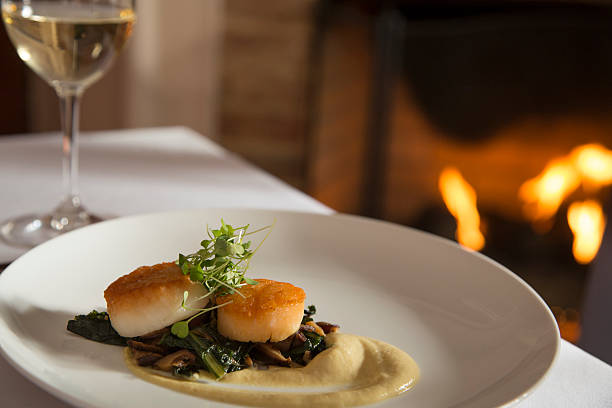
What Wine Goes With Scallops
Finding the perfect wine for scallops doesn’t have to be a mystery. In this quick guide, we’ll match the delicate, buttery texture of scallops with wines that enhance their sweet, oceanic flavor without overwhelming it. From crisp whites to light reds, you’ll discover a few go‑to pairings, learn why they work, and get tips for serving. Ready to impress your palate and guests? Let’s dive straight into the ideal wine choices for your next scallop feast and unforgettable enjoyment tonight.
How to Choose the Right Wine for Scallops
Flavor profile of scallops
Scallops deliver a delicate, slightly sweet ocean flavor with a buttery, melt‑in‑your‑mouth texture that can vary from firm to tender depending on size and cooking method. Key taste notes include briny sea‑salt, subtle nuttiness, and a faint citrus brightness that emerges when they’re seared or lightly poached.
The natural umami of the protein is gentle, allowing the palate to remain open for complementary flavors rather than being overwhelmed. When paired with sauces, the profile shifts: a lemon‑butter glaze adds richness and acidity, while a herb‑infused broth introduces earthy undertones.
Understanding these nuances helps you select a wine that enhances, rather than competes with, the scallop’s subtlety. Aim for a wine that mirrors the light sweetness, respects the buttery texture, and provides a crisp finish to balance any added sauce elements.
Consider serving the scallops on a chilled plate with a squeeze of fresh lemon to highlight the wine’s acidity and keep the overall experience bright and elegant.
Key wine characteristics to match
To complement scallops, choose a wine that offers bright acidity, subtle fruit, and a clean, mineral backbone. The acidity cuts through the buttery texture, refreshing the palate between bites, while gentle fruit—think green apple, citrus, or white peach—mirrors the scallop’s natural sweetness without overpowering it.
A light‑to‑medium body ensures the wine doesn’t dominate the delicate protein, and low‑oak influence preserves the wine’s purity, allowing the sea‑derived flavors to shine.
Look for crisp white varieties such as Sauvignon Blanc, Albariño, or unoaked Chardonnay, as well as sparkling options like Brut Champagne or Prosecco, which provide lively bubbles and a zesty finish. If you prefer a red, select a pale, low‑tannin wine like a chilled Pinot Noir, but keep it restrained.
The goal is a harmonious duet where the wine’s structure lifts the scallop’s subtle notes, creating a balanced, elegant dining experience.
Common pairing mistakes
Even seasoned diners can stumble when pairing wine with scallops, often by overlooking the dish’s delicate nature. A common error is selecting heavily oaked or buttery Chardonnay, whose strong vanilla and toast mask the scallop’s subtle sweetness and create a cloying finish.
Likewise, high‑alcohol wines such as fortified sherries or overly ripe Rieslings overwhelm the light texture, leaving the palate feeling weighted. Tannic reds—think Cabernet Sauvignon or Syrah—introduce bitterness that clashes with the sea‑briny flavor and accentuates any metallic notes.
Sweet dessert wines, while tempting for their fruitiness, can make the scallops taste bland by outshining their natural sweetness. Finally, ignoring the sauce can lead to mismatch; a citrus‑based glaze calls for a crisp, acidic wine, whereas a rich beurre blanc pairs better with a rounder, slightly richer white.
By avoiding these pitfalls and focusing on balance, you ensure the wine enhances rather than dominates the scallop experience.
What Types of White Wine Pair Best with Scallops

Sauvignon Blanc
Sauvignon Blanc’s crisp acidity and bright citrus notes make it a natural partner for sweet, delicate scallops. Choose a wine with vibrant lime and green apple flavors to cut through any buttery sauce, while its herbaceous undertones echo fresh herbs like dill or parsley often used in scallop dishes.
When serving seared scallops with a light lemon‑butter glaze, a New Zealand or Loire Valley Sauvignon Blanc enhances the brightness without overwhelming the seafood. Serve chilled at 45‑50°F and consider a glass alongside a garnish of microgreens to keep the palate refreshed throughout the meal.
Pair it with a simple side of sautéed asparagus or a citrus‑infused quinoa to maintain the lively profile, and the wine’s minerality will echo the sea‑salt kiss on the scallops.
Chardonnay
Chardonnay, especially those with restrained oak, pairs beautifully with richer scallop preparations like creamy risotto or butter‑basted pan‑sears. Look for a wine that balances buttery texture with crisp acidity; the subtle vanilla and toasted nut notes complement a lobster‑style butter sauce without masking the scallops’ sweet flavor.
A lightly oaked Burgundian or cool‑climate Californian Chardonnay provides enough body to stand up to the richness while preserving elegance.
Serve at 50‑55°F and drizzle a touch of lemon zest over the dish to highlight the wine’s citrus edge, creating a harmonious blend of creaminess and freshness that elevates the seafood experience.
Finish the plate with a sprinkle of fresh chives to echo the wine’s subtle herbaceous hints and keep the palate lively.
Pinot Grigio
Pinot Grigio’s light‑body and zesty acidity make it an excellent companion for grilled or poached scallops served with citrus‑based sauces. Select a version with bright lemon and green pear aromas to mirror the freshness of the seafood and to cut through any subtle smoky char.
Italian Pinot Grigio from the Veneto region offers crisp minerality that enhances the natural brine of scallops, while an Alsatian style adds a hint of floral nuance for added complexity.
Serve chilled at 45‑48°F and pair with a side of lightly dressed arugula salad; the peppery greens will amplify the wine’s subtle spice, creating a balanced, refreshing dining experience.
Albariño
Albariño, the bright white from Spain’s Rías Baixas, shines with scallops, especially when they’re prepared with a touch of sea‑salt and a splash of sherry vinegar.
Choose an Albariño with pronounced stone‑fruit flavors and a saline finish to echo the oceanic character of the mollusk while its lively acidity lifts buttery sauces. The wine’s subtle floral notes complement herb‑infused preparations like thyme‑scented butter or a light fennel purée.
Serve at 48‑52°F and garnish the scallops with a few crushed pink peppercorns; the gentle spice will resonate with the wine’s aromatic profile, delivering a harmonious, vibrant pairing that highlights both the wine and the delicate seafood.
What Red Wines Can Complement Scallops

Light-bodied reds
Light-bodied reds are the safest red‑wine choice for scallops because their low tannin structure and bright acidity won’t overwhelm the delicate sweetness of the shellfish.
Look for wines such as a young Gamay, a chilled Pinot Noir, or a Sangiovese‑based Chianti Classico that offers fresh red‑fruit notes and a crisp finish. These wines provide enough fruit‑driven flavor to complement buttery or citrus‑based sauces while keeping the palate clean.
Serve them slightly chilled (around 55‑60°F) to enhance their refreshing character and to mirror the cool, briny quality of the scallops. Pair them with simple preparations like seared scallops in a lemon‑butter sauce or a light herb salad to let the wine shine.
Pinot Noir
Pinot Noir’s silky texture and subtle earthiness make it a versatile red for scallops, especially when the dish includes mushrooms, herbs, or a light cream sauce. The wine’s bright red‑berry acidity balances the natural sweetness of the shellfish without masking its flavor.
Choose a cooler‑climate Pinot from Oregon’s Willamette Valley or Burgundy’s Côte de Nuits for restrained tannins and pronounced cherry and raspberry notes. Serve the wine at a slightly cooler temperature (around 58°F) to highlight its freshness.
This pairing works particularly well with pan‑seared scallops finished with a thyme‑infused butter or a modest mushroom‑wine reduction, allowing the wine’s nuances to complement the dish.
Beaujolais
Beaujolais, particularly the Beaujolais Nouveau or a light Beaujolais Villages, offers a burst of juicy raspberry and strawberry flavors with almost no tannin, making it an unexpected but delightful partner for scallops.
Its high acidity cuts through buttery sauces while its fruit forward profile mirrors the sweet, briny character of the seafood. Serve the wine slightly chilled (around 50‑55°F) to emphasize its freshness.
This style shines when paired with scallops prepared in a simple citrus‑vinaigrette, a light tomato‑based broth, or a fresh herb salsa, allowing the wine’s bright fruit to lift the dish without overwhelming it.
It also pairs nicely with a scallop risotto that includes peas and mint, where the wine’s fruit adds a playful contrast to the creamy texture.
When to avoid reds
Red wines with high tannin levels or heavy oak influence can clash with scallops, as the tannins create a metallic taste that highlights the shellfish’s brine rather than complementing it.
Avoid robust varieties such as Cabernet Sauvignon, Syrah, or Malbec, especially when the scallops are served raw, lightly poached, or with delicate citrus sauces. The intense dark fruit and spice in these wines will dominate the subtle sweetness of the seafood, leading to an unbalanced palate.
Instead, opt for lighter reds or switch to a crisp white or sparkling wine if the preparation calls for bright, acidic flavors. A good rule of thumb is to keep the wine’s body below medium and its acidity higher than its tannic grip.
Tips for Pairing Sparkling Wine with Scallops
Champagne vs. Prosecco
When choosing between Champagne and Prosecco for scallops, focus on acidity, bubble finesse, and flavor depth. Champagne offers finer, persistent bubbles and higher acidity, which cuts through the buttery texture of scallops and highlights subtle briny notes. Its notes of citrus, toasted almond, and brioche complement seared or poached preparations.
Prosecco provides fruitier, lighter bubbles with a softer palate, delivering aromas of green apple, pear, and white peach that pair well with scallops served in a light citrus vinaigrette or a delicate herb sauce.
Consider the dish’s richness: richer butter‑based sauces benefit from the crisp edge of Champagne, while brighter, fresher preparations shine with Prosecco’s fruit forward profile. Taste both side‑by‑side if possible, and let the wine’s texture mirror the scallop’s delicate mouthfeel for a harmonious pairing.
Serve the wine in a slender flute to preserve the effervescence and let the aromas rise gracefully.
Ideal serving temperature
Ideal serving temperature is crucial for maximizing the synergy between sparkling wine and scallops. Chill your sparkling wine to 45‑48°F (7‑9°C); this temperature keeps the bubbles lively while allowing nuanced flavors to emerge without being muted by excessive cold.
If the wine is too warm, the acidity can feel sharp and the fruit notes may become flabby, overwhelming the delicate sweetness of the scallops. Use an ice bucket with a 1:1 ice‑water mix and check the temperature with a wine thermometer after 20 minutes.
For Champagne, a slightly cooler range (45°F) preserves its crisp minerality, whereas Prosecco benefits from the upper end (48°F) to showcase its fruit forward character. Serve the wine immediately after reaching the target temperature, and avoid reheating by keeping the bottle in the bucket until the last glass is poured.
Food preparation considerations
Food preparation considerations determine which style of sparkling wine will best accentuate scallops. Seared scallops with a buttery brown butter sauce thrive with the high acidity and toasty notes of Brut Champagne, as the wine’s crispness balances the richness and its fine bubbles cleanse the palate between bites.
Scallops served raw as sashimi or lightly dressed in citrus pair beautifully with a dry Prosecco, whose bright fruit and gentle effervescence echo the marine freshness without overpowering it.
When scallops are incorporated into a creamy risotto, opt for a slightly off‑dry style such as Demi‑Sec Champagne to mirror the dish’s subtle sweetness while still providing acidity.
Finally, consider garnish herbs: dill or tarragon complement the herbal nuances of a lightly flavored Prosecco, whereas chives or parsley align with the mineral edge of Champagne. Matching the cooking technique to the wine’s texture creates a harmonious dining experience.
How Cooking Methods Influence Wine Pairing
Seared scallops
Seared scallops develop a caramelized crust that adds nutty richness. Pair them with a crisp, high‑acid white such as Sauvignon Blanc or a unoaked Chardonnay. The bright citrus notes cut through the sear while the wine’s minerality mirrors the sea‑salt flavor.
If you prefer a touch of texture, a dry Vermentino offers a subtle herbal edge that complements the butter‑kissed surface. Serve the wine chilled at 45‑50°F to keep the palate refreshing. Key tip: choose a wine with pronounced acidity and light body to avoid overwhelming the delicate scallop flesh.
This combination highlights the sweet‑umami balance and keeps the overall dish lively.
Scallops in butter sauce
Scallops bathed in a rich butter sauce demand a wine that can match the silkiness without adding heaviness. Opt for a full‑bodied, oaked Chardonnay from Burgundy or California; its creamy texture and subtle vanilla notes echo the buttery glaze.
The wine’s balanced acidity also lifts the richness, preventing the palate from feeling cloyed. For a lighter alternative, a white Rioja with gentle oak influence offers nutty nuances that harmonize with the sauce. Serve at 50‑55°F to showcase the wine’s rounded mouthfeel.
Key tip: prioritize wines with moderate oak and bright acidity to create a seamless dialogue between sauce and seafood.
Grilled scallops
Grilled scallops acquire smoky char and a hint of caramel that calls for a wine with both fruit intensity and a touch of earth.
A light‑to‑medium red such as Pinot Noir from Oregon or a cool‑climate Gamay provides bright red‑berry flavors that complement the grill’s aroma while its subtle tannins respect the scallop’s tenderness. If you prefer white, a dry Albariño offers saline minerality and crisp acidity that cut through the char.
Serve reds slightly below room temperature (55‑60°F) and whites chilled (45‑50°F). Key tip: choose a wine with moderate acidity and gentle tannins to balance the smoky depth without overpowering the delicate seafood.
Scallops with citrus
Citrus‑bright scallops, whether tossed in lemon‑butter or a lime‑yuzu glaze, need a wine that mirrors the acidity while enhancing the fruit notes. A crisp, aromatic white such as German Riesling (dry) or a New Zealand Sauvignon Blanc delivers zesty lime and green‑apple flavors that echo the dish’s tang.
Their high acidity lifts the citrus punch and keeps the palate lively. For those who enjoy a touch of sweetness, an off‑dry Vouvray offers honeyed undertones that balance the sourness without masking the seafood. Serve at 45‑50°F and enjoy the harmonious interplay.
Key tip: prioritize wines with vibrant acidity and aromatic intensity to sync with the citrus‑forward profile.
Best Wine Pairings for Specific Scallop Dishes
Scallop risotto
Pair a creamy scallop risotto with a crisp, mineral‑driven white such as Sauvignon Blanc from the Loire or a New Zealand Sauvignon Blanc. The acidity cuts through the buttery rice while the herbaceous notes echo any fresh herbs in the dish.
If you prefer a richer texture, choose a white Burgundy or Chardonnay with subtle oak; its roundness mirrors the sweet scallops without overwhelming them.
For a touch of sparkle, a dry sparkling wine like Brut Champagne adds lively bubbles that cleanse the palate between bites, enhancing the delicate flavor of the scallops and the richness of the risotto. Serve slightly chilled to keep the flavors bright and harmonious.
Scallop ceviche
Scallop ceviche shines with bright, citrusy wines that match its zesty lime dressing. Opt for a Albariño from Spain’s Rías Baixas; its high acidity and stone‑fruit aromas complement the fresh scallops and balance the heat from jalapeño.
A Vermentino from Italy offers a saline minerality that mirrors the sea‑salt edge of the dish while its subtle herbal notes echo cilantro. If you enjoy a touch of sweetness, a Riesling (dry‑off‑dry) provides a gentle honeyed backdrop that softens the acidity without masking the delicate seafood.
Keep the wine chilled, around 45‑50°F, to preserve the crisp, refreshing character alongside the ceviche. A glass of chilled rosé can also work, offering red fruit flair without overwhelming the lightness.
Scallops with pasta
Pair scallops tossed with pasta in a buttery or light cream sauce with wines that provide acidity and a hint of richness. A Pinot Grigio from Italy’s Alto Adige delivers crisp green‑apple notes that lift the sauce while letting the sweet scallops shine.
For a more aromatic profile, choose a Gewürztraminer from Alsace; its spice and lychee aromas complement any subtle saffron or herb infusion in the dish. If the pasta includes a tomato‑based element, a Chianti Classico offers bright tannins and cherry acidity that cut through the cream and enhance the seafood.
Serve the white wines slightly chilled (48‑52°F) and the red at cellar temperature to maintain balance.
Scallop sushi
Scallop sushi, whether served as nigiri or sashimi, pairs beautifully with delicate, low‑alcohol wines that accentuate its sweet, oceanic flavor. A Champagne Brut or sparkling rosé offers fine bubbles that cleanse the palate and highlight the scallop’s silky texture.
For a still option, a Sancerre (Sauvignon Blanc) from the Loire Valley provides bright citrus and flinty minerality that mirrors the sea breeze. An Aligoté from Burgundy, with its light body and subtle acidity, is another excellent match, especially when the sushi includes a light soy‑ginger glaze.
Keep the wine chilled around 45°F to preserve its freshness alongside the cool, raw scallops.
Practical Tips for Serving Wine with Scallops
Glassware selection
Choose a glass that highlights the delicate flavors of the wine paired with scallops. White‑wine glasses with a narrow rim and a slightly tapered bowl concentrate aromatic nuances while keeping the temperature steady. For a buttery Chardonnay, a larger, slightly rounded glass allows the wine’s creamy texture to breathe.
If you prefer a crisp Sauvignon Blanc or a mineral‑rich Albariño, a slimmer, tulip‑shaped glass will focus the bright acidity and citrus notes. Avoid overly large, red‑wine glasses that dilute the subtle aromas. Ensure the glass is crystal‑clear and free of chips, as imperfections can affect perception.
Chill the glass to about 45‑50°F for whites; a quick chill in the freezer for a few minutes works well. By matching the glass shape to the wine style, you enhance the synergy between the wine’s acidity and the sweet, briny character of the scallops.
Decanting and aeration
While most white wines for scallops don’t require extensive decanting, a brief aeration can unlock hidden layers. Pour the wine into a decanter or a wide‑bowl glass and let it sit for five to ten minutes; this exposure to oxygen softens any sharp edges and accentuates fruit‑forward notes.
For fuller‑bodied whites like oaked Chardonnay, a short decant helps integrate oak‑derived vanilla and buttery tones with the sea‑kissed sweetness of the scallops. If you’re serving a crisp, unoaked Sauvignon Blanc, a simple swirl in the glass is sufficient to release its citrus zest and herbaceous perfume.
Avoid over‑aerating delicate wines, as too much oxygen can mute their subtle minerality. Keep the decanted wine covered with a light cloth if you need to pause service, preserving temperature and preventing premature oxidation.
Storing leftover wine
If you have wine left after the scallop course, store it properly to preserve its pairing qualities for later enjoyment. Recork the bottle tightly or use a wine stopper to limit air exposure, then place it in the refrigerator; even reds benefit from cooler storage for short periods.
For white wines, a temperature of 45‑55°F slows oxidation and keeps the bright acidity that complements seafood. Consider using a vacuum pump to remove excess air from the bottle, which can extend freshness by a day or two.
Avoid storing wine in the freezer, as freezing can damage the delicate flavor profile and alter the texture. When you’re ready to serve the leftovers, let the wine warm to its ideal drinking temperature—about 50‑55°F for most whites—by gently removing it from the fridge 20 minutes before pouring.
Frequently Asked Questions
What type of wine pairs best with scallops?
Dry white wines with bright acidity, such as Sauvignon Blanc, Pinot Grigio, or a crisp Chardonnay, complement the delicate sweetness of scallops. Their acidity cuts through the buttery texture without overwhelming the subtle flavor.
Can I serve sparkling wine with scallops?
Yes, sparkling wines like Champagne, Prosecco, or a dry Cava work well with scallops. The bubbles and acidity enhance the sea‑briny notes and add a celebratory touch.
Are red wines ever appropriate with scallops?
Red wines are generally not recommended, but a light, low‑tannin red such as a Pinot Noir or a chilled Beaujolais can work if the scallops are prepared with richer sauces, like a tomato‑based or mushroom ragout.
How does preparation method affect wine choice for scallops?
Grilled or seared scallops pair nicely with fuller‑bodied whites like oaked Chardonnay, while poached or raw (sashimi‑style) scallops shine with lean, mineral whites such as Albariño or Vermentino. Sauces also guide the pairing; citrus or herb sauces favor aromatic whites, whereas buttery sauces suit richer whites.
What about rosé wines with scallops?
Dry rosés, especially those from Provence or a Grenache‑based blend, are versatile partners for scallops. Their subtle fruit and acidity balance both simple preparations and those with light tomato or herb sauces.
Should I consider the region of the wine when pairing with scallops?
Regional pairings can enhance the experience; for example, Italian Vermentino from Sardinia pairs beautifully with Mediterranean‑style scallops, while a New Zealand Sauvignon Blanc complements scallops with lime or cilantro accents. Matching the wine’s terroir to the dish’s flavor profile can elevate the overall taste.
Conclusion
Pairing scallops with wine is all about balancing their sweet, delicate flavor with the right acidity and minerality. Light, crisp whites such as Sauvignon Blanc, Chablis, or a bright Albariño enhance the sea‑kissed taste, while a lightly oaked Chardonnay adds richness without overwhelming. Remember to serve slightly chilled and enjoy the harmony. Experiment, trust your palate, and let each bite and sip elevate your dinner experience.
