
What Wine Goes With Salad
Finding the perfect wine for a fresh salad doesn’t have to be a mystery. In this quick guide we’ll match crisp whites, light rosés, and even a few sparkling options to the most common greens, dressings, and toppings. Whether you’re tossing a simple garden mix or a hearty kale Caesar, you’ll discover a pairing that lifts flavors without overwhelming the bite. Stick around and you’ll have a confident, ready‑to‑serve recommendation in seconds for any occasion today.
How to Choose the Right Wine for Different Salad Types
Green Leaf Salads
When pairing wine with green‑leaf salads, aim for crisp acidity that can cut through the fresh, sometimes bitter greens and vinaigrette.
A dry Sauvignon Blanc or Pinot Grigio offers bright citrus and herbaceous notes that echo lettuce, arugula, or spinach, while a light‑bodied Albariño adds a saline edge that matches salty cheeses or olives. Keep the wine light‑to‑medium in body to avoid overwhelming delicate textures.
If the salad includes nuts or a creamy dressing, consider a slightly richer Chardonnay with subtle oak, but still retain enough acidity. Serve chilled (45‑50°F) to enhance refreshing qualities and create a harmonious bite‑by‑bite experience.
Fruit‑Based Salads
Fruit‑based salads thrive with wines that balance sweetness and acidity to mirror the natural sugars of berries, citrus, or melon. An off‑dry Riesling delivers lively acidity and a touch of honey that lifts mango or strawberry slices without turning cloying.
For lighter fruit mixes, a dry rosé with red‑fruit aromatics offers refreshing fruit notes and a clean finish. If the salad includes a honey‑yogurt dressing, a slightly sweeter Moscato d’Asti can echo the honey while its low alcohol keeps the palate light.
Keep the wine light‑bodied and serve chilled (45‑50°F) so the fruit flavors stay bright and the pairing feels cohesive.
Protein‑Heavy Salads
Protein‑heavy salads—think grilled chicken, steak, or tofu—need wines with enough structure and body to stand up to savory, sometimes smoky flavors.
A lightly oaked Chardonnay offers buttery richness and enough acidity to cut through cheese or avocado, while a Pinot Noir provides soft tannins and red‑fruit nuance that complements grilled meats without overwhelming them.
If the protein is marinated in herbs or spices, a dry Riesling or Sauvignon Blanc can echo those aromatics with crisp citrus notes. Aim for a medium‑bodied profile and serve the white wines slightly cooler (50‑55°F) and reds at cellar temperature (60‑65°F) for balanced integration.
Hearty Grain Salads
Hearty grain salads such as farro, quinoa, or barley pair best with wines that provide earthy depth and a firm backbone to match the nutty grains and robust dressings. A medium‑bodied Viognier delivers aromatic stone‑fruit notes and enough weight to complement roasted vegetables mixed in the grain.
For a red option, a Gamay (Beaujolais) offers bright acidity, low tannins, and subtle peppery spice that lifts the grain’s texture. If the salad includes cheese or cured meats, a slightly oxidative Chardonnay or a light‑bodied Grenache can echo the savory richness.
Serve whites at 50‑55°F and reds at 55‑60°F to keep the flavors in harmony.
What Wines Pair Best with Light Vinaigrette Dressings
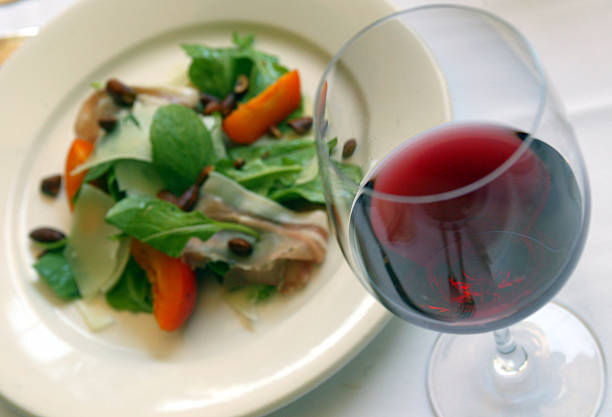
Classic Vinaigrette
Pair a crisp, unoaked white such as Sauvignon Blanc with a classic vinaigrette. The wine’s bright acidity mirrors the lemon‑juice and vinegar base, while its herbaceous notes complement the salad greens. Choose a wine with 10‑12% acidity to cut through the oil without overwhelming the vegetables.
Serve the wine chilled at 45‑50°F to keep its freshness lively. If you prefer red, opt for a light‑bodied Pinot Noir; its subtle tannins and red‑fruit flavor add depth without clashing with the dressing. Avoid heavily oaked or high‑alcohol wines, as they can mask the delicate flavors of the vinaigrette.
A quick tip: taste a sip before the first bite; the wine should feel like a bright accent, not a competing element. Consider serving the wine in a narrow‑rimmed glass to concentrate the aromatic profile, and let the salad rest for a few minutes after dressing so the flavors meld.
Citrus Vinaigrette
A citrus‑forward vinaigrette shines with a wine that can echo its zesty brightness. Opt for a dry Riesling or a Grüner Veltliner; both offer lively acidity and a subtle mineral edge that balances orange or lime juice.
Select a wine with moderate residual sugar (2‑4 g/L) to soften the sharpness while preserving freshness. Chill the wine to 48‑52°F and serve in a tulip glass to direct aromas toward the nose.
If you lean toward rosé, choose a pale, dry style from Provence; its strawberry‑and‑herb notes complement the citrus without adding heaviness. Steer clear of overly sweet or buttery whites, as they will drown the vinaigrette’s sparkle.
A practical tip: drizzle the dressing just before plating and give the wine a quick swirl to release its aromatics, ensuring a harmonious bite‑and‑sip experience. Taste the pairing after the first few bites to confirm the balance and adjust seasoning if needed.
Herb‑Infused Vinaigrette
Herb‑laden vinaigrettes, featuring basil, tarragon, or dill, pair beautifully with aromatic whites that can mirror the garden notes. A Sauvignon Blanc from the Loire Valley or a Vermentino delivers citrus‑green fruit flavors and a crisp backbone that lifts the herbs without competing.
Pick a wine with 11‑13 g/L acidity to keep the palate clean and highlight the vinaigrette’s freshness. Serve slightly cooler than typical whites, around 46‑50°F, in a glass with a narrow opening to focus the herbaceous bouquet.
For those who enjoy a touch of sparkle, a dry sparkling wine such as a Brut Champagne works; its fine bubbles cleanse the palate and accentuate the herbal aroma. Avoid overly oak‑styled whites like heavily barrel‑aged Chardonnay, which can mask the delicate herb profile.
Quick advice: toss the salad just before serving and let guests sip the wine first, allowing the herb‑forward flavors to shine in tandem.
Best Wines for Creamy and Rich Dressings
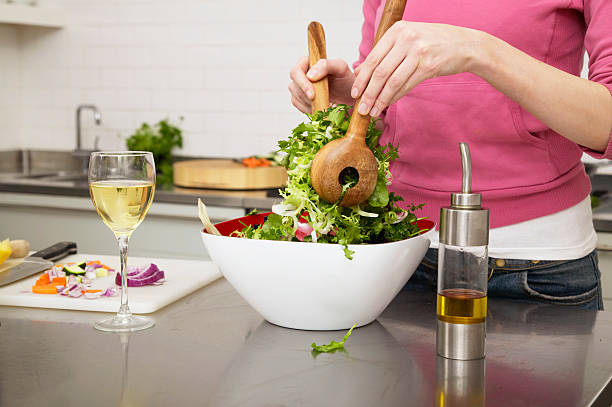
Ranch and Blue Cheese
Ranch and blue‑cheese dressings bring creamy richness and tangy bite, so you want a wine that can cut through the fat while complementing the salty notes.
Choose a crisp, high‑acid white such as Sauvignon Blanc or a unoaked Chardonnay; the citrus and green‑herb aromas balance the dairy base and keep the palate fresh. A dry rosé works equally well, offering bright berry fruit and enough acidity to lift the richness without overwhelming the cheese.
If you prefer red, opt for a light‑bodied, low‑tannin Pinot Noir or a Gamay from Beaujolais; their subtle fruit and soft structure won’t clash with the pungent blue‑cheese.
Serve the wine slightly chilled (around 50‑55°F) to enhance its refreshing qualities and to provide a pleasant contrast to the cool, creamy dressing. Pair it with a simple green salad or a chicken Caesar to let the wine shine throughout the meal.
Caesar Dressing
Caesar dressing is anchored by anchovies, Parmesan, and a buttery emulsion, creating a savory, umami‑rich profile that calls for a wine with bright acidity and subtle oak.
A classic pairing is an unoaked or lightly oaked Chardonnay; its citrus zest and crisp minerality cut through the cheese while echoing the lemon juice in the dressing.
Alternatively, a crisp Italian white such as Verdicchio or Soave offers a delicate almond note that mirrors the Parmesan and adds a refreshing lift. For red‑wine lovers, a chilled‑slightly‑cooled Pinot Noir from Burgundy provides soft red‑fruit aromas and low tannins that won’t overwhelm the salty anchovies.
If you enjoy sparkling options, a Brut Champagne or a dry Prosecco delivers fine bubbles and high acidity that cleanse the palate between bites, enhancing the crisp romaine and crouton crunch. Serve the wine at 45‑50°F to maintain its lively character and keep the overall dining experience balanced.
Yogurt‑Based Dressings
Yogurt‑based dressings bring a light tang and creamy texture, often flavored with herbs, cucumber, or citrus, which pairs beautifully with wines that highlight freshness without adding heaviness.
A bright, aromatic white such as Grüner Veltliner offers white‑pepper spice and green‑apple acidity that mirrors the herbaceous notes and keeps the palate lively. Sauvignon Blanc from New Zealand provides intense tropical fruit and a zesty lime edge that amplifies the lemon or lime juice commonly found in tzatziki‑style dressings.
If you prefer a rosé, choose a dry Provençal rosé; its strawberry‑red fruit and crisp finish complement the cucumber coolness while adding a subtle floral nuance.
For those who enjoy a touch of effervescence, a lightly sparkling Albariño delivers bright acidity, saline minerality, and a hint of stone‑fruit that lifts the yogurt’s creaminess. Serve these wines slightly chilled at 48‑52°F to ensure they enhance the refreshing qualities of the dressing and the salad’s crisp vegetables.
Tips for Matching Wine with Salad Ingredients
Balancing Acidity
When pairing wine with salads that feature vinaigrette or citrus, aim for a wine that mirrors the dish’s bright acidity. Choose a crisp white such as Sauvignon Blanc, Pinot Grigio, or a dry rosé; their lively acidity will echo the lemon or vinegar without overwhelming the greens.
Look for citrus notes, green apple, or subtle herbaceous tones that complement the dressing’s flavor profile. Avoid overly oaky or buttery wines, as they can clash with the sharpness of the vinaigrette. Serve the wine slightly chilled, around 45–50°F, to enhance its refreshing character.
By matching the wine’s acidity level to that of the salad, you create a harmonious palate where each sip cleanses the palate and prepares it for the next bite, making the overall dining experience more cohesive and enjoyable.
Pair it with a light protein like grilled chicken or feta to further balance the meal.
Complementing Sweetness
Salads that incorporate fruit, honey‑drizzled dressings, or sweet roasted vegetables call for a wine that can echo the natural sugars without becoming cloying.
Opt for off‑dry whites such as Riesling, Gewürztraminer, or a lightly sparkling Prosecco; their subtle residual sugar pairs beautifully with berries, apples, or a drizzle of maple syrup. Look for aromatic profiles that include stone‑fruit, apricot, or floral notes, which will lift the sweet elements while maintaining balance.
Avoid fully dry wines that may taste austere against the salad’s sweetness. Serve these wines chilled, around 48–52°F, to keep the palate fresh.
By selecting a wine with a gentle sweetness, you enhance the fruit’s flavor, create a seamless transition between bites, and prevent the wine from being overpowered, resulting in a harmonious and enjoyable pairing. A splash of citrus zest on the salad can further highlight the wine’s bright character.
Handling Bitterness
Green leafy bases such as arugula, radicchio, or endive introduce a pleasant bitterness that can clash with overly sweet or low‑acid wines.
Choose wines with firm acidity and subtle tannins to counterbalance the bitter notes; classic choices include a dry Rosé, a light‑bodied red like Pinot Noir, or a crisp white such as Albariño.
Look for flavor cues like red‑fruit, citrus peel, or mineral undertones that can lift the palate and soften the edge of the greens. Avoid heavily oaked Chardonnay or high‑alcohol reds that may intensify the bitterness.
Serve the wine slightly cooler than room temperature—around 50–55°F for reds and 45–50°F for whites—to keep the structure lively. By pairing a wine that offers bright acidity and gentle tannic structure, you tame the salad’s bitterness, allowing the vegetables to shine while delivering a balanced, refreshing sip after each forkful.
How to Pair Wine with Seasonal Salad Ingredients
Spring Greens and Herbs
Start with crisp spring greens such as arugula, baby spinach, and watercress, and layer fresh herbs like mint, basil, and tarragon. Pair these bright flavors with a dry Sauvignon Blanc whose high acidity mirrors the peppery bite of the greens while its citrus notes complement the herbaceous aroma.
If you prefer a softer profile, a light-bodied Pinot Grigio works well, offering subtle stone‑fruit hints that won’t overwhelm the salad. Serve the wine chilled, around 45‑50°F, to keep the palate refreshing.
For added texture, toss in sliced radishes or toasted almonds; the wine’s crisp finish will cut through the nuttiness, creating a balanced mouthfeel that highlights both the vegetable freshness and the wine’s minerality.
A splash of lemon vinaigrette will echo the wine’s acidity, while a drizzle of extra‑virgin olive oil adds a silky backdrop that lets the Sauvignon’s green apple nuance shine.
Summer Tomatoes and Berries
Summer salads burst with ripe tomatoes, juicy strawberries, and sweet blueberries, creating a fruit‑forward canvas. Complement this vibrancy with a rosé that balances acidity and fruit, such as a Provençal dry rosé featuring notes of red currant and citrus peel.
The wine’s light tannins will not mask the delicate tomato skin, while its berry undertones echo the sweetness of the added berries.
If you enjoy a white option, a off‑dry Riesling offers enough residual sugar to harmonize with the natural sugars of the fruit, plus a crisp minerality that lifts the salad’s freshness.
Serve the wine slightly chilled, around 50‑55°F, and drizzle a basil‑infused olive oil dressing; the herbaceous aroma will intertwine with the rosé’s floral hints, creating a cohesive flavor loop that keeps each bite lively and the palate refreshed. Enjoy the pairing outdoors for an extra sense of summer.
Autumn Squash and Nuts
Autumn salads showcase roasted butternut squash, caramelized carrots, and crunchy walnuts, delivering earthy sweetness and rich texture.
Pair these flavors with a medium‑bodied Chardonnay that has undergone partial oak aging, providing buttery notes and a hint of vanilla that echo the squash’s caramelization while the wine’s acidity balances the nutty richness.
For a red alternative, a light Pinot Noir with soft tannins and red fruit aromas can complement the sweet vegetables without overwhelming them.
Serve the wine at a cool room temperature, around 55‑60°F, and finish the salad with a maple‑dijon vinaigrette; the wine’s subtle oak will resonate with the maple’s depth, and the vinaigrette’s acidity will keep the palate lively.
Adding a sprinkle of feta or goat cheese introduces a creamy contrast that the Chardonnay’s creamy mouthfeel can mirror, completing a harmonious autumnal bite.
Common Mistakes to Avoid When Pairing Wine with Salad
Overpowering the Salad
When you let a big‑flavored wine dominate a delicate salad, the fresh greens and subtle vinaigrette get lost. Match intensity by selecting light‑bodied wines that complement rather than mask the ingredients.
A crisp Sauvignon Blanc, dry Rosé, or a lightly chilled Pinot Grigio offers bright acidity that mirrors the lemon or vinegar in the dressing, while keeping herbs and vegetables in focus. Avoid oaked Chardonnay or full‑bodied reds, which can drown out the crisp crunch and herbaceous notes.
Taste before you pour – sip a small amount and notice whether the wine’s fruit, acidity, or tannins overwhelm the salad’s flavors. If the wine feels heavy, swap it for a more delicate option.
By keeping the wine’s profile in harmony with the salad, every bite and sip works together, enhancing the overall dining experience. Enjoy the balanced pairing and let the salad shine.
Choosing Too Sweet Wines
Salads dressed with citrus, vinaigrette, or light oil rarely need the extra sugar that a dessert‑style wine brings. Keep sweetness in check by opting for dry or off‑dry selections that echo the salad’s acidity without turning the plate into a dessert.
A dry Riesling, Albariño, or a lightly sparkling Prosecco can lift the flavors of a fruit‑laden spinach salad while staying crisp.
When you choose a wine that is too sweet, the sugar competes with the tang of the dressing, masking herbs like basil or mint and making the greens taste dull.
Test the balance by swirling a sip with a bite; if the wine’s sweetness dominates, replace it with a more restrained option such as a Brut Champagne or a dry Grüner Veltliner.
By respecting the salad’s natural brightness, you preserve its freshness and let the wine act as a subtle enhancer rather than an overpowering sweetener.
Ignoring Texture
Texture plays a silent yet vital role in how wine and salad interact; a glossy vinaigrette, crunchy nuts, or creamy cheese each calls for a different mouthfeel from the wine. Align mouthfeel by pairing a wine with a similar or complementary texture.
A lightly effervescent Lambrusco or a crisp, mineral‑driven Vermentino can cut through creamy avocado or feta, while a wine with fine tannins, such as a young Chianti, adds structure that mirrors toasted seeds or croutons.
Ignoring texture often leads to a mismatch where a silky wine feels flat against a crisp salad, or a high‑acid wine overwhelms a buttery dressing.
Feel the contrast by taking a sip after each bite; if the wine feels too smooth or too harsh, adjust to a style that offers the right balance of acidity, carbonation, or tannic bite.
Paying attention to texture ensures every component of the salad is highlighted, creating a harmonious and satisfying pairing.
Quick Reference Guide: Wine Pairings for Popular Salads
Greek Salad Pairing
Greek salad’s briny feta, crisp cucumbers, and tangy olives call for a wine that balances acidity and bright fruit. Choose a dry rosé or a crisp Sauvignon Blanc; both offer citrus zest that lifts the lemon‑olive oil dressing while keeping the cheese from feeling heavy.
Serve chilled at 45‑50°F to preserve freshness. If you prefer red, a light‑bodied Pinot Noir with soft tannins works, but keep the temperature low and avoid oak‑driven styles. Pairing a Greek Assyrtiko also shines, delivering mineral salinity that mirrors the olives.
Tip: sip the wine between bites to let the palate reset, enhancing each bite’s texture and flavor. A splash of sparkling water with a twist of lemon can complement the wine, especially on hot days.
For a full Mediterranean experience, serve the salad alongside grilled octopus or lemon‑marinated shrimp, letting the wine’s acidity cut through the protein’s richness.
Cobb Salad Pairing
Cobb salad layers bacon, hard‑boiled egg, chicken, avocado, and blue cheese, creating a rich, umami‑forward profile. A medium‑bodied Chardonnay with subtle oak and bright acidity can match the creaminess of avocado while cutting through the salty bacon. Serve slightly chilled (50‑55°F) to keep the wine lively.
If you favor red, opt for a fruit‑forward Gamay (Beaujolais Nouveau) that offers low tannins and bright red berry notes, which complement the chicken and egg without overwhelming the blue cheese.
For a sparkling alternative, choose a Brut Champagne; its fine bubbles cleanse the palate between bites and highlight the salad’s textural contrast. Pro tip: drizzle a light vinaigrette just before serving to balance the wine’s fruit, ensuring each forkful feels balanced.
Pair the salad with a side of toasted sourdough to add a crunchy element that mirrors the wine’s crisp finish. This combination also works well for brunch gatherings, where the wine’s versatility shines.
Caprese Salad Pairing
Caprese salad showcases ripe tomatoes, fresh mozzarella, and basil, offering bright acidity and herbaceous notes. A light, aromatic white such as Vermentino or a dry Italian Pinot Grigio pairs beautifully, echoing the tomato’s sweetness while enhancing the basil’s perfume. Serve chilled (45‑50°F) to preserve the salad’s summer freshness.
For red lovers, a low‑tannin Chianti Classico works; its bright cherry acidity mirrors the tomatoes and its subtle earthiness complements the cheese. If you enjoy bubbles, opt for a Prosecco Spumante; its lively effervescence lifts the creamy mozzarella and adds a celebratory feel.
Key tip: add a drizzle of high‑quality extra‑virgin olive oil and a pinch of flaky sea salt just before serving; this amplifies the wine’s fruit and balances the palate.
Serve the salad on a chilled plate with a few basil leaves tucked around the rim; this presentation not only looks elegant but also releases aromatic oils that interact with the wine’s subtle minerality.
Frequently Asked Questions
What type of white wine pairs best with a green salad?
A crisp, acidic white such as Sauvignon Blanc or Pinot Grigio complements the fresh greens and vinaigrette, enhancing the salad’s brightness without overpowering it.
Can I serve rosé with a salad that has fruit components?
Yes, a dry rosé works well with fruit‑laden salads, as its light berry notes and balanced acidity echo the fruit flavors while keeping the pairing refreshing.
What red wine, if any, goes with a hearty salad that includes cheese and nuts?
A light‑bodied red like Beaujolais Nouveau or a chilled Pinot Noir can match the richness of cheese and nuts without overwhelming the greens, thanks to their subtle tannins and bright fruit.
How does the dressing affect the wine choice for a salad?
Acidic dressings (lemon, vinaigrette) call for high‑acid wines like Sauvignon Blanc, while creamy dressings pair better with richer whites such as Chardonnay or a lightly oaked white.
Is sparkling wine a good match for salads?
Absolutely; the bubbles and acidity of Brut sparkling wines cut through dressing and cleanse the palate, making them versatile companions for many salad styles.
What wine should I choose for a Mediterranean salad with olives and feta?
A dry Greek white like Assyrtiko or an Albariño offers bright acidity and mineral notes that complement the salty feta and briny olives.
Conclusion
Pairing wine with salad is simple when you focus on balance, acidity, and flavor harmony. Light, crisp whites like Sauvignon Blanc or Pinot Grigio complement vinaigrette, while rosés enhance fruit‑forward greens. For richer salads, a lightly oaked Chardonnay or a dry Riesling works well. Remember to match the wine’s intensity to the dressing, and enjoy experimenting to discover your perfect salad sip.


