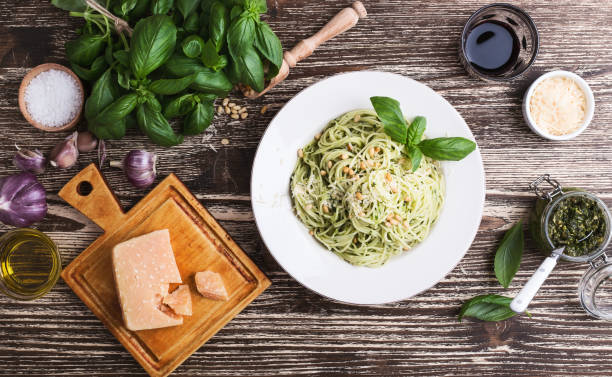
What Wine Goes With Pesto Pasta
Looking for the perfect sip to pair with your bright, herb‑laden pesto pasta? You’ve come to the right place. In the next few lines we’ll quickly pinpoint the ideal wine that balances the garlic, pine nuts, and cheese without overwhelming the dish. Expect a crisp, aromatic white or a light‑bodied red that complements the basil’s freshness. Stay tuned—your go‑to wine match is just a sentence away, and you’ll be ready to pour and enjoy tonight with friends and good conversation.
How to Choose the Right Wine for Pesto Pasta
Key flavor components of pesto
Understanding the core flavors of pesto is the first step to pairing it with wine. Traditional basil pesto combines fresh basil, garlic, pine nuts, Parmesan cheese, and extra‑virgin olive oil, creating a bright, herbaceous, and slightly nutty profile.
The basil contributes a sweet, peppery aroma, while the garlic adds a pungent bite that can dominate if not balanced. Pine nuts lend a buttery richness, and the cheese introduces salty umami depth. Together these elements produce a medium‑weight sauce with a lingering green finish.
When selecting a wine, look for characteristics that can echo or complement these flavors without overwhelming them. A wine with subtle herb notes, moderate body, and a touch of acidity will harmonize with the pesto’s complexity, allowing the sauce to shine while the wine provides a refreshing counterpoint.
Enjoy it on the palate.
Matching wine acidity
Matching the wine’s acidity to pesto’s bright green character ensures a lively pairing. Pesto’s olive oil and cheese give it a smooth, slightly fatty mouthfeel, which benefits from a wine that can cut through that richness with crisp acidity.
Look for wines that register high natural acidity, such as Sauvignon Blanc, Vermentino, or a light‑bodied Pinot Grigio. These varieties often display citrus, green apple, or mineral notes that echo the herbaceousness of basil while refreshing the palate between bites.
A wine with too low acidity will feel flat and may let the sauce’s oil dominate, whereas excessive acidity can mask the subtle nutty undertones. Aim for a balanced acidity level that lifts the pesto’s flavors, creating a harmonious dance where each sip brightens the next forkful.
This synergy makes the meal memorable and enjoyable.
Balancing herb intensity
Balancing the herb intensity of pesto with the wine’s profile prevents either side from overwhelming the other. The dominant basil can be assertive, so a wine that offers a gentle herbaceous backdrop works best.
Choose wines that feature soft green notes and a restrained fruit character, such as a lightly oaked Chardonnay, a dry Rosé with strawberry‑leaf hints, or an Albariño with subtle floral accents.
These selections provide enough structure to stand up to the pesto’s vigor while allowing the sauce’s fresh herbs to remain front‑and‑center. Avoid heavily oaked or overly tannic reds, which can clash with the bright green flavors and create a discordant taste.
By pairing a wine that mirrors the herbaceous tone yet stays delicate, you achieve a cohesive dining experience where each element amplifies the other throughout the meal.
What Types of White Wine Pair Best
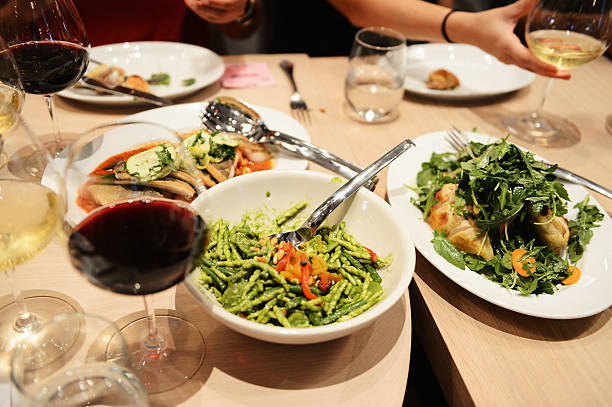
Sauvignon Blanc
Sauvignon Blanc is a classic match for pesto pasta because its bright acidity cuts through the rich olive‑oil and cheese base while echoing the herbaceous notes of basil. Look for a wine with citrus‑forward aromas such as lemon, lime, and grapefruit, which will lift the dish’s freshness.
A touch of green‑apple or tropical fruit adds a subtle contrast to the piney pesto, keeping the palate lively. Choose a bottle from cooler climates—like the Loire Valley or New Zealand’s Marlborough—where the grape retains crisp minerality. Serve it slightly chilled, around 45‑50°F, to enhance its zesty profile.
Avoid overly oaky or buttery styles, as they can overwhelm the delicate balance of the sauce. Pairing this wine with a light drizzle of extra‑virgin olive oil on the pasta will further harmonize the flavors, creating a bright, refreshing dining experience.
Verdejo
Verdejo, especially from Spain’s Rueda region, offers a vibrant, slightly herbaceous profile that mirrors the green intensity of pesto while providing enough body to stand up to the sauce’s richness.
Seek out expressions with notes of lime zest, white peach, and a faint saline edge, which complement the garlic and pine nuts in the dish. The wine’s natural acidity balances the Parmesan cheese, preventing the pasta from feeling heavy.
A subtle hint of fennel or herbal tea aromas can echo the basil, creating a seamless flavor bridge. Serve Verdejo chilled at about 48°F to preserve its crispness. Avoid overly sweet or heavily oak‑influenced bottles, as they may mask the fresh herb character.
Pairing this wine with a garnish of toasted pine nuts adds texture and reinforces the nutty undertones, delivering a harmonious and satisfying meal.
Pinot Grigio
Pinot Grigio delivers a clean, light‑bodied canvas that lets pesto’s bold flavors shine without competition. Target a style with crisp green‑apple, lemon‑pepper, and subtle mineral notes, which will accentuate the sauce’s olive‑oil sheen and fresh basil.
The wine’s moderate acidity cuts through the Parmesan and pine nuts, keeping the palate refreshed between bites. Opt for Italian versions from the Friuli‑Venezia Giulia area, where the grape often shows a delicate salinity that mirrors the sea‑salt finish of pesto.
Serve slightly chilled, around 50°F, to maintain its bright character. Steer clear of overly buttery or heavily fermented Pinot Grigio, as those profiles can dull the herbaceous zing.
Pair the wine with a light drizzle of lemon zest over the pasta to echo the citrus hints in the wine, creating a balanced and vibrant dining experience.
What Types of Red Wine Work with Pesto
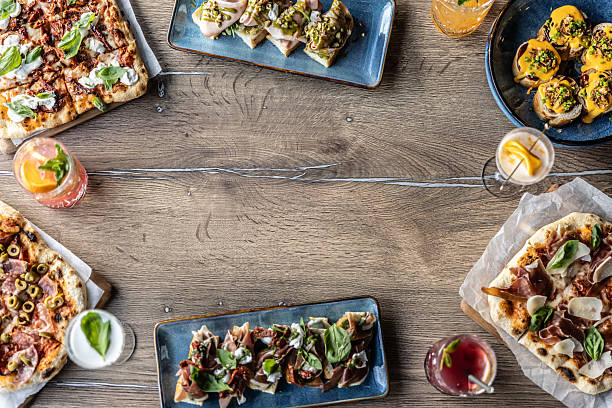
Light-bodied reds
When pairing pesto pasta with red wine, start by choosing a light‑bodied option that won’t overwhelm the herbaceous basil and garlic. Wines such as a young Pinot Noir, Gamay, or a delicate Dolcetto offer bright acidity and soft tannins that echo the sauce’s fresh, vegetal notes.
Look for fruit‑forward aromas—ripe red berries, cherries, or subtle plum—that complement the nutty pine nuts and Parmesan without clashing with the olive‑oil richness. A cooler serving temperature, around 55‑58 °F, helps preserve the wine’s crispness and keeps the palate lively.
These lighter reds also provide enough structure to stand up to the pasta’s starch, creating a harmonious balance where each sip refreshes the palate between bites, enhancing both the sauce’s brightness and the wine’s subtle fruit character.
Serve the wine in a slender glass to focus the aromas, and consider a light drizzle of extra‑virgin olive oil on the pasta for added cohesion.
Chianti
Chianti, especially a classic Chianti Classico, is a natural companion for pesto pasta thanks to its vibrant acidity and savory spice profile. The wine’s bright cherry and red‑currant flavors mesh with the basil’s aromatic intensity, while its subtle earthy undertones echo the pine nuts and Parmesan.
Medium tannins provide just enough grip to cut through the olive‑oil base without dominating the dish. Aim for a bottle aged a few years, allowing the tannins to soften and the herbal notes to develop, which mirrors the herbaceous character of the pesto.
Serve slightly chilled, around 60 °F, to accentuate freshness. When paired correctly, each sip of Chianti lifts the pesto’s richness, while the wine’s acidity cleanses the palate, making every bite feel lighter and more vibrant.
Pair it with a simple garnish of toasted pine nuts to reinforce the nutty nuances and create a seamless flavor bridge between food and wine.
Barbera
Barbera’s high acidity and low tannin structure make it an excellent match for pesto‑laden pasta, especially when the sauce includes a touch of lemon or tomato.
The wine delivers juicy red‑fruit flavors—ripe plum, raspberry, and a hint of cherry—that brighten the herbaceous basil while standing up to the richness of olive oil and cheese.
Its bright acidity cuts through the oil, refreshing the palate after each forkful, and the subtle spice notes echo the garlic and pepper in the pesto. Choose a youthful Barbera from Piedmont for the freshest expression, or a slightly aged version for added complexity and a smoother mouthfeel.
Serve at cellar temperature, about 58‑60 °F, to maintain balance. This pairing lets the wine’s lively character enhance the pesto’s vibrancy, creating a cohesive dining experience where neither element overshadows the other.
Tips for Serving Wine with Pesto Pasta
Ideal serving temperature
Serve your wine slightly chilled to highlight the bright herbs in pesto. For white options like Sauvignon Blanc or Vermentino, aim for 45‑50°F (7‑10°C); this cool temperature preserves crisp acidity and aromatic freshness, cutting through the sauce’s oiliness.
If you prefer a light red such as a chilled Chianti Classico, target 55‑60°F (13‑16°C) to soften tannins while keeping fruit forward. Key point: colder temperatures enhance green, citrus notes, while avoiding over‑chilling preserves body.
Use a wine fridge or ice bucket with a few minutes of ice and water, then remove the bottle a moment before pouring.
Let the wine sit for a minute in the glass to reach the ideal sip temperature, ensuring each bite of basil‑laden pasta is balanced by a refreshing sip. This temperature range also complements the garlic and pine nut nuances, making the pairing harmonious from start to finish.
Glassware selection
Choosing the right glass amplifies the wine’s character and pairs it perfectly with pesto pasta. For aromatic whites such as Pinot Grigio or Grüner Veltliner, use a narrow‑rimmed white‑wine glass that concentrates floral and citrus aromas, directing them toward the nose.
A light‑bodied red like a young Barbera benefits from a slightly larger, tulip‑shaped glass that allows gentle aeration and showcases its bright red fruit while softening any herbaceous edge. Key point: glass shape influences aroma delivery and temperature retention, crucial for balancing basil’s pungency.
Avoid overly large bowls that can warm the wine too quickly, and skip heavy crystal that dulls subtle notes. Serve each glass with a modest pour of 4‑5 ounces, giving room for the wine to breathe and for the pasta’s flavors to mingle seamlessly.
This thoughtful selection ensures every sip complements the garlic and pine nut richness of the dish.
Decanting basics
Decanting is rarely required for the crisp whites that pair best with pesto, but a brief pour‑and‑hold can still improve the experience.
If you choose a lightly oaked Chardonnay or a young Vermentino, let the wine sit in a decanter for 10‑15 minutes to allow subtle aromatics to open and any sediment to settle.
For a red like a chilled Dolcetto, a short 5‑minute decant helps soften tannins and releases bright cherry notes that echo the sauce’s acidity. Key point: gentle decanting enhances mouthfeel without stripping the wine’s freshness, creating a harmonious bridge to the basil’s herbal intensity.
Use a clear glass decanter to monitor clarity, and serve the wine immediately after the brief rest to maintain the optimal balance with the pesto pasta. A simple swirl in the glass before sipping further awakens the herbaceous aromas, completing the pairing.
Best Wine Pairings for Different Pesto Variations
Classic basil pesto
Pair a traditional basil‑pesto pasta with a crisp, aromatic white that accentuates the herbaceous notes without overwhelming the sauce. Choose a Sauvignon Blanc from the Loire or New Zealand; its bright acidity cuts through the olive‑oil richness and highlights the garlic and pine‑nut flavors.
If you prefer a fuller body, an Italian Verdicchio offers subtle almond undertones that echo the cheese while maintaining freshness. For red‑wine lovers, a light‑bodied Chianti Classico works surprisingly well, as its soft tannins and bright cherry acidity balance the pesto’s buttery texture.
Serve the wine slightly chilled (around 55°F) to keep the palate lively, and always match the wine’s acidity level to the sauce’s oil‑richness for a harmonious bite.
Pair it with a light appetizer such as toasted crostini or a simple salad to keep the palate clean, and avoid heavily oaked wines that would mask the fresh basil.
Sun-dried tomato pesto
Sun‑dried tomato pesto brings a sweet‑tart intensity that calls for a wine with enough fruit to mirror the dried‑fruit notes yet enough acidity to cut the richness of the cheese and nuts.
Opt for a dry Rosé from Provence; its red‑berry palate and crisp finish echo the tomato’s jammy character while refreshing the palate between bites. An alternative is a Italian Pinot Grigio with subtle mineral tones that highlight the pesto’s garlic edge.
For those who enjoy reds, a Barbera d’Asti offers bright cherry acidity and low tannins, complementing the sauce’s umami without overpowering it. Serve the wine slightly chilled (45‑50°F for reds) and pair with a side of grilled vegetables to enhance the sun‑dried tomato’s depth.
A pinch of sea salt on the pasta will bring out the wine’s minerality, and avoid heavy oak aging which can clash with the pesto’s vibrant acidity.
Spinach and arugula pesto
Spinach and arugula pesto offers a peppery, slightly bitter profile that pairs beautifully with wines that provide a touch of sweetness and moderate acidity to balance the greens.
Try a slightly off‑dry Riesling from Alsace or Germany; its floral aromatics and gentle residual sugar soften the peppery bite while its acidity keeps the sauce lively.
If you prefer a white with more body, a New Zealand Sauvignon Blanc delivers tropical fruit notes that complement the spinach’s earthiness and the arugula’s bite. For red enthusiasts, a Gamay from Beaujolais, served chilled, offers soft tannins and bright red‑fruit flavors that lift the pesto without overwhelming it.
Pair the wine with a garnish of toasted pine nuts and a squeeze of lemon to accentuate the wine’s fruit and keep the dish refreshing. Serve the pasta slightly under‑cooked (al dente) to preserve the greens’ texture, allowing the wine’s acidity to shine through each bite.
Common Mistakes to Avoid When Pairing Wine and Pesto
Overpowering tannins
One of the biggest errors is selecting a wine with strong tannic structure, such as a young Cabernet Sauvignon or Nebbiolo. Tannins cling to the oil and basil, creating a gritty, astringent mouthfeel that masks the fresh herbal notes of pesto.
Instead, reach for lighter reds with softer tannins, like a Pinot Noir or a Barbera, or even a crisp white. When you do choose a red, ensure it is fruit‑forward and low in bitterness, allowing the pine nuts and Parmesan to shine.
Avoid high‑tannin wines because they compete with the sauce rather than complement it, leading to a discordant pairing that overwhelms the palate. A good rule of thumb is to taste the wine first; if you notice a dry, mouth‑drying sensation, the tannins are likely too aggressive for the creamy pesto.
Opt for wines with moderate acidity that can cut through the oil without adding bitterness. By keeping tannin levels in check, you preserve the bright basil flavor and let the dish’s complexity shine.
Too much oak
Another frequent slip is reaching for heavily oaked wines, like many aged Chardonnays or Rioja Reserva, assuming the oak will add depth to the pesto pasta. Excessive oak imparts vanilla, toast, and buttery notes that clash with the bright, herbaceous character of basil and the nutty richness of pine nuts.
The smoky, creamy texture can mask the crisp acidity that helps balance the sauce’s oil, leaving the palate feeling heavy and muddied.
Choose wines with subtle or no oak influence—think unoaked Sauvignon Blanc, a lightly oaked Vermentino, or a young Chianti Classico that offers fruit purity without overwhelming the herb profile. Avoid heavily oaked selections because they dominate the flavor spectrum, preventing the pesto’s freshness from being heard.
A restrained oak footprint lets the wine act as a bright, supporting partner rather than an overpowering backdrop.
Ignoring pasta sauce richness
Finally, many diners overlook the richness of the pesto itself, treating the sauce as a simple herb topping rather than a creamy, oil‑laden component.
Failing to account for the sauce’s fat and cheese leads to pairing with wines that are too light or overly acidic, which can cause the wine to taste sharp and the dish to feel unbalanced.
Opt for wines that have enough body and a touch of fruit to stand up to the Parmesan and pine nut depth, such as a Verdicchio, a medium‑bodied Gavi, or a chilled rosé with soft tannins.
When selecting a red, choose one with moderate acidity and low tannin, like a Gamay or a young Sangiovese, which can complement the sauce without drowning it.
Respect the sauce’s richness by matching it with a wine that offers both acidity and weight, ensuring a harmonious mouthfeel where each bite and sip enhance the other.
How to Test and Refine Your Pairings
Blind tasting method
Start by gathering a small selection of white and rosé wines that are commonly recommended with pesto pasta, such as a crisp Sauvignon Blanc, a mineral‑rich Vermentino, and a light‑bodied Pinot Grigio. Label each bottle with a number only, then pour identical tasting pours into three identical glasses.
In a quiet setting, sip each wine while eating a consistent bite of pesto pasta, noting aroma, acidity, and how the wine handles the basil, garlic, and cheese. Record your immediate impressions on a score sheet, focusing on balance, flavor harmony, and any off‑notes.
After the tasting, compare the scores to identify which style best complements the dish. Repeat the blind test with a new set of wines or different pesto variations to confirm your findings and build confidence in your selections.
Finally, share your results with friends or online forums to gather additional perspectives and refine your palate further.
Keeping a pairing journal
Create a dedicated pairing journal, either a physical notebook or a digital document, to track every pesto‑pasta wine trial. Log the date, wine name, vintage, and serving temperature, then describe the pasta sauce ingredients, cheese type, and any variations such as added nuts or lemon zest.
After each tasting, note the wine’s acidity, body, and aromatic profile, and rate the overall match on a simple scale of 1‑5. Include sensory details like “bright herbaceous notes complement the basil” or “excessive oak overwhelms the garlic”.
Periodically review your entries to spot patterns—perhaps you consistently enjoy wines with higher acidity or those with a subtle citrus edge. Use these insights to narrow future selections, focusing on regions or grape varieties that have performed well.
Over time, the journal becomes a personalized reference guide that speeds up decision‑making when you need a quick, reliable wine for pesto pasta.
Adjusting based on personal palate
After gathering data, fine‑tune your pairings by considering the unique traits of your palate. Identify whether you favor brighter acidity, softer fruit, or a touch of minerality, and compare that preference to the wines that scored highest in your journal.
If you notice a tendency to prefer wines with a citrus lift, experiment with a Verdicchio or a Grüner Veltliner, both of which deliver crisp green‑apple notes that echo the basil.
Conversely, if a richer mouthfeel appeals to you, try a lightly oaked Chardonnay with restrained butteriness, ensuring it doesn’t mask the garlic. Test these adjustments by serving the same pesto pasta dish and recording any shift in balance.
Over several iterations, you’ll develop a nuanced understanding of how subtle tweaks—like temperature changes or a splash of sparkling water—can enhance the overall experience. This iterative approach ensures the final wine choice feels intuitively right for your individual taste.
Frequently Asked Questions
What type of wine pairs best with pesto pasta?
A crisp, aromatic white wine such as Sauvignon Blanc, Vermentino, or a light Italian Pinot Grigio complements the herbaceous, garlicky flavors of pesto without overwhelming them.
Why is a white wine often recommended for pesto pasta?
White wines typically have higher acidity and lower tannins, which balance the richness of pine nuts and cheese in pesto while highlighting the fresh basil notes.
Can red wine be paired with pesto pasta, and if so, which?
Yes, a light, low‑tannin red like a young Chianti, Dolcetto, or a Pinot Noir can work, especially if the pesto includes tomatoes or is served with grilled vegetables.
How does the acidity of the wine affect the pesto flavor?
Higher acidity cuts through the oil and cheese in pesto, refreshing the palate and preventing the dish from feeling heavy, while also accentuating the bright basil flavor.
Are there specific regional wines that complement pesto pasta?
Italian wines from the Liguria region, such as Vermentino or Pigato, pair naturally with pesto alla Genovese, reflecting the same terroir and local ingredients.
Should I consider the cheese in pesto when choosing a wine?
Yes, the salty, nutty Parmesan or Pecorino adds richness, so a wine with a touch of minerality and bright acidity—like a Chablis or a dry Riesling—helps balance the cheese’s depth.
Conclusion
Pairing pesto pasta with wine is all about balancing its bright basil, garlic, and nutty cheese notes. Light, crisp whites like Vermentino, Sauvignon Blanc, or a dry Italian Pinot Grigio enhance the herbaceous punch, while a lightly chilled rosé or a subtle red such as Chianti Classico adds a refreshing contrast. Experiment with these suggestions, trust your palate, and enjoy the perfect sip‑and‑bite harmony.