What Wine Goes With Meatloaf
If you’re wondering what wine pairs best with meatloaf, you’re in the right place. We’ll quickly guide you through the top choices—think medium‑bodied reds like Merlot or Zinfandel, plus a few surprising whites that cut through the richness. In just a few sentences you’ll know which bottle will elevate your comfort‑food classic, so you can serve a perfectly matched glass without any guesswork. Enjoy the perfect pairing and impress anyone at the dinner table tonight together.
Best Wine Types for Classic Meatloaf
Red Wines that Complement Beef
When you serve classic meatloaf, a full‑bodied red wine can amplify the dish’s savory depth. Cabernet Sauvignon offers firm tannins and dark fruit notes that cut through the meat’s richness, while Zinfandel brings a jammy, peppery character that mirrors the typical tomato‑based glaze.
Syrah/Shiraz adds smoky undertones and a hint of spice, complementing any added herbs or smoked paprika. Choose a wine with moderate acidity to balance the fat and keep the palate refreshed.
Serve the wine slightly below room temperature, around 60‑65°F, to soften the tannic edge and let the fruit aromas shine. A well‑structured red not only enhances the beef flavor but also creates a harmonious finish that invites another bite.
If your meatloaf includes a mushroom or caramelized onion topping, the earthy nuances of a Bordeaux blend can echo those flavors, while an aged Malbec provides a velvety mouthfeel that lingers pleasantly. Remember to decant the wine for 20‑30 minutes to allow its complex profile to open up before serving.
Medium‑Body Reds for Balanced Flavor
Medium‑bodied reds strike a sweet spot between intensity and elegance, making them ideal companions for meatloaf that isn’t overly heavy. Merlot delivers soft tannins, plum‑ripe fruit, and a subtle chocolate finish that mirrors a glaze made with ketchup and brown sugar.
Pinot Noir offers bright acidity and red‑berry notes, cutting through the meat’s fattiness while highlighting any herbs like thyme or rosemary. For a slightly spicier edge, try a Grenache‑based blend, which adds gentle pepper and dried‑fruit flavors without overwhelming the dish.
Serve these wines at 58‑62°F to preserve their nuanced aromatics and keep the palate lively. A medium‑body wine also pairs well with side dishes such as roasted vegetables or mashed potatoes, creating a cohesive dining experience where each element supports the others.
A hint of oak aging can introduce vanilla and toasted nut tones that echo the caramelization of the meatloaf’s crust, enriching the overall flavor dialogue.
When to Choose a Light Red
Opt for a light red when your meatloaf leans toward milder seasonings or includes a bright, tomato‑forward sauce. Beaujolais Nouveau or a youthful Gamay offers lively acidity, low tannins, and fresh red‑fruit aromas that lift the dish without competing with its subtle flavors.
These wines are especially effective if the loaf contains vegetables like bell peppers or carrots, as the fruitiness mirrors the natural sweetness of the veggies. Serve the wine chilled at 55‑58°F to accentuate its crisp character and keep the palate refreshed between bites.
A light red also pairs nicely with a side salad dressed in vinaigrette, creating a balanced meal where the wine’s brightness cuts through the richness of the meat while complementing the salad’s tang.
For an extra touch, consider a splash of sparkling water in the glass to add a gentle effervescence that highlights the dish’s texture.
How to Match Wine with Different Meatloaf Recipes
Turkey or Chicken Meatloaf Pairings
Turkey or chicken meatloaf benefits from wines that highlight its light, delicate flavor without overwhelming it. Choose a crisp, unoaked Chardonnay or a dry Riesling to complement the subtle herbs and mild seasoning. The bright acidity of a Sauvignon Blanc cuts through the moisture, keeping the palate fresh.
If you prefer a red, opt for a light‑bodied Pinot Noir with soft tannins that won’t mask the poultry. Serve the wine slightly chilled (45‑50°F) to enhance its fruit notes.
Pairing tip: add a splash of lemon zest or fresh thyme to the loaf; the citrus and herbaceous aromas will echo the wine’s minerality, creating a harmonious bite‑and‑sip experience.
A glass of chilled rosé with strawberry hints can also work, especially if the meatloaf includes a sweet glaze, as the fruitiness balances the caramelized edges.
Remember to serve the wine in a proper glass to allow its aromatics to open fully, ensuring each bite of the poultry‑based loaf is matched with a complementary sip.
Beef‑Heavy Meatloaf Pairings
Beef‑heavy meatloaf calls for wines that can stand up to its rich, robust flavor and often smoky or savory seasonings. Opt for a full‑bodied Cabernet Sauvignon whose firm tannins and dark fruit notes cut through the meat’s fat, cleansing the palate between bites.
A Malbec with its plush plum and subtle spice complements the occasional pepper or cumin in the loaf. If you favor a slightly softer profile, choose a Merlot that offers velvety tannins and a hint of chocolate that mirrors a caramelized crust.
For those who enjoy a touch of earthiness, a Syrah/Shiraz with peppery undertones and smoky nuances enhances the meat’s depth. Serve these reds at cellar temperature (60‑65°F) to preserve structure.
Pairing tip: drizzle a thin layer of balsamic reduction over the meatloaf; the acidity and sweet‑tart balance will echo the wine’s own acidity, creating a seamless harmony.
Vegetarian or Lentil Meatloaf Options
Vegetarian or lentil meatloaf offers a milder, earthy base that pairs beautifully with wines that highlight acidity and subtle fruit. Select a medium‑bodied Pinot Gris whose bright citrus and stone‑fruit notes lift the legumes without overpowering them.
A dry rosé with red‑berry freshness adds a lively contrast, especially when the loaf includes roasted vegetables or a tomato glaze. For a richer mouthfeel, try an Italian Chianti Classico; its moderate tannins and herbal undertones complement herbs like rosemary or thyme commonly used in plant‑based loaves.
If you prefer white, a Gewürztraminer with its aromatic spice and slight sweetness can echo the nutty flavors of lentils and nuts. Serve these wines slightly cooler than room temperature (50‑55°F) to keep the fruit crisp.
Pairing tip: incorporate a dash of smoked paprika into the loaf; the subtle smokiness will resonate with the wine’s own nuanced spice, creating a balanced sip‑and‑bite experience.
Tips for Tasting and Serving Wine with Meatloaf
Ideal Serving Temperature
When pairing wine with meatloaf, temperature is a silent flavor amplifier. Serve red wines slightly below room temperature, around 60‑65°F (15‑18°C), to keep tannins supple and fruit forward. If you prefer a lighter option, a chilled medium‑body rosé at 50‑55°F (10‑13°C) can brighten the dish without overwhelming it.
For white wines, aim for 45‑50°F (7‑10°C) to preserve acidity that cuts through the richness of the meat and sauce. Use a wine thermometer or the back of your hand to gauge warmth; the bottle should feel cool to the touch but not icy.
Allow the wine to sit in a glass for a few minutes after pouring; this brief aeration helps volatile aromas settle, ensuring each sip complements the savory, slightly sweet glaze of the meatloaf.
Pairing this way ensures the wine’s structure mirrors the meatloaf’s hearty texture, creating a balanced bite every time.
Glassware that Enhances Aroma
Choosing the right glass can unlock hidden layers in the wine you serve with meatloaf. Opt for a large‑bowl red‑wine glass, typically 12‑14 oz, which directs aromas toward your nose and allows gentle swirling to release fruit and spice notes that complement the dish’s tomato‑based glaze.
For a fuller-bodied red like a Zinfandel or a Merlot, a Bordeaux‑style glass with a slightly tapered rim concentrates the wine’s soft tannins, matching the meatloaf’s crumbly texture.
If you favor a lighter rosé, a tulip‑shaped glass with a narrower rim preserves delicate floral aromas while still delivering enough surface area for the wine to breathe. Avoid overly narrow flutes or stemless tumblers, as they trap volatile compounds and mute the nuanced flavors.
Clean the glassware with warm water and a lint‑free cloth; residual detergent can interfere with taste, diminishing the harmony between wine and meatloaf.
Decanting Tips for Red Wines
Decanting can transform a robust red, making it a perfect partner for meatloaf’s rich, savory profile. Pour the wine into a decanter and let it rest for 30‑45 minutes, giving tannins time to soften and allowing the fruit‑forward aromas to emerge.
For younger Zinfandels, a short 20‑minute swirl helps release peppery spice that mirrors the dish’s seasoned breadcrumbs. Older Merlots benefit from a slower, 60‑minute exposure, which gently awakens subtle oak and dried‑fruit notes that echo the caramelized edges of the meatloaf glaze.
Use a clear glass decanter so you can watch the wine’s color change, indicating oxidation progress. If you lack a decanter, a clean pitcher or even a large wine‑glass can serve as a temporary vessel—just ensure the wine is exposed to air without spilling.
Finish the process by gently tapping the decanter’s base to settle any sediment, then serve in the appropriate glass for a seamless dining experience.
What to Avoid When Pairing Wine with Meatloaf
Overly Tannic Wines
Steer clear of wines that are overly tannic, such as young Cabernet Sauvignon or Nebbiolo, because the firm astringency will dominate the gentle texture of meatloaf. The high tannin levels accentuate the protein and can make the dish taste metallic or overly dry.
Instead, look for softer reds with moderate tannins. When a wine is too tannic, it also masks the subtle herbs and spices in the loaf, leaving the palate unbalanced.
If you must use a red, choose one that has been aged enough to soften its grip, or opt for a blend that mellows the edge. Remember, the goal is harmony, not competition, so avoid any wine that leaves a lingering, puckering sensation after each bite.
Pairing a meatloaf with a wine that leans heavily on tannic structure can also overwhelm the tomato‑based glaze, turning a pleasant meal into a harsh experience.
Highly Oaked Whites
Highly oaked white wines, such as heavily barrel‑aged Chardonnay or oaked Viognier, should be avoided with meatloaf because their pronounced vanilla, butter, and smoky notes clash with the savory, tomato‑rich sauce.
The oak intensity can mask the subtle sweetness of caramelized onions and the earthy herbs that give the loaf its character. When the oak flavor dominates, the wine feels heavy and the meatloaf tastes flat, defeating the purpose of a balanced pairing.
Instead, opt for crisp, lightly oaked whites or unoaked varieties that let the dish’s acidity and spice shine through. Keep the oak influence light and the fruit bright to maintain harmony on the palate.
A wine with a strong oak backbone will compete with the meatloaf’s garlic and Worcestershire notes, leaving both the food and the drink tasting muddled and less enjoyable.
Sweet Wines that Clash
Sweet wines that clash, such as late‑harvest Riesling, Moscato, or overly fruity dessert blends, are poor companions for meatloaf because the pronounced sugar can overwhelm the savory, umami profile of the dish.
The sweetness accentuates the salt and acidity in the tomato glaze, making the meal taste cloyingly salty rather than balanced. Additionally, sugary wines tend to mute the aromatic herbs and smoky undertones that give meatloaf its depth, leaving the palate flat.
When a sweet wine dominates, the contrast becomes jarring rather than complementary. Choose a dry or off‑dry option if you prefer a hint of fruit, but keep the residual sugar low and the acidity bright to preserve the harmony between wine and meatloaf.
A wine that leans too sweet will also mask the subtle pepper and thyme notes, resulting in a one‑dimensional taste experience that fails to showcase the loaf’s complexity.
Best Ways to Pair Wine Based on Sauce and Glaze
Tomato‑Based Sauces
When your meatloaf is finished with a bright tomato‑based sauce, aim for wines that can match the acidity and modest tannins of the dish. Choose a medium‑bodied red such as Chianti or Sangiovese, whose cherry‑bright fruit and earthy spice echo the tomato’s tang while cutting through the meat’s richness.
A Zinfandel with ripe blackberry notes also works, offering a touch of sweetness that balances the sauce’s acidity. If you prefer lighter options, a dry rosé from Provence delivers crisp acidity and subtle red‑fruit flavors that refresh the palate between bites.
Avoid overly heavy, high‑tannin reds like Cabernet Sauvignon, which can clash with the sauce’s bright profile. Serve the wine slightly chilled (around 60°F) to enhance its fruitiness and keep the meal lively.
Pairing this wine with a side of roasted vegetables will further harmonize the flavors and create a balanced dinner experience.
Barbecue Glaze Pairings
Barbecue‑glazed meatloaf brings smoky sweetness and a peppery bite that calls for wines with ripe fruit, soft tannins, and a hint of spice. A bold Zinfandel delivers jammy blackberry and plum flavors, plus a peppery edge that mirrors the glaze’s heat without overwhelming the meat.
Syrah or Shiraz offers dark‑fruit intensity and smoky undertones, complementing the charred notes of the barbecue sauce. For those who enjoy a richer texture, an oak‑aged Chardonnay provides buttery creaminess and a subtle vanilla finish that balances the sweetness of the glaze.
If you prefer a fruit‑forward red with softer tannins, a Malbec from Argentina works well, offering plum and chocolate hints that echo the sauce’s depth.
Keep the wine at a cool‑room temperature (around 58‑62°F) to preserve its fruit freshness, and serve the meatloaf with a simple coleslaw to let the wine and glaze shine together.
Mushroom or Gravy Enhancements
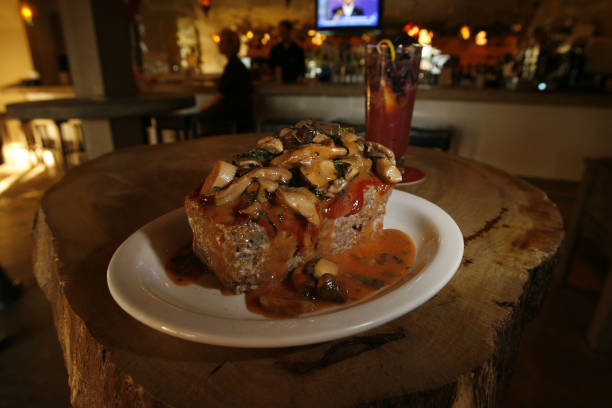
Meatloaf finished with an earthy mushroom sauce or a rich brown gravy thrives on wines that echo its umami depth while providing gentle acidity. Pinot Noir is a classic match; its light‑to‑medium body, bright red‑fruit notes, and subtle forest floor aromas complement the mushroom earthiness without overpowering the loaf.
Merlot offers soft tannins and plum‑soft flavors that meld smoothly with the savory gravy, adding a roundness that lifts the dish. For a more structured option, a Cabernet Franc from the Loire Valley brings herbaceous pepper notes and firm acidity that cut through the sauce’s richness.
If you favor a white, an oaked Viognier supplies aromatic stone‑fruit perfume and a creamy mouthfeel that mirrors the gravy’s silkiness. Serve these wines slightly cooler than room temperature (around 60‑64°F) and pair the meatloaf with a side of sautéed greens to keep the palate bright and balanced.
How to Choose a Wine on a Budget for Meatloaf
Value Red Wines Under $15
Start by scanning the discount aisle for budget‑friendly reds that sit under $15. Look for familiar varietals such as Merlot, Zinfandel, or a simple Cabernet Sauvignon, which often deliver soft tannins and ripe fruit that complement the savory, tomato‑based glaze on meatloaf.
When the label mentions ‘fruit‑forward’ or ‘medium‑body,’ you’re likely getting the right balance of acidity to cut through the dish’s richness without overwhelming it. Check the vintage; newer releases (within the last two years) tend to be fruitier and more approachable, perfect for a casual dinner.
If possible, read the back‑of‑the‑bottle notes for clues about oak influence—light to moderate oak works best, adding a subtle vanilla hint that echoes the meatloaf’s herbs. By focusing on these criteria, you can confidently pick a wine that enhances the meal while staying well within a tight budget.
Finding Quality in Lesser‑Known Regions
Explore regions that aren’t on the mainstream radar but consistently produce value-driven reds perfect for meatloaf. Areas such as Chile’s Maipo Valley, Argentina’s Mendoza sub‑zones, or Portugal’s Dão often offer robust, fruit‑rich wines at a fraction of the price of classic French bottles.
When you see descriptors like ‘plum-laden’ or ‘spice-kissed,’ expect a palate that mirrors the sweet‑and‑savory profile of a meatloaf glaze. Prioritize wines with moderate alcohol (12‑13.5%) to keep the pairing harmonious; higher alcohol can accentuate the dish’s richness and feel heavy.
Look for producers who emphasize sustainable farming or organic practices—these often result in cleaner fruit expression, which pairs nicely with the dish’s herbs and breadcrumbs.
By venturing into these lesser‑known terroirs, you uncover hidden gems that deliver depth and balance without breaking the bank for everyday home cooks and family gatherings.
Store‑Brand Picks That Perform
Don’t overlook the supermarket’s own label; many store‑brand selections are crafted to deliver solid flavor at rock‑bottom prices, making them ideal companions for meatloaf.
Look for private‑label Merlot or Cabernet blends that list tasting notes such as ‘soft tannins,’ ‘ripe cherry,’ or ‘hint of vanilla,’ which align with the dish’s tomato‑based sauce and earthy breadcrumbs. These wines typically sit between 10‑13% alcohol, providing enough body to stand up to the meat without overpowering it.
Check the back label for a brief winemaker comment—if it mentions ‘food‑friendly’ or ‘easy‑drinking,’ you’ve likely found a versatile bottle. Pairing a store‑brand red with meatloaf not only saves money but also reduces waste, as the smaller bottles are often recyclable and easier to store.
Trust these curated options to deliver consistency and enjoyment night after night for everyone.
Frequently Asked Questions About Wine and Meatloaf
Can White Wine Work with Meatloaf?
White wine can surprisingly complement meatloaf when you choose the right style. Opt for a fuller‑bodied white such as oaked Chardonnay, Viognier, or a white Rioja, which offers enough weight to stand up to the meat’s richness and the sauce’s acidity.
Match the acidity by selecting wines with bright citrus or green apple notes, helping cut through the fat. If your meatloaf includes herbs like thyme or rosemary, a white with herbal undertones, like Sauvignon Blanc, will echo those flavors.
For sweeter glazes, consider an off‑dry Riesling to balance sweetness and spice. Serve the wine slightly chilled, around 50‑55°F, to keep the palate refreshed. By aligning the wine’s body, acidity, and aromatic profile with the meatloaf’s ingredients, you create a harmonious bite‑to‑sip experience that elevates both components.
Pair it with a side of roasted vegetables for an even richer dinner harmony.
Is Sparkling Wine a Good Match?
Sparkling wine brings lively bubbles and bright acidity that can cut through the dense texture of meatloaf, making it an unexpected yet delightful partner.
Choose a dry or extra‑dry style such as Brut Champagne, Cava, or an English sparkling wine to avoid excessive sweetness that might clash with savory herbs and tomato‑based glaze.
Focus on acidity and fine mousse; the effervescence lifts the meat’s richness while the citrus and green apple aromas refresh the palate between bites.
If your meatloaf features a smoky or BBQ glaze, a sparkling wine with a hint of brioche or toasted nut notes will echo those flavors without overpowering them. Serve the wine well chilled, around 45°F, and consider a small pour to maintain the bubbles.
This pairing works especially for casual gatherings where the festive sparkle adds a celebratory touch to a comfort‑food classic.
How Long Can the Pairing Stay Fresh?
The freshness of a wine‑and‑meatloaf pairing depends on both storage conditions and the timing of service. After cooking, keep the meatloaf covered and refrigerated; it stays safe for up to four days, but the optimal window for flavor harmony is the first 24‑48 hours.
Store the wine in a cool, dark place and avoid temperature fluctuations; an opened bottle of red or white will retain its best qualities for three to five days if resealed with a stopper or vacuum pump.
For sparkling wine, aim to consume within two days of opening, as the bubbles dissipate quickly, reducing the wine’s ability to cleanse the palate.
When reheating leftovers, gently warm the meatloaf in the oven rather than the microwave to preserve its texture, and serve the wine at its recommended temperature to maintain the balance. By coordinating storage and serving timelines, you ensure the pairing remains vibrant and enjoyable.
Frequently Asked Questions
What type of red wine pairs best with classic meatloaf?
A medium‑bodied red like a Merlot or a Chianti works well, offering soft tannins and ripe fruit flavors that complement the savory, slightly sweet glaze of meatloaf.
Can a white wine be a good match for meatloaf?
Yes—an oaked Chardonnay or a Viognier provides enough body and a hint of buttery richness to stand up to the meatloaf’s heartiness while adding a refreshing contrast.
Should I choose a dry or slightly sweet wine with meatloaf?
A slightly off‑dry wine, such as a Zinfandel with a touch of fruit sweetness, balances the tomato‑based or ketchup glaze often used on meatloaf, enhancing both the meat and the sauce.
How does the seasoning of meatloaf affect wine selection?
If the meatloaf includes herbs like thyme or rosemary, opt for a wine with herbal notes, such as a Cabernet Franc; for spicier versions, a Syrah with peppery undertones can complement the heat.
Is a sparkling wine appropriate with meatloaf?
A dry sparkling wine, like Brut Champagne or a Cava, can cut through the richness of meatloaf and cleanse the palate, making it a lively alternative to still reds.
What budget-friendly wine pairs nicely with meatloaf?
Look for affordable options like a value‑priced Malbec or a Grenache‑based blend; these wines offer fruit forward flavors and moderate tannins that enhance meatloaf without breaking the bank.
Conclusion
Choosing the right wine for meatloaf transforms a humble dinner into a memorable feast. A medium‑bodied red like Merlot or a fruit‑forward Zinfandel balances the dish’s savory herbs, while a chilled Pinot Noir adds elegance without overpowering. Remember to match the sauce intensity and personal taste. Experiment, enjoy the pairing, and let each bite and sip celebrate the comfort of home‑cooked goodness.