What Wine Goes With Margherita Pizza
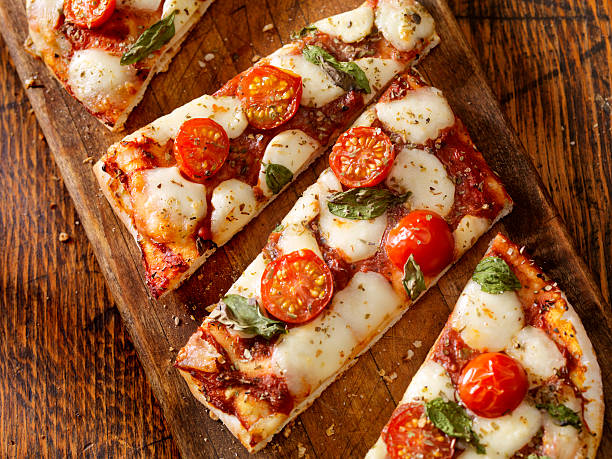
If you’re wondering what wine pairs best with a classic Margherita pizza, you’ve come to the right place. In the next few lines we’ll match the bright tomato sauce, fresh mozzarella, and fragrant basil with the perfect glass, whether you prefer a crisp white, a light red, or even a sparkling option. Expect quick, tasty recommendations that enhance every bite without overcomplicating your dinner. Let’s dive in and find your ideal sip to enjoy tonight with friends at home together.
How to Pair Wine with Margherita Pizza
Consider the flavor profile
Begin by looking at the core flavors of a classic Margherita: bright tomato sauce, creamy mozzarella, and fresh basil. These ingredients create a light, herb‑forward profile with subtle sweetness from the tomatoes and a mild dairy richness. Choose a wine that mirrors these notes rather than overwhelms them.
A crisp, aromatic white such as Vermentino or a lightly chilled Pinot Grigio offers citrus and green‑herb aromas that echo the basil while keeping the palate refreshed.
If you prefer red, opt for a low‑tannin, fruit‑forward option like a young Chianti Classico or a Gamay‑based Beaujolais Nouveau, which provide soft cherry and plum flavors that complement the tomato’s acidity without adding heaviness.
By aligning the wine’s flavor cues with the pizza’s simple ingredients, you create a harmonious bite‑by‑bite experience. Serve the wine slightly chilled to enhance its refreshing character and let the flavors shine together.
Match acidity levels
Acidity is the bridge that links wine to the tangy tomato base of a Margherita pizza. The sauce’s natural brightness calls for a wine with a comparable crispness so that each sip cleanses the palate and readies it for the next bite.
Select wines with 3‑5% acidity, such as a dry Italian white like Verdicchio or a Sauvignon Blanc from the Loire Valley, both delivering zesty lemon, green apple, and subtle mineral tones.
For red lovers, a light‑bodied Sangiovese or a Barbera d’Asti offers lively acidity without excessive tannins, allowing the tomato’s zing to shine. Avoid overly mellow or high‑alcohol wines, as they can mute the sauce’s liveliness and make the pizza taste flat.
By pairing wines that mirror the pizza’s acidic spark, you maintain balance and keep the overall dining experience vibrant and engaging.
Balance body and intensity
The body and intensity of the wine should sit comfortably alongside the modest richness of mozzarella and the aromatic lift of basil. A wine that is too heavy will drown the delicate cheese, while one that is too light may disappear against the herbaceous notes.
Aim for a medium‑light body with gentle fruit expression. Options include an Italian Frascati, which offers soft pear and almond nuances, or a Pinot Noir from Oregon that provides subtle red‑berry flavors and a silky texture without aggressive tannins.
If you lean toward whites, a lightly oaked Chardonnay from a cooler climate delivers a creamy mouthfeel that mirrors the mozzarella’s melt while preserving enough acidity to cut through the cheese.
Test the pairing by taking a bite, then a sip; the wine should enhance the pizza’s layers, not dominate them, creating a seamless, enjoyable rhythm throughout the meal.
What Types of Wine Complement Margherita Pizza
Light-bodied reds
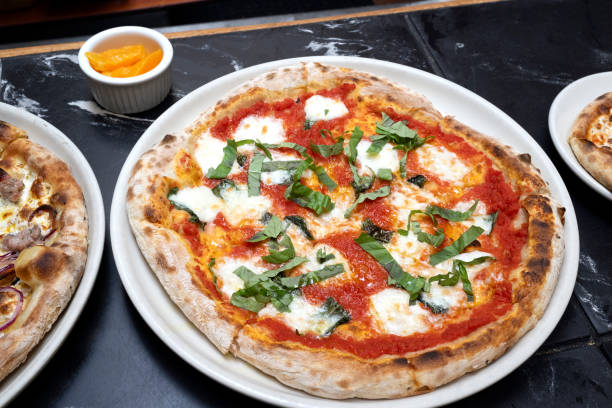
Pair a light‑bodied red such as Chianti Classico, Pinot Noir, or a young Sangiovese with Margherita pizza to enhance the tomato’s acidity while complementing the fresh mozzarella. Choose a wine with bright fruit and moderate tannins; this balances the sweet‑tart sauce without overwhelming the delicate cheese.
Serve slightly chilled (around 60°F) to keep the palate lively. Look for notes of red cherry, raspberry, and subtle earth that echo the herbaceous basil. When selecting a bottle, opt for a recent vintage to retain vibrant acidity. Avoid heavy, oak‑driven reds as they can mask the pizza’s subtle flavors.
A glass poured just before the first bite creates a harmonious mouthfeel, letting the wine’s acidity cut through the cheese and refresh the palate for each slice. Pairing this style also works well with a light drizzle of extra‑virgin olive oil, enhancing the wine’s fruit and the pizza’s richness.
Crisp white wines
Opt for a crisp white wine such as Verdicchio, Pinot Grigio, or a dry Italian Sauvignon Blanc to match the bright flavors of Margherita pizza. Select a wine with high acidity and subtle citrus notes; this mirrors the tomato sauce’s tang and lifts the creamy mozzarella.
Serve chilled at 45‑50°F to keep the wine refreshing against the warm cheese. Look for aromas of green apple, lemon zest, and a hint of minerality that echo the fresh basil. When choosing a bottle, prioritize unoaked or lightly oaked styles to avoid masking the pizza’s delicate profile.
Steer clear of overly sweet or buttery whites, as they can clash with the sauce’s acidity. A sip taken between bites cleanses the palate, allowing each slice’s flavors to shine while the wine’s crisp finish adds a lively contrast.
Rosé options
Consider a dry rosé, especially those from the Italian regions of Veneto or Tuscany, or a Provençal rosé, as a versatile partner for Margherita pizza. Aim for a rosé with bright red‑fruit flavors and a crisp backbone; this complements the tomato sauce’s acidity while enhancing the herbaceous basil.
Serve slightly chilled, around 50‑55°F, to keep the wine lively and prevent it from becoming flabby. Look for notes of strawberry, watermelon, and a touch of citrus that echo the pizza’s fresh ingredients. When selecting, choose a wine with moderate alcohol (11‑12%) to ensure it doesn’t overpower the delicate mozzarella.
Avoid overly sweet or heavily perfumed rosés, which can dominate the subtle cheese and sauce. A glass poured just before the first bite creates a balanced interplay, letting the wine’s acidity cut through the cheese and the subtle tannins highlight the pizza’s bright, simple flavors.
Tips for Choosing a Red Wine for Margherita Pizza
Pinot Noir characteristics
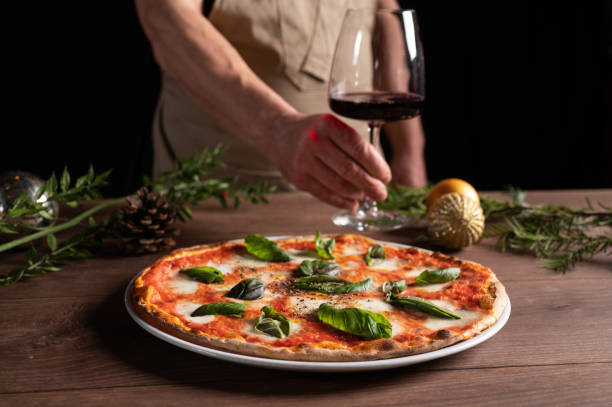
Pinot Noir offers bright acidity and subtle fruit that can enhance the fresh tomato and basil flavors of a Margherita pizza. Look for a light‑bodied style with red‑berry notes like cherry and raspberry, which won’t overpower the cheese.
Check the tannin level; a soft, silky tannin profile keeps the palate clean after each bite. Choose a bottle from a cooler climate such as Oregon or Burgundy, where the wine retains crispness and a hint of earthiness that mirrors the pizza’s herbaceous aroma.
Serve slightly chilled, around 55‑60°F, to accentuate its refreshing qualities. By matching the wine’s acidity to the sauce’s tang and its gentle fruit to the mozzarella’s creaminess, Pinot Noir becomes a harmonious partner that lifts the simple elegance of a Margherita without dominating it.
Pair it with a thin‑crust base to keep the balance light and let the wine’s subtle spice shine through the olive oil drizzle.
Chianti basics
Chianti, the classic Tuscan red, brings bright acidity and moderate tannins that cut through the tomato sauce of a Margherita pizza while complementing its mozzarella and basil. Select a Chianti Classico made from Sangiovese grapes for vivid cherry and plum flavors that echo the pizza’s sweet‑tart profile.
Watch the alcohol level; aim for 12‑13% ABV to avoid overheating the delicate cheese. Look for a wine with a hint of dried herbs and a touch of earth, which will mirror the oregano or oregano‑like notes often added to the crust.
Serve at cellar temperature, about 60‑65°F, to let the fruit and spice integrate smoothly with each bite. By aligning the wine’s natural acidity with the sauce’s tang and its herbal undertones with the pizza’s garnish, Chianti becomes a traditional yet vibrant match that enhances the overall dining experience.
Barbera considerations
Barbera is an Italian red known for high acidity and low tannins, making it a flexible partner for the simple flavors of a Margherita pizza.
Choose a Barbera d’Asti or Barbera d’Alba that showcases bright red‑fruit aromas like raspberry and cranberry, which lift the sweet tomato base without masking the basil’s freshness.
Pay attention to the finish; a clean, slightly spicy aftertaste can accentuate the peppery notes of the crust and any drizzle of extra‑virgin olive oil. Opt for a wine with moderate alcohol, around 13‑14%, to keep the palate lively and prevent the cheese from feeling heavy.
Serve slightly cooler than room temperature, about 58‑62°F, to highlight its crisp acidity. When paired correctly, Barbera’s vibrant fruit and subtle spice create a balanced contrast that brightens each bite, turning a classic Margherita into a more dynamic flavor experience.
Tips for Choosing a White Wine for Margherita Pizza
Sauvignon Blanc freshness
When selecting a Sauvignon Blanc for Margherita pizza, prioritize a wine that showcases bright acidity and citrus-driven freshness. Look for notes of lemon zest, green apple, and subtle herbaceous undertones that echo the basil and tomato sauce.
Choose a bottle from cooler climate regions such as the Loire Valley or New Zealand’s Marlborough, where the palate remains crisp and the minerality can cut through the cheese’s richness. Serve chilled at 45‑50°F to enhance the wine’s lively character.
Pairing a youthful, unoaked Sauvignon Blanc will lift the pizza’s flavors without overwhelming them, creating a balanced bite‑and‑sip experience that highlights both the dish and the wine.
Opt for a wine with a clean finish; the lingering citrus will complement the tangy tomato while the subtle grassy hints mirror the fresh basil leaves. Avoid heavily oaked or buttery styles, as they can mask the delicate herb profile of the pizza.
Vermentino notes
Vermentino offers a Mediterranean vibe that pairs naturally with Margherita pizza’s simple ingredients. Seek out expressions of lime zest, white peach, and a salty minerality that echo the tomato’s acidity and the mozzarella’s creaminess.
Wines from coastal Italy, especially Sardinia and Liguria, often carry a subtle sea‑spray character that enhances the fresh basil garnish. Serve slightly cooler than room temperature, around 50‑55°F, to keep the aromatic profile vibrant.
The wine’s light body and crisp finish will cleanse the palate between bites, allowing the cheese to melt smoothly while the sauce remains bright. Choose a Vermentino with minimal oak influence; the pure fruit and mineral balance will lift the pizza without overwhelming its delicate flavors.
Look for a bright, slightly herbaceous finish; the hint of rosemary or thyme can mirror the pizza’s oregano, creating a harmonious echo of flavors. Avoid overly sweet or high-alcohol styles, as they can drown the subtle tomato tang.
Pinot Grigio pairing
Pinot Grigio’s crisp acidity and delicate fruit profile make it a reliable companion for Margherita pizza. Target wines that showcase green apple, pear, and a whisper of citrus to match the tomato’s acidity and the mozzarella’s subtle sweetness.
Italian Pinot Grigio from the Veneto or Friuli regions often exhibit a clean, mineral edge that mirrors the pizza’s thin crust. Serve chilled at 48‑52°F to keep the palate fresh and the flavors bright.
The wine’s light body won’t compete with the cheese, while its subtle floral notes can enhance the aromatic basil. Opt for a unoaked or lightly oaked bottling; excessive oak can mask the pizza’s simple elegance.
When the wine finishes with a crisp, lingering finish, it prepares the mouth for the next bite, ensuring each slice feels as vibrant as the first.
Best Ways to Serve Wine with Margherita Pizza
Ideal serving temperature
When pairing wine with a classic Margherita pizza, temperature is a silent but crucial player. Serve light reds at 55‑58°F (13‑14°C) to keep their fruit forward and their tannins soft, allowing the tomato’s acidity to shine without being overwhelmed.
For whites such as a crisp Vermentino, aim for a cooler 45‑50°F (7‑10°C), which preserves bright citrus notes that cut through the cheese and basil. If you prefer a sparkling option, chill it to 40‑45°F (4‑7°C) to enhance its lively bubbles and refresh the palate between bites.
Avoid serving any wine too warm; elevated temperatures can mute acidity and accentuate alcohol, leading to a flabby match with the pizza’s fresh flavors. Adjust the temperature by placing the bottle in a refrigerator for 20‑30 minutes before service, or use an ice bucket for quick cooling.
Glassware selection
Choosing the right glass can amplify the synergy between wine and Margherita pizza. A tulip‑shaped glass for reds concentrates aromatic compounds while directing the wine to the center of the tongue, highlighting the subtle earthiness of a Chianti that complements the pizza’s tomato base.
For whites like a Pinot Grigio, opt for a narrow‑rimmed white wine glass to preserve delicate floral notes and keep the wine cooler longer. Sparkling wines benefit from a flute that showcases bubbles and focuses the crisp acidity against the cheese’s creaminess.
Avoid oversized bowls; they disperse aromas too quickly and can make the wine feel thin against the pizza’s richness. When serving multiple wines, keep each type in its dedicated glass to prevent flavor crossover.
Clean the glasses thoroughly, removing any residue, and present them with the stem up to maintain temperature control and allow guests to appreciate the wine’s visual appeal.
Decanting tips
Even a youthful red paired with Margherita pizza can benefit from a brief decant, which softens tannins and releases aromatic layers. Decant for 20‑30 minutes if the wine is a light‑bodied Sangiovese; this short exposure lets the fruit open up without losing the fresh acidity that balances the tomato sauce.
For more robust reds, a 30‑45 minute decant can tame harsh edges and highlight subtle spice notes that echo the basil. When decanting a white or sparkling wine, skip the process—these styles are best served directly from the bottle to preserve their crispness.
Use a clear, wide‑mouth decanter to allow ample surface area for oxygen contact, and pour slowly to avoid disturbing any sediment. If you lack a decanter, a clean pitcher or even a large glass jar works as a temporary vessel.
Taste the wine after the allotted time and adjust the waiting period as needed to achieve the perfect harmony with the pizza.
Common Mistakes to Avoid When Pairing Wine and Margherita Pizza
Overpowering the pizza
Choosing a wine that overwhelms the delicate flavors of a Margherita can ruin the experience. Avoid high‑alcohol, full‑bodied reds such as Cabernet Sauvignon or Syrah, which dominate the fresh tomato and basil notes. Instead, select lighter reds or aromatic whites that complement rather than mask the cheese and crust.
Keep tannins low; excessive tannic structure will clash with the pizza’s acidity and create a bitter aftertaste. A medium‑light Pinot Noir or a chilled Gamay can provide enough fruit without overpowering.
Remember that the goal is harmony: the wine should echo the bright tomato, subtle mozzarella, and fragrant basil, not drown them. By steering clear of overly robust wines, you let each ingredient shine while still enjoying a balanced sip.
Pair it with a modest serving size and serve slightly chilled to further soften any residual intensity, ensuring the palate stays refreshed between bites.
Ignoring acidity
Acidity is the bridge that links wine to the bright tomato sauce of a Margherita. Neglecting this element often leads to a flat pairing where the wine feels dull and the pizza’s tanginess goes unnoticed.
Choose wines with a lively crispness, such as a dry Italian white like Verdicchio, a Sauvignon Blanc, or a light‑bodied red with natural acidity like Chianti Classico. Match the pH levels; a wine with 3.5‑4.0% acidity will mirror the sauce’s sharpness, enhancing the overall flavor profile.
Avoid overly sweet or low‑acid options like some Moscato or heavily oaked Chardonnay, which can mute the tomato’s zing and make the cheese taste heavy.
By respecting the acidity balance, each sip cleanses the palate, highlighting the fresh basil and creamy mozzarella while keeping the overall experience vibrant and harmonious throughout the meal.
Mismatched sweetness
Sweetness can quickly become a discordant note when paired with the savory simplicity of a Margherita pizza. Pairing sugary wines like a ripe Riesling or a dessert-style Prosecco often masks the subtle herbaceous basil and makes the mozzarella taste cloying.
Opt for wines that maintain a dry or off‑dry profile, such as a crisp Pinot Grigio, an unoaked Chardonnay, or a light rosé with a hint of fruit but restrained sugar.
Keep residual sugar low; under 2 g/L ensures the wine accentuates the tomato’s acidity without turning the bite into a dessert. Avoid overly fruity blends that lean toward honeyed flavors, as they can overpower the pizza’s delicate balance.
By selecting a dry, balanced wine, you preserve the pizza’s authentic character and allow each component to shine in a cohesive, truly satisfying dining experience.
Frequently Asked Questions About Wine and Margherita Pizza Pairing
Can sparkling wine work?
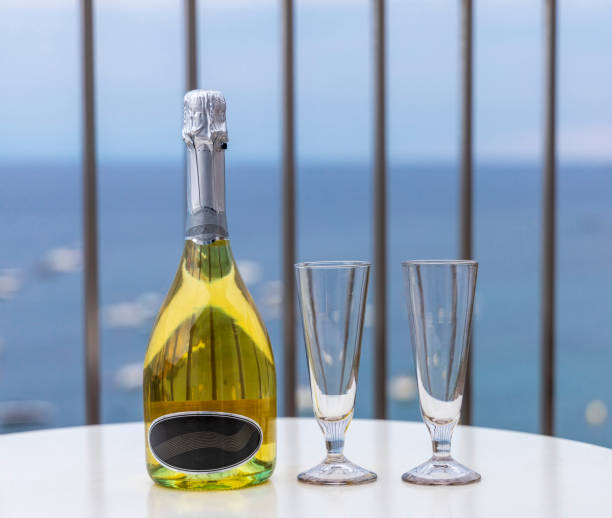
Sparkling wine can be an excellent partner for Margherita pizza because its lively acidity and fine bubbles cut through the cheese and tomato sauce while highlighting the fresh basil.
Choose a dry style such as Brut Prosecco, Champagne, or Cava to avoid excess sweetness that would mask the pizza’s subtle flavors. The crisp citrus notes complement the tomato’s acidity, and the effervescence refreshes the palate between bites.
If you prefer a slightly richer mouthfeel, a extra‑dry sparkling wine still works, but keep the sugar level low. Serve the wine well chilled, around 45‑50°F, and pour it gently to preserve the mousse.
This pairing works especially well for thin‑crust Margherita, where the light crust lets the wine’s finesse shine without being overwhelmed by heavy toppings. Pair it with a simple green salad and you’ll enjoy a balanced, restaurant‑quality experience at home.
Is a dessert wine ever appropriate?
Generally, dessert wines are too sweet to pair with the bright, savory profile of a classic Margherita pizza, but there are niche scenarios where a hint of sweetness can enhance the dish.
Opt for a lightly sweet wine such as an off‑dry Riesling or a Moscato d’Asti that offers bright acidity alongside fruit notes. The acidity balances the tomato sauce while the subtle sugar can echo the natural sweetness of ripe tomatoes and the slight caramelization of the crust.
Keep the residual sugar low—around 2–4 g/L—to avoid overpowering the cheese and basil. Serve the wine chilled, about 50°F, and sip slowly to let the flavors meld.
This approach works best when the pizza includes a drizzle of honey or a balsamic reduction, creating a deliberate sweet‑savory contrast that a dessert wine can accentuate without dominating the palate.
How to pair with extra toppings?
When you add extra toppings to a Margherita base, the wine choice should adapt to the new flavor layers while still respecting the pizza’s tomato‑basil foundation.
Match the intensity of the topping: richer meats such as pepperoni or sausage call for a medium‑body red like Chianti Classico or a Sangiovese with moderate tannins, which can stand up to the spice and fat.
Earthy mushrooms pair nicely with an earthy white such as a Pinot Grigio or a lightly oaked Chardonnay, whose subtle oak complements the umami without overwhelming the sauce. For vegetables like roasted red peppers or olives, a crisp rosé with bright acidity and red‑fruit notes offers a refreshing bridge.
Keep the wine’s acidity high—around 5–6%—to cut through cheese and oil. Serve reds slightly below room temperature (60‑65°F) and whites chilled (48‑52°F) to maintain balance across each bite.
Frequently Asked Questions
Which type of wine best complements the fresh flavors of a Margherita pizza?
A light, crisp white wine such as Pinot Grigio or a dry Italian Vermentino pairs well, highlighting the tomato sauce and mozzarella without overwhelming them.
Can a red wine work with Margherita pizza?
Yes, a light-bodied red like Chianti Classico or a young Sangiovese offers bright acidity that matches the tomato sauce and cuts through the cheese’s richness.
What about sparkling wines?
A dry sparkling wine, like Prosecco or a Brut Cava, adds refreshing bubbles and acidity that cleanse the palate between bites of cheesy, tomato‑laden pizza.
Should I avoid heavy, oaky wines?
Generally, heavy, oak‑driven wines such as aged Cabernet Sauvignon can mask the delicate flavors of a Margherita pizza; lighter options let the simple ingredients shine.
How does the wine’s acidity affect the pairing?
High acidity in the wine mirrors the acidity of the tomato sauce, creating balance and preventing the cheese from feeling too heavy on the palate.
Do regional Italian wines make a good match?
Absolutely—Italian wines like Verdicchio, Soave, or a light Barbera from Piedmont complement the pizza’s Italian roots and offer harmonious flavor profiles.
Conclusion
A crisp, acidic white such as Pinot Grigio or Sauvignon Blanc, a dry rosé, or a light‑bodied red like Chianti or Barbera best complements the fresh tomato, mozzarella and basil of a Margherita. Aim for moderate alcohol and bright acidity to balance the sauce. Experiment with these pairings, trust your palate, and enjoy discovering the perfect wine that elevates every bite.