What Wine Goes With Jambalaya
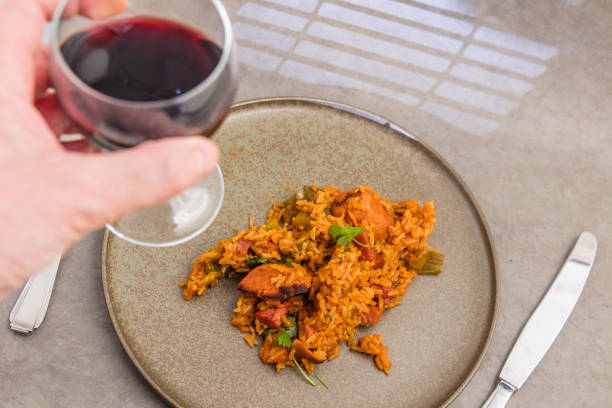
If you’re wondering what wine pairs best with jambalaya, you’ve come to the right place. This lively, spice‑filled dish calls for a wine that can handle heat without overwhelming the flavors. In the next few lines we’ll quickly point you to the perfect reds, whites, and rosés that complement the smoky sausage, tender shrimp, and bold Cajun seasoning. Get ready for a simple, tasty match that will elevate your next dinner. Enjoy the perfect sip alongside every bite tonight together.
How to Choose the Right Wine for Jambalaya
Identify the dominant flavors
Start by tasting the jambalaya and noting its core taste profile. Smoky sausage and charred vegetables often dominate, while tomatoes add a bright acidity and herbs like thyme bring earthiness.
If the dish leans heavily on smoked meats, choose a wine that can stand up to that depth, such as a medium‑bodied Zinfandel or a Grenache with ripe fruit and soft tannins.
For a brighter, tomato‑forward version, a dry rosé or a Sangiovese offers enough acidity to echo the sauce without overwhelming it. When herbs are prominent, a herbaceous Sauvignon Blanc can mirror those green notes.
By pinpointing whether the dominant flavors are smoky, acidic, or herbal, you create a clear target for the wine’s flavor profile, ensuring the pairing feels cohesive rather than competing. Serve the wine slightly chilled to enhance its refreshing qualities and to balance the heat of the dish.
Match the spice level
Assess how much heat the jambalaya delivers and let that guide your wine’s sweetness and acidity. A mildly spiced version pairs well with a crisp Riesling that has a touch of residual sugar; the subtle sweetness cools the palate while the high acidity matches the tomato base.
For medium heat, a Gewürztraminer with its aromatic spice notes and gentle sweetness can echo the dish’s complexity without being overpowered.
If the jambalaya is fiery, choose a wine with enough fruit and low tannins to soothe the burn, such as a Beaujolais Nouveau or a Lambrusco that offers bright berry flavors and a slight fizz. Avoid heavily oaked reds, as their bold tannins will clash with the spice.
By aligning the wine’s sugar level and acidity with the dish’s heat, you create a harmonious balance that lets both the food and the wine shine.
Consider the protein type
Identify the main protein in your jambalaya—whether it’s chicken, Andouille sausage, shrimp, or a mix—and select a wine that complements its texture and flavor. For chicken‑based jambalaya, a light‑to‑medium Pinot Noir offers soft tannins and red fruit that enhance the poultry without overwhelming it.
When sausage is the star, a Tempranillo with modest acidity and a hint of spice can mirror the cured meat’s richness. Shrimp calls for a brighter, mineral‑driven wine such as an Albariño or a Vermentino, whose citrus notes lift the seafood’s sweetness and cut through the dish’s heat.
If the pot contains a combination of proteins, aim for a versatile wine like a Rosé that balances fruit, acidity, and a touch of earthiness. Pairing the wine to the protein ensures each bite feels integrated, turning the jambalaya from a hearty stew into a coordinated culinary experience.
What Types of Wine Pair Best with Spicy Dishes
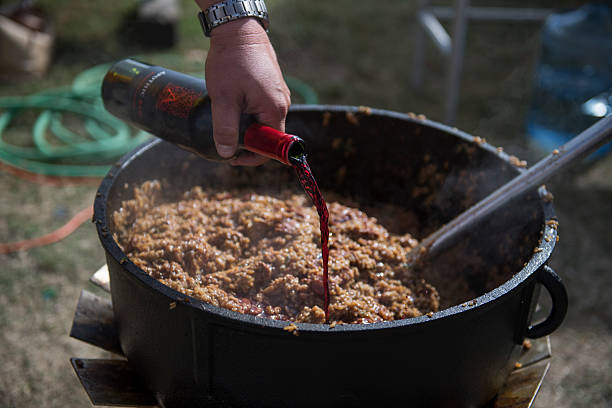
Low‑tannin reds
Low‑tannin reds are ideal for jambalaya because their soft structure lets the dish’s heat shine without overwhelming the palate. Choose a Pinot Noir or Gamay for bright red‑fruit aromas that complement the tomato base, while a Grenache offers subtle spice that mirrors the Cajun seasoning.
Serve the wine slightly chilled, around 55°F, to enhance freshness and keep the alcohol from amplifying the heat. When selecting a bottle, look for bright acidity and low‑level tannins; these qualities cut through the richness of sausage and shrimp while soothing the peppery kick.
Pairing a low‑tannin red with jambalaya also works well with a side of crusty bread, allowing the wine to cleanse the mouth between bites. Key tip: avoid heavily oak‑aged reds, as their bold tannins can clash with the dish’s complex spice profile.
For a more robust flavor, try a chilled Beaujolais Nouveau, which brings juicy berry notes and a hint of earth that echo the smoky sausage.
If you prefer a slightly richer profile, a young Merlot with soft tannins can also stand up to the dish, especially when the jambalaya includes a generous amount of smoked paprika. Remember to keep the wine’s alcohol level moderate, around 12‑13%, to prevent it from intensifying the spice.
Crisp whites
Crisp whites bring bright acidity and refreshing minerality that balance the bold flavors of jambalaya, making them a go‑to choice for spice lovers.
Select a Sauvignon Blanc or Albariño for citrusy zest and green‑herb notes that cut through the richness of sausage and shrimp, while an unoaked Chardonnay offers subtle tropical fruit without adding weight.
Serve the wine well chilled, at 45‑50°F, to enhance its clean finish and to provide a cooling counterpoint to the dish’s heat. When pairing, look for a wine with pronounced acidity and low residual sugar; this combination lifts the flavors of the tomatoes and peppers while soothing the palate.
Pair the white with a side of lemon‑garlic rice or a simple green salad to keep the meal light. Pro tip: avoid heavily buttery or oak‑influenced whites, as they can overwhelm the delicate spice balance.
Off‑dry rosés
Off‑dry rosés strike a perfect middle ground for jambalaya, offering a touch of sweetness that tames heat while preserving acidity to keep the palate lively.
Opt for a Provençal rosé or an Italian Cerasuolo; both deliver bright red‑fruit flavors and a subtle floral finish that echo the dish’s paprika and thyme. Serve the rosé slightly cooler than room temperature, around 50‑55°F, so the gentle sweetness is evident without becoming cloying.
The wine’s low to moderate alcohol, typically 11‑12%, helps to mute the spiciness of the Cajun seasoning, making each bite feel balanced. Pair the rosé with a garnish of fresh cilantro or a squeeze of lime to highlight its fruit‑forward character.
Key advice: steer clear of overly sweet, dessert‑style rosés, as they can overpower the savory elements and mask the complex layers of flavor in the jambalaya.
Tips for Pairing Red Wine with Jambalaya
Select a fruit‑forward blend
Choose a red wine that showcases ripe fruit flavors to complement the spicy, savory profile of jambalaya. Look for blends featuring ripe cherry, plum, and blackberry that can stand up to the dish’s heat without overwhelming it.
A fruit‑forward Zinfandel or a Grenache‑based Rhône blend offers soft tannins and a touch of sweetness that mirrors the tomato base and sausage bits. Serve the wine slightly chilled, around 55‑60°F, to enhance its fruit character and keep the palate refreshed between bites.
When selecting, prioritize wines with moderate alcohol (12‑13.5%) so the alcohol doesn’t amplify the spice. This approach ensures the wine lifts the dish’s complexity while keeping the overall experience harmonious and enjoyable.
Pair the wine with the jambalaya’s Cajun herbs like thyme and oregano, letting the fruit notes echo the subtle herbal undertones. Avoid overly oaky styles, as heavy oak can clash with the dish’s bright spices.
A well‑balanced fruit‑forward blend will create a dialogue between the wine’s sweetness and the savory depth of the jambalaya, making each sip a complementary accent to the next bite.
Avoid high‑acid reds
High‑acid red wines can clash with the robust, spicy flavors of jambalaya, making the dish taste harsher. Steer clear of wines like Pinot Noir or Sangiovese that often present bright acidity and lean tannins. Instead, opt for reds with softer acidity that can mellow the heat without adding sharpness.
A Merlot with plush fruit and gentle tannins or a Cabernet Franc with a round mouthfeel provides enough body to match the sausage and shrimp while keeping the palate comfortable. Serve the wine at a slightly warmer temperature, around 60‑65°F, to soften any residual acidity.
When choosing, look for wines with balanced fruit‑to‑acid ratios and moderate alcohol levels (12‑13%). This strategy ensures the wine supports the dish’s depth rather than fighting it, allowing the flavors of the jambalaya to shine through with each sip.
Balance smoky notes
Jambalaya often incorporates smoked sausage or smoked paprika, adding a deep, earthy character that pairs beautifully with reds that echo those smoky nuances. Select wines with subtle oak influence or a hint of char, such as a Tempranillo aged briefly in oak barrels or a Syrah with peppery undertones.
These wines bring soft, smoky layers that mirror the dish without overpowering the spice. Aim for a wine with medium‑to‑full body and gentle tannins, allowing the smoky flavors to integrate smoothly with the tomato‑based broth.
Serve the wine slightly cooler, around 58‑62°F, to keep the smoky profile bright and prevent the alcohol from masking subtle nuances. By matching the wine’s smoky depth to the jambalaya’s own, each bite and sip reinforce the other, creating a cohesive and satisfying dining experience.
Pair this combination with a side of crusty bread to soak up the flavorful sauce, letting the wine’s smoky finish linger on the palate.
Tips for Pairing White Wine with Jambalaya
Choose a bright acidity
Start by selecting a white wine that delivers crisp, lively acidity to cut through the spice and richness of jambalaya. High‑acid varieties such as Sauvignon Blanc, Albariño, or a dry Riesling provide the bright tang that balances the dish’s tomato base and smoky sausage.
Look for wines with citrus or green‑apple notes, as these flavors echo the peppers and onions while refreshing the palate between bites. When the wine’s acidity is pronounced, it lifts the heat without overwhelming the complex seasoning, making each spoonful feel lighter.
Choose a bottle with a moderate alcohol level (around 11‑12%) to keep the focus on freshness rather than added warmth. Serving the wine chilled, around 45‑50°F, preserves its sharp edge and ensures a harmonious match with the bold Cajun flavors.
Pair it with a simple side of crusty bread to further accentuate the wine’s zing and keep the meal balanced.
Look for subtle oak
Next, consider white wines that carry a whisper of oak to complement the smoky undertones of jambalaya without dominating the spice.
Lightly oaked Chardonnay or a Viognier aged briefly in neutral barrels can add creamy texture and a faint vanilla or toasted nut nuance that mirrors the dish’s sausage and ham.
The oak should be subtle, offering just enough structure to stand up to the hearty rice and broth while preserving the wine’s fruit brightness. Avoid heavily barrel‑aged selections, as they may overwhelm the complex seasoning.
Aim for a wine with 2‑3 years of gentle oak influence, delivering a rounded mouthfeel that smooths the heat and enhances the savory depth. Serve at a slightly cooler temperature than full‑body reds, around 50‑54°F, to keep the oak character lively and integrated with the food perfectly.
Pair with citrus‑forward varieties
Finally, choose citrus‑forward white wines that echo the bright herbs and lemony finish often added to jambalaya. Sauvignon Blanc, Vermentino, or a crisp Pinot Grigio showcase lime, grapefruit, and green‑herb aromas that resonate with the dish’s parsley, thyme, and occasional squeeze of lemon.
These wines bring a zesty lift that cuts through the peppery heat and highlights the freshness of the vegetables. Look for a wine with a clean finish and moderate alcohol (10‑11%) so the citrus punch remains prominent without adding extra warmth.
A lightly sparkling option, such as an Italian Frizzante, can also amplify the citrus notes while providing a refreshing palate cleanser between bites. Serve chilled, around 45‑48°F, and consider a small garnish of lemon zest in the glass to reinforce the connection between wine and jambalaya.
This pairing keeps the meal lively and prevents the spice from feeling too heavy.
Best Sweet and Semi‑Sweet Wines for Jambalaya
Riesling with a touch of sweetness
Riesling’s bright acidity and subtle fruit make it a top match for jambalaya’s spicy, smoky profile. Choose a Riesling with a touch of sweetness (often labeled ‘off-dry’ or ‘late harvest’) to balance the heat without overwhelming the dish.
The wine’s citrus and stone-fruit notes—think lime, green apple, and peach—cut through the richness of sausage, shrimp, and rice, while its residual sugar softens the peppery kick. Serve it slightly chilled, around 45-50°F, to keep the palate refreshed as you move from bite to bite.
When selecting a bottle, look for German Kabinett, Alsace Riesling, or Washington State off-dry styles, which typically offer 2-5 g/L residual sugar and a crisp minerality that mirrors the dish’s herbs and tomatoes.
Pair the wine with the classic Creole jambalaya that includes Andouille sausage and shrimp; the wine’s acidity will highlight the tomato base, and the sweetness will complement the caramelized edges of the meat.
If you prefer a bolder profile, a slightly richer Auslese still maintains balance, but keep the serving temperature a bit cooler to preserve its lively fruit character. Overall, a modestly sweet Riesling enhances the complex layers of jambalaya, delivering a harmonious and satisfying dining experience.
Enjoy the pairing with a side of crusty bread to soak up the sauce, and let the wine’s lingering finish echo the dish’s spice.
Gewürztraminer for aromatic lift
Gewürztraminer’s perfumed bouquet and pronounced fruitiness make it an excellent companion for jambalaya’s bold flavors. Select a semi-sweet Gewürztraminer that offers a balance of honeyed notes and crisp acidity, allowing it to stand up to the dish’s smoky sausage, tender chicken, and fiery Cajun spices.
The wine’s aromatic profile—ripe lychee, rose petal, and tropical pineapple—adds an uplifting contrast to the earthy tomato base, while its gentle sweetness tempers the heat from cayenne and paprika. Serve the wine slightly cooler than room temperature, around 50-55°F, to preserve its fragrant aromatics and keep the palate lively.
When shopping, look for Alsace Gewürztraminer labeled ‘Vendange Tardive’ or ‘Semi-Sec’, as well as New World options from Oregon or California that deliver the same aromatic intensity with a modest residual sugar level of 3-6 g/L.
Pair it with a traditional Creole jambalaya that includes bell peppers, onions, and a mix of seafood and meat; the wine’s floral and spice-forward character will echo the dish’s herbaceous components and enhance the complexity of the broth.
If you enjoy a richer mouthfeel, a slightly fuller-bodied ‘Late Harvest’ style can be paired, but keep the serving temperature on the cooler side to prevent the sweetness from dominating. This aromatic lift from Gewürztraminer creates a harmonious dialogue with jambalaya, turning each bite into a vibrant, multi-sensory experience.
How to Serve Wine with Jambalaya for Maximum Flavor
Serve at the correct temperature
Start by chilling your white or rosé to the ideal serving range of 45‑55°F (7‑13°C). Cool temperatures keep the acidity bright, which cuts through the spice and richness of jambalaya.
For a medium‑bodied red such as Zinfandel or Grenache, aim for 60‑65°F (15‑18°C); a slight chill softens tannins and highlights fruit notes without muting the dish’s smoky depth. Use a wine thermometer or a quick‑chill bucket with ice and water to achieve precision.
If you prefer a slightly warmer profile for a bold red, let the bottle sit on the counter for ten minutes after removal from refrigeration.
Matching temperature to the wine style ensures that the fruit, acidity, and alcohol integrate seamlessly with the Cajun herbs, sausage, and seafood, delivering a balanced palate experience. Serve the wine immediately after reaching the target temperature to preserve its vibrant character throughout the meal.
Use appropriate glassware
Choosing the right glass amplifies the wine’s aroma and guides its flow onto the palate, which is crucial when pairing with jambalaya’s complex layers.
For white and rosé, select a tulip‑shaped glass with a slightly narrowed rim; this concentrates citrus and floral notes that brighten the dish’s tomato base and herbs.
Red wines such as Syrah, Grenache, or a light Zinfandel benefit from a larger, rounder bowl that allows gentle oxidation, softening tannins and releasing smoky, peppery aromas that echo the Cajun spices. Hold the glass by the stem to avoid warming the wine with your hand, preserving the intended temperature.
Before serving, give the glass a quick swirl to oxygenate the wine and release its bouquet. By matching glass shape to wine style, you enhance flavor perception and create a harmonious dialogue between the sip and the hearty jambalaya.
Decant reds when needed
Decanting can transform a robust red, making it a better companion for jambalaya’s smoky sausage and bold seasonings.
When using a young Zinfandel or Syrah, pour the wine into a decanter and let it rest for 20‑30 minutes; this exposure to air softens harsh tannins and unlocks fruit‑forward aromas like black‑cherry, plum, and pepper that mirror the dish’s heat.
For older bottles with sediment, decant slowly to separate the lees, preventing gritty texture while preserving nuanced flavors. Use a clear, wide‑bodied decanter to maximize surface area, and swirl gently to encourage oxidation.
If time is limited, simply pour the wine into a glass and let it breathe for a few minutes before serving. Proper decanting ensures the wine’s structure aligns with the jambalaya’s richness, delivering a balanced, lingering finish that enhances every bite.
Common Mistakes to Avoid When Pairing Wine with Jambalaya
Choosing overly tannic reds
When you reach for a wine with big tannins, such as a young Cabernet Sauvignon or a heavily oaked Syrah, the result can be a clash with jambalaya’s bright spices and tomato base. Tannins bind to proteins and spices, creating a metallic, bitter aftertaste that masks the dish’s nuanced flavors.
Instead, opt for wines with softer structure and moderate acidity. A fruit‑forward Grenache or a lightly oaked Zinfandel offers enough body to stand up to the sausage and shrimp without overwhelming them.
Taste before you pour: sip a small amount and note whether the wine feels harsh against the dish’s heat. If the wine feels astringent, swap it for a more supple option. Remember, the goal is harmony, not competition, so keep tannic intensity in check.
Pairing with a chilled glass also softens the perception of tannins, making the overall experience smoother.
Ignoring the dish’s heat level
Jambalaya often carries a noticeable kick from cayenne, hot sauce, or smoked paprika, and overlooking that heat can lead you to choose a wine that feels flat or overly sweet. Heat amplifies alcohol perception, so a high‑alcohol wine like a fortified Port can taste scorching.
Instead, select a wine with refreshing acidity and a hint of fruit to balance the spice without adding more heat. A dry Riesling, a crisp Sauvignon Blanc, or an off‑dry Chenin Blanc provides the right level of bright acidity and subtle fruit that cools the palate.
When tasting, notice whether the wine’s acidity cuts through the spiciness or if it merely sits on top of it. If the wine feels muted, reach for a slightly cooler temperature or a wine with a higher natural acidity.
This approach ensures the wine supports the jambalaya’s flavor profile rather than being drowned out.
Skipping a palate cleanser
After a few bites of jambalaya, lingering oils and spices can coat your mouth, making it harder to evaluate the next sip of wine. Skipping a palate cleanser means you may misjudge the wine’s true character, thinking it’s too heavy or too sweet.
A simple neutral bite, such as a slice of plain baguette, a few crackers, or a small spoonful of cucumber water, resets the taste buds and restores balance. This brief intermission lets the wine’s acidity, fruit, and subtle tannins re‑emerge without interference.
When you return to the glass, pay attention to whether the wine still feels crisp against the dish’s richness or if it now appears muted. If the latter, consider a wine with a slightly higher acidity or a lighter body.
Incorporating a quick cleanse between bites keeps the pairing dynamic and ensures each sip enhances the jambalaya rather than competes with it.
Frequently Asked Questions
What type of wine pairs best with classic Cajun jambalaya?
A chilled, off‑dry Riesling works well because its bright acidity and subtle sweetness balance the spice and richness of the dish without overwhelming it.
Can I serve red wine with jambalaya, and if so, which?
Yes, a light‑bodied red such as a Pinot Noir or a Gamay (Beaujolais) can complement jambalaya, especially if the dish is less spicy, offering fruit notes that match the tomato base.
What rosé would enhance the flavors of jambalaya?
A dry rosé with good acidity, like a Provençal rosé or a Spanish rosado, adds fresh fruit flavors and a crisp finish that cut through the dish’s heat and richness.
Is a sparkling wine a good match for jambalaya?
A Brut sparkling wine or a dry Prosecco can be an excellent match; the bubbles and acidity refresh the palate between bites and temper the spiciness.
How does the level of spiciness affect wine selection for jambalaya?
For milder jambalaya, richer wines like Chardonnay or Merlot work well, while hotter versions benefit from high‑acid, slightly sweet wines such as Gewürztraminer or a semi‑sweet Zinfandel to tame the heat.
Are there any non‑traditional wine options that pair nicely with jambalaya?
Yes, an aromatic white like Viognier or a medium‑sweet Muscat can provide an unexpected but pleasant contrast, highlighting the dish’s herbs and sausage while soothing the spice.
Conclusion
In short, a bright, acidic white such as Sauvignon Blanc or a dry Riesling, a crisp rosé, or a light‑bodied red like Pinot Noir can tame jambalaya’s spice while highlighting its smoky depth. Sparkling wine or a chilled Beaujolais also work for extra freshness. Remember to match the wine’s acidity to the dish’s heat, and feel free to experiment. Enjoy discovering your perfect pairing!