
What Wine Goes With Grilled Salmon
If you’re wondering what wine pairs best with grilled salmon, you’re in the right place. We’ll quickly guide you through the top choices—crisp whites like Sauvignon Blanc, buttery Chardonnay, and even a light rosé or a delicate Pinot Noir. Each option highlights the fish’s smoky flavor without overwhelming it. We’ll also share quick serving tips and a recipe suggestion.
How to Choose the Right Wine for Grilled Salmon
Flavor profile of grilled salmon
Grilled salmon brings a rich, buttery texture complemented by a subtle smoky char from the grill. The natural oil in the fish creates a silky mouthfeel, while the caramelized exterior adds a faint sweetness and a hint of nuttiness.
Depending on the seasoning—lemon, herbs, or a light glaze—the flavor can shift toward bright citrus notes or earthy herbaceous tones. This combination of fatty richness, smoky depth, and occasional bright acidity creates a versatile palate that can pair with both delicate and more robust wines.
Understanding these layers helps you target a wine that can cut through the oil, echo the smoky nuance, and enhance any aromatic accents you’ve added to the salmon.
Consider also the cooking method—whether you use a high‑heat sear or a gentle indirect grill—as this influences the intensity of the char and can shift the pairing balance toward brighter or richer wine styles.
Key wine characteristics to match
When selecting a wine for grilled salmon, focus on bright acidity to balance the fish’s natural fattiness and to cleanse the palate between bites. Light‑to‑medium‑bodied whites such as Sauvignon Blanc, Pinot Grigio, or an unoaked Chardonnay provide crisp citrus and green‑apple notes that echo any lemon or herb seasoning.
If you prefer a red, choose a low‑tannin, fruit‑forward option like a Pinot Noir or a Gamay, whose soft berry flavors and subtle earthiness complement the smoky char without overwhelming the delicate flesh.
Look for wines with moderate alcohol (11‑13% ABV) to keep the pairing harmonious; higher alcohol can accentuate the fish’s oil and feel heavy. A touch of minerality—often found in Chablis or Albariño—adds a refreshing lift that mirrors the briny quality of the salmon and enhances the overall dining experience.
Serve the wine slightly chilled to maintain its lively acidity.
Common mistakes to avoid
One frequent error is pairing grilled salmon with heavy, oak‑laden reds such as Cabernet Sauvignon or Syrah; their high tannins and strong wood influence can clash with the fish’s buttery texture and mask the subtle smoky notes.
Avoid overly sweet wines—dessert styles or overly ripe New World whites—because the sugar will compete with the natural sweetness of the caramelized crust, creating a discordant taste.
Another pitfall is selecting a wine with excessive alcohol (above 14% ABV), which can intensify the perception of oil and make the dish feel greasy.
Don’t forget to match the wine’s acidity to any accompanying sauces; a dill‑yogurt sauce, for example, calls for a crisp, citrus‑forward wine, while a soy‑ginger glaze pairs better with a slightly off‑dry Riesling. By steering clear of these mismatches, you’ll let both the salmon and the wine shine.
What Types of White Wine Pair Best

Chardonnay and its buttery notes
Chardonnay’s rich, buttery texture pairs beautifully with the smoky char of grilled salmon. Look for a lightly oaked style that offers cream‑filled mouthfeel and subtle vanilla tones, which echo the fish’s natural fattiness.
Serve the wine slightly chilled, around 50‑55°F, to keep its fruit forward and prevent the oak from overwhelming the dish. When selecting a bottle, choose regions such as Burgundy’s Côte de Beaune or California’s Sonoma Coast, where the balance of acidity and oak is fine‑tuned for seafood.
Match the wine’s buttery notes with a glaze of lemon‑butter or a dill‑infused sauce to create a harmonious flavor bridge. This combination enhances the salmon’s smoky crust while preserving its tender interior, making every bite feel luxurious and well‑rounded.
Pair it with a side of roasted asparagus tossed in olive oil and garlic to echo the wine’s subtle herbaceous hints, completing the plate.
Sauvignon Blanc’s crisp acidity
Sauvignon Blanc’s bright, citrus‑driven acidity cuts through the richness of grilled salmon, refreshing the palate between bites. Opt for a New Zealand Marlborough or a Loire Valley Sancerre that showcases zesty lime, green apple, and subtle herb notes.
Serve the wine chilled at 45‑50°F to maximize its crispness and preserve the delicate aromatics. The high acidity balances the charred exterior of the fish, while the herbaceous undertones complement a dill or parsley garnish often used on salmon.
Pair the wine’s citrus spark with a squeeze of fresh lemon or a light beurre blanc sauce to amplify the interplay of flavors.
Adding a side of quinoa salad with cucumber, mint, and a light vinaigrette mirrors the wine’s freshness, ensuring each mouthful feels bright, clean, and perfectly aligned with the salmon’s smoky profile. Enjoy this duo with a glass of sunshine.
Pinot Gris for subtle fruit
Pinot Gris offers a gentle fruit profile that enhances grilled salmon without overpowering its delicate flavor. Choose an Alsace Pinot Gris or an Oregon Willamette Valley expression that delivers soft stone‑fruit aromas, light honeyed sweetness, and a silky mouthfeel.
Serve it slightly cooler than room temperature, about 52‑55°F, to keep the fruit forward and the acidity balanced. The subtle sweetness pairs well with a glaze of maple‑soy or a miso‑based brush, echoing the wine’s mellow pear and apple notes.
Highlight the wine’s fruit nuance by adding a garnish of orange zest or a drizzle of citrus‑infused olive oil on the salmon, creating a layered taste experience.
Complement the dish with a side of roasted baby potatoes tossed in rosemary, which mirrors the wine’s earthy undertones and completes a harmonious, comforting meal. Serve and savor the balanced elegance together.
What Types of Red Wine Can Work
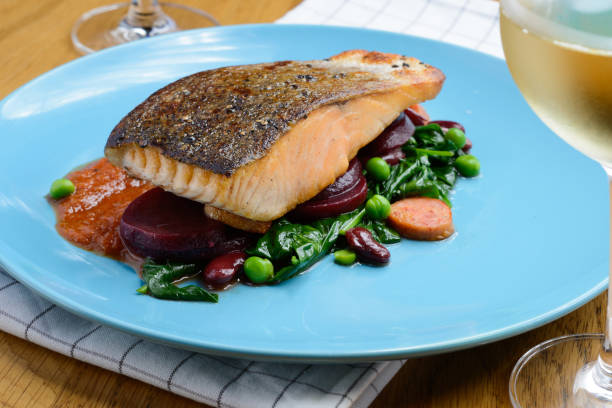
Light-bodied Pinot Noir
Light-bodied Pinot Noir is a classic match for grilled salmon because its subtle tannins and bright acidity complement the fish’s buttery texture without overwhelming it. Choose a Pinot with red‑fruit aromas like cherry and raspberry, and a hint of earthy spice to echo the char from the grill.
Serve the wine slightly chilled, around 55°F, to enhance its freshness. When seasoning the salmon, use herbs such as dill or thyme; the herbal notes will resonate with the wine’s subtle spice.
If you add a glaze of honey‑mustard, the wine’s natural acidity will cut through the sweetness, keeping the palate balanced. Tip: Decant for 15‑20 minutes to open up the fruit flavors before the meal.
Pair it with a side of roasted asparagus or a quinoa salad tossed in lemon vinaigrette; the vegetable’s crispness mirrors the wine’s lively finish. Avoid heavy, creamy sauces that could mute the wine’s finesse.
This combination creates a harmonious dining experience where the wine lifts the salmon’s flavor and the fish accentuates the wine’s subtle complexity.
Beaujolais Nouveau
Beaujolais Nouveau, released just weeks after harvest, offers bright fruit and low tannin levels that pair surprisingly well with grilled salmon. Look for vibrant raspberry and strawberry notes that echo the natural sweetness of the fish. Serve the wine chilled at 50‑55°F to highlight its refreshing character.
The wine’s light acidity cuts through any smoky char from the grill while preserving the salmon’s delicate flesh. If you glaze the salmon with a citrus‑soy reduction, the wine’s fruitiness will complement the tangy glaze without clashing.
Pair with a simple side of sautéed green beans or a mixed‑leaf salad dressed in a light vinaigrette; the crisp vegetables reinforce the wine’s zesty finish.
Pro tip: Keep the bottle away from direct light and enjoy it within the first few weeks of release for optimal freshness and aromatic vibrancy.
Cool-climate Gamay
Cool‑climate Gamay, especially from the northern Loire or Swiss regions, delivers bright acidity and a peppery edge that can stand up to the smoky notes of grilled salmon.
Seek out wines with cherry, cranberry, and subtle herbal undertones that will mirror the fish’s natural flavor and the herbs used in cooking. Serve slightly cooler than room temperature, around 55°F, to keep the palate lively.
When the salmon is seasoned with rosemary or smoked paprika, the Gamay’s gentle spice will echo those aromatics, creating a cohesive taste experience. Complement the dish with a side of wild rice pilaf or roasted root vegetables; the earthiness of the sides balances the wine’s crisp fruit profile.
Serving tip: Decant for 10‑15 minutes to soften any initial tannic bite and allow the wine’s aromatic complexity to shine alongside the salmon.
Tips for Pairing Rosé and Sparkling Wines
Dry rosé balance
Pair a dry rosé with grilled salmon to highlight the fish’s buttery texture while keeping the palate fresh. Choose a rosé with bright acidity and subtle red‑fruit notes; this cuts through the char from the grill and complements the natural oil of the salmon.
Look for wines from Provence, Navarra, or California that list 11‑12% alcohol and a crisp finish. Serve the rosé slightly chilled (about 10‑12 °C) to preserve its fruit vibrancy without muting the flavors.
When seasoning the salmon, opt for herbs, citrus, or a light glaze; the rosé’s minerality will echo those bright accents. If the dish includes a creamy dill sauce, the rosé’s acidity balances the richness, preventing the meal from feeling heavy.
Overall, the dry rosé acts as a bridge between the smoky grill marks and the delicate fish, delivering a harmonious bite‑after‑bite experience.
Champagne vs. Prosecco
When deciding between Champagne and Prosecco for grilled salmon, focus on the wine’s structure and flavor intensity. Champagne offers higher acidity and fine bubbles, which cut through the salmon’s oil and any buttery glaze, while its toasty notes add depth to charred edges.
Choose a Brut or Extra‑Brut style with 12‑13% alcohol to keep the pairing lively without overwhelming the fish. In contrast, Prosecco delivers softer acidity and fruity aromatics like green apple and white peach, making it a playful match for salmon seasoned with citrus or a honey‑glaze.
Opt for a dry (Extra Dry) Prosecco with a crisp finish; its lighter mousse won’t dominate the delicate flesh. If you prefer a celebratory feel, Champagne’s complexity shines with herb‑infused sauces, whereas Prosecco pairs best with lighter, summer‑style sides such as asparagus or a fresh salad.
Ultimately, match the wine’s intensity to the preparation: richer, smoky preparations merit Champagne, while bright, sweet‑touched dishes welcome Prosecco.
Serving temperature guidelines
Serving temperature can make or break the harmony between grilled salmon and a rosé or sparkling wine. Aim for 10‑12 °C (50‑54 °F) for dry rosé; this coolness accentuates acidity and fruit while allowing subtle aromatics to surface.
Chill the bottle in an ice‑water bucket for 20‑30 minutes, then let it sit a few minutes before pouring. For Champagne, target 8‑10 °C (46‑50 °F) to preserve its fine bubbles and crisp palate; too warm and the wine may taste flabby, too cold and the nuanced flavors hide.
Prosecco performs best at 9‑11 °C (48‑52 °F), a slightly higher range that highlights its fruit forward character without dulling the sparkle. Use a wine thermometer or the back of your hand to gauge temperature.
Serve the wine in white‑wine glasses with a narrow rim to concentrate aromas, and pour just enough to swirl and release the bouquet before each bite of salmon.
Best Ways to Match Wine with Different Grilling Techniques
Charred vs. lightly grilled
When salmon is cooked over high heat and develops a pronounced char, the smoky, slightly bitter crust balances well with wines that have enough acidity and a touch of richness.
Choose a fuller‑bodied white such as oaked Chardonnay or a dry rosé with bright fruit notes; the oak‑derived vanilla complements the char without overwhelming the fish.
If you prefer red, a light‑to‑medium Pinot Noir works because its soft tannins and red‑berry acidity cut through the char while echoing the salmon’s natural fattiness. Avoid overly tannic reds like Cabernet Sauvignon, which can clash with the smoky bitterness.
Aim for wines that provide crisp acidity, moderate fruit, and subtle oak to harmonize the intense grill marks with the buttery texture of the salmon. Serve the wine slightly chilled for white or just below room temperature for rosé and Pinot Noir to enhance the interplay of flavors.
Marinades and sauces impact
Marinades and sauces dramatically shift the wine match for grilled salmon. A citrus‑based glaze with lemon, lime, or orange brightens the fish and calls for a zesty Sauvignon Blanc or a Vinho Verde whose high acidity mirrors the tangy notes and cuts through the oil.
Herb‑forward marinades featuring dill, parsley, or basil pair nicely with a Gewürztraminer that offers aromatic spice and a hint of sweetness, balancing the herbal freshness.
For Asian‑inspired sauces like soy‑ginger or miso, opt for an off‑dry Riesling or a Pinot Gris; the slight residual sugar tempers salty umami while the fruit profile complements the glaze. When a buttery or creamy sauce is used, a white Burgundy or Chardonnay with moderate oak provides a harmonious richness.
In each case, focus on matching acidity, complementary aromatics, and balancing sweetness to ensure the wine enhances the specific flavor profile of the sauce.
Smoking wood influences
Smoking wood adds another layer of complexity to grilled salmon, and the choice of timber should guide your wine selection.
Light fruit woods such as apple or cherry impart a subtle sweetness and a delicate smoky aroma; these pair beautifully with a dry rosé or a Grenache‑based blend whose red‑fruit character echoes the wood’s fruit notes while maintaining enough acidity to cut the salmon’s richness.
Heavier woods like oak, hickory, or mesquite create a robust, almost bacon‑like flavor that calls for a medium‑bodied red such as a Gamay or a Barbera with bright acidity and soft tannins, providing a counterpoint to the intense smoke.
If you prefer to stay with white, a Chenin Blanc with a touch of honeyed age can mirror the caramelized smoke without overpowering the fish. The key is to match the intensity of the smoke, align fruit profiles, and preserve balance so the wine and wood‑kissed salmon sing together.
How to Serve and Store the Chosen Wine
Ideal serving temperature
To showcase the bright acidity and subtle fruit that complement grilled salmon, serve your wine slightly chilled.
White wines such as a crisp Sauvignon Blanc or an oaked Chardonnay should be poured at 45‑50°F (7‑10°C), while a light‑bodied red like Pinot Noir is best enjoyed a few degrees warmer, around 55‑60°F (13‑16°C).
Chill the bottle in the refrigerator for 30‑45 minutes before serving, or use an ice bucket for quicker cooling. Avoid serving overly cold wine, which can mute aromatic nuances, and steer clear of room‑temperature reds that may overwhelm the fish’s delicate flavors.
Let the wine sit for a minute after pouring to allow it to open up, then taste and adjust if needed. By controlling temperature, you ensure the wine’s acidity balances the salmon’s richness and the smoky char, creating a harmonious pairing.
Decanting tips for reds
Even though Pinot Noir is a lighter red, a brief decant can enhance its aromatic profile and soften tannins, making it a superb match for grilled salmon. Decant for 20‑30 minutes in a clean, wide‑bottomed vessel to expose the wine to oxygen.
Before pouring, give the bottle a gentle swirl to release any sediment that may have formed during aging. If you lack a decanter, simply pour the wine into a large glass pitcher and let it sit uncovered for the same period.
Taste after ten minutes; you should notice brighter red‑fruit notes and a smoother mouthfeel. Avoid over‑decanting, as prolonged exposure can diminish the wine’s subtle fruit and let any oak influence dominate the delicate fish.
By following these steps, the wine’s acidity and fruit‑forward character will complement the salmon’s buttery texture without overwhelming it.
Storing leftovers
After the meal, preserve any remaining wine to enjoy with future salmon dishes or as a cooking ingredient. Seal the bottle tightly with its original cork or a reusable stopper, then store it upright in a cool, dark place such as a pantry or wine fridge.
Aim for a temperature around 55°F (13°C) and keep humidity moderate to prevent oxidation. If the wine is a white or rosé, refrigerate it promptly; reds can stay at cellar temperature for up to a week.
For longer storage, transfer the wine to a smaller, airtight container to reduce headspace and limit exposure to air. Before re‑opening, let the wine warm slightly to its ideal serving temperature and give it a gentle swirl to re‑integrate any settled sediments.
Use any leftover wine in sauces, marinades, or reductions to amplify flavor, ensuring the wine’s acidity and fruit notes enhance the salmon’s richness without waste.
Frequently Asked Questions About Wine and Grilled Salmon
Can I pair sweet wines?
While grilled salmon is often matched with crisp whites, a lightly sweet wine can also enhance its richness. Choose a Riesling with off‑dry acidity or a Moscato d’Asti that offers fruit‑forward notes without overwhelming the fish.
The subtle sweetness balances the charred edges and buttery texture, especially when the salmon is glazed with honey or maple. Avoid overly sugary styles that mask the delicate flavor; aim for a wine with moderate residual sugar and bright acidity.
If you prefer a red, a lightly chilled Lambrusco provides a gentle fizz and a hint of sweetness that pairs well with spice‑rubbed salmon. Remember to serve these wines slightly chilled, around 45‑50°F, to keep the palate refreshed and the fish’s natural oils highlighted.
Pairing a sweet wine also works nicely with a side of citrus‑infused quinoa or a light salad, creating a harmonious meal experience.
What about non-alcoholic options?
For those who prefer to skip alcohol, there are several non‑alcoholic beverages that complement grilled salmon beautifully. Try a crisp, mineral‑rich sparkling water flavored with a splash of lemon or lime; the acidity mirrors the fish’s natural brightness and cuts through any smoky char.
A well‑balanced hibiscus iced tea offers tart fruit notes and a deep ruby hue, echoing the salmon’s pink flesh while providing a refreshing finish.
If you enjoy richer flavors, a non‑alcoholic white wine alternative made from fermented grapes can deliver the same citrus and green apple profile without the alcohol content. Pair these drinks with a light herb vinaigrette or a dill yogurt sauce to enhance the palate synergy.
Remember to serve chilled, around 40‑45°F, to maintain the crispness that keeps the salmon’s buttery texture in focus and prevents the dish from feeling heavy.
Do regional wines matter?
The origin of a wine can subtly influence how it pairs with grilled salmon, as terroir shapes flavor nuances that either complement or contrast the fish. European whites such as a French Chablis bring flinty minerality and high acidity, which accentuate the salmon’s smoky crust while preserving its delicate flesh.
From the New World, a California Pinot Gris offers ripe stone‑fruit aromas and a round mouthfeel that matches well with a honey‑glazed glaze.
In cooler climates, a New Zealand Sauvignon Blanc delivers vibrant citrus and herbaceous notes that brighten the dish, especially when the salmon is seasoned with dill or lemon zest. Conversely, a Spanish Albariño from Rías Baixas adds saline minerality reminiscent of coastal breezes, enhancing the seafood vibe.
While regional characteristics add depth, the key is to select a wine with bright acidity, moderate alcohol, and complementary fruit tones to ensure the salmon remains the star of the plate.
Frequently Asked Questions
What type of white wine pairs best with grilled salmon?
A crisp, acidic white such as Sauvignon Blanc or a lightly oaked Chardonnay complements the smoky flavor and rich texture of grilled salmon.
Can I pair a rosé with grilled salmon?
Yes, a dry rosé with bright fruit notes and good acidity works well, especially if the salmon is served with a citrus or herb glaze.
Is a red wine ever a good match for grilled salmon?
A light‑bodied red like Pinot Noir or a Gamay (Beaujolais) can pair nicely, provided the salmon is not heavily seasoned and the wine is served slightly chilled.
How does the sauce or seasoning affect wine selection for grilled salmon?
Herb‑based or citrus sauces favor aromatic whites (e.g., Vermentino), while richer butter or mushroom sauces can handle fuller whites like oaked Chardonnay or a soft Pinot Noir.
What about sparkling wine with grilled salmon?
Sparkling wines such as Brut Champagne or a dry Prosecco add refreshing acidity and effervescence that cut through the fish’s richness and enhance the grill’s char.
Should I consider the salmon’s fat content when choosing a wine?
Yes, the natural oils in salmon benefit from wines with enough acidity and a hint of fruit to balance the fat, making wines like Albariño, Grüner Veltliner, or a medium‑bodied Pinot Noir good choices.
Conclusion
Choosing the right wine for grilled salmon is simple when you focus on balance, acidity, and flavor harmony. Light‑to‑medium whites such as Sauvignon Blanc, Chardonnay, or an aromatic Riesling complement the smoky char and buttery flesh, while a crisp rosé or a delicate Pinot Noir offers a red‑wine alternative for those who prefer fruitier notes. Experiment with these pairings, trust your palate, and enjoy every bite paired perfectly.

