What White Wine Is The Sweetest
If you’re hunting for the sweetest white wine, you’ve come to the right place. We’ll quickly guide you through the top contenders, from luscious Moscato and honey‑kissed Riesling to dessert‑style Sauternes and aromatic Gewürztraminer. Expect easy‑to‑drink, fruit‑forward options that satisfy any sugar craving without the fuss. In just a few lines, you’ll know exactly which white wine tops the sweetness chart and why it’s perfect for your palate. We’ll also suggest food pairings and serving tips to enhance the experience.
What defines sweetness in white wine
Sugar content vs residual sugar
Understanding the difference between total sugar content and residual sugar is key to identifying the sweetest white wines. Total sugar refers to all sugars present in the grapes before fermentation, while residual sugar (RS) is the amount left after fermentation stops.
Wines with high RS, typically above 45 g/L, are classified as sweet, whereas low‑RS wines under 5 g/L are dry. The winemaker can halt fermentation by cooling, adding sulfur, or using fortification, preserving more sugar. Late‑harvest and botrytized grapes naturally accumulate higher sugars, boosting RS.
By checking the label for RS values or terms like “late harvest,” “ice wine,” or “trockenbeerenauslese,” consumers can quickly gauge sweetness. Remember that a wine’s perceived sweetness also depends on acidity and alcohol, but RS remains the primary objective metric for sweetness classification.
Additionally, the climate of the vineyard influences sugar accumulation; warmer regions tend to produce grapes with higher natural sugar levels, which can translate into sweeter finished wines if the winemaker chooses to retain them.
How sweetness is measured
Winemakers and sommeliers rely on several analytical tools to quantify sweetness in white wine. The most common metric is residual sugar (RS) measured in grams per litre, obtained through high‑performance liquid chromatography or enzymatic assays.
Brix and Plato scales, originally developed for fruit juices, express sugar concentration as a percentage by weight; 1 °Brix roughly equals 10 g/L of sugar. For regulatory purposes, many regions classify wines based on RS thresholds: dry (<5 g/L), off‑dry (5‑12 g/L), medium‑sweet (12‑45 g/L), and sweet (>45 g/L).
Sensory panels also use tasting wheels to assign a sweetness level on a 0‑10 scale, correlating perceived sweetness with measured RS. Modern portable refractometers allow producers to estimate Brix in the field, providing quick feedback during harvest.
By understanding these measurement systems, consumers can interpret label claims such as “late harvest” or “dessert wine” and make informed choices about the wine’s inherent sweetness.
Factors that affect perceived sweetness
Perceived sweetness in white wine is shaped by more than just residual sugar; acidity, alcohol, and aromatic profile all play crucial roles. High acidity can mask sugar, making a wine taste drier even when RS is moderate, while lower acidity lets sweetness shine through.
Alcohol contributes a subtle mouth‑feel warmth that enhances the sensation of sweetness, especially in fortified styles like Sauternes. Aromas such as tropical fruit, honey, or floral notes trigger sweet associations in the brain, amplifying the taste experience.
Temperature also matters; serving a wine slightly chilled can suppress sweetness, whereas a warmer glass allows flavors to open and sweetness to become more evident. Finally, the presence of glycerol and residual malic acid can add a silky texture that smooths the palate, further influencing how sweet the wine feels.
By considering these interacting factors, consumers can better predict whether a white wine will taste as sweet as its label suggests.
Top sweet white wines to try

Moscato d’Asti
Moscato d’Asti is a lightly sparkling Italian wine celebrated for its bright, honeyed sweetness and refreshing acidity. It typically offers flavors of peach, apricot, and orange blossom, making it an ideal dessert companion or a palate‑cleansing sip between courses.
Low alcohol (usually 5–6%) keeps it easy‑drinking, while fruity aromatics appeal to beginners and seasoned tasters alike. Serve it chilled at 45–50°F and pair it with fresh fruit tarts, creamy cheeses, or spicy Asian dishes to balance its sugar.
Look for producers from Asti in Piedmont, and choose bottles labeled “Dolce” for the sweetest style. Its gentle effervescence adds a playful texture, and because it is usually released young, the vibrant fruit profile remains pronounced.
When shopping, check the residual sugar level; a higher number indicates a richer, more indulgent sip.
Sauternes
Sauternes, hailing from the Bordeaux region of France, is renowned as one of the world’s most opulent sweet white wines. Harvested from grapes affected by noble rot (Botrytis cinerea), it develops concentrated honey, apricot, and marmalade flavors with a silky mouthfeel.
High residual sugar (often 150–200 g/L) gives it a luscious sweetness that balances the wine’s natural acidity, preventing cloyiness. Serve Sauternes slightly chilled (50–54°F) alongside foie gras, blue cheese, or a classic crème brûlée for an elegant pairing.
When selecting a bottle, look for estates such as Château d’Yquem or Château Rieussec, which consistently deliver depth, complexity, and the quintessential sweet profile that defines the category.
Riesling (late harvest)
Late‑harvest Riesling, especially from Germany’s Mosel or Austria’s Burgenland, offers a vibrant sweetness that remains bright thanks to the grape’s natural acidity. These wines are picked after the berries have begun to dehydrate, concentrating sugars while preserving aromatic intensity.
Balanced acidity ensures the palate is refreshed between each sip, while floral and stone‑fruit notes—think jasmine, peach, and honeyed melon—create a layered tasting experience. Serve chilled (45–50°F) with spicy Asian cuisine, pork tenderloin, or a fruit‑based dessert to highlight its sweet‑spicy harmony.
When buying, seek designations like “Spätlese” or “Auslese” for increasingly richer sugar levels, and choose producers who emphasize terroir for added complexity.
Tokaji Aszú
Tokaji Aszú, Hungary’s legendary sweet wine, is crafted from grapes affected by noble rot and then macerated in honeyed must, yielding a wine of extraordinary richness. The Puttonyos scale (ranging from 3 to 6) indicates the concentration of dried grapes, with higher numbers delivering deeper sweetness and intensity.
Expect flavors of orange zest, dried apricot, caramel, and a subtle minerality that grounds the luscious palate. Serve Tokaji Aszú slightly cooler than room temperature (50–55°F) alongside blue cheese, foie gras, or a dark chocolate tart to accentuate its complexity.
When selecting a bottle, opt for reputable houses such as Royal Tokaji or Disznókő, and choose a higher Puttonyos level for the most indulgent, sweet experience.
How to choose the sweetest white wine for your palate
Identify your sweetness level
Begin by tasting a range of white wines to pinpoint how much sweetness you enjoy. Sample dry, off‑dry, and dessert styles side by side, noting the sensation on your palate—whether the wine feels crisp, mildly sweet, or lusciously sugary.
Pay attention to the finish; a lingering sweetness often signals higher residual sugar. Keep a simple notebook or use a wine app to record your impressions, rating each wine on a scale from 1 (dry) to 5 (very sweet).
This self‑assessment helps you define a personal sweetness threshold, making it easier to select bottles that match your taste without feeling overwhelmed by technical jargon.
Consider the wine’s body and acidity as well; a higher acidity can balance sweetness, making the wine feel fresher, while a fuller body often amplifies the perception of sugar.
Experiment with food pairings—try the same wine with fruit, cheese, or spicy dishes to see how the perceived sweetness shifts in different contexts.
Read the label for residual sugar
Understanding the label is a quick way to gauge a wine’s sweetness before you even uncork it. Look for terms like ‘late harvest’, ‘trockenbeerenauslese’, or ‘ice wine’, which indicate very high residual sugar. Conversely, words such as ‘brut’, ‘sec’, or ‘dry’ signal low sugar levels.
Many producers also list the residual sugar content in grams per liter (g/L); values under 5 g/L are typically dry, 5‑12 g/L suggest off‑dry, and anything above 30 g/L points to a dessert‑style wine.
Pay attention to the region, too—German classifications (Kabinett, Spätlese, Auslese) and French designations (Vouvray demi‑sec, Sauternes) give clues about sweetness. By mastering these label cues, you can confidently select the sweetest white wine that aligns with your palate without relying on trial and error.
If the label does not provide a numeric residual sugar figure, you can infer sweetness from the alcohol percentage; lower alcohol often means more sugar retained after fermentation.
Additionally, some wineries include a sweetness scale on the back label, ranging from 1 (dry) to 5 (sweet), which can be a handy quick reference. Combining these visual cues with your own tasting experiences creates a reliable shortcut to finding the sweetest white wines that suit your taste.
Ask for recommendations
When you’re at a wine shop or restaurant, don’t hesitate to ask the staff for their sweetest white wine suggestions. Mention your preference for high residual sugar and ask for examples such as late‑harvest Riesling, Sauternes, or Moscato d’Asti.
Staff often know which bottles have the highest sugar content and can point out recent arrivals or limited‑edition releases that aren’t obvious on the shelf. If you’re ordering online, use the chat feature or read customer reviews that highlight “very sweet” or “dessert‑style” descriptors.
Building a relationship with knowledgeable sellers also means they can alert you to new vintages that push the sweetness envelope. By actively seeking expert advice, you streamline the discovery process and enjoy the sweetest white wines without endless trial‑and‑error tasting sessions.
Ask also about the wine’s serving temperature, as cooler temperatures can accentuate acidity and slightly mask sweetness, helping you fine‑tune the tasting experience.
Best food pairings with sweet white wines
Desserts and pastries
Pairing sweet white wines with desserts and pastries creates a harmonious balance of sugar, acidity, and texture. Choose a late‑harvest Riesling or an ice‑wine for fruit‑forward tarts, as their bright acidity cuts through the buttery crust while echoing the fruit filling.
For richer cakes such as chocolate mousse or flourless chocolate cake, opt for a Sauternes or Tokaji Aszú, whose honeyed notes and nutty undertones complement the bitterness of cocoa.
When serving delicate pastries like almond croissants or cream puffs, a lightly sparkling Moscato d’Asti adds a refreshing fizz that lifts the pastry’s richness without overwhelming it.
Remember to serve these wines chilled (8‑10 °C) to preserve their crispness, and match the intensity of the dessert to the wine’s sweetness level for a seamless finish. Pairing the right level of sweetness ensures the wine enhances, rather than competes with, the dessert’s flavors.
Spicy Asian dishes
Sweet white wines are excellent allies for spicy Asian cuisine, where heat and aromatics can be tamed by fruit‑laden acidity. A semi‑dry Gewürztraminer pairs beautifully with Thai green curry, as its lychee and rose notes mirror the herbaceous profile while its residual sugar softens the chili heat.
For Korean dishes like spicy pork bulgogi or kimchi‑jigae, choose a late‑harvest Riesling whose bright acidity balances fermented flavors and its honeyed finish cools the palate.
When enjoying Vietnamese pho with a hint of sriracha, an off‑dry Moscato offers a light fizz that lifts the broth’s aromatic herbs and tempers the spice.
Keep the wine chilled (7‑9 °C) to maintain freshness, and serve it in modest pours to let the wine’s sweetness act as a palate cleanser between bites, creating a rhythmic interplay of heat and sweetness that keeps the dining experience lively.
Cheese selections
Sweet white wines provide a delightful counterpoint to a variety of cheeses, enhancing both texture and flavor.
A classic Sauternes pairs exquisitely with blue cheeses such as Roquefort or Stilton; the wine’s luscious honey and apricot notes temper the sharp, salty bite, while its acidity prevents the palate from feeling cloyed.
For softer cheeses like Brie, Camembert, or a ripe triple‑cream, opt for an off‑dry Moscato d’Asti whose gentle fizz and citrus sparkle cut through the creamy fat, creating a lively contrast.
When serving aged hard cheeses like Parmigiano‑Reggiano or aged Gouda, choose a late‑harvest Riesling whose mineral backbone and lingering stone‑fruit sweetness accentuate the nutty, caramelized flavors.
Serve the wines chilled (8‑10 °C) in small glasses, and arrange the cheese board from mild to strong, allowing each cheese‑wine pairing to unfold progressively and showcase the harmonious dialogue between sweetness and dairy.
Tips for storing and serving sweet white wines
Ideal temperature
Serve sweet white wines chilled but not icy to preserve their aromatic richness. Aim for 45‑50°F (7‑10°C); this temperature highlights fruit flavors while keeping acidity lively. If the wine is too cold, the perfume will be muted; if too warm, the sugar can feel cloying.
Use a wine fridge or an ice bucket with a thin layer of ice and water, checking the temperature with a quick thermometer. For particularly viscous styles like Sauternes or Ice Wine, a slightly warmer range of 50‑54°F (10‑12°C) can soften the mouthfeel and reveal honeyed nuances.
Adjust the chill based on the specific wine’s body: lighter Moscato d’Asti benefits from the lower end, whereas richer Tokaji benefits from the higher end. This precise cooling ensures the wine’s sweetness is balanced and the palate stays refreshed.
Remember to let the bottle sit for a minute after removing it from the ice to allow the temperature to even out.
Glassware choice
Choosing the right glass amplifies the perfume and balances the sugar intensity of sweet whites. Opt for a tulip‑shaped white‑wine glass with a slightly narrowed rim; this concentrates aromatic compounds while directing the liquid to the middle of the tongue where sweetness is perceived.
Avoid large, open‑bowl glasses that disperse aromas and make the wine taste flabby. For luscious dessert wines like Sauternes, a smaller Bordeaux‑style glass works well, allowing the wine to warm gently in the hand and release honeyed notes.
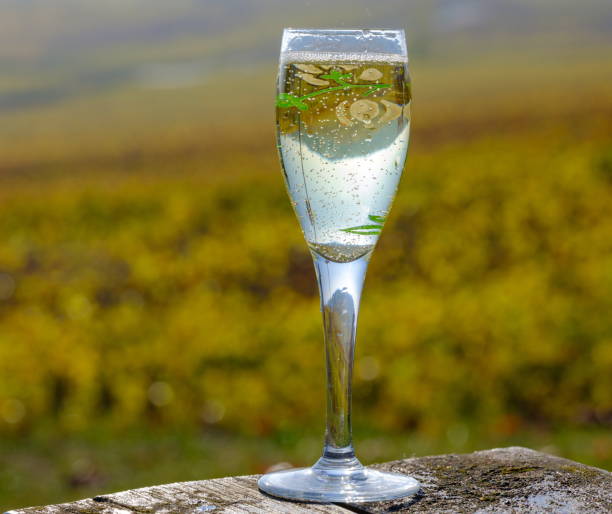
If serving a sparkling Moscato, a flute preserves carbonation while still showcasing fruit aromas. Clean the glass thoroughly, free of detergent residue, as any film can mute the delicate bouquet. Finally, serve one‑to‑two ounces per glass to keep the palate fresh and prevent the sweetness from becoming overwhelming.
Place the glass on a white napkin to better appreciate the wine’s golden hue and subtle sparkle.
Shelf life and storage
Sweet white wines can age gracefully, but proper storage preserves their vibrant sweetness and prevents oxidation. Store bottles horizontally in a cool, dark environment at 50‑55°F (10‑13°C) with 60‑70% humidity to keep corks moist and airtight.
Light and temperature fluctuations accelerate the breakdown of sugars into off‑flavors, especially in delicate ice wines. If you have a bottle of late‑harvest Riesling, consider a cellar or a wine fridge; these wines can develop complex honeyed and apricot notes over 5‑10 years.
For wines intended to be enjoyed soon, such as Moscato d’Asti, keep them refrigerated and consume within 1‑2 years of release to retain their lively fizz. Once opened, re‑seal with a vacuum stopper and chill; most sweet whites stay fresh for 3‑5 days, though the intensity of sweetness may mellow.
Bottles sealed with screw caps are less prone to cork failure and can be stored upright, but they still benefit from a stable, cool temperature to maintain the wine’s freshness. Periodically check the wine for any signs of leakage or a flat aroma, which indicate that the sweetness is diminishing.
When a sweet wine reaches its peak, serve it slightly chilled to highlight its evolved nutty and caramel characteristics, and enjoy it within a few weeks for optimal pleasure.
Common myths about sweet white wines
All sweet wines are low quality
Many consumers assume that any sweet white wine is a cheap, low‑quality product, but this myth overlooks the craftsmanship behind premium dessert wines. High‑quality sweet whites such as Sauternes, Tokaji Aszú, and late‑harvest Riesling undergo meticulous harvesting, often from grapes affected by noble rot or extended ripening on the vine.
These processes concentrate sugars while preserving acidity, resulting in complex flavors of honey, apricot, and citrus zest. When selecting a sweet white, look for reputable regions, controlled appellations, and producer reputation rather than price alone.
Read the label for terms like “late harvest,” “trockenbeerenauslese,” or “ice wine,” which signal intentional sweetness crafted with care. By focusing on provenance and production methods, you can enjoy sweet whites that offer depth, balance, and elegance, disproving the notion that sweetness equals inferiority.
Enjoy them responsibly and share with friends.
Sweetness means high alcohol
Another common misconception is that a sweet white wine must be high in alcohol, but sweetness and alcohol are independent variables.
Sugar and alcohol are measured separately; a wine can have high residual sugar with modest alcohol, especially when fermentation is stopped early or when grapes are harvested at peak ripeness.
Classic examples include Moscato d’Asti, which typically sits at 5‑6% ABV yet delivers intense floral and honeyed sweetness, and German Rieslings labeled “Kabinett” or “Spätlese,” often around 7‑9% ABV with vibrant acidity balancing the sugar.
To assess a wine’s alcohol, check the label for the ABV figure or ask staff for guidance. Pair the wine with food that complements its sweetness without being overwhelmed by alcohol, such as light desserts, fruit salads, or mild cheeses.
Understanding that sweetness does not dictate strength lets you choose a wine that matches your palate and occasion, whether you prefer a low‑alcohol sip or a fuller‑bodied experience.
You can’t pair sweet wine with savory food
Many believe sweet white wines belong only with desserts, but they can enhance savory dishes when paired thoughtfully. Balancing sweetness and acidity is key; wines with bright acidity, such as off‑dry Riesling or Gewürztraminer, cut through rich, salty flavors and complement spices.
For example, a slightly sweet Alsatian Gewürztraminer pairs beautifully with roasted pork glazed in honey‑mustard, while a German Kabinett Riesling works well alongside spicy Asian stir‑fries or creamy goat cheese salads. Look for descriptors like “off‑dry,” “medium‑sweet,” or “semi‑sweet” on the label, indicating enough acidity to mingle with savory components.
Serve at the right temperature—slightly cooler than dessert wine, around 45‑50°F (7‑10°C)—to preserve freshness and prevent the wine from feeling cloying.
By matching the wine’s fruit intensity and acidity to the dish’s seasoning and richness, you can enjoy sweet whites that elevate savory meals, disproving the myth that they are limited to sugary desserts.
Where to buy the sweetest white wines online
Trusted retailers
To secure the most luscious, dessert‑style whites, start with retailers that specialize in curated wine selections. Total Wine & More offers an extensive online catalog that tags wines by sweetness level, making it easy to filter for late‑harvest Rieslings, Moscato d’Asti, and Sauternes.
Wine.com provides detailed tasting notes and a ‘Sweetest Picks’ collection, plus a convenient subscription service for regular deliveries. For boutique options, Vinfolio partners with small‑batch producers, featuring organic Gewürztraminer and ice wines that rank at the top of the sugar scale.
Majestic Wine in the UK also highlights ‘sweet’ categories, with user reviews that help you gauge palate preferences. When shopping, verify that the retailer lists residual sugar (g/L) or uses terms like ‘off‑dry,’ ‘sweet,’ or ‘dessert’ to ensure you’re getting truly sugary wines.
Checking return policies and authenticity guarantees further protects your purchase.
Price ranges
Sweet white wines span a broad price spectrum, so you can indulge regardless of budget. Entry‑level options under $15 include Moscato d’Asti from Italy and off‑dry Rieslings from Germany’s Mosel region; these wines deliver bright fruit and noticeable residual sugar without breaking the bank.
Mid‑range bottles between $25‑$50 often feature late‑harvest Sauvignon Blanc from New Zealand or semi‑sweet Chenin Blanc from the Loire, offering richer honeyed notes and a more complex palate.
Premium selections exceeding $75 showcase elite dessert wines such as French Sauternes, Hungarian Tokaji Aszú, or Canadian Icewine, each boasting high residual sugar measured in grams per liter and a luxurious mouthfeel.
When comparing prices online, look for bulk‑discount codes, free‑shipping thresholds, and loyalty programs that can shave 10‑20% off the listed price. Read customer reviews for value‑for‑money insights, as a higher price tag does not always guarantee a sweeter profile; focus on sugar content and tasting descriptors instead.
Shipping considerations
Choosing the right shipping method ensures your sweet white wine arrives pristine and ready to sip.
Temperature‑controlled packaging is essential for delicate dessert wines like Icewine or Sauternes, which can spoil if exposed to heat; many online retailers now ship in insulated boxes with gel packs at no extra cost for orders over a certain value.
Insurance and tracking provide peace of mind, especially for bottles above $100, as they protect against loss or breakage during transit. When ordering internationally, verify that the seller complies with your country’s import regulations and that duties are either prepaid or clearly disclosed to avoid surprise fees.
Delivery windows matter for weekend celebrations—select retailers that offer guaranteed delivery dates or same‑day service in major metro areas. Finally, read the retailer’s return policy; a flexible policy allows you to return a wine that arrived corked or off‑flavor, ensuring you only keep the sweetest selections that meet your expectations.
Frequently Asked Questions
Which white wine varieties are known for being the sweetest?
The sweetest white wines typically come from grape varieties like Riesling (especially late-harvest or Auslese styles), Moscato, Gewürztraminer, and certain dessert wines such as Sauternes and Tokaji.
What is the difference between a dry and a sweet white wine?
Dry white wines have little residual sugar, leaving a crisp taste, while sweet white wines retain higher levels of residual sugar, giving a noticeable sweetness that balances acidity.
How can I identify a sweet white wine on a wine label?
Look for terms such as “late harvest,” “dessert,” “sweet,” “Demi-Sec,” “Doux,” “Trockenbeerenauslese,” or specific designations like “Moscato d’Asti” that indicate higher sugar content.
Are there sweet white wines that pair well with food?
Yes, sweet white wines pair nicely with spicy dishes, fruit-based desserts, blue cheeses, and foie gras; the acidity in wines like Riesling helps balance rich or spicy flavors.
What temperature should I serve sweet white wine?
Serve sweet white wines slightly cooler than room temperature, typically between 45–50°F (7–10°C), to enhance their refreshing acidity and aromatic profile.
Can I find sweet white wine options at a reasonable price?
Absolutely; many affordable sweet wines such as Moscato, off-dry Riesling, and certain German or Italian dessert wines are available under $20, offering good quality without a high cost.
Conclusion
In short, the sweetest white wines are typically late‑harvest varieties like Riesling, Moscato, and Sauternes, which boast high residual sugar and luscious fruit flavors. Understanding the role of grape ripeness, winemaking style, and regional classifications helps you choose the perfect dessert wine for any occasion. Explore these options, taste confidently, and let your palate discover the delightful world of sweet whites.