What Red Wine Goes With Ham
If you’re wondering which red wine pairs best with ham, you’ve come to the right place. In the next few lines we’ll cut through the confusion and point you to the perfect, palate‑pleasing match. Whether you’re serving a sweet‑glazed holiday ham or a smoky, smoked‑meat slice, there’s a red that will enhance the flavors without overwhelming them. Stay tuned—we’ll give you a quick, clear answer you can use tonight. We’ll also recommend a value-friendly choice and a luxe selection today.
What Red Wines Pair Best with Ham
Classic Pinot Noir
When serving ham, especially a lightly smoked or honey‑glazed variety, reach for a classic Pinot Noir. Its bright acidity cuts through the sweetness while the subtle red‑fruit aromas echo the ham’s caramel notes.
Look for a Pinot from Oregon’s Willamette Valley or Burgundy’s Côte d’Or for a balance of silky tannins and lively acidity. Serve the wine slightly chilled, around 55‑58°F, to enhance its freshness.
Pair it with ham that includes a mustard glaze or a fruit compote; the wine’s earthy undertones will complement the savory depth without overwhelming the dish.
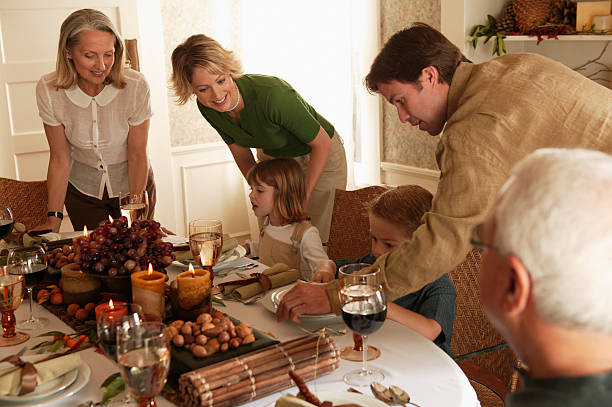
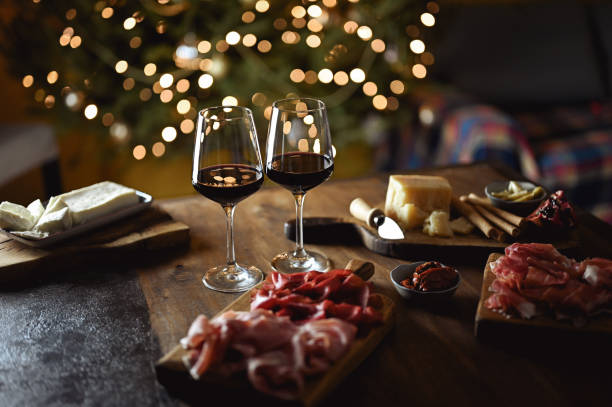
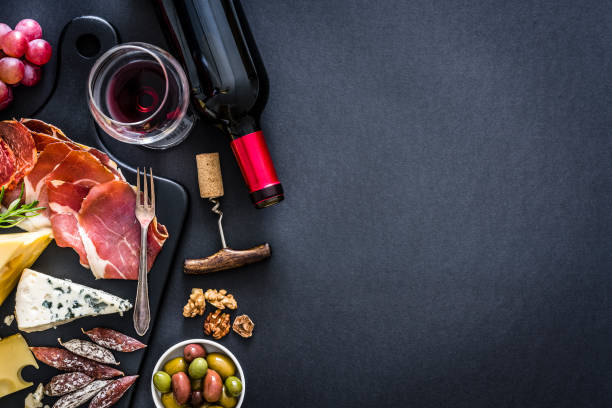
For a festive spread, combine the Pinot with roasted vegetables and a light salad, allowing the wine’s delicate structure to shine alongside the ham’s richness. Consider serving the ham sliced thinly on a charcuterie board, letting the Pinot’s soft cherry and earthy spice mingle with the salty slices.
This approach creates a harmonious palate experience that works well for both casual lunches and holiday dinners.
Fruit‑Forward Zinfandel
If your ham is baked with a sweet‑spicy glaze or paired with barbecue sauce, a fruit‑forward Zinfandel is an excellent match. Bold raspberry and black‑currant flavors echo the glaze’s fruitiness, while the wine’s moderate tannins handle the ham’s fat.
Choose a Zinfandel from California’s Dry Gorge or Paso Robles that offers peppery spice and a touch of oak for complexity. Serve at cellar temperature, about 60‑65°F, to keep the fruit vibrant.
When plating, add caramelized onions or a fig jam to the ham; the Zinfandel’s jammy sweetness will mirror these components, creating a seamless flavor bridge.
For a complete meal, accompany the pairing with roasted sweet potatoes and a green bean almondine, letting the wine’s rich mouthfeel balance the savory and sweet elements on the plate.
A glass of this Zinfandel also pairs nicely with a side of grilled pineapple, which highlights the wine’s cinnamon undertone and adds a refreshing contrast to the ham’s richness.
Medium‑Body Merlot
For ham that’s roasted with herbs or served alongside a mushroom ragout, a medium‑body Merlot provides a smooth, velvety backdrop. Plummy fruit notes and a hint of vanilla complement the ham’s savory herbs, while the wine’s soft tannins keep the palate from feeling heavy.
Opt for a Merlot from Washington State’s Columbia Valley or Bordeaux’s Right Bank, where the fruit is ripe and the structure is balanced. Serve slightly cooler than room temperature, around 58‑62°F, to accentuate its silky texture.
When plating, drizzle a light rosemary‑infused olive oil over the ham; the Merlot’s subtle oak will echo the herbaceous flavors, creating cohesion. Complement the dish with sautéed greens and a quinoa pilaf, allowing the wine’s moderate acidity to cut through the richness and leave a clean finish.
Finish the meal with a small square of dark chocolate; the Merlot’s soft tannic edge pairs beautifully with the chocolate’s bitterness, rounding out the dining experience.
How to Match Wine Body to Ham Cut

Light‑bodied Ham Slices
Choose a wine that mirrors the delicate texture of thin ham slices. A light‑bodied red such as Beaujolais Nouveau or a young Pinot Noir offers bright red fruit, low tannins, and a subtle earthiness that complements the ham’s mild salt without overwhelming it.
Serve slightly chilled (around 55°F) to enhance freshness and keep the fruit forward. Look for wines with soft acidity; this balances the ham’s slight sweetness and prepares the palate for any accompanying mustard or fruit preserves.
When the ham is paired with a light glaze of honey‑mustard, the wine’s raspberry and cherry notes echo the glaze’s flavor, creating harmony. Decant briefly if the wine feels closed, allowing gentle aromatics to open and interact with the ham’s delicate profile.
Pair the slices with a modest cheese like fresh goat cheese or a mild brie, letting the wine’s acidity cut through the creaminess and keep the overall experience lively.
Medium‑bodied Ham Roasts
For a classic roasted ham, aim for a medium‑bodied red that can stand up to the richer, caramelized exterior while still respecting the meat’s natural sweetness.
A Merlot with plush plum and black‑cherry flavors, moderate tannins, and a rounded mouthfeel works beautifully, especially when the ham is glazed with brown sugar or maple. Serve at cellar temperature (around 60‑65°F) to let the wine’s structure unfold without becoming flabby.
The wine’s soft acidity balances the glaze’s stickiness, and its subtle oak notes echo any smoked or peppercorn seasoning. If you prefer a spicier profile, a Grenache‑based blend from the Southern Rhône offers bright red‑fruit, a hint of white pepper, and enough body to match the ham’s depth.
Taste a sip before the first bite to confirm the harmony, adjusting the glaze or wine choice if the flavors clash.
Full‑bodied Ham with Glaze
When ham is finished with a robust glaze—think bourbon‑infused maple, dark fruit compote, or pepper‑spiced molasses—a full‑bodied red with firm tannins and pronounced fruit can match the intensity.
A Cabernet Sauvignon from Napa Valley, with blackcurrant, cedar, and a touch of vanilla, provides the backbone to cut through the glaze’s richness while echoing its smoky undertones. Serve slightly below room temperature (around 65‑68°F) so the alcohol remains integrated and the tannic grip feels polished.
The wine’s high acidity lifts the sweet‑savory balance, preventing the dish from feeling cloying. If you favor a more European style, a Rioja Reserva offers aged leather, dried‑fig notes, and a supple texture that pairs elegantly with a cherry‑balsamic glaze.
Give the wine a few minutes to breathe after opening; this softens the tannins and lets the nuanced spice and fruit aromas mingle with the ham’s caramelized crust for a cohesive dining experience.
Tips for Balancing Sweetness and Salt
Choosing Wines with Soft Tannins
Start by looking for red wines that have soft, round tannins, which won’t clash with the sweet‑savory profile of ham. Choose varieties like Pinot Noir, Gamay, or a light Merlot that offer gentle structure and a silky mouthfeel.
These wines allow the ham’s glaze to shine without the wine becoming bitter or overly astringent. When tasting, focus on the wine’s texture; it should feel smooth on the palate and linger lightly. Pairing a wine with low‑to‑medium acidity also helps balance the salt, keeping the overall experience harmonious.
If you’re serving a honey‑glazed ham, a Pinot Noir with subtle earth notes can echo the glaze’s caramel tones, creating a cohesive flavor bridge between meat and wine. Consider serving the wine slightly chilled, around 55‑60°F, to enhance its refreshing qualities and further soften any residual tannic edge.
This temperature tweak can make the pairing feel lighter and more inviting, especially during warm gatherings.
Selecting Wines with Fruit Notes
Look for red wines that showcase bright fruit flavors which can mirror the natural sweetness of ham glaze. Select a Beaujolais Nouveau, a young Zinfandel, or a fruit‑forward Grenache that delivers notes of raspberry, cherry, or plum. These fruit accents complement the caramelized sugars without overwhelming the meat.
When pairing, aim for wines with moderate alcohol levels (12‑13.5% ABV) so the fruit stays lively and doesn’t turn cloyingly heavy.
A wine with a hint of spice, such as a subtle peppery edge in Zinfandel, can also echo any mustard or spice rub on the ham, creating a cohesive taste narrative.
Serve the wine in a slightly larger glass to allow the aromatic fruit to open up, enhancing the interplay between the wine’s juicy profile and the ham’s sweet‑salty character. Enjoy the pairing with a light side salad to keep the palate refreshed.
Avoiding Overly Oaky Selections
Steer clear of heavily oak‑aged reds, as the pronounced vanilla and smoky tones can mask the delicate balance of sweet and salty in ham.
Opt for unoaked or lightly oak‑influenced varieties such as a young Barbera, a Chianti Classico, or a soft Syrah that keep the focus on fruit and acidity. These wines provide enough structure to stand up to the ham’s richness without the woodiness overwhelming the palate.
When tasting, notice if the wine exhibits subtle tannic grip rather than a thick, buttery mouthfeel; this signals a better match. Serving the wine at a cool 58‑60°F helps preserve its freshness and prevents the oak characteristics from becoming too dominant.
By choosing a restrained oak profile, you allow the ham’s glaze and any accompanying herbs to remain the stars of the dining experience.
Best Ways to Serve Red Wine with Ham
Temperature Guidelines
When pairing red wine with ham, serving temperature is crucial to highlight both the wine’s fruit and the ham’s savory sweetness. Aim for a slightly cooler serving temperature than you would with full-bodied reds—around 60-65°F (15-18°C).
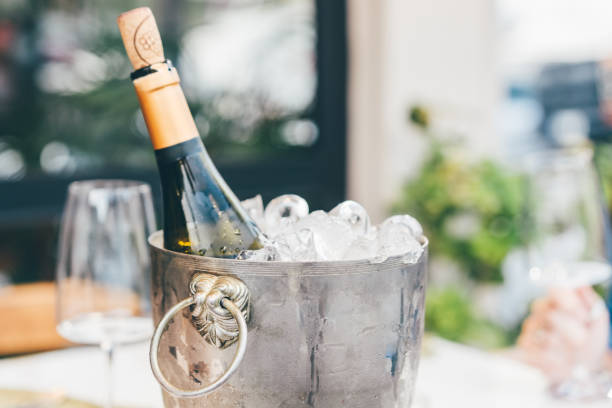
Chill a bottle of Pinot Noir or a light-bodied Merlot in the refrigerator for 20-30 minutes before serving, or let a richer Zinfandel sit out for 10-15 minutes after removal from the fridge.
This modest chill softens tannins, allowing the wine’s acidity to cut through the ham’s fat without overwhelming its delicate spice. Avoid serving overly warm reds, as they can taste overly alcoholic and mask the ham’s subtle flavors.
Use a wine thermometer or the back-of-hand test (the bottle should feel cool to the touch but not icy) to ensure consistency, and adjust based on your dining environment.
Decanting Tips
Decanting can transform a red wine’s profile, making it a better companion for ham’s sweet-savory balance. Begin by selecting a wine with moderate tannins and bright acidity, such as a young Grenache or a fruit-forward Pinot Noir.
Pour the wine into a decanter and let it sit for 20-30 minutes; this gentle exposure to oxygen softens harsher edges while releasing aromatic notes of cherry, spice, and subtle earth that echo the ham’s glaze.
For bolder choices like a medium-bodied Zinfandel, extend the decanting time to 45 minutes, allowing the fruit to open up and the tannins to mellow, which prevents the wine from overpowering the pork. Avoid over-decanting, as prolonged exposure can strip away delicate flavors and leave the wine flat.
Use a clear decanter to monitor the wine’s color change, and taste after each interval to pinpoint the optimal moment for serving alongside your ham dish.
Glassware Recommendations
Choosing the right glassware enhances the interplay between red wine and ham, directing aromas and controlling sip temperature.
Opt for a medium-sized, slightly tapered glass – often labeled as a “Burgundy” or “Pinot Noir” glass – because its broader bowl encourages gentle swirling, releasing fruit-forward scents that complement the ham’s caramelized glaze.
For richer reds like a Merlot or Zinfandel, a larger, rounder “Bordeaux” style glass works best; its wider opening concentrates the wine’s body and softens tannins, ensuring the palate isn’t overwhelmed by the pork’s fat. Avoid overly narrow stems, which can trap heat and mute flavors.
Make sure the glass is crystal-clear and free of chips, as imperfections scatter light and distract from visual appreciation.
Pre-chill the glasses for a few minutes in the fridge to maintain the ideal serving temperature, then let them sit at room temperature for a brief moment before pouring to allow the wine to breathe fully alongside the ham.
What to Avoid When Pairing Red Wine and Ham
Heavy Tannic Wines
Heavy tannic wines, such as young Cabernet Sauvignon or Nebbiolo, can overwhelm the delicate salt‑sweet balance of ham. The firm grip of tannins dries out the palate, making the meat taste tougher and masking its subtle smoky notes.
Avoid high‑tannin selections and instead choose lighter‑bodied reds if you must stay with a red. When a tannic wine is unavoidable, serve it slightly chilled (around 55°F) to soften the astringency, and pair it with a glaze that includes fruit or honey to create a bridge.
Match the wine’s structure to the ham’s texture by opting for wines with softer tannins, ensuring the pairing remains harmonious rather than clashing. If you are serving a glazed ham with a sweet‑spicy rub, the contrast becomes even more pronounced, turning the wine’s bitterness into an unpleasant aftertaste.
Instead, reserve these robust reds for richer meats like prime rib or lamb, where their structure can stand up to the protein.
Highly Acidic Reds
Highly acidic reds, such as Sangiovese or Chianti, can clash with the natural sweetness and salt of ham, making the dish taste overly sharp. The bright acidity accentuates the meat’s saltiness, often drowning out the subtle caramelization from a glaze.
Steer clear of wines with pronounced acidity when the ham is prepared with honey, maple, or fruit‑based sauces. If you must use an acidic wine, balance it by adding a touch of sweetness to the sauce—think apricot jam or a splash of orange liqueur—to create a harmonious bridge.
Pair the wine’s acidity level with the ham’s flavor intensity: milder, less acidic reds like Pinot Noir or Gamay will complement rather than compete, preserving the overall flavor profile.
When the ham is roasted with a mustard crust, the sharpness of acidic reds can intensify the bite, leading to a discordant taste. Opt for a fruit‑forward red with softer acidity, or consider a light rosé as a safer alternative.
Very Spicy Red Blends
Very spicy red blends, often featuring Syrah, Zinfandel, or peppery Garnacha, can overpower ham’s subtle flavor profile, especially when the meat is cured or smoked. The intense spice and high alcohol heat mask the ham’s natural sweetness and can make the palate feel hot and unbalanced.
Avoid blends with strong pepper or clove notes unless the ham is served with a bold, smoky barbecue sauce that can stand up to the wine’s vigor.
If you choose a spicy blend, temper its impact by serving the ham with a cooling side—such as a cucumber‑mint salad or a creamy mustard dip—to soothe the heat.
Match the wine’s spice intensity to the ham’s preparation style: milder reds like Merlot or a soft Tempranillo will complement a simple baked ham without overwhelming it. Serve the wine slightly cooler, around 58°F, to further soften its spice.
How to Pair Red Wine with Ham in Different Cuisines
European‑Style Ham Dishes
European‑style ham, whether it’s a delicate jamón serrano or a sweet‑glazed honey‑roasted slice, thrives with red wines that balance acidity and subtle fruit. Pinot Noir from Burgundy offers bright red‑berry notes and a silky tannin structure that cuts through the salt without overwhelming the meat.
Beaujolais Nouveau provides fresh raspberry flavors and low tannins, making it a playful match for lightly smoked ham. For richer, nut‑infused hams, a Chianti Classico brings bright acidity, cherry fruit, and a hint of spice that lifts the savory depth.
When serving a ham with a mustard or herb crust, consider a Grenache‑based rosé for its bright acidity and soft tannins. Overall, choose wines with moderate alcohol, vibrant fruit, and enough acidity to cleanse the palate, ensuring each bite of ham is highlighted rather than masked in pairings.
Asian‑Inspired Ham Recipes
Asian‑inspired ham dishes, such as teriyaki‑glazed ham steaks or ham stir‑fry with ginger, benefit from red wines that can handle sweet‑spicy sauces and bold aromatics.
Zinfandel from California offers jammy blackberry and pepper notes, with enough body to stand up to the caramelized glaze while its spice complements ginger and chili. A Shiraz (or Syrah) brings dark fruit, smoky undertones, and a peppery finish that mirrors the umami of soy‑based marinades, creating a harmonious balance.
For lighter, soy‑soy sauce‑driven preparations, a Lambrusco with gentle fizz and bright red fruit can cut through salt and add a refreshing contrast. Pinotage from South Africa, with its smoky, earthy character and ripe plum flavors, also works well with ham infused with five‑spice powder.
Choose wines with moderate tannins, ripe fruit, and a hint of spice to echo the complex flavors of Asian seasoning without overwhelming the ham’s natural sweetness.
Southern BBQ Ham
Southern BBQ ham, smoked low and finished with a tangy molasses‑based glaze or a spicy mustard rub, calls for red wines that can match the smoky intensity and sweet‑heat profile.
Cabernet Sauvignon from Napa Valley provides firm tannins, black‑currant depth, and a touch of oak that mirrors the charred bark and balances the sugary glaze.
A Malbec from Argentina offers plush plum and blackberry flavors with a velvety texture, while its subtle spice complements the peppery rubs common in Southern kitchens.
For those who prefer a fruitier, softer edge, a Zinfandel with its jammy raspberry and cinnamon notes can echo the molasses sweetness while standing up to the smoky backdrop.
Petite Sirah brings deep color, robust tannins, and a peppery finish that pairs beautifully with the bold, lingering heat of hot sauce drizzles. Opt for wines with enough body and spice to hold their own against the robust flavors of BBQ ham without being overpowered.
Frequently Asked Questions About Red Wine and Ham Pairings
Can I Pair Cabernet Sauvignon with Ham?
Cabernet Sauvignon can work with ham when you choose the right style. Look for a fruit‑forward, medium‑bodied version that shows ripe blackcurrant and a touch of spice, rather than a full‑bodied, high‑tannin wine that will overwhelm the pork.
A younger Cabernet with softer tannins and a hint of oak can complement the salty, slightly sweet glaze of a glazed ham. Serve the wine slightly chilled, around 60°F (15°C), to soften the tannins and highlight the fruit.
Pairing a lightly oaked Cabernet with a honey‑glazed or mustard‑rubbed ham creates a pleasant contrast: the wine’s acidity cuts through the richness, while the fruit notes echo the glaze’s sweetness.
If you prefer a more classic match, choose a Cabernet from a cooler climate such as Chile or Washington State, where the wine is less aggressive and more adaptable to pork dishes.
Is a Young Red Better Than an Aged One?
When deciding between a young red and an aged red for ham, consider the flavor profile of the pork and the sauce. Young reds typically have brighter fruit, softer tannins, and a fresher acidity, which can balance the salt and sweetness of a honey‑glazed ham.
An aged red, on the other hand, offers deeper spice, leather, and softened tannins that pair well with a smoky or pepper‑crusted ham. If your ham is prepared with a sweet glaze, reach for a young, fruit‑driven Merlot or Pinot Noir that will echo the caramel notes without adding bitterness.
For a ham roasted with herbs, cloves, or a smoky rub, an aged Tempranillo or Grenache provides earthy complexity that mirrors the savory elements.
In practice, a mid‑point wine—about three to five years old— often delivers the best of both worlds, giving enough fruit to lift the dish while offering enough maturity to complement the ham’s richness.
Do I Need a Specific Bottle for Holiday Meals?
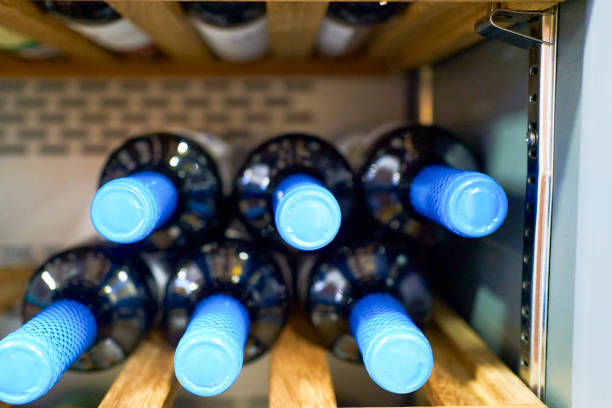
For holiday meals the visual impact of the bottle can be as important as the taste, but you don’t need an exclusive label to enjoy ham. Choose a wine that matches the intensity of the dish and fits your budget.
A classic choice is a medium‑bodied Rioja with gentle oak and red‑berry notes; it looks elegant in a dark glass and its acidity cuts through the richness of a glazed ham.
If you prefer something more festive, a Bordeaux‑style blend with a hint of plum and spice adds drama without overwhelming the palate. Consider serving the wine slightly cooler than room temperature—around 58‑62°F (14‑17°C)—to keep the alcohol smooth and the fruit bright.
Finally, remember that a well‑stored bottle (properly corked, dark, and at consistent temperature) will taste better than a newly opened, poorly kept one, regardless of the brand. The right presentation and proper storage are the true keys to a successful holiday pairing.
Frequently Asked Questions
What type of red wine pairs best with ham?
A medium‑bodied red with bright acidity, such as Pinot Noir or a light Merlot, complements the salty, sweet flavors of ham without overwhelming it.
Can I serve a Cabernet Sauvignon with ham?
Cabernet Sauvignon is often too tannic and full‑bodied for ham, but a younger, fruit‑forward style can work if the ham is heavily glazed with sweet sauces.
Is a Zinfandel a good match for ham?
Zinfandel’s ripe fruit and moderate spice can pair nicely with ham, especially when the ham is glazed with a blackberry or cherry sauce that echoes the wine’s flavors.
How does the preparation of ham affect the wine choice?
Grilled or smoked ham benefits from a red with a hint of smokiness, like a Syrah, while a honey‑glazed ham pairs better with a fruit‑forward Pinot Noir.
Should I consider the wine’s acidity when pairing with ham?
Yes, higher acidity in the wine, such as in a Chianti or a cool‑climate Pinot Noir, helps cut through the richness of ham and balances its saltiness.
Are there any red blends that work well with ham?
Blends that combine Grenache and Mourvèdre, like a Southern Rhône blend, offer juicy fruit and gentle spice that complement both sweet and savory ham preparations.
Conclusion
When pairing ham with red wine, choose lighter, fruit‑forward reds like Pinot Noir, Gamay, or a young Beaujolais, which complement the meat’s sweetness without overwhelming it. If you prefer richer flavors, a medium‑bodied Merlot or a soft Zinfandel works nicely, especially with glazed or spiced ham. Remember to consider the sauce and seasoning, and enjoy experimenting to find your perfect match.