What Pairs With Chardonnay
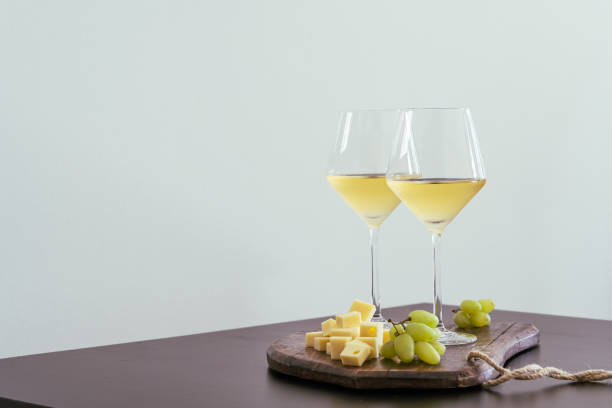
If you’re wondering what pairs with Chardonnay, you’ve come to the right place. In the next few lines we’ll quickly match this buttery, crisp white to the perfect foods, from creamy seafood dishes and light poultry to fresh salads and soft cheeses. Expect clear, practical suggestions that let you enjoy the wine’s bright acidity and subtle oak without overthinking it. Let’s dive in and give your next dinner or snack the ideal Chardonnay companion, fast and fuss‑free for any occasion.
How to Choose Food Pairings for Chardonnay
Flavor profile of Chardonnay
Understanding the flavor profile of Chardonnay is the first step in pairing it confidently. Most Chardonnays showcase a spectrum from crisp green apple, lemon, and tropical pineapple to richer notes of butter, vanilla, and toasted oak, depending on climate and winemaking style.
Cooler‑climate bottles tend toward high acidity, bright citrus, and mineral undertones, while warmer‑climate versions emphasize riper fruit, buttery texture, and oak‑derived spice. Recognize whether the wine you’re serving is unoaked and lean, or oaked and creamy, because this distinction guides the complementary foods.
A bright, mineral Chardonnay pairs well with delicate seafood, whereas a full‑bodied, buttery style shines alongside richer dishes like roasted chicken or creamy pasta.
By mapping these sensory cues, you can match the wine’s intensity and texture to foods that either echo or balance its characteristics, creating a harmonious dining experience.
Key pairing principles
Apply three key pairing principles to ensure Chardonnay enhances every bite. First, match intensity: a light, crisp Chardonnay pairs best with subtle flavors like fresh salads, sushi, or goat cheese, while a richer, oak‑driven version can stand up to buttery sauces, grilled salmon, or mushroom risotto.
Second, balance acidity: the wine’s natural acidity cuts through creamy or fatty dishes, so pair it with foods that have a fat‑rich component—think lobster with butter, creamy brie, or a cheese plate featuring triple‑cream varieties.
Third, mirror or contrast flavors: echo the wine’s fruit notes with citrus‑based dressings or pineapple salsas, or create contrast by serving it alongside salty, umami‑laden foods such as soy‑glazed pork or miso‑marinated tofu.
By consciously applying these principles—intensity alignment, acidity balance, and flavor mirroring or contrast—you can craft pairings that feel intentional, elevate the wine’s character, and keep the palate engaged from start to finish.
Common mistakes to avoid
Steer clear of common mistakes that can sabotage a Chardonnay pairing. One frequent error is pairing a highly oaked, buttery Chardonnay with overly delicate foods like raw oysters or light vinaigrette salads; the wine’s weight will dominate and mask subtle flavors.
Conversely, matching a crisp, unoaked Chardonnay with heavy, spicy dishes—such as heavily spiced barbecue or curry—can leave the wine tasting thin and outmatched.
Avoid temperature mismatches: serving a full‑bodied, oak‑rich Chardonnay too cold dulls its nuanced aromas, while a chilled, high‑acid wine should stay just above refrigerator temperature to preserve freshness.
Don’t overlook texture balance; a creamy sauce paired with a similarly creamy wine creates redundancy, whereas introducing a contrasting crisp element—like a citrus zest or a sprinkle of toasted nuts—adds dimension.
By recognizing and eliminating these pitfalls, you ensure each bite and sip complement rather than compete, delivering a polished and enjoyable dining experience.
What is the Best Seafood to Serve with Chardonnay
Oyster and shellfish options
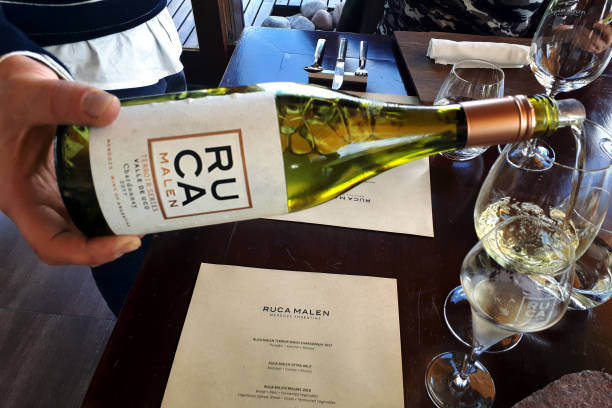
When pairing Chardonnay with oysters and other shellfish, focus on the wine’s acidity and subtle oak to complement the briny, mineral qualities of the sea. Serve raw oysters on the half shell with a squeeze of lemon; the citrus brightens the wine’s fruit notes and balances its buttery texture.
Steamed mussels in a white wine broth echo the Chardonnay’s own flavor profile, creating a seamless dialogue between dish and glass. For a richer experience, try grilled lobster tails brushed with garlic butter; the wine’s creamy mouthfeel mirrors the lobster’s sweetness while the oak adds a gentle smoky edge.
Pairing with chilled shrimp cocktail works well because the sauce’s tangy ketchup and horseradish cut through the wine’s richness, keeping the palate refreshed. Overall, select shellfish preparations that highlight freshness and light seasoning to let the Chardonnay shine without being overwhelmed.
White fish and grilled preparations
White fish such as cod, halibut, and sea bass pair beautifully with Chardonnay because the wine’s moderate acidity lifts the delicate flesh while its subtle oak complements gentle seasoning.
Pan‑sear a fillet of cod with a lemon‑butter sauce; the citrus brightens the wine’s apple and pear notes, and the buttery finish mirrors the Chardonnay’s creamy texture.
For a smoky twist, grill sea bass brushed with herb‑infused olive oil, allowing charred edges to introduce a hint of bitterness that balances the wine’s subtle oak.
Halibut baked in a parchment packet with fresh herbs, thinly sliced fennel, and a splash of white wine creates a steamy environment that preserves moisture, letting the fish’s mild flavor shine alongside the wine’s fruit‑forward profile.
When adding a side, consider roasted asparagus or a light quinoa salad with citrus vinaigrette, both of which provide a crisp contrast that keeps the palate lively. The key is to avoid heavy sauces; simple, bright preparations let the Chardonnay’s elegance enhance the fish without competing for attention.
Sushi and sashimi pairings
Sushi and sashimi offer a refined canvas for Chardonnay, especially when the wine leans toward a crisp, mineral style. Serve buttery toro sashimi alongside a lightly oaked Chardonnay; the fish’s rich fat matches the wine’s creamy mouthfeel, while the acidity cuts through the richness, keeping the experience balanced.
Choose delicate white‑fish nigiri such as snapper or flounder, whose subtle sweetness is amplified by the wine’s green apple and citrus aromas, creating a harmonious lift.
For a roll, try a California roll with avocado and crab; the creamy avocado mirrors the Chardonnay’s texture, and the crab’s sweet brine is enhanced by the wine’s subtle oak.
Pairing with soy‑based sauces works best when the sauce is light—consider a drizzle of ponzu to add bright acidity that echoes the wine’s crisp edge.
The overarching principle is to match the wine’s elegance with sushi that is not overly spicy or heavily sauced, allowing the Chardonnay’s nuanced flavors to shine through each bite.
Tips for Pairing Poultry with Chardonnay
Roast chicken with herb rubs
Grilled or roasted chicken seasoned with fresh herbs like thyme, rosemary, and parsley creates a bright, aromatic backdrop that complements Chardonnay’s buttery texture.
Start by brining the bird for at least an hour to keep it moist, then pat dry and rub a mixture of minced herbs, lemon zest, and olive oil onto the skin. Roast at 425°F until the internal temperature reaches 165°F, basting occasionally with the herb‑infused pan juices.
The citrus notes in the rub echo the wine’s subtle acidity, while the herbaceous flavors enhance the oak‑derived vanilla and tropical fruit aromas of a lightly oaked Chardonnay.
Serve the chicken sliced on a platter, drizzle with a splash of the pan sauce, and pair with a glass chilled to 50‑55°F for maximum freshness. This combination balances richness and freshness, making each bite and sip harmonious.
Turkey with creamy sauces
Turkey’s mild, slightly sweet meat shines when paired with a velvety Chardonnay, especially when dressed in a creamy sauce that mirrors the wine’s round mouthfeel. Begin by roasting a whole turkey after brining it overnight in a solution of salt, brown sugar, and aromatics such as sage and orange peel.
After the bird reaches 165°F, let it rest, then carve and serve with a sauce made from reduced chicken stock, heavy cream, and a touch of Dijon mustard.
Add a splash of Chardonnay to the sauce while it simmers; this not only deepens the flavor but also creates a seamless bridge between dish and drink. The sauce’s buttery richness amplifies the oak‑spiced notes of the wine, while the subtle acidity cuts through the fat, keeping the palate lively.
Pair each slice with a chilled glass of Chardonnay at 48‑52°F, and garnish with fresh chives for a burst of color and a hint of sharpness that elevates the overall experience.
Duck with fruit glazes
Rich, gamey duck benefits from the bright acidity and subtle oak of Chardonnay, especially when finished with a fruit glaze that mirrors the wine’s stone‑fruit character.
Start by scoring the duck skin and seasoning it with salt, pepper, and a pinch of five‑spice powder, then sear it skin‑side down until the fat renders and the skin turns crisp.
Transfer the bird to a hot oven to finish cooking, aiming for an internal temperature of 135°F for medium‑rare. Meanwhile, prepare a glaze by reducing equal parts orange juice and cherry jam, adding a splash of Chardonnay, a drizzle of honey, and a dash of ginger.
Simmer until thickened, then brush the glaze over the duck during the last ten minutes of roasting. The glaze’s sweet‑tart profile highlights the wine’s citrus and peach notes, while the buttery texture of the Chardonnay softens the duck’s richness.
Serve the sliced duck with a drizzle of remaining glaze and a chilled glass of Chardonnay at 50°F for a balanced, elegant pairing.
Best Ways to Match Cheese with Chardonnay
Soft cheeses like Brie and Camembert
Start by serving Brie or Camembert at room temperature so their creamy texture can fully develop. A lightly oaked Chardonnay, with its subtle vanilla and toasted almond notes, mirrors the buttery richness of these soft cheeses.
Match the wine’s acidity with the cheese’s mild tang to keep the palate fresh; a higher‑acid Chardonnay cuts through the fat and prevents the pairing from feeling heavy.
Pair a fruit‑forward, unoaked style when the cheese has a mushroomy rind, as the citrus and green apple flavors highlight the earthy undertones.
Serve small wedges on a neutral cracker to let the wine shine, and consider adding a drizzle of honey or a few fresh grapes for an extra layer of sweetness that complements both components. This balanced approach ensures each bite and sip enhances the other, creating a harmonious tasting experience.
Hard cheeses such as Gouda and Cheddar
Choose a Chardonnay with a fuller body and a touch of oak to stand up to the robust flavor of aged Gouda or sharp Cheddar. The wine’s creamy mouthfeel and lingering minerality echo the nutty, caramelized notes found in these hard cheeses.
Align the wine’s oak intensity with the cheese’s age; a 3‑year‑old Gouda pairs beautifully with a medium‑oaked Chardonnay, while a mature Cheddar benefits from a richer, buttery style that can match its crumbly texture.
Serve the cheese in thin slices, allowing the palate to experience the contrast between the cheese’s firm bite and the wine’s silky glide.
Add a handful of toasted almonds or a drizzle of fig jam to introduce a sweet‑savory element that bridges the gap between the cheese’s saltiness and the wine’s fruit profile. This combination creates a layered tasting journey where each component amplifies the other’s depth.
Blue cheeses and balanced choices
Blue cheeses demand a Chardonnay that can balance intense salt and pungency with bright fruit and acidity. Opt for a lightly oaked, high‑acid Chardonnay that offers citrus zest, green apple, and a hint of minerality; these elements temper the sharp edges of Gorgonzola, Roquefort, or Stilton.
Pair the wine’s crisp acidity with the cheese’s creamy veins to keep the palate from becoming overwhelmed. Serve the blue cheese in small crumbles over a slice of pear or a drizzle of honey, which adds a natural sweetness that mirrors the wine’s orchard fruit notes.
For a more adventurous twist, add a few toasted walnuts to introduce a buttery crunch that echoes the Chardonnay’s buttery finish. This thoughtful pairing lets the bold character of the blue cheese shine while the wine provides a refreshing counterpoint, resulting in a sophisticated and satisfying experience.
How to Pair Vegetarian Dishes with Chardonnay
Creamy pasta and risotto
Pairing Chardonnay with creamy vegetarian pasta or risotto works best when you match the wine’s buttery texture and bright acidity to the dish’s richness.
Choose a pasta with a light cheese sauce, such as a lemon‑ricotta linguine, or a mushroom‑spinach alfredo, and drizzle a splash of extra‑virgin olive oil to brighten the palate.
For risotto, opt for a vegetable‑based version like asparagus or pea risotto, finished with a knob of Parmesan and a touch of toasted almond slivers. The subtle oak in the Chardonnay will echo the nutty almond, while its citrus notes cut through the cream, keeping the mouthfeel fresh.
Serve the wine slightly chilled (10‑12°C) to enhance its crispness, and garnish the plate with fresh herbs like basil or chives to add a fragrant contrast that complements the wine’s fruit profile.
Grilled vegetables and salads
Grilled vegetables and crisp salads are natural companions for Chardonnay because the wine’s acidity balances charred flavors while its fruit notes lift fresh greens. Start with a medley of bell peppers, zucchini, and eggplant, brushed with a rosemary‑garlic olive oil and grilled until you see caramelized grill marks.
Toss the vegetables with a light vinaigrette made from lemon juice, Dijon mustard, and a drizzle of honey to echo the wine’s subtle sweetness.
For a salad, combine mixed baby greens, sliced pear, toasted walnuts, and crumbled goat cheese; the creamy cheese mirrors the buttery mouthfeel of the Chardonnay, and the pear adds a juicy, aromatic layer.
Finish the dish with a sprinkle of shaved Parmesan and a few fresh mint leaves to introduce an herbaceous edge that pairs with the wine’s mineral undertones. Serve the Chardonnay at 11‑13°C and sip between bites to keep the palate refreshed and the flavors in harmony.
Mushroom‑based recipes
Mushroom‑based vegetarian dishes are a classic match for Chardonnay because the wine’s creamy texture and bright acidity enhance earthy flavors while cutting through umami richness.
Begin with a sauté of mixed wild mushrooms—such as shiitake, cremini, and oyster—cooked in a splash of white wine, butter, and fresh thyme until they are golden and fragrant.
Add a splash of vegetable broth and a spoonful of mascarpone to create a silky sauce that mirrors the buttery notes of the Chardonnay.
Serve the mushrooms over a bed of quinoa or polenta, and finish with a drizzle of truffle oil for an indulgent aroma that the wine can support.
For a hearty option, try a mushroom and lentil loaf seasoned with rosemary and smoked paprika; the smoky spice balances the wine’s subtle oak. Serve the Chardonnay slightly cooler, around 10‑12°C, and enjoy a sip between bites to refresh the palate and highlight the mushroom’s depth.
What to Serve with Chardonnay at a Holiday Meal
Thanksgiving turkey and sides
Pair a buttery, oak‑aged Chardonnay with the classic Thanksgiving turkey to highlight the bird’s golden skin and subtle herb rub. The wine’s bright acidity cuts through the richness of roasted garlic potatoes, while its creamy mouthfeel mirrors the smoothness of butter‑infused mashed potatoes.
Serve alongside green bean almondine or brussels sprouts glazed with maple for a touch of sweetness that the fruit notes in the Chardonnay can echo. When the gravy is thick, the wine’s subtle oak tannins act as a palate cleanser, keeping each bite fresh.
For a complete plate, add a cranberry‑orange relish; the wine’s citrus aromas will resonate with the fruit’s zing, creating a harmonious balance that keeps the palate lively throughout the feast.
Serve the Chardonnay slightly chilled at 50‑55°F to preserve its crisp fruit profile, and choose a wide‑bowl glass to allow the aromatic complexity to unfold. A modest pour of 5‑6 ounces ensures guests can enjoy multiple pairings without overwhelming the palate, making the holiday dinner both elegant and relaxed.
Christmas ham and accompaniments
A medium‑bodied, lightly oaked Chardonnay pairs beautifully with the sweet‑savory profile of Christmas ham. The wine’s subtle vanilla and toasted almond nuances echo the glaze’s honey‑brown caramel, while its acidity balances the fattiness of the pork.
Serve the ham with pineapple‑brown sugar glaze or mustard‑maple rub, letting the citrus hints in the Chardonnay lift the fruit‑forward flavors.
Complement the main dish with creamy scalloped potatoes and roasted winter vegetables such as carrots and parsnips; the buttery texture of the wine mirrors the richness of the potatoes, and the bright acidity refreshes the earthy vegetables.
For a side salad, add pear and gorgonzola with a light vinaigrette— the wine’s stone‑fruit notes harmonize with the pear’s sweetness and the cheese’s tang. Keep the Chardonnay at 52°F and serve in a tulip‑shaped glass to showcase its aromatic layers, ensuring each bite and sip enhances the festive spread.
New Year’s appetizers
Kick off the New Year’s celebration with bite‑size appetizers that let a crisp, fruit‑forward Chardonnay shine. Pair the wine with smoked salmon blinis topped with dill crème fraîche; the wine’s citrus zest cuts through the smoky richness and highlights the herbaceous dill.
Offer goat cheese‑stuffed figs drizzled with honey— the Chardonnay’s subtle oak and stone‑fruit flavors echo the fig’s sweetness while its acidity balances the creamy cheese. Include shrimp cocktail with a tangy horseradish sauce; the wine’s minerality mirrors the briny shrimp, creating a refreshing contrast.
For a warm option, serve mini mushroom tarts with a buttery puff pastry; the buttery notes in the Chardonnay complement the earthiness of the mushrooms, and the wine’s bright finish cleanses the palate between bites.
Serve the Chardonnay chilled at 48‑52°F in a stemless wine glass for easy sipping, and keep pours around 4 ounces so guests can enjoy multiple pairings throughout the evening.
Tips for Pairing Desserts with Chardonnay
Fruit tarts and pies
Fruit tarts and pies are a natural match for Chardonnay because the wine’s bright acidity cuts through buttery crusts while its subtle oak echoes the caramelized fruit. Choose tarts with apples, pears, or stone fruits to highlight the wine’s citrus notes, and serve them slightly warm to release aroma.
When selecting a pie, opt for a single‑serve slice of peach or apricot to keep the sweetness balanced; a heavy, sugary pumpkin pie can overwhelm the palate. Pairing works best when the Chardonnay is lightly oaked, allowing the fruit flavors to shine without competing with the dessert’s richness.
Serve the wine chilled at 10‑12°C (50‑54°F) and provide a small spoonful of whipped cream on the side for added texture. This combination creates a harmonious contrast where the wine refreshes the palate after each bite, making the dessert feel lighter and more elegant.
Light custards and panna cotta
Light custards and panna cotta benefit from Chardonnay’s creamy texture and gentle fruit backbone, creating a seamless mouthfeel that mirrors the dessert’s silkiness. Select a medium‑bodied, unoaked Chardonnay to avoid overpowering the subtle vanilla and citrus zest that typically flavor these dishes.
Serve the custard chilled and garnish with a drizzle of honey or a few fresh berries to echo the wine’s natural acidity.
When pairing with panna cotta, add a splash of peach puree or a light caramel sauce; the wine’s minerality will cut through the richness while its subtle oak notes complement the buttery base. Taste a sip before the first spoonful to gauge balance, adjusting the dessert’s sweetness if needed.
This approach ensures that each bite is lifted by the wine’s bright finish, turning a simple dessert into a refined, palate‑pleasing experience.
Chocolate pairings when appropriate
Chocolate pairings when appropriate require careful selection, as the bold flavors of cocoa can clash with Chardonnay if not balanced. Opt for milk chocolate or white chocolate desserts that have a creamy, buttery profile, allowing the wine’s subtle oak and tropical fruit notes to complement rather than compete.
A dark chocolate mousse with a hint of orange zest can work if the Chardonnay is lightly oaked and exhibits bright acidity; the citrus element bridges the gap between the wine’s fruitiness and the chocolate’s bitterness.
Serve the chocolate slightly warmed and drizzle a thin layer of caramel to introduce a sweet‑salty contrast that softens the wine’s acidity.
Take a small sip after each bite to monitor the interplay of flavors, adjusting the dessert’s garnish—such as a pinch of sea salt or a few toasted almonds—to maintain harmony. This mindful approach transforms a potentially risky match into a sophisticated, indulgent finale.
Frequently Asked Questions
What foods complement the buttery notes of a Chardonnay?
Dishes with creamy sauces, such as chicken alfredo or lobster with butter sauce, enhance the buttery, oak-driven flavors of many Chardonnays.
Which cheeses pair well with Chardonnay?
Soft, buttery cheeses like Brie, Camembert, and mild goat cheese match the wine’s richness, while aged cheddar offers a pleasant contrast.
Can Chardonnay be paired with seafood?
Yes, especially richer seafood like grilled salmon, seared scallops, or buttery shrimp dishes, as the wine’s acidity balances the fat and enhances the flavor.
What fruit or dessert works best with Chardonnay?
Fresh fruit desserts such as poached pears, apple crisp, or a light lemon tart complement the wine’s fruitiness without overwhelming it.
Does the style of Chardonnay affect food pairings?
Absolutely—unoaked, crisp Chardonnays pair well with salads, sushi, and light poultry, while oaked, fuller-bodied versions shine with richer, buttery dishes.
Are there any vegetarian dishes that pair nicely with Chardonnay?
Vegetarian options like mushroom risotto, roasted cauliflower with Parmesan, or a creamy pasta primavera pair nicely, as the earthiness and creaminess match the wine’s profile.
Conclusion
Chardonnay shines with buttery seafood, creamy cheeses, and lightly spiced poultry, while its bright acidity also lifts fresh salads, fruit‑forward salsas, and subtle Asian dishes. Remember to match the wine’s style—oaked, rich expressions pair best with richer fare, whereas crisp, unoaked versions complement lighter, zestier plates. Experiment with these pairings at home, and let your palate guide you to discover new, delightful combinations.

