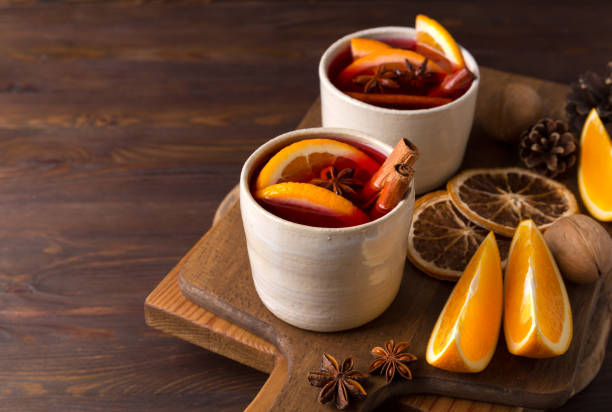
What Is Yellow Wine
Curious about yellow wine? You’re not alone—this golden-hued drink often sparks questions. In the next few lines, we’ll demystify what yellow wine really is, where it comes from, and why its subtle flavor profile stands out. Whether you’re a wine novice or a seasoned sipper, we’ll give you a quick, clear rundown so you can enjoy it confidently at your next gathering. We’ll also suggest food pairings and tips for serving temperature to enhance the experience.
What is Yellow Wine?
Definition and Key Characteristics
Yellow wine is a distinct style of wine that showcases a pale, golden hue, often sitting between the traditional definitions of white and rosé wines.
It is typically produced from white grape varieties that undergo limited skin contact, allowing a subtle extraction of pigments and phenolics that lend the wine its characteristic color. The winemaking process may involve slight oxidation or the use of older vines, which can enhance the amber tones.
Flavor profiles often include notes of honey, dried apricot, and toasted nuts, providing a richer mouthfeel than many crisp whites. The alcohol level is usually moderate, ranging from 11% to 13% ABV, and the acidity is balanced to complement the wine’s natural sweetness.
This style is popular in regions such as China’s Shandong province and parts of Italy, where it is enjoyed both as an aperitif and with hearty dishes.
How It Differs from White and Red Wines
Yellow wine occupies a middle ground that sets it apart from both white and red wines in several key ways. Unlike typical white wines, yellow wine often experiences brief skin contact, which extracts additional pigments and phenolic compounds, giving it a deeper amber shade rather than a clear straw color.
In contrast to red wines, the maceration period is far shorter, preventing the intense tannin structure and deep ruby hue that characterize reds. The fermentation temperature is usually cooler than that of reds, preserving delicate aromatics while still allowing subtle oxidative notes to develop.
Taste-wise, yellow wine offers a blend of fruitiness and nutty complexity, often with a gentle sweetness and a smoother texture than most dry whites.
The acidity tends to be softer, and the finish may linger with hints of caramel or toasted spice, creating a unique sensory profile that appeals to drinkers seeking something richer than a white but lighter than a red.
Common Grape Varieties Used
The palette of grapes chosen for yellow wine is diverse, but certain varieties are favored for their ability to produce the desired golden hue and nuanced flavor profile.
Chardonnay is a popular choice, especially when harvested from older vines and fermented with minimal skin contact, delivering notes of ripe pear and subtle honey. In China, the indigenous Shandong grape ‘Longyan’ is frequently used, contributing a gentle apricot sweetness and a faint mineral edge.
Italian producers often turn to Moscato Bianco, which imparts aromatic floral tones and a light, lingering sweetness that complements the wine’s amber color. Other notable varieties include Riesling, when vinified in a slightly oxidative style, and Gewürztraminer, which adds spicy lychee aromatics and a richer mouthfeel.
By selecting grapes with balanced acidity and moderate sugar levels, winemakers can craft a yellow wine that is both refreshing and complex, suitable for pairing with seafood, poultry, or mildly spiced Asian dishes.
History and Origins of Yellow Wine

Early Production in Europe
Yellow wine, often referred to as *huangjiu* in China, is a fermented beverage made from grains such as rice, wheat, or millet, distinguished by its amber‑gold hue and mellow flavor profile. Understanding its early European roots helps demystify its identity.
In medieval monasteries across France and Italy, brewers experimented with extended aging and oxidative techniques that produced a pale, yellowish liquid, a precursor to modern yellow wine. These early productions emphasized low‑temperature fermentation and the use of wheat malt, creating a subtle sweetness and a gentle acidity.
Key takeaway: the European ancestors of yellow wine prioritized controlled oxidation and grain selection, laying the groundwork for the nuanced taste that defines the style today. By recognizing these historical practices, enthusiasts can better appreciate the wine’s unique character and its place in contemporary tasting and enjoyment.
Traditional Regions and Styles
Traditional regions across China, Korea, and parts of Eastern Europe have cultivated distinct yellow wine styles that reflect local grain choices and climate.
In China’s Shaoxing region, the hallmark is a rich, amber liquid produced from glutinous rice, wheat, and a starter culture called *qu*, resulting in a sweet‑savory balance with a lingering nutty finish.
Korean *hwangju* utilizes barley and millet, emphasizing a lighter body and subtle floral notes, while the Hungarian *szomorú* tradition incorporates wheat and rye, yielding a crisp acidity and a faint honeyed aroma.
Key practice: each area employs specific fermentation temperatures—typically between 12‑18 °C—and extended aging in earthenware jars, which deepens color and complexity.
Understanding these regional nuances equips consumers to select the style that best matches their palate, whether they seek the full‑bodied depth of Shaoxing or the delicate elegance of Korean variants.
Modern Revival and Trends
Modern revival of yellow wine blends tradition with innovative techniques, meeting growing consumer demand for low‑alcohol, terroir‑driven beverages. Craft producers in China’s Guangdong province now experiment with micro‑oxygenation and stainless‑steel fermentation to preserve fresh fruit aromas while maintaining the classic amber hue.
In Europe, boutique wineries in Italy’s Veneto region are re‑introducing ancient wheat‑based yellow wines, pairing them with contemporary food concepts such as tapas and cheese boards to highlight their versatile acidity and subtle sweetness.
Additionally, the rise of sustainable sourcing—using organic grains and renewable energy during production—appeals to environmentally conscious drinkers. Digital platforms enable small‑batch makers to educate audiences through virtual tastings, emphasizing the wine’s historical narrative and health‑friendly profile, typically under 12% ABV.
By embracing these trends, producers can expand market reach and ensure yellow wine remains a dynamic, accessible choice for today’s palate.
How Yellow Wine is Made
Grape Selection and Harvesting
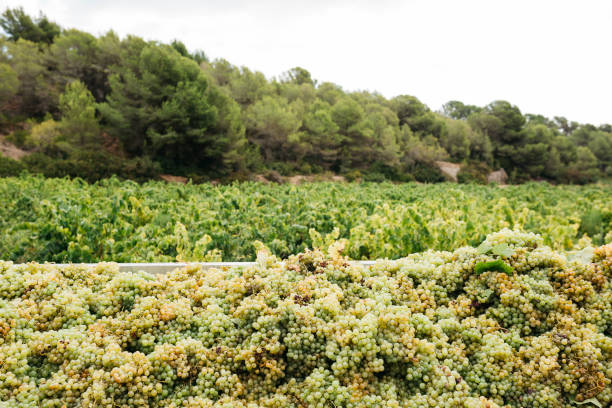
Choosing the right grapes is the foundation of authentic yellow wine. Select white grape varieties such as Albariño, Viura, or Chenin Blanc that naturally produce a pale, golden hue when vinified.
Harvest the fruit early in the morning to preserve acidity and aromatic freshness, and aim for a moderate sugar level (around 18‑20 °Brix) to balance the eventual slight oxidation that defines yellow wine. After picking, sort the berries meticulously, removing any underripe or damaged grapes that could introduce unwanted bitterness.
Press the grapes gently using a cold‑press technique to extract juice without excessive phenolic extraction. Keep the must cool (10‑12 °C) and protect it from light, as premature exposure can alter the delicate color profile.
By controlling variety, ripeness, and handling at this stage, winemakers set the stage for the characteristic amber‑gold appearance and nuanced flavor of yellow wine.
Fermentation Techniques
Fermentation is where the juice transforms into the signature amber character of yellow wine. Begin with inoculating a selected yeast strain—often a neutral Saccharomyces cerevisiae or a mixed culture that encourages subtle ester formation without overwhelming fruit aromas.
Maintain the fermentation temperature between 12 °C and 16 °C to slow yeast activity, allowing gentle extraction of aromatic compounds while limiting harsh phenolics.
After the primary fermentation, introduce a brief micro‑oxygenation phase using controlled oxygen sparging for 24‑48 hours; this encourages the formation of stable yellow‑gold pigments and softens tannic edges. Monitor the residual sugar closely, aiming for a slightly off‑dry finish (2‑5 g/L) that enhances mouthfeel without sweetening the wine excessively.
Throughout, protect the fermenting must from direct sunlight and excessive agitation, as both can accelerate oxidation and shift the hue toward brown. By fine‑tuning yeast selection, temperature, and oxygen exposure, winemakers craft a balanced, luminous yellow wine with nuanced aromatics and a smooth palate.
Aging and Bottling Process
After fermentation, the wine enters an aging phase that solidifies its yellow identity. Transfer the wine to stainless‑steel tanks or neutral oak barrels that have been lightly toasted; this provides a subtle backdrop for the developing amber hue without imposing strong oak flavors.
Age the wine for 6 to 12 months at a controlled temperature of 10‑13 °C, allowing slow oxidation that deepens color and integrates aromas. Periodically perform racking to separate the wine from sediment, and consider a brief sur lie period of 2‑4 weeks to enhance mouth‑coating texture.
Prior to bottling, filter the wine through a fine‑mesh filter to remove any remaining particles while preserving delicate aromatics. Finish with a low dosage of sulfur dioxide (SO₂), typically 20‑30 mg/L, to protect against premature oxidation in the bottle.
Finally, bottle in dark glass or use UV‑protective coatings to maintain the wine’s golden brilliance. This careful aging and bottling regimen ensures the final product retains its characteristic yellow color, balanced acidity, and smooth finish.
Tasting Yellow Wine: Flavor Profile and Pairings
Typical Aromas and Tastes
Yellow wine, often made from white grapes or aged to develop a golden hue, presents a distinctive aromatic profile that sets it apart from traditional whites.
Fresh citrus notes such as lemon and lime dominate the opening, followed by subtle stone fruit aromas like peach and apricot that add a gentle sweetness. As the wine breathes, you may detect honeyed nuances, baked apple, and a faint nutty undertone reminiscent of almonds or hazelnuts.
The palate mirrors these scents, delivering a crisp acidity balanced by a smooth, rounded mouthfeel. Mid‑palate flavors often reveal white pepper or a whisper of herbal tea, while the finish can linger with light caramel and a soft mineral edge that reflects the terroir.
Understanding these layers helps you appreciate the wine’s complexity and guides you toward complementary food choices.
Food Pairing Suggestions
When pairing yellow wine, aim for dishes that echo its bright acidity and subtle sweetness while complementing its nuanced aromatics. Seafood works exceptionally well; think of grilled shrimp tossed in a lemon‑herb butter, or a delicate poached halibut drizzled with a light orange‑infused vinaigrette.
The wine’s citrus backbone lifts the marine flavors without overwhelming them. For poultry, try roasted chicken with apricot glaze or a turkey breast glazed with honey‑mustard; the fruit‑forward notes of the wine mirror the glaze’s sweetness and enhance the caramelized skin.
Vegetarian options such as butternut squash risotto or a warm salad of roasted beets, goat cheese, and toasted walnuts benefit from the wine’s nutty undertones, creating a harmonious balance.
If you prefer cheese, select soft, creamy varieties like Brie or Camembert, or a mild blue cheese that won’t dominate the palate. The key is to match the wine’s medium body and gentle spice with foods that provide a touch of fruit, subtle richness, and a hint of herbal freshness.
Serving Temperature and Glassware
To showcase yellow wine at its best, serve it slightly cooler than a typical red but warmer than a chilled white, aiming for 10‑13 °C (50‑55 °F). This temperature preserves the wine’s lively acidity while allowing its aromatic compounds—especially the honeyed and nutty notes—to unfold gradually.
If the wine is stored in the refrigerator, let it sit for about 20‑30 minutes before pouring; a quick taste test can confirm the right warmth. Choose a glass that directs aromas toward the nose: a tulip‑shaped white‑wine glass with a slightly narrowed rim works perfectly.
The broader bowl encourages gentle swirling, releasing the subtle spice and fruit vapors, while the narrowed opening concentrates them for a more intense nose experience. Avoid overly large, bold red‑wine glasses, as they can dissipate the delicate bouquet.
Pair the glass with a steady hand, holding it by the stem to keep the bowl cool, and serve the wine in small, measured pours to maintain its temperature throughout the tasting session.
Where to Buy and Store Yellow Wine
Recommended Retailers and Online Shops
Yellow wine, a lightly oxidized Chinese rice wine with a pale amber hue, offers a delicate nutty aroma and subtle sweetness. Buy from reputable specialty wine shops that carry Asian beverage selections, such as Total Wine, BevMo, or local Asian markets with dedicated wine aisles.
Explore online platforms like Wine.com, Drizly, and Asian-focused e‑commerce sites such as Yunnan Wine Co. or Tmall, which often list varietals, vintage information, and user reviews. When purchasing, look for bottles sealed with a cork or screw cap, indicating proper closure.
Ask staff for recommendations based on flavor profile—dry, semi‑sweet, or aged styles—to match your palate. Verify the seller’s return policy and authenticity guarantees, especially for premium labels, to avoid counterfeit products.
By choosing trusted retailers and confirming product details, you ensure a genuine yellow wine experience ready for tasting or culinary use.
Storage Guidelines for Longevity
Proper storage preserves the subtle flavors and extended shelf life of yellow wine, a fermented rice beverage known for its amber color and gentle oxidation. Keep bottles upright in a cool, dark place between 45–55°F (7–13°C) to prevent cork drying and oxidation.
Avoid temperature fluctuations and direct sunlight, which can accelerate aging and alter aroma. Use a wine refrigerator or a cellar with stable humidity around 70% to maintain the wine’s moisture balance.
For short‑term storage, a sealed pantry works, but for longer periods, consider a wine rack with a UV‑filtering glass door. Seal opened bottles with the original cork or a vacuum stopper and refrigerate; consume within two to three weeks to enjoy optimal taste.
Label each bottle with purchase date to track aging potential, and periodically check for leakage or off‑odors. Following these guidelines ensures your yellow wine remains fresh, aromatic, and ready for serving.
Reading Labels and Identifying Quality
Understanding a yellow wine label helps you select a high‑quality product and appreciate its unique characteristics. Identify the producer—renowned Chinese wineries such as Shaoxing, Jiujiang, or Zhejiang often indicate traditional craftsmanship and consistent standards. Look for the alcohol by volume (ABV), typically 12–15%, which signals balance between sweetness and body.
Check the vintage year; newer releases may be fresher, while aged bottles offer deeper nutty notes and a smoother finish. Pay attention to terms like “陈酿” (aged) or “金黄” (golden) that denote longer maturation.
Inspect the seal and packaging—a clean, intact cork and a label printed with clear Chinese characters and English translation suggest authenticity. Verify certifications such as the China Alcoholic Beverage Association (CABA) mark, which guarantees compliance with safety standards.
By reading these details, you can confidently choose a yellow wine that matches your taste preferences and culinary needs.
Health Benefits and Nutritional Facts
Antioxidants and Polyphenols
Yellow wine, a traditional Chinese fermented beverage made from grains such as rice or millet, offers a distinct profile of antioxidants and polyphenols that support health. Rich in flavonoids, it contains catechins and phenolic acids that help neutralize free radicals, reducing oxidative stress and supporting cellular repair.
Regular, moderate intake can contribute to improved cardiovascular function by promoting vasodilation and lowering LDL oxidation. Additionally, the fermentation process generates beneficial compounds like γ‑aminobutyric acid (GABA), which may aid in stress reduction and sleep quality.
To maximize these benefits, choose yellow wines with minimal added sugars and lower alcohol percentages, and store them in a cool, dark place to preserve antioxidant potency. Pairing the wine with antioxidant‑rich foods such as berries or leafy greens can further enhance nutrient absorption and synergistic health effects.
Consuming one to two small glasses (about 100‑150 ml) per day is sufficient to obtain these protective compounds without exceeding recommended alcohol limits.
Moderate Consumption Guidelines
Understanding how much yellow wine to enjoy safely is essential for reaping its nutritional advantages while avoiding adverse effects. Moderate consumption is defined as up to one standard glass (≈120 ml) per day for women and up to two for men, aligning with general alcohol guidelines.
This amount supplies enough polyphenols and amino acids to support antioxidant defenses without delivering excessive ethanol, which can impair liver function and increase calorie intake.
It is advisable to consume yellow wine with meals, as food slows alcohol absorption and enhances the uptake of beneficial nutrients like B‑vitamins produced during fermentation.
Individuals with medical conditions such as diabetes, hypertension, or a history of alcohol misuse should consult healthcare professionals before incorporating yellow wine into their routine.
Tracking intake using a simple journal or mobile app helps maintain consistency and prevents accidental over‑consumption, ensuring the beverage remains a health‑supporting addition rather than a risk factor.
Comparing to Other Wine Types
Yellow wine differs markedly from red, white, and rosé varieties in composition, flavor, and potential health impacts, offering a unique alternative for consumers seeking diversity. Lower alcohol content—typically 8‑12% ABV compared with 12‑14% in most reds—means fewer calories per serving and reduced strain on the liver.
Its fermentation from grains rather than grapes yields distinct amino acids such as GABA and higher levels of certain B‑vitamins, which are less prevalent in grape‑based wines.
While red wine is celebrated for resveratrol, yellow wine provides a broader spectrum of polyphenols, including catechins and phenolic acids, that contribute comparable antioxidant capacity. Taste-wise, yellow wine presents a mild, slightly sweet and nutty profile, making it more approachable for those who find the tannic bite of reds overwhelming.
When selecting a wine for health purposes, consider these differences: choose yellow wine for lower alcohol and added GABA benefits, red wine for resveratrol, and white or rosé for lighter acidity and pairing flexibility.
Tips for Enjoying Yellow Wine at Home
Hosting a Yellow Wine Tasting
Yellow wine, a traditional Chinese fermented beverage made from grains such as rice, millet or sorghum, is known for its amber hue, mellow acidity, and subtle sweet‑spicy notes. Start by selecting a variety that matches your palate—lighter, fragrant styles for casual sipping or richer, aged bottles for deeper flavor.
Set the scene with neutral lighting and a modest temperature of 12‑14 °C (54‑57 °F) to highlight its delicate aromatics. Arrange tasting glasses in a semi‑circular layout, providing water and plain crackers to cleanse the palate between sips.
Introduce a brief history: explain its roots in ancient Chinese rituals and its resurgence in modern mixology. Encourage guests to note the wine’s texture, aroma, and finish, using a simple tasting sheet.
Finally, pair with complementary foods like steamed dumplings, pickled vegetables, or mild cheeses to enhance the wine’s nuanced profile and create a memorable, educational experience. Serve each pour in a tulip‑shaped glass that concentrates the aroma, and limit servings to 30‑40 ml per round to keep the palate fresh.
Play soft background music—instrumental guzheng or jazz—to set a relaxed ambience. Offer a short quiz about the wine’s production methods to spark interaction, and conclude with a guided reflection where participants share their favorite note, reinforcing the learning experience.
Cooking with Yellow Wine
Yellow wine’s gentle acidity and faint honeyed sweetness make it a versatile ingredient for both savory and sweet dishes. Choose the right style: younger, lighter wines brighten stir‑fries, while aged, richer bottles add depth to braises and sauces.
Begin by deglazing a hot wok with a splash of wine to lift caramelized bits, then let it reduce by half to concentrate flavor without overwhelming salt.
For marinades, combine equal parts yellow wine, soy sauce, ginger, and a touch of brown sugar; marinate proteins for at least 30 minutes to infuse subtle aromatics.
When making a classic Chinese “drunken” chicken, steam the bird with sliced scallions and a cup of yellow wine, allowing the steam to permeate the meat, resulting in tender, fragrant flesh.
Finish soups and risottos with a drizzle of wine just before serving to brighten the broth and add a silky mouthfeel. Remember to taste and adjust seasoning, as the wine’s natural sweetness can balance spicy or bitter elements.
Collecting and Aging Your Own Bottles
Collecting yellow wine is a rewarding hobby that blends cultural appreciation with sensory exploration. Start with a clear goal: decide whether you prefer rare regional vintages, limited‑edition releases, or a chronological series from a single producer.
When purchasing, examine the label for the fermentation method—solid‑state or liquid‑state—and the aging potential, as some yellow wines improve for up to a decade. Store bottles horizontally in a cool, dark cellar at 10‑12 °C (50‑54 °F) with 70‑75 % humidity to keep the cork moist and prevent oxidation.
Track each bottle in a spreadsheet, noting vintage, producer, alcohol content, and tasting notes taken at regular intervals; this data helps you recognize the subtle evolution of aroma and mouthfeel.
For aging, allow the wine to rest for at least six months after opening to let volatile compounds settle, then decant into a glass carafe before the final pour.
Share your collection by hosting tasting evenings, pairing each bottle with complementary dishes, and inviting fellow enthusiasts to discuss the wine’s history and development.
Frequently Asked Questions
What is yellow wine?
Yellow wine is a style of wine made from white grapes that is lightly fermented and often aged briefly, giving it a pale, straw‑yellow hue and a crisp, delicate flavor.
How does yellow wine differ from white wine?
While both use white grapes, yellow wine typically undergoes a shorter fermentation and may have less oak influence, resulting in a lighter body and more subtle fruit notes compared to many white wines.
What grapes are commonly used to make yellow wine?
Common varieties include Chardonnay, Sauvignon Blanc, Riesling, and local grapes like Muscat or Chenin Blanc, which produce the bright yellow color when lightly processed.
What foods pair well with yellow wine?
Yellow wine pairs nicely with light salads, seafood, mild cheeses, and dishes featuring citrus or herbal flavors, as its acidity and subtle fruit complement rather than overpower the food.
How should yellow wine be stored and served?
Store it in a cool, dark place at 45‑55°F (7‑13°C) and serve chilled, around 45‑50°F (7‑10°C), to preserve its fresh acidity and delicate aromas.
Is yellow wine popular in specific regions?
Yellow wine enjoys popularity in parts of Europe such as France’s Loire Valley and Italy’s Veneto region, as well as emerging markets in Asia where lighter, low‑alcohol wines are in demand.
Conclusion
Yellow wine, a centuries‑old Chinese libation made from fermented rice, wheat, or millet, offers a mellow, slightly sweet profile and a distinctive amber hue. Its low alcohol content, health‑friendly antioxidants, and cultural heritage make it a versatile choice for casual sipping or culinary pairing. Explore its varieties, respect traditional brewing methods, and enjoy this unique beverage as a bridge between history and modern taste.