What Is Whispering Angel
Curious about Whispering Angel? It’s a celebrated rosé from Provence, France, known for its delicate pink hue, fresh strawberry aromas, and crisp, dry finish. In the next few lines we’ll quickly unpack its origins, tasting notes, and food pairings, so you can decide if Whispering Angel fits your next toast. Stay for tips on serving temperature and glassware.
What is Whispering Angel?
Origin and Producer
Whispering Angel is a premium rosé wine that originates from the sun‑kissed vineyards of Château d’Esclans in Provence, France. The estate was acquired in 2006 by Russian‑born wine entrepreneur Sacha Lichine, who envisioned a fresh, approachable rosé that could compete globally.
Under his direction, the winery adopted modern vinification techniques while respecting traditional Provençal practices, resulting in a wine that balances elegance with broad appeal.
The brand’s name reflects the delicate, almost whisper‑like aroma that greets the palate, and its sleek, pastel‑colored bottle has become an iconic symbol of contemporary rosé culture.
Today, Whispering Angel is distributed in over 70 countries, making it a flagship example of how a focused vision and meticulous production can elevate a regional specialty to worldwide recognition.
Its success has inspired many producers to explore similar light‑hearted rosé styles, reinforcing Provence’s reputation as the heart of rosé innovation worldwide.
Grape Varieties Used
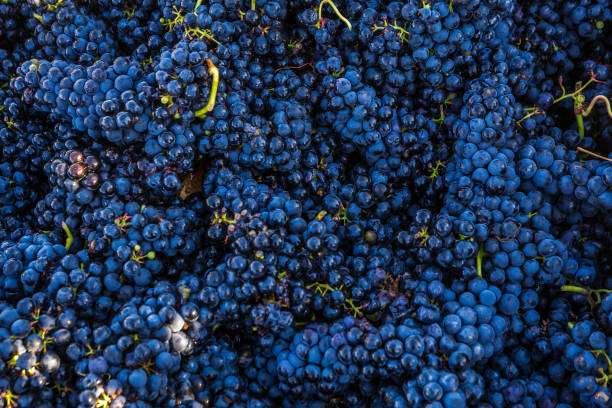
Whispering Angel is crafted primarily from a blend of three classic Provençal grape varieties: Grenache, Cinsault and Rolle (also known as Vermentino). Grenache contributes generous fruitiness, delivering notes of ripe strawberries, watermelon and a subtle hint of spice that forms the backbone of the wine’s palate.
Cinsault adds delicate aromatics and a soft, silky texture, enhancing the wine’s floral bouquet with whispers of rose petals and violets. Rolle, a lesser‑known white grape native to the Mediterranean coast, introduces a crisp mineral edge and a refreshing acidity that balances the richness of the red varieties.
The careful proportioning of these grapes—typically around 70% Grenache, 20% Cinsault and 10% Rolle—allows winemakers to achieve a harmonious structure where fruit, acidity and elegance coexist.
This blend is harvested at optimal ripeness, then gently pressed and fermented in temperature‑controlled stainless steel tanks to preserve the vibrant aromatics and ensure a clean, consistent style across each vintage.
Flavor Profile Overview
The tasting experience of Whispering Angel is defined by a light‑to‑medium body that delivers a crisp, refreshing sensation on the palate. On the nose, the wine opens with delicate aromas of red berries—particularly strawberry and raspberry—intertwined with subtle floral notes of rose and a faint hint of citrus zest.
Upon sipping, the palate reveals a balanced acidity that lifts flavors of juicy watermelon, pink grapefruit and a whisper of peach, while a gentle minerality derived from the Rolle component adds depth. The texture is silky yet lively, allowing the fruit to shine without overwhelming sweetness.
The finish is clean and slightly dry, leaving a lingering impression of fresh herbs and a soft, almond‑tinged nuance.
This approachable profile makes Whispering Angel ideal for warm-weather dining, seafood dishes, or casual gatherings, and its consistent style across vintages ensures that consumers can rely on the same elegant, easy‑drinking rosé each time they uncork a bottle.
How to Identify Authentic Whispering Angel
Label Details to Look For
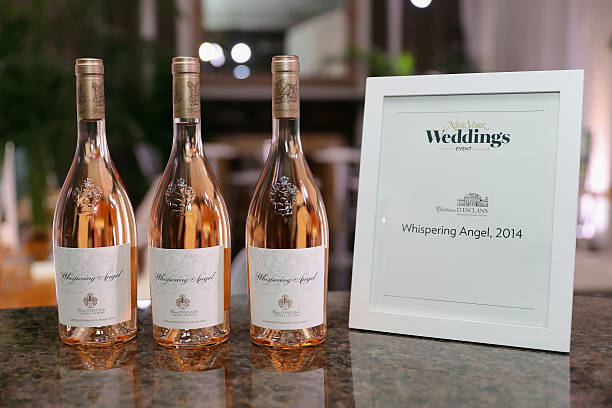
Begin by examining the label closely. Authentic Whispering Angel displays a clean, white label with the Rosé d’Anjou branding in elegant, gold‑foil script. The producer’s name, Château d’Esclans, appears in a slightly larger font, centered above the iconic angel wing graphic.
Look for the subtle watermark of a feather that is only visible under direct light. The vintage year is printed in small, raised numbers that you can feel with your fingertips. Also check the QR code on the back; scanning it should direct you to the official Château d’Esclans website.
Any smudged ink, misaligned text, or missing gold foil are red flags. The label’s paper texture should feel smooth, not glossy or plastic. By focusing on these details, you can quickly differentiate a genuine bottle from a counterfeit.
Additionally, verify that the label includes the official Appellation d’Origine Contrôlée (AOC) seal, which is printed in a precise, raised font near the bottom left corner.
Bottle Design and Seal
Inspect the bottle’s shape and material, as genuine Whispering Angel is bottled in a slender, tall glass with a gently tapered neck that feels sturdy yet light. The glass should have a faint greenish tint, characteristic of Château d’Esclans’ rosé line, and should not exhibit bubbles or imperfections.
The cork is a natural, high‑quality cork with a smooth, dark‑brown finish, stamped with the Château d’Esclans logo in gold. Above the cork sits a metallic foil seal that snaps tightly around the neck; the seal bears the official ‘Whispering Angel’ script and a small angel wing emblem.
When you lift the seal, it should release a subtle, fresh scent of roses and citrus, indicating an intact closure. The bottle’s capacity is 750 ml, clearly etched on the bottom in a clean, sans‑serif font.
Any deviation such as a plastic cap, irregular glass thickness, or missing foil seal suggests a counterfeit product.
Common Counterfeit Signs
Learn the typical warning signs that indicate a fake Whispering Angel. Counterfeit bottles often use a paper label that feels glossy and cheap rather than the smooth, matte finish of the authentic version. The logo may be slightly distorted, with uneven spacing or missing the delicate gold‑foil wing detail.
Look for spelling errors such as “Whispering Angel” written as “Whispering Angel’s” or “Whispering Angel” without the apostrophe, which never appears on genuine bottles. The cork may be a synthetic plug painted to look like natural cork, lacking the embossed Château d’Esclans logo.
Additionally, the seal might be a simple adhesive sticker rather than a tight‑fitting metallic foil, and it often peels away easily. Finally, check the bottle’s weight; counterfeit bottles are typically lighter due to thinner glass.
By cross‑checking these clues, you can confidently avoid counterfeit purchases and enjoy the true taste of Whispering Angel.
Best Ways to Serve Whispering Angel
Ideal Serving Temperature
Whispering Angel is a popular rosé from Château d’Esclans in Provence, known for its pale pink hue, fresh citrus aromas, and delicate stone‑fruit flavors. To enjoy its bright character, serve it chilled but not icy; aim for a temperature between 45°F (7°C) and 50°F (10°C).
Place the bottle in the refrigerator for about two hours before serving, or use an ice bucket with a 1:1 ice‑water mix for a quicker chill of 20‑30 minutes. Avoid over‑cooling, which can mute the wine’s subtle aromatics and silky texture.
Before pouring, let the bottle sit upright for a few minutes to allow any sediment to settle, then present it in a clean glass to showcase its crisp acidity and fragrant bouquet. Proper temperature highlights the wine’s balance of fruit and minerality, making each sip refreshing and elegant.
Glassware Recommendations
Choosing the right glass enhances Whispering Angel’s aromatic profile and mouthfeel. Opt for a tulip‑shaped white‑wine glass with a slightly tapered rim; this shape concentrates the delicate perfume of citrus, red‑berry and floral notes while allowing the wine to breathe.
A glass with a capacity of 12‑14 oz provides enough room for the wine to open without excessive surface area that could over‑dilute the flavors. Avoid overly large bowl designs meant for heavy reds, as they can cause the rosé to lose its crisp temperature quickly.
For informal settings, a stemless coupe works well, but ensure it is chilled beforehand to keep the wine at its ideal serving temperature. When serving multiple guests, pre‑chill a set of glasses in the fridge or an ice bucket to maintain consistency.
Proper glassware not only showcases the wine’s pale pink hue but also amplifies its subtle acidity and silky finish, turning each sip into a refined experience.
Food Pairing Suggestions
Whispering Angel’s light body and bright acidity make it a versatile partner for a range of dishes. Pair it with Mediterranean appetizers such as marinated olives, goat cheese crostini, or smoked salmon tartare; the wine’s citrus zest cuts through the richness while echoing the herbs.
For a main course, serve it alongside grilled seafood—think shrimp skewers, sea bass en papillote, or a bouillabaisse broth—where the subtle fruit notes complement the briny flavors without overpowering them.
It also shines with summer salads featuring fresh tomatoes, watermelon, or a fennel‑orange vinaigrette, as the crisp finish balances the sweet‑savory contrast. If you prefer poultry, a herb‑roasted chicken with lemon and rosemary pairs beautifully, the wine’s minerality mirroring the aromatic herbs.
Avoid heavy, tannic red meats, which can mask the rosé’s finesse. By matching Whispering Angel with dishes that highlight freshness and light seasoning, you enhance both the food’s texture and the wine’s elegant, lingering finish.
Why Whispering Angel Is Popular Among Rosé Lovers
Market Position and Awards
Whispering Angel has secured a prominent market position by consistently ranking among the top-selling rosés worldwide. Its debut in 2005 quickly attracted attention, and the brand now enjoys distribution in over 70 countries, making it a staple on restaurant wine lists and retail shelves.
The wine’s award-winning pedigree includes gold medals at the International Wine Challenge and high scores from critics such as Wine Spectator and Decanter. These accolades reinforce consumer confidence, encouraging both newcomers and seasoned rosé enthusiasts to choose it for celebrations, casual meals, or gifting.
By leveraging strategic partnerships with distributors and maintaining a visible presence at major wine fairs, Whispering Angel sustains its reputation as a reliable, high‑quality option, which explains why it remains a go‑to choice for those seeking a celebrated rosé experience.
Its approachable price point, typically around $20, further broadens its appeal across diverse consumer segments.
Taste Consistency
Whispering Angel is celebrated for its consistent taste profile, delivering a reliable blend of delicate fruit and subtle acidity that rosé lovers can count on bottle after bottle.
The wine showcases aromas of red berries, citrus zest, and a hint of floral perfume, followed by a palate that balances fresh strawberry and raspberry notes with a crisp minerality. Winemakers employ a meticulous harvesting schedule, picking grapes at optimal ripeness and using gentle cold‑fermentation techniques to preserve natural flavors.
This disciplined approach minimizes batch‑to‑batch variation, ensuring that whether you enjoy it in a Parisian bistro or at home, the experience remains familiar and satisfying.
The smooth finish and moderate alcohol level, usually around 12.5%, make it versatile for pairing with seafood, salads, or light appetizers, reinforcing its status as a dependable choice for everyday celebrations.
Brand Story Appeal
Whispering Angel’s brand story resonates deeply with rosé enthusiasts, blending Provençal heritage with a modern, approachable image. Founded by the Perrin family of Château de Beaucastel, the label draws inspiration from the serene vineyards of Château d’Esclans, where the name evokes the gentle murmur of wind through the vines.
Marketing campaigns highlight the wine’s sun‑kissed origins, using pastel visuals and poetry that evoke leisurely afternoons on the French Riviera. This narrative creates an emotional connection, positioning the rosé as more than a beverage—it’s a lifestyle symbol of elegance, relaxation, and effortless sophistication.
Social media influencers and celebrity endorsements amplify this allure, showcasing Whispering Angel at upscale events, brunches, and travel destinations. By consistently weaving authenticity, romance, and accessibility into its storytelling, the brand cultivates loyalty among consumers who seek both quality and a captivating narrative with every glass.
Tips for Storing Whispering Angel
Shelf Life and Conditions
Whispering Angel is a popular Provence rosé known for its delicate aromas of red berries and citrus. To preserve its fresh character, consider the wine’s shelf life and storage conditions.
Unopened bottles can comfortably age for up to three years from the vintage date when kept in a cool, dark environment with a stable temperature between 45‑55°F (7‑13°C). Avoid exposing the wine to direct sunlight or fluctuating heat, as these factors accelerate oxidation and diminish flavor.
Store the bottles horizontally if they have a natural cork, which keeps the cork moist and prevents air ingress. For screw‑cap versions, upright placement is acceptable, but maintaining a consistent climate remains essential.
By respecting these parameters, you ensure that Whispering Angel retains its crisp acidity and aromatic profile when you finally uncork it. Enjoy it within this window for optimal taste and aroma.
Refrigeration Guidelines
Refrigeration is the most reliable method to keep Whispering Angel at its peak. Ideally, chill the wine to 50‑55°F (10‑13°C) for about two hours before serving; this temperature highlights its bright acidity while preserving the subtle fruit notes.
If you lack a wine fridge, a standard refrigerator works, but avoid placing the bottle near the freezer compartment where temperatures can drop below 35°F (2°C) and cause the wine to become overly chilled, muting its flavors.
Use a wine cooler or a dedicated wine rack with temperature control for long‑term storage, ensuring the environment stays within the recommended range. When the bottle is stored in a regular fridge, position it upright to reduce pressure on the cork and prevent leakage.
Remember to let the wine sit for 15‑20 minutes after removal to allow it to gently rise to the ideal serving temperature.
Opening and Resealing Tips
Opening Whispering Angel correctly ensures you experience its intended freshness. Use a clean, sharp corkscrew for cork‑sealed bottles, inserting the worm straight and pulling gently to avoid crushing the cork, which could let air seep in.
For screw‑cap versions, simply twist the cap off with a firm grip; no tools are required. Once poured, reseal any remaining wine promptly to slow oxidation. A reusable wine stopper with a tight seal works well for cork bottles, while a twist‑on plastic seal fits screw‑caps.
Store the resealed bottle in the refrigerator and consume within three to five days for optimal flavor. If you notice a flattening of bubbles or a muted aroma, the wine has begun to oxidize and should be enjoyed sooner rather than later.
These simple practices keep Whispering Angel lively and enjoyable from the first sip to the last.
How to Compare Whispering Angel with Other Rosés
Price vs Quality Analysis
Begin by placing Whispering Angel’s price point alongside its perceived quality to set a baseline for comparison. The Provence rosé typically retails for $18‑$22 per bottle, positioning it in the mid‑range market where many consumers expect a balance of value and craftsmanship.
Evaluate its consistent flavor profile, elegant acidity, and refined aromatics against cheaper alternatives that may lack depth, as well as premium rosés that command $30+ but offer only marginally richer notes. Use a simple ratio—price divided by a 10‑point quality score derived from blind tastings—to quantify efficiency.
When the ratio is lower, Whispering Angel often outperforms lower‑priced competitors, delivering greater complexity per dollar. Conversely, if a higher‑priced rosé scores significantly higher, the extra cost may be justified for special occasions. This analytical framework helps readers decide whether Whispering Angel represents the best price‑to‑quality choice for everyday enjoyment.
Taste Comparison Chart
Create a visual taste comparison chart that places Whispering Angel side‑by‑side with other popular rosés, highlighting key sensory attributes. Plot dimensions such as fruit intensity, herbaceous notes, acidity level, and mouthfeel on a four‑quadrant grid.
Whispering Angel typically scores high on delicate strawberry and citrus aromas, moderate herbaceous nuance, and a crisp, clean acidity that finishes with a subtle mineral edge.
Contrast these scores with a New World rosé that may exhibit louder watermelon and tropical fruit bursts, or an older Provençal style that leans toward deeper peach and orange‑blossom tones.
Annotate the chart with brief tasting notes—e.g., “soft pink hue, light body, lingering finish”—to guide readers in visualizing differences without a glass in hand.
By converting subjective impressions into quantifiable points, the chart empowers consumers to quickly identify which rosé aligns with their palate preferences, whether they seek the elegant restraint of Whispering Angel or the bold fruit forward character of alternative selections.
Regional Differences
Examine regional differences to understand how terroir influences Whispering Angel compared with other rosés from distinct wine‑growing areas. The Provençal hills where Whispering Angel originates benefit from limestone soils, Mediterranean breezes, and a long, cool harvest that preserves vibrant acidity and subtle mineral undertones.
In contrast, a Californian rosé often reflects warmer vineyards, yielding riper berry flavors, higher alcohol, and a softer acidity profile. Meanwhile, a Spanish rosado from Rioja may display pronounced oak influence and deeper color due to slightly later picking.
Map these characteristics onto a simple table that lists region, dominant grape varieties, climate, and typical flavor markers. Highlight that Whispering Angel’s blend of Grenache, Cinsault, and Vermentino thrives in its specific micro‑climate, producing a light‑bodied, elegant style that is difficult to replicate elsewhere.
By articulating these geographic nuances, readers can make informed choices about whether the Provençal expression aligns with their desired drinking experience or if they prefer the bolder, sun‑kissed profiles of other regions.
Where to Buy Whispering Angel Online and In-Store
Trusted Retailers List
Whispering Angel is a popular rosé from Château d’Esclans in Provence, known for its light pink hue, fresh red‑fruit aromas, and crisp finish.
When looking to purchase this wine, start with reputable online platforms such as Wine.com, Total Wine, and Vivino, all of which guarantee authentic bottles and often provide user reviews.
Major retailers like Costco, Trader Joe’s, and Whole Foods also stock Whispering Angel in physical stores, making it easy to pick up a case during a weekly shop. For specialty wine shops, check local boutiques that carry imported French wines; they frequently have knowledgeable staff who can suggest food pairings.
Key points: verify the vintage on the label, ensure the seller offers a satisfaction guarantee, and compare shipping fees if ordering online. Buying from trusted sources helps avoid counterfeit bottles and ensures you enjoy the true flavor profile of this celebrated rosé.
Price Range Overview
Whispering Angel typically falls in the mid‑price segment for French rosés, offering excellent value for its quality.
In the United States, a single 750 ml bottle usually retails between $15 and $22, while a case of six can range from $85 to $110 depending on the retailer and any promotional discounts.
Online price comparisons often reveal slight variations; sites like Wine-Searcher aggregate listings from dozens of sellers, helping you spot the best deal. In Europe, especially in France and the UK, the price is often a bit lower, with bottles available for €12–€18 or £11–£16.
Seasonal sales, holiday promotions, and loyalty programs at large chains can further reduce costs, sometimes offering a buy‑one‑get‑one or a percentage off the total order.
Keep an eye on bulk‑purchase options, as many distributors provide a reduced per‑bottle rate when you order a case, making it a smart choice for entertaining or gifting.
Shipping and Return Policies
When ordering Whispering Angel online, understanding the shipping and return policies of each retailer can save you time and hassle.
Most major wine merchants ship within the continental United States using insulated packaging to preserve temperature, and they typically offer standard delivery (3‑5 business days) at no extra charge for orders over a certain amount, often $50.
For faster service, many sites provide expedited shipping for an additional $10‑$20, guaranteeing arrival within 1‑2 days, which is useful for last‑minute events. Returns are generally accepted if the bottle arrives damaged, corked, or not as described; you’ll need to contact customer service within 48 hours and provide photos.
Some retailers, such as Total Wine and Wine.com, offer a full refund or replacement at no cost, while others may issue a store credit. Be sure to read the fine print regarding age verification, delivery signatures, and any state‑specific alcohol shipping restrictions before completing your purchase.
Frequently Asked Questions
What is Whispering Angel?
Whispering Angel is a rosé wine made by Château d’Esclans in the Provence region of France. It is celebrated for its pale pink hue, delicate strawberry and citrus notes, and a crisp, refreshing finish.
Where does Whispering Angel come from?
The wine originates from the vineyards of Château d’Esclans, located near the town of Esclans in southern France’s Provence area. The estate sources grapes from several nearby appellations to create the blend.
What grapes are used in Whispering Angel?
Whispering Angel is primarily made from a blend of Grenache, Cinsault, and Vermentino grapes. These varieties contribute to its light body, aromatic profile, and subtle acidity.
How should Whispering Angel be served?
Serve Whispering Angel chilled at around 45‑50 °F (7‑10 °C) in a white‑wine glass. It pairs well with salads, seafood, light pasta dishes, and summer appetizers.
Is Whispering Angel suitable for food pairings?
Yes, its bright acidity and fruit‑forward character complement a range of foods, including grilled fish, goat cheese, fresh salads, and Mediterranean cuisine. It also works nicely with spicy dishes because its freshness balances heat.
Where can I buy Whispering Angel?
Whispering Angel is widely available in wine shops, supermarkets, and online retailers in many countries. Look for the distinctive pink label featuring an angel silhouette to identify the bottle.
Conclusion
Whispering Angel, the iconic rosé from Provence, blends delicate strawberry and citrus notes with a crisp, dry finish, embodying the region’s sun‑kissed vineyards and artisanal craftsmanship. Its popularity stems from its versatility—perfect for casual sipping, elegant gatherings, or culinary pairings. Remember, exploring its subtle nuances can elevate any moment. Dive deeper, taste responsibly, and let Whispering Angel inspire your next unforgettable toast.