What Is The Lightest White Wine
If you’re hunting for the feather‑lightest white wine, look no further than a crisp Pinot Grigio from Italy’s Alto Adige region, or a delicate Albariño from Spain’s Rías Baixas. Both deliver bright acidity, subtle fruit, and a body that feels almost weightless on the palate. In the next few lines we’ll break down why these wines top the list, how to spot them, and perfect pairings for your next gathering, and enjoy every sip responsibly today.
What is a Lightest White Wine?
Definition of “lightest” in wine terms
Lightest in wine parlance refers to the overall body, alcohol level, and palate weight rather than just color intensity. A wine labeled “light” typically has a low to moderate alcohol content, often between 9% and 11% ABV, and a thin, delicate mouthfeel that doesn’t coat the tongue.
The term also implies minimal residual sugar and a crisp acidity that keeps the wine refreshing. When evaluating a white wine’s lightness, consider the grape variety, fermentation style, and whether it was aged in stainless steel rather than oak, as oak adds weight and richness.
Key takeaway: a truly light white wine feels airy, finishes quickly, and leaves a clean, subtle flavor trail without the heaviness of fuller‑bodied styles like Chardonnay or Viognier. Such wines are perfect for early‑summer gatherings, seafood dishes, or as a palate cleanser between courses, delivering brightness without overwhelming the senses.
Key characteristics to look for
To pinpoint the lightest white wines, focus on three measurable traits: alcohol, acidity, and body. First, check the label for an ABV under 11%; lower alcohol means less weight and a more delicate structure.
Second, seek wines with bright, tart acidity—often described as lemony, green‑apple, or mineral—which lifts the palate and prevents a syrupy feel. Third, evaluate body by tasting for a feather‑light texture that disappears quickly, rather than a creamy or buttery sensation.
Additional clues include a short finish, minimal oak influence, and a clear, pale straw or lemon‑yellow hue.
Action step: When shopping, prioritize varietals such as Pinot Grigio, Albariño, Vermentino, or a dry Muscadet, and ask the retailer for bottles with low ABV and stainless‑steel fermentation to ensure the lightest possible profile.
Pair these selections with light salads, grilled fish, or simple cheese plates to highlight their refreshing crispness without competing flavors.
Common misconceptions
Many drinkers assume that “light” automatically means low quality or that any white wine with a pale color fits the bill, but both ideas are misleading. First, lightness is not synonymous with cheapness; premium producers craft delicate wines using meticulous viticulture and careful temperature‑controlled fermentation to preserve freshness.
Second, a wine’s hue can be deceiving—some fuller‑bodied whites appear pale because of winemaking choices, while truly light wines may display a deeper straw shade due to the grape’s natural pigment.
Third, the belief that “light” equals “sweet” is false; most light whites are dry, with the perception of sweetness coming from bright acidity rather than residual sugar.
Practical tip: Taste before you judge, focusing on body and finish rather than price tag or color, to discover genuinely light white wines that suit your palate.
How to Identify Light Body in White Wines
Checking alcohol content
Start by looking at the label or a reliable database to find the wine’s alcohol by volume (ABV). Lower ABV, typically 8‑10%, signals a lighter body because less alcohol means less weight on the palate. Compare this figure with richer styles that often sit above 12%.
When the ABV is unclear, use a handheld refractometer or ask the retailer for the exact number. Remember that sparkling whites such as Prosecco usually have lower ABV, reinforcing their feather‑light feel.
By consistently noting the ABV across several bottles, you’ll quickly spot the wines that sit at the bottom of the weight spectrum, helping you answer the question of the lightest white wine.
Also keep in mind that climate influences ABV; cooler regions like Alsace or the Loire Valley tend to produce wines with naturally lower alcohol, further contributing to a delicate mouthfeel. Pairing these low‑ABV whites with light dishes enhances their subtlety without overwhelming the palate.
Assessing acidity and sweetness
Examine the wine’s acidity level, as high acidity often gives the impression of lightness despite other factors. Look for descriptors like “crisp,” “zesty,” or “bright” on the label or in tasting notes; these hint at a vibrant acid backbone.
Acidity below 5 g/L usually feels softer, while 5‑7 g/L provides a lively lift that keeps the wine from feeling heavy.
Sweetness also plays a role: off‑dry or semi‑sweet wines such as Moscato d’Asti have sugar that can mask body, making them seem lighter than a dry counterpart with the same alcohol. Use a tasting sheet to record perceived acidity and residual sugar, then compare against known standards.
By balancing low to moderate acidity with minimal sweetness, you can pinpoint the truly feather‑light whites that sit at the top of the lightest‑wine list. for your reference.
Observing color and aroma
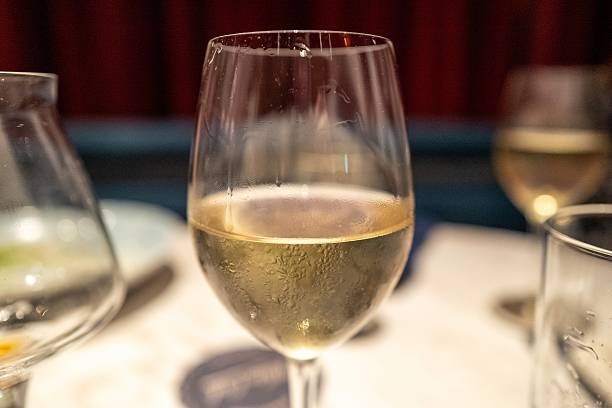
Visual cues and nose impressions are quick indicators of body. Light‑bodied whites often display a pale straw or almost transparent hue, while deeper gold tones suggest more concentration and weight.
Hold the glass against a white background and note if the color is pale straw to light lemon; this range usually aligns with the lightest styles.
On the nose, seek delicate floral, green apple, or citrus aromas that evaporate quickly, as heavy, ripe fruit or buttery notes are hallmarks of fuller bodies. Swirl gently and watch the wine’s legs; faint, slow‑forming legs can betray hidden alcohol or sugar, pushing the wine out of the light category.
Combine these visual and aromatic observations with your earlier ABV and acidity checks to confidently select the wine that truly embodies the lightest white profile on the market.
Best Light White Wines for Everyday Drinking

Pinot Grigio from Italy
Pinot Grigio from Italy is the quintessential light white wine for daily enjoyment. Its pale straw hue and crisp acidity make it easy to sip on any occasion.
Look for versions from the Veneto or Friuli regions, where the grapes stay cool on the hillside, preserving fresh citrus and green apple flavors. Serve chilled at 45‑50°F to highlight its bright profile, and pair it with salads, seafood, or light pasta dishes.
When shopping, choose bottles labeled “extra dry” for the least residual sugar, ensuring a clean finish. For a budget-friendly option, try a regional cooperative label, which often offers consistent quality at lower prices.
Store the bottle upright in a cool, dark place and consume within a year of release to enjoy its peak freshness. Enjoy it as a refreshing aperitif before dinner, or keep a few glasses on hand for spontaneous gatherings.
Sauvignon Blanc from New Zealand
Sauvignon Blanc from New Zealand delivers a vibrant, light-bodied profile that ranks among the most refreshing whites available. Grown primarily in Marlborough, the grapes absorb intense sunlight, creating pronounced aromas of tropical passion fruit, lime zest, and subtle herbaceous notes.
Chill to 48‑52°F before serving to preserve its lively acidity and aromatic intensity. Pair this wine with goat cheese salads, grilled shrimp, or Asian-inspired dishes featuring cilantro and lime for a harmonious match.
When selecting a bottle, look for descriptors like “crisp” or “zesty” and avoid those labeled “oak-aged,” which can add weight. For everyday drinking, a mid-range price point around $12‑$18 offers excellent value without compromising quality.
Keep the bottle refrigerated after opening and finish within three days to maintain its bright character. A glass on a sunny patio amplifies its citrus sparkle, making it perfect for casual brunches or relaxed evenings.
Vinho Verde from Portugal
Vinho Verde from Portugal is often hailed as the lightest white wine on the market, thanks to its low alcohol (typically 8‑11%) and gentle effervescence. Originating in the Minho region, it showcases bright green‑apple, lemon, and subtle floral aromas that feel almost airy on the palate.
Serve at 45‑50°F and enjoy its slight fizz, which adds a refreshing lift without overwhelming the senses. This wine pairs beautifully with grilled fish, fresh salads, or spicy tapas, where its crisp acidity balances heat and richness.
When buying, choose a “young” or “classic” style for the purest expression, and avoid versions labeled “reserve,” which may be richer and less delicate. For everyday sipping, a modest price of $7‑$12 delivers excellent value. Consume within six months of purchase to experience its signature lightness at its best.
Its playful sparkle makes it a crowd‑pleaser at picnics, and a single bottle can easily keep a small gathering lively without the heaviness of stronger wines.
Tips for Pairing Light White Wines with Food
Seafood and shellfish matches
Pair bright, citrus‑driven seafood and shellfish with the lightest white wine to let delicate flavors shine. The wine most often cited as the lightest is a crisp, low‑alcohol Pinot Grigio or a delicate Albariño, both offering bright acidity and subtle fruit without overwhelming body.
Serve it chilled alongside grilled shrimp, lemon‑zested scallops, or a raw oyster platter. The wine’s acidity cuts through the briny salt, while its subtle floral notes echo the sea’s freshness.
For a Mediterranean twist, drizzle a splash of extra‑virgin olive oil and a pinch of sea salt on the seafood, then sip the wine to enhance the mineral backbone. Key tip: keep the wine temperature around 45‑50°F (7‑10°C) to preserve its light, refreshing character and prevent it from becoming flabby.
A light, unoaked style ensures the pairing stays elegant and never overpowers the subtle marine notes.
Light salads and vegetables
Fresh, crisp salads and lightly cooked vegetables are perfect companions for the lightest white wine, such as a breezy Pinot Grigio or a subtle Albariño. Their high acidity lifts vinaigrette dressings while their gentle fruit profile mirrors the garden’s natural sweetness.
Pair a mixed arugula, citrus, and fennel salad with a splash of lemon juice, then enjoy a sip of the wine to accentuate the peppery bite of arugula and the bright citrus notes.
For steamed asparagus or green beans tossed in a light herb butter, the wine’s subtle minerality balances the buttery richness without masking the vegetable’s fresh character.
Key tip: serve the wine slightly colder than typical whites, around 48°F (9°C), to keep its delicate aromatics vivid and to prevent the palate from feeling heavy.
A drizzle of extra‑virgin olive oil and a pinch of sea salt on the veggies will echo the wine’s saline edge, creating a harmonious finish.
Soft cheeses and appetizers
Soft, creamy cheeses and bite‑size appetizers find a graceful partner in the lightest white wine, often identified as a crisp Pinot Grigio or a gentle Albariño.
The wine’s bright acidity cuts through the richness of cheeses like fresh mozzarella, chèvre, or a mild brie, while its subtle fruit notes highlight herbs and mild spices.
Serve a platter of goat cheese drizzled with honey and toasted walnuts, accompanied by a glass of chilled light white wine to balance the sweet‑nutty profile.
For savory appetizers such as smoked salmon canapés, cucumber slices with dill cream cheese, or light prosciutto‑wrapped melon, the wine’s mineral edge amplifies the salty‑sweet interplay without overwhelming delicate flavors.
Key tip: keep the wine at 46‑50°F (8‑10°C) and consider a slight pour‑and‑swirl to release its aromatic freshness, ensuring each bite is lifted by a crisp, clean finish that accentuates rather than masks the cheese’s creaminess.
Where to Buy Light White Wines Online
Trusted e‑commerce platforms
Begin your search on reputable sites such as Wine.com, Total Wine, and Vivino Marketplace. These platforms verify seller credentials, offer extensive catalogs, and provide detailed filter options for varietal, region, and price.
Look for listings that specifically label the wine as “light‑bodied,” “crisp,” or “low‑alcohol,” which are typical descriptors of the lightest white wines. Many sites also feature curated collections like “Best Light White Wines” that streamline the decision‑making process. Take advantage of the price‑match guarantee and free‑shipping thresholds to maximize value.
Additionally, sign up for newsletters to receive exclusive discounts and early access to limited‑release bottles. By concentrating on trusted e‑commerce platforms, you reduce the risk of counterfeit products and ensure a reliable delivery experience.
Check the seller’s rating history and verify that they ship to your region, as some premium light whites are only available in specific states.
Reading reviews and ratings
Before committing to a purchase, dive into customer reviews and professional ratings to gauge the true character of a light white wine. Look for comments that mention “delicate aroma,” “bright acidity,” and “refreshing finish,” which signal a genuinely light profile.
Websites like Wine Spectator, Robert Parker, and CellarTracker assign numeric scores; aim for wines that score between 85 and 90 points, as this range often balances quality with a subtle palate.
Pay attention to the average rating and the number of reviews; a high average based on dozens of feedbacks is more reliable than a perfect score from a single reviewer. Filter reviews by “food‑pairing” notes to ensure the wine complements salads, seafood, or light appetizers.
Finally, use the “review‑summary” feature to quickly compare multiple options and identify the best‑value choices without spending hours reading each individual comment.
Shipping considerations
Shipping can affect the freshness and taste of the lightest white wines, so evaluate delivery policies before adding a bottle to your cart. Choose retailers that offer temperature‑controlled packaging or insulated mailers, especially for delicate varieties like Pinot Grigio or Albariño that lose aromatic intensity when exposed to heat.
Review the estimated delivery window; a 2‑3 day service is ideal to minimize oxidation, while standard 5‑7 day shipping may be acceptable for wines with higher acidity. Verify that the carrier provides tracking information and a damage‑claim process, so you can quickly address any broken bottles or compromised seals.
Some platforms also include a satisfaction guarantee, allowing returns or replacements if the wine arrives off‑taste.
Finally, compare shipping costs across options; free‑shipping thresholds often apply to orders over a certain dollar amount, which can be a smart way to save while ensuring your light white wine arrives in optimal condition.
How to Store Light White Wines for Freshness
Ideal temperature range
Store light white wines at a cool, stable temperature to preserve their delicate aromas and crisp acidity. Aim for 45‑50°F (7‑10°C), which is slightly colder than the typical red‑wine cellar but warmer than a refrigerator’s freezer compartment.
Temperatures above 55°F (13°C) can accelerate oxidation, flatten the subtle fruit notes, and cause premature aging, while too‑cold conditions may mute flavors and create a dull mouthfeel.
Consistent cooling also helps maintain the wine’s natural acidity, essential for the lightest whites such as Pinot Grigio, Albariño, or a crisp Sauvignon Blanc. By keeping the environment within this narrow range, you protect the wine’s freshness and ensure it remains lively from the first sip to the last.
If you lack a dedicated unit, a wine cooler set to the same range works well, and you should monitor with a digital thermometer to catch any drift. Remember that storage in a dark place further shields the wine from light‑induced spoilage.
Proper bottle positioning
Positioning the bottle correctly helps limit oxygen exposure and preserves the wine’s subtle profile. Store bottles horizontally on their side so the cork stays moist, preventing it from drying out and allowing air to seep in.
For screw‑cap bottles, a slight tilt is acceptable, but keeping them upright reduces the surface area of wine exposed to any potential leaks.
Avoid stacking heavy items on top of the bottles, as pressure can damage the seal and alter the delicate balance of flavors in light whites like a chilled Vermentino or a light‑bodied Riesling.
Place the bottles away from vibrations caused by appliances or foot traffic; even minor shaking can accelerate aging. Use a stable rack with individual slots to keep each bottle isolated, ensuring consistent positioning and easy access for regular checks.
Maintain a modest humidity of 60‑70% around the storage area; this further protects the cork and keeps the wine’s freshness intact over time.
Shelf life after opening
The moment you uncork a light white wine, its freshness begins to fade, so proper handling after opening is crucial. Re‑seal the bottle with its original cork or a wine stopper to limit oxygen contact, and store it upright to keep the liquid away from the cork surface.
Refrigerate the wine promptly; a temperature of 40‑45°F (4‑7°C) slows microbial activity and preserves the bright acidity that defines wines such as a delicate Pinot Blanc or an airy Muscadet.
Generally, a light white will stay enjoyable for 3‑5 days if kept cold and sealed, though subtle flavor changes may appear after the second day. For longer storage, consider transferring the wine to a smaller, airtight container to reduce headspace and further limit oxidation.
Taste before serving to assess any loss of vibrancy, and enjoy the wine while its crisp character remains at its peak.
Frequently Asked Questions About Light White Wines
Can light wines age well?
Light white wines, such as Pinot Grigio, Albariño, or the ultra‑crisp Vinho Verde, are prized for their fresh fruit and delicate acidity rather than long‑term structure. Because they contain lower tannin and limited oak influence, they generally do not improve significantly with extended bottle aging.
Most producers aim to release them within a year of harvest to capture their vibrant aromatics. However, a few high‑quality examples from cool climates—especially well‑balanced Albariños with firm acidity—can develop subtle nutty notes after two to three years.
If you choose to cellar a light wine, store it in a cool, dark environment at 50‑55 °F and limit storage to no more than three years.
For everyday enjoyment, serve these wines young, ideally within 12 months, to experience the bright citrus, green apple, and mineral flavors that define the lightest white wine styles.
Are light wines always low in calories?
Many drinkers assume that a wine’s light body automatically means fewer calories, but the relationship is more nuanced. The lightest white wine—often a dry Pinot Grigio, Sauvignon Blanc, or Vinho Verde—typically contains 110‑120 calories per 5‑ounce serving, mainly derived from alcohol rather than residual sugar.
A dry wine with 12% ABV will have roughly the same calorie count as a slightly sweeter wine with 10% ABV because alcohol contributes about 7 calories per gram.
If you prioritize low‑calorie options, look for wines labeled “extra dry” or “brut” and with an alcohol by volume (ABV) under 12%. Some producers also offer “light” versions that are filtered to reduce phenolics, which can slightly lower the calorie load.
Pair these wines with light appetizers such as citrus‑marinated seafood or fresh salads to keep the overall meal modest in calories while still enjoying the crisp, aromatic profile that characterizes the lightest white wines.
How to serve a light white wine at the right temperature
Serving a light white wine at the proper temperature is essential to preserve its delicate aromatics and crisp acidity. The lightest white wines—including Pinot Grigio, Albariño, and Vinho Verde—are best enjoyed chilled to 45‑50 °F (7‑10 °C).
At this range, the fruit‑forward notes of lemon, green apple, and tropical stone fruit remain vivid, while excessive cold can mute the subtle floral and mineral nuances.
To achieve the ideal temperature, place the bottle in the refrigerator for 2‑3 hours before service, or use an ice bucket with a 1:1 ice‑water mixture for a quick chill of 15‑20 minutes.
Avoid over‑chilling; if the wine feels too sharp, let it sit for a few minutes at room temperature to open up.
When pouring, use a white‑wine glass with a slightly tapered rim to concentrate the bouquet, and serve about 5‑6 ounces per glass to ensure the wine stays within the optimal temperature window throughout the tasting.
Frequently Asked Questions
What defines a ‘light’ white wine?
A light white wine usually has low alcohol (around 9‑11% ABV), high acidity, and a thin, delicate body that feels refreshing rather than heavy.
Which white wines are generally considered the lightest?
The lightest options include Italian Pinot Grigio, Portuguese Vinho Verde, Spanish Albariño, French Muscadet, and dry German Riesling, all known for their crisp, low‑weight profiles.
How does alcohol content affect the perceived weight of a white wine?
Lower alcohol contributes to a lighter mouthfeel because there’s less ethanol to add body and warmth, making the wine feel more delicate and easier to drink.
What food pairings work best with the lightest white wines?
Light white wines pair well with seafood, salads, light poultry dishes, fresh cheeses, and dishes with citrus or herbaceous flavors, as the wine’s acidity complements rather than overwhelms the food.
Can I find light white wines from New World regions?
Yes, many New World producers make light styles—look for cooler‑climate Pinot Grigio from Oregon, Sauvignon Blanc from New Zealand’s Marlborough region, and low‑alcohol blends from California’s coastal vineyards.
How should I serve the lightest white wines for optimal enjoyment?
Serve them chilled at 45‑50°F (7‑10°C) to highlight their crisp acidity and delicate aromas; a short, gentle swirl in the glass can release subtle fruit notes without adding heaviness.
Conclusion
In short, the lightest white wines are crisp, low‑alcohol varieties such as Albariño, Vinho Verde, and unoaked Pinot Grigio, offering bright acidity and subtle fruit without weight. These wines shine best chilled, paired with salads, seafood, or light appetizers. Remember, “lightness” can also depend on personal palate, so experiment with different regions and styles. Enjoy exploring these refreshing options and find your perfect sip.


