
What Is Sweet Sherry
Sweet sherry is a rich, fortified wine from Spain’s Jerez region, known for its luscious honeyed flavors and smooth finish. In this quick guide we’ll explain how it’s made, the different styles you might meet, and the best ways to enjoy it—whether sipping on its own, pairing with desserts, or adding a splash to cocktails. Stick around, and you’ll have a clear, tasty understanding in just a few minutes, and feel confident choosing your favorite today.
What is Sweet Sherry?
Definition and basic characteristics
Sweet sherry is a fortified wine originating from the Jerez region of southern Spain, crafted by blending a base wine with a neutral grape spirit to raise the alcohol level to around 15–20 % ABV.
Unlike its dry counterparts, sweet sherry undergoes a process called “solera,” where younger wines are continuously blended with older barrels, creating a harmonious balance of flavors and a consistent style over time.
The hallmark of sweet sherry is its pronounced residual sugar, which can range from lightly sweet to lusciously syrupy, delivering notes of dried fruits, honey, caramel, and toasted nuts.
Aromatically, it often presents aromas of raisins, figs, and subtle spices, while on the palate it offers a velvety texture and a lingering finish. Because of its richness and complexity, sweet sherry pairs well with desserts, strong cheeses, and even savory dishes that benefit from a touch of sweetness.
Types of sweet sherry
There are several celebrated styles of sweet sherry, each produced using distinct grape varieties and aging methods that shape their flavor profile.
Pedro Ximénez (PX) is the richest, made from sun‑dried grapes that yield an intensely dark, syrupy wine brimming with raisin, fig, and molasses notes, often enjoyed as a dessert sip.
Moscatel offers a lighter, aromatic alternative, featuring floral and citrus nuances alongside honeyed sweetness, making it ideal for pairing with fruit‑based desserts.
Cream sherry is a blend of dry fino or amontillado with a touch of Pedro Ximénez, resulting in a medium‑sweet wine with balanced acidity and flavors of caramel, toasted almonds, and dried apricots.
Lastly, Pedro Ximénez‑flavored fino (also called “Fino PX”) starts as a dry fino that is finished with PX wine, delivering a delicate dry backbone softened by subtle sweetness. These varieties provide a spectrum of sweetness levels, allowing enthusiasts to select the perfect style for any culinary occasion.
How it differs from dry sherry
The primary distinction between sweet and dry sherry lies in residual sugar, production timing, and the influence of oxidative aging.
Dry sherries such as fino, manzanilla, and amontillado are fortified early and then aged under a layer of yeast called flor, which protects the wine from oxidation and yields crisp, saline, and nutty characteristics with minimal sweetness.
In contrast, sweet sherries are either fortified later or blended with naturally sweet wines like Pedro Ximénez, allowing higher sugar levels to remain and encouraging oxidative maturation that deepens color and flavor complexity.
This results in richer mouthfeel, pronounced notes of dried fruit, caramel, and spice, and a softer acidity compared with the bright, zesty profile of dry styles. Additionally, serving temperatures differ: dry sherries are typically chilled, while sweet varieties are served slightly warmer to accentuate their aromatic intensity and silky texture.
How Sweet Sherry Is Made

Grape varieties used
Sweet sherry begins with a select handful of white grapes grown in the Jerez‑Xérès region of southern Spain. The primary varieties are Palomino, which provides a neutral base, Pedro Ximénez for intense raisin‑like sweetness, and Moscatel, which adds floral aromatics.
Winemakers harvest the grapes at varying ripeness levels; Palomino is often picked earlier to retain acidity, while Pedro Ximénez is left on the vine longer or dried on mats (pasas) to concentrate sugars.
After crushing, the juice is fermented in stainless steel or oak vats, but fermentation is deliberately stopped early for Pedro Ximénez to preserve residual sugar. The resulting young wine is then ready for fortification, the next crucial step toward the characteristic sweet profile of sherry.
The blend of these varieties, combined with the chalky albariza soils and maritime climate, creates the balanced acidity that allows the sweetness to shine without becoming cloying.
Fortification process
Fortification transforms the base wine into sweet sherry by adding a neutral grape spirit, known as solera brandy, at a precise alcohol level. For sweet styles, the spirit is introduced when the wine’s alcohol is around 12–13% ABV, raising it to roughly 15–16% ABV.
This timing halts fermentation, locking in the natural sugars from the grapes. In the case of Pedro Ximénez sherry, the wine may already be highly concentrated; a smaller dose of brandy is used merely to stabilize the product.
The added spirit also contributes subtle vanilla and oak notes that complement the fruitiness. Winemakers carefully record the volume of brandy added per barrel, ensuring consistency across batches. This controlled fortification is essential for achieving the luscious mouthfeel and balanced sweetness that define sweet sherry.
The precise alcohol target also helps the wine integrate smoothly with the solera system later on.
Aging methods (solera)
The hallmark of sweet sherry aging is the solera system, a series of oak barrels arranged in tiers that allow continuous blending and maturation. Young fortified wine, called vino nuevo, is poured into the bottom tier (the solera), while a portion of that wine is drawn off for bottling.
The vacated space is then replenished with wine from the tier above (the criadera), and this upward refill continues through several levels, sometimes up to five or six. Each draw introduces older, oxidized wine into the younger stock, creating a harmonious balance of fresh fruit and nutty, caramelized flavors.
The barrels are kept in a humid, temperature‑controlled cellar, promoting slow oxidative aging that deepens color and aroma. Over years, the solera develops a consistent profile, so every bottle of sweet sherry reflects the collective history of the entire system rather than a single vintage.
Best Sweet Sherry Brands to Try
Popular commercial brands
Sweet sherry is a fortified wine from Spain’s Jerez region, known for its rich, nutty flavors and a pleasant hint of dried fruit.
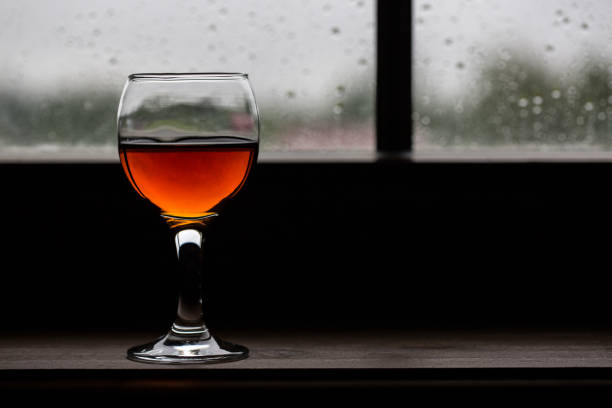
Key characteristics include a higher residual sugar level, a deep amber hue, and a smooth, velvety mouthfeel that makes it ideal for dessert pairings or sipping on its own. When looking for popular commercial options, several well‑distributed brands consistently deliver quality.
Tio Pepe Solera Reserva offers a classic Pedro Ximénez style with luscious caramel notes, while Harveys Bristol Cream blends multiple sherry types for a balanced sweetness and creamy texture. González Byass Tío Pepe Sweet provides an approachable profile with hints of figs and toasted almonds, perfect for newcomers.
These brands are widely available in supermarkets and liquor stores, ensuring you can easily explore the world of sweet sherry without hunting specialty shops.
Boutique and artisanal producers
Beyond the big names, boutique and artisanal producers craft sweet sherry with a focus on terroir and traditional aging methods, often resulting in more complex aromatics. Artisan emphasis means hand‑picked grapes, longer solera cycles, and limited releases that showcase unique expressions of Pedro Ximénez and Moscatel.
Lustau Solera Reserva Dulce from Bodegas Lustau uses a 30‑year solera, delivering intense raisin, honey, and spice notes that linger on the palate. González Byass Tío Pepe Pedro Ximénez offers a small‑batch, barrel‑aged version with deep mahogany color and pronounced fig and caramel flavors.
Alvear Pedro Ximénez Gran Reserva is another hidden gem, aged in American oak barrels for over 25 years, producing a silky texture and notes of dates, tobacco, and dark chocolate.
These producers often sell through specialty wine shops or online retailers, allowing enthusiasts to discover nuanced sweet sherries that differ markedly from mass‑market offerings.
Price ranges and value
Understanding price ranges helps you choose sweet sherry that fits both your budget and taste expectations. Value tiers generally fall into three categories: entry‑level, mid‑range, and premium.
At the entry level, bottles like Harveys Bristol Cream or Tío Pepe Sweet can be found for $10‑$15, offering approachable sweetness and reliable quality for casual sipping or dessert pairings.
Mid‑range selections such as Lustau Solera Reserva Dulce or González Byass Pedro Ximénez typically cost $20‑$35, delivering richer depth, longer finish, and more pronounced nutty and caramel nuances that justify the modest price increase.
Premium sweet sherries, often limited releases from boutique houses like Alvear Gran Reserva or Bodegas Tradición Pedro Ximénez, command $50 or more, reflecting extensive aging, meticulous production, and exceptional complexity.
By matching your desired price point with the appropriate quality tier, you can enjoy the full spectrum of sweet sherry without overspending, ensuring each glass offers both pleasure and good value for money.
How to Taste Sweet Sherry Properly
Glassware selection
Choose a tulip‑shaped glass that narrows at the rim to concentrate aromas while allowing enough bowl for swirling. Hold the glass by the stem to keep the wine at the proper temperature and avoid warming your hand.
Opt for clear crystal so you can assess the wine’s amber hue and viscosity. Avoid overly large coupe glasses, which disperse aromas too quickly, and steer clear of thick, heavy goblets that mute subtle notes.
A glass with a slightly flared lip encourages a gentle flow onto the palate, enhancing the perception of sweetness and acidity. Before pouring, chill the sherry to 10‑12 °C (50‑54 °F) and let it sit for a moment to release its bouquet.
By selecting the right vessel, you set the stage for a focused, sensory‑rich tasting experience that highlights the unique character of sweet sherry.
Tasting steps (visual, aroma, palate)
Begin with the visual assessment: hold the glass against a light source to evaluate the sherry’s amber to mahogany color, which hints at age and oxidation. Note the legs that form on the glass wall; slower‑running legs suggest higher sugar and alcohol.
Swirl gently and inhale deeply, capturing the layered aromas of dried fruits, honey, and nutty undertones. Identify primary scents such as apricot, fig, or caramel, then explore secondary notes like toasted almond or vanilla. Move to the palate by taking a modest sip, letting it coat the tongue.
Observe the balance between sweetness, acidity, and a subtle bitter edge that prevents cloying. Pay attention to texture—silky, viscous, or slightly oily—since mouthfeel is a key differentiator among sweet sherries. Finish by noting the length of the after‑taste; a lingering, complex finish signals quality and proper aging.
Common flavor notes
Sweet sherry showcases a spectrum of flavors that evolve from the first sip to the lingering finish. Dominant fruit notes often include ripe apricot, luscious peach, and dark fig, delivering a plush sweetness balanced by natural acidity.
Complementary nutty and caramelized tones such as toasted almond, hazelnut, and burnt sugar emerge from oxidative aging, adding depth and complexity. Subtle spice hints—cinnamon, clove, or a whisper of orange zest—can appear, especially in sherries aged in seasoned barrels.
The saline edge derived from the coastal terroir provides a refreshing contrast, preventing the wine from feeling overly syrupy. Finally, a faint oxidative character reminiscent of sherry vinegar or aged balsamic may surface in well‑matured bottles, offering a sophisticated, lingering after‑taste.
Recognizing these layered notes helps you appreciate the craftsmanship behind each sweet sherry and guides you in pairing it with desserts, cheeses, or savory dishes.
Food Pairings with Sweet Sherry
Appetizers and cheeses
Sweet sherry is a fortified wine from Spain, known for its rich honeyed flavor, nutty undertones, and a gentle, lingering sweetness. When serving appetizers, choose salty or savory bites that let the wine’s sweetness shine without being overwhelmed.
Pair it with Marcona almonds, prosciutto-wrapped figs, or olives marinated in citrus; the contrast highlights the wine’s caramel notes. For cheese, opt for creamy, mild varieties such as Manchego joven, brie, or a tangy goat cheese, as well as blue cheeses like Stilton where the sweetness balances the sharpness.
Serve the sherry slightly chilled (10‑12 °C) to keep its fruitiness bright. Present a small tasting board so guests can experiment, noting how the wine’s nutty finish enhances each bite and creates a harmonious start to the meal.
A drizzle of honey on the cheese plate can further echo the sherry’s natural sweetness, making every mouthful more cohesive.
Desserts and fruits
Sweet sherry’s luscious honey‑amber hue and ripe raisin aroma make it a natural companion for desserts and fresh fruit. For baked treats, serve it alongside classic Spanish flan, almond cake, or a buttery shortbread; the wine’s acidity cuts through the richness while its caramel notes echo the dessert’s sweetness.
Pair with chocolate desserts such as dark chocolate mousse or brownies; the sherry’s nutty undertone softens bitterness and adds depth. Fresh fruit platters featuring figs, pears, or stone fruits like apricots benefit from a splash of sherry, turning the fruit into a glossy glaze that intensifies flavor.
Serve the wine slightly warmer (12‑14 °C) to release aromatic compounds, and consider a small drizzle of sherry over the dessert just before serving. This technique highlights the wine’s fruity finish and creates a seamless bridge between the dish and the glass, ensuring a memorable sweet ending to the meal.
Cooking uses (sauces, glazes)
Beyond sipping, sweet sherry is a versatile ingredient that can transform sauces, glazes, and marinades with its deep caramel and nutty profile.
In savory sauces, deglaze a pan of seared pork or chicken with a splash of sherry, then add stock, a touch of mustard, and a pinch of thyme; the wine’s sweetness balances the meat’s richness and creates a glossy, velvety finish.
For seafood, a sherry‑infused beurre blanc paired with scallops or lobster brings a subtle sweetness that complements the briny notes.
Glazes for roasted vegetables such as carrots, Brussels sprouts, or sweet potatoes benefit from a reduction of sherry, brown sugar, and balsamic vinegar, resulting in a sticky, caramelized coating that caramelizes during roasting.
When making desserts like poached pears, simmer the fruit in sweet sherry with cinnamon and vanilla; the fruit absorbs the wine’s aromatic depth, delivering a sophisticated dessert that can be served warm or chilled.
Keep the sherry at a gentle simmer to preserve its flavor while allowing alcohol to evaporate, ensuring a balanced result.
Storing and Serving Sweet Sherry
Ideal temperature
Sweet sherry thrives when served at the right chill, highlighting its luscious caramel and dried‑fruit notes. Aim for 10‑12 °C (50‑54 °F) for most styles such as Pedro Ximénez or Cream sherry; this temperature cools the wine enough to balance sweetness without dulling aroma.
If the sherry is too warm, the sugar can feel cloying, while over‑chilling may mute its complex flavors. Use a wine fridge or an ice bucket with a thin layer of ice and water for quick cooling, and let the bottle rest for a few minutes before pouring.
For a slightly warmer experience, especially with richer, aged varieties, let the wine sit at 12‑14 °C (54‑57 °F) for a short period. Consistently monitoring temperature ensures each sip delivers the intended harmony of sweetness, acidity, and nutty undertones.
Keep the bottle away from direct sunlight and store it upright to maintain optimal temperature stability throughout service.
Shelf life after opening
Once opened, sweet sherry remains enjoyable for a limited period, and knowing the shelf life helps prevent waste.
Generally, a sealed bottle lasts 2‑3 weeks in the refrigerator, though richer styles like Pedro Ximénez may stay vibrant for up to a month due to higher residual sugar acting as a natural preservative.
To maximize freshness, re‑cork the bottle tightly or use a vacuum pump to remove excess air, which slows oxidation. Store the bottle upright to reduce surface area exposed to oxygen.
Observe the wine’s aroma and taste regularly; a loss of nutty notes, emergence of flat or vinegar‑like scents indicates the sherry is past its prime. By tracking these signs and adhering to the 2‑3‑week guideline, you can enjoy each glass at its peak flavor while minimizing spoilage.
If you anticipate a longer storage period, consider transferring the sherry to a smaller, airtight container to limit the air headspace, which further slows degradation and preserves the delicate balance of sweetness and acidity.
Tips for preserving freshness
Maintaining the vibrant character of sweet sherry requires a few proactive steps that protect its aroma and palate‑rich texture. First, keep the bottle chilled after each pour; a consistent 8‑10 °C (46‑50 °F) slows oxidative reactions and keeps the wine lively.
Second, limit exposure to light by storing the bottle in a dark cabinet or wrapping it in foil, as UV rays can accelerate flavor loss.
Third, use a wine preservation system—such as inert gas sprays or a Coravin device—to displace oxygen without removing the wine, which is especially useful for occasional sipping. Additionally, avoid temperature fluctuations; rapid changes can cause the wine to expand and contract, compromising the seal.
Finally, label the opening date on the bottle to track its age, ensuring you enjoy the sherry while it remains at its freshest and most expressive.
Pairing the sherry with complementary foods like blue cheese, toasted almonds, or dark chocolate can also help mask minor oxidation, allowing you to appreciate the wine’s sweetness even as it approaches the end of its optimal window.
Common Myths About Sweet Sherry
Myth: It’s only for desserts
Sweet sherry is a fortified wine from the Jerez region of Spain, known for its rich, honeyed flavors and lingering finish. Understanding its style helps dispel the myth that it belongs only on desserts.
While its natural sweetness pairs beautifully with pastries, it also complements savory dishes like roasted poultry, aged cheeses, and even spicy Asian cuisine. The wine’s balance of acidity and nutty undertones prevents it from becoming cloying, making it versatile for both sipping and cooking.
Key tip: Serve it slightly chilled, around 10‑12°C (50‑54°F), to highlight its aromatic profile without muting the subtle fruit notes. By recognizing these qualities, you can appreciate sweet sherry as a flexible companion at the table, not just a dessert topping.
Try pairing it with a slice of sharp manchego or a drizzle over grilled stone‑fruit to experience its depth.
Myth: All sherry is the same
Many assume that all sherry wines share the same taste profile, but sweet sherry stands apart due to its distinct production methods. It begins with a base wine that undergoes fortification, then ages under a layer of yeast called flor or in oxidative barrels, depending on the style.
Sweet varieties such as Pedro Ximénez and Cream sherry receive additional grape concentrate or solera blending, creating a richer, syrupy character that differs dramatically from dry fino or amontillado.
This process imparts flavors of raisins, figs, caramel, and toasted almonds, giving it a complexity that can be mistaken for lower‑quality bulk wine if not understood. Practical tip: Taste a small pour neat before mixing it into sauces, so you can gauge its intensity and adjust seasoning accordingly.
A quick comparison with a dry fino on the same palate will highlight the pronounced sweetness and fuller body of the sweet version.
Myth: Sweet sherry is low quality
Some consumers label sweet sherry as cheap or inferior, yet premium examples are crafted with meticulous care and often command high prices.
Top producers select the finest Pedro Ximénez grapes, sun‑dry them to concentrate sugars, and age the wine in seasoned oak barrels for years, allowing oxidative development that adds depth and elegance.
Quality indicators include a deep amber hue, a balanced sweetness that never overwhelms, and complex aromatics of dried fruit, spice, and subtle tobacco. These characteristics signal a wine made for connoisseurs, not mass‑market filler.
Serving suggestion: Pair a high‑quality sweet sherry with strong blue cheese, pâté, or a chocolate tart; the contrast enhances both the food and the wine, proving that sweet sherry can be a sophisticated finish to any meal.
When stored properly, a bottle can evolve for decades, rewarding patient collectors with nuanced layers that rival fine ports.
Frequently Asked Questions
What is sweet sherry?
Sweet sherry is a fortified wine from the Jerez region of Spain that contains added grape spirit, giving it a higher alcohol content and a rich, sugary flavor. It is typically amber or deep gold in color and is enjoyed as a dessert wine.
How is sweet sherry made?
Sweet sherry is produced by fermenting Palomino, Pedro Ximénez, or Moscatel grapes, then fortifying the wine with a neutral grape spirit before fermentation finishes. The remaining residual sugar gives it its characteristic sweetness, and it may be aged in a solera system for added complexity.
What are the main styles of sweet sherry?
The primary sweet styles include Pedro Ximénez (PX), a dark, syrupy wine made from sun-dried grapes, and Cream sherry, a blend of dry sherry with a touch of PX to soften its palate. Moscatel sherry offers floral aromas and a lighter sweetness compared to PX.
How does sweet sherry differ from dry sherry?
Dry sherries, such as Fino or Amontillado, have little to no residual sugar and a crisp, nutty profile, while sweet sherries retain significant sugar, resulting in a richer, more luscious taste. The fortification timing also differs: sweet sherry is fortified earlier to preserve sweetness.
What foods pair well with sweet sherry?
Sweet sherry pairs beautifully with desserts like chocolate cake, fruit tarts, and caramel puddings. It also complements savory dishes such as blue cheese, pâtés, and roasted nuts, creating a balanced contrast between sweet and salty flavors.
How should sweet sherry be stored and served?
Store sweet sherry in a cool, dark place with the bottle sealed to preserve its freshness; once opened, keep it refrigerated and consume within a few weeks. Serve it slightly chilled, around 10‑12 °C (50‑54 °F), in a small wine glass to concentrate its aromas.
Conclusion
Sweet sherry, a fortified wine from Spain’s Jerez region, blends Palomino grapes, fortification, and solera aging to create a luscious, honey‑kissed profile of dried fruit, nuts, and caramel. Its versatile sweetness makes it perfect as an aperitif, dessert companion, or cooking ingredient. Remember the key styles—Pedro Ximénez, Cream, and Moscatel—and explore pairings with cheese, chocolate, or roasted meats. Dive in and discover your favorite sweet sherry today.
