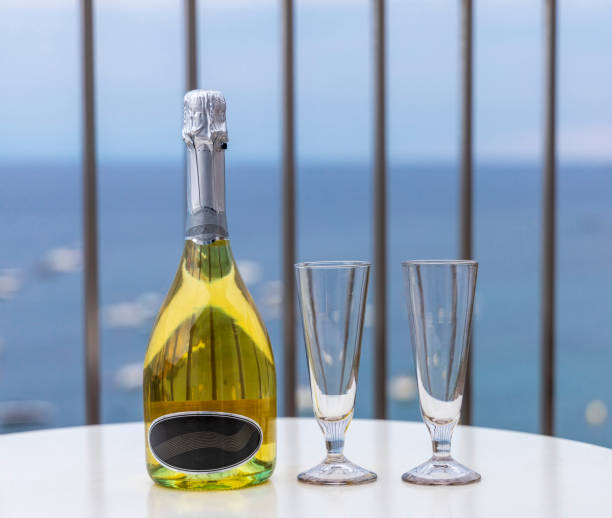
What Is Spumante
Curious about spumante? It’s Italy’s sparkling wine, a lively, effervescent drink made by trapping carbon dioxide during fermentation. Whether you’re sipping a crisp Prosecco‑style bottle or a richer Asti, spumante offers bright fruit flavors and a festive fizz perfect for celebrations or casual evenings. In the next few lines we’ll break down its origins, production methods, and how to choose the right bottle for any occasion, so you can enjoy it confidently. You’ll also learn simple serving tips and pairings.
What is Spumante?
Definition and origin
Spumante is the Italian term for sparkling wine, derived from the verb “spumare” meaning “to foam.” It refers to any wine that contains carbon dioxide bubbles, created either through the traditional method (méthode champenoise) or the tank method (Charmat).
Historically, spumante emerged in the 19th century when Italian winemakers began experimenting with secondary fermentation in sealed bottles, inspired by French Champagne. Regions such as Franciacorta, Trento, and Asti became renowned for their distinct styles, each using local grape varieties like Chardonnay, Pinot Nero, Moscato, and others.
Today, spumante enjoys protected designation of origin (DOC/DOCG) status in many areas, guaranteeing specific production standards. Understanding its roots helps appreciate the cultural heritage and craftsmanship behind each effervescent sip, making spumante more than just a fizzy drink—it is a celebration of Italian viticultural tradition and enjoyment.
Key characteristics
The hallmark of spumante lies in its fine, persistent bubbles that create a lively mouthfeel and a bright, aromatic profile. Typically, spumante exhibits a balanced acidity that accentuates fruit flavors ranging from crisp green apple and citrus in dry styles to luscious peach, apricot, and honeyed notes in sweeter versions.
Production methods influence texture: the traditional method yields finer, longer‑lasting mousse due to secondary fermentation in the bottle, while the Charmat tank method produces larger, more immediate bubbles. Alcohol levels generally sit between 10% and 12% for lighter varieties and can rise to 13%–14% for richer, full‑bodied expressions.
Color varies from pale straw in Brut or Extra Dry spumante to golden hues in Moscato d’Asti.
Aging potential also differs; some premium Franciacorta can mature for several years, developing complex toasty and nutty nuances, whereas most everyday spumante is best enjoyed young, within a year of release to preserve its fresh vibrancy.
How it differs from other sparkling wines
While spumante shares the effervescence of Champagne, Prosecco, and Cava, several factors set it apart. First, the grape selection is uniquely Italian: varieties such as Chardonnay, Pinot Nero, and especially Moscato dominate, imparting distinct floral and fruit signatures not typically found in French or Spanish blends.
Second, regional production rules differ; for example, Franciacorta must follow the strict traditional method with minimum aging on lees, whereas Prosecco relies on the Charmat process and permits shorter lees time.
Third, labeling conventions highlight sweetness levels using terms like Brut, Extra Dry, and Demi‑Sec, but Italian regulations also include designations such as “Moscato d’Asti” for lightly sparkling, aromatic wines.
Moreover, terroir influences flavor: the cool Alpine climate of Trentino yields crisp, mineral‑driven spumante, while the warm Piedmont hills produce richer, aromatic styles. Understanding these nuances helps consumers choose the right sparkling wine for a given palate, occasion, or food pairing, ensuring a more informed and enjoyable tasting experience.
How is Spumante Made?

Primary fermentation methods
The first step in creating spumante is the primary fermentation, where harvested grapes are pressed and the juice is transformed into a still base wine. Winemakers select yeast strains that thrive at controlled temperatures (typically 12‑18 °C) to preserve fruit aromas.
During this phase, sugars are converted into alcohol, and the wine gains its foundational flavor profile. Winemakers may opt for cold fermentation to retain delicate aromatics or a warm fermentation for richer, fuller‑bodied bases.
The resulting wine is filtered and stabilized, ready for the secondary fermentation that will generate the characteristic bubbles of spumante.
Secondary fermentation techniques
Spumante obtains its sparkle through secondary fermentation, where residual sugar and yeast are re‑introduced to the base wine. In the Traditional Method (Metodo Classico), the wine ferments in sealed bottles, creating natural carbonation and fine, persistent bubbles; the wine ages on its lees for added complexity.
The Charmat (Tank) Method conducts fermentation in large, pressurized stainless‑steel tanks, delivering fruit‑forward, lively bubbles ideal for lighter styles. Winemakers control temperature (12‑16 °C) and pressure (5‑6 atm) to ensure consistent effervescence. After fermentation, the wine is filtered, dosage may be added, and the final product is bottled under pressure.
Typical grape varieties used
Spumante can be crafted from a range of grape varieties, each imparting distinct flavor notes. Glera dominates Italian Prosecco spumante, offering crisp green apple and pear aromas. Moscato Bianco yields sweet, aromatic Moscato d’Asti with floral and peach nuances.
In France, Chardonnay and Pinot Noir are the backbone of Champagne‑style spumante, delivering elegance and minerality. Trebbiano and Verdicchio are common in Italian spumanti, contributing freshness and subtle citrus.
Winemakers may blend multiple varieties to balance acidity, body, and aromatic intensity, ensuring the final spumante aligns with the desired style and market expectations.
Quality control and labeling standards
Spumante production adheres to strict quality control and labeling regulations to guarantee authenticity. In Italy, designations such as DOC and DOCG define geographic origin, permitted grape varieties, and minimum pressure levels (≥3 atm). Labels must disclose residual sugar categories (Brut, Extra‑Dry, etc.) and indicate the fermentation method when required.
Bottles undergo pressure testing, microbial stability checks, and sensory evaluation for aroma, flavor, and bubble quality. International standards, like the EU sparkling wine regulations, also dictate minimum alcohol content (≥10% ABV) and aging requirements for traditional‑method spumante. Compliance ensures consumers receive a product that meets both safety and quality expectations.
Types of Spumante You Should Know

Prosecco Spumante
Prosecco Spumante is Italy’s most popular sparkling wine, made primarily from the Glera grape in the Veneto and Friuli regions. It is produced using the Charmat method, where secondary fermentation occurs in large stainless‑steel tanks, preserving fresh fruit aromas and a light, frothy texture.
When choosing a bottle, look for the designation ‘DOC’ or ‘DOCG’ to ensure quality standards, and note the sweetness level—Brut, Extra Dry, Dry, or Demi‑Sec—so it matches your palate or dish.
Serve Prosecco chilled at 6‑8 °C to highlight its crisp acidity and delicate bubbles, making it ideal for appetizers, salads, or light pasta dishes.
For a quick cocktail, combine Prosecco with a splash of Aperol or orange juice for a spritz that balances bitterness and sweetness while keeping the celebration effortless. Pair it with seafood such as shrimp scampi or sushi to accentuate its bright citrus notes.
Asti Spumante
Asti Spumante, often simply called Asti, is a sweet, low‑alcohol sparkling wine from the Piedmont region, made exclusively from the Moscato Bianco grape. It is created using the traditional tank method (Charmat), which locks in intense floral and peach aromas while keeping the alcohol around 7‑9 % ABV.
Because of its natural sweetness and gentle effervescence, Asti pairs beautifully with desserts such as tiramisu, fruit tarts, or creamy cheeses, and it also works as a refreshing aperitif on a warm afternoon.
Serve Asti chilled at 8‑10 °C to preserve its aromatic bouquet and prevent the bubbles from becoming flat. When selecting a bottle, check for the ‘DOCG’ label, which guarantees strict production standards and authentic regional character.
For a simple cocktail, mix equal parts Asti and sparkling water with a twist of lemon for a light, palate‑cleansing spritzer that adds elegance without overwhelming the senses.
Metodo Classico Spumante
Metodo Classico Spumante refers to sparkling wines produced with the traditional method, where the second fermentation takes place inside the bottle, just like Champagne.
This technique creates fine, persistent bubbles and allows the wine to develop complex flavors of brioche, toasted nuts, and dried fruit over several months of aging on the lees.
Italian regions such as Franciacorta, Trento, and Oltrepò Pavese excel in this style, using grapes like Chardonnay, Pinot Nero, and Pinot Bianco. Serve Metodo Classico chilled at 7‑9 °C to showcase its aromatic depth while preserving the delicate mousse.
When buying, look for the ‘DOC’ or ‘DOCG’ designation and the term ‘Metodo Classico’ on the label, which guarantees adherence to strict production rules.
Pair these wines with richer dishes—roasted poultry, mushroom risotto, or aged cheeses—to let the wine’s acidity cut through the richness and its nuanced palate linger long after the last sip.
How to Choose the Right Spumante for Your Meal
Assessing sweetness levels
Begin by tasting the spumante to gauge its sugar intensity, which ranges from bone‑dry brut to lusciously sweet demi‑sec. Identify the residual sugar level on the label—look for terms like brut, extra‑dry, dry, demi‑sec, or rosé, each indicating a specific gram‑per‑liter range.
Pair very dry styles with salty or savory dishes such as cured meats, seafood, or mushroom risottos, as the crispness cuts through richness.
For mildly sweet spumante, choose dishes with a hint of spice or mild heat, like Thai curry or roasted carrots glazed with honey, allowing the wine’s fruit to complement without overwhelming.
When serving a dessert, opt for the sweetest options, ensuring the wine’s sugar matches the dessert’s sweetness to avoid a cloying finish. Taste before you serve and adjust the selection based on the overall flavor balance of your meal.
Matching acidity to dishes
Acidity is the engine that lifts flavors, so pinpoint the spumante’s bright edge before pairing. Check the pH and perceived tartness by noting how sharply the bubbles tingle on your palate; higher acidity feels crisp and refreshing.
Pair high‑acid spumante with fatty or rich foods like creamy pasta, fried fish, or cheese boards, as the acidity slices through the fat and refreshes the mouth.
For medium‑acid styles, think of dishes with balanced components such as grilled chicken with herb‑lemon sauce or vegetable‑forward plates like ratatouille, where the wine enhances without dominating. Low‑acid, softer spumante works well with delicate fare—think poached seafood, sushi, or light salads—allowing subtle flavors to shine.
Taste the wine alongside a bite to confirm the acidity complements the dish’s natural brightness, adjusting the pairing if the wine feels flat or overly sharp.
Considering regional styles
Spumante is produced across Italy, each region imparting distinct grapes and techniques that influence flavor, aroma, and texture. Identify the origin—whether it’s a classic Prosecco from Veneto, a fragrant Asti from Piedmont, or a refined Franciacorta from Lombardy—because each style brings a unique profile.
Prosecco’s light, floral character pairs well with antipasti, salads, and light seafood, while its moderate acidity supports creamy risottos. Asti’s sweet, peach‑laden palate shines alongside fruit‑based desserts, spicy Asian dishes, or soft cheeses, offering a harmonious contrast.
Franciacorta, made with Chardonnay and Pinot Nero, delivers a fuller body and fine mousse, making it ideal for richer fare such as lobster bisque, truffle‑infused pasta, or aged cheeses.
Sample a sip from each regional type before finalizing your menu, ensuring the chosen spumante enhances the overall dining experience and reflects the culinary theme you aim to showcase.
Tips for Serving Spumante Properly
Ideal serving temperature
Spumante is an Italian sparkling wine made by secondary fermentation, offering bright acidity and lively bubbles. Serve it chilled to showcase its freshness; the optimal range is 6‑8 °C (43‑46 °F).
Before serving, place the bottle in a bucket of ice and water for about 20‑30 minutes, or chill it in the refrigerator for at least three hours.
If you need a quicker method, wrap the bottle in a wet towel and set it in the freezer for 10‑12 minutes, but never exceed 15 minutes to avoid over‑freezing. Use a thermometer if available to verify the temperature.
Avoid serving too cold, which can mute aromatic nuances, or too warm, which may cause excessive foam and a flabby palate. By respecting this temperature window, you preserve the wine’s delicate fruit aromas and ensure a crisp, balanced mouthfeel for every sip.
Choosing the right glassware
Choosing the proper glass enhances spumante’s sparkle and directs aromas to the nose. Select a tulip‑shaped flute or a white‑wine glass with a narrow rim; the shape concentrates bubbles and preserves carbonation while allowing subtle perfume to rise.
Avoid wide‑bowl coupe glasses, which let bubbles dissipate quickly and flatten the palate. Hold the glass by the stem to keep the bowl cool and prevent hand heat from altering temperature.
When pouring, tilt the glass at a 45‑degree angle and slowly stream the wine down the side, then straighten the glass to create a gentle cascade of bubbles. This technique minimizes foam and showcases the wine’s clarity.
For premium spumante, a slightly larger bowl can be used to reveal complex aromatics, but always keep the rim narrow enough to focus the effervescence. By matching glassware to the wine’s style, you maximize visual appeal and sensory enjoyment.
Opening the bottle without waste
Opening a spumante bottle cleanly prevents loss of liquid and preserves the delicate foam. Start by removing the foil and loosening the wire cage, keeping a thumb over the cork to control pressure.
Hold the bottle at a 45‑degree angle away from people and surfaces, then gently twist the cork while applying steady upward pressure. The cork should ease out with a soft sigh rather than a pop; this releases the gas gradually and avoids splashing.
If the cork resists, pause and allow the internal pressure to equalize by gently rocking the bottle. Once the cork is free, wipe the rim and serve immediately to capture the freshest bubbles.
For larger gatherings, consider using a champagne stopper to keep the wine carbonated for up to 48 hours. By mastering this controlled opening, you eliminate waste, protect the aroma, and ensure every glass delivers the intended sparkle.
Best Food Pairings with Spumante
Appetizers and light bites
Spumante is an Italian sparkling wine, known for its lively bubbles and varying sweetness levels, making it a versatile companion for many starters. Choose a dry (Brut) or extra‑dry style when serving crisp salads, marinated olives, or light seafood ceviche, as the acidity cuts through salt and brightens fresh flavors.
For richer bites like prosciutto‑wrapped melon or creamy ricotta crostini, opt for a semi‑sweet Spumante to balance salty and creamy textures without overwhelming the palate. Serve the wine chilled at 6‑8 °C and present appetizers on chilled platters to maintain temperature.
Pairing the right sweetness level with the bite’s intensity ensures the bubbles cleanse the palate, preparing diners for the next course while highlighting the fruit‑forward aromas of the wine.
Additionally, a splash of citrus zest on the plate can echo the wine’s bright notes, while a drizzle of high‑quality olive oil adds a silky mouthfeel that mirrors the fine mousse of the Spumante.
Main courses and sauces
Spumante’s effervescence and acidity make it an excellent partner for hearty main dishes, especially those featuring rich sauces or savory proteins. Select a Brut or Extra‑Dry Spumante to accompany grilled chicken in a lemon‑herb glaze, as the bubbles lift the citrus aroma and cut through the charred edges.
For tomato‑based pasta or risotto, a semi‑dry Spumante balances the acidity of the sauce while adding a subtle fruit sweetness that enhances the dish’s depth. When serving pork tenderloin with a honey‑mustard glaze, the wine’s natural sweetness mirrors the glaze, creating a harmonious blend.
Serve the wine slightly cooler than white still wines, around 8‑10 °C, to preserve its lively fizz. Pairing the right style with the sauce’s intensity ensures that each sip refreshes the palate, allowing the complex flavors of the main course to shine without being masked by the wine.
Desserts and fruit dishes
Because Spumante ranges from bone‑dry to lusciously sweet, it can be matched to a variety of desserts, turning the finish of a meal into a celebratory moment.
For fruit tarts, berries, or poached pears, choose a demi‑sec or sweet Spumante; the wine’s honeyed notes echo the natural sugars while its acidity prevents the dessert from feeling cloying.
When serving creamy panna cotta or vanilla‑infused cheesecake, a Moscato‑style Spumante adds a fragrant floral layer that complements the milky texture. Chocolate lovers can pair a semi‑dry Spumante with dark chocolate truffles; the subtle sweetness softens the bitterness and the bubbles create a playful contrast.
Serve the wine well chilled, around 6 °C, and present desserts on chilled plates to keep the temperature consistent. By aligning the wine’s sweetness level with the dessert’s richness, each bite is lifted by the lively mousse, delivering a balanced and memorable finale.
Where to Buy Authentic Spumante Online and In Stores
Reputable online retailers
Spumante is the Italian term for sparkling wine, produced through a secondary fermentation that traps carbon dioxide, creating lively bubbles and a refreshing palate. It ranges from dry (Brut) to sweet (Dolce) styles and can be made from grapes such as Prosecco, Moscato, or Chardonnay, often reflecting regional terroir.
When seeking authentic spumante online, prioritize retailers that specialize in Italian wines and provide provenance details, such as the vineyard, harvest year, and production method. Look for certified DOC or DOCG labels, which guarantee strict quality standards and geographic authenticity.
Reputable platforms like Wine.com, Vinfolio, and the online storefronts of Italian cooperatives often list batch numbers and offer customer reviews that help verify legitimacy. Check for secure payment options and clear return policies, especially if the bottle arrives damaged or differs from its description.
Many sites also ship with temperature‑controlled packaging to preserve the wine’s effervescence. Signing up for newsletters can grant access to limited‑edition releases and promotional discounts, making it easier to build a curated collection of genuine spumante without leaving home.
Before purchasing, compare price per litre with market averages and read expert tasting notes to ensure the flavor profile matches your preferences; this diligence reduces the risk of receiving a sub‑par imitation.
Specialty wine shops and supermarkets
Specialty wine shops and well‑stocked supermarkets remain reliable venues for discovering authentic spumante, offering the tactile advantage of inspecting bottles and receiving immediate expert advice.
These retailers often carry a curated selection of DOC and DOCG spumante from renowned regions such as Valdobbiadene, Franciacorta, and Trentino, allowing shoppers to compare styles side by side.
Ask staff to point out the vintage and production method, as traditional méthode champenoise and tank (Charmat) processes yield different bubble textures and flavor nuances.
In larger chains like Total Wine, BevMo, or high‑end grocery stores such as Whole Foods, you’ll find dedicated wine aisles with temperature‑controlled shelving that preserves the wine’s carbonation. Look for sealed corks or screw caps with the official certification seal, indicating the bottle has not been tampered with.
Take advantage of in‑store tastings or request a small sample to gauge acidity, sweetness, and aromatic profile before committing to a full bottle. Many shops also provide loyalty programs that reward repeat purchases with discounts on premium spumante labels.
By combining visual inspection, staff expertise, and tasting opportunities, you can confidently select genuine Italian sparkling wine that meets both quality standards and personal taste preferences.
If you’re unsure, request the retailer’s provenance sheet, which lists the vineyard, bottling date, and any organic certifications, ensuring you receive a bottle that truly reflects its regional heritage.
Frequently Asked Questions
What is spumante?
Spumante is an Italian term for sparkling wine, referring to wines that are carbonated through natural fermentation or added carbon dioxide, and can be made from various grape varieties.
How does spumante differ from prosecco?
Prosecco is a specific type of spumante made primarily from the Glera grape in the Veneto region, while spumante is a broader category that includes many styles and regions, such as Franciacorta and Asti.
What are the main production methods for spumante?
The two main methods are the traditional method (Metodo Classico), where secondary fermentation occurs in the bottle, and the Charmat method, where fermentation happens in large pressurized tanks before bottling.
Which regions in Italy are famous for spumante?
Key regions include Veneto (Prosecco), Lombardy (Franciacorta), Piedmont (Asti Spumante), and Trentino-Alto Adige (Müller-Thurgau Spumante).
How should I serve spumante?
Serve spumante chilled, typically between 6‑8 °C (43‑46 °F), in a flute or tulip glass to preserve its bubbles and enhance its aromas.
What foods pair well with spumante?
Spumante pairs nicely with appetizers, seafood, light pasta dishes, soft cheeses, and desserts like fruit tarts; its acidity and bubbles complement both salty and sweet flavors.
Is spumante always sweet?
No, spumante can range from dry (brut) to semi-sweet (extra dry) to sweet (dolce), depending on the residual sugar level and the style of the wine.
Conclusion
In short, spumante is Italy’s sparkling wine, defined by its lively bubbles, diverse grape blends, and production methods ranging from traditional méthode champenoise to the quick Charmat system. Whether enjoyed as a celebratory toast or paired with food, its crisp acidity and aromatic profile make it versatile. Remember these key points, explore different styles, and let spumante add sparkle to your next gathering.
