
What Is Sancerre
What is Sancerre? It’s a renowned white wine from France’s Loire Valley, made exclusively from Sauvignon Blanc grapes. Known for its crisp acidity, vibrant citrus notes, and flinty minerality, Sancerre pairs perfectly with seafood and goat cheese. But it’s not just a wine—it’s also a charming village where centuries-old winemaking traditions come to life. Whether you’re sipping it at a bistro or exploring its origins, Sancerre delivers elegance in every glass. Let’s dive into what makes it so special.
What is Sancerre?
Definition and Location of Sancerre
Sancerre is a renowned white wine appellation located in the eastern part of France’s Loire Valley, specifically in the Cher department of central France. It is best known for its crisp, aromatic white wines made exclusively from Sauvignon Blanc grapes.
The region also produces limited quantities of red and rosé wines from Pinot Noir, though these are less common.
Sancerre sits on the eastern bank of the Loire River, across from Pouilly-Fumé, and benefits from a continental climate with limestone, flint, and chalk soils that contribute to the wine’s distinctive minerality. The appellation was officially classified as an AOC (Appellation d’Origine Contrôlée) in 1936.
Its elevated vineyards and unique terroir give Sancerre wines their bright acidity, citrus notes, and flinty finish, making them highly sought after worldwide.
Sancerre in the French Wine Map
On the French wine map, Sancerre occupies a strategic position in the Upper Loire Valley, making it one of the most prestigious white wine regions in France. It lies approximately 100 miles south of Paris, placing it at the northern edge of where Sauvignon Blanc can fully ripen.
This cool-climate region produces wines with high acidity and aromatic intensity, setting them apart from richer, more tropical expressions found in warmer regions. Sancerre is often compared to its neighbor, Pouilly-Fumé, but distinguishes itself through greater floral and citrus characteristics due to its varied soil composition.
As a benchmark for Loire Valley whites, Sancerre plays a key role in defining French wine quality standards. Its global reputation ensures it is a staple on wine lists and in collections, representing the elegance and precision of French winemaking.
History of Sancerre Wine Region
The history of Sancerre’s winemaking dates back to the early Middle Ages, when Cistercian and Benedictine monks first cultivated vines on the region’s hillsides. These religious orders laid the foundation for viticulture by identifying the best plots and refining winemaking techniques.
By the 16th century, Sancerre wines were being traded along the Loire River, gaining recognition in Paris and beyond. The phylloxera crisis of the late 1800s devastated vineyards, but replanting efforts revived the region with grafted vines. The establishment of AOC status in 1936 solidified Sancerre’s reputation for quality.
Post-World War II, increased exports, particularly to the United States and the UK, catapulted Sancerre to international fame. Today, the region blends centuries-old traditions with modern practices, producing wines that honor its rich heritage while meeting contemporary tastes for freshness and purity.
How Sancerre Got Its Name
The name ‘Sancerre’ originates from the Gallic tribe known as the ‘Senones’, who inhabited the region before Roman conquest. The town of Sancerre, perched on a hilltop, was historically called ‘Castrum Senonum’, meaning ‘fortified settlement of the Senones’, which eventually evolved into ‘Sancerre’.
The name reflects both the ancient roots and strategic importance of the area. Over time, the town became synonymous with the wines produced in its surrounding vineyards. When the AOC system was introduced in 1936, the appellation adopted the town’s name to ensure geographic authenticity and protect its reputation.
Naming the wine after the town emphasizes the deep connection between the land and the wine, a hallmark of French appellation philosophy. Today, ‘Sancerre’ is not just a place but a globally recognized symbol of premium Sauvignon Blanc.
Sancerre Wine Characteristics
Primary Grape: Sauvignon Blanc
Sancerre is a renowned white wine produced in the eastern Loire Valley of France, and it is made exclusively from the Sauvignon Blanc grape. This single-varietal focus allows the region to showcase the purest expression of the grape, unblended and distinct.
The cool climate and short growing season in Sancerre contribute to the grape’s high acidity and aromatic intensity, making the wines vibrant and age-worthy. Because no other grape varieties are permitted in white Sancerre, the appellation maintains strict quality control and typicity.
For wine lovers seeking authenticity, Sancerre offers a benchmark for elegant, terroir-driven Sauvignon Blanc that stands apart from New World interpretations.
Taste Profile and Aromas
Sancerre is celebrated for its crisp acidity, bright fruit, and distinctive minerality. On the nose, expect vibrant aromas of grapefruit, lemon zest, green apple, and fresh-cut grass, often layered with subtle floral and herbal notes like elderflower and boxwood.
With age, more complex characteristics such as honeyed citrus, wet stone, and flint can emerge. The palate is typically lean and refreshing, with a zesty, mouthwatering finish that makes it ideal for warm weather or pairing with food.
Its aromatic precision and clean structure make Sancerre a go-to choice for those who appreciate wines that are both lively and refined, offering immediate enjoyment and aging potential up to several years.
How Terroir Affects Flavor
The unique terroir of Sancerre—a combination of limestone, chalk (known locally as *caillottes*), and flint-rich soils—plays a crucial role in shaping the wine’s character.
Wines from limestone-dominant sites tend to show bright citrus and floral notes with firm acidity, while those grown on flint soils often exhibit a distinctive smoky, gunflint minerality and greater concentration. The region’s cool continental climate and steep, south-facing slopes optimize sun exposure and drainage, further enhancing flavor development.
This soil-driven diversity allows skilled producers to craft nuanced expressions of Sauvignon Blanc, making Sancerre a textbook example of how geography and geology directly influence wine style and quality.
Comparison with Other Sauvignon Blancs
Compared to New World Sauvignon Blancs like those from Marlborough, New Zealand, or California, Sancerre is typically more restrained, mineral-driven, and less overtly fruity. While New World versions often emphasize tropical notes like passionfruit and guava with pronounced sweetness, Sancerre focuses on crisp acidity, herbal tones, and stony minerality.
It’s also usually fermented and aged in stainless steel, preserving freshness and purity. Unlike oaked styles found elsewhere, Sancerre maintains a lean, elegant profile that highlights terroir over winemaking intervention. For drinkers seeking sophistication and balance over boldness, Sancerre offers a classic, food-friendly alternative that exemplifies Old World winemaking philosophy.
How Sancerre is Made
Winemaking Process Overview
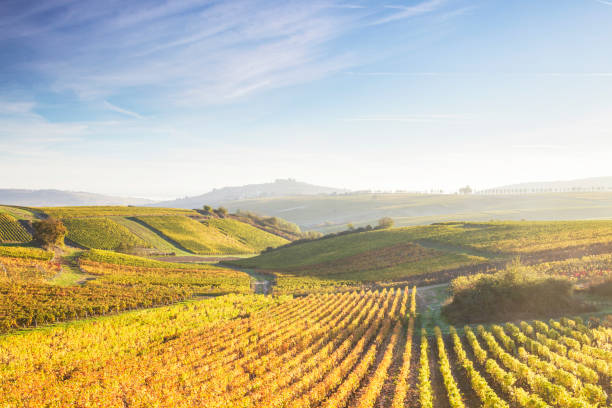
Sancerre is a dry white wine made exclusively from Sauvignon Blanc grapes grown in the Sancerre appellation of France’s Loire Valley. The winemaking process begins with careful grape selection to preserve the variety’s signature crisp acidity and aromatic intensity.
After harvesting, the grapes are gently pressed to extract clear juice, minimizing skin contact to avoid bitterness. The juice is then fermented at cool temperatures in stainless steel tanks or oak barrels, depending on the desired style. Temperature control is critical to retain fresh citrus, green fruit, and herbal notes.
Minimal intervention techniques are often used to highlight terroir expression, resulting in a wine known for its purity, balance, and vibrant character. This meticulous approach ensures Sancerre remains one of the world’s benchmark expressions of Sauvignon Blanc.
Role of Soil Types in Production
The distinctive flavor profile of Sancerre is heavily influenced by its three primary soil types: limestone, clay-limestone (terre blanche), and flint (silex). Each contributes unique characteristics to the wine. Limestone soils produce wines with bright acidity, citrus notes, and a mineral backbone.
Clay-limestone adds body, richness, and rounder textures, often with stone fruit nuances. Flint-rich soils, especially around the village of Chavignol, impart a distinctive smoky, flinty minerality and enhance aging potential. Vintners carefully match vineyard sites to grape clones and winemaking styles to maximize expression.
This soil diversity allows for a range of Sancerre styles while maintaining a consistent hallmark of elegance and terroir-driven complexity, making soil selection a cornerstone of quality production.
Harvesting and Fermentation Methods
Harvesting in Sancerre is typically done by hand to ensure only the healthiest, fully ripe grapes are selected, particularly on the region’s steep slopes. Timing is crucial—grapes are picked at optimal ripeness to balance sugar levels, acidity, and aromatic development.
After sorting, the grapes are gently pressed, and the juice is settled before fermentation. Fermentation occurs in temperature-controlled stainless steel tanks to preserve freshness, though some producers use neutral oak or concrete vats for added texture. Native yeasts may be employed for complexity.
The entire process emphasizes precision and purity, avoiding malolactic fermentation to retain crispness. This careful handling ensures the wine expresses vibrant citrus, gooseberry, and herbaceous notes characteristic of top-tier Sancerre.
Aging Practices in Sancerre
Most Sancerre wines are aged for 6 to 9 months before bottling, primarily to stabilize and harmonize flavors without sacrificing freshness.
The choice of aging vessel plays a key role: stainless steel preserves bright acidity and aromatic lift, while old oak barrels or concrete eggs add subtle texture and complexity without imparting oak flavor. Wines from flint soils may receive longer aging to integrate their intense mineral character.
Lees contact is often used to enhance mouthfeel and add nuances of brioche or creaminess. However, aging is kept relatively short to maintain the wine’s crisp, vibrant profile.
The result is a wine that is typically enjoyed young, though premium examples can develop beautifully over several years, gaining depth while retaining their signature freshness and elegance.
Food Pairings with Sancerre
Best Dishes to Serve with Sancerre
Sancerre, a crisp and vibrant white wine from the Loire Valley in France, is made primarily from Sauvignon Blanc grapes. Its bright acidity, citrus notes, and flinty minerality make it ideal for pairing with light, fresh dishes.
Serve Sancerre with goat cheese salads, grilled asparagus, or herb-roasted chicken for a harmonious match. The wine’s zesty character cuts through rich sauces while enhancing delicate flavors. Dishes featuring lemon, herbs, or a touch of cream are especially complementary.
Avoid overly spicy or heavily charred foods, which can overpower its subtlety. For vegetarian options, consider quinoa bowls with fresh vegetables or zucchini fritters. Sancerre’s refreshing profile makes it a versatile companion for weekday dinners and elegant gatherings alike, elevating simple ingredients with its refined balance.
Cheese Matches for Sancerre
Sancerre and cheese—especially fresh goat cheese (chèvre)—are a classic French pairing. The wine’s bright acidity and mineral backbone balance the tangy, creamy texture of goat cheese perfectly. Try serving Sancerre with a chilled log of chèvre drizzled with honey and thyme, or a baked goat cheese appetizer with roasted tomatoes.
Young, soft cheeses from the Loire region enhance the wine’s herbal notes. Avoid strong, aged cheeses like aged cheddar or blue, which can overwhelm Sancerre’s delicate profile. Instead, opt for fresh cheeses such as mozzarella, feta, or fromage blanc.
These pairings highlight the crisp, clean finish of Sancerre, making them ideal for summer picnics or light hors d’oeuvres. The combination is both refreshing and sophisticated.
Seafood and Sancerre Pairings
Sancerre’s bright acidity and mineral character make it a top choice for seafood pairings. It complements delicate fish like sole, cod, and halibut, especially when prepared with lemon, herbs, or a light butter sauce. Grilled or seared scallops with a citrus vinaigrette shine alongside a chilled glass of Sancerre.
The wine’s crispness also cuts through the richness of shellfish like oysters, shrimp, and mussels. Raw bar favorites, such as freshly shucked oysters, are elevated by Sancerre’s flinty edge and citrus notes. Avoid heavy, fried seafood dishes, which can dull the wine’s freshness.
Instead, focus on grilled, steamed, or ceviche-style preparations. Whether served as an appetizer or main course, seafood paired with Sancerre delivers a clean, elegant dining experience perfect for warm-weather meals.
Tips for Pairing at Home
Pairing Sancerre at home is simple with a few key guidelines. First, serve it well-chilled—at 45–50°F (7–10°C)—to highlight its freshness. Focus on dishes with bright, clean flavors: think lemon, garlic, fresh herbs, and seasonal vegetables.
Sancerre works well with light appetizers, such as cucumber rounds with herbed cream cheese or marinated artichokes. When planning a meal, match the wine’s intensity with the dish’s weight—avoid heavy meats or rich sauces.
For a successful pairing, taste as you go: sip the wine, then take a bite, adjusting seasoning if needed. Leftover Sancerre? Use it in cooking—deglaze pans or enrich seafood sauces. With its crisp acidity and aromatic profile, Sancerre brings elegance to everyday meals when paired thoughtfully.
Sancerre vs. Other French Wines
Sancerre vs. Pouilly-Fumé
Sancerre and Pouilly-Fumé are both renowned white wines from the Loire Valley, made exclusively from Sauvignon Blanc, yet they express distinct terroirs. Sancerre, grown on limestone and flint soils, typically offers vibrant citrus, green apple, and mineral notes with crisp acidity.
Pouilly-Fumé, from similar grapes but different soil composition including flint-rich silex, often exhibits a smokier, more gunflint-driven profile with pronounced herbal and tropical fruit undertones. While both are dry and refreshing, Sancerre tends to be more aromatic and zesty, making it ideal for oysters and goat cheese.
Pouilly-Fumé’s subtle smokiness pairs well with richer seafood dishes. Understanding these nuances helps wine lovers choose based on flavor preference and food pairing needs, enhancing the overall dining experience with precision and confidence.
Differences from Chablis
While Sancerre and Chablis are both elegant, cool-climate French whites, they differ in grape variety, region, and flavor profile. Sancerre is made from Sauvignon Blanc in the central Loire Valley and showcases bright acidity, citrus zest, and grassy notes.
Chablis, from Burgundy, is crafted from Chardonnay and is known for its steely minerality, flinty character, and restrained fruit. Chablis often undergoes little to no oak aging, preserving its crispness, much like Sancerre. However, Chablis typically has a leaner, more austere profile, while Sancerre feels more aromatic and approachable young.
Choosing between them depends on preference: Sauvignon Blanc vibrancy versus Chardonnay structure. Both excel with shellfish and light fare, but Sancerre’s aromatic lift gives it broader aperitif appeal.
How It Compares to Loire Valley Reds
Sancerre stands out among Loire Valley wines not only for its white expression but also because it produces limited yet high-quality reds from Pinot Noir. These red Sancerres are light- to medium-bodied, with bright red fruit, subtle earthiness, and soft tannins, similar to Burgundian Pinot Noir but often more affordable.
Compared to other Loire reds like Chinon or Bourgueil—made from Cabernet Franc—Sancerre reds are more delicate, with less herbal intensity and lower alcohol. While Cabernet Franc-based wines offer peppery, raspberry-driven profiles with firm structure, Sancerre reds emphasize finesse and freshness.
This makes them ideal for early drinking and pairing with poultry or mushroom dishes. For those exploring Loire reds, Sancerre offers a refined, approachable option that complements its world-famous white counterpart.
Price and Availability Comparison
Sancerre typically commands a premium price compared to many French whites, often ranging from $25–$40 for quality bottles, due to high global demand and limited production. In contrast, Pouilly-Fumé and Chablis of similar quality may offer slightly better value, especially in lesser-known vintages.
Loire Valley reds like Chinon or Saumur-Champigny are generally more affordable, with excellent examples under $20. While Sancerre is widely available in wine shops and restaurants, vintage variations and producer reputation significantly impact price and quality. Lesser-known Loire appellations provide accessible alternatives without sacrificing character.
For budget-conscious buyers, exploring these regions offers comparable elegance at lower cost. However, Sancerre’s reputation for consistency and food-friendly acidity justifies its price for many consumers seeking a reliable, high-quality white wine experience.
How to Buy and Store Sancerre
What to Look for on the Label
When buying Sancerre, check the label for the appellation ‘Appellation Sancerre Contrôlée’ to ensure authenticity. This designation guarantees the wine is made from 100% Sauvignon Blanc grapes grown in the Sancerre region of France’s Loire Valley.
Look for estate-bottled wines (mis en bouteille au château or mis en bouteille à la propriété), as they often reflect higher quality and traceability. Labels may also indicate specific vineyards or soil types—terroir notes like ‘silex’ (flint) or ‘caillottes’ (limestone)—which influence flavor.
Avoid generic labels without clear origin or producer details. Reputable producers often list contact information and harvest year. Reading the label carefully helps you select a genuine, high-quality Sancerre that captures the region’s crisp, mineral-driven character.
Choosing the Right Vintage
Vintage plays a key role in Sancerre’s flavor profile due to the region’s cool, variable climate. In warmer years like 2018 or 2020, expect riper citrus and stone fruit notes with balanced acidity.
Cooler vintages, such as 2017 or 2021, produce wines with sharper acidity and more pronounced mineral and green fruit characteristics. For immediate drinking, choose recent vintages (1–3 years old), as most Sancerres are best enjoyed young.
However, top-tier examples from excellent vintages can age gracefully for 5–7 years, developing honeyed complexity. Consult wine merchant notes or vintage charts to match your taste preference. Selecting the right vintage ensures you enjoy Sancerre at its peak expression, whether you prefer vibrant freshness or subtle maturity.
Proper Storage Conditions
To preserve Sancerre’s freshness and aromatic intensity, store bottles horizontally in a cool, dark place with a consistent temperature of around 55°F (13°C). Fluctuations in temperature or exposure to light can degrade the wine’s delicate structure.
Maintain humidity levels near 70% to prevent corks from drying out, which could lead to oxidation. Avoid storing near appliances or areas with vibration, as movement can disturb sediment and aging. While most Sancerres are consumed within a few years, proper storage extends their lifespan and maintains crisp acidity.
Use a wine fridge or dedicated cellar if possible, especially for premium bottles intended for aging. Correct storage ensures your Sancerre delivers its signature bright citrus, herbal, and flinty notes when opened.
Where to Buy Authentic Sancerre
Purchase authentic Sancerre from reputable wine retailers, specialty wine shops, or trusted online merchants with a focus on French wines. Look for stores that provide detailed producer information, vintage data, and staff expertise.
Avoid mass-market brands with unclear sourcing—instead, seek out well-known producers like Domaine Henri Bourgeois, Pascal Jolivet, or François Cotat. Wine clubs and importers specializing in Loire Valley wines often offer curated selections. Check customer reviews and certifications to verify authenticity.
Farmers’ markets with licensed vendors or direct purchases from winery websites (if shipping is available) are also reliable options. Buying from credible sources ensures you receive a genuine Sancerre that reflects the region’s terroir and winemaking tradition.
Sancerre in Culture and Tourism
Visiting the Sancerre Region
Sancerre is a picturesque hilltop village in central France’s Loire Valley, renowned for its stunning panoramic views, historic architecture, and elegant white wines. Perched above the Loire River, the town offers visitors a charming blend of medieval streets, stone buildings, and a relaxed, authentic French atmosphere.
The fortified church of Saint-Pierre and the remnants of the old ramparts reflect its rich past. Exploring Sancerre on foot allows you to soak in the quaint village ambiance while enjoying vistas of vine-covered slopes.
The region is easily accessible from major cities like Paris and Lyon, making it ideal for a weekend getaway or cultural immersion. Renting a car is recommended to fully explore the surrounding countryside and nearby wine villages.
Wine Tours and Tastings
Sancerre is world-famous for its crisp, aromatic white wines made exclusively from Sauvignon Blanc grapes. The region’s distinctive terroir, featuring limestone and flint soils, gives the wine its signature minerality and vibrant acidity.
Visitors can tour family-run vineyards and wineries, where passionate vintners offer guided tastings and insights into traditional and modern winemaking techniques. Many estates welcome walk-ins, but booking in advance ensures a personalized experience. Some tours include bilingual guides and behind-the-scenes cellar access.
Don’t miss the chance to sample Sancerre’s lesser-known red and rosé wines, made from Pinot Noir. Wine shops throughout the village offer bottles for purchase, perfect for souvenirs or gifts.
Local Cuisine and Traditions
Sancerre’s culinary scene celebrates fresh, regional ingredients and time-honored French traditions. The town is famed for its pairing of Sancerre wine with Crottin de Chavignol, a tangy, goat’s milk cheese produced just minutes away.
Local restaurants and cafés serve dishes like grilled river fish, duck confit, and vegetable tarts enhanced with herbs from nearby farms. Seasonal markets offer a chance to taste artisanal products and interact with producers. The annual Fête des Vendanges (Harvest Festival) showcases local culture with parades, music, and wine blessings.
Dining in Sancerre is more than a meal—it’s an immersive cultural experience rooted in terroir and tradition.
Best Times of Year to Visit
The ideal time to visit Sancerre is from late spring through early autumn, specifically May to October, when the weather is mild and the vineyards are lush and vibrant. Harvest season in September offers a unique opportunity to witness winemaking in action and participate in festive events.
Summer brings long days perfect for outdoor dining and wine tours, while spring offers fewer crowds and blooming landscapes. Fall colors enhance the scenic beauty, making it a favorite among photographers and nature lovers.
If you prefer a quieter visit, consider April or November, though some wineries may have limited hours. Avoid winter months unless you’re seeking a peaceful retreat, as many attractions operate on reduced schedules.
Frequently Asked Questions
What is Sancerre?
Sancerre is a wine appellation located in the Loire Valley of central France, renowned for its crisp, aromatic white wines made primarily from Sauvignon Blanc. The region also produces small amounts of red and rosé wines from Pinot Noir.
Where is Sancerre located?
Sancerre is situated in the eastern part of the Loire Valley, in the Cher department of France. It lies just south of the river Loire and is known for its rolling hills and limestone-rich soils.
What type of wine is Sancerre?
Sancerre is most famous for its dry white wines made from 100% Sauvignon Blanc, characterized by bright acidity, citrus, and flinty mineral notes. The region also produces lighter-bodied reds and rosés from Pinot Noir.
How does Sancerre wine taste?
Sancerre white wines typically exhibit flavors of lemon, lime, green apple, gooseberry, and a distinct mineral or flinty quality often described as ‘gunflint.’ The wines are fresh, vibrant, and highly food-friendly.
Is Sancerre the same as Sauvignon Blanc?
Sancerre is not the same as Sauvignon Blanc, but it is made exclusively from that grape. Sancerre refers to the French region and appellation, while Sauvignon Blanc is the grape variety used to produce the wine.
What food pairs well with Sancerre?
Sancerre pairs excellently with seafood, oysters, goat cheese (especially the local Chèvre de Chavignol), salads, and light poultry dishes. Its acidity and freshness make it a versatile food wine.
Is Sancerre a sweet or dry wine?
Sancerre is a dry white wine. It is not sweet and is known for its crisp, refreshing acidity and clean finish.
How is Sancerre pronounced?
Sancerre is pronounced ‘sahn-sair’ in French, with a soft ‘s’ and a silent final ‘e’.
Conclusion
Sancerre is a renowned French wine region celebrated for its crisp, aromatic white wines made from Sauvignon Blanc. Located in the Loire Valley, it offers a unique terroir that imparts distinct mineral and citrus notes. While best known for whites, it also produces elegant reds and rosés from Pinot Noir. Sancerre’s timeless appeal lies in its quality and versatility. Discover this gem and elevate your wine experience with every sip.