What Is Rioja
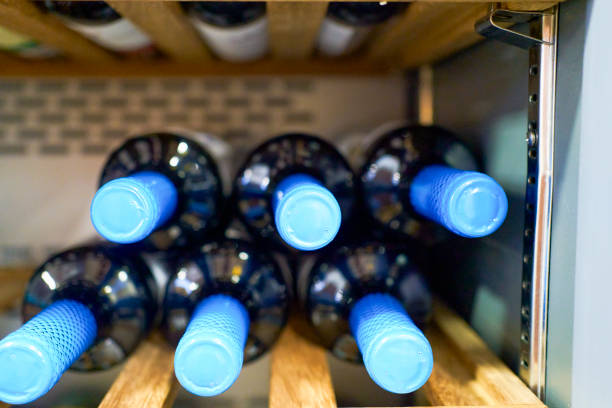
What is Rioja? It’s one of Spain’s most celebrated wine regions, famous for its rich, oak-aged reds made primarily from Tempranillo grapes. Nestled along the Ebro River, Rioja produces wines with bold fruit flavors and smooth, complex finishes. Whether you’re a wine lover or just curious, Rioja offers something for every palate. In this guide, we’ll break down its history, styles, and what makes it stand out—so you can choose your next perfect bottle with confidence.
What is Rioja Wine
Definition and Origin of Rioja
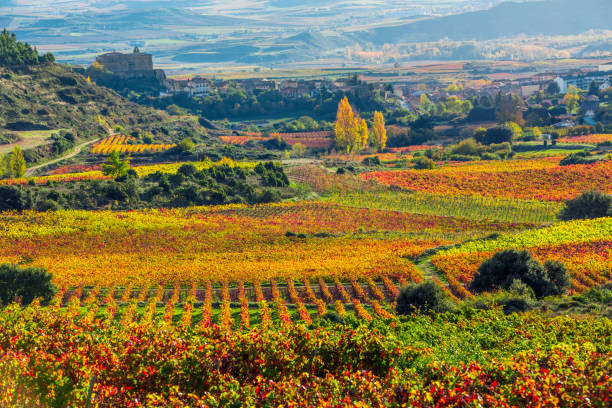
Rioja is a renowned Spanish wine region located in the north of Spain, along the Ebro River, primarily within the autonomous community of La Rioja.
It holds Denominación de Origen Calificada (DOCa) status, the highest classification for wine regions in Spain, a distinction it earned in 1991 due to its consistent quality and strict production standards. Rioja is best known for its oak-aged red wines, traditionally made from Tempranillo grapes.
The region is divided into three subzones—Rioja Alta, Rioja Alavesa, and Rioja Oriental (formerly Baja)—each contributing unique climatic and soil characteristics to the wines. Rioja’s winemaking tradition dates back to the 19th century, when Bordeaux winemakers influenced local techniques during the phylloxera crisis.
Today, Rioja blends old-world tradition with modern innovation, producing wines that balance fruit expression, acidity, and oak aging. Its global reputation rests on structured, age-worthy reds and a commitment to quality across all aging categories.
Main Grape Varieties Used
The identity of Rioja wine is shaped by a blend of native grape varieties, with Tempranillo as the dominant red grape, prized for its balanced acidity, moderate tannins, and aging potential. It forms the backbone of most Rioja reds, contributing flavors of red cherry, plum, and subtle earthiness.
Garnacha (Grenache) is often blended in to add body, alcohol, and ripe red fruit notes, especially in warmer subregions like Rioja Oriental. Two lesser-used but important red varieties are Graciano, which enhances structure and aroma, and Mazuelo (Carignan), which adds color and tannic grip.
For white Rioja, Viura (Macabeo) is the primary grape, delivering crisp acidity and apple-floral characteristics, often aged in oak for complexity. While white Rioja is less common today, it has a historical presence and is experiencing a revival among quality-focused producers.
These indigenous grapes, grown in Rioja’s varied terroir, allow winemakers to craft layered, distinctive wines that reflect both tradition and regional diversity, making grape selection a critical factor in Rioja’s signature style.
How Rioja Differs from Other Spanish Wines
Rioja stands apart from other Spanish wine regions through its distinct aging classifications, traditional winemaking methods, and signature use of American oak.
Unlike regions such as Ribera del Duero, which focuses almost exclusively on powerful, unoaked Tempranillo (called Tinto Fino), Rioja emphasizes barrel and bottle aging, with official categories like Crianza, Reserva, and Gran Reserva dictating minimum aging periods.
The use of American oak barrels imparts classic Rioja notes of vanilla, coconut, and spice, contrasting with the French oak commonly used in regions like Priorat. Additionally, Rioja’s blend-based approach—combining Tempranillo with Garnacha and others—creates more nuanced wines compared to the monovarietal focus seen elsewhere.
The region’s cooler climate in Alta and Alavesa also results in higher acidity and more restrained alcohol than warmer areas such as Jumilla. Furthermore, Rioja’s long-standing DOCa status and strict regulations ensure consistency and quality, setting it apart from younger or less regulated regions.
These factors combine to give Rioja a unique balance of tradition, elegance, and age-worthiness unmatched in the Spanish wine landscape.
Regions and Subzones of Rioja

Rioja Alta: Climate and Characteristics
Rioja Alta, located in the western part of the Rioja region, benefits from a cooler, more Atlantic-influenced climate due to its higher elevation and proximity to the Cantabrian Mountains.
This results in longer growing seasons and slower grape maturation, which enhances the development of aromatic complexity and balanced acidity in the wines. The area’s well-drained alluvial and clay-limestone soils contribute to elegant, structured Tempranillo-based wines with notes of red fruit, herbs, and subtle earthiness.
Sustainability and traditional viticulture are widely practiced here, with many vineyards planted on slopes that optimize sun exposure. Winemakers in Rioja Alta often emphasize long aging in American oak barrels, producing wines with refined tannins and classic Rioja character.
For wine lovers seeking age-worthy, graceful reds with vibrant freshness, Rioja Alta offers exceptional value and authenticity.
Rioja Alavesa: Terroir and Winemaking
Rioja Alavesa, though the smallest of the three subregions, plays a significant role in defining Rioja’s identity through its distinct terroir and artisanal winemaking traditions.
Nestled in the foothills of the Cantabrian range, it shares the cool climate of Rioja Alta but features limestone-rich soils that impart minerality and structure to the wines. Most vineyards are family-owned, and many growers practice organic or sustainable farming, preserving old-vine Tempranillo that yields concentrated, expressive wines.
Winemaking here blends modern precision with time-honored techniques, including fermentation in concrete or stainless steel followed by aging in both American and French oak. The resulting wines are aromatic, balanced, and age-worthy, with bright acidity and notes of red cherry, spice, and floral undertones.
Rioja Alavesa is ideal for discovering authentic, terroir-driven expressions of Rioja with finesse and longevity.
Rioja Baja: Style and Grape Focus
Rioja Baja, now often referred to as Rioja Oriental, occupies the southeastern part of the region and features a warmer, more continental climate with lower rainfall and higher temperatures. This environment favors fuller-bodied, fruit-forward wines with higher alcohol and softer acidity.
While Tempranillo remains important, Garnacha (Grenache) takes center stage in many blends, contributing ripe red fruit, warmth, and a generous mouthfeel. The region’s alluvial and clay soils retain heat, promoting consistent ripening and robust wine styles.
Modern winemaking techniques have elevated quality, with an emphasis on early drinkability and vibrant fruit expression. Rioja Baja also produces notable rosados (rosés), known for their deep color and intensity.
For consumers seeking approachable, flavorful wines with a modern twist, Rioja Baja offers excellent value and versatility, especially with grilled meats and hearty dishes.
How Rioja Wine is Classified
Crianza: Aging Requirements and Flavor Profile
Crianza is a classification of Rioja wine that indicates a minimum aging period, ensuring balanced flavor development. For red Rioja, Crianza must be aged for at least two years, with at least one year in oak barrels and the remainder in bottle.
This aging imparts subtle notes of vanilla, spice, and dried fruit, while softening tannins for a smooth mouthfeel. White and rosé Crianza wines require two years total aging, including six months in oak. The result is a wine that maintains fresh fruit character while gaining complexity from barrel influence.
Crianza wines are often great value and ready to drink upon release, making them ideal for everyday enjoyment. Look for the official Rioja Consejo Regulador seal to ensure authenticity. These wines pair well with roasted poultry, grilled vegetables, and mild cheeses, offering an accessible introduction to Rioja’s aging categories.
Reserva: Production Rules and Quality Level
Reserva represents a higher quality tier in Rioja wine, reserved for vintages with exceptional grape quality. Red Reserva wines must undergo at least three years of aging, with a minimum of one year in oak barrels and the rest in bottle.
This extended maturation develops deeper complexity, smoother tannins, and layered aromas of leather, tobacco, and dark berries. White Reservas require two years of aging, including six months in oak, yielding richer textures and notes of honey and toasted nuts.
Only select wineries and superior harvests produce Reserva, reflecting stricter production standards. These wines are typically more structured and age-worthy than Crianza, offering greater depth and balance. Reserva Riojas are perfect for special occasions, pairing beautifully with lamb, game, and aged cheeses.
The official certification seal guarantees adherence to strict aging and quality protocols, making Reserva a reliable choice for discerning drinkers seeking elevated Rioja expression.
Gran Reserva: When It’s Produced and How It Tastes
Gran Reserva is the pinnacle of Rioja wine, produced only in exceptional vintages and representing the region’s most refined expression. Red Gran Reserva wines undergo at least five years of aging, with two years in oak barrels and three in bottle, allowing for profound development.
This extended maturation creates elegant, harmonious wines with complex aromas of dried fig, cedar, earth, and spice, alongside soft, integrated tannins. White Gran Reservas are rare, requiring four years of aging with six months in oak, resulting in deep golden hues and flavors of nuts, caramel, and dried citrus.
These wines are highly collectible and often improve for decades. Gran Reserva is not produced every year, only when conditions yield perfect grapes. It pairs exquisitely with truffle dishes, roasted meats, and strong cheeses.
The official seal and vintage date confirm authenticity, making Gran Reserva a benchmark of Rioja’s tradition and excellence.
How to Read a Rioja Wine Label
Understanding DO Rioja Certification
The Denominación de Origen (DO) Rioja certification guarantees that a wine is produced in the Rioja region of northern Spain and meets strict quality standards. This official seal ensures the wine is made from approved grape varieties—primarily Tempranillo—and follows traditional winemaking practices.
Look for the red and gold logo on the neck or capsule of the bottle, which confirms authenticity and regional origin. The DO status also regulates factors like alcohol content, aging requirements, and yield limits to maintain consistency and quality across producers.
By choosing wines with the DO Rioja seal, you’re selecting a product rooted in centuries-old tradition and protected by one of Spain’s most respected wine authorities.
This certification is your assurance of traceability and adherence to rigorous production guidelines, making it a key indicator of quality when selecting a Rioja wine.
Recognizing Aging Categories on Labels
Rioja wines are classified by their aging process, and label terms clearly indicate maturity level. Joven wines are young, typically released within a year of harvest, offering fresh, fruity flavors with minimal or no oak aging.
Crianza means the wine has been aged for at least two years, with at least one year in oak barrels—ideal for those seeking balance between fruit and structure.
Reserva wines come from better vintages and are aged a minimum of three years, including one year in oak, resulting in greater complexity and depth. Gran Reserva, produced only in exceptional years, requires at least two years in oak and three in bottle, delivering rich, evolved flavors.
Recognizing these terms helps you match the wine to your taste preferences and ensures you’re getting the aging profile you desire.
What Terms Like ‘Barrica’ and ‘Viejo’ Mean
Beyond official aging categories, terms like ‘Barrica’ and ‘Viejo’ offer additional clues about a Rioja wine’s character. ‘Barrica’ refers to aging in oak barrels and often appears in phrases like ‘Crianza Barrica’—indicating the wine spent time in small oak casks, which impart vanilla, spice, and tannin structure.
While not a regulated term on its own, it signals intentional oak influence. ‘Viejo,’ meaning ‘old,’ suggests extended aging, though it’s not officially defined by DO Rioja regulations. Wines labeled ‘Viejo’ typically come from low-yield vineyards and are aged for several years, developing nuanced, earthy flavors.
Use these terms as supplementary guidance when selecting a wine, but always cross-reference with official aging designations like Crianza or Reserva for accuracy. Understanding these descriptors helps you navigate stylistic choices and discover Riojas with deeper complexity.
Food Pairings with Rioja Wine
Best Tapas to Serve with Rioja
Rioja wine, a renowned Spanish red from the Rioja region, is made primarily from Tempranillo grapes and is celebrated for its balanced acidity, moderate tannins, and notes of red fruit, vanilla, and spice—thanks to aging in oak barrels. This makes it an ideal companion for traditional Spanish tapas.
Patatas bravas with their smoky paprika and garlic sauce complement Rioja’s warmth and structure. Chorizo al vino, a spicy sausage simmered in wine, echoes Rioja’s own herbal and peppery notes. Manchego cheese croquettes add a creamy, salty contrast that enhances the wine’s richness.
Even simple marinated olives or anchovies can elevate the tasting experience by highlighting Rioja’s savory depth. The key is to match bold flavors without overpowering—Rioja’s versatility shines when paired with tapas that offer a mix of salt, spice, and umami.
These small plates not only honor Rioja’s cultural roots but also create a dynamic, interactive dining experience perfect for sharing.
Pairing Rioja with Meat and Cheese
When pairing Rioja with food, its medium to full body and structured tannins make it a natural match for rich meats and aged cheeses.
Grilled lamb chops or slow-cooked beef stew harmonize beautifully with Rioja’s dark fruit and oak-driven profile, as the wine cuts through the fat and balances the dish’s richness. Cured Iberico ham, with its nutty, savory depth, enhances Rioja’s own aged complexity.
For cheese, aged Manchego or Cabrales offer the firm texture and bold flavor that stand up to Rioja’s intensity. The wine’s subtle vanilla and leather notes from barrel aging complement the umami and salt in these foods. Avoid overly spicy or sweet dishes, which can clash with Rioja’s delicate balance.
Instead, focus on savory, slow-cooked, or smoked preparations that mirror the wine’s earthy elegance. This synergy makes Rioja a top choice for hearty, traditional Spanish fare centered around meat and artisanal dairy.
Vegetarian-Friendly Combinations
Rioja’s versatility extends beautifully to vegetarian cuisine, where its bright acidity and layered flavor profile enhance plant-based dishes without overwhelming them. Roasted red pepper and almond romesco sauce over grilled vegetables brings out Rioja’s fruity core while matching its smoky undertones.
Mushroom and lentil stews, rich in umami, mirror the earthy notes developed during Rioja’s oak aging. Grilled eggplant with smoked paprika or herbed chickpea patties also pair well, as their hearty textures and savory spices align with the wine’s structure.
Even spinach and chickpea sautés with garlic and cumin find harmony with Rioja’s spice and acidity. The key is to emphasize depth and char—avoid overly delicate greens and instead choose roasted, grilled, or slow-simmered vegetables.
These preparations ensure the dish stands up to Rioja’s complexity, creating satisfying, well-balanced pairings that celebrate both the wine and vegetarian flavors.
How to Buy and Store Rioja Wine
Choosing Quality Rioja on a Budget
Finding high-quality Rioja on a budget is entirely possible with a few smart strategies. First, look for Crianza or Genérico classifications, which offer excellent value without sacrificing flavor—Crianza wines are aged at least one year in oak and one in bottle, delivering balanced structure at lower prices.
Focus on smaller, family-run bodegas or lesser-known sub-regions like Rioja Baja or Rioja Oriental, where production costs are lower. Don’t be swayed by flashy labels; instead, check for the Consejo Regulador seal, which guarantees authenticity and quality standards.
Tempranillo-dominant blends are the hallmark of Rioja and provide the best expression of the region’s terroir. Try wines from vintages 2018–2021, which received strong reviews for balance and drinkability. Finally, explore wine clubs or local tastings to sample before buying in bulk.
With these budget-friendly tips, you can enjoy authentic Rioja without overspending.
Where to Buy Authentic Rioja Wine
To ensure you’re purchasing authentic Rioja wine, focus on trusted sources that specialize in Spanish wines. Specialty wine shops with knowledgeable staff often carry curated selections from certified Rioja producers.
Look for retailers that display the Denominación de Origen Calificada (DOCa) Rioja seal, which confirms the wine’s origin and adherence to strict production standards. Online wine merchants like Wine.com, Vivino, or Spanish-focused importers such as Spanish Wine Exchange offer verified Rioja selections with customer reviews and detailed descriptions.
Importers with direct relationships to Rioja bodegas are especially reliable. Avoid mass-market grocery stores that may carry imitations or lower-tier blends lacking regional authenticity. For the most direct route, consider purchasing from winery websites or visiting Rioja wineries in person.
These channels ensure traceability, freshness, and authenticity, giving you confidence in every bottle you bring home.
Proper Storage Conditions for Longevity
To maximize the longevity and quality of your Rioja wine, proper storage is essential. Store bottles horizontally in a cool, dark place to keep the cork moist and prevent oxidation. The ideal storage temperature is between 55°F and 59°F (13°C–15°C), with minimal fluctuations—avoid attics, kitchens, or garages where temperatures vary.
Maintain a humidity level of 60–70% to prevent cork shrinkage and air exposure. Keep wine away from vibrations and strong odors, which can degrade the aging process. For long-term aging, especially Reserva and Gran Reserva Riojas, a dedicated wine fridge or cellar is ideal.
These wines can improve for 10–20 years when stored correctly. Even short-term storage should follow these best practices to preserve flavor, aroma, and structure. Proper storage ensures your Rioja matures gracefully, delivering its full potential when opened.
History and Cultural Significance of Rioja
Origins of Winemaking in the Region
The history of Rioja wine production dates back over two thousand years to the Roman occupation of the Iberian Peninsula, where vineyards were first planted in the fertile Ebro River Valley. Archaeological evidence confirms that early winemaking in Rioja was both widespread and sophisticated, laying the foundation for future development.
By the Middle Ages, monasteries played a crucial role in preserving and advancing viticulture, with Cistercian monks refining grape-growing techniques and maintaining meticulous records. The region’s unique terroir—comprising limestone-rich soils, a temperate climate, and high-altitude vineyards—proved ideal for cultivating Tempranillo, the signature grape of Rioja.
These early roots established Rioja as a center of quality winemaking long before modern regulations. Understanding this deep historical context helps appreciate Rioja not just as a wine, but as a cultural legacy shaped by centuries of tradition, geography, and craftsmanship passed through generations.
Influence of French Winemaking Techniques
In the 19th century, Rioja underwent a transformative evolution due to the adoption of French winemaking techniques, particularly after the phylloxera crisis devastated French vineyards. Winemakers from Bordeaux fled to Rioja, bringing with them oak barrel aging methods and structured fermentation practices.
This French influence revolutionized Rioja’s style, introducing extended aging in American and French oak, which gave the wines their hallmark complexity, soft tannins, and notes of vanilla and spice. The integration of these techniques coincided with the rise of modern bodegas, turning Rioja into Spain’s first internationally recognized wine region.
The blending of native Tempranillo with French-influenced aging created a distinct identity that balanced tradition with innovation. Today, this fusion remains central to Rioja’s reputation, demonstrating how cross-cultural exchange elevated regional craftsmanship into a globally celebrated wine style.
Modern Innovations in Rioja Production
Today, Rioja continues to honor tradition while embracing cutting-edge viticulture and enological innovation. The region has implemented precision farming, sustainable practices, and advanced climate monitoring to adapt to environmental challenges and maintain grape quality.
The Consejo Regulador has updated classification standards to reflect modern consumer preferences, introducing categories like *Joven*, *Crianza*, *Reserva*, and *Gran Reserva* with clearer aging requirements. Winemakers are experimenting with single-vineyard wines and higher elevation plantings to express terroir more distinctly.
Additionally, there’s a growing movement toward organic and biodynamic certification, reflecting global sustainability trends. Technology such as temperature-controlled fermentation and micro-oxygenation allows greater control over wine style. These innovations ensure Rioja remains relevant and competitive in the global market while preserving its heritage.
For wine lovers, this means access to diverse, high-quality expressions that honor the past while looking confidently toward the future.
Frequently Asked Questions
What is Rioja?
Rioja is a renowned wine-producing region in northern Spain, famous for its red wines made primarily from the Tempranillo grape. The region is officially known as Denominación de Origen Calificada (DOCa) Rioja, the highest classification for Spanish wines.
What types of wine come from Rioja?
Rioja produces red, white, and rosé wines, though it is best known for its reds. Red Rioja wines are typically blends featuring Tempranillo, Garnacha, Graciano, and Mazuelo, while white Rioja is often made from Viura and Malvasía grapes.
How is Rioja wine classified?
Rioja wines are classified by aging: Joven (young, minimal aging), Crianza (aged at least 2 years, with 1 year in oak), Reserva (aged at least 3 years, with 1 year in oak), and Gran Reserva (aged at least 5 years, with 2 years in oak and 3 in bottle).
Where is the Rioja region located?
The Rioja region is located in northern Spain, along the Ebro River, and spans parts of the autonomous communities of La Rioja, Basque Country, and Navarre. It is divided into three sub-regions: Rioja Alta, Rioja Alavesa, and Rioja Oriental.
What food pairs well with Rioja wine?
Rioja reds pair excellently with grilled meats, lamb, roasted vegetables, and aged cheeses like Manchego. White and rosé Riojas go well with seafood, poultry, and tapas such as patatas bravas or jamón ibérico.
Is Rioja only a wine region?
While Rioja is primarily known as a wine region, it is also a cultural and historical area in Spain with rich traditions, festivals, and gastronomy centered around its wine heritage.
Conclusion
Rioja is a renowned Spanish wine region celebrated for its rich red wines, primarily made from Tempranillo grapes. With a history spanning centuries, it offers a diverse range of styles from young, fruity wines to complex, aged expressions. Protected by strict quality regulations, Rioja continues to uphold its reputation for excellence. Whether you’re a seasoned enthusiast or new to wine, exploring Rioja promises a rewarding journey into Spain’s winemaking heritage. Cheers to discovering its timeless flavors!