What Is Brunello Di Montalcino
Wondering what Brunello di Montalcino is? It’s one of Italy’s most celebrated red wines, hailing from the sun-drenched hills of Tuscany. Made entirely from Sangiovese grapes, this bold, age-worthy wine is known for its rich flavors of cherry, spice, and earthy depth. If you’ve ever wanted to understand what makes this wine so special—and why it commands such respect—keep reading. We’ll break down its history, taste, and what sets it apart in the world of fine wine.
What Is Brunello di Montalcino?
Definition and Origin of Brunello di Montalcino
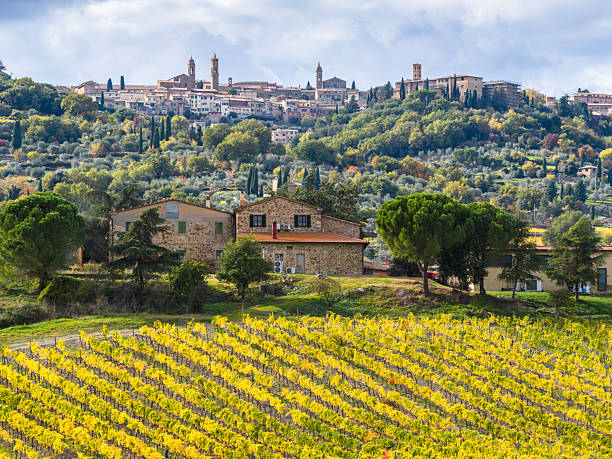
Brunello di Montalcino is a prestigious Italian red wine produced in the small town of Montalcino in Tuscany. Made exclusively from Sangiovese grapes, this wine is known for its deep color, high tannins, and aging potential.
The name ‘Brunello’ refers to a local clone of Sangiovese, often called Sangiovese Grosso, prized for its thick skins and concentrated flavors. First documented in the late 19th century, the wine gained DOC status in 1966 and DOCG status in 1980, Italy’s highest wine classification.
The unique microclimate and limestone-rich soils of Montalcino contribute to the wine’s complexity. Strict regulations govern production, including a minimum of four years aging, ensuring quality and tradition with every bottle.
How It Differs from Other Italian Red Wines
Brunello di Montalcino stands apart from other Italian reds due to its singular varietal focus, aging requirements, and regional specificity. Unlike Chianti, which blends Sangiovese with other grapes, Brunello uses 100% Sangiovese, resulting in a bolder, more structured wine.
It also requires longer aging—four years minimum, five for Riserva—compared to Chianti’s shorter aging period. Compared to Barolo, made from Nebbiolo in Piedmont, Brunello offers more approachable acidity and red fruit notes with less tar and rose complexity.
Its elegant balance of power and finesse sets it apart from robust southern Italian wines like Aglianico. These distinctions make Brunello a benchmark for age-worthy, terroir-driven Italian wines, sought after by collectors and connoisseurs worldwide.
The Role of Sangiovese in Brunello Production
Sangiovese is the heart and soul of Brunello di Montalcino, with only the finest clones—particularly Sangiovese Grosso—used in production. This grape thrives in Montalcino’s hillside vineyards, where warm days and cool nights preserve acidity while promoting full ripening.
Thick grape skins contribute to high tannins and deep color, essential for the wine’s longevity. Winemakers carefully manage fermentation and maceration to extract structure without harshness. Extended aging in oak barrels further softens tannins and adds complexity.
Because no other grape varieties are permitted, the expression of Sangiovese is pure and unblended, showcasing the varietal’s potential at its peak. This dedicated focus on one grape underscores Brunello’s reputation for quality and consistency across vintages.
Key Characteristics of the Wine
Brunello di Montalcino is celebrated for its rich structure, complexity, and aging potential. Young bottles display vibrant red fruit notes like cherry, raspberry, and plum, evolving into leather, tobacco, dried fig, and earthy nuances with age. The wine typically has high acidity and firm tannins, creating a balanced, full-bodied profile.
Alcohol levels are moderate to high, adding to its warmth and depth. When properly aged—often 10 to 20 years or more—Brunello achieves a harmonious integration of fruit, oak, and tertiary flavors. Its deep garnet color and persistent finish make it ideal for pairing with roasted meats, game, and aged cheeses.
These distinctive sensory traits reflect both the Sangiovese grape and Montalcino’s unique terroir, making each bottle a true expression of place and tradition.
History of Brunello di Montalcino
Origins in 19th Century Tuscany
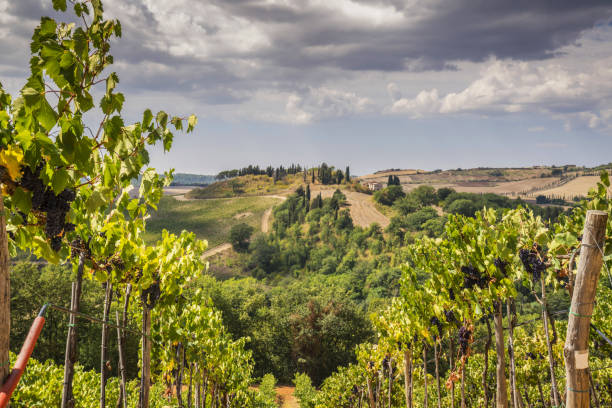
Brunello di Montalcino originates from the hilltop town of Montalcino in Tuscany, where ideal climatic and soil conditions have long supported high-quality viticulture. In the 19th century, local farmers cultivated a unique clone of Sangiovese, later named Sangiovese Grosso, which thrived in the region’s varied microclimates.
Unlike neighboring Chianti, winemakers in Montalcino began experimenting with full fermentation and aging techniques that preserved the wine’s structure and longevity. These early practices laid the foundation for a distinct wine identity, even before formal classification.
The isolation of Montalcino allowed traditional methods to persist, fostering a terroir-driven approach that emphasized concentration and complexity—hallmarks of what would become Brunello di Montalcino.
Ferdinando II and the Birth of Modern Brunello
Although often credited to Clemente Santi, it was his grandson Ferdinando II Santi who played a pivotal role in defining modern Brunello di Montalcino in the late 1800s. He refined winemaking techniques by focusing on pure Sangiovese fermentation without blending, a radical approach at the time.
His 1888 vintage, presented at national exhibitions, earned early acclaim and demonstrated the wine’s potential for aging and elegance. This marked a turning point: Brunello evolved from a local wine into a structured, age-worthy red.
Ferdinando’s commitment to quality over quantity set a precedent for future producers, establishing standards that emphasized extended aging and varietal purity, core tenets still honored today.
How DOC and DOCG Status Shaped Its Reputation
The official recognition of DOC status in 1966 and DOCG status in 1980 elevated Brunello di Montalcino to the highest tier of Italian wine quality.
These designations enforced strict production rules: wines must be made from 100% Sangiovese, aged for at least four years (five for Riserva), with two years in oak. These standards ensured consistency, authenticity, and excellence across producers.
The DOCG label also boosted consumer confidence and market value, reinforcing Brunello’s reputation for longevity and complexity. Regulatory oversight helped prevent imitation and promoted sustainable growth in exports. As a result, Brunello became a benchmark for premium Italian reds, admired for its balance of tradition and rigor.
Milestones in Global Recognition
Brunello di Montalcino gained international acclaim through key milestones, including its inclusion in global wine guides and top restaurant lists. The 1990s and 2000s saw rising demand, especially in the U.S. and Asia, as sommeliers and collectors recognized its aging potential and terroir expression.
Events like the annual Benvenuto Brunello tasting introduced the wine to international buyers and critics. High scores from influential reviewers further cemented its prestige. The formation of the Consorzio del Vino Brunello di Montalcino strengthened marketing and quality control efforts.
Today, Brunello stands as a symbol of Italian excellence, with vintages often compared to top Bordeaux and Barolo. Its journey reflects a blend of tradition, innovation, and global ambition.
Geography and Terroir of Montalcino
Location and Climate of the Montalcino Region
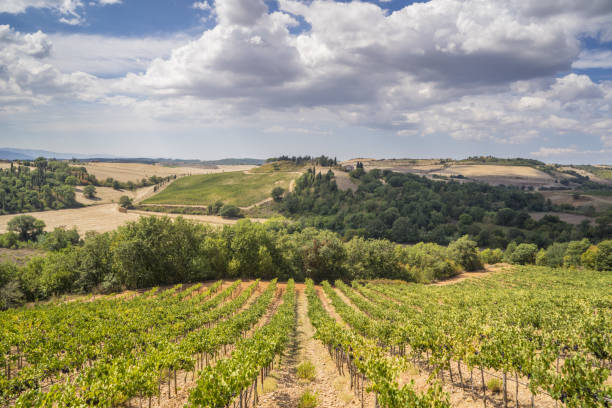
Brunello di Montalcino originates from the hilly southern Tuscany region of Montalcino, located about 70 miles south of Florence. This area enjoys a warm, Mediterranean-influenced climate with significant diurnal temperature shifts, crucial for grape development.
The proximity to the Tyrrhenian Sea moderates temperatures, while the Apennine Mountains shield it from harsh northern winds. Long, dry growing seasons allow Sangiovese grapes—the sole variety used in Brunello—to ripen fully while retaining acidity. Sun-drenched slopes and natural ventilation reduce disease pressure and promote healthy vines.
These favorable climatic conditions are essential in crafting wines with structure, complexity, and aging potential, making Montalcino’s environment ideal for premium Sangiovese production.
Soil Types That Influence Brunello’s Flavor
The diverse soils of Montalcino play a pivotal role in shaping Brunello’s distinctive character. The region features limestone-rich clays, volcanic tuff, and sandy marl, each contributing unique mineral profiles and drainage properties.
Limestone and clay soils retain moisture and deliver structure, enhancing tannin and aging capacity, while sandy soils produce softer, more aromatic expressions. Volcanic deposits add complexity and contribute to vibrant acidity. These soil variations across vineyards lead to distinct micro-terroirs, allowing winemakers to craft layered, site-specific wines.
The interaction between root systems and soil composition directly affects grape concentration and flavor development, making soil diversity a cornerstone of Brunello’s depth, balance, and longevity.
Elevation and Sun Exposure Effects
Elevation in Montalcino ranges from 150 to over 500 meters above sea level, significantly influencing grape quality. Higher-altitude vineyards experience cooler temperatures, prolonging ripening and preserving crisp acidity and aromatic complexity in Sangiovese. The steep, south- and southwest-facing slopes maximize sun exposure, ensuring optimal photosynthesis and phenolic maturity.
This combination of elevation and aspect creates ideal conditions for balanced sugar and acid levels. Greater diurnal temperature variation at higher elevations enhances color stability and tannin structure. Vines planted at elevation also benefit from better air circulation, reducing fungal risks.
These topographical advantages are critical in producing Brunello’s hallmark power, elegance, and ability to age gracefully for decades.
Comparison with Neighboring Wine Regions
Compared to neighboring Chianti and Vino Nobile di Montepulciano, Brunello di Montalcino stands out for its fuller body, higher alcohol, and extended aging requirements. While all three rely on Sangiovese, Montalcino’s warmer climate and varied soils yield riper, more concentrated fruit.
Unlike Chianti, which allows blending with other grapes, Brunello is 100% Sangiovese, emphasizing varietal purity. It also requires at least four years of aging (five for Riserva), resulting in more evolved, structured wines. Montepulciano’s Vino Nobile, though similar, tends to be lighter and earlier-drinking.
Brunello’s strict DOCG regulations and terroir-driven winemaking position it as Tuscany’s most age-worthy expression of Sangiovese, offering unmatched depth, complexity, and consistency across vintages.
How Brunello di Montalcino Is Made
Grape Harvesting and Selection Process
Brunello di Montalcino is made exclusively from 100% Sangiovese grapes, grown in the hilly region of Montalcino in Tuscany, Italy. The grape harvesting process is carefully timed, typically occurring in late September to early October, when the Sangiovese grapes reach optimal ripeness.
Hand-harvesting is common to ensure only the healthiest clusters are selected, minimizing damage and preserving quality. After picking, grapes undergo a rigorous sorting process, often using conveyor belts or optical sorting machines, to eliminate underripe, damaged, or moldy fruit.
This meticulous selection ensures concentration and purity of flavor, which are essential for the wine’s structure and longevity. The quality of the raw material directly impacts the final wine, making this stage foundational in crafting authentic Brunello di Montalcino.
Fermentation and Maceration Techniques
Once sorted, the Sangiovese grapes are gently crushed and transferred to temperature-controlled stainless steel or concrete tanks for alcoholic fermentation, which typically lasts 14 to 21 days. Controlled fermentation temperatures (around 28–32°C) help extract color, tannins, and aromatic compounds while preserving freshness.
This phase is followed by an extended maceration period, where the wine remains in contact with grape skins to deepen structure and complexity. Pump-overs and punch-downs are frequently used to enhance extraction gently.
The duration of maceration can vary but often lasts up to three weeks, depending on the winemaker’s style. These precise fermentation and maceration techniques are critical for building the wine’s backbone, ensuring it has the tannic strength and concentration needed for long aging.
Aging Requirements in Oak and Bottle
By law, Brunello di Montalcino must undergo a minimum of four years of aging, with at least two years in oak barrels. Traditionally, large Slavonian oak casks are used, which impart subtle tannins and allow slow oxidation without overwhelming the wine with wood flavor.
Modern producers may also use smaller French barriques for added complexity and spice notes. After oak aging, the wine is bottled and aged for at least four months before release, though many producers exceed this requirement.
This extended aging process develops tertiary aromas like leather, dried fruit, and earth, while softening tannins and integrating flavors. The result is a structured, age-worthy red wine with remarkable balance and depth, ready to express its terroir fully upon release.
Riserva Classification and Extended Aging
Brunello di Montalcino Riserva is a premium category reserved for exceptional vintages and superior wines. To qualify, the wine must be aged for at least five years, with a minimum of two and a half years in oak and six months in bottle—six months longer than standard Brunello.
The extended aging process allows for greater complexity, softer tannins, and deeper integration of flavors. Riserva wines often come from the best vineyard plots and undergo more rigorous selection. They typically exhibit greater concentration, aromatic intensity, and aging potential, often improving for decades.
This classification reflects both quality and patience, showcasing the pinnacle of Montalcino’s winemaking tradition. For collectors and connoisseurs, Brunello Riserva offers a profound expression of Sangiovese at its most refined and evolved.
Tasting Profile and Serving Suggestions
Typical Aromas and Flavor Notes
Brunello di Montalcino is renowned for its complex bouquet and rich flavor profile derived from 100% Sangiovese grapes. Upon tasting, expect pronounced notes of ripe red cherry, blackberry, and plum, often layered with hints of dried herbs, leather, tobacco, and earthy truffle.
As the wine opens up, floral undertones like violet and spicy notes such as cinnamon or clove may emerge, especially in well-aged bottles. The high acidity and firm tannins provide structure, balancing the wine’s intensity.
These characteristics are shaped by Montalcino’s unique microclimate—warmer than neighboring Chianti—which allows Sangiovese to fully ripen. Decanting for 1–2 hours before serving enhances aroma expression, revealing the wine’s full depth and harmony.
How Aging Affects Taste Over Time
Aging profoundly transforms Brunello di Montalcino, evolving both texture and flavor. Legally required to age for at least four years, with two in oak barrels, young Brunellos display bold fruit and assertive tannins. Over time, extended bottle aging softens tannins, integrating them into a silky, velvety mouthfeel.
Primary fruit notes gradually give way to tertiary characteristics like forest floor, balsamic, dried fig, and cedar. The wine gains aromatic complexity and balance, achieving peak elegance between 10 to 20 years, depending on the vintage. Proper storage—cool, dark, and humid conditions—is essential to preserve its development.
Tasting older vintages reveals the wine’s remarkable aging potential and layered evolution, making patience a rewarding part of the experience.
Ideal Serving Temperature and Glassware
To fully appreciate Brunello di Montalcino, serve it at 60–65°F (15–18°C)—slightly below room temperature. This range preserves acidity and tannin balance while allowing aromas to unfold. Serving too warm emphasizes alcohol; too cold suppresses fragrance.
Use a large-bowled red wine glass with a wide rim to aerate the wine and concentrate its complex scents. The shape directs aromas toward the nose, enhancing perception of fruit, spice, and earth notes. Always decant younger vintages for 1–2 hours to soften tannins and open the bouquet.
For older bottles, gentle decanting removes sediment while preserving delicate aromas. These steps ensure optimal sensory expression, turning each pour into a refined tasting experience that honors the wine’s craftsmanship.
Best Food Pairings for Brunello
Brunello di Montalcino’s robust structure and high acidity make it ideal for pairing with rich, savory dishes. Opt for grilled or braised red meats like bistecca alla fiorentina, lamb stew, or wild boar ragù—the wine’s tannins cut through fat, enhancing flavor.
Aged cheeses such as Pecorino Toscano complement its earthy notes, while mushroom-based dishes echo its forest floor undertones. Avoid delicate or spicy foods that may clash. The wine’s full body and depth also stand up to herb-crusted roasts and tomato-based sauces.
For the best experience, align the wine’s age with the dish intensity—younger Brunellos with bold meats, mature vintages with refined, earthy preparations. These harmonious pairings elevate both food and wine, showcasing Brunello’s versatility at the table.
Top Producers and Labels to Know
Historic Estates Like Biondi-Santi and Ferruccio Biondi-Santi
Biondi-Santi is the founding estate of Brunello di Montalcino, credited with creating the first vintage in the late 19th century. Located in Tuscany, Italy, this legendary producer established the standard for long-lived, elegant Sangiovese-based wines.
Ferruccio Biondi-Santi’s innovation in selecting a specific clone of Sangiovese—now known as Sangiovese Grosso—laid the foundation for the region’s identity. Their reserve-style wines can age for decades, developing complex notes of dried cherry, leather, and tobacco.
For wine lovers, exploring Biondi-Santi offers insight into the traditional methods that define classic Brunello: extended aging in large Slavonian oak casks and minimal intervention. Visiting their historic cellars or tasting a bottle from a top vintage like 1988 or 2015 is a benchmark experience.
Modern Leaders Such as Castello Banfi and Poggio Antico
Castello Banfi and Poggio Antico represent the modern evolution of Brunello di Montalcino, blending innovation with tradition. Castello Banfi, a large-scale yet quality-driven estate, invests heavily in research, identifying over 20 clones of Sangiovese to optimize vineyard performance.
Their Brunellos offer consistent structure, ripe fruit, and polished tannins, often aged in a mix of French barriques and larger casks. Poggio Antico emphasizes precision viticulture in high-altitude vineyards, producing aromatic intensity and vibrant acidity. These producers appeal to those who enjoy approachable yet age-worthy wines with international appeal.
Their global distribution also makes them accessible entry points for newcomers seeking reliable quality and modern winemaking techniques in the Montalcino region.
Value-Focused Producers for Beginners
For those new to Brunello di Montalcino, exploring affordable, quality-driven producers is key to understanding the wine without overspending. Estates like *Talenti*, *La Fortuna*, and *Piancornello* offer well-crafted Brunellos at more accessible price points, often under $60.
These wines maintain the required 100% Sangiovese composition and adhere to aging regulations (minimum four years, two in oak), delivering classic notes of red fruit, earth, and spice. They may lack the decades-long aging potential of top-tier labels but provide excellent expression of terroir and vintage.
Look for recent vintages such as 2018 or 2020, which offer balance and drinkability. These producers are ideal for building familiarity and discovering personal taste preferences within the appellation.
How to Choose Authentic Bottles
To ensure authenticity when selecting Brunello di Montalcino, look for the DOCG seal—Italy’s highest wine classification—on the bottle or capsule. This guarantees the wine is 100% Sangiovese, produced in the Montalcino zone, and aged according to strict rules.
Check the producer name and estate location in Montalcino, and verify vintage and aging statements (e.g., ‘Riserva’ means six years’ aging). Purchase from reputable retailers or certified importers to avoid counterfeits. Reading reviews from trusted critics like Antonio Galloni or James Suckling can also guide your choice.
Finally, inspect the label for batch numbers and official documentation codes. Authentic Brunello represents tradition and terroir—choosing wisely ensures a true taste of Tuscany’s most iconic red.
How to Buy and Store Brunello di Montalcino
Where to Purchase Authentic Bottles
To buy authentic Brunello di Montalcino, seek out reputable wine retailers, specialty wine shops, or authorized importers with a proven track record in Italian wines. Look for bottles sourced directly from Montalcino, Tuscany, where the wine is produced under strict DOCG regulations.
Online merchants with verified reviews and certifications can also be reliable, especially those that partner with established estates like Biondi-Santi, Castello Banfi, or Poggio Antico. Avoid deals that seem too good to be true, as counterfeit or improperly stored bottles may compromise quality.
Purchasing from winery websites or visiting the region directly ensures authenticity. Always check for the official consortium seal on the capsule or label, confirming it meets production and aging standards.
Reading Labels for Vintage and Classification
Understanding Brunello di Montalcino labels helps identify quality and provenance. The term ‘Brunello di Montalcino’ must appear prominently, indicating it’s made from 100% Sangiovese grapes aged at least four years, with two in oak. ‘Riserva’ means the wine aged at least five years and often signals greater concentration.
The vintage year is crucial—excellent vintages like 2015, 2016, and 2019 offer ideal balance and aging potential. Look for the DOC/G seal (Denominazione di Origine Controllata e Garantita), confirming authenticity. Estate names (e.g., ‘Col d’Orcia’) indicate single-producer origin, often reflecting terroir more precisely.
Understanding these elements ensures informed, confident purchases aligned with your taste and aging goals.
Proper Storage Conditions for Longevity
To preserve Brunello di Montalcino’s aging potential, store bottles under optimal conditions. Keep them in a cool, dark place with a consistent temperature of 55–59°F (13–15°C) and humidity around 70% to prevent cork drying. Store bottles horizontally to keep corks moist and maintain an airtight seal.
Avoid vibration, direct sunlight, and temperature fluctuations, which can accelerate aging or cause spoilage. A dedicated wine fridge or cellar is ideal for long-term storage. Avoid storing near strong odors, as corks can absorb external smells.
Proper storage ensures the wine develops complex flavors over time and reaches its peak when opened, especially for bottles intended to age 10+ years.
When to Drink Young vs. Aged Bottles
Brunello di Montalcino can be enjoyed young or aged, depending on style and vintage. Young bottles (3–7 years from vintage) often display vibrant red fruit, firm tannins, and bright acidity—decant for 1–2 hours to soften texture. These suit those who prefer fresher, more energetic profiles.
Aged bottles (10+ years) develop tertiary notes like leather, dried fig, and earth, with smoother tannins and greater complexity. High-quality vintages and Riservas benefit most from extended cellaring. Consult producer recommendations or trusted wine critics for ideal drinking windows. Tasting periodically helps identify peak maturity.
Whether young or aged, serving at 64–68°F (18–20°C) enhances the experience, showcasing why this iconic wine is worth the patience.
Frequently Asked Questions
What is Brunello di Montalcino?
Brunello di Montalcino is a prestigious Italian red wine made from 100% Sangiovese grapes grown in the Montalcino region of Tuscany. It is known for its rich flavor, high acidity, and aging potential, often requiring several years of aging before release.
How is Brunello di Montalcino different from other Italian wines?
Unlike Chianti, which can blend other grapes, Brunello di Montalcino must be made entirely from Sangiovese, locally known as Brunello. It typically has a fuller body, higher tannins, and longer aging requirements than many other Italian reds.
What does Brunello di Montalcino taste like?
Brunello di Montalcino often features flavors of ripe red cherries, plum, leather, tobacco, and spice, with firm tannins and bright acidity. As it ages, it develops complex earthy and savory notes.
How long can Brunello di Montalcino be aged?
Brunello di Montalcino is highly age-worthy and can improve for 15 to 30 years or more in good vintages. Its balance of tannin, acidity, and concentration allows it to evolve gracefully over time.
What food pairs well with Brunello di Montalcino?
This wine pairs excellently with rich dishes like grilled steak, wild boar ragù, lamb, and aged cheeses. Its structure cuts through fatty meats and complements bold, savory flavors.
What are the aging requirements for Brunello di Montalcino?
By law, Brunello di Montalcino must be aged for at least four years, with two of those in oak barrels. The ‘Riserva’ designation requires five years of aging, including time in bottle.
Is Brunello di Montalcino expensive?
It is generally considered a premium wine, often priced higher due to its reputation, production standards, and aging process. Entry-level bottles start around $50, while top producers can exceed $200.
Conclusion
Brunello di Montalcino is a prestigious Italian red wine made from Sangiovese grapes in Tuscany’s Montalcino region. Known for its depth, structure, and aging potential, it must be aged for at least four years before release. With rich flavors of cherry, leather, and spice, it pairs beautifully with hearty dishes. This iconic wine reflects tradition, terroir, and craftsmanship. Explore a bottle to experience the elegance and heritage of one of Italy’s finest wines.

