What Is Box Wine
What is box wine? It’s simple—box wine is wine stored in a bag-in-box container instead of traditional glass bottles. It’s convenient, stays fresh for weeks after opening, and is often more affordable and eco-friendly. Whether you’re hosting a casual get-together or just enjoying a glass at home, box wine offers great taste without the hassle. In this article, we’ll break down how it works, its benefits, and why it might be your next go-to choice. Let’s dive in!
What is Box Wine?
Definition of Box Wine
Box wine is a type of wine packaged in a flexible plastic bladder inside a cardboard box, rather than in traditional glass bottles.
This innovative format typically holds 3 liters of wine, which is equivalent to about four standard 750ml bottles, making it a cost-effective and convenient option for casual drinkers and frequent entertainers. The wine inside is identical in quality to bottled wine—many reputable winemakers produce the same blends in both formats.
A tapped spout on the box allows for easy pouring and resealing, helping preserve freshness. Box wine is ideal for daily consumption, outdoor events, and situations where glass is impractical.
Its lightweight design reduces environmental impact during transport, and the packaging helps extend shelf life after opening—often staying fresh for up to six weeks. Despite past stereotypes, modern box wines offer versatile flavor profiles, from crisp whites to bold reds and rosés.
How Box Wine Packaging Works
Box wine uses a smart, multi-layered packaging system designed to preserve freshness and simplify dispensing. At its core, the wine is stored in a food-grade plastic bladder, typically made of laminated plastic or foil, which prevents oxygen from entering and degrading the wine.
This bladder is sealed inside a rigid cardboard outer box for protection and branding. The box features a built-in tap on one corner, which connects directly to the bladder. When opened, the tap allows wine to flow out while the bladder collapses, minimizing air exposure—a key advantage over opened bottles.
This system keeps the wine fresh for 4 to 6 weeks after opening, far longer than bottled wine. The packaging is also lightweight and shatterproof, making it ideal for picnics, camping, and outdoor events. Plus, the reduced weight and materials lower carbon emissions during shipping.
Many brands now use recyclable cardboard and encourage consumers to separate components for proper disposal.
History of Box Wine
Box wine was first invented in 1965 by Australian winemaker Thomas Angove, who sought a more practical and affordable way to package and distribute wine. His original design used a polyethylene bladder inside a cardboard box, with a tap added later by winery employee Charles Malpas to improve usability.
The format quickly gained popularity in Australia and Europe, where consumers valued its convenience and longer shelf life. By the 1970s and 80s, box wine became a household staple in countries like Sweden and the UK.
In the U.S., it initially faced a reputation for low quality, often associated with cheap, sweet wines. However, starting in the 2000s, premium producers began adopting the format, focusing on better wine quality and eco-friendly packaging.
Today, box wine is experiencing a renaissance, with sophisticated blends from respected vineyards and growing appeal among environmentally conscious and convenience-driven consumers.
How Box Wine Compares to Bottled Wine

Taste Differences Between Box and Bottle
Box wine and bottled wine can offer comparable taste quality, especially when made from the same grape varieties and production methods.
The key difference lies in exposure to oxygen: bottled wine begins to degrade once opened due to air contact, while box wine uses a sealed plastic bladder that prevents oxidation, keeping the wine fresh longer.
Many assume box wines are lower quality, but this stereotype is outdated—reputable producers now package premium wines in boxes. Taste tests often show little to no difference between boxed and bottled versions of the same wine when sampled within the first few weeks.
For everyday drinking, box wine delivers consistent flavor without the need for immediate consumption. If you enjoy casual sipping or outdoor gatherings, boxed wine offers a practical, tasty option that challenges traditional perceptions of quality.
Shelf Life and Freshness Comparison
One of the biggest advantages of box wine is its extended shelf life after opening. While bottled wine typically lasts 3–5 days before oxidizing and losing flavor, box wine stays fresh for 4–6 weeks thanks to its airtight bag-in-box system.
This makes it ideal for occasional drinkers or those who prefer not to finish an entire bottle at once. The sealed bladder prevents air from reaching the wine, preserving its aroma, balance, and freshness far longer than traditional corks or screw caps.
Unopened, both boxed and bottled wines have similar shelf lives—usually 12–18 months, depending on the type. For maximum freshness, store in a cool, dark place. Box wine reduces waste by allowing gradual consumption without spoilage, making it a smart, economical choice for households that enjoy wine in moderation.
Environmental Impact of Packaging
Box wine generally has a lower environmental impact than bottled wine due to its lightweight, compact packaging. Glass bottles are heavier and more fragile, requiring more energy to produce and transport, which increases carbon emissions.
In contrast, the cardboard and plastic bladder of a wine box use less material and energy, and the flat shape allows for more efficient shipping—up to 50% more wine per truckload. Additionally, recycling rates for glass are often lower than for cardboard, which is widely recyclable and biodegradable.
While the plastic bladder can be a concern, some brands now offer recyclable or compostable liners. Choosing box wine supports sustainable consumption by reducing packaging waste and transportation footprint. For eco-conscious consumers, switching to boxed wine is a simple way to enjoy wine responsibly without sacrificing quality or convenience.
Benefits of Drinking Box Wine

Cost Savings Over Bottled Wine
Box wine offers significant cost savings compared to traditional bottled wine, making it an economical choice for regular drinkers and budget-conscious consumers. Because it’s packaged in bulk, producers save on materials and shipping, and those savings are passed on to you.
A typical 3-liter box contains the equivalent of four standard wine bottles but often costs 20–30% less. This means more wine for your money without sacrificing quality—many box wines now come from reputable vineyards and use the same quality grapes as bottled versions.
Additionally, the longer shelf life after opening reduces the risk of waste, further enhancing its value. For households that enjoy wine occasionally or host frequent gatherings, switching to box wine can stretch your grocery budget while still delivering satisfying flavor.
Over time, these savings add up, making box wine a smart, financially responsible option for everyday enjoyment.
Convenience and Portability
One of the standout advantages of box wine is its exceptional convenience and portability, making it ideal for outdoor events, picnics, camping trips, and casual get-togethers. Unlike glass bottles, which are heavy and breakable, box wine comes in a lightweight, durable container with a built-in spigot for easy dispensing.
This no-mess pour eliminates the need for a corkscrew or wine opener, streamlining your serving process. The compact shape fits easily in coolers and takes up less space in cabinets or refrigerators.
Once opened, the bag inside the box prevents oxidation, keeping the wine fresh for up to six weeks, far longer than an opened bottle. This extended freshness means you can enjoy a glass tonight and another in a week without worrying about spoilage.
Whether you’re on the go or just relaxing at home, box wine simplifies your wine experience with practical design and hassle-free use.
Reduced Waste and Eco-Friendliness
Box wine is a more eco-friendly alternative to traditional bottled wine, contributing to reduced environmental impact in several key ways. The packaging uses significantly less material than glass bottles, and because it’s lighter and more compact, it requires less fuel to transport, lowering carbon emissions.
The inner bladder collapses as wine is dispensed, eliminating the need for preservatives like sulfur dioxide to prevent oxidation—this also means less spoilage and less wasted wine. Most box wine containers are recyclable, and some brands are moving toward fully compostable or biodegradable materials.
By choosing box wine, you’re supporting a packaging model that generates less waste from production to disposal. Additionally, since the wine stays fresh longer after opening, you’re less likely to pour out spoiled leftovers.
For environmentally conscious consumers, switching to box wine aligns with sustainable living goals, offering a practical way to enjoy wine while minimizing your ecological footprint without sacrificing taste or quality.
How to Choose the Best Box Wine
What to Look for on the Label
When choosing the best box wine, reading the label carefully is essential to ensure quality and value. Look for the grape variety and region of origin, as these details can indicate flavor profile and production standards.
Wines labeled with specific appellations often adhere to stricter regulations, which can translate to better taste and consistency. Check the alcohol content (ABV)—typically between 11% and 13.5%; excessively high levels may suggest added sugar or manipulation. Vintage year matters for quality control, even in box wines.
Also, look for sustainability certifications like organic or vegan-friendly labels, which reflect ethical production. The packaging size (usually 3L) should match your consumption habits to avoid waste. Finally, resealability and tap design are crucial for preserving freshness.
A well-designed spout prevents leaks and oxidation, keeping your wine tasting great for weeks after opening. Prioritize clarity and transparency on the label to make an informed, satisfying choice.
Popular Grape Varieties in Boxes
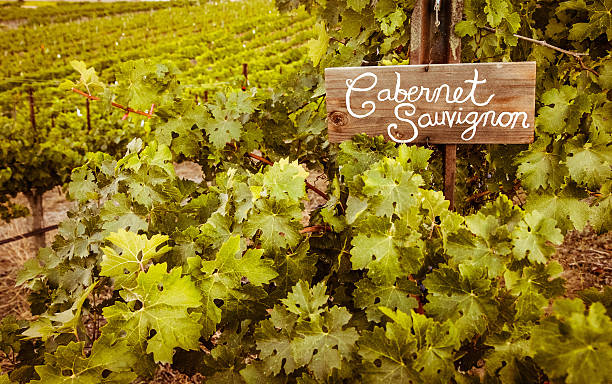
Box wines now feature a wide range of popular grape varieties, making it easier than ever to find one that suits your palate. Cabernet Sauvignon offers bold, full-bodied flavors with notes of black cherry and spice, ideal for red wine lovers.
Merlot is softer and fruit-forward, great for casual sipping or pairing with pasta. For white wine fans, Chardonnay delivers buttery, oaked flavors or crisp, unoaked styles depending on the brand. Pinot Grigio is light and refreshing, perfect for warm days or light meals.
Rosé in a box has surged in popularity, offering bright berry and citrus notes with excellent value. Some brands even offer blends or lesser-known varietals like Malbec or Sauvignon Blanc.
The key is matching the grape to your taste and occasion—bold reds for hearty meals, crisp whites for salads or seafood. With improved production techniques, boxed versions now rival bottled quality, so don’t hesitate to explore different varieties with confidence and curiosity.
Top-Rated Brands and Reviews
Several top-rated box wine brands consistently earn praise for quality, value, and sustainability. Bota Box stands out for its wide selection and eco-friendly packaging, with their Cabernet Sauvignon and Chardonnay frequently lauded in reviews.
Black Box Wines emphasizes premium quality, offering award-winning Pinot Grigio and Merlot with a 30-day freshness guarantee. Underwood Wine by Union Wine Co. delivers trendy, minimalist packaging and excellent canned and boxed options, particularly their Rosé and Pinot Noir.
14 Hands Hard Truth is celebrated for robust red blends with rich flavor. Consumer reviews often highlight value per serving, flavor consistency, and environmental impact as deciding factors. Look for brands that use recyclable materials and partner with sustainable vineyards.
Independent wine publications and platforms like Wine Enthusiast or Vivino provide reliable ratings and tasting notes. By choosing a highly reviewed brand, you ensure a satisfying experience that balances taste, convenience, and responsibility—proving that great wine doesn’t need a bottle to shine.
Common Myths About Box Wine
Myth: Box Wine is Low Quality
Box wine has long been unfairly labeled as low quality, but modern box wines are made with the same care and quality standards as bottled wines.
The misconception stems from early versions that prioritized cost over taste, but today’s offerings come from reputable winemakers who choose the bag-in-box format for its superior preservation and sustainability benefits.
The sealed bladder inside the box prevents oxidation, keeping the wine fresh for weeks after opening—far longer than a traditional bottle. Many premium producers now use this format for both reds and whites, proving that quality is determined by winemaking, not packaging.
In fact, blind taste tests often show no discernible difference between high-end bottled wines and their boxed counterparts. Choosing box wine doesn’t mean sacrificing flavor or sophistication—it means embracing innovation, freshness, and eco-consciousness without compromising on quality.
Myth: It Doesn’t Age Well
The idea that box wine can’t age well is misleading—most wines, whether in bottles or boxes, aren’t meant for long-term aging. Over 90% of wines are crafted to be enjoyed within a year or two of production, regardless of packaging.
Box wines are no exception, but their design actually enhances short-term storage. Thanks to the airtight bag-in-box system, wine stays fresh for 4–6 weeks after opening, far outperforming bottled wine, which begins to degrade within days.
While fine wines intended for cellaring still require traditional cork and glass, everyday drinking wines benefit from the box’s ability to maintain flavor and aroma. Aging potential depends on the wine’s structure, not its container, and many boxed wines offer vibrant, balanced profiles ideal for immediate enjoyment.
For the average consumer, freshness and consistency matter more than decades-long aging—and box wine excels in both.
Myth: Limited Selection of Styles
Today’s box wine market offers a surprisingly diverse range of styles, from crisp sauvignon blanc to bold cabernet sauvignon and even rosé and sparkling options. The notion that boxed wine is limited to cheap jug wine is outdated.
Innovative producers are embracing the format for its practicality and environmental advantages, expanding offerings to include organic, biodynamic, and varietal-specific wines. Whether you prefer dry, sweet, light, or full-bodied profiles, there’s likely a boxed option that matches your taste.
Major wine regions around the world now export boxed versions of their popular blends, making global varieties more accessible and affordable. With growing consumer demand for sustainable packaging, the selection continues to expand.
Boxed wine is no longer a compromise—it’s a smart, stylish choice for eco-conscious drinkers who want quality, convenience, and variety without the waste of single-use glass bottles.
How to Store and Serve Box Wine
Ideal Storage Conditions
To maintain the quality of box wine, store it in a cool, dark place away from direct sunlight and heat sources. Unlike bottled wine, box wine contains a flexible bladder that prevents air from entering once opened, making it more stable. However, temperature fluctuations can still degrade flavor over time.
Keep the box upright to avoid stress on the spout and prevent leaks. Avoid storing it in the kitchen near the stove or in garages where temperatures vary widely. Unopened box wine typically lasts 6–12 months from purchase if stored properly. Check the ‘best by’ date on the packaging.
By following these simple storage guidelines, you ensure the wine retains its intended taste and aroma, whether you’re enjoying it now or saving it for later. Proper storage is key to getting the most out of your box wine investment.
How Long It Stays Fresh After Opening
One of the biggest advantages of box wine is its extended freshness after opening. Thanks to the airtight bladder system, box wine can stay fresh for 4 to 6 weeks after the first pour—far longer than bottled wine, which often degrades within days.
Always re-seal the spout after use and avoid leaving it open or exposed. Store the box in a cool, dark place or in the refrigerator for optimal preservation. Avoid contaminating the spout by not touching it or letting it come into contact with dirty surfaces.
While the wine won’t spoil immediately after six weeks, its flavor and aroma will gradually diminish. For best results, mark the opening date on the box. This extended shelf life makes box wine ideal for casual drinkers who enjoy a glass now and then without waste.
Best Serving Temperatures by Type
Serving box wine at the correct temperature enhances its flavor and balance. Red box wines should be served slightly chilled—at 60–65°F (15–18°C)—to bring out their fruitiness without amplifying alcohol warmth. Place the box in the refrigerator for about 30 minutes before serving.
White and rosé box wines are best at 45–50°F (7–10°C); chill them in the fridge for 1–2 hours. Over-chilling dulls flavors, so avoid the freezer. Sparkling box wines should be served coldest—at 40–45°F (4–7°C)—to preserve effervescence and crispness.
Use a wine thermometer or judge by touch: the box should feel cool but not icy. Proper serving temperature ensures every glass delivers the intended tasting experience, making box wine a convenient and enjoyable option for any occasion.
Best Uses for Box Wine
Ideal for Parties and Events
Box wine is perfect for gatherings where convenience, cost, and consistent quality matter. Unlike bottled wine, which can oxidize quickly once opened, box wine features a vacuum-sealed bladder that keeps the wine fresh for up to six weeks after opening—ideal for multi-day events or large parties.
This extended shelf life reduces waste and ensures guests enjoy the same quality from the first glass to the last. Boxes typically hold 3 liters, equivalent to four standard bottles, making them a budget-friendly option for serving many people.
They also eliminate the need for corkscrews and reduce glass breakage risks, enhancing safety in casual settings. Choose dry whites or light reds in a box for crowd-pleasing appeal. With stylish packaging now common, box wine no longer sacrifices presentation.
For stress-free hosting, opt for reputable brands that prioritize flavor and freshness. Box wine lets you focus on your guests—not constantly opening new bottles.
Cooking with Box Wine
Box wine is a smart, economical choice for cooking, where volume and freshness matter. When making sauces, stews, or deglazing pans, you often need more than a single bottle, and box wine provides a consistent supply without spoilage.
Its airtight container keeps wine stable for weeks, so you can pour just what you need without worrying about oxidation. This makes it ideal for home chefs who cook intermittently. Look for dry, unsweetened varieties—a crisp white for seafood dishes or a medium-bodied red for braises and tomato sauces.
Avoid ‘cooking wine’ from the grocery aisle, which often contains salt and preservatives; instead, use drinkable box wine for better flavor. Many premium brands now offer culinary-friendly options at lower cost per liter than bottled alternatives.
Whether you’re simmering risotto, reducing a pan sauce, or marinating proteins, box wine delivers reliable taste and convenience. Stock your pantry with a few boxes to streamline meal prep and elevate your dishes with confidence.
Outdoor and Travel-Friendly Options
Box wine excels in outdoor and on-the-go settings where practicality and portability are essential. Its lightweight, shatterproof container makes it safer and easier to transport than glass bottles—perfect for picnics, camping trips, beach days, or tailgating.
The built-in spigot allows for quick, mess-free pouring, even without extra tools, and helps minimize spills. Since the sealed bag prevents air exposure, your wine stays fresh for weeks, even when stored at variable temperatures. This durability makes box wine a reliable companion for adventures where refrigeration isn’t available.
Many brands now offer eco-conscious packaging and recyclable components, enhancing sustainability. Choose chilled rosé or crisp white for summer outings, or a smooth red for evening campfire pairings. With improved quality and diverse flavor profiles, today’s box wines rival bottled varieties.
For outdoor enthusiasts who value taste, convenience, and minimal cleanup, box wine is a practical, enjoyable option that enhances any journey.
Frequently Asked Questions
What is box wine?
Box wine is wine packaged in a bag-in-box container, where a plastic bladder holds the wine and a spout allows for easy dispensing. It is often more affordable and stays fresh longer than bottled wine once opened.
How long does box wine last after opening?
Box wine typically stays fresh for 4 to 6 weeks after opening due to the airtight bag that prevents oxidation. In contrast, bottled wine usually lasts only 3 to 5 days once opened.
Is box wine lower quality than bottled wine?
Not necessarily. While box wine is often associated with budget options, many quality winemakers now use box packaging for its environmental and practical benefits. The packaging doesn’t inherently determine the wine’s quality.
Why is box wine more environmentally friendly?
Box wine has a smaller carbon footprint because the packaging is lighter and more compact, reducing transportation emissions. It also uses less material than glass bottles and is often more recyclable.
How should I store box wine?
Store unopened box wine in a cool, dark place, just like bottled wine. Once opened, keep it at room temperature or in the refrigerator and always keep the spout closed to maintain freshness.
Can you age box wine?
Box wine is not suitable for aging. It is best consumed within a year of purchase, as the packaging is not airtight enough for long-term storage and the wine may degrade faster than in bottles.
Conclusion
Box wine is a convenient, eco-friendly, and cost-effective alternative to bottled wine, offering longer freshness due to its vacuum-sealed bag. It comes in various styles, from reds to rosés, suiting casual and serious drinkers alike. Modern improvements have elevated its quality, challenging outdated perceptions. Whether for picnics, parties, or everyday enjoyment, box wine delivers value and versatility. Give it a try—you might be pleasantly surprised by its taste and practicality.