What Is Bourgogne
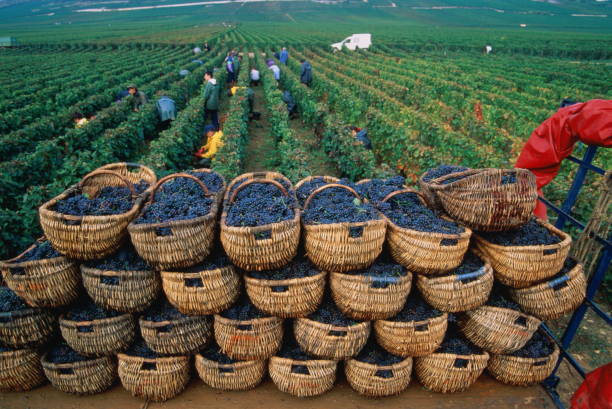
What is Bourgogne? It’s the French name for Burgundy, a world-renowned region in eastern France celebrated for its rich history, stunning landscapes, and, most famously, its exceptional wines. From buttery Chardonnays to elegant Pinot Noirs, Bourgogne’s vineyards produce some of the most sought-after bottles globally. But it’s not just about wine—think charming villages, medieval architecture, and gourmet cuisine. This guide will quickly break down everything you need to know about Bourgogne, from its culture to its world-class flavors.
What is Bourgogne?
Definition and Geographic Location
Bourgogne, known in English as Burgundy, is a historic region in central-eastern France celebrated for its rich cultural heritage, world-class wines, and picturesque landscapes. Located between the Loire and Rhône river valleys, Bourgogne spans parts of modern-day Bourgogne-Franche-Comté administrative region, encompassing departments such as Côte-d’Or, Saône-et-Loire, Yonne, and Nièvre.
The region features rolling vineyards, medieval towns, and lush countryside, making it a prime destination for wine tourism and outdoor exploration. Key cities include Dijon, the regional capital known for mustard and Gothic architecture, and Beaune, the wine capital of Bourgogne.
The region’s unique terroir—a combination of soil, climate, and topography—contributes to the distinct character of its renowned Pinot Noir and Chardonnay wines. Understanding Bourgogne’s geography helps visitors and enthusiasts appreciate its deep connection between land and viticulture.
Historical Background of the Region
Bourgogne’s history is deeply rooted in centuries of political, religious, and economic influence. Originally inhabited by Celtic tribes, the region was later conquered by the Romans, who introduced viticulture.
During the Middle Ages, Bourgogne became a powerful duchy under the Dukes of Burgundy, rivaling the French crown in wealth and influence. Monasteries, particularly those of the Cluniac and Cistercian orders, played a pivotal role in developing and preserving winemaking traditions.
The region eventually came under French control in the late 15th century. Over time, Bourgogne evolved into a cultural and agricultural hub, with its wine appellation system becoming one of the most respected in the world. Historical events like the French Revolution and the phylloxera crisis shaped its modern identity.
Today, Bourgogne’s legacy lives on through its UNESCO-listed Climats de Bourgogne, recognizing the historical significance of its vineyard parcels.
Bourgogne vs. Burgundy: Name Differences Explained
The terms ‘Bourgogne’ and ‘Burgundy’ refer to the same French region but are used in different languages. ‘Bourgogne’ is the French name, used locally and officially in France, especially on wine labels and regional branding.
‘Burgundy’ is the English adaptation, historically derived from the name of the Burgundians, an ancient Germanic tribe that settled the area. While both names describe the same place, ‘Bourgogne’ is preferred in authentic and premium contexts, particularly in wine marketing, to emphasize French origin and tradition.
For example, wine producers use ‘Appellation Bourgogne Contrôlée’ to denote quality and authenticity. Understanding this distinction helps consumers appreciate the cultural and linguistic nuances behind the region’s identity.
Whether you say Bourgogne or Burgundy, the essence remains the same: a region synonymous with elegance, terroir-driven wines, and centuries of winemaking excellence.
Wine Production in Bourgogne
Main Grape Varieties Used
Bourgogne, also known as Burgundy, is renowned for its focus on Pinot Noir and Chardonnay as the primary grape varieties.
Pinot Noir dominates the red wine production, particularly in regions like Côte de Nuits and Côte de Beaune, where it produces elegant, age-worthy reds with complex notes of red fruit, earth, and spice.
Chardonnay is the star of white wine production, especially in Chablis, Côte de Beaune, and Mâconnais, yielding crisp, mineral-driven, or richly textured whites depending on the terroir and winemaking style. A small amount of Gamay is grown in the southern Beaujolais region, though it is often considered distinct.
Aligoté is another permitted white grape, used for more affordable, high-acid wines. The strict adherence to single-varietal wines emphasizes purity and expression of origin. Growers prioritize clonal selection and vineyard management to enhance quality, ensuring that each grape reflects its unique plot.
This focus on varietal purity defines Bourgogne’s winemaking philosophy and global reputation.
Appellation System and Classification
The appellation system in Bourgogne is one of the most detailed and hierarchical in the world, designed to protect origin and quality. Governed by the AOC (Appellation d’Origine Contrôlée) framework, it classifies wines into four tiers: Régionale (regional), Village, Premier Cru, and Grand Cru.
Régionale wines, like Bourgogne Rouge or Blanc, come from across the region and offer accessible entry points. Village-level wines highlight specific communes, such as Gevrey-Chambertin or Puligny-Montrachet. Premier Cru wines originate from recognized superior vineyard plots within a village, often labeled with the vineyard name.
Grand Cru, the highest tier, represents just 2% of production from the most prestigious sites, such as Romanée-Conti or Montrachet, and can be sold without a village name. Each appellation enforces strict rules on yield, grape variety, and viticultural practices.
This precision-based classification ensures traceability and authenticity, allowing consumers to understand a wine’s origin and quality potential at a glance.
Role of Terroir in Wine Quality
In Bourgogne, terroir is the foundation of wine identity, where subtle differences in soil, slope, aspect, and microclimate dramatically influence wine character. The region’s diverse geology—limestone, marl, clay, and sandstone—shapes distinct flavor profiles even within vineyards just meters apart.
For example, Chardonnay from the Kimmeridgian soils of Chablis exhibits pronounced minerality and flint, while those from the Côte d’Or show richer textures and stone fruit. Similarly, Pinot Noir expresses brighter acidity and red fruit in cooler, higher elevations, versus deeper concentration on sun-exposed slopes.
Vignerons treat each parcel individually, practicing meticulous vineyard farming to express terroir truthfully. The concept of *climat*—a precisely defined vineyard with unique attributes—is central, with over 1,900 officially recognized. This obsession with terroir transparency drives low yields, hand harvesting, and minimal intervention in the cellar.
As a result, Bourgogne wines are celebrated not for power, but for their nuanced reflection of place, making terroir the ultimate determinant of quality and value.
Key Wine Styles from Bourgogne

Red Wines from Pinot Noir
Bourgogne, also known as Burgundy, is renowned for its elegant red wines made exclusively from Pinot Noir. These wines express the region’s diverse terroirs, ranging from light, red-fruit-driven styles in cooler areas like Chablis to richer, more structured expressions from Côte de Nuits and Côte de Beaune.
Pinot Noir from Bourgogne typically features bright acidity, silky tannins, and complex aromas of cherry, raspberry, earth, and subtle spice. The best examples age gracefully, developing nuanced notes of forest floor and game.
For wine lovers, understanding the hierarchy—from regional Bourgogne Rouge to village, Premier Cru, and Grand Cru levels—helps identify quality and value. Choosing a bottle from a reputable producer and a strong vintage ensures a rewarding experience.
These reds pair beautifully with poultry, mushrooms, and roasted meats, making them ideal for both casual meals and special occasions.
White Wines from Chardonnay
Bourgogne’s white wines, crafted predominantly from Chardonnay, are benchmarks for the variety worldwide. From the crisp, mineral-driven bottles of Chablis to the rich, barrel-fermented styles of Meursault and Puligny-Montrachet, the region showcases Chardonnay’s remarkable versatility.
Key characteristics include vibrant acidity, citrus and stone fruit flavors, and often subtle notes of oak, toast, or hazelnut in more premium expressions. The limestone-rich soils and cool climate contribute to the wine’s precision and longevity.
Understanding appellations is essential—regional Bourgogne Blanc offers excellent value, while Premier and Grand Cru designations signal greater complexity and aging potential. These whites shine with seafood, creamy sauces, and goat cheese. For those exploring Bourgogne, Chardonnay provides a clear window into the region’s commitment to terroir and winemaking finesse.
Regional Blends and Lesser-Known Varietals
Beyond Pinot Noir and Chardonnay, Bourgogne produces distinctive regional blends and wines from lesser-known grapes that offer both value and variety. Bourgogne Passe-Tout-Grains, for example, is a red blend of Pinot Noir and Gamay, delivering juicy, approachable flavors with soft tannins.
In the Mâconnais, Aligoté—a high-acid white grape—makes crisp, affordable wines often enjoyed with shellfish or as a base for the local Kir cocktail. Sacy and Melon de Bourgogne also appear in small quantities, mainly in generic blends.
These varietals and blends reflect Bourgogne’s historical diversity and provide excellent entry points for casual drinking. While overshadowed by the region’s flagship grapes, they showcase adaptability and regional pride.
Exploring these styles broadens your appreciation of Bourgogne’s full winemaking spectrum, offering refreshing alternatives without sacrificing the region’s hallmark balance and elegance.
Famous Sub-Regions and Vineyards
Côte de Nuits: Home of Premium Pinot Noir
The Côte de Nuits is renowned as the heartland of exceptional Pinot Noir, producing some of the world’s most age-worthy and complex red wines. Stretching from Dijon to Corgoloin, this sub-region includes 9 of Burgundy’s 24 Grand Cru vineyards, such as Romanée-Conti and Chambertin.
The limestone-rich soils and ideal south-eastern exposure allow Pinot Noir to achieve perfect ripeness while retaining acidity. Wines from this area are characterized by elegant structure, red fruit notes, and earthy undertones, evolving beautifully over decades.
For wine lovers, exploring appellations like Gevrey-Chambertin, Vosne-Romanée, and Nuits-Saint-Georges offers insight into terroir-driven winemaking. Understanding these vineyards helps in selecting bottles that reflect precision, depth, and vintage variation.
Investing time in tasting Côte de Nuits wines reveals why they are cornerstones of fine Burgundy collections and benchmarks for Pinot Noir globally.
Côte de Beaune: Source of Fine Chardonnay
The Côte de Beaune stands as the epicenter of world-class Chardonnay, celebrated for its rich, nuanced white wines. Located south of the Côte de Nuits, it features prestigious appellations like Puligny-Montrachet, Chassagne-Montrachet, and Meursault, each expressing distinct terroir through flavor and texture.
While it also produces reds, its white wines dominate in reputation, with Grand Crus such as Montrachet setting global standards. The region’s marl and limestone soils, combined with optimal sun exposure, foster Chardonnay with balanced acidity, minerality, and layers of citrus, pear, and toasted nut.
Winemakers here often use oak judiciously to enhance complexity without overpowering. For enthusiasts, exploring Côte de Beaune offers a masterclass in elegance, balance, and aging potential. These wines pair exquisitely with seafood, poultry, and creamy dishes, making them essential for both collectors and food lovers.
Chablis and Mâconnais: Distinct White Wine Areas
The Chablis and Mâconnais regions highlight Burgundy’s diversity in white wine production, each offering a unique expression of Chardonnay shaped by climate and soil. Chablis, in northern Burgundy, is famed for its crisp, mineral-driven wines grown on Kimmeridgian limestone, delivering flavors of green apple, lemon zest, and flint.
With no oak influence, Chablis wines are pure, racy, and age-worthy, ideal for lovers of steely, refreshing whites. Southward, the Mâconnais enjoys a warmer climate, producing rounder, fruit-forward Chardonnays from appellations like Pouilly-Fuissé and Saint-Véran. These wines often show notes of peach, melon, and subtle oak, offering excellent value.
Both regions emphasize terroir transparency and varietal purity, making them essential for understanding Burgundy’s range. For drinkers seeking authentic, food-friendly whites, Chablis and Mâconnais provide distinctive, high-quality options beyond the Côte d’Or.
How to Read Bourgogne Wine Labels
Understanding Appellation Levels
Bourgogne, also known as Burgundy, is a renowned French wine region producing some of the world’s most celebrated Pinot Noir and Chardonnay wines. The appellation system in Bourgogne is hierarchical and reflects the quality and origin of the wine.
At the top are Grand Cru wines, made from the finest vineyards and representing less than 2% of total production. Below that are Premier Cru (or 1er Cru) wines, sourced from specific, high-quality plots within a village.
The next level includes Village Appellations, named after a specific commune like Chablis or Meursault. Finally, Bourgogne AOC is the broadest designation, covering wines from across the region. Understanding these levels helps you assess quality and value—higher-tier wines often offer greater complexity and aging potential.
Always check the label for the appellation name, as it indicates the geographic precision and prestige of the wine.
Decoding Producer and Vintage Information
On a Bourgogne wine label, the producer’s name is often a key indicator of quality and style. Look for terms like *Mis en bouteille par* (bottled by) followed by the producer’s name and address—this suggests the grower made and bottled the wine, often a sign of authenticity.
Alternatively, *Mis en bouteille pour* indicates the wine was bottled for a merchant, which may imply blending from multiple sources. The vintage year is also crucial, as Bourgogne’s climate is marginal, making each year’s weather highly influential.
Cooler vintages yield more restrained, acidic wines, while warmer years produce riper, fuller styles. Top producers consistently deliver quality regardless of vintage, so researching trusted names can guide your choices. Always note the vintage on the label—it helps predict flavor profile and aging potential.
This information, combined with appellation, empowers informed purchasing decisions.
Common Terms and Their Meanings
Bourgogne wine labels feature several key terms that clarify the wine’s origin and style. *Appellation Bourgogne Contrôlée* (or AOC) confirms it meets regional standards. *Cuvée* refers to a specific blend or batch, sometimes indicating a special selection.
*Vieilles Vignes* (old vines) suggests deeper concentration, as older vines produce fewer, more intense grapes. *Élevage* describes the aging process, often in oak barrels, influencing texture and flavor. Understanding these terms enhances your ability to select wines aligned with your taste.
For white Bourgogne, *fumé* or *buttery* may appear in descriptions, while reds might be labeled *elegant* or *structured*. Some labels include *climat* names—the historic vineyard plots unique to Bourgogne. Familiarity with these terms allows you to navigate labels confidently and appreciate the region’s nuanced winemaking tradition.
Food Pairings with Bourgogne Wines
Classic French Dishes That Complement Red Bourgogne
Red Bourgogne, primarily made from Pinot Noir, thrives when paired with earth-rich, savory dishes that mirror its elegant structure and red fruit notes. A quintessential match is coq au vin, where the wine’s acidity cuts through the dish’s richness while enhancing its herbal depth.
Boeuf bourguignon, originating from the same region, creates a harmonious loop—using Bourgogne in the stew and serving it alongside amplifies both flavors. Duck confit with roasted root vegetables also works beautifully, as the wine’s bright cherry and subtle spice balance the duck’s unctuousness.
For vegetarian options, mushroom risotto or roasted beet salads with goat cheese echo the wine’s earthy undertones. Avoid overly spicy or heavily charred meats, which can overpower its delicate profile. Serve red Bourgogne slightly below room temperature—around 15–16°C (59–61°F)—to preserve its aromatic finesse.
These classic French dishes not only honor the wine’s heritage but also elevate the dining experience through regional synergy and flavor layering.
Ideal Matches for White Bourgogne Wines
White Bourgogne, crafted from Chardonnay, ranges from crisp and mineral to rich and buttery, making it incredibly versatile at the table. Lighter styles, such as those from Chablis, excel with oysters, grilled shrimp, or sole meunière, where the wine’s citrus and flinty notes enhance the seafood’s freshness.
Fuller-bodied versions, like those from Meursault or Pouilly-Fuissé, pair exquisitely with roast chicken, creamy risottos, or sautéed scallops in brown butter. The balanced acidity and subtle oak in premium whites stand up to moderate richness without overwhelming delicate proteins.
Dishes with herbs like tarragon, chervil, or parsley also complement the wine’s aromatic complexity. Avoid overly sweet or heavily spiced cuisines, which can clash with its profile. For optimal pairing, serve white Bourgogne chilled at 10–13°C (50–55°F) to highlight its structure and length.
These matches underscore the terroir-driven elegance of white Bourgogne, creating refined, cohesive meals rooted in Burgundian tradition.
Cheese and Charcuterie Pairing Tips
When pairing Bourgogne wines with cheese and charcuterie, match intensity with nuance to preserve the wine’s delicate balance. For red Bourgogne, select semi-soft, washed-rind cheeses like Époisses, Taleggio, or Reblochon—their creamy texture and savory funk harmonize with the wine’s red fruit and earthy notes.
Avoid overly pungent blues, which can dominate. Charcuterie should include mild cured meats such as jambon de Bayonne, duck rillettes, or pork pâté, whose fat content is balanced by the wine’s acidity.
With white Bourgogne, opt for fresh goat cheese, Camembert, or young Gouda, which highlight its citrus and mineral character. Pair with prosciutto or chicken liver mousse for a luxurious contrast. Include crusty bread, cornichons, and a touch of Dijon mustard to cleanse the palate between bites.
Serve cheeses at room temperature to fully express their aromas. This thoughtful selection creates a sophisticated tasting experience that celebrates both the wine and regional French craftsmanship.
Tips for Buying and Storing Bourgogne Wine
How to Choose Quality Wines on a Budget
Finding high-quality Bourgogne wine without overspending is possible with a few smart strategies. First, look for vintages from reputable but non-peak years, as they often offer excellent value. Focus on small, family-run domaines—they frequently produce artisanal wines at accessible prices.
Bourgogne Rouge and Bourgogne Blanc, labeled under the broader regional appellation, are great entry points made from Pinot Noir and Chardonnay, respectively. Don’t overlook village-level wines from lesser-known appellations like Givry or Rully—they deliver character and complexity at lower costs.
Shop at specialty wine stores or importers who focus on French wines, as they often source directly and pass savings to customers. Finally, ask for staff recommendations and read independent reviews to identify under-the-radar bottles.
With patience and research, you can enjoy authentic Bourgogne wines that reflect terroir and tradition without straining your budget.
Best Practices for Long-Term Storage
To preserve the delicate balance of Bourgogne wines, proper long-term storage is essential. Store bottles horizontally to keep corks moist and prevent oxidation. Maintain a consistent temperature between 55°F and 58°F (13°C–14°C)—fluctuations can damage the wine’s structure. Humidity levels should stay around 70% to prevent cork shrinkage.
Keep bottles in a dark, vibration-free environment, as light and movement can disrupt aging. Avoid storing near strong odors or appliances that emit heat.
For Pinot Noir and Chardonnay-based Bourgognes, aging potential varies: entry-level wines are best within 3–5 years, while premier and grand crus can evolve beautifully over 10–15 years. Use a wine cellar or dedicated wine fridge for optimal results.
Track vintages and drinking windows to enjoy each bottle at its peak, ensuring the aromatic finesse and silky texture characteristic of well-stored Bourgogne.
When to Drink Young vs. Aged Bourgogne
Understanding when to drink Bourgogne wine enhances your enjoyment. Most regional and village-level Bourgognes are crafted for early consumption—drink within 3 to 5 years to enjoy their bright fruit, floral notes, and freshness. These wines typically don’t benefit from extended aging.
However, premier and grand cru wines from top villages like Gevrey-Chambertin or Meursault have the structure and concentration to age 10 to 20 years or more, developing complex layers of earth, spice, and honey. Pinot Noirs from cooler vintages often age more gracefully than those from warmer years.
To decide, consult vintage charts and producer notes. When in doubt, open a bottle early to assess its evolution. Decant aged Bourgognes gently to separate sediment and allow aromas to unfold. Ultimately, personal preference guides the ideal moment—some enjoy youthful vibrancy, others savor the depth of maturity.
Frequently Asked Questions
What is Bourgogne?
Bourgogne, known in English as Burgundy, is a region in east-central France renowned for its wine, cuisine, and historical significance. It is particularly famous for producing some of the world’s most prestigious wines, such as Pinot Noir and Chardonnay.
Where is Bourgogne located?
Bourgogne is located in the east-central part of France, south of Paris. It borders regions such as Champagne, Franche-Comté, and Rhône-Alpes.
What are the main wines from Bourgogne?
The main wines from Bourgogne include Pinot Noir for reds and Chardonnay for whites. The region is also known for its sparkling Crémant de Bourgogne.
Is Bourgogne the same as Burgundy?
Yes, Bourgogne is the French name for the region known in English as Burgundy. Both refer to the same area in France, especially in the context of wine and cuisine.
What is Bourgogne famous for besides wine?
Besides wine, Bourgogne is famous for its rich culinary traditions, including dishes like coq au vin and boeuf bourguignon. The region also boasts historic towns, abbeys, and UNESCO World Heritage sites.
How is wine labeled in Bourgogne?
Wine in Bourgogne is typically labeled by appellation and vineyard, emphasizing the terroir. Labels often include the village name, vineyard classification (like Premier Cru or Grand Cru), and the grape variety.
Conclusion
Bourgogne, or Burgundy, is a renowned French wine region celebrated for its exceptional Pinot Noir and Chardonnay. Its unique terroir, centuries-old traditions, and strict appellation system contribute to some of the world’s most prestigious wines. Understanding Bourgogne enhances appreciation for its complexity and craftsmanship. Whether you’re a novice or connoisseur, exploring Bourgogne’s wines offers a rich, rewarding journey into the heart of French viticulture. Raise a glass and savor the elegance of Bourgogne.
