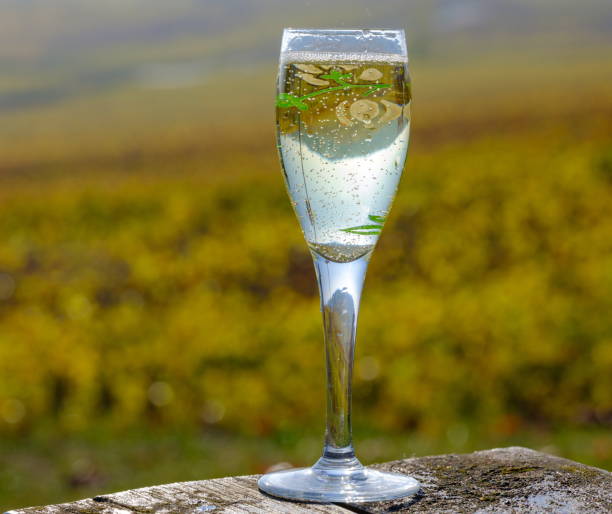
What Is Blanc De Noirs Champagne
Ever wondered what blanc de noirs champagne is? It’s a crisp, elegant sparkling wine made exclusively from black grapes—typically Pinot Noir and Pinot Meunier—despite its white color. You might be surprised, but removing the skins early in the process keeps the juice clear while adding rich structure and subtle red fruit notes. If you’re exploring champagnes beyond the usual blend, blanc de noirs offers a fuller body and depth that’s perfect for toasting or pairing with food. Let’s dive into what makes it special.
What Is Blanc de Noirs Champagne
Definition of Blanc de Noirs
Blanc de Noirs Champagne is a white wine made exclusively from black (red) grape varieties, primarily Pinot Noir and Pinot Meunier. Despite using dark-skinned grapes, the juice is pressed quickly to minimize skin contact, ensuring the wine remains pale and clear.
The term ‘Blanc de Noirs’ translates to ‘white from blacks,’ highlighting this unique winemaking technique. This style of Champagne is known for its structured body, rich texture, and vibrant acidity, often exhibiting notes of red berries, citrus, brioche, and almond.
It’s a compelling choice for those who enjoy fuller-bodied sparkling wines with depth and complexity. Because it’s made from red grapes, Blanc de Noirs often has greater concentration and aging potential compared to other white Champagnes.
It remains a testament to the region’s versatility and craftsmanship, offering a distinct expression of terroir through black grapes transformed into elegant white wine.
How It Differs From Other Champagne Types
Blanc de Noirs stands apart from other Champagne styles due to its exclusive use of black grapes, contrasting with Blanc de Blancs, which is made solely from Chardonnay.
While most Champagnes blend red and white grapes, Blanc de Noirs focuses on extracting finesse from Pinot Noir and Pinot Meunier without color extraction. This results in a wine that is paler than rosé but more robust than Blanc de Blancs, offering a unique middle ground in body and flavor.
Unlike rosé Champagne, which gains its hue through brief skin contact or blending with red wine, Blanc de Noirs avoids deliberate coloring. Its aromatic profile leans toward red fruit, toast, and earthy notes, whereas Blanc de Blancs tends to showcase citrus, green apple, and mineral traits.
Additionally, Blanc de Noirs often has a denser mouthfeel and greater aging capacity, making it ideal for vintage expressions. This distinction makes it a favorite among connoisseurs seeking complexity and structure in their sparkling wine.
Common Grape Varieties Used
Blanc de Noirs Champagne is primarily crafted from two black grape varieties: Pinot Noir and Pinot Meunier. Pinot Noir, grown mainly in the Montagne de Reims and Vallée de la Marne, contributes structure, elegance, and aging potential, often bringing red fruit, cherry, and floral notes.
It forms the backbone of most Blanc de Noirs, providing depth and backbone. Pinot Meunier, more prevalent in the Vallée de la Marne, adds fruitiness, softness, and early approachability, with flavors of ripe apple, pear, and subtle spice.
While less age-worthy than Pinot Noir, it enhances the wine’s aromatic intensity and roundness. Though rare, some producers may use small amounts of other permitted black varieties, but the blend remains focused on these two.
The careful pressing of these grapes ensures minimal phenolic extraction, preserving the wine’s clarity and freshness. Together, these grapes create a balanced, expressive Champagne that showcases the versatility of black grapes in white wine production, delivering both power and finesse.
How Blanc de Noirs Is Made

Step-by-Step Production Process
Blanc de Noirs champagne is made exclusively from black grape varieties, primarily Pinot Noir and Pinot Meunier, despite its white color. The production begins with the gentle pressing of red grapes to minimize skin contact, ensuring the juice remains clear.
After pressing, the juice undergoes primary fermentation in stainless steel tanks or oak barrels, transforming sugars into alcohol. Next, the winemaker selects base wines for blending to achieve the desired flavor profile.
The blended wine then goes through bottle fermentation, where yeast and sugar are added, creating a second fermentation that produces carbonation. After aging on the lees for a minimum of 15 months (often much longer), the bottles are riddled and disgorged to remove yeast sediment.
Finally, a dosage—a mixture of wine and sugar—is added before corking, determining the champagne’s sweetness level. This meticulous process ensures a complex, crisp, and elegant white wine from dark-skinned grapes.
Role of Pinot Noir and Pinot Meunier
The identity of Blanc de Noirs hinges on the use of Pinot Noir and Pinot Meunier, two red grape varieties from the Champagne region. These grapes provide the wine with structure, depth, and aromatic complexity despite the absence of color extraction.
Pinot Noir contributes elegance, acidity, and red fruit notes like cherry and raspberry, along with a firm backbone that supports aging. In contrast, Pinot Meunier adds fruit-forward aromas, roundness, and early approachability, balancing the blend’s overall character.
Because both grapes have thick skins and thrive in cooler climates, they deliver optimal ripeness and acidity crucial for sparkling wine. Their combined use allows winemakers to craft a harmonious, full-bodied blanc de noirs with layers of flavor and texture.
By avoiding Chardonnay entirely, Blanc de Noirs stands out as a powerful expression of red grapes transformed into a refined white sparkling wine through careful vinification techniques.
Pressing and Juice Extraction Techniques
Critical to Blanc de Noirs production is the gentle and rapid pressing of black grapes to extract clear juice without color leaching from the skins. Winemakers use pneumatic or traditional basket presses that apply gradual, even pressure in cycles, separating the juice into fractions.
The first fraction, known as *cuvée*, is the purest and most prized—light, crisp, and low in phenolics—ideal for high-quality champagne. The later fraction, *taille*, contains more tannins and color compounds and is often used sparingly or excluded. Minimal skin contact—typically under a few hours—ensures the juice remains pale.
This careful extraction preserves freshness and finesse while leveraging the structural benefits of red grapes. The entire process emphasizes precision and speed to protect juice quality before fermentation.
By mastering pressing techniques, producers ensure Blanc de Noirs maintains its signature clarity, vibrant acidity, and complex flavor profile derived solely from black grapes.
Tasting Profile and Flavor Notes

Typical Aromas and Bouquet
Blanc de Noirs Champagne, despite being a white wine, is crafted exclusively from black-skinned grape varieties, typically Pinot Noir and Pinot Meunier. This unique origin imparts a distinctive aromatic profile that sets it apart from other Champagnes.
On the nose, expect bright red fruit notes such as fresh strawberry, raspberry, and red currant, often complemented by subtle hints of cherry and cranberry. These fruit-forward aromas are frequently layered with floral undertones like rose petal or hawthorn, and sometimes a delicate touch of spice or earthiness.
Unlike blanc de blancs, which leans citrus and mineral, Blanc de Noirs offers a richer, more generous bouquet due to the influence of Pinot grapes. The pressing method—gentle to avoid excessive skin contact—ensures the juice remains clear while capturing nuanced aromatic compounds.
When exploring a Blanc de Noirs, swirl the glass gently to release its full aromatic complexity, enhancing your sensory experience before the first sip.
Palate Characteristics
On the palate, Blanc de Noirs Champagne delivers a structured, full-bodied mouthfeel that stands out for its depth and presence. The red fruit aromas translate into vibrant flavors of ripe red berries, often accented by notes of baked apple, citrus zest, and a touch of brioche from extended lees aging.
Its higher phenolic content—derived from the Pinot grapes—contributes to a slightly firmer texture and more pronounced backbone compared to lighter styles. Acidity is typically well-balanced and lively, providing freshness without sharpness, making it both refreshing and satisfying.
Many Blanc de Noirs expressions also exhibit a subtle minerality and a hint of almond or toasted nut on the finish. This complexity makes it exceptionally food-friendly, pairing beautifully with everything from roasted poultry to creamy cheeses.
Served chilled in a tulip-shaped glass, the wine reveals evolving layers, offering a harmonious blend of power and elegance sip after sip.
How Aging Affects Taste
Extended aging, especially in the bottle during the traditional méthode champenoise, profoundly shapes the flavor profile of Blanc de Noirs Champagne. Over time, prolonged contact with yeast lees develops deeper complexity, introducing notes of brioche, toasted nuts, honey, and spice.
These secondary characteristics meld with the wine’s inherent red fruit core, creating a more layered and nuanced palate. As the Champagne ages further—particularly in vintage or prestige cuvées—tertiary notes like dried fig, leather, and earthy mushroom may emerge, adding sophistication.
The texture also evolves, becoming smoother and creamier, while the acidity integrates seamlessly for a rounded finish. However, aging must be carefully managed; too long can diminish freshness. Proper storage—cool, dark, and horizontal—preserves balance.
For enthusiasts, cellaring a Blanc de Noirs for 5–10 years can transform it into a remarkably rich, contemplative wine that showcases the exceptional aging potential of Pinot-driven Champagnes.
Best Food Pairings With Blanc de Noirs
Seafood and Blanc de Noirs
Blanc de Noirs Champagne, made exclusively from black grape varieties like Pinot Noir and Pinot Meunier, offers a vibrant acidity and subtle red fruit notes that elevate delicate seafood dishes.
Its crisp structure cuts through the richness of buttery lobster or seared scallops, while its citrus and mineral undertones enhance the natural sweetness of shellfish.
Pairing raw bar selections like oysters, clams, or shrimp cocktail with Blanc de Noirs highlights the wine’s bracing freshness and amplifies the oceanic salinity of the seafood. For grilled or poached white fish such as halibut or cod, the wine’s light body and effervescence cleanse the palate between bites.
Avoid overly spicy or heavily sauced seafood, as they can overpower the wine’s nuanced profile. Instead, focus on simple preparations with lemon, herbs, or light cream sauces to maintain balance. This makes Blanc de Noirs an exceptional choice for seafood-centric celebrations or summer soirées where freshness is key.
Poultry and Mushroom Dishes
The robust yet refined character of Blanc de Noirs makes it an excellent match for poultry and earthy mushroom dishes. Unlike lighter blanc de blancs, Blanc de Noirs has more body and structure due to its Pinot Noir and Pinot Meunier base, allowing it to stand up to richer flavors.
Roast chicken, duck breast, or turkey with herb crusts harmonize beautifully with the wine’s red berry notes and subtle toastiness from aging. Mushroom-based dishes—such as wild mushroom risotto, duxelles-stuffed chicken, or sautéed chanterelles—complement the wine’s earthy, umami undertones.
The acidity in the Champagne cuts through the dish’s richness, refreshing the palate with each sip. For best results, avoid overly heavy cream sauces; instead, opt for pan sauces with wine or stock to preserve harmony.
This pairing is ideal for autumn dinners or elegant brunches where depth and elegance are desired.
Cheese Pairings That Work Well
When selecting cheeses to pair with Blanc de Noirs, focus on options that balance its acidity and subtle fruitiness without overwhelming its delicate effervescence. Soft-ripened cheeses like Brie, Camembert, and Chaource are excellent choices—their creamy texture and mild tang complement the wine’s round mouthfeel and hint of red fruit.
Lightly aged goat cheeses also work well, offering a zesty contrast that enhances the Champagne’s crispness. Avoid overly pungent or blue-veined cheeses, as their strong flavors can dominate the wine. Instead, consider semi-firm cheeses like young Gouda or Fontina, which provide nutty notes that mirror the wine’s brioche-like autolytic character.
Serve cheeses at room temperature to fully express their flavors and allow the bubbles to lift the richness. This makes Blanc de Noirs a versatile companion for cheese boards at cocktail parties or post-dinner gatherings.
Top Blanc de Noirs Champagne Producers
Renowned Houses and Their Signature Bottles
Blanc de Noirs Champagne is a white wine made exclusively from black grapes, typically Pinot Noir and/or Pinot Meunier. Unlike traditional Champagne blends that include white Chardonnay, Blanc de Noirs showcases the structure, body, and red fruit character these darker-skinned grapes provide, even without skin contact.
Top-tier Champagne houses have mastered this style, producing age-worthy, complex bottles. Krug Clos d’Ambonnay, made entirely from Pinot Noir, delivers intense depth and longevity. Bollinger Vieilles Vignes Françaises comes from ungrafted, pre-phylloxera vines, offering rare concentration and earthy richness.
Pol Roger Sir Winston Churchill, a powerful Pinot-dominant blend, reflects structure and elegance. These iconic producers demonstrate how extended aging, low yields, and meticulous vinification elevate Blanc de Noirs into a category of distinction.
For enthusiasts seeking boldness and aging potential, these signature bottles represent the pinnacle of what this style can achieve, combining power with finesse in a uniquely expressive form of Champagne.
Grower-Producer Options to Try
For a more terroir-driven take on Blanc de Noirs Champagne, grower-producers offer authentic, small-batch expressions that highlight individual vineyard character. These independent vintners grow their own grapes and oversee every step, resulting in wines with distinct personality and artisanal craftsmanship.
Pierre Gimonnet Cuis 100% Pinot Noir delivers crisp red apple and chalky minerality, showcasing the Côte des Blancs’ surprising versatility. Eric Rodez Ambonnay Grand Cru Blanc de Noirs blends Pinot Noir from old vines with subtle oak influence, creating layers of spice, cherry, and brioche.
Agricultural pioneer Pascal Doquet crafts a vibrant, biodynamically farmed Blanc de Noirs from Le Mesnil-sur-Oger, defying regional norms with bold Pinot expression. These grower Champagnes often undergo longer aging on lees and minimal dosage, enhancing complexity and purity.
Exploring these options allows drinkers to experience site-specific nuances and sustainable practices while discovering how terroir shapes this robust style. They’re ideal for those seeking authenticity beyond the big brands.
Value Picks Under $100
Discovering high-quality Blanc de Noirs Champagne doesn’t require a luxury budget—several outstanding options under $100 deliver impressive character and craftsmanship. Taittinger Prelude Grand Cru Blanc de Noirs stands out with its elegant structure, offering notes of ripe strawberry, toasted almond, and citrus zest, sourced from premier Pinot Noir villages.
Charles Heidsieck Brut Réserve may blend in a touch of Chardonnay, but its Pinot-driven core gives it the richness and depth typical of Blanc de Noirs, with generous autolytic flavors from extended aging.
Larmandier-Bernier Latitude Extra Brut, while technically a Blanc de Blancs in name, often includes Pinot Noir in some cuvées, but their Terre de Vertus Blanc de Noirs is a true standout—organic, low-dosage, and bursting with red fruit and saline minerality.
These value picks prove that intensity, balance, and aging potential can be found affordably. They’re perfect for both celebrations and thoughtful tastings, offering a gateway to understanding how Pinot Noir shapes Champagne with power, finesse, and remarkable drinkability.
How to Serve and Store Blanc de Noirs
Ideal Serving Temperature
To fully appreciate blanc de noirs champagne, serving it at the ideal temperature is essential for preserving its delicate balance and vibrant character. Blanc de noirs, made exclusively from black grapes—typically Pinot Noir and sometimes Pinot Meunier—offers rich berry notes, structure, and depth, which are best revealed when chilled properly.
The optimal serving temperature ranges between 45°F and 48°F (7°C to 9°C). Serving it too cold dulls the aromas and flavors, while serving it too warm emphasizes alcohol and reduces effervescence.
To achieve this, chill the bottle in a refrigerator for 3–4 hours or in an ice bucket filled with equal parts ice and water for 20–30 minutes. Avoid freezing, as it can damage the bubbles and texture.
Once opened, keep the champagne cool using a wine cooler or ice bucket to maintain consistent flavor throughout service.
Best Glassware for Tasting
Choosing the right glassware significantly enhances the experience of enjoying blanc de noirs champagne. While flutes are traditional and emphasize the stream of fine bubbles, many experts now recommend tulip-shaped or white wine glasses for better aroma concentration and flavor development.
These glasses have a slightly wider bowl than flutes but taper at the top, which helps capture and direct complex aromas—such as red berry, brioche, and mineral notes—toward the nose. The broader surface area also allows the wine to breathe subtly, revealing more nuanced layers.
Avoid wide, shallow coupes, as they dissipate bubbles too quickly and reduce aromatic intensity. For the best tasting experience, use crystal or thin-rimmed glassware to ensure a smooth pour and clean finish. Rinse glasses with water and dry with a lint-free cloth to avoid residue that could disrupt the mousse.
Storage Tips for Longevity
Proper storage is critical to preserving the quality and aging potential of blanc de noirs champagne. If you plan to keep it for an extended period, store bottles horizontally in a cool, dark, and humidity-controlled environment to keep the cork moist and maintain an airtight seal.
The ideal storage temperature is 50°F to 55°F (10°C to 13°C) with minimal fluctuations—avoid areas near ovens, windows, or refrigerators that generate heat or light. UV exposure can degrade the wine, so dark storage cabinets or wine cellars are best. Additionally, minimize vibration, which can disturb sediment and affect aging.
While most non-vintage blanc de noirs are best consumed within 3–5 years, vintage expressions can age gracefully for 10 years or more under ideal conditions. Always store bottles away from strong odors, as corks can absorb surrounding smells, compromising the champagne’s purity.
Blanc de Noirs vs. Other Champagne Styles
Blanc de Noirs vs. Blanc de Blancs
Blanc de Noirs champagne is made exclusively from black-skinned grapes, typically Pinot Noir and Pinot Meunier, despite its white color. The juice is gently pressed to minimize skin contact, preventing deep color extraction while preserving structure and body.
In contrast, Blanc de Blancs is crafted solely from white Chardonnay grapes, resulting in a lighter, crisper profile with pronounced acidity and citrus notes.
Blanc de Noirs tends to offer more body, depth, and red fruit characteristics—such as strawberry, cherry, and subtle earthiness—making it a robust alternative for those seeking complexity without sweetness.
While Blanc de Blancs excels in freshness and elegance, often favored as an aperitif, Blanc de Noirs stands out with greater texture and aging potential.
Understanding this distinction helps in pairing: choose Blanc de Noirs with richer dishes like poultry or mushroom-based courses, and Blanc de Blancs with delicate seafood or oysters. Both styles showcase Champagne’s versatility, rooted in grape selection and winemaking precision.
Comparison With Rosé Champagne
While Blanc de Noirs and Rosé Champagne both originate from red grapes like Pinot Noir and Pinot Meunier, their production methods and profiles differ significantly.
Rosé Champagne achieves its pink hue either through limited skin maceration or by blending a small amount of red wine into the base white wine, resulting in a visually distinct, fruit-forward profile with notes of raspberry, red currant, and floral tones.
Blanc de Noirs, despite being made from the same grapes, remains pale gold due to minimal skin contact and focuses on structure, richness, and subtle red fruit aromas without the color.
Rosé Champagnes often present a bolder, more aromatic experience, making them ideal for celebratory moments or pairing with spicy or vibrant dishes. Blanc de Noirs, meanwhile, bridges the gap between power and finesse, offering a more restrained expression of red grapes.
Choosing between them depends on occasion and palate preference—opt for Rosé when color and aromatic intensity matter, and Blanc de Noirs when depth and elegance are desired.
When to Choose One Over the Other
Selecting the right Champagne style depends on occasion, food pairing, and personal taste preferences. Choose Blanc de Noirs when you want a fuller-bodied, structured sparkling wine with subtle red fruit and bready notes—ideal for pairing with roasted poultry, seared salmon, or earthy mushroom dishes.
Its richness also makes it a strong companion to holiday meals or cooler-weather gatherings. In contrast, reach for Blanc de Blancs when serving light appetizers, oysters, or citrus-based seafood, as its crisp acidity and mineral freshness cut through delicate flavors.
For festive settings where visual appeal matters, Rosé Champagne offers a vibrant option that delights the eye and palate alike, especially with spicy cuisine or fruit-based desserts. Blanc de Noirs shines when you want the power of Pinot Noir without sweetness or color, making it a sophisticated middle ground.
Ultimately, understanding these distinctions empowers confident choices—whether hosting a dinner party or celebrating a milestone—with each style bringing its own unique expression of the Champagne region’s excellence.
Frequently Asked Questions
What is blanc de noirs champagne?
Blanc de noirs champagne is a white wine made exclusively from black (red) grape varieties, typically Pinot Noir and Pinot Meunier. Despite using dark-skinned grapes, the juice is pressed quickly to avoid color extraction, resulting in a white wine with structure and depth.
How is blanc de noirs different from regular champagne?
Regular champagne can be made from both white (Chardonnay) and black (Pinot Noir, Pinot Meunier) grapes, while blanc de noirs is made only from black grapes. This gives blanc de noirs a fuller body and often more red fruit notes compared to blanc de blancs, which is made only from Chardonnay.
Can blanc de noirs champagne be rosé?
No, blanc de noirs is a white wine, not a rosé. The term specifically refers to white wine made from black grapes, with minimal skin contact to prevent pink coloration. Rosé champagnes achieve their color through brief maceration or blending with red wine.
What does blanc de noirs taste like?
Blanc de noirs champagnes often exhibit flavors of green apple, citrus, pear, and red berries like cherry or strawberry. They tend to have a richer mouthfeel and more body than blanc de blancs due to the structure provided by Pinot Noir and Pinot Meunier.
Which grapes are used in blanc de noirs?
Blanc de noirs is made solely from black grape varieties, primarily Pinot Noir and Pinot Meunier, both of which are grown in the Champagne region of France. These grapes provide the wine with acidity, structure, and aromatic complexity.
Is blanc de noirs always a vintage champagne?
No, blanc de noirs can be either vintage or non-vintage. Vintage blanc de noirs is made from grapes harvested in a single year, while non-vintage blends multiple years for consistent style and quality.
How should I serve blanc de noirs champagne?
Serve blanc de noirs champagne well-chilled, between 8–10°C (46–50°F), in a tulip or flute glass to preserve bubbles and concentrate aromas. It pairs well with seafood, poultry, and creamy cheeses.
Conclusion
Blanc de Noirs champagne is a unique sparkling wine made exclusively from black grapes, typically Pinot Noir and Pinot Meunier. Despite the dark skins, the juice remains clear, resulting in a white wine with bold structure and rich flavors of red fruit, brioche, and spice. This style showcases the versatility and elegance of Champagne. Discovering Blanc de Noirs opens up a deeper appreciation for winemaking artistry—explore a bottle and savor its complexity.