What Is A Syrah
What is a syrah? It’s a bold, full-bodied red wine made from dark-skinned grapes originally from France’s Rhône Valley. Known for its rich flavors of blackberry, pepper, and smoky notes, syrah thrives in both cool and warm climates, producing everything from smooth to robust styles. Whether you’re new to wine or expanding your palate, syrah offers complexity and depth. This article breaks down its origins, taste profile, food pairings, and top regions—giving you everything you need to enjoy syrah with confidence.
What Is a Syrah Wine
Definition and Origin of Syrah
Syrah is a bold, full-bodied red wine made from the Syrah grape, known for its deep color and rich flavor profile. Originating in the Rhône Valley of France, particularly in regions like Hermitage and Côte-Rôtie, Syrah thrives in both cool and warm climates, producing wines with notable complexity.
The grape typically yields wines with dark fruit notes such as blackberry and blueberry, complemented by peppery spice, smoky undertones, and earthy elements like leather or olive. High in tannins and acidity, Syrah ages exceptionally well, gaining more nuanced characteristics over time.
Cool-climate Syrahs often emphasize structure and savory notes, while warmer regions bring out riper fruit and higher alcohol. Whether enjoyed young or aged, Syrah offers a structured, intense drinking experience that pairs well with grilled meats, stews, and hard cheeses. Understanding its roots helps appreciate its classic, Old World expression.
Syrah vs Shiraz: What’s the Difference
The terms Syrah and Shiraz refer to the same grape variety, but the name used often signals a difference in winemaking style and regional influence.
‘Syrah’ typically describes wines from France and other Old World regions, showcasing elegant, restrained characteristics with higher acidity, firm tannins, and notes of black pepper, herbs, and earth.
In contrast, ‘Shiraz’ is commonly used in Australia and New World regions, where the wine tends to be richer, fruit-forward, and higher in alcohol, with flavors of ripe blackberry, chocolate, and vanilla from oak aging.
Climate plays a key role—warmer regions produce fuller, sweeter fruit profiles, while cooler areas emphasize structure and spice. Despite the naming difference, both styles can be complex and age-worthy. Choosing between Syrah and Shiraz often comes down to personal preference for style: do you prefer structured elegance or bold opulence?
Both offer rewarding experiences.
How Syrah Compares to Other Red Wines
Syrah stands out among red wines for its distinctive balance of power and complexity. Compared to Cabernet Sauvignon, Syrah is often softer in tannin structure but more aromatic, offering spicy, meaty notes instead of Cabernet’s classic cassis and cedar.
Unlike Pinot Noir, which is light to medium-bodied with red fruit and floral tones, Syrah is full-bodied and deeply concentrated, making it a better match for hearty dishes like lamb or barbecue. When compared to Merlot, Syrah delivers greater intensity and spice, lacking Merlot’s plush, easy-drinking profile.
Zinfandel shares Syrah’s boldness and jammy fruit, but Syrah typically has more savory depth and peppery lift. In blends, such as GSM (Grenache-Syrah-Mourvèdre), Syrah adds color, structure, and spice. For wine lovers seeking a robust yet nuanced red, Syrah offers a compelling alternative—complex enough for connoisseurs, approachable enough for enthusiasts.
Its versatility across cuisines and regions makes it a standout choice.
How Syrah Grapes Are Grown
Preferred Climate and Soil Conditions
Syrah grapes thrive in warm, sunny climates with significant diurnal temperature shifts, which help preserve acidity while achieving full phenolic ripeness. These grapes prefer well-drained soils such as granite, schist, and sandy loam, which encourage deep root development and reduce vine vigor.
Moderate rainfall and low humidity are ideal, minimizing the risk of fungal diseases like mildew and rot. Syrah performs best in regions with long growing seasons, allowing the grapes to develop complex flavor profiles. Sun exposure is critical—vineyard managers often orient rows to maximize sunlight on the fruit zone.
While adaptable, Syrah struggles in overly wet or cold climates, where ripening becomes inconsistent. Soil pH between 5.5 and 7.0 supports optimal nutrient uptake. In cooler areas, planting on south-facing slopes can enhance heat retention. Overall, balanced vine stress promotes concentrated flavors in the berries, leading to rich, structured wines.
Proper site selection is essential to express Syrah’s full potential.
Major Wine Regions for Syrah
Syrah is cultivated globally, with notable expressions in France’s Northern Rhône Valley, particularly in Hermitage and Côte-Rôtie, where it produces age-worthy, aromatic wines. In Australia, the grape is famously known as Shiraz and excels in warm regions like Barossa Valley, delivering bold, fruit-forward styles with high alcohol.
California’s Central Coast and Washington State’s Columbia Valley also produce high-quality Syrah, benefiting from diverse microclimates and elevations. Emerging regions such as South Africa’s Swartland and Argentina’s Uco Valley are gaining recognition for elegant, terroir-driven versions.
Each region imparts unique characteristics—cool climates yield peppery, floral notes, while warmer areas emphasize ripe dark fruit and chocolate. International demand has expanded plantings in Spain, Chile, and even parts of Italy.
Regardless of location, successful Syrah production depends on matching clone and rootstock to local conditions, ensuring optimal ripeness and balance. These global interpretations showcase Syrah’s remarkable versatility.
Harvesting and Vineyard Practices
Harvesting Syrah requires precise timing to balance sugar levels, acidity, and tannin maturity, typically occurring from late September to early October in the Northern Hemisphere. Growers rely on regular berry sampling and lab analysis to determine optimal pick dates.
Hand-harvesting is common in steep or premium vineyards to avoid berry damage, while mechanical harvesting is used in flatter, larger sites for efficiency. In the vineyard, canopy management is crucial—leaf removal improves airflow and sun exposure, reducing disease pressure and enhancing ripening.
Yield control through crop thinning ensures concentration and depth of flavor. Trellising systems like VSP (Vertical Shoot Positioning) support even canopy growth. Sustainable practices such as cover cropping and organic composting improve soil health. Irrigation is carefully managed, especially in dry regions, to avoid dilution.
These meticulous practices directly influence wine quality, helping produce Syrah wines with complexity, structure, and aging potential.
How Syrah Wine Is Made

Fermentation Techniques for Syrah
Syrah wine begins with the careful selection and crushing of ripe Syrah grapes, typically harvested in late summer or early fall. The crushed grapes, including skins and seeds, undergo alcoholic fermentation in temperature-controlled stainless steel tanks or open-top fermenters.
Optimal fermentation temperatures range from 75°F to 85°F (24°C–29°C), which helps extract deep color, tannins, and the grape’s signature dark fruit flavors like blackberry and plum. Winemakers often use pump-overs or punch-downs to submerge the cap of skins, enhancing extraction.
Some producers inoculate with specific yeast strains to accentuate peppery or floral notes, while others rely on native yeasts for complexity. Extended maceration—keeping the wine in contact with skins post-fermentation—can further refine texture and structure.
These controlled fermentation techniques are essential for developing Syrah’s bold, full-bodied character while preserving balance and aromatic intensity.
Aging Process and Barrel Use
After fermentation, Syrah is typically aged to soften tannins and develop complexity. The choice of oak barrels plays a crucial role: French oak imparts subtle spice and elegance, while American oak contributes stronger vanilla and sweetness. Barrel aging usually lasts 12 to 24 months, depending on the desired style.
During this time, the wine undergoes slow micro-oxygenation, which stabilizes color and integrates flavors. Some winemakers use a combination of new and neutral barrels to balance oak influence with fruit purity. Larger formats like puncheons allow gentle aging with less oak impact.
Lees stirring may also be employed to enhance mouthfeel. For more approachable, fruit-forward styles, Syrah may be aged in stainless steel or concrete to preserve freshness. Ultimately, the aging process shapes Syrah’s structure, adding layers of smoke, leather, and earth that complement its natural intensity.
Blending Syrah with Other Varietals
While Syrah shines as a single-varietal wine, it is frequently blended to enhance complexity and balance. In France’s Rhône Valley, Grenache and Mourvèdre are classic partners, forming the GSM blend—Grenache adds red fruit and body, Mourvèdre contributes structure and earthiness.
In Australia, Syrah (called Shiraz) is sometimes blended with Viognier, a white grape that boosts aromatic lift and stabilizes color. Other blending partners include Cabernet Sauvignon, which adds tannic backbone and aging potential. Winemakers use blending to fine-tune acidity, alcohol, and texture, especially in variable vintages.
Even small additions—5% to 10%—can significantly shift a wine’s profile. These strategic blends allow for greater consistency and stylistic versatility, making Syrah adaptable to diverse palates and food pairings. Understanding blending helps consumers appreciate Syrah not just as a grape, but as a collaborative canvas for winemaking artistry.
What Does Syrah Taste Like
Flavor Profile and Aromas
Syrah is known for its bold, full-bodied character and rich flavor profile that delights wine enthusiasts. In cooler climates, it often showcases dark fruit notes like blackberry, blueberry, and plum, layered with peppery spice and floral hints of violet.
Warmer regions bring out riper characteristics such as black cherry, licorice, and dark chocolate, sometimes with smoky or meaty undertones. You may also detect earthy elements like olive, leather, or tar, especially in Old World expressions from regions like France’s Northern Rhône.
The moderate to high tannins and balanced acidity make Syrah both structured and food-friendly. Aromatics are intense and complex, evolving in the glass with air. To fully appreciate Syrah’s bouquet, decanting is recommended, especially for younger bottles.
This depth of flavor makes Syrah a favorite for those who enjoy robust, layered red wines with a compelling sensory journey from nose to finish.
How Climate Affects Taste
Climate plays a crucial role in shaping Syrah’s taste, leading to distinct styles across regions. In cooler climates, such as the Northern Rhône Valley or parts of Washington State, Syrah develops higher acidity and more restrained fruit, emphasizing black pepper, herbs, and mineral notes.
These wines often have a leaner body and more elegance. In contrast, warmer climates like Australia’s Barossa Valley or California’s Central Coast yield ripe, jammy fruit flavors—think blackberry compote and fig—along with lower acidity and softer tannins, resulting in a lush, opulent mouthfeel.
Sun exposure also intensifies alcohol content and spice notes, sometimes adding vanilla or mocha from oak aging. Cool-climate Syrahs age gracefully, gaining complexity, while warm-climate versions deliver immediate richness. Understanding terroir helps you choose a Syrah that matches your palate, whether you prefer structured elegance or bold intensity.
Young vs Aged Syrah Characteristics
The evolution of Syrah from youth to maturity reveals dramatic shifts in flavor and texture. Young Syrah bursts with vibrant dark fruit, bold tannins, and peppery spice, offering an intense, upfront experience. These wines are often firm and structured, benefiting from decanting to soften and open up aromas.
As Syrah ages—typically over 5 to 10 years—its profile transforms: fruit mellows into dried plum, fig, and leather, while secondary notes like tobacco, forest floor, and game emerge. Tannins integrate, creating a smoother, more velvety mouthfeel.
Cool-climate Syrahs age most gracefully, developing nuanced complexity, while warm-climate versions may peak earlier but still gain depth. Proper storage is key to aging Syrah successfully. Cellaring allows the wine to evolve, revealing layers not apparent in youth. For best results, taste periodically to enjoy it at its peak expression.
How to Serve and Store Syrah
Ideal Serving Temperature
Serving Syrah at the ideal temperature of 60–65°F (15–18°C) enhances its rich, complex flavors and balances its bold structure. If served too warm, the alcohol can overpower the palate, diminishing the wine’s harmony. Conversely, serving it too cold masks its signature notes of dark fruit, pepper, and earthy undertones.
To achieve this optimal range, chill the bottle in the refrigerator for about 15–20 minutes before serving if stored at room temperature. For long-term cellared bottles, remove them from storage and allow them to warm slightly if too cool. Using a wine thermometer ensures precision.
Avoid over-chilling, as it dulls the aromatic intensity Syrah is prized for. This temperature range allows the tannins to feel smooth and the layers of blackberry, plum, and smoky spice to unfold gracefully on the palate, delivering the fullest expression of the wine.
Best Glassware for Syrah
Choosing the right glassware significantly elevates the Syrah drinking experience by directing the wine to the optimal part of the palate and concentrating its aromas.
A large-bowled red wine glass with a wide rim is ideal, as it allows ample surface area for oxidation and releases the wine’s complex bouquet of dark fruit, violet, licorice, and black pepper. The generous bowl also helps soften the wine’s natural tannins, making each sip smoother and more integrated.
Ensure the glass is clean and free of detergent residue, which can distort delicate aromas. Holding the stem, rather than the bowl, prevents unwanted heat transfer from your hand. For premium or aged Syrah, consider using a dedicated Syrah or Shiraz glass, designed specifically to highlight its unique profile.
Proper glassware not only enhances flavor and aroma but also adds a touch of sophistication to any tasting or dining occasion.
Proper Storage Tips for Longevity
To preserve Syrah’s quality and allow it to evolve gracefully over time, store bottles horizontally in a cool, dark, and humidity-controlled environment. The ideal storage conditions include a consistent temperature of 55°F (13°C), minimal light exposure, and about 70% humidity to prevent the cork from drying out.
Avoid areas with temperature fluctuations, such as kitchens or garages, as these can cause the wine to expand and contract, potentially leading to oxidation. Keep bottles away from strong odors and vibrations, which can disturb sediment and affect aging.
Unopened Syrah can age well for 5–15 years, depending on the style and vintage. Once opened, reseal with a wine stopper and refrigerate; the wine will remain enjoyable for 3–5 days. Proper storage ensures that Syrah maintains its depth, structure, and layered complexity over time.
Best Food Pairings with Syrah
Meat Dishes That Complement Syrah
Syrah, also known as Shiraz in some regions, is a full-bodied red wine with bold flavors of dark fruit, black pepper, and smoky notes, making it an excellent match for rich, savory meats.
Grilled or roasted lamb is a classic pairing, as the wine’s peppery edge complements the herb-crusted exterior and juicy interior of the meat. Beef short ribs braised in red wine or tomato sauce also harmonize beautifully, with the wine’s tannins cutting through the dish’s richness.
For game lovers, venison or duck enhances Syrah’s earthy undertones, while spiced sausages like merguez bring out its warm spice profile. Charred steak with a blackened crust echoes Syrah’s smoky character. The key is selecting meats with robust flavors and some fat content, which balance the wine’s intensity.
Avoid overly delicate proteins, as they’ll be overpowered. When seasoning, use herbs like rosemary or thyme to mirror the wine’s herbal notes, creating a cohesive flavor experience that elevates both the dish and the wine.
Cheese and Appetizer Matches
Syrah’s bold structure and complex flavor profile make it a standout companion for a range of cheeses and savory appetizers. Aged hard cheeses like Manchego or aged Gouda work exceptionally well, as their nutty, caramelized notes balance the wine’s dark fruit and spice.
Blue cheeses, such as Stilton or Roquefort, also pair beautifully— their creamy texture and tangy bite contrast Syrah’s tannins and amplify its smoky depth. For appetizers, olive tapenade or roasted garlic crostini echo the wine’s earthy undertones.
Charcuterie boards featuring salami, prosciutto, and chorizo enhance Syrah’s peppery kick, while marinated artichokes or sun-dried tomatoes add acidity and richness that align with the wine’s profile. The key is selecting bold, flavorful components that won’t be overshadowed.
Avoid mild cheeses like mozzarella, which lack the intensity to stand up to Syrah. Instead, focus on flavor intensity and texture contrast to create a dynamic tasting experience that highlights the wine’s complexity.
Vegetarian Pairing Ideas
While Syrah is often associated with meat, it can shine alongside hearty vegetarian dishes that mirror its robust character. Grilled portobello mushrooms are an ideal match—their meaty texture and umami depth complement the wine’s earthy, smoky notes.
Lentil stews or black bean chili with cumin, smoked paprika, and tomatoes echo Syrah’s spice and fruit elements, creating a harmonious blend. Eggplant-based dishes, like baba ganoush or roasted eggplant with herbs, also pair well due to their rich, savory profile.
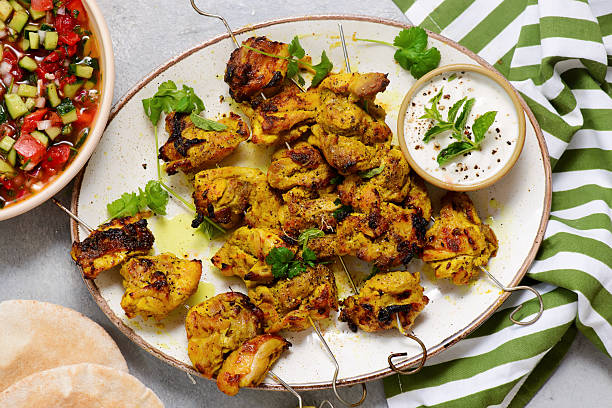
Charred vegetable skewers with bell peppers, zucchini, and onions bring out the wine’s grilled nuances. For grain-based mains, try farro or barley risotto with roasted root vegetables and rosemary, which align with Syrah’s herbal complexity.
The key is building bold, layered flavors and using ingredients with some char or smokiness to match the wine’s intensity. Avoid overly light or raw vegetable dishes, which will fall flat. Instead, focus on roasted, grilled, or slow-cooked preparations that stand up to Syrah’s full body and depth.
Tips for Buying and Enjoying Syrah
What to Look for on the Label
When identifying a Syrah, check for the grape variety clearly listed on the label, especially in New World regions like the United States, Australia, and South America. In these areas, wines are typically labeled as ‘Syrah’ to indicate the primary grape.
However, in France’s northern Rhône Valley—home to legendary appellations like Hermitage and Côte-Rôtie—the wine may not explicitly state ‘Syrah,’ but it’s the only red grape permitted, so it’s implied. Look for regional cues such as ‘Shiraz’ in Australia, which is the same grape but often denotes a riper, fruit-forward style.
Also, pay attention to alcohol content, as Syrah tends to be full-bodied with alcohol levels often above 13.5%. Wines from warmer climates may show higher alcohol and jammy fruit notes, while cooler regions yield more peppery, structured expressions.
Understanding these label clues helps you select a Syrah that matches your taste preference and ensures authenticity.
Top Syrah Producers and Brands
To enjoy high-quality Syrah, explore iconic producers from both Old and New World regions. In France, look for esteemed names like Jean-Louis Chave and Guigal, whose Côte-Rôtie and Hermitage bottlings define elegance and longevity in Syrah. From Australia, **Penfolds’ ‘St.
Henri’ Shiraz** and Clonakilla from Canberra offer rich, complex examples with distinct regional character. In California, producers such as Sine Qua Non and Alban Vineyards craft limited-production Syrahs known for intensity and aging potential. Washington State’s Cayuse Vineyards also stands out for its terroir-driven, artisanal approach.
For value-driven yet reliable options, consider Yalumba and d’Arenberg from Australia, or Bonny Doon and Ridge Vineyards in California. These producers consistently deliver balanced, expressive Syrahs that showcase the grape’s versatility—from smoky, savory profiles to lush, fruit-forward styles.
Exploring these top brands helps build a deeper appreciation for Syrah’s global range.
How to Read Syrah Wine Reviews
Reading Syrah wine reviews effectively means focusing on key descriptors that reveal style and quality. Look for mentions of ‘blackberry,’ ‘blueberry,’ ‘black pepper,’ ‘smoke,’ ‘olive,’ or ‘bacon fat’—these are classic Syrah flavor markers.
Reviews often highlight the wine’s structure, noting tannin levels, acidity, and alcohol; balanced tannins suggest age-worthiness, while high alcohol may indicate a ripe, full-bodied profile. Pay attention to comparisons to regions—’in the style of Hermitage’ implies elegance and spice, while ‘jammy, like Barossa Shiraz’ signals bold fruit and power.
Critics may also note aging potential, with top-tier Syrahs often cellaring well for 10+ years. Scores above 90 from trusted reviewers like Wine Spectator or Robert Parker can guide purchasing, but prioritize descriptive language that aligns with your palate.
Understanding these nuances helps you choose a Syrah that fits your preferences and occasion.
Frequently Asked Questions
What is Syrah?
Syrah is a dark-skinned grape variety used to produce red wine, known for its deep color and bold flavors. It thrives in both warm and cool climates, producing wines with notes of blackberry, pepper, and spice.
What are common flavor profiles of Syrah wine?
Syrah wines typically exhibit flavors of dark fruits like blackberry and plum, along with pepper, smoked meat, and sometimes chocolate or licorice. Cooler climates may bring out more herbal and earthy notes.
Is Syrah the same as Shiraz?
Yes, Syrah and Shiraz are the same grape variety. The term ‘Shiraz’ is commonly used in Australia and South Africa, while ‘Syrah’ is used in France and most other wine regions.
Where is Syrah primarily grown?
Syrah is grown in many wine regions worldwide, with notable production in France’s Rhône Valley, Australia, California, South Africa, and Washington State. It adapts well to various climates and soils.
What foods pair well with Syrah?
Syrah pairs well with grilled meats, lamb, barbecue, and dishes with bold spices. Its richness and pepper notes complement hearty stews and hard cheeses.
How does Syrah differ from other red wines like Cabernet Sauvignon?
Syrah tends to be spicier and more peppery than Cabernet Sauvignon, with softer tannins and lower acidity. It often has a more savory, meaty character compared to Cabernet’s structured, cassis-driven profile.
Conclusion
Syrah is a bold red wine grape known for its rich flavors of dark fruit, pepper, and spice, thriving in both warm and cool climates. Whether labeled as Syrah or Shiraz, it offers versatility in style, from elegant and structured to ripe and jammy. With food-friendly acidity and aging potential, Syrah delights wine lovers worldwide. Explore its diverse expressions and discover why this varietal continues to captivate palates—cheers to your next glass of Syrah!