What Food Pairs With Pinot Noir
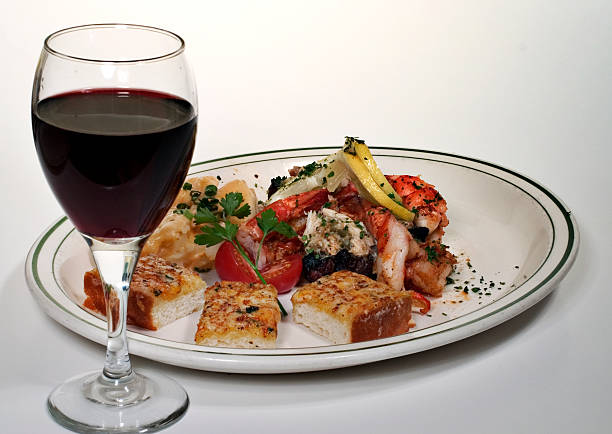
Wondering what food pairs with pinot noir? You’re in luck—this versatile, medium-bodied red wine with its bright acidity and red fruit notes is a food lover’s dream. From roasted chicken and salmon to earthy mushrooms and duck, pinot noir complements a wide range of dishes without overpowering them. In this guide, we’ll break down the best pairings that elevate both the meal and the wine, so you can serve confidently and savor every bite and sip.
Best Meat Pairings for Pinot Noir
How to Pair Pinot Noir with Chicken
Pinot Noir’s bright acidity and subtle earthiness make it an excellent match for roasted or grilled chicken. Opt for dishes with herb rubs, mushroom sauces, or a touch of sweetness like balsamic glaze to enhance the wine’s red fruit notes.
Avoid heavy cream-based sauces that can overpower the wine’s delicate profile. Roast chicken with thyme and garlic brings out the wine’s savory undertones, while grilled chicken with cherry reduction mirrors its natural tartness. For added depth, serve with sautéed mushrooms or root vegetables.
The key is balancing flavors without masking the wine’s elegance—light to medium preparations work best. This pairing is ideal for weeknight dinners or Sunday roasts, offering a refined yet approachable experience.
Best Beef Dishes for Pinot Noir
While Pinot Noir is lighter than other reds, it pairs beautifully with leaner, tender cuts of beef that don’t overpower its delicate structure. Filet mignon, beef tenderloin, or flat iron steak are ideal, especially when prepared with mushroom demi-glace, red wine reduction, or herbs like rosemary and thyme.
The umami from seared meat and earthy sauces complements the wine’s forest floor and cherry notes. Avoid heavily charred or spicy preparations, which can clash with the wine’s acidity. A medium-rare finish preserves juiciness and harmonizes with the wine’s silky tannins.
For a gourmet touch, serve with caramelized onions or roasted beets. This pairing shines at dinner parties or romantic evenings, elevating simple beef dishes into elegant meals.
Why Duck Works Perfectly with Pinot Noir
Duck and Pinot Noir are a classic culinary match due to their shared richness and complexity. The slightly gamey, fatty nature of duck breast balances perfectly with the wine’s bright acidity and red fruit flavors.
When seared to medium-rare and served with a cherry, fig, or orange reduction, the dish highlights the wine’s natural sweetness and spice. Pinot Noir’s earthy undertones echo the savory depth of duck skin and pan drippings, creating a harmonious blend.
Avoid overly sweet glazes that can overwhelm the palate—balance is essential. Pair with roasted root vegetables or wild rice for a complete meal. This combination is perfect for special occasions, offering a sophisticated flavor profile that delights wine and food enthusiasts alike.
Tips for Serving Pork with Pinot Noir
Pork’s natural sweetness and versatility make it a great partner for Pinot Noir, especially when prepared with care. Roasted pork loin, tenderloin, or slow-cooked belly work best, particularly with fruit-based sauces like apple, plum, or cranberry that echo the wine’s red berry character.
Avoid heavy smoke or intense spice, which can overshadow the wine’s subtlety. A herb crust with sage or rosemary enhances the pairing by adding aromatic complexity. For ideal balance, cook pork to retain moisture and serve with earthy sides like mushrooms or roasted squash.
The moderate fat content cuts through the wine’s acidity, while the wine refreshes the palate. This pairing is both comforting and refined, perfect for autumn dinners or holiday gatherings.
Vegetarian Dishes That Match Pinot Noir
Mushroom-Based Meals and Pinot Noir
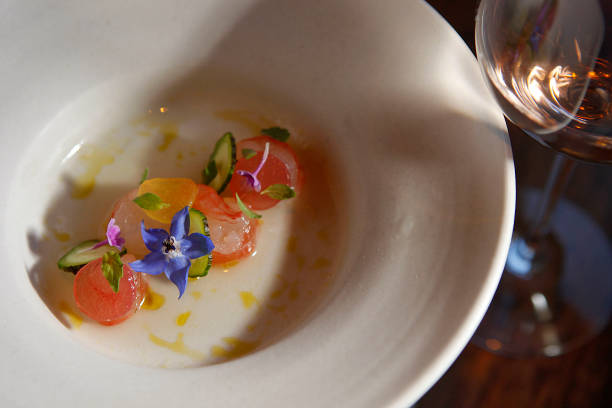
Mushroom-based meals are excellent pairings for Pinot Noir due to their earthy, umami-rich flavors that mirror the wine’s own forest floor and subtle mushroom notes. Dishes like wild mushroom risotto, portobello steaks, or mushroom Wellington complement the wine’s bright acidity and silky tannins without overpowering it.
The key is to avoid heavy cream sauces; instead, enhance mushrooms with thyme, garlic, and a splash of balsamic for a harmonious balance. Grilling or roasting mushrooms deepens their flavor and creates a caramelized exterior that mirrors Pinot Noir’s red fruit complexity.
This pairing works especially well with medium-bodied, cool-climate Pinot Noirs, which have enough structure to stand up to the dish while maintaining elegance. Matching intensity is essential—keep preparations refined, not overly rich.
How to Pair with Roasted Root Vegetables
Roasted root vegetables, such as carrots, parsnips, beets, and sweet potatoes, pair beautifully with Pinot Noir when prepared with care. The natural sweetness of roasted vegetables is enhanced by caramelization, which mirrors the wine’s red fruit profile—think cherry, raspberry, and cranberry.
To avoid clashing flavors, season with herbs like rosemary, thyme, or sage, and use a touch of olive oil or balsamic glaze for depth. Avoid overly sugary glazes, as they can make the wine taste tart.
The wine’s bright acidity cuts through the earthiness of roots like beets and turnips, creating a refreshing contrast. For best results, serve the dish warm but not piping hot to preserve the wine’s delicate aromas. This pairing shines with fruit-forward, lightly oaked Pinot Noirs.
Best Cheese Options for Pinot Noir
When pairing cheese with Pinot Noir, opt for semi-soft, earthy, or nutty varieties that won’t overwhelm the wine’s delicate structure. Excellent choices include aged Gouda, mild Cambozola, Brie, and aged Cheddar, all of which enhance the wine’s red fruit and spice notes.
Avoid very sharp or blue cheeses, as their intensity can dominate the subtle flavors of Pinot Noir. Instead, serve cheeses at room temperature to release their full aroma and texture, allowing them to harmonize with the wine’s silky mouthfeel.
Add accompaniments like dried cherries, toasted walnuts, or a drizzle of honey to bridge the gap between cheese and wine. This pairing is ideal for vegetarian charcuterie boards and makes for an elegant appetizer course.
Tomato-Based Sauces and Wine Pairing Tips
Tomato-based sauces, with their natural acidity and savory depth, pair surprisingly well with Pinot Noir when balanced correctly. The wine’s own bright acidity complements the tanginess of tomatoes without clashing, especially in dishes like vegetarian lasagna, ratatouille, or mushroom-tomato ragù.
Use ripe, high-quality tomatoes and simmer with herbs like basil, oregano, and garlic to build complexity. Avoid excessive sweetness in the sauce—skip heavy sugar additions, which can make the wine taste harsh. A touch of umami from sun-dried tomatoes or Parmesan rind deepens flavor without overpowering.
Choose a Pinot Noir with vibrant acidity and red fruit character to match the sauce’s freshness. This pairing works best when both food and wine are medium-bodied and layered, creating a seamless dining experience.
Seafood and Pinot Noir: What Works
Salmon and Pinot Noir: A Classic Match
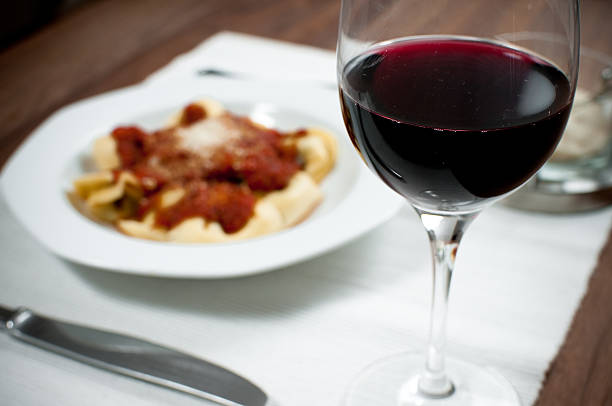
Grilled, roasted, or seared salmon is one of the most reliable pairings with Pinot Noir, thanks to the fish’s rich, oily texture and moderate flavor intensity.
Pinot Noir’s bright acidity cuts through the salmon’s natural fat, cleansing the palate with each sip, while its red fruit notes—like cherry, raspberry, and strawberry—complement the umami and smokiness often found in cooked salmon. Choose a medium-bodied Pinot Noir with balanced tannins to avoid overwhelming the fish.
This pairing shines when salmon is prepared with herbs like dill or thyme, or with glazes such as honey-mustard or soy-ginger, which echo the wine’s subtle sweetness and spice. Avoid heavy cream sauces that might clash with the wine’s elegance.
Whether served rare or well-done, salmon maintains enough structure to stand up to Pinot Noir without masking its delicate aromatics, making this a go-to combination for both casual dinners and special occasions.
Pairing with Seared Tuna or Swordfish
Seared tuna and swordfish, with their meaty textures and robust flavors, are excellent candidates for Pinot Noir, especially when prepared with a crust or light sauce. The key is to avoid overcooking—tuna should be rare in the center, and swordfish moist—to preserve a delicate balance that won’t overpower the wine.
Pinot Noir’s acidity and subtle earthiness harmonize with seared crusts made from pepper, sesame, or herbs, while its red fruit character complements citrus or soy-based marinades. Opt for cooler-climate Pinot Noirs with more structure and less alcohol to match the fish’s firmness without dominating it.
Avoid heavy tomato sauces or overly spicy seasonings, which can clash with the wine’s finesse. A drizzle of balsamic reduction or olive oil enhances the synergy by echoing the wine’s complexity.
This pairing proves that even heartier seafood can align beautifully with Pinot Noir when preparation and wine selection are aligned.
Why Shellfish Can Work with Pinot Noir
While white wines are traditional with shellfish, certain preparations of scallops, lobster, or shrimp can pair surprisingly well with Pinot Noir.
The key lies in the cooking method and sauce—butter-poached scallops, grilled shrimp with smoky paprika, or lobster with herb butter bring richness and depth that mirror Pinot Noir’s silky texture and savory undertones.
The wine’s bright acidity balances the richness, while its subtle earthiness complements umami notes from searing or roasting. Choose a lighter, fruit-forward Pinot Noir without aggressive tannins to avoid clashing with the delicate sweetness of shellfish. Avoid overly briny or raw preparations, which may highlight the wine’s alcohol or bitterness.
Instead, focus on warm, gently seasoned dishes where the shellfish is the star but enhanced by complementary flavors. This nuanced pairing demonstrates that with thoughtful pairing, even shellfish can find harmony with a well-chosen Pinot Noir.
Cheese Pairings for Pinot Noir
Soft Cheeses That Complement Pinot Noir
Soft, creamy cheeses like Brie, Camembert, and Taleggio are ideal companions for Pinot Noir due to their rich textures and mild, earthy flavors that mirror the wine’s own characteristics.
The buttery mouthfeel of these cheeses balances the wine’s bright acidity, while their subtle mushroom and barnyard notes echo the earthy undertones commonly found in Pinot Noir, especially those aged in oak.
For best results, serve these cheeses at room temperature to fully release their aromas and create a seamless pairing. Avoid overly pungent varieties that could overpower the wine’s delicate profile.
Instead, opt for younger, milder versions and pair with a chilled, fruit-forward Pinot Noir from regions like Willamette Valley or Burgundy. This combination enhances both the floral bouquet of the wine and the creamy complexity of the cheese, creating a harmonious tasting experience perfect for dinner parties or quiet evenings.
Aged Gouda and Pinot Noir Tips
While Pinot Noir is often paired with lighter cheeses, Aged Gouda can be a surprising and delightful match when approached thoughtfully.
As Gouda matures, it develops crystalline textures and rich, caramel-like sweetness with nutty depth—flavors that can stand up to the more structured expressions of Pinot Noir, especially those with higher concentration and spice notes.
To ensure balance, choose a medium-aged Gouda rather than very old, intensely sharp versions that may overwhelm the wine. Serve in small cubes alongside dried cherries or toasted walnuts to bridge the flavor gap between the cheese and wine.
The umami and toffee notes in the cheese complement Pinot’s red fruit and vanilla characteristics, especially in bottles with some bottle age. This pairing works best with fuller-bodied Pinot Noirs from warmer vintages or regions like Russian River Valley, where the wine has enough body to match the cheese’s intensity.
Best Fresh Cheeses for Lighter Pinots
For lighter, more delicate Pinot Noir expressions—such as those from cooler climates or early-release bottlings—fresh, unaged cheeses offer a crisp, clean pairing that enhances rather than dominates.
Cheeses like goat cheese (chèvre), fresh mozzarella, and ricotta salata bring bright acidity and milky freshness that align beautifully with the wine’s red berry and citrus notes. The tanginess of goat cheese, in particular, cuts through the wine’s subtle tannins and lifts its aromatic profile, making it a standout choice.
Enhance the pairing by adding lemon zest, fresh herbs like thyme, or a drizzle of honey to the cheese. Serve on a salad with arugula and roasted beets to create a complete flavor harmony.
These fresh cheeses shine with crisp, high-acid Pinots from regions like New Zealand or Alsace, where the wine’s vibrancy mirrors the cheese’s freshness for a refreshing, elegant match.
Regional Food Matches for Pinot Noir
French Dishes That Pair Well with Pinot Noir
Pinot Noir’s bright acidity and elegant red fruit profile make it a perfect match for classic French cuisine. Dishes like coq au vin, beef bourguignon, and duck confit highlight the wine’s earthy, silky character. The moderate tannins and balanced acidity cut through rich sauces while enhancing savory umami notes.
Consider pairing with mushroom-based dishes such as a duxelles-stuffed tart or garlic-herb roasted potatoes, as the earthy undertones in both food and wine harmonize beautifully. Soft, aged cheeses like Brie or Camembert also complement Pinot Noir’s subtle spice and red berry notes.
For best results, serve the wine slightly chilled (around 55°F) to preserve its freshness. Avoid overly spicy or heavily charred foods, which can overpower its delicate structure.
Whether enjoying a rustic Niçoise salad with tuna and olives or a delicate salmon en papillote, Pinot Noir brings a refined balance that elevates traditional French fare without dominating the palate.
California Cuisine and Wine Pairing Ideas
The fresh, ingredient-driven style of California cuisine aligns seamlessly with Pinot Noir’s vibrant fruit and smooth texture. Grilled salmon, roasted chicken, and pork tenderloin are standout pairings, especially when seasoned with herbs like thyme, rosemary, or tarragon.
The wine’s bright cherry and raspberry notes enhance the natural sweetness in caramelized root vegetables or glazed carrots. For vegetarian options, try a wild mushroom risotto or a grilled vegetable platter with a balsamic reduction—both highlight the wine’s earthy complexity.
California’s love for farm-to-table dining means ingredients are often at peak freshness, allowing Pinot Noir to shine without competition. Smoked meats or duck breast with a fruit compote also work well, as the wine’s acidity balances richness. Avoid heavy cream sauces or overly spicy rubs, which can clash.
Serve slightly chilled to enhance its crisp finish and aromatic lift, making each bite and sip a harmonious experience.
How to Match Pinot Noir with Asian Flavors
Pairing Pinot Noir with Asian cuisine requires attention to balance, spice level, and umami-rich ingredients. The wine’s light to medium body and bright acidity make it surprisingly versatile with dishes like teriyaki-glazed salmon, Peking duck, or Vietnamese caramelized pork. Its red fruit character complements sweet-savory sauces without overwhelming delicate flavors.
For Thai or Malaysian dishes with mild spice, such as green curry or satay, choose a Pinot Noir with a touch of residual sugar or ripe fruit intensity to counterbalance heat and enhance aromatic herbs. Umami-heavy foods like miso-glazed eggplant or stir-fried shiitakes resonate with the wine’s earthy, forest-floor notes.
Avoid extremely spicy or chili-laden dishes, which can amplify alcohol perception. Sushi with tuna or salmon also pairs beautifully, especially with a cool, fruity Pinot Noir. Serve slightly chilled and opt for bottles with soft tannins and bright acidity to maintain harmony across diverse Asian flavor profiles.
How Cooking Methods Affect Pairing
Grilled Meats and Pinot Noir Compatibility
Grilled meats, especially those with moderate fat content and tender textures, pair exceptionally well with Pinot Noir due to the wine’s bright acidity and subtle tannins.
Lean cuts like grilled duck breast, pork tenderloin, or lamb chops absorb the smoky flavors of the grill while maintaining enough richness to stand up to the wine’s red fruit notes—think cherry, raspberry, and strawberry.
The char from grilling adds a savory umami layer that complements Pinot Noir’s earthy undertones, often described as forest floor or mushroom. Avoid heavily charred or overly fatty meats, as they can overwhelm the wine’s delicate profile.
Instead, marinate proteins lightly with herbs like thyme or rosemary to enhance synergy without masking the wine’s nuances. Pinot Noir’s crisp acidity cuts through the richness, cleansing the palate between bites.
For best results, serve the wine slightly chilled (around 55°F) to preserve its freshness and highlight the harmony between smoky, savory meat and vibrant, fruit-forward wine.
Roasted Vegetables and Wine Balance
Roasted vegetables create a natural affinity with Pinot Noir by developing deep, caramelized flavors that mirror the wine’s earthy and fruity characteristics. Vegetables like roasted beets, carrots, mushrooms, and Brussels sprouts bring out the wine’s subtle sweetness and umami notes, creating a balanced, layered tasting experience.
The Maillard reaction during roasting enhances savory depth, which aligns beautifully with Pinot Noir’s complexity without overpowering it. To optimize pairing, toss vegetables with olive oil, garlic, and fresh herbs such as thyme or sage—ingredients that echo the wine’s aromatic profile.
Avoid overly sweet glazes or heavy cream-based sauces, which can clash with the wine’s acidity. Instead, finish with a splash of balsamic reduction or lemon zest to brighten the dish and mirror the wine’s vibrancy.
This pairing is ideal for vegetarian dishes or as a complementary side to grilled proteins, allowing the wine’s elegance and the vegetables’ richness to coexist harmoniously on the palate.
Sauces and Seasonings That Enhance the Pairing
The right sauces and seasonings can elevate a Pinot Noir pairing by harmonizing with its acidity, fruit, and earthiness. Opt for lighter, wine-based reductions or pan sauces made with mushrooms, shallots, and fresh herbs—ingredients that echo the wine’s natural profile.
A red wine or demi-glace sauce with a touch of acidity from balsamic or cherry juice complements both meat and vegetable dishes without overwhelming the wine. Avoid heavy cream sauces or overly spicy seasonings, as they can mute Pinot Noir’s delicate flavors.
Instead, season with black pepper, cracked fennel, or a hint of clove to add warmth without heat. Fresh herbs like tarragon, thyme, or parsley enhance the aromatic lift of the wine.
For dishes with umami-rich components like mushrooms or aged cheeses, a splash of soy sauce or miso in moderation can deepen the connection. The goal is to amplify the wine’s complexity, not mask it, ensuring every bite and sip feel integrated and balanced.
Serving Tips for Perfect Pairings
Ideal Serving Temperature for Pinot Noir
Serving Pinot Noir at the ideal temperature of 55–60°F (13–16°C) enhances its delicate aromas and balanced acidity. If served too cold, the wine’s subtle fruit notes and floral undertones become muted; too warm, and the alcohol can overpower the palate.
To achieve this range, chill the bottle in the refrigerator for about 30–45 minutes before serving—longer if stored at room temperature. Avoid using the freezer, as rapid cooling can shock the wine.
For opened bottles, a wine thermometer or touch test (the bottle should feel cool but not icy) helps maintain consistency. Light-bodied and aromatic reds like Pinot Noir benefit most from slight chilling, which preserves their elegance and freshness.
This temperature sweet spot also makes it easier to pair with a wide array of foods, from roasted poultry to earthy mushroom dishes, ensuring each sip complements the meal harmoniously and elevates the overall dining experience.
Glassware Choices That Improve the Experience
Choosing the right glassware significantly enhances your Pinot Noir experience by directing its nuanced aromas and delicate flavors to the optimal part of your palate. Opt for a large-bowled, tulip-shaped glass that allows the wine to breathe while concentrating its subtle bouquet of red berries, spice, and earthiness.
The wide bowl encourages gentle aeration, softening the tannins and amplifying the wine’s complexity without overpowering its light to medium body. Crystal glasses with a thin rim provide a smoother sip, further refining the tasting experience. Avoid short, narrow glasses, which restrict aroma development.
When hosting, ensure each guest has ample glass space to swirl without spilling—this simple act releases hidden layers in quality Pinot Noirs.
Proper glassware not only elevates enjoyment but also makes food pairings more cohesive, as the wine’s balance of acidity and fruit shines alongside dishes like duck breast, salmon, or herbed risotto.
How to Time Courses with Wine in a Meal
Timing your Pinot Noir with meal courses ensures each pairing reaches its full potential. Begin with lighter dishes like roasted beet salads or seared scallops to match the wine’s bright acidity and subtle fruit profile.
As the meal progresses, transition to medium-weight entrées such as herb-roasted chicken, grilled salmon, or mushroom risotto, which align with the wine’s earthy notes and soft tannins. Serve the Pinot Noir after appetizers but before heavy, rich mains like beef or lamb, which can overwhelm its elegance.
If offering multiple wines, keep Pinot Noir before fuller-bodied reds to preserve palate sensitivity. Consider decanting 20–30 minutes before serving to open up aromas, especially with younger vintages. For multi-course dinners, replenish glasses between courses to maintain consistent flavor pairing.
Thoughtful timing turns a simple meal into a harmonious culinary journey, where each bite and sip elevate one another, showcasing Pinot Noir’s remarkable versatility and finesse.
Frequently Asked Questions
What is the best type of meat to pair with Pinot Noir?
Pinot Noir pairs exceptionally well with poultry, such as roast chicken or turkey, due to its light to medium body and bright acidity. Its subtle earthiness also complements duck and pork dishes beautifully.
Can Pinot Noir be paired with fish or seafood?
Yes, Pinot Noir works well with richer fish like salmon or tuna, especially when grilled or prepared with earthy sauces. Avoid pairing it with delicate or heavily spiced seafood to maintain balance.
What vegetarian dishes go well with Pinot Noir?
Dishes featuring mushrooms, lentils, or roasted root vegetables are excellent with Pinot Noir. The wine’s earthy notes harmonize with umami-rich ingredients like wild mushrooms or truffle oil.
Does Pinot Noir pair well with cheese?
Yes, Pinot Noir pairs nicely with soft, creamy cheeses like Brie and Camembert, as well as aged cheeses such as aged Gouda or mild cheddar. Avoid very sharp or blue cheeses that can overpower the wine.
What herbs and flavors enhance a Pinot Noir pairing?
Herbs like thyme, rosemary, and sage, along with flavors such as garlic, mushrooms, and red fruit sauces, enhance Pinot Noir’s complexity. These ingredients mirror the wine’s natural flavor profile.
Is Pinot Noir a good match for spicy food?
Pinot Noir is best with mildly spiced dishes, as high heat can overwhelm its delicate flavors. Opt for dishes with gentle seasoning rather than fiery heat for the best pairing.
Conclusion
Pinot Noir’s versatility makes it a perfect companion for a wide range of dishes, from roasted poultry and grilled salmon to earthy mushrooms and soft cheeses. Its bright acidity and subtle tannins complement both delicate and moderately rich flavors. When pairing, focus on balance and harmony. Experiment with flavors to discover your favorite combinations. Embrace the journey—each sip and bite brings new delight. Cheers to exploring the wonderful world of Pinot Noir pairings!


