What Food Pairs With Cabernet Sauvignon
Wondering what food pairs with cabernet sauvignon? You’re not alone—this bold, rich red is a favorite, but finding the perfect match can be tricky. The good news? It loves hearty flavors. Think grilled steaks, lamb chops, and aged cheeses. Its firm tannins and dark fruit notes cut through fat and enhance savory dishes. In this guide, we’ll break down the best pairings—plus a few surprising options—that make your cabernet sing. Let’s find your next perfect match.
Best Meat Dishes to Pair with Cabernet Sauvignon
Grilled Steak and Cabernet Sauvignon
Grilled steak is one of the best pairings for Cabernet Sauvignon due to its rich, bold flavors and high fat content. The wine’s firm tannins cut through the fat, cleansing the palate and enhancing each bite. Choose cuts like ribeye, strip, or filet mignon for optimal results.
Sear the steak to develop a flavorful crust, which complements the wine’s dark fruit and oak notes. Avoid overly spicy marinades that can clash with the wine’s profile. Serve the steak medium-rare to preserve juiciness and balance with the wine’s structure.
This classic combination delivers a harmonious blend of savory, smoky, and robust flavors, making it ideal for special dinners or weekend indulgences.
Lamb Chops with Rosemary Garlic Rub
Lamb chops seasoned with a rosemary garlic rub create an exceptional match for Cabernet Sauvignon. The herbaceous, earthy notes of rosemary echo the wine’s own herbal undertones, while garlic enhances the meat’s richness. Lamb’s distinctive gaminess pairs beautifully with the wine’s full body and structured tannins.
Grill or pan-sear the chops to achieve a caramelized exterior that complements the wine’s dark cherry and vanilla notes. Keep seasoning simple—salt, pepper, and fresh herbs—to avoid overpowering the pairing. This dish shines when served slightly warm, allowing both the lamb and wine to express their complexity.
It’s a sophisticated, restaurant-quality pairing perfect for impressing guests or elevating weeknight meals.
Braised Short Ribs and Full-Bodied Reds
Braised short ribs are a perfect match for full-bodied reds like Cabernet Sauvignon, thanks to their deep, savory flavor and tender texture. The slow-cooking process breaks down collagen, creating a rich, unctuous dish that harmonizes with the wine’s bold structure.
Use red wine in the braising liquid to deepen the synergy—this intensifies the connection between dish and drink. Add aromatics like thyme, onion, and carrots for balance. The wine’s tannins cut through the fat, refreshing the palate with each sip.
Serve the ribs over creamy polenta or mashed potatoes to round out the experience. This pairing offers comfort and elegance in one, ideal for cool evenings or celebratory dinners.
Roast Beef with Red Wine Sauce
Roast beef served with a rich red wine sauce is a classic companion to Cabernet Sauvignon. The wine’s dark fruit character and oak aging complement the beef’s savory depth, while its acidity balances the sauce’s richness.
Choose a well-marbled cut, like prime rib or top round, and roast to medium-rare for optimal tenderness. Deglaze the roasting pan with Cabernet to create the sauce, reinforcing the flavor bridge between food and wine. Add shallots and thyme for aromatic complexity.
This dish benefits from simple sides like roasted root vegetables or Yorkshire pudding, which won’t overpower the pairing. The result is a timeless, elegant meal that highlights the synergy between well-prepared meat and a premium red wine.
Cheese Pairings That Complement Cabernet Sauvignon
Aged Cheddar and Bold Flavors
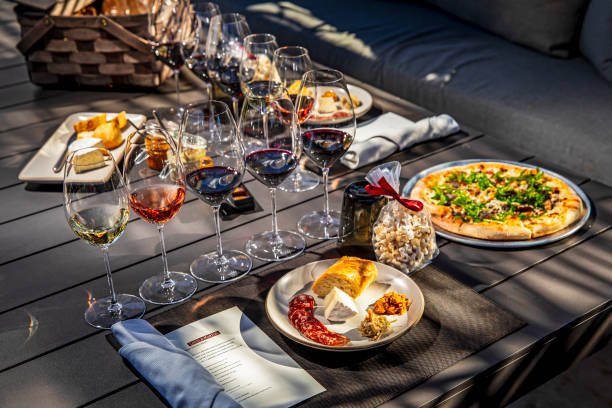
Aged cheddar is an excellent match for Cabernet Sauvignon due to its sharp, concentrated flavor that stands up to the wine’s robust structure. The cheese’s natural fat content helps soften the wine’s tannins, enhancing both the wine’s fruitiness and the cheese’s nutty, caramelized notes.
Look for cheddars aged 18 months or more for maximum intensity. Serve at room temperature to unlock full flavor complexity and pair on a charcuterie board with walnuts and dried figs for a balanced bite.
This pairing works especially well with grilled or roasted meats, making it ideal for steakhouse-style dinners where both cheese and wine amplify savory umami notes without overpowering each other.
Blue Cheese with Cabernet’s Tannins
The bold tang of blue cheese, such as Roquefort or Gorgonzola, creates a striking contrast with Cabernet Sauvignon’s firm tannins and dark fruit profile. The saltiness and creaminess of blue cheese counterbalance the wine’s astringency, resulting in a smoother, more rounded tasting experience.
Choose a well-aged, crumbly blue for the best interaction—its pungent flavor won’t be overshadowed by the wine. Serve with honey or pear slices to add sweetness that complements the wine’s blackberry and plum notes.
This pairing shines during dessert or cheese courses, where the interplay of bold flavors creates a memorable finish to a hearty meal.
Gouda and Dark Fruit Notes
Aged Gouda brings caramel, butterscotch, and nutty undertones that harmonize beautifully with Cabernet Sauvignon’s dark fruit flavors like blackcurrant and plum. The cheese’s natural sweetness mirrors the wine’s ripe fruit character, creating a balanced and indulgent pairing.
Opt for Gouda aged 3 to 5 years to achieve a crystalline texture and deep flavor that stands up to the wine’s intensity. Serve at room temperature alongside dark chocolate or toasted almonds to enhance the pairing’s richness.
This combination is perfect for casual gatherings or as a sophisticated end to a meal, offering a luxurious mouthfeel that lingers pleasantly on the palate.
Pairing Soft Cheeses with Decanted Wine
Soft, creamy cheeses like Brie or Camembert can pair surprisingly well with Cabernet Sauvignon—if the wine is properly decanted. Decanting softens the tannins and opens up the wine’s aromatic profile, allowing the buttery richness of the cheese to complement rather than clash with the wine.
Serve the cheese at room temperature to maximize creaminess and pair with crusty bread and fresh berries for a well-rounded bite. The fruit-forward notes of the wine cut through the fat, while the cheese tempers any harshness.
This pairing works best with younger Cabernets that have vibrant acidity, offering a refreshing contrast that elevates both components.
Vegetarian Options That Work with Cabernet Sauvignon
Mushroom Risotto with Earthy Notes
A creamy mushroom risotto is an excellent vegetarian match for Cabernet Sauvignon due to its umami-rich profile and earthy depth. The wine’s firm tannins and dark fruit notes, like black cherry and cassis, balance the risotto’s richness, while its acidity cuts through the creaminess.
Use wild mushrooms such as porcini or shiitake to enhance the savory complexity that mirrors the wine’s own earthy undertones. A touch of Parmesan adds a salty depth that complements Cabernet Sauvignon’s structure.
For best results, finish the dish with a drizzle of truffle oil or fresh thyme to elevate the aromatic harmony. This pairing works because both the dish and wine have layered textures and deep flavors, making each sip and bite more satisfying.
Grilled Portobello Mushrooms
Grilled portobello mushrooms offer a meaty texture and robust flavor that stand up beautifully to Cabernet Sauvignon. Their natural savoriness absorbs marinades well, especially those with balsamic vinegar, garlic, and rosemary, which echo the wine’s herbal and slightly sweet notes.
The char from grilling adds a smoky dimension that complements the wine’s oak-aged characteristics. Serve the mushrooms warm over a bed of quinoa or polenta to enhance the pairing’s heartiness. Marinating for at least 30 minutes ensures deep flavor penetration, creating a synergy with the wine’s bold structure.
This dish shines because it mimics the satisfaction of red meat without animal protein, making it a perfect centerpiece for a vegetarian Cabernet pairing.
Eggplant Parmesan and Tomato-Based Sauces
Eggplant Parmesan is a rich, savory dish that pairs surprisingly well with Cabernet Sauvignon, especially when prepared with a robust tomato marinara sauce. The wine’s acidity aligns with the tomatoes’ brightness, while its tannins balance the dish’s cheesy, fried layers.
Use slow-simmered sauce with fresh basil and oregano to bring out Cabernet Sauvignon’s herbal bouquet. Baking instead of frying the eggplant maintains flavor while reducing oil, letting the wine’s structure shine. The umami from melted mozzarella and Parmesan mirrors the wine’s depth, creating a harmonious blend.
This pairing proves that bold vegetarian dishes can match the intensity of full-bodied reds when flavor layers are thoughtfully built.
Lentil Stews with Herbs and Spices
Hearty lentil stews with aromatic herbs and warm spices are an ideal match for Cabernet Sauvignon, offering both texture and depth. Lentils provide a meaty mouthfeel and earthy base that complements the wine’s tannic structure and dark fruit character.
Enhance the stew with thyme, bay leaf, smoked paprika, and a splash of red wine to mirror the Cabernet’s complexity. Root vegetables like carrots and celery add sweetness and balance. The dish’s savory richness and slight spice are tamed by the wine’s acidity and soft tannins.
Serve in a deep bowl with crusty bread to soak up flavors, making it a cozy, satisfying meal. This pairing works because both elements are layered and robust, creating a seamless flavor journey.
How Cooking Methods Affect Cabernet Sauvignon Pairings
Grilling and Charred Flavors
Grilling imparts bold, smoky notes that harmonize beautifully with Cabernet Sauvignon’s robust tannins and dark fruit profile. The char from the grill adds a slightly bitter edge, which balances the wine’s structure and enhances its complexity.
Ideal pairings include grilled ribeye, lamb chops, or portobello mushrooms, where the caramelized exterior complements the wine’s hints of blackberry and cedar. To maximize the pairing, avoid overly sweet marinades—opt instead for herb-based rubs with rosemary or thyme, which echo the wine’s earthy undertones.
The high heat of grilling also reduces fat slightly, allowing the wine’s acidity to cut through richness. This synergy makes grilled dishes a natural match for Cabernet Sauvignon, elevating both the food and the drinking experience.
Braising for Rich, Slow-Cooked Matches
Braised dishes, with their deep, concentrated flavors and tender textures, are excellent partners for Cabernet Sauvignon. The slow-cooking process breaks down collagen in meats like beef short ribs or oxtail, creating a luxurious mouthfeel that mirrors the wine’s full body.
The reduction of red wine or tomatoes in the braising liquid introduces tart acidity and umami depth, aligning with the wine’s own characteristics. Herbs like bay leaf and thyme used in braises echo Cabernet’s herbal notes, creating a cohesive flavor profile.
The wine’s firm tannins cut through the richness, cleansing the palate with each sip. This balance of fat, acid, and tannin makes braised dishes a classic, satisfying pairing that highlights the wine’s aging potential and complexity.
Roasting Vegetables to Enhance Pairings
Roasting vegetables intensifies their natural sugars and adds savory depth, making them surprisingly compatible with Cabernet Sauvignon. Root vegetables like carrots, beets, and parsnips develop caramelized edges that mirror the wine’s dark fruit and oak-aged notes of vanilla and toast.
When seasoned with umami-rich ingredients like balsamic glaze or miso, roasted vegetables gain a savory complexity that stands up to the wine’s structure. Eggplant and mushrooms, especially cremini or shiitake, absorb flavors well and offer a meaty texture that complements the wine’s weight.
For a complete pairing, combine roasted vegetables with a grilled protein or serve as part of a hearty vegetarian main. This approach showcases how vegetable-centric dishes can successfully align with bold reds when prepared thoughtfully.
Pan-Seared Meats with Crispy Crusts
Pan-searing creates a crispy, flavorful crust on meats like filet mignon, duck breast, or lamb, enhancing their richness and texture—qualities that align perfectly with Cabernet Sauvignon. The Maillard reaction during searing produces complex savory compounds that mirror the wine’s notes of dark chocolate, tobacco, and roasted coffee.
A well-seared steak with a crisp exterior and juicy interior provides a textural contrast that the wine’s tannins elegantly cut through. Deglazing the pan with red wine or stock creates a simple pan sauce that further unites the dish with the wine.
For best results, finish with a touch of butter and fresh herbs to add richness and aroma. This method delivers a restaurant-quality pairing at home, emphasizing how technique elevates both food and wine harmony.
Sauces and Seasonings That Enhance the Pairing
Red Wine Reductions and Synergy
Red wine reductions are ideal companions for Cabernet Sauvignon because they amplify the wine’s natural depth and tannic structure.
By simmering Cabernet with shallots, garlic, and fresh herbs like thyme and rosemary, you concentrate its flavors and create a rich, velvety sauce that pairs beautifully with grilled or roasted red meats. This synergy enhances both the dish and the wine, making each sip and bite more cohesive.
The reduction’s acidity cuts through the fat in meats like ribeye or lamb chops, while its dark fruit notes echo the wine’s profile. Use reduction sauces sparingly to coat proteins without overwhelming them, ensuring the wine remains the star. This technique elevates simple dishes into restaurant-quality pairings with minimal effort.
Herb-Infused Oils and Marinades
Herb-infused oils and marinades enhance the aromatic complexity of dishes served with Cabernet Sauvignon. Oils infused with rosemary, thyme, and garlic complement the wine’s earthy and herbal undertones, creating a seamless flavor bridge.
Marinating steaks or portobello mushrooms in these oils softens proteins while imparting subtle layers that mirror the wine’s profile. The fat in the oil also helps balance Cabernet’s tannins, making each sip smoother. For best results, marinate for at least 2 hours to allow deep flavor penetration.
Drizzle finished dishes with a touch of fresh herb oil to brighten the plate and elevate the pairing. These simple infusions transform everyday meals into sophisticated experiences that align perfectly with Cabernet’s bold character.
Peppercorn and Mustard Sauces
Peppercorn and mustard sauces offer a bold, tangy contrast that stands up to Cabernet Sauvignon’s robust structure. The sharp heat of cracked black pepper and the pungency of Dijon or whole-grain mustard cut through the wine’s tannins, creating a dynamic balance on the palate.
These sauces pair exceptionally well with grilled ribeye, strip steak, or roasted game meats. The slight sweetness in some mustard preparations also mirrors the dark fruit notes in the wine, enhancing its natural flavors. To avoid overpowering the dish, balance the sauce with cream or butter for a smoother finish.
A small spoonful adds intense flavor without masking the wine’s complexity, making it a strategic choice for elevating Cabernet pairings.
Tomato-Based Sauces with Acidity Balance
Tomato-based sauces can pair well with Cabernet Sauvignon when their acidity is carefully balanced. While high acidity in tomatoes can clash with the wine’s tannins, cooking tomatoes slowly with onions, garlic, and a touch of sugar or butter mellows their sharpness and creates harmony.
These sauces shine with hearty dishes like short ribs, beef ragù, or eggplant Parmesan. The umami-rich base complements the wine’s dark fruit and earthy notes, while the rounded acidity prevents palate fatigue. Avoid overly tangy or raw tomato flavors that can make the wine taste metallic.
Instead, aim for a deep, cooked-down sauce that enhances both the food and the wine, making this pairing a perfect match for slow-cooked, savory dishes.
Regional Food and Wine Pairings with Cabernet Sauvignon
Napa Valley Style Pairings
Napa Valley Cabernet Sauvignon, known for its full body, rich tannins, and notes of blackcurrant, vanilla, and spice, pairs exceptionally well with bold, savory dishes that match its intensity. Grilled ribeye steak with a garlic-herb butter is a classic match, as the fat in the meat softens the wine’s tannins.
Braised short ribs or mushroom-stuffed beef tenderloin also complement the wine’s depth. Add roasted root vegetables or truffle mashed potatoes to enhance earthy notes. For cheese lovers, aged cheddar or Gouda offer a creamy contrast.
The key is balancing richness with acidity—a red wine reduction sauce can tie the meal together. These pairings highlight the harmony between Napa’s opulent wines and its farm-to-table culinary traditions.
Bordeaux-Inspired French Dishes
Classic Bordeaux-style Cabernet Sauvignon blends, often with Merlot and Cabernet Franc, thrive alongside traditional French preparations that emphasize elegance and balance. Entrecôte à la Bordelaise—ribeye steak in a red wine, shallot, and herb sauce—is a quintessential pairing, where the wine’s structure stands up to the rich sauce.
Duck confit with roasted potatoes brings out the wine’s darker fruit notes, while lamb stew with thyme and rosemary enhances its herbal complexity. Serve with crusty baguette and caramelized onions to round out the meal. Avoid overly creamy sauces, which can dull the wine’s acidity.
Bold, savory flavors and moderate fat content ensure the wine remains the star, creating a refined, restaurant-quality experience at home.
Argentinian Grilled Meats with Cabernet
Argentina’s love for high-heat grilling and robust flavors makes it an ideal match for Cabernet Sauvignon’s bold profile. Asado-style beef ribs or churrasco steak seared over wood fire bring charred, smoky notes that align beautifully with the wine’s tannic grip and dark fruit character.
Morcilla (blood sausage) or sweetbreads add variety while maintaining richness. Marinate meats with garlic, oregano, and chimichurri—the acidity in the sauce cuts through the wine’s intensity. Pair with grilled provoleta cheese or roasted red peppers for contrast.
The key is high-heat cooking and herb-forward seasoning, which elevate both the dish and the wine. This pairing celebrates Argentina’s grilling heritage while showcasing Cabernet’s versatility with bold, savory fare.
Tuscan Roasts and Herbal Rubs
Tuscan cuisine emphasizes simple, high-quality ingredients and rustic preparation, making it a natural companion for Cabernet Sauvignon. Roasted pork loin with rosemary, sage, and fennel seeds echoes the wine’s herbal undertones, while slow-cooked lamb shoulder with garlic and olive oil offers tender richness that balances tannins.
Grilled portobello mushrooms or white bean stew provide vegetarian options with enough depth to stand up to the wine. Use extra virgin olive oil and sun-dried tomatoes to enhance savory notes. Crostini with liver pâté or aged Pecorino make excellent appetizers.
The earthy, herbal flavors of Tuscan cooking harmonize with Cabernet’s complexity, creating a satisfying, Mediterranean-inspired meal that feels both hearty and refined.
Tips for Serving Cabernet Sauvignon with Food
Ideal Serving Temperature for Pairings
Serving Cabernet Sauvignon at the ideal temperature of 60–65°F (15–18°C) enhances its structure and ensures balanced flavor when paired with food. If served too cold, the wine’s tannins can feel harsh and its aromas muted, diminishing the dining experience.
Allow the bottle to rest at room temperature for 10–15 minutes after refrigeration if needed, especially in warmer climates. This slight chill opens up the wine’s dark fruit notes and spice, making it a perfect companion to rich dishes like ribeye steak or lamb chops.
Avoid serving it too warm, which can accentuate alcohol heat. Proper temperature control ensures harmony between the wine’s bold profile and savory, fatty foods, letting both elements shine on the palate.
When to Decant Your Cabernet
Decanting Cabernet Sauvignon 30 minutes to an hour before serving softens its tannins and unlocks complex aromas, especially in younger, full-bodied vintages. This aeration process is crucial when pairing with hearty meats like braised short ribs or grilled portobello mushrooms, as it balances the wine’s intensity with the dish’s richness.
Older Cabernets may only need 15–20 minutes of decanting to remove sediment and reinvigorate flavors without losing nuance. Use a wide-bottomed decanter to maximize surface area exposure.
Decanting not only improves mouthfeel but also elevates the entire sensory experience, aligning the wine’s depth with robust seasonings and umami elements in food.
Glassware Choices for Maximum Flavor
Choosing the right glassware significantly impacts how Cabernet Sauvignon interacts with food. Opt for a large-bowled red wine glass with a wide rim, which directs the wine to the front of the palate, emphasizing its fruit-forward core and balancing tannic structure.
This shape enhances the aromatic complexity of dark berries, cedar, and vanilla, complementing dishes like herb-crusted rack of lamb or aged cheddar. The ample space allows oxygen to soften the wine, making each sip more harmonious with rich, savory flavors.
Avoid small or narrow glasses, which restrict aroma development and can amplify bitterness. The right glass elevates both the wine and meal, creating a cohesive and satisfying pairing experience.
Timing Dishes with Wine Aeration
Aligning dish preparation with wine aeration ensures both food and Cabernet Sauvignon reach peak flavor simultaneously. Begin decanting the wine as you start cooking, allowing it to breathe while meats sear or sauces reduce. This timing ensures the wine’s tannins mellow and aromas bloom just as the meal is plated.
For grilled or roasted dishes with caramelized crusts, this synergy highlights the wine’s notes of blackcurrant and toasted oak. If serving multiple courses, adjust aeration time based on the dish’s intensity—longer for bold meats, shorter for earthy vegetarian options.
Proper timing creates a seamless dining rhythm, where each sip complements and enhances the food’s savory depth, resulting in a truly integrated and enjoyable experience.
Frequently Asked Questions
What is the best food pairing for Cabernet Sauvignon?
The best food pairings for Cabernet Sauvignon include rich, hearty dishes like grilled steak, lamb, and roasted beef. The wine’s bold tannins and dark fruit flavors complement the savory, umami notes in these meats.
Can Cabernet Sauvignon be paired with cheese?
Yes, Cabernet Sauvignon pairs well with aged, hard cheeses like cheddar, gouda, and blue cheese. These cheeses have strong flavors that stand up to the wine’s intensity without overpowering it.
Does Cabernet Sauvignon go with chicken?
While Cabernet Sauvignon is typically paired with red meat, it can go with chicken if the dish is richly prepared—such as grilled, herb-marinated, or served with a mushroom or red wine sauce.
What vegetarian dishes pair well with Cabernet Sauvignon?
Hearty vegetarian dishes like lentil stew, grilled portobello mushrooms, or eggplant Parmesan work well with Cabernet Sauvignon. Their robust textures and deep flavors match the wine’s structure.
Should I avoid seafood with Cabernet Sauvignon?
Yes, it’s best to avoid delicate seafood like white fish or shellfish, as Cabernet Sauvignon’s boldness can overwhelm them. However, richer seafood like seared tuna or salmon may pair well.
How does the cooking method affect Cabernet Sauvignon pairings?
Grilling, roasting, or searing meats enhances their flavor intensity, which complements Cabernet Sauvignon’s structure and tannins. Avoid light preparations that may clash with the wine’s bold profile.
Conclusion
Cabernet Sauvignon pairs beautifully with rich, flavorful foods like grilled steak, lamb, and aged cheeses, thanks to its bold tannins and complex notes of dark fruit and spice. Complementary dishes enhance its depth, while the wine elevates the dining experience. Avoid overly spicy or sweet foods that can overpower its profile. With the right pairing, Cabernet Sauvignon transforms an ordinary meal into something memorable. Explore these combinations and savor the harmony of great food and fine wine.