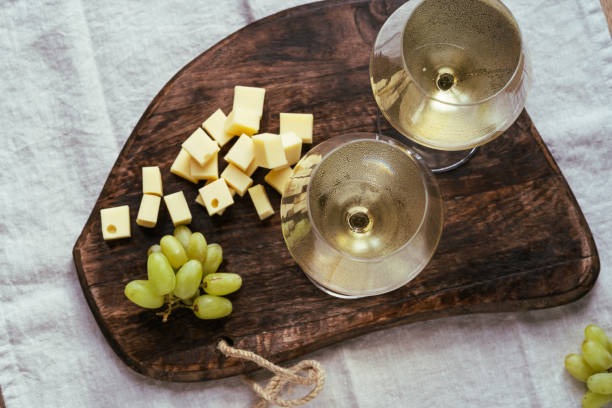
What Cheese Pairs With Chardonnay
Wondering what cheese pairs with Chardonnay? You’re not alone—this buttery, versatile white wine deserves the perfect match. Whether your Chardonnay is oaked or unoaked, creamy, crisp, or somewhere in between, there’s a cheese that elevates every sip. From rich brie to tangy goat cheese, we’ll guide you through the best pairings that create harmony on your palate. Skip the guesswork—we’ve tested the combinations so you can serve with confidence and impress every time.
What Makes Chardonnay a Great Cheese Pairing Wine
How Chardonnay’s Flavor Profile Affects Pairings
Chardonnay’s versatile flavor profile makes it a standout choice for cheese pairings. Depending on where it’s grown and how it’s made, Chardonnay can express crisp green apple and citrus notes or richer tones of pear, melon, and tropical fruit.
These fruit characteristics balance beautifully with creamy or tangy cheeses, enhancing both the wine and cheese experience. For instance, a vibrant, unoaked Chardonnay complements fresh goat cheese by matching its brightness, while a fruit-forward version elevates mild bloomy rinds like Brie.
The key is matching intensity—lighter Chardonnays work with delicate cheeses, while fuller styles stand up to bolder options. Understanding these flavor dynamics allows you to curate pairings that highlight complementary notes and avoid overpowering either component.
The Role of Oak Aging in Cheese Matches
Oak-aged Chardonnays bring buttery textures, vanilla notes, and subtle spice from barrel fermentation, which significantly influence cheese pairings. These rich, rounded characteristics harmonize with high-fat, creamy cheeses like triple crèmes, Camembert, or aged Gouda.
The buttery mouthfeel of the wine mirrors the lushness of the cheese, creating a luxurious sensory match. Additionally, the toasty, caramelized nuances from oak complement cheeses with nutty or browned butter flavors. Avoid pairing heavily oaked Chardonnays with very sharp or salty cheeses, as they can clash.
Instead, focus on balanced, mellow cheeses that echo the wine’s warmth and depth. This synergy enhances complexity without overwhelming the palate.
Why Acidity and Body Matter with Cheese
The acidity and body of Chardonnay are critical in determining successful cheese matches. A wine with bright acidity cuts through rich, fatty cheeses, cleansing the palate and preventing a cloying sensation. This makes high-acid, lighter-bodied Chardonnays ideal for pairing with tangy cheeses like young goat cheese or feta.
Conversely, full-bodied Chardonnays with lower acidity need cheeses that match their weight—think buttery Havarti or mild Cheddar. Mismatched body or acidity can dull flavors or create imbalance, so aim for harmony.
For example, a crisp, lean Chardonnay would be overwhelmed by a dense, aged cheese, while a heavy oak-aged version might flatten a delicate fresh cheese. Matching texture and intensity ensures a cohesive, enjoyable pairing.
Differences Between Cool and Warm Climate Chardonnay
Cool and warm climate Chardonnays differ significantly in acidity, alcohol, and flavor, directly affecting cheese pairings. Cool climate Chardonnays—from regions like Chablis or Sonoma Coast—offer higher acidity, leaner body, and green fruit notes, making them ideal for fresh, zesty cheeses like goat cheese or young Ricotta.
In contrast, warm climate Chardonnays—such as those from Napa or Australia—have lower acidity, fuller body, and riper fruit flavors, pairing best with rich, creamy cheeses like Brie or washed-rinds. Understanding this distinction allows for more precise, satisfying matches.
For instance, a crisp Chablis-style Chardonnay highlights the tang of a chèvre, while a ripe, tropical-toned version enhances the buttery depth of a triple crème. Tailoring your cheese choice to the wine’s origin elevates the entire experience.
Best Soft Cheeses to Pair with Chardonnay

Creamy Brie and Why It Works
Brie is one of the best soft cheeses to pair with Chardonnay because its rich, buttery texture complements the wine’s creamy mouthfeel, especially in oaked varieties. The mild flavor of Brie doesn’t overpower the delicate apple, pear, and vanilla notes in Chardonnay, allowing both to shine.
The key is balance—the cheese’s subtle earthiness enhances the wine’s complexity, while Chardonnay’s bright acidity cuts through the fat, cleansing the palate with each sip. For best results, serve Brie at room temperature to fully release its aromas and ensure a smooth, spreadable texture.
Avoid over-ripened Brie, which can become too runny and dominate the pairing. This classic combination is perfect for appetizers or light evening gatherings.
Pairing Chardonnay with Camembert
Camembert offers a slightly more robust flavor than Brie, making it an excellent match for fuller-bodied, oak-aged Chardonnays. Its creamy interior and edible rind contribute earthy, mushroom-like notes that harmonize with the toasty, vanilla undertones in the wine.
The high fat content in Camembert balances Chardonnay’s acidity, creating a smooth, luxurious mouthfeel. To enhance the pairing, serve Camembert at room temperature and consider adding a drizzle of honey or a few dried apricots on the side for a touch of sweetness that complements both elements.
This pairing works especially well in fall and winter, making it ideal for cozy dinners or cheese boards with rustic bread. Avoid young, chalky Camembert for the best experience.
Why Triple-Crème Cheeses Shine
Triple-crème cheeses like Brillat-Savarin or Explorateur are luxuriously rich and decadent, with butterfat content exceeding 75%, making them ideal companions for opulent, barrel-fermented Chardonnays. Their velvety texture and mild, tangy-sweet flavor amplify the wine’s creamy, custard-like qualities without overwhelming it.
The slight acidity in Chardonnay cuts through the richness, preventing palate fatigue and refreshing the senses between bites. These cheeses are best served at room temperature to fully express their silky texture and delicate aroma.
Pair with a Chardonnay that has balanced acidity and subtle oak for a harmonious blend of richness and freshness. This pairing is perfect for special occasions or as a standout addition to a gourmet cheese board.
Tips for Serving Soft Cheeses with Wine
To get the most from your Chardonnay and soft cheese pairing, serve cheeses at room temperature—remove them from the fridge 30–60 minutes before serving to enhance texture and aroma.
Use separate knives for each cheese to avoid flavor mixing, and offer neutral crackers or crusty bread to let the cheese and wine remain the stars.
Balance is essential: pair lighter, unoaked Chardonnays with milder cheeses like young Brie, and reserve bold, oaked styles for richer options like Camembert or triple-crèmes. Include palate cleansers like green grapes or apple slices to refresh the taste buds.
Finally, experiment with small portions to discover your preferred combinations—personal taste plays a big role in ideal pairings.
Hard Cheeses That Complement Chardonnay

Aged Gouda and Buttery Chardonnay
Aged Gouda is an excellent match for buttery, full-bodied Chardonnay due to its rich, caramel-like sweetness and crystalline texture. The natural umami and nutty depth of aged Gouda complement the wine’s creamy mouthfeel and notes of vanilla and toasted oak.
As the cheese matures, its savory-sweet complexity enhances the buttery and brioche-like flavors often found in barrel-aged Chardonnays. The slight saltiness in the cheese also helps balance the wine’s acidity, creating a harmonious palate experience. For best results, serve both at cool room temperature to fully release their aromas.
This pairing works especially well with California or Burgundian styles of Chardonnay, where richness meets refinement in every sip and bite.
Why Manchego Balances Oaky Notes
Manchego, a firm sheep’s milk cheese from Spain, brings a tangy, slightly nutty profile that skillfully cuts through the oakiness of many Chardonnays. Its firm texture and savory edge contrast beautifully with the wine’s creamy, vanilla-infused character, preventing palate fatigue.
The moderate saltiness and grassy undertones in Manchego highlight the subtle fruit notes—like green apple or pear—in oaked Chardonnay, creating a layered tasting experience. Additionally, the cheese’s natural acidity mirrors and balances the wine’s own crispness, enhancing overall harmony.
Opt for a semi-aged Manchego (about 6 months) to achieve the ideal balance of flavor and texture. This pairing is especially effective with moderately oaked Chardonnays from regions like Sonoma or Chile.
Pairing Chardonnay with Dry Jack
Dry Jack, an aged version of Monterey Jack, offers a firm texture and deep, nutty flavor that stands up well to full-bodied Chardonnay. As the cheese ages, it develops caramel and toasted nut characteristics, closely aligning with the vanilla, butter, and oak notes in the wine.
This flavor synergy creates a rich, satisfying pairing that enhances both components. The cheese’s low moisture content and savory finish help cleanse the palate between sips, allowing the wine’s complexity to shine.
For best results, serve Dry Jack in small cubes to concentrate its flavor, and choose a Chardonnay with balanced acidity to avoid overwhelming the cheese. This combination is ideal for cheese boards or post-dinner pairings where depth and richness are desired.
How Texture Enhances the Experience
The interplay of texture between hard cheeses and Chardonnay significantly elevates the tasting experience. Firm cheeses like aged Gouda, Manchego, and Dry Jack provide a dense, crystalline mouthfeel that contrasts with the wine’s smooth, velvety body, creating a dynamic sensory balance.
These textures help prolong flavor release, allowing the buttery, oaky notes of Chardonnay to unfold gradually alongside the cheese’s savory depth. Additionally, the slight crunch from amino acid crystals in aged cheeses awakens the palate, making each sip more vibrant.
Serving both components at the right temperature—around 60–65°F—ensures optimal texture expression. Ultimately, matching mouthfeel with flavor intensifies enjoyment, turning a simple pairing into a sophisticated culinary moment worth savoring.
Washed-Rind and Bold Cheeses for Full-Bodied Chardonnay
Epoisses and Rich Chardonnay Pairings
Epoisses, a famously pungent French washed-rind cheese, pairs exceptionally well with full-bodied, oak-aged Chardonnays. The cheese’s creamy texture and robust, slightly barnyardy flavor are balanced by the wine’s buttery notes, toasted oak, and subtle acidity.
Look for Chardonnays with malolactic fermentation, as their creamy mouthfeel mirrors that of Epoisses, creating a harmonious blend. The wine’s richness stands up to the cheese’s intensity without overpowering it. Serve both at cool room temperature—around 60–65°F—to fully express their aromas.
This pairing works especially well as a finale to a decadent meal, offering a luxurious contrast of earthy and buttery flavors that elevate both components.
How Taleggio Matches Medium-Bodied Styles
Taleggio, an Italian washed-rind cheese with a mild tang and fruity aroma, complements medium-bodied Chardonnays with balanced acidity and subtle oak. Its soft, supple texture and slightly sour finish are smoothed by the wine’s creamy mid-palate, while the cheese enhances the apple, pear, and citrus notes in the Chardonnay.
Opt for unoaked or lightly oaked versions to avoid overwhelming Taleggio’s delicate character. The pairing shines when both elements are served slightly chilled—about 55°F—to preserve freshness.
This combination is ideal for appetizers or light lunches, offering a harmonious balance of fruit, cream, and gentle funk that appeals to both casual and experienced palates.
Pairing with Limburger: A Strong Match
Limburger, known for its bold aroma and creamy texture, creates a striking yet balanced pairing with full-bodied Chardonnays. The cheese’s intense, tangy profile is tamed by the wine’s rich, buttery character and underlying acidity.
Choose Chardonnays with pronounced vanilla and brioche notes from extended aging on lees and oak contact, as these elements counterbalance Limburger’s pungency. Serve in small portions to let the pairing unfold gradually—start with a bite of cheese, follow with a sip of wine.
The combination delivers a dramatic interplay of bold flavors, making it a memorable choice for adventurous tasters. Ensure both are at room temperature to fully release their complex aromas.
Serving Tips for Pungent Cheeses
Serve washed-rind cheeses at the right temperature—ideally 60–65°F—to unlock their full aroma and texture. Remove them from the fridge 30–45 minutes before serving. Use separate knives for each cheese to prevent flavor transfer, especially with strong varieties like Limburger or Epoisses.
Pair with crusty bread or neutral crackers to let the cheese and Chardonnay shine. Offer small portions, as pungent cheeses are rich and intense. Complement with mild accompaniments like sliced pears or toasted nuts, but avoid overly sweet jams that can clash with the wine.
The goal is enhancing the synergy between bold cheese and full-bodied Chardonnay without overwhelming the palate.
Goat Cheese and Chardonnay: A Surprising Match
Why Some Chardonnays Work with Chèvre
Chardonnay’s versatility makes it a surprisingly good match for goat cheese, especially when considering the wine’s range of styles. Unoaked or lightly oaked Chardonnays with bright acidity and citrus notes cut through the tangy, creamy texture of fresh chèvre, creating a balanced palate experience.
The mineral undertones in cooler-climate Chardonnays enhance the earthy, grassy notes often found in goat cheese. Additionally, the natural acidity in both the wine and cheese acts as a palate cleanser, preventing either from overwhelming the senses. This harmony is key—when acidity meets tanginess, the pairing sings.
For best results, choose a Chardonnay with crisp green apple or lemon zest notes to complement the cheese’s freshness.
Pairing Unoaked Chardonnay with Fresh Goat Cheese
When pairing unoaked Chardonnay with fresh goat cheese, the focus is on crispness and purity of flavor. Unoaked versions retain high acidity and showcase vibrant fruit notes like grapefruit, green apple, and pear, which align beautifully with the bright, lactic tang of young chèvre.
The absence of oak ensures the wine doesn’t overpower the cheese’s delicate profile. Serve both well-chilled to enhance their refreshing qualities—ideal for warm-weather pairings or light appetizers. Consider topping the cheese with herbs or honey to elevate the synergy.
This combination works especially well on salads with arugula and vinaigrette, where the wine mirrors the dressing’s acidity while smoothing the cheese’s sharp edges.
Aged Goat Cheeses and Fuller Styles
As goat cheese ages, it develops a firmer texture and deeper, nuttier flavors, calling for a richer, fuller-bodied Chardonnay—often those with moderate oak aging. These wines offer buttery notes, vanilla, and toasted almond characteristics that complement the cheese’s intensified profile.
The creamy mouthfeel of oaked Chardonnay mirrors the denser paste of aged chèvre, while still maintaining enough acidity to balance the fat. Look for bottles from regions like California or Burgundy that blend richness with structure.
This pairing shines when served at slightly cooler than room temperature, allowing both components to express their complexity. Add a drizzle of fig jam for a touch of sweetness that ties the elements together.
Balancing Tanginess and Fruit Notes
The key to a successful Chardonnay and goat cheese pairing lies in balancing tanginess with fruit-forward notes. Chardonnays with ripe stone fruit flavors—such as peach, apricot, or nectarine—can harmonize with the cheese’s acidity rather than clash with it. This balance prevents the palate from feeling too sharp or overly flat.
Opt for cool-climate Chardonnays with a touch of residual sugar or fruit concentration to soften the cheese’s bite. Serving the cheese with fresh fruit like sliced pears or apples enhances this synergy, creating a layered tasting experience.
The goal is complementarity: let the wine’s fruit round out the cheese’s zing, resulting in a pairing that feels both refreshing and satisfying.
How to Build a Chardonnay and Cheese Board
Choosing 3 to 5 Cheeses for Variety
When pairing cheese with Chardonnay, select a range of textures and intensities to complement the wine’s profile, which can vary from crisp and citrusy to rich and buttery. Start with a buttery, semi-soft cheese like Brie or Camembert, which mirrors the creamy notes in oaked Chardonnays.
Add a firm, nutty cheese such as aged Gouda or Comté to balance acidity and bring depth. Include a mild blue like Cambozola for a creamy yet tangy contrast. For variety, consider a goat cheese with herbs—its brightness cuts through the wine’s richness.
Aim for 3 to 5 cheeses to offer diversity without overwhelming the palate, ensuring each bite enhances the Chardonnay’s fruit, oak, or mineral characteristics.
What Accompaniments Go Well
Choose complementary accompaniments that enhance both the Chardonnay and cheese without overpowering them. Fresh fruits like green apple, pear, or white grapes bring natural sweetness and acidity that lift the wine’s citrus and orchard notes.
Dried fruits such as apricots or figs add concentrated flavor and pair beautifully with creamy and nutty cheeses. Include toasted nuts like almonds or walnuts for crunch and earthiness. Honey or fruit preserves—especially peach or pear—add a delicate sweetness that harmonizes with oaked Chardonnay.
Crusty bread or neutral crackers serve as the ideal base. Avoid overly salty or spicy items that may clash with the wine’s delicate balance, ensuring every bite supports a cohesive tasting experience.
Recommended Serving Temperatures
Serve both your Chardonnay and cheeses at ideal temperatures to maximize flavor and texture. Chardonnay should be chilled to 50–55°F (10–13°C)—too cold, and you’ll mute its complexity; too warm, and it becomes flabby. Remove it from the fridge 15 minutes before serving.
Cheeses should be brought to room temperature about 30–60 minutes before serving to allow their aromas and textures to fully develop. Cold cheese can taste bland and waxy. Soft cheeses like Brie need time to soften, while firm cheeses like Comté express nuttier flavors when warmed slightly.
This temperature alignment ensures each pairing feels balanced, aromatic, and harmonious, enhancing the overall tasting experience.
Arranging Your Board for Maximum Appeal
Create a visually appealing and functional cheese board by strategically placing cheeses, accompaniments, and labels. Start by spacing cheeses evenly around the board, varying shapes (wedges, cubes, slices) for visual interest. Fill gaps with small bowls for honey, jam, or olives and scatter grapes, nuts, and dried fruit in clusters.
Place crackers and bread on the edges or in a separate basket to keep the board uncluttered. Use garnishes like fresh rosemary or edible flowers for color. Label each cheese with small tags so guests know what they’re enjoying.
This thoughtful arrangement invites exploration, encourages pairing experimentation, and makes the Chardonnay and cheese experience both delicious and Instagram-worthy.
Common Mistakes to Avoid When Pairing Cheese with Chardonnay
Cheeses That Overpower Light Chardonnay
When pairing with a light, unoaked Chardonnay, avoid bold, pungent cheeses like aged gouda or blue cheese, as they can easily overpower the wine’s delicate citrus and green apple notes. These subtle Chardonnays thrive with balanced, mild companions that enhance rather than dominate.
Opt instead for fresh goat cheese or young Camembert, which harmonize with the wine’s crisp acidity and light body. Matching intensity is key—a mismatch can mute the wine’s nuances or leave an unpleasant aftertaste. Always consider the Chardonnay’s style: lighter versions need lighter cheeses.
Prioritize freshness and subtlety to preserve the wine’s bright character and create a pairing that feels cohesive and refreshing on the palate.
Why Very Young Cheeses Might Fall Flat
While mild, young cheeses like fresh mozzarella or queso fresco seem like safe choices, they lack the complexity to engage with Chardonnay’s layered profile, often resulting in a flat, underwhelming pairing. These cheeses can taste bland or one-dimensional alongside a wine that offers notes of pear, vanilla, or toasted oak.
Seek cheeses with a bit more development, such as young brie or buttery Havarti, which mirror Chardonnay’s creamy texture and subtle richness. A touch of ripeness adds nuance that complements both oaked and unoaked styles.
The goal is synergy—your cheese should enhance the wine’s aromas and mouthfeel, not disappear against them. Choosing slightly more evolved but still mild cheeses creates a more dynamic and satisfying tasting experience.
Avoiding Overly Salty Pairings
Highly salted cheeses like feta, pecorino, or aged manchego can clash with Chardonnay’s natural acidity and oak influence, creating an unbalanced, metallic aftertaste. Salt amplifies bitterness in wine and can make even a well-balanced Chardonnay taste harsh or thin.
Instead, choose moderately salted, creamy cheeses such as Fontina, Monterey Jack, or mild Gruyère to maintain harmony. These options complement the wine’s richness without overwhelming the palate. Balance is essential—the salt in cheese should enhance, not dominate, the pairing.
If you must include a saltier cheese, serve it in small amounts alongside fruit or nuts to mitigate the contrast and round out the flavors for a smoother experience.
Temperature and Timing Tips
Serving cheese at the right temperature is crucial for a successful Chardonnay pairing. Cold, refrigerated cheese can mute flavors and feel waxy, dulling the wine’s aromatics. Always let cheeses warm up for 20–30 minutes before serving to unlock their full texture and taste.
Soft cheeses like brie or triple creams especially benefit from this, becoming silkier and more aromatic. Pair them with a chilled but not icy Chardonnay—around 50–55°F (10–13°C). Timing matters too: serve cheeses in progression from mild to bold, allowing the wine’s character to shine throughout.
This thoughtful approach ensures each bite and sip enhances the other, creating a seamless, enjoyable tasting journey.
Frequently Asked Questions
What types of cheese pair well with Chardonnay?
Creamy and rich cheeses like Brie, Camembert, and triple-crème cheeses complement the buttery and oaky notes of Chardonnay. The wine’s acidity also balances the richness of these cheeses, enhancing the overall tasting experience.
Can I pair sharp cheeses with Chardonnay?
Yes, moderately sharp cheeses like aged Gouda or mild Cheddar can pair well with Chardonnay, especially if the wine has oak-aged characteristics. The wine’s body and creaminess help soften the sharpness of the cheese.
Is goat cheese a good match for Chardonnay?
Fresh goat cheese is generally better with crisp, acidic whites like Sauvignon Blanc. However, if the Chardonnay is unoaked and more citrus-driven, it can pair nicely with milder goat cheeses.
What about blue cheeses with Chardonnay?
Blue cheeses are typically stronger and saltier, making them better suited to sweeter or more robust wines. They can overpower Chardonnay, so pairings are less ideal unless the wine is full-bodied and rich.
Does the style of Chardonnay affect cheese pairing?
Absolutely. Unoaked Chardonnays with bright acidity pair well with lighter, fresher cheeses like young Gouda or mozzarella. Oak-aged Chardonnays, with their creamy texture and vanilla notes, match beautifully with soft-ripened and buttery cheeses.
Can I serve hard cheeses with Chardonnay?
Yes, hard cheeses like Comté, aged Gouda, or mild Manchego can work well, particularly with fuller-bodied, oak-aged Chardonnays. Their nutty flavors complement the wine’s complexity without overwhelming it.
Are there any cheese and Chardonnay pairing tips for parties?
Offer a small selection of cheeses representing different textures—such as Brie, aged Gouda, and a mild blue—to match a range of Chardonnay styles. Serve the wine slightly chilled and let cheeses come to room temperature for optimal flavor.
Conclusion
Chardonnay’s rich, buttery, and sometimes oaky profile pairs beautifully with a variety of cheeses, especially creamy brie, tangy goat cheese, and mild camembert. The wine’s acidity balances the richness of soft cheeses, while its depth complements aged varieties like Gruyère. Exploring pairings is a delightful way to enhance both flavors. Don’t be afraid to experiment—your perfect match might be just a bite away. Cheers to delicious discoveries!
