What Cheese Goes With Cabernet Sauvignon
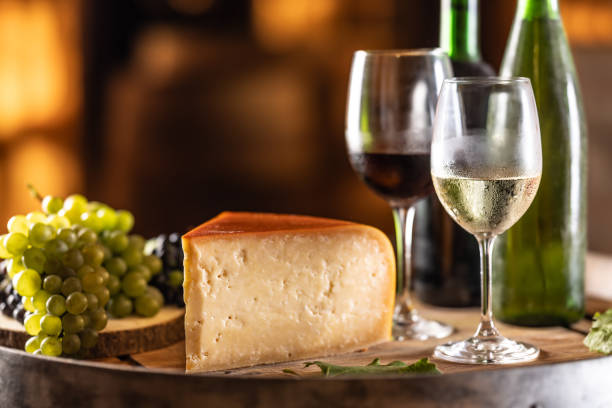
If you’re wondering what cheese goes with cabernet sauvignon, you’re in the right place. This bold red wine loves cheeses that can stand up to its rich, tannic flavor. Think aged, firm varieties like sharp cheddar, aged gouda, or robust blue cheeses—they complement the wine’s dark fruit and oak notes perfectly. In this guide, we’ll break down the best pairings, why they work, and even suggest a few surprising options to elevate your next wine and cheese moment. Let’s get pairing!
Best Cheeses to Pair with Cabernet Sauvignon
How to Match Flavor Intensity
When pairing cheese with Cabernet Sauvignon, matching flavor intensity is crucial to ensure neither the wine nor the cheese overpowers the other. Cabernet Sauvignon is a full-bodied red wine with bold tannins, high acidity, and rich flavors of dark fruit, cedar, and spice.
To stand up to these characteristics, choose cheeses with equally robust profiles. Opt for aged, firm, or strongly flavored varieties that can balance the wine’s structure. Soft, mild cheeses like mozzarella will be overwhelmed, while intensely flavored cheeses create harmony.
Consider aging as a guide—aged cheeses develop complex, concentrated flavors that complement the depth of Cabernet Sauvignon. This balance enhances both components, creating a more enjoyable tasting experience.
Sharp Cheddar and Why It Works
Sharp cheddar is one of the best cheese pairings for Cabernet Sauvignon due to its bold, tangy flavor and firm texture. Aged for several months or longer, sharp cheddar develops crystalline textures and nutty undertones that mirror the wine’s tannic structure and dark fruit notes.
The cheese’s natural acidity cuts through the wine’s richness, while its fat content softens the perception of tannins, making each sip smoother. Choose naturally aged cheddar over processed varieties for the most authentic pairing. Serve at room temperature to fully release its aroma and flavor.
This classic combination is perfect for charcuterie boards, appetizers, or casual gatherings where robust flavors are celebrated.
Aged Gouda for a Sweet Contrast
Aged Gouda brings a delightful sweet and caramel-like flavor that contrasts beautifully with the bold, dry profile of Cabernet Sauvignon. As Gouda matures—typically 18 months or more—it develops butterscotch notes and crunchy tyrosine crystals, adding texture and depth.
These caramelized, nutty qualities complement the wine’s oak-aged characteristics, such as vanilla and toasted spice. The slight sweetness in the cheese balances the wine’s tannins, creating a harmonious and complex tasting experience. Look for Gouda labeled ‘aged’ or ‘extra aged’ to ensure maximum flavor development.
This pairing is ideal for dessert-style cheese courses or when you want a surprising yet elegant flavor contrast that elevates both the cheese and wine.
Blue Cheese for Bold Pairings
For adventurous palates, blue cheese offers a bold, pungent pairing that thrives with Cabernet Sauvignon. Varieties like Roquefort, Gorgonzola, or Stilton feature strong, tangy, and sometimes salty flavors from their mold cultures, which stand up to the wine’s intensity.
The creamy, sharp profile of blue cheese interacts dynamically with the wine’s tannins, softening their grip while enhancing the fruit-forward notes. A touch of sweetness in the wine also balances the cheese’s saltiness, creating a complex, layered experience. Serve in small portions to let flavors shine without overwhelming the palate.
This daring duo is perfect for gourmet cheese boards or as a sophisticated end to a rich meal.
Why Cabernet Sauvignon Pairs Well with Certain Cheeses
Tannins and Fat: The Science Behind the Pairing
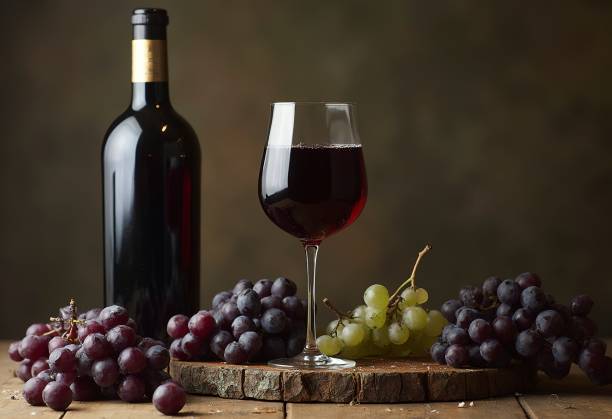
The bold tannins in Cabernet Sauvignon are key to its cheese pairing success. These tannins, derived from grape skins and oak aging, create a drying sensation in the mouth that can clash with delicate flavors but are perfectly balanced by the rich fat content in many cheeses.
When you pair Cabernet with a high-fat cheese like aged cheddar or Gouda, the fat coats your palate, softening the tannins and reducing their astringency. This interaction creates a smoother, more harmonious tasting experience. Firm, fatty cheeses also stand up to the wine’s full body without being overwhelmed.
The protein in cheese further helps to neutralize tannin bitterness, enhancing both the wine’s fruitiness and the cheese’s savory depth. For best results, choose cheeses with a creamy yet dense texture—this ensures they interact effectively with the wine’s structure.
Avoid low-fat or fresh cheeses, as they can make the tannins taste harsh.
How Acidity Affects Cheese Selection
The moderate to high acidity in Cabernet Sauvignon plays a crucial role in determining which cheeses complement it best. Acidity cuts through richness, so pairing it with cheeses that have a balanced tang and creaminess prevents the palate from feeling overloaded.
Cheeses like aged Manchego or clothbound cheddar offer a pleasant sharpness that mirrors the wine’s acidity, creating a vibrant synergy. If a cheese is too mild or overly creamy without tang—like fresh mozzarella—it can dull the wine’s bright notes.
On the other hand, excessively acidic cheeses, such as young goat cheese, may clash and heighten the wine’s alcohol perception. The goal is equilibrium: a cheese that matches the wine’s intensity and provides a refreshing counterpoint to its depth.
Always taste the pairing side by side to ensure the acidity in both components lifts rather than competes, enhancing the overall flavor profile.
The Role of Aging in Cheese and Wine Harmony
Aged cheeses and Cabernet Sauvignon share a complexity developed over time, making them ideal partners. As cheeses like aged Gruyère, Parmesan, or matured Cheddar age, they develop crystalline textures and nutty, umami-rich flavors that mirror the secondary notes in well-aged Cabernet—think dried fruit, leather, and cedar.
These deep flavor profiles stand up to the wine’s intensity without being overshadowed. The proteolysis and lipolysis that occur during cheese aging also produce savory compounds that enhance the wine’s perception of body and length.
Similarly, Cabernet that has undergone bottle aging softens its tannins, allowing for a smoother integration with aged dairy. For optimal pairing, match the aging duration of the wine and cheese—older vintages with well-matured cheeses. This alignment ensures both elements evolve together on the palate, delivering a harmonious, lingering finish.
Soft Cheeses That Complement Cabernet Sauvignon

Brie: Creamy Texture Meets Bold Wine
Brie is an excellent soft cheese pairing for Cabernet Sauvignon due to its creamy texture and mild, buttery flavor that balances the wine’s bold tannins. When serving, allow the Brie to come to room temperature—about 30 minutes before serving—to fully release its rich, velvety notes.
The wine’s dark fruit characteristics, like blackcurrant and plum, contrast beautifully with Brie’s subtle earthiness. For an elevated experience, serve Brie with crusty baguette slices or toasted nuts such as walnuts or almonds, which add a pleasant crunch and complementary flavor.
Avoid strongly flavored additions that might overpower the delicate cheese. The high fat content in Brie also helps soften the perception of tannins, making each sip of Cabernet smoother. This pairing works especially well as an appetizer or during casual gatherings where guests appreciate approachable yet sophisticated flavor combinations.
Camembert with Fruit Pairing Tips
Camembert, with its rich, mushroomy rind and luscious interior, pairs wonderfully with Cabernet Sauvignon when balanced with the right accompaniments. The key is selecting sweet, tart fruits like sliced apples, pears, or dried figs, which enhance the wine’s fruit-forward profile while cutting through the cheese’s richness.
Arrange the Camembert on a board with fresh grapes or a spoonful of quince paste to create a harmonious contrast. Like Brie, bring Camembert to room temperature before serving to maximize its creamy texture and aromatic depth.
The wine’s structured tannins interact positively with the cheese’s fat, resulting in a smoother mouthfeel and more integrated flavors. This pairing shines during autumn or winter gatherings, where the earthy notes of both cheese and wine resonate with seasonal dishes.
Avoid overly salty condiments that can clash with the wine’s acidity.
When to Avoid Overly Soft Varieties
While many soft cheeses pair well with Cabernet Sauvignon, overly soft or runny varieties like ripe Coulommiers or double-crème cheeses can overwhelm the palate when matched with this bold red.
These cheeses often have excessive butterfat content, which may coat the mouth and mute the wine’s complex flavors, including its herbal and oak notes. Additionally, their intense creaminess can amplify the astringency of tannins rather than balance it. Reserve these ultra-soft options for lighter wines like Pinot Noir.
Instead, opt for soft cheeses with a firmer interior or bloomy rind that maintain structure on the palate. Younger Brie or Camembert with a slight springiness are better choices than fully ripened, oozing versions.
Pay attention to ripeness and serve with acidic accompaniments like pickled vegetables or tart fruits to refresh the palate between bites and maintain harmony with the wine.
Hard Cheeses That Enhance Cabernet Flavor
Parmesan and Its Umami Boost
Parmesan is a hard, aged cheese that brings a rich umami depth, making it an excellent match for Cabernet Sauvignon. The wine’s bold tannins and dark fruit notes—like blackcurrant and plum—are beautifully balanced by Parmesan’s salty, savory intensity.
As the cheese ages, it develops crunchy tyrosine crystals that add a pleasant texture, enhancing the full-bodied mouthfeel of the wine. This synergy amplifies both the flavor complexity and lingering finish of the pairing. For best results, serve aged Parmesan at room temperature to release its aromatic compounds.
Shave it thinly over a cheese board or offer small cubes alongside dried fruits or walnuts to complement the wine’s profile. The high fat and protein content in Parmesan also helps soften Cabernet’s astringency, making each sip smoother.
This pairing works especially well with grilled meats or hearty dishes, where both cheese and wine shine.
Manchego: A Nutty Counterpoint
Manchego, crafted from sheep’s milk and aged for at least 6 months, offers a firm texture and distinctive nutty flavor that complements Cabernet Sauvignon’s structure. Its subtle tang and buttery richness contrast the wine’s dark berry and oak-driven notes, creating a harmonious balance on the palate.
The cheese’s natural saltiness highlights the wine’s fruitiness while taming its tannic edge. Aged Manchego, in particular, develops caramel and toasted almond undertones that mirror the vanilla and spice notes often found in barrel-aged Cabernets.
Serve it at room temperature with quince paste (membrillo) or Marcona almonds to elevate the experience. The moderate fat content in Manchego cuts through the wine’s body without overwhelming it, making this pairing ideal for charcuterie boards or pre-dinner gatherings.
This combination also works well with roasted vegetables or lamb, where both elements enhance savory depth.
How Aging Affects Pairing Success
The aging process of both cheese and wine plays a crucial role in successful pairings with Cabernet Sauvignon. As hard cheeses like Parmesan and Manchego age, they lose moisture, concentrate flavors, and develop complex compounds such as free glutamates and fatty acids, which enhance umami and mouthfeel.
These characteristics align perfectly with the structured tannins and deep fruit profile of an aged Cabernet. Meanwhile, as Cabernet matures, its tannins soften and evolve into smoother, leathery, or earthy notes, allowing aged cheeses to stand up to its presence without clashing.
For optimal pairing, match the intensity levels—a 24-month aged Manchego pairs better with a 5- to 10-year-old Cabernet than a young, aggressively tannic one. Serving both at proper temperatures (around 60–65°F for wine, room temp for cheese) ensures their aromas and textures integrate seamlessly, delivering a refined, layered tasting experience.
Semi-Soft Cheeses for Balanced Pairings
Havarti with Herb Variations
Havarti is a semi-soft Danish cheese that pairs exceptionally well with Cabernet Sauvignon due to its creamy texture and subtle tang. When selecting Havarti, opt for herb-infused varieties such as dill, chives, or garlic, as these add aromatic complexity that complements the wine’s bold tannins and dark fruit notes.
The buttery richness of Havarti helps soften the wine’s astringency, creating a balanced palate experience. Serve thin slices or small cubes on a cheese board alongside dried figs and toasted walnuts to enhance both the cheese and wine profiles.
Allow the cheese to sit at room temperature for 30 minutes before serving to fully release its flavors and achieve optimal creaminess. This pairing works especially well with medium-bodied Cabernets that have notes of blackcurrant and cedar, making Havarti a versatile and crowd-pleasing choice for dinner parties or casual tastings.
Muenster and Mild Melting Qualities
Muenster, a smooth and mild American semi-soft cheese, offers a creamy mouthfeel that harmonizes beautifully with the structured tannins of Cabernet Sauvignon. Despite its mild flavor, Muenster’s buttery richness and slight tang counterbalance the wine’s intensity without overpowering it.
The cheese’s excellent melting properties also make it ideal for warm pairings, such as baked Muenster on crusty bread or a grilled sandwich served alongside a glass of Cabernet. Serve Muenster at a cool room temperature to preserve its supple texture and allow its subtle flavors to shine.
Pairing it with roasted grapes or caramelized onions adds a touch of sweetness that echoes the wine’s dark fruit characteristics. This approachable combination is perfect for those who prefer a gentler cheese presence while still enjoying the depth of a full-bodied red.
Muenster proves that mild cheeses can deliver big on balance.
Tips for Serving at the Right Temperature
Serving semi-soft cheeses like Havarti and Muenster at the ideal temperature—around 65–70°F (18–21°C)—is crucial for unlocking their full flavor potential alongside Cabernet Sauvignon. Cold cheese straight from the fridge suppresses aroma and texture, resulting in a waxy mouthfeel that dulls the pairing.
Remove cheeses from the refrigerator 30 to 40 minutes before serving to allow them to warm gradually. This enhances creaminess and brings out subtle herbal or buttery notes that complement the wine’s complexity. Use a marble or wood board to serve, as these materials help maintain a stable temperature.
Avoid direct sunlight or heat sources to prevent melting. Serve with a cheese knife designed for soft varieties to preserve texture. Proper temperature ensures a harmonious balance between the wine’s tannic structure and the cheese’s richness, elevating the entire tasting experience.
Cheese Board Ideas Featuring Cabernet Sauvignon
How to Arrange a Balanced Board
Start by selecting firm, aged cheeses like aged cheddar, manchego, or gouda, which stand up well to Cabernet Sauvignon’s bold tannins and dark fruit notes. Place these cheeses evenly around the board to create visual balance and easy access.
Complement them with semi-soft options such as aged provolone or dry jack to add variety in texture without overwhelming the palate. Include a small portion of blue cheese like Point Reyes or Stilton for a pungent contrast that enhances the wine’s richness.
Arrange cheeses in different shapes and sizes using cheese knives for each type to avoid flavor mixing. Fill gaps with grapes, apple slices, or dried figs to cleanse the palate between bites. Position stronger cheeses toward one end and milder ones at the other to guide tasting progression.
This thoughtful layout ensures every guest experiences harmony between cheese and wine with each pairing.
Pairing Accompaniments Like Nuts and Jam
Enhance your Cabernet Sauvignon cheese board with rich, complementary accompaniments that elevate both the wine and cheeses. Choose toasted walnuts or pecans, whose earthy, slightly bitter notes mirror the wine’s tannic structure and amplify its complexity.
Offer a spoonful of dark cherry jam or fig preserves—their natural sweetness balances the wine’s acidity and pairs beautifully with sharp cheddar or blue cheese. Include a small jar of grainy mustard to add a tangy kick that cuts through fat and refreshes the palate.
Avoid overly sweet jams like strawberry; instead, opt for low-sugar, fruit-forward preserves with deep flavors. Place accompaniments in small ramekins between cheeses to prevent flavor bleed. Add crusty baguette slices or water crackers to provide a neutral base.
These pairings create layered tasting experiences, allowing the robust character of Cabernet Sauvignon to shine alongside every bite.
Serving Temperatures for Optimal Taste
Serve your cheese board at room temperature to ensure maximum flavor release—remove cheeses from the fridge 30 to 60 minutes before serving. Cold temperatures mute textures and aromas, especially in firm cheeses like aged cheddar or manchego, making them waxy and less aromatic.
Meanwhile, Cabernet Sauvignon performs best slightly below room temperature, around 60–65°F (15–18°C). This range softens tannins and allows dark berry, cedar, and spice notes to express fully. If the wine is too warm, it emphasizes alcohol; too cold, and the structure feels harsh.
Use a wine thermometer or chill the bottle for 15 minutes in the fridge if it’s been sitting out. Keep accompaniments like jams and nuts at room temperature for consistency.
This temperature harmony ensures cheeses are creamy and aromatic while the wine remains balanced and structured, creating an ideal tasting environment.
Common Mistakes When Pairing Cheese and Cabernet
Avoiding Overly Salty Cheeses
Pairing Cabernet Sauvignon with overly salty cheeses like blue cheese or aged feta can overpower the wine’s nuanced tannins and fruit notes. The high salt content intensifies the bitterness in the wine, creating an unbalanced tasting experience. Instead, opt for cheeses with moderate salt levels that complement rather than compete.
Cheeses such as aged cheddar, Gouda, or Manchego provide enough savory depth to stand up to Cabernet’s bold structure without overwhelming it. The key is harmony between salt and tannin—when balanced, the salt softens the wine’s astringency while the wine cuts through the richness of the cheese.
Always taste both components together to ensure they enhance each other. If the cheese makes the wine taste metallic or harsh, it’s a sign of imbalance. Choosing the right salt level ensures a smooth, layered pairing that highlights the wine’s dark fruit and the cheese’s creaminess.
Don’t Serve Cheese Too Cold
Serving cheese straight from the refrigerator dulls its flavors and textures, making it difficult to appreciate its full profile alongside a robust Cabernet Sauvignon. Cold temperatures mute aroma and fat expression, which are essential for balancing the wine’s tannins.
Always allow cheese to sit at room temperature for 30 to 60 minutes before serving to unlock its creaminess and complexity. This warming period helps the cheese interact more effectively with the wine’s bold structure, enhancing notes of dark cherry, vanilla, and spice.
Firm cheeses like aged Gruyère or cloth-bound cheddar especially benefit from this, as their fats soften and flavors bloom. When cheese is too cold, it can make the wine taste harsher and more astringent.
Serving at the right temperature ensures a harmonious mouthfeel and flavor integration, allowing both elements to shine in the pairing.
Mismatched Intensity Levels to Watch For
One of the most common mistakes when pairing cheese with Cabernet Sauvignon is mismatching intensity levels—choosing a mild cheese that gets lost or an overpowering cheese that dominates. Cabernet is a full-bodied wine with strong tannins and deep flavors, so it needs cheeses with equal boldness and complexity.
Delicate cheeses like mozzarella or fresh goat cheese simply can’t stand up to the wine’s structure, resulting in an unbalanced pairing. Instead, go for aged, firm cheeses such as extra-aged cheddar, Parmigiano-Reggiano, or smoked Gouda, which offer concentrated flavors and textural richness.
These cheeses mirror the wine’s intensity and create a satisfying synergy. Always consider the flavor weight of both components—when intensity is well-matched, the pairing feels cohesive, with each bite enhancing the wine’s dark fruit and oak notes.
Frequently Asked Questions
What is the best type of cheese to pair with Cabernet Sauvignon?
Aged hard cheeses like aged cheddar, Gouda, and Parmesan are excellent choices for Cabernet Sauvignon. Their rich, sharp flavors and firm textures stand up well to the wine’s bold tannins and dark fruit profile.
Can I pair soft cheeses with Cabernet Sauvignon?
Soft cheeses like Brie or Camembert can work if they have a strong, earthy rind or bold flavor. However, their creaminess may accentuate the wine’s astringency, so opt for more robust versions rather than mild ones.
Why does aged cheddar pair so well with Cabernet Sauvignon?
Aged cheddar has a sharp, tangy flavor and crystalline texture that complements the bold structure and notes of blackcurrant and oak in Cabernet Sauvignon. The cheese’s fat content also helps soften the wine’s tannins.
Are blue cheeses a good match for Cabernet Sauvignon?
Yes, bold blue cheeses like Roquefort or Stilton pair beautifully with Cabernet Sauvignon. Their pungent, salty flavors balance the wine’s intensity and create a harmonious contrast.
Should I avoid certain cheeses with Cabernet Sauvignon?
Avoid very mild or fresh cheeses like mozzarella or ricotta, as they can be overwhelmed by the wine’s robust character. These cheeses lack the flavor intensity needed to match the wine’s bold profile.
How should I serve cheese when pairing with Cabernet Sauvignon?
Serve cheeses at room temperature to fully express their flavors and textures. Offer a variety of textures and intensities—such as a sharp cheddar, a nutty Gruyère, and a bold blue—to complement different aspects of the wine.
Conclusion
Cabernet Sauvignon pairs beautifully with bold, aged cheeses like aged cheddar, blue cheese, and gouda, which stand up to its rich tannins and dark fruit flavors. The key is balancing intensity—opt for cheeses with complexity and a firm texture. These pairings enhance both the wine and cheese, creating a memorable tasting experience. Experiment with combinations to discover your favorite match and elevate your next wine and cheese gathering with confidence and delight.


